Three volcanic islands between Mozambique and Madagascar: Grande Comore with Moroni and Mount Karthala, Mohéli with its sea turtles and marine park, and lush Anjouan with its perfume distilleries. Visa on arrival, what to book early and what to eat.
Everything for Comoros on one page: what to know before you leave, the tours worth booking ahead, an eSIM and where to stay and eat, so you land with a plan, not 37 open tabs.
Some links earn me a small commission at no extra cost to you.
My free appLanding with no signal? Take this whole planner offline in my free iPhone app.Download on the App Store
Where in the worldComoros
Why Comoros is amazing
1
Three islands, three moods
Grande Comore has Moroni and the volcano, Mohéli is the quiet nature island, and Anjouan is all steep green hills, waterfalls and perfume distilleries.
2
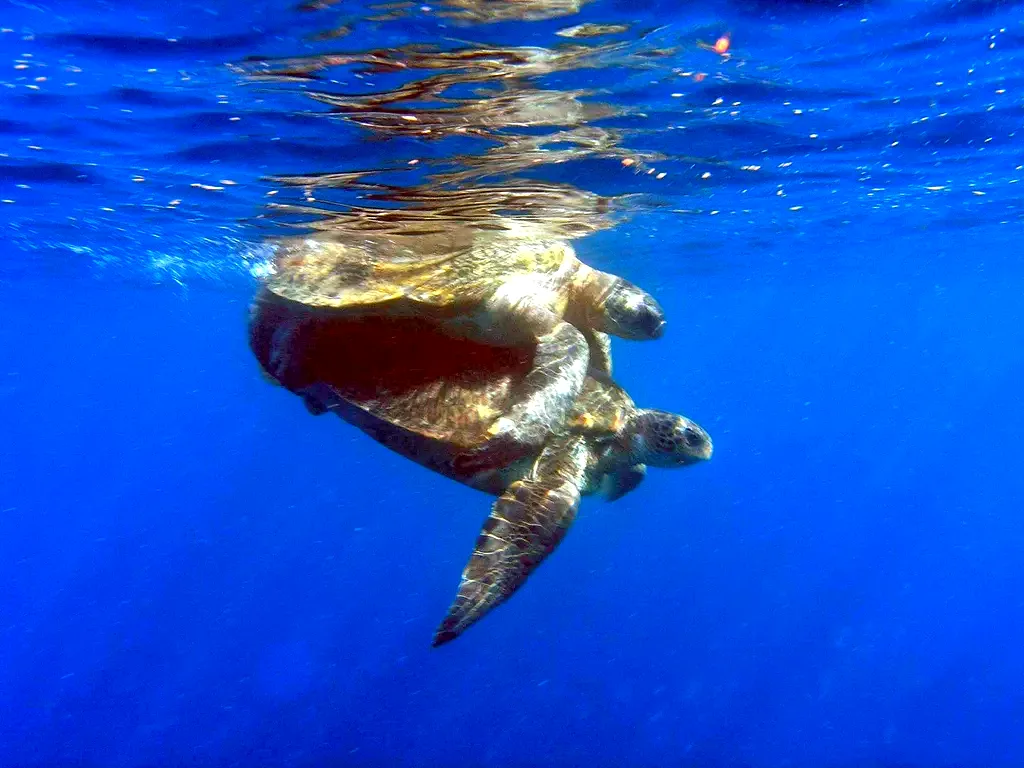
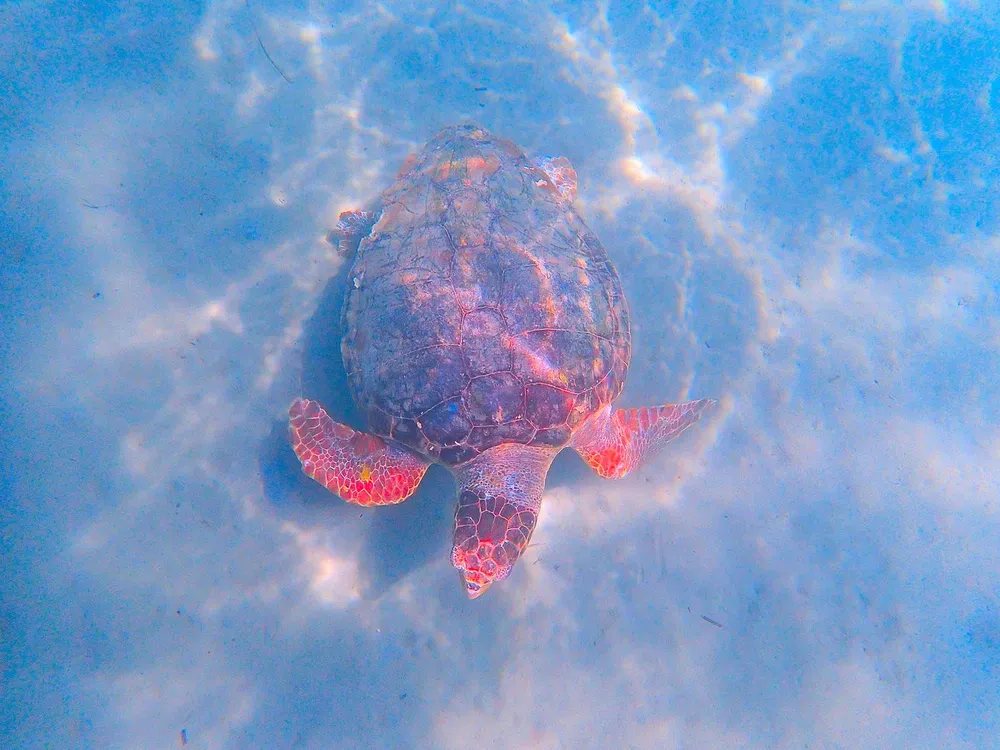
Turtles on the beach
On Mohéli, green turtles come ashore at Itsamia to nest, most of all from March to August, inside a national park that also shelters dolphins and dugongs.
3
Climb an active volcano
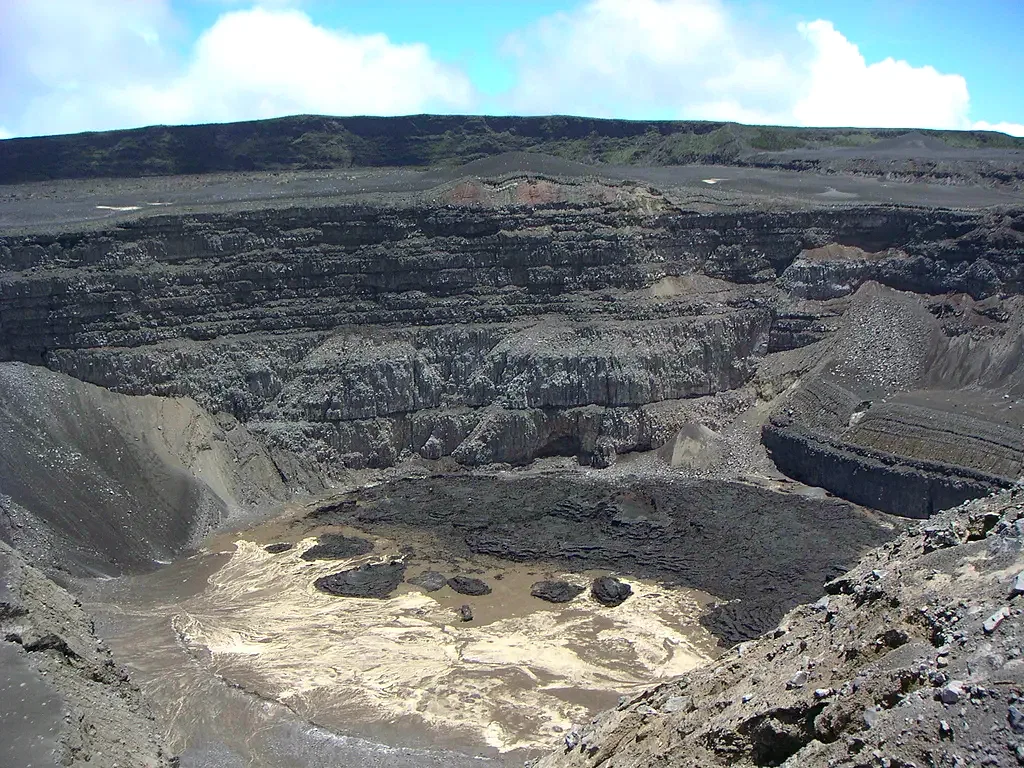
Mount Karthala rises 2,361 meters above Grande Comore. The guided climb with a local guide usually takes two days, through dramatic volcanic scenery.
4
Fresh from the sea
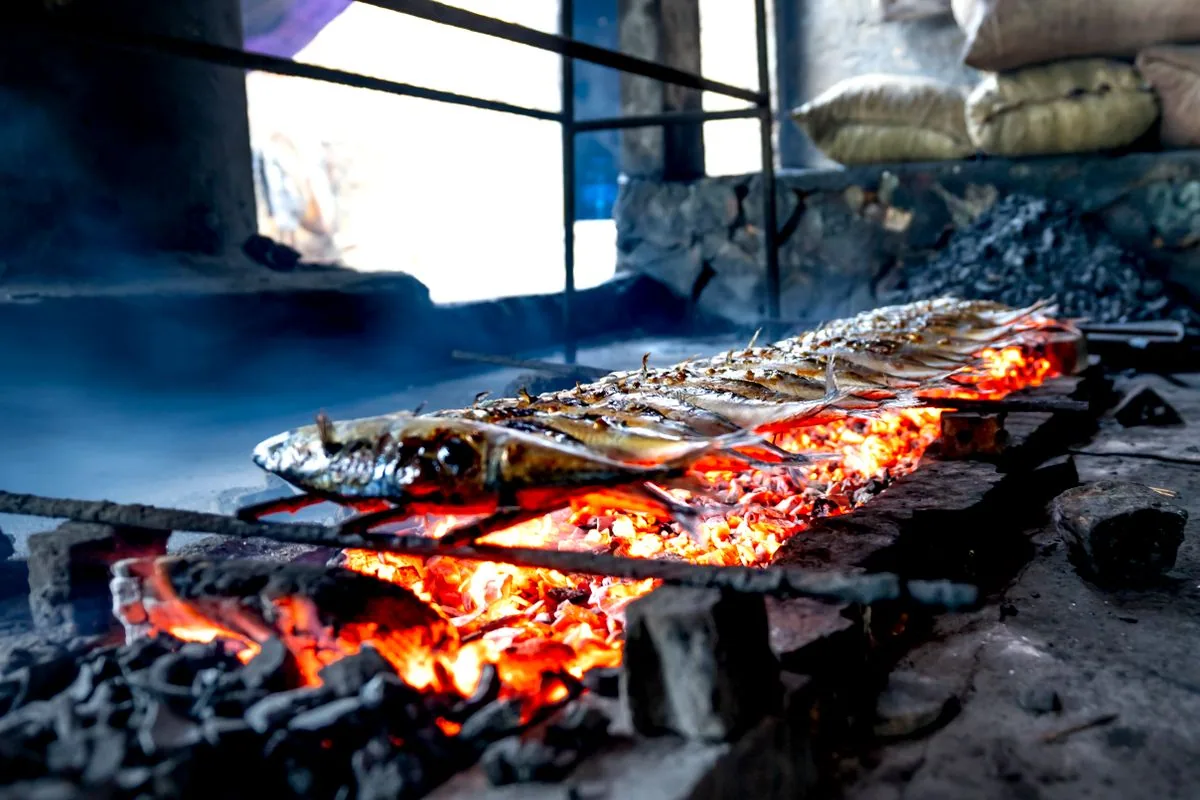
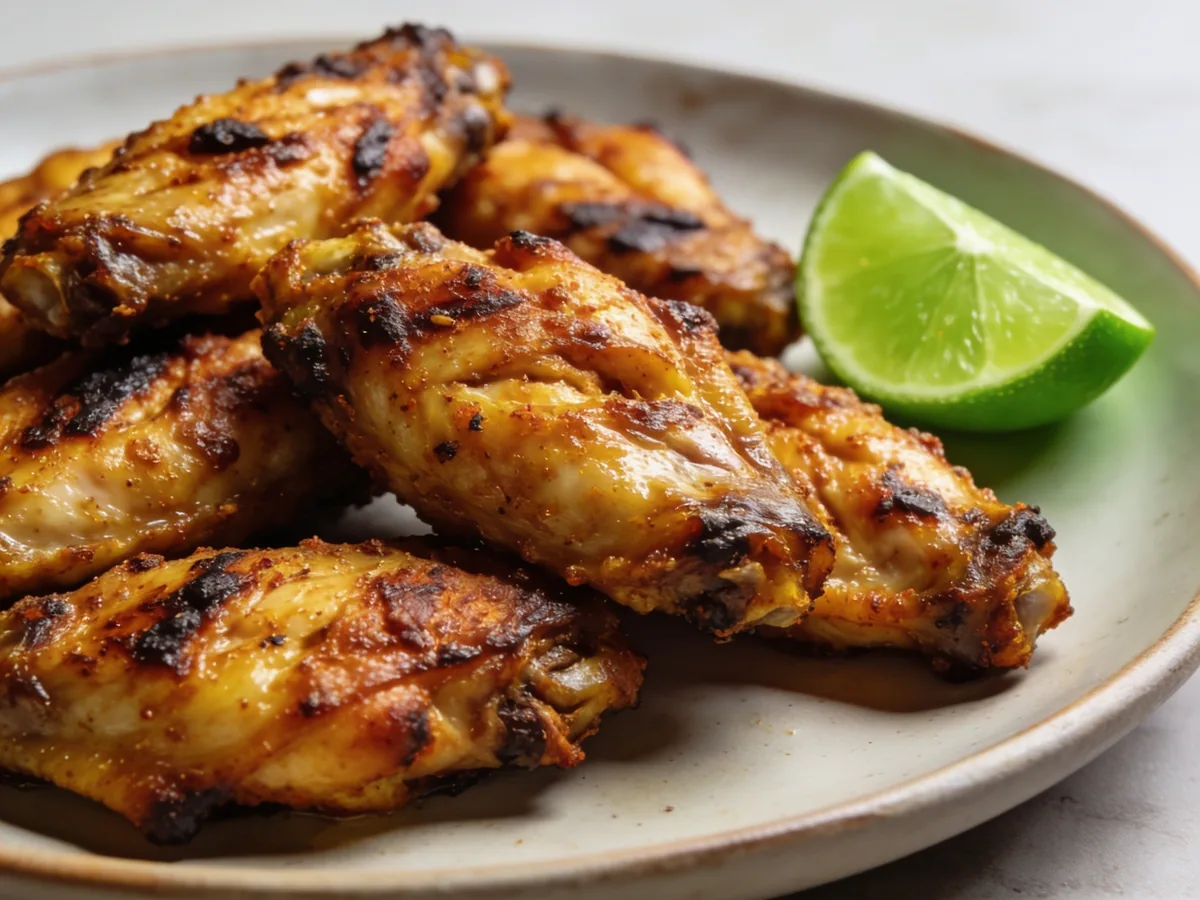
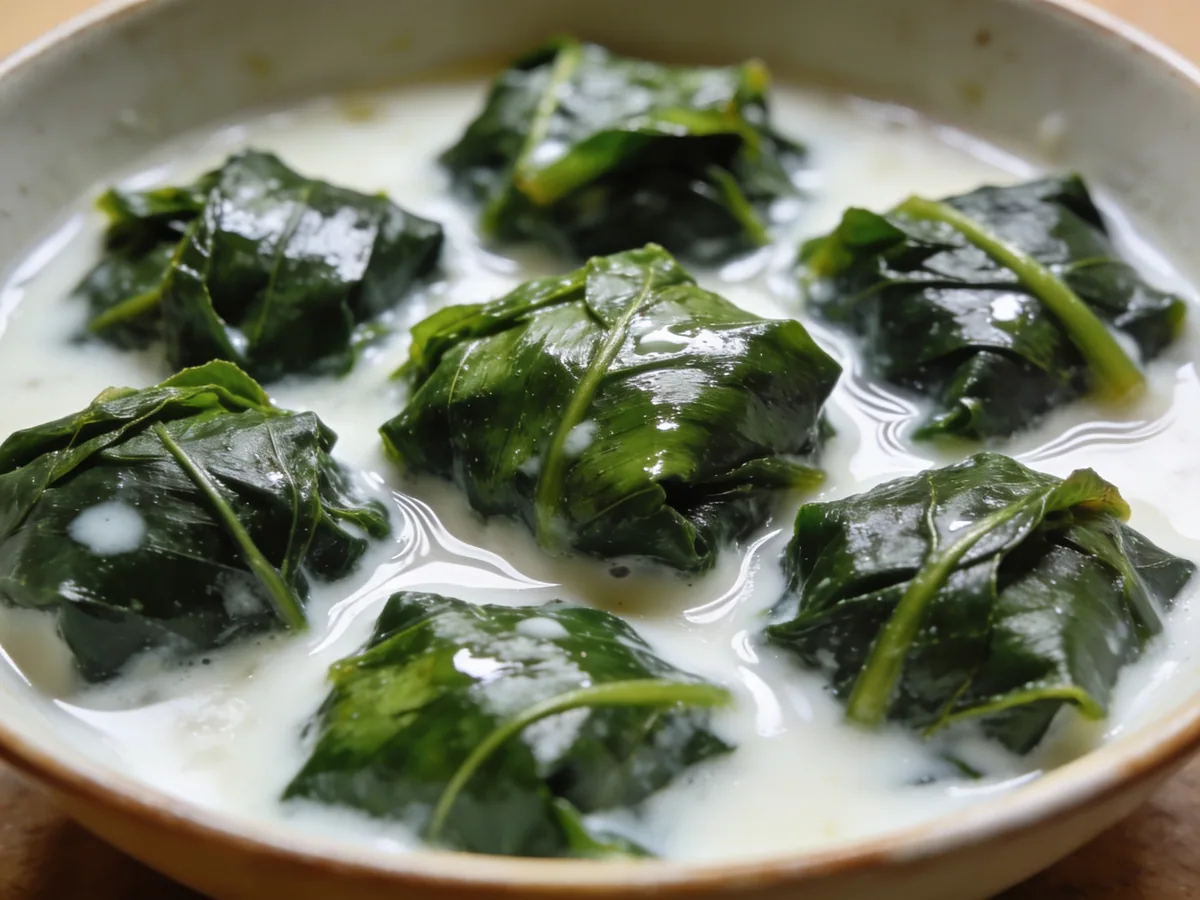
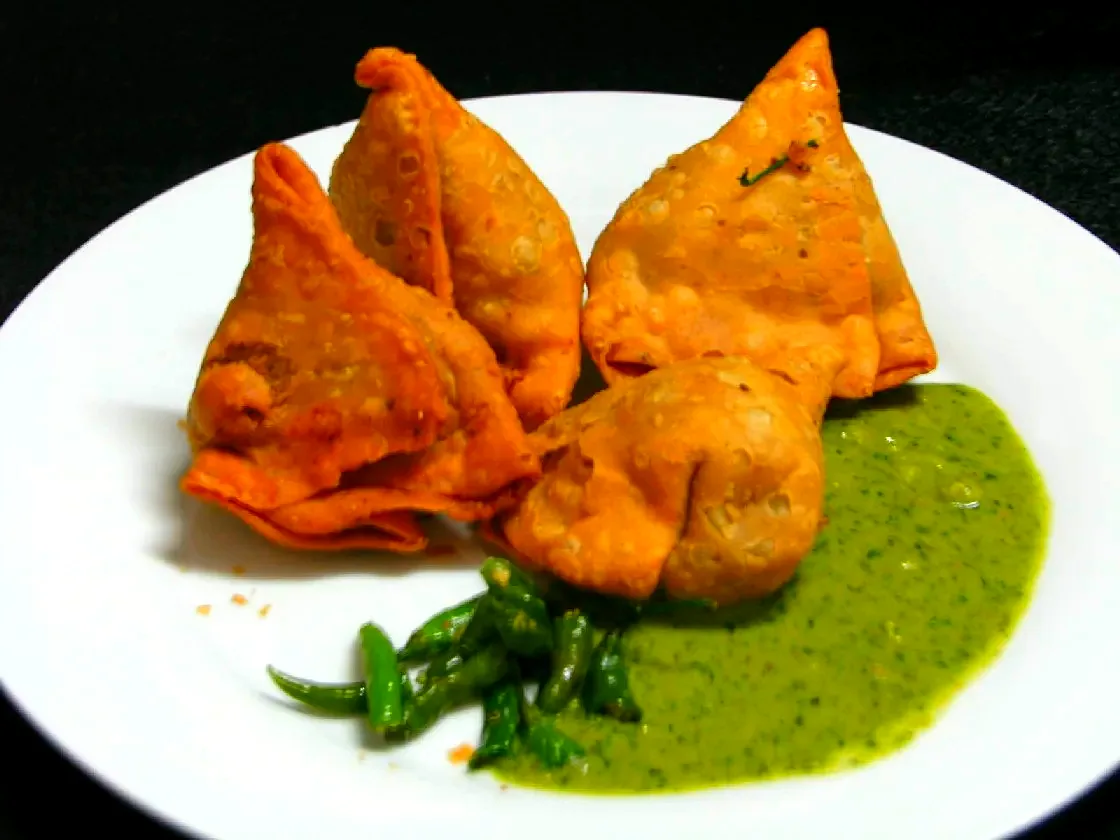
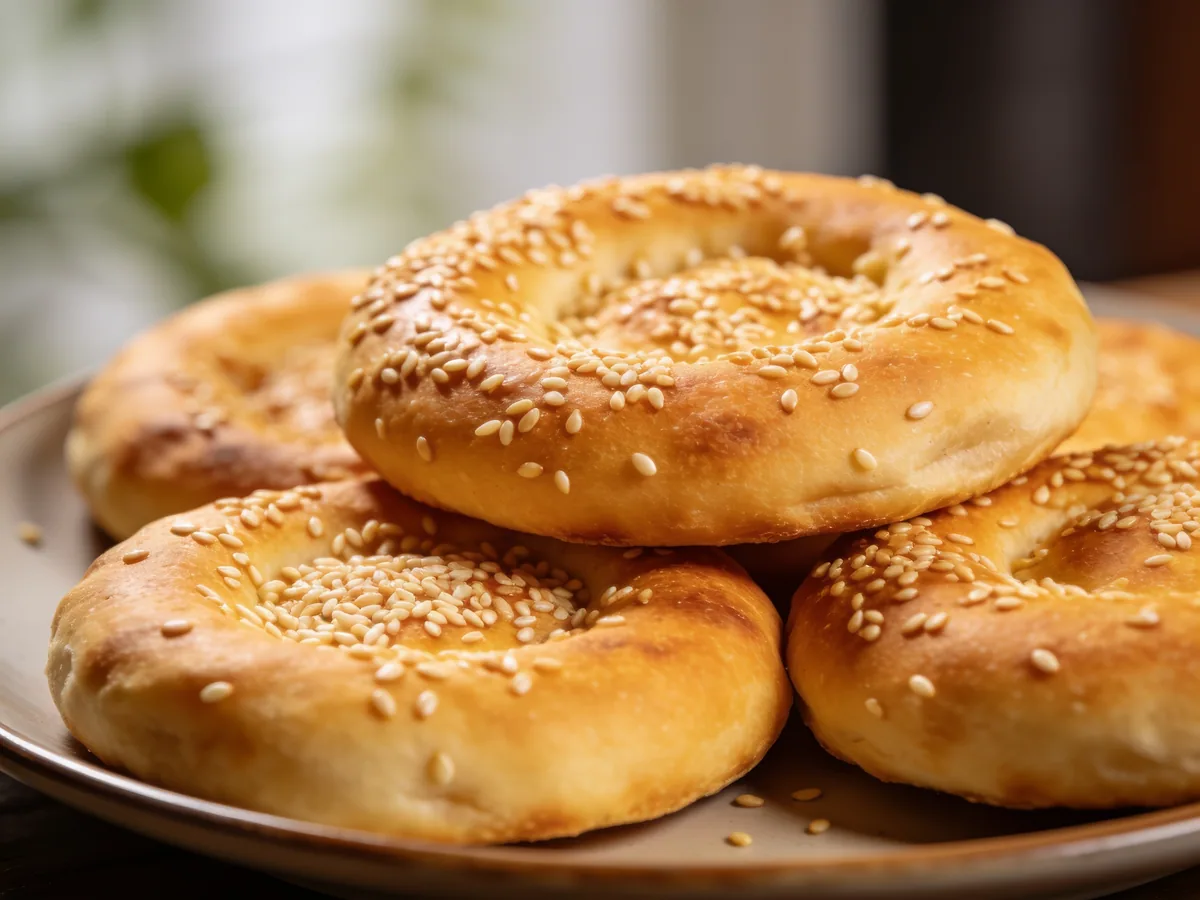
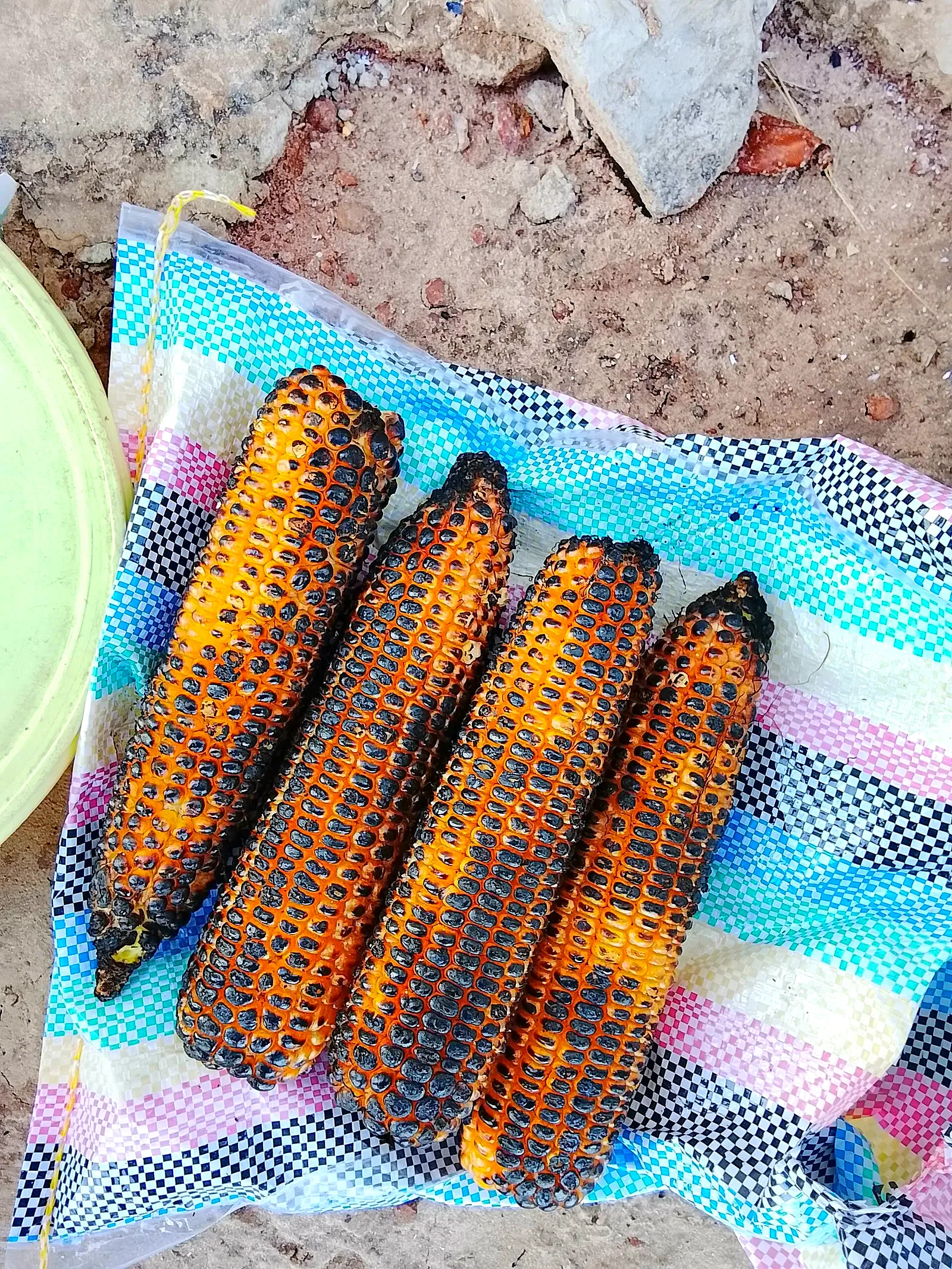
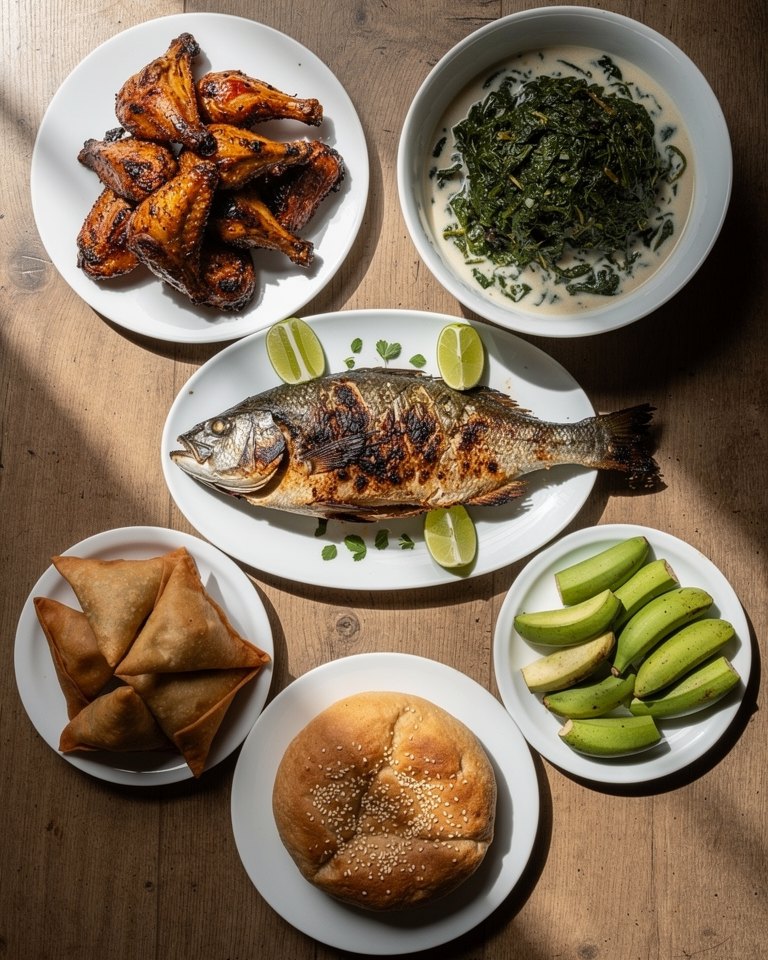
Comorian food follows the catch: grilled fish, spicy sambusa and mabawa wings from night grills in Moroni, with tamarind and guava juices on the side.
5
Islands that smell like perfume
Ylang ylang, vanilla, cloves and jasmine scent the air of the perfume islands, and on Anjouan you can see the flowers distilled into oil.
Worth booking ahead
The good ones sell out while you are still deciding. Book these before you fly, and keep your days for wandering.
Grande Comore and Moroni
Mount Karthala hike
A two day guided climb to the crater of one of Africa's great volcanoes.
Five short notes from me: the 3 things I sort out ahead of every flight, the tiny details nobody tells you, and your vote on where I go next 🌍
A bit of history
A 15th century mosque
Moroni grew rich on Indian Ocean trade, and its Badjanani mosque was built in 1427, in the golden age of the Swahili coast cities.
Settlers from across the ocean
The first known settlers sailed in from Southeast Asia by the 8th century AD, followed by people from East Africa, Arabia, the Persian Gulf and Madagascar.
A living fossil
The coelacanth, a deep sea fish once thought extinct, lives in the seas around the Comoro Islands.
A citadel against raiders
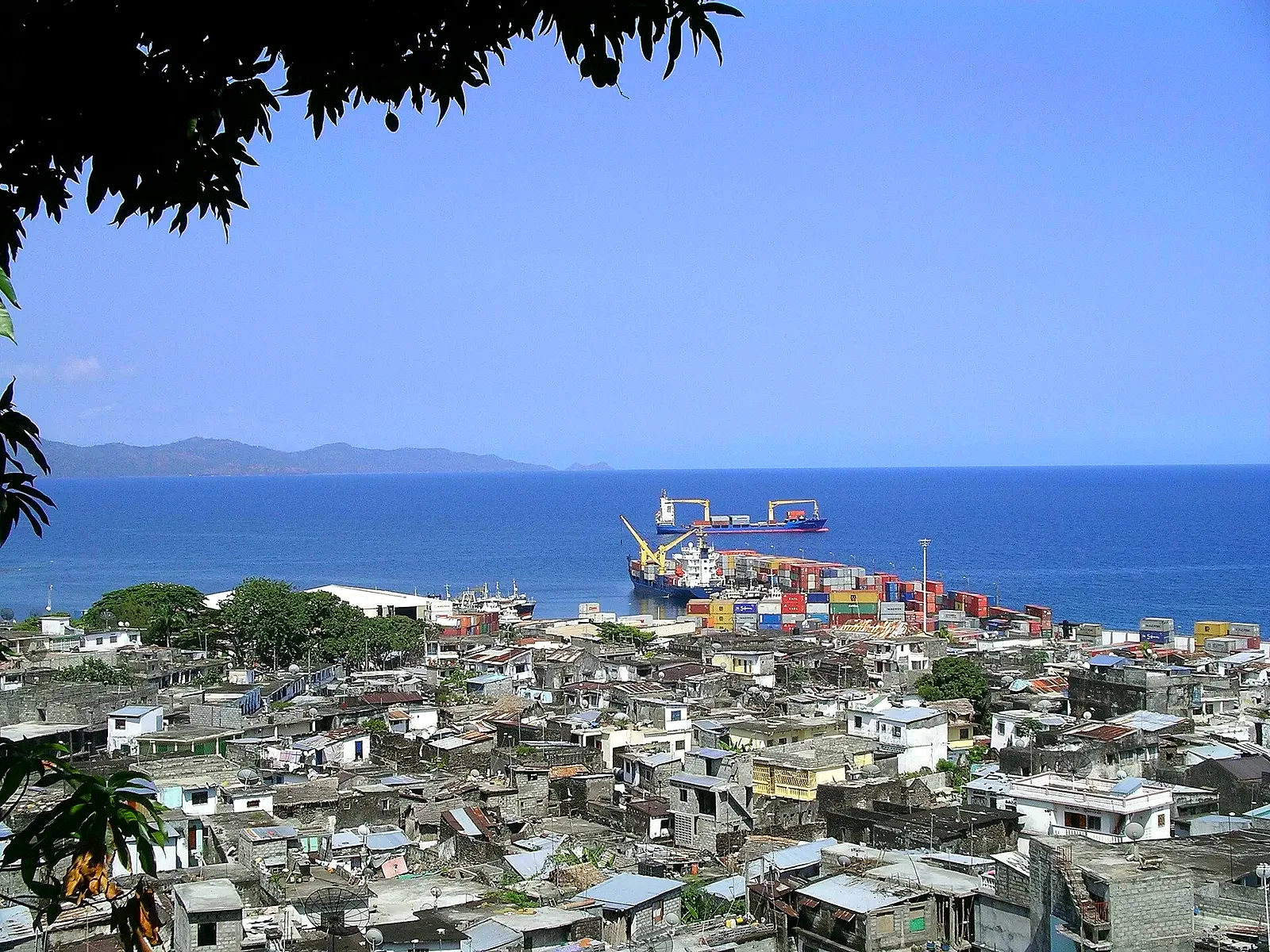
The hilltop citadel of Mutsamudu on Anjouan was built in 1786, with British help, to protect the town from slave raiders sailing from Madagascar.
Where to stay
The areas worth basing yourself in, each with its own stay search, and every hotel on one map.
Tip: finish booking on the website, not in the hotel's app, so it counts as booked through me.
Comoros works best with a few bases. These are the places this planner suggests, with how to reach each one and one honest heads up. Everything here is researched for you from official and tourism board sources.
Capital island
Grande Comore and Moroni
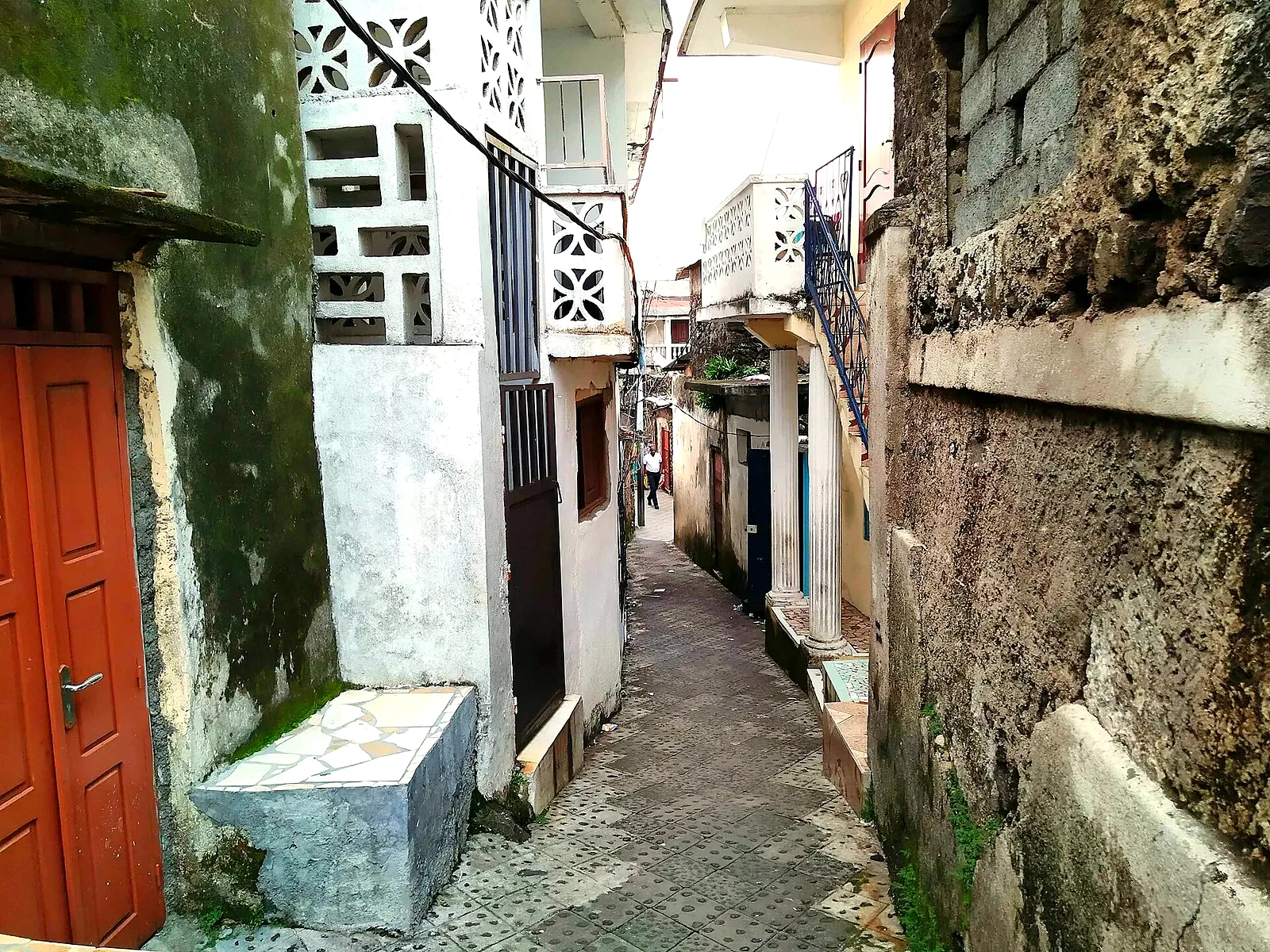
The capital's old medina is a maze of narrow coral stone alleys around the old port, where the Badjanani mosque dates to 1427. Above the island rises Mount Karthala, an active volcano of 2,361 meters.
Near: The medina and old port, the Volo Volo market, the old royal town of Iconi, volcanic coastlines and beaches, and the Karthala hike.
Getting around: Taxis around Moroni and hired cars with drivers for the island.
Heads up: The Karthala climb usually takes two days with a guide; do not go alone. Protests mostly happen in Moroni.
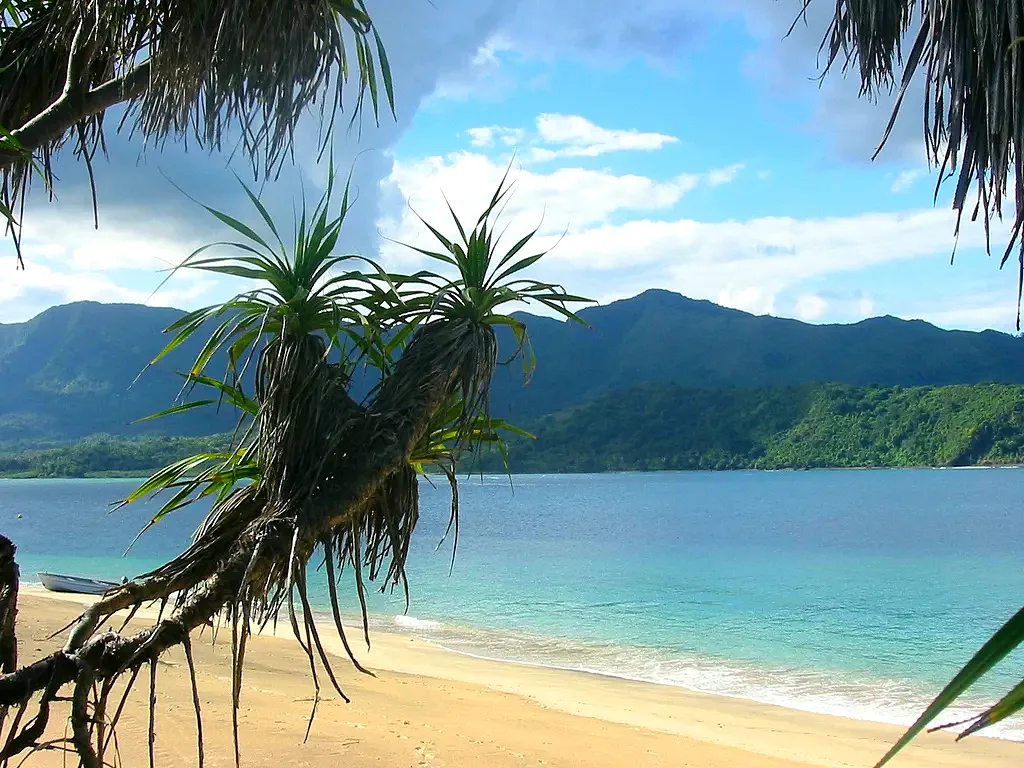
The smallest and most preserved of the three islands, built around Mohéli National Park. Green turtles nest on its beaches, and dolphins, dugongs and whales live in its waters.
Near: Turtle watching at Itsamia, boat trips in the marine park, and whale watching from July to October.
Getting around: Flights or boats from Grande Comore and Anjouan.
Heads up: Bring enough cash, and confirm return flights or boats before you go.
I would like this oneJe voudrais celui-cizhuh voo DREH suh lwee SEE
Can you help me?Pouvez-vous m'aider ?poo vay VOO meh DAY
Too expensiveC'est trop cherseh troh SHEHR
French and Arabic are the official languages. Most Comorians speak Shikomori, a group of Swahili dialects, and French as a second language; English is rare.
Find your flight
Search flights to Comoros and compare prices before you book.
US passport US citizens need a visa for Comoros, but it's sold on arrival at the airport, so bring cash (euros are easiest). Check the official page before you book. Official page. Checked 13 Nov 2026.
There is no full time US presence in Comoros; the US Embassy in Madagascar handles help for US citizens. Register your trip and carry copies of your passport.
Getting there
Prince Said Ibrahim International Airport (HAH), north of Moroni on Grande Comore, is the main gateway. International connections vary by season and airline, often through East Africa or the Indian Ocean islands.
Between the islands
Flights and boats link the three islands, but schedules change, so confirm them locally. Boats are often overcrowded and lack safety gear: use only commercially licensed ferries.
Cash society
The Comorian franc (KMF) is the currency, and euros are accepted in many shops. Credit cards are rarely accepted, so bring enough cash for the whole stay.
Health
Antimalarial protection is recommended all year, and a yellow fever certificate is needed if you arrive from a risk country. Tap water is not safe to drink; buy bottled water. Health care is very limited outside Moroni, so carry evacuation insurance.
Safety
The US State Department advises increased caution in Comoros because of crime, unrest and health. Petty crime is common; avoid walking alone after dark and stay away from protests, which mostly happen in Moroni.
When to go
May to October: The dry season, the best months for hiking Karthala, diving and island hopping.
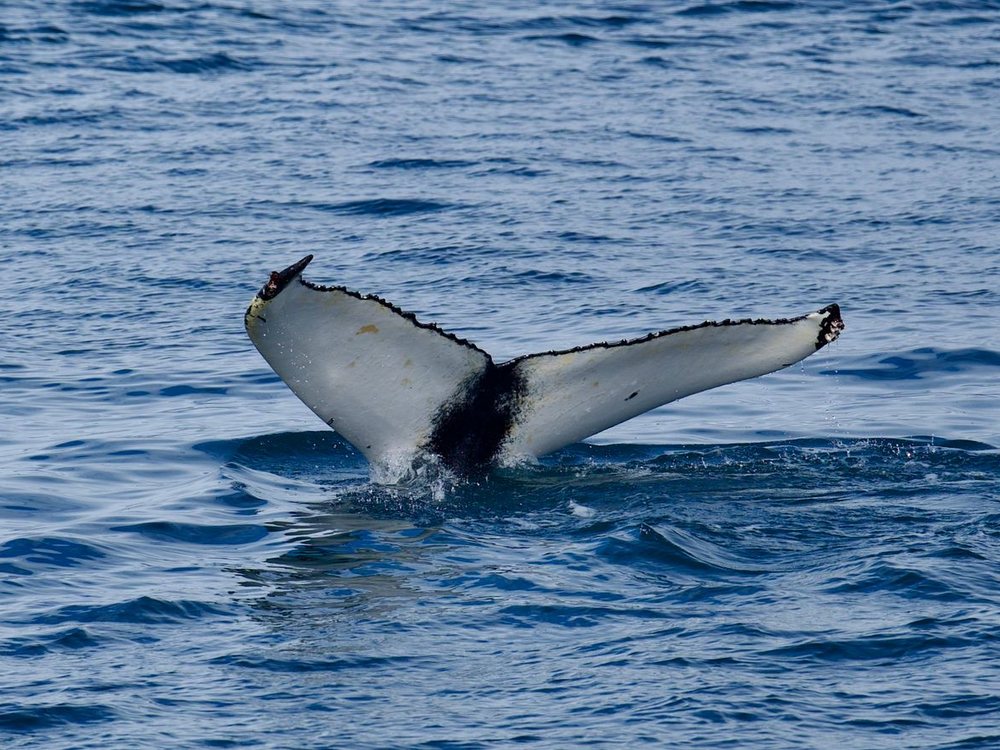
Whales and turtles: Humpback whales pass from July to October. Sea turtles are around Mohéli all year, with the most nesting from March to August.
Ramadan: During Ramadan most restaurants stay closed until the fast breaks at dusk; avoid eating or drinking in public in the daytime.
Plugs and power
Plug CPlug E
Power is 220 V, 50 Hz. Bring an adapter if your plugs are from the US or the UK. Plugs from the EU usually fit. US gear that only runs on 110 to 120 V, like some hair tools, needs a converter here. Check your chargers and devices say 100 to 240 V before you plug in.
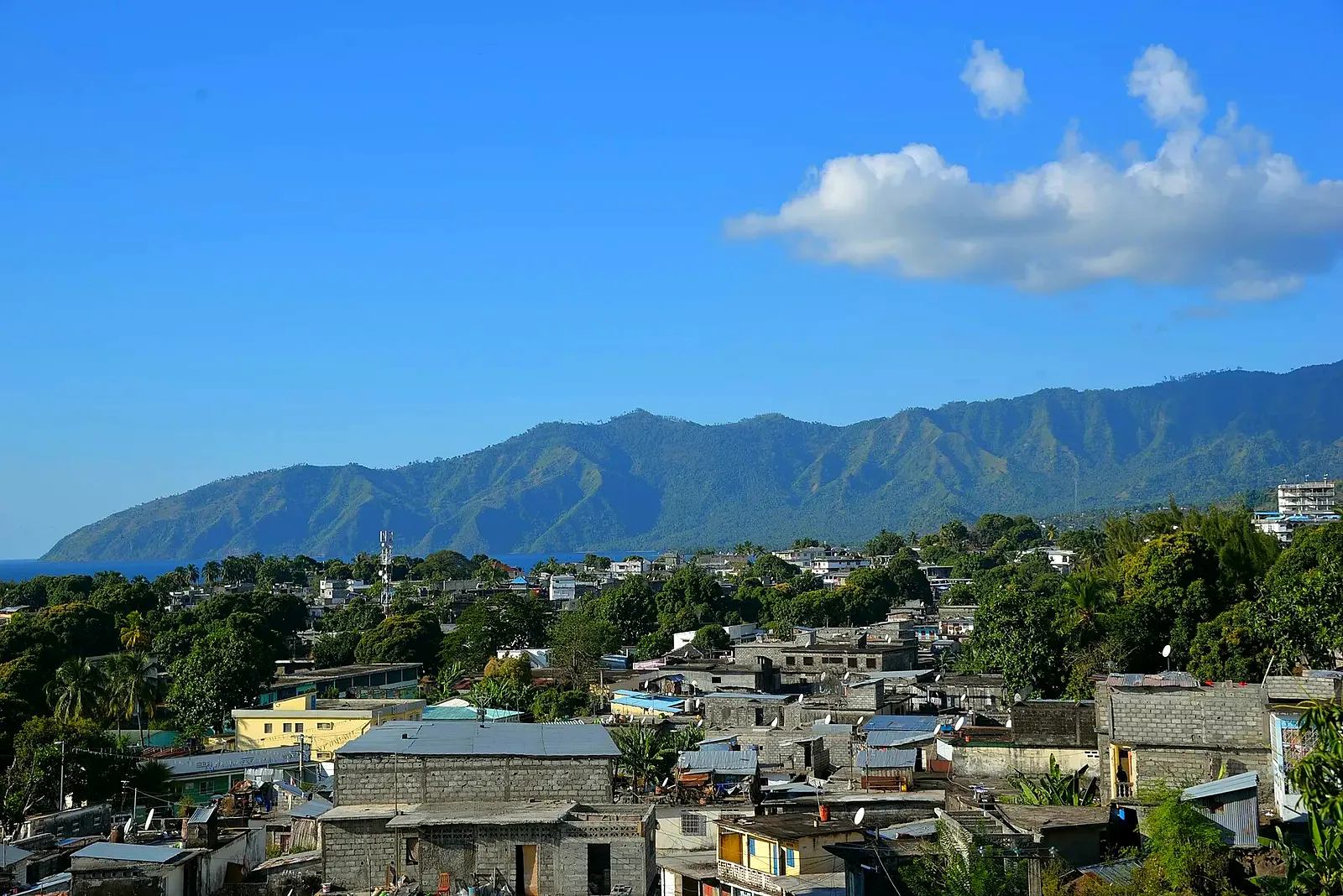
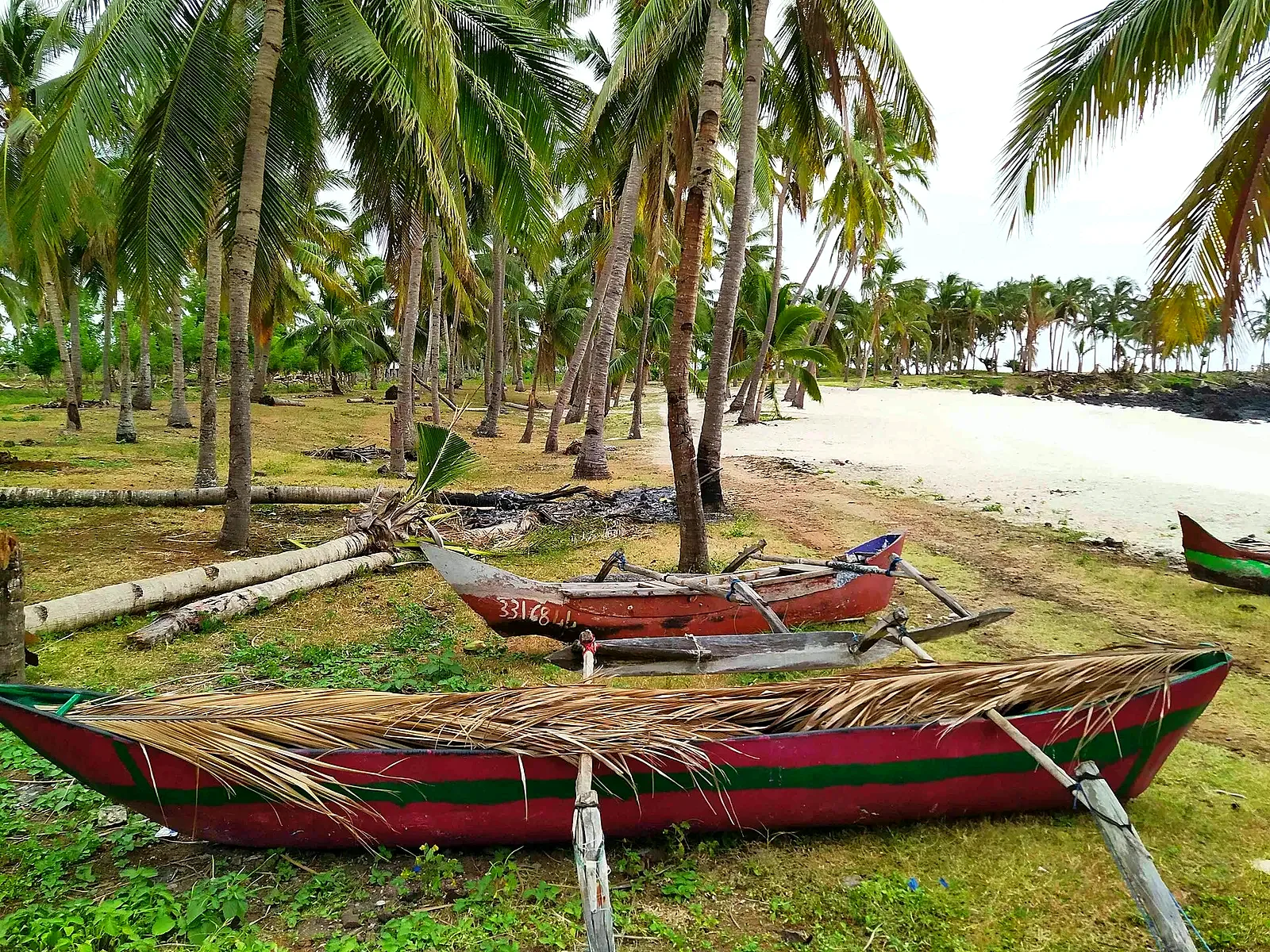
Houses of Mutsamudu below the steep green mountains of Anjouan: GeGki, CC BY-SA 4.0, via Wikimedia Commons. Two green turtles swimming together in clear blue water off Mohéli: alKomor.com, CC BY-SA 2.0, via Wikimedia Commons. The wide crater of Mount Karthala on Grande Comore, with layered black volcanic walls: alKomor.com, CC BY-SA 2.0, via Wikimedia Commons. Painted wooden fishing canoes pulled up under coconut palms at Mitsamiouli beach: Radosław Botev, CC BY 3.0 pl, via Wikimedia Commons. A narrow paved alley between old coral stone and whitewashed houses in the medina of Moroni: Radosław Botev, CC BY 3.0 pl, via Wikimedia Commons. A quiet sandy beach on Mohéli with clear blue water and green forested hills across the bay: alKomor.com, CC BY-SA 2.0, via Wikimedia Commons. Rooftops of Mutsamudu, the main town of Anjouan, running down to the port and the Indian Ocean: Peioma, CC BY-SA 3.0, via Wikimedia Commons. Sambusa: kspoddar, CC BY-SA 2.0, via Wikimedia Commons.
Checked 13 Nov 2026: entry links, plugs, airport times, ride apps and the facts on this page. Prices and rules show their own As of date.
Researched for you from official and trusted sources.
Affiliate links: some links on this page (flights, tours, city passes, stays, transfers, rental cars, luggage storage, eSIMs and flight compensation) are affiliate links. If you book through them, I earn a small commission at no extra cost to you.
Photos
Real photos from Pexels and Wikimedia Commons, used under the license shown, by the photographers credited below. The table of dishes in the food section is an illustration made for this page, not a photo of a real meal.
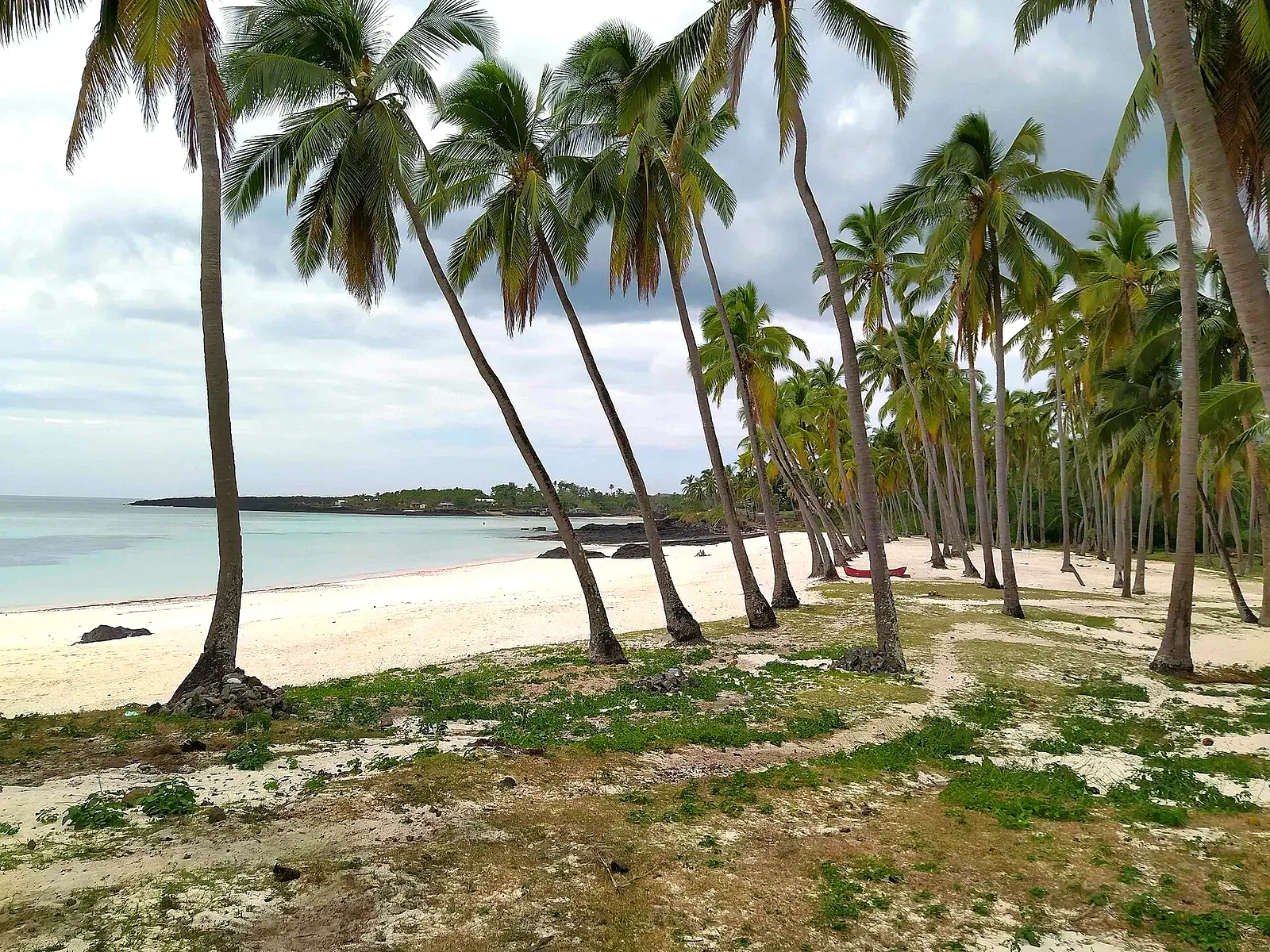
Coconut palms leaning over the white sand of Mitsamiouli beach on Grande Comore, with calm turquoise water behind. Photo: Radosław Botev, CC BY 3.0 pl, via Wikimedia Commons.
A narrow paved alley between old coral stone and whitewashed houses in the medina of Moroni. Photo: Radosław Botev, CC BY 3.0 pl, via Wikimedia Commons.
A quiet sandy beach on Mohéli with clear blue water and green forested hills across the bay. Photo: alKomor.com, CC BY-SA 2.0, via Wikimedia Commons.
Rooftops of Mutsamudu, the main town of Anjouan, running down to the port and the Indian Ocean. Photo: Peioma, CC BY-SA 3.0, via Wikimedia Commons.
Sources
Researched for you from official and trusted sources. Rules, prices and times change, so check the official page before you book.
I researched this page for you, so you can plan well. The places I have filmed have their own trip planners.
Filming your own trips? My free guide to AI editing shows how my automated AI editor turns a folder of my clips into a finished reel. Send me the free guide.
 Luisa's Atlas