Get to know Niger: mud brick minarets, Saharan mountains and dunes, Tuareg and Wodaabe traditions and a millet kitchen.
A note from me: Right now the US State Department says do not travel to Niger (Level 4, checked 12 Nov 2026). I'm keeping this page so you can get to know its culture, food and history, and I'll add trip planning the moment it's safer. See the current advisory.
Niger: why people love it, its history and culture, and what to eat.
Some links earn me a small commission at no extra cost to you.
Where in the worldNiger
Why Niger is amazing
1
Minarets of mud
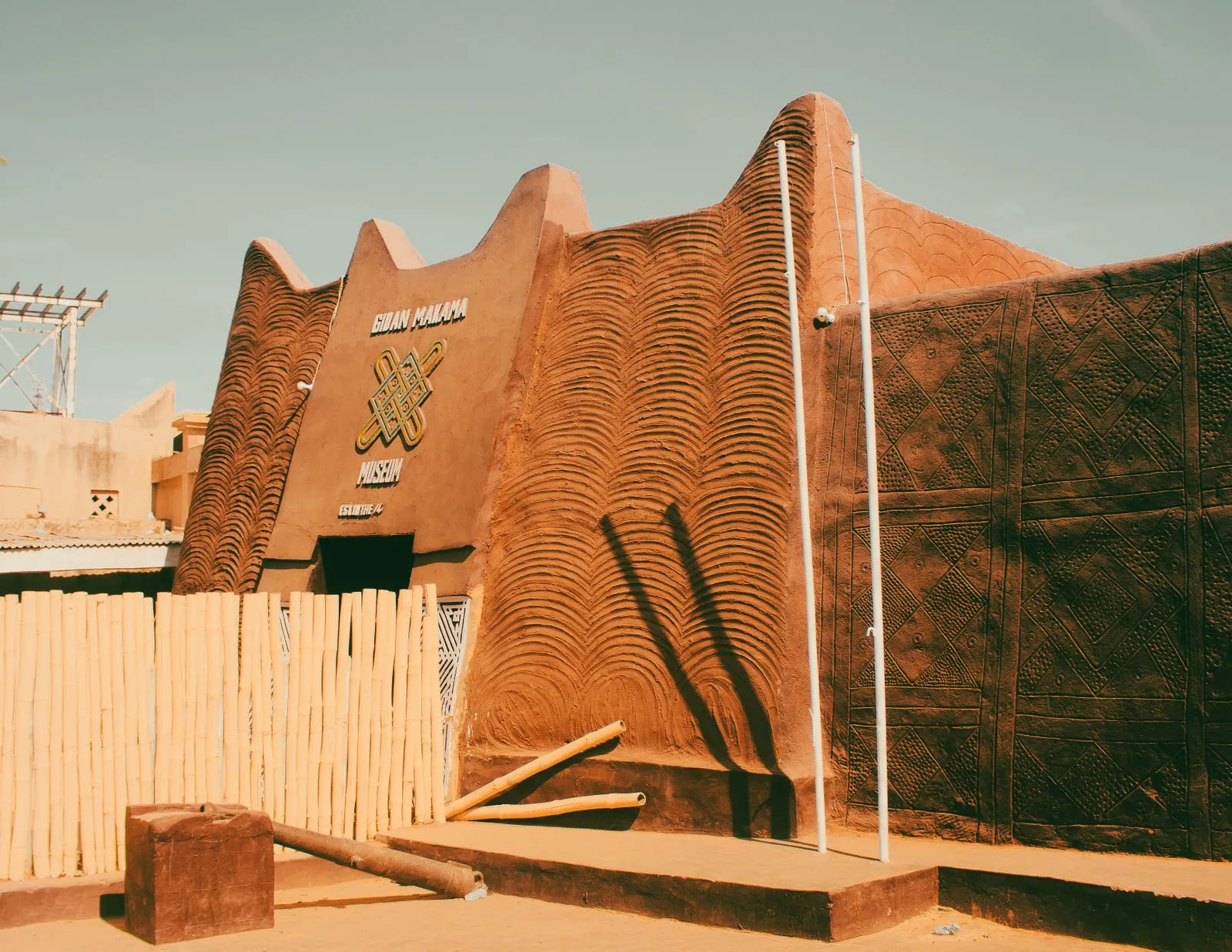
Agadez's Grand Mosque is a tall mud brick minaret studded with wooden beams, rising above the sand colored city that grew around the Sultanate of Aïr.
2
Camel caravans
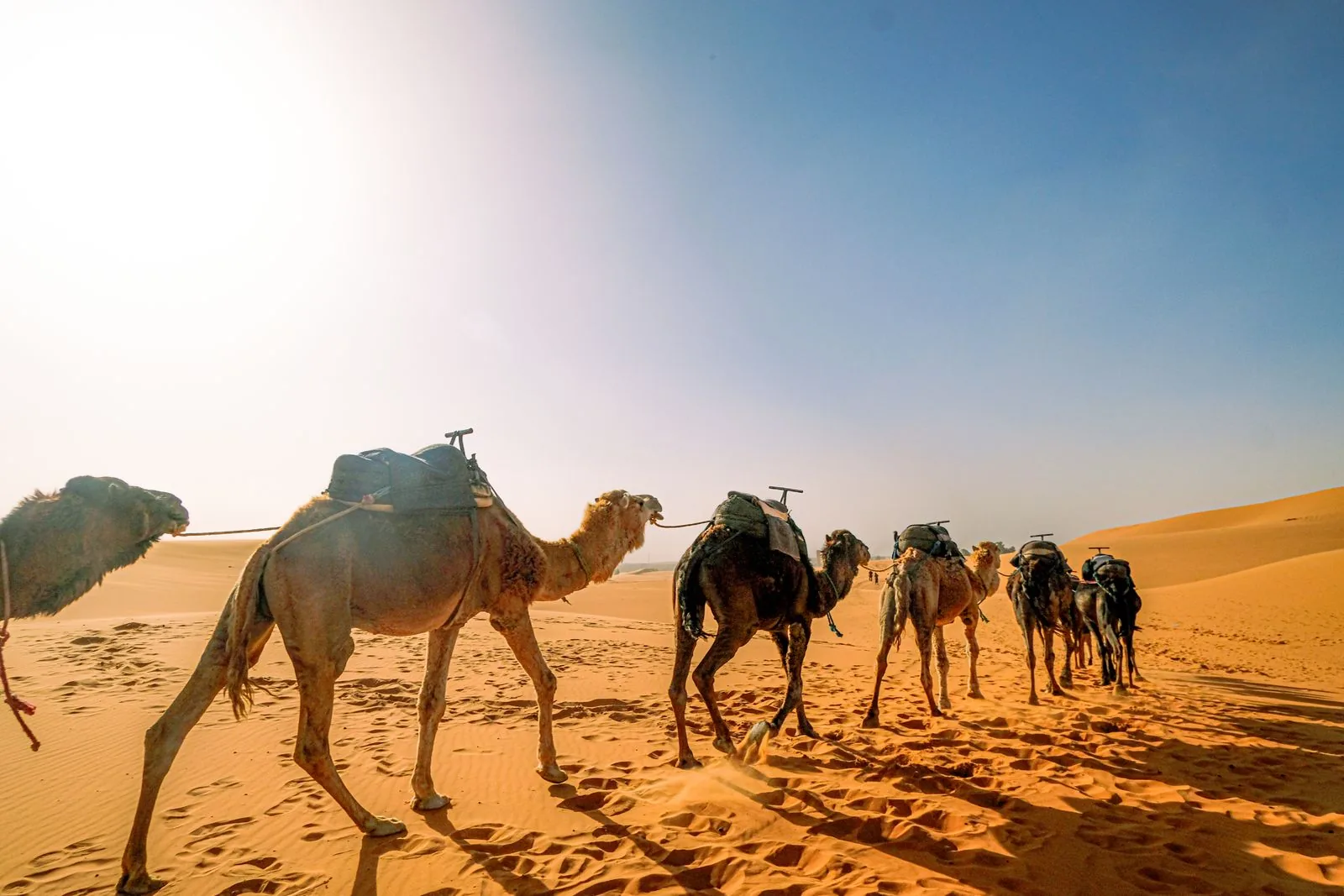
Salt caravans still cross the desert between oases such as Bilma and Fachi and the Aïr, a tradition that goes back centuries.
3
Festivals of the nomads
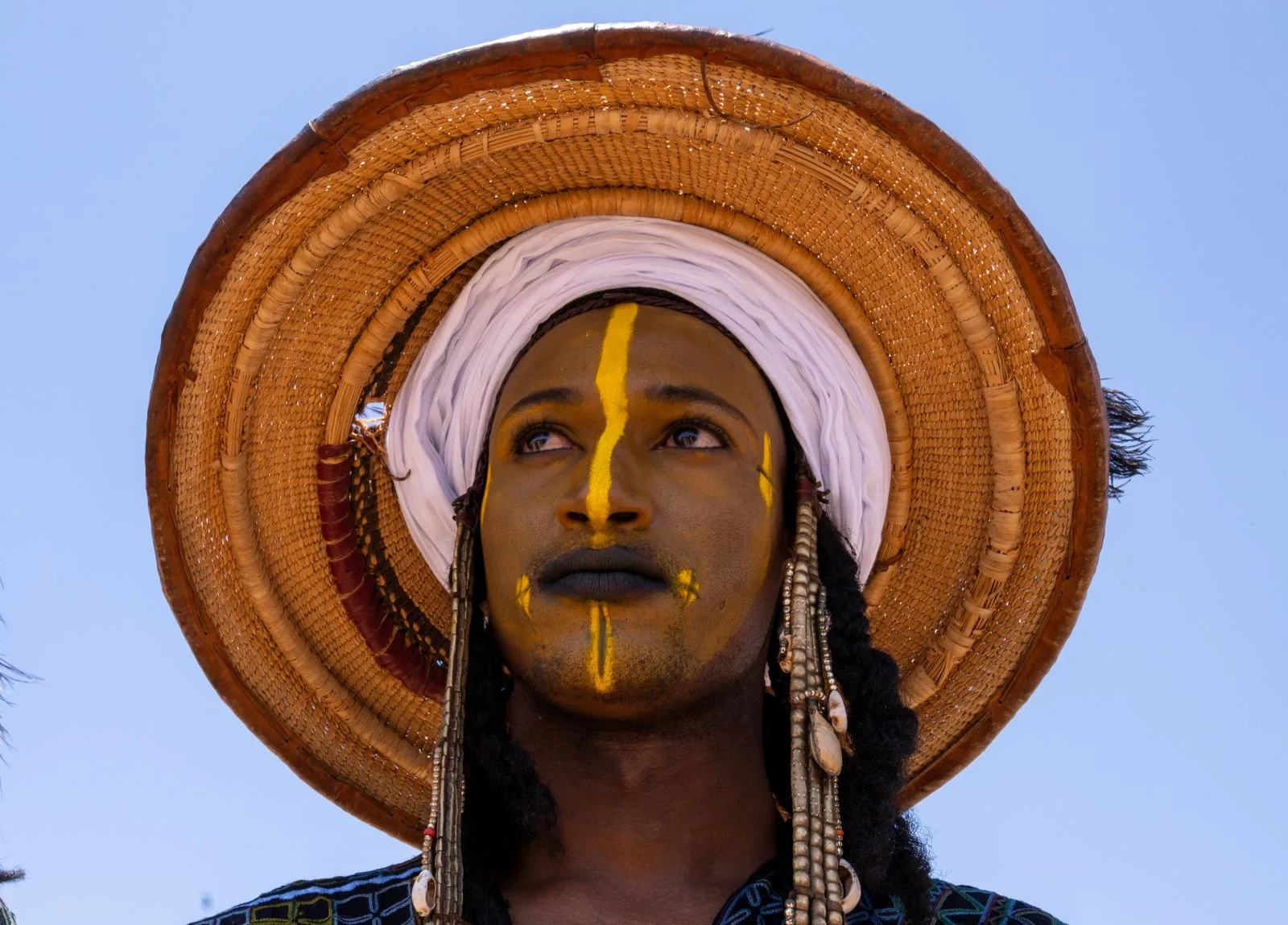
At the Cure Salée near In Gall, Tuareg and Wodaabe communities gather at the end of the rainy season for dancing, music and camel parades.
4
Millet, rice and skewers
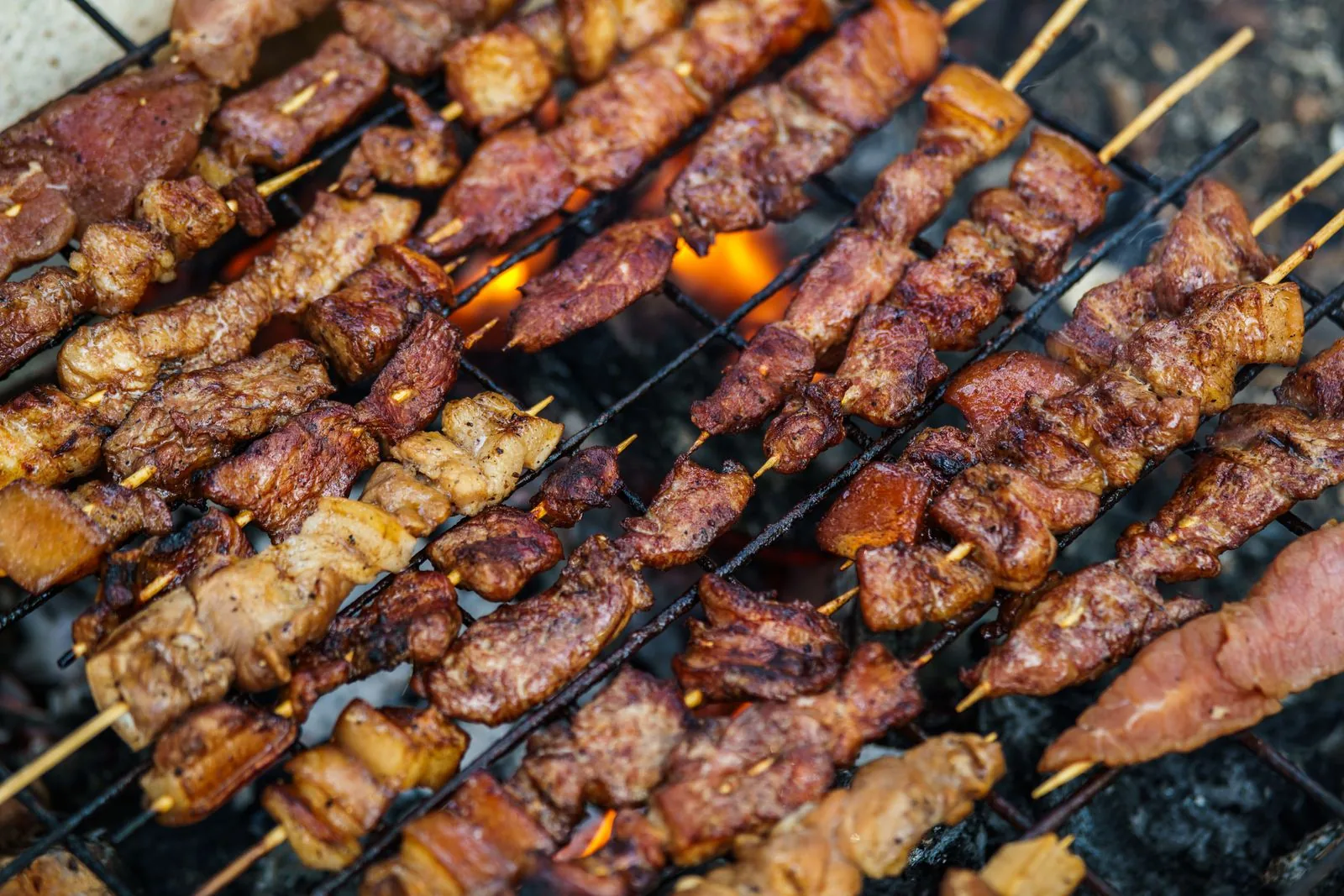
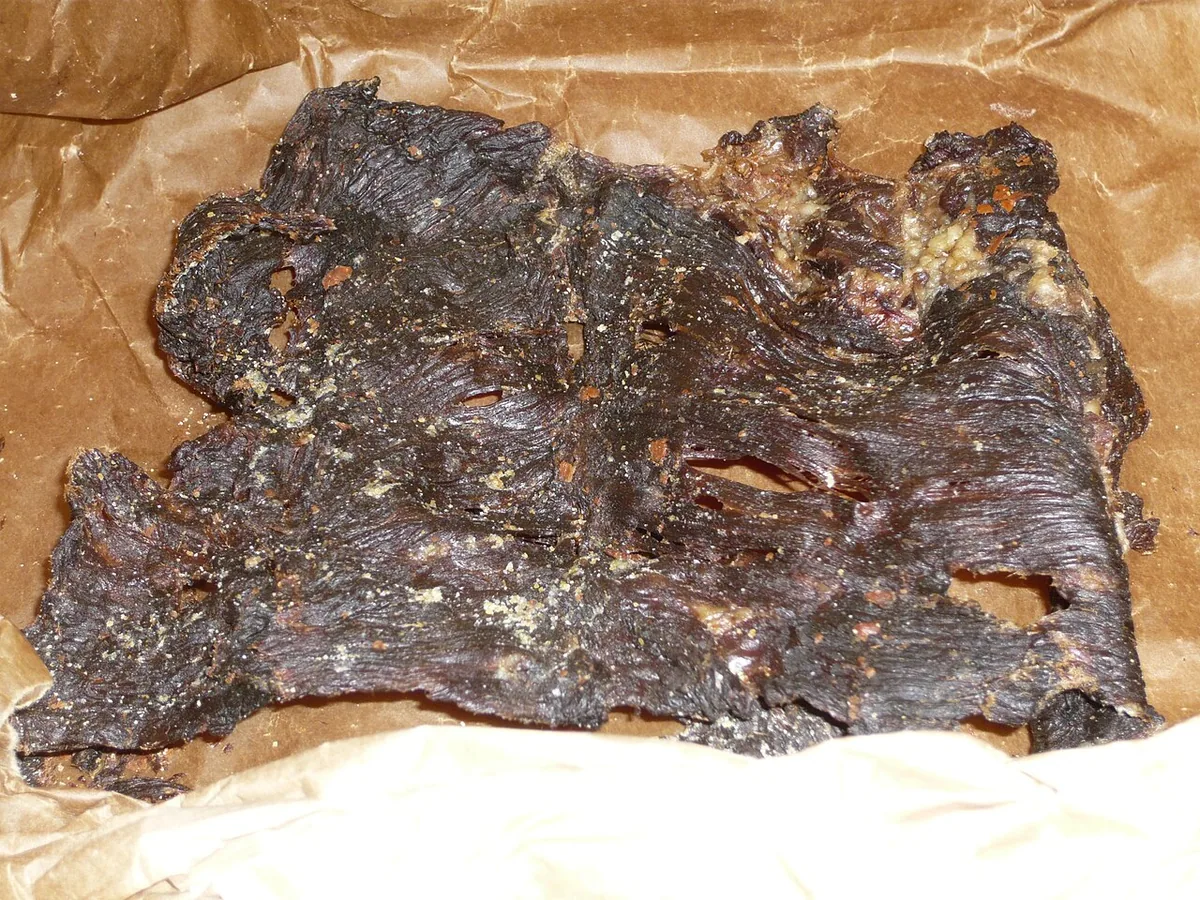
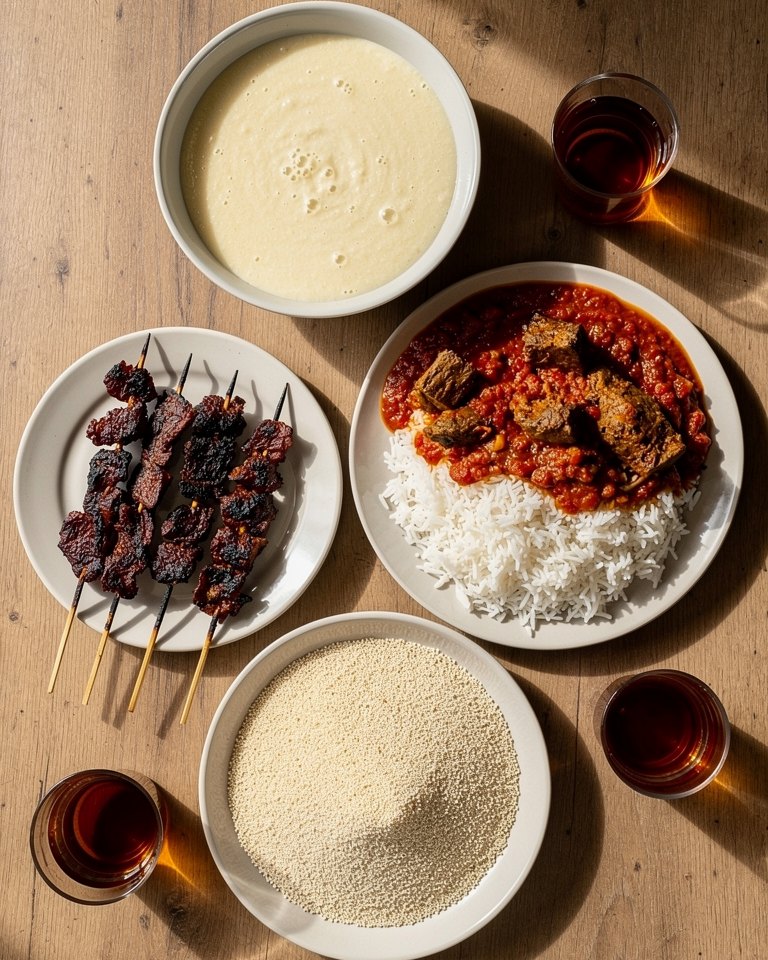
Everyday meals are built around millet, rice and sorghum, with spicy grilled meat skewers and kilishi, dried and spiced beef, as favorite snacks.
5
Mountains in the Sahara
The Aïr mountains rise to about 2,000 meters, with rock art dating from around 6000 BCE, beside the vast Ténéré, a sea of sand in the Sahara.
Land like you've been there before.
Five short notes from me: the 3 things I sort out ahead of every flight, the tiny details nobody tells you, and your vote on where I go next 🌍
A bit of history
The Sultanate of Aïr
Agadez became the seat of the Sultanate of Aïr in 1449, bringing together Tuareg groups and trans Saharan trade.
Rock art of the Aïr
Rock art in the Aïr mountains dates from about 6000 BCE to around 1000 CE.
The tree of the Tenere
The Tree of Ténéré was once thought to be the most remote tree in the world, and a sculpture now memorializes it.
Salt caravans
Camel caravans called azalai still carry salt from oases such as Bilma and Fachi.
Culture and customs
Tuareg veils
Tuareg men wear an indigo veil called a tagelmust, which gave them the nickname Blue People.
Wodaabe celebrations
The Wodaabe Fula hold the Guérewol, a courtship festival of dance and decoration.
Greetings
Greetings are long and polite, with questions about family and health before anything else.
Where and what to eat
Come hungry.
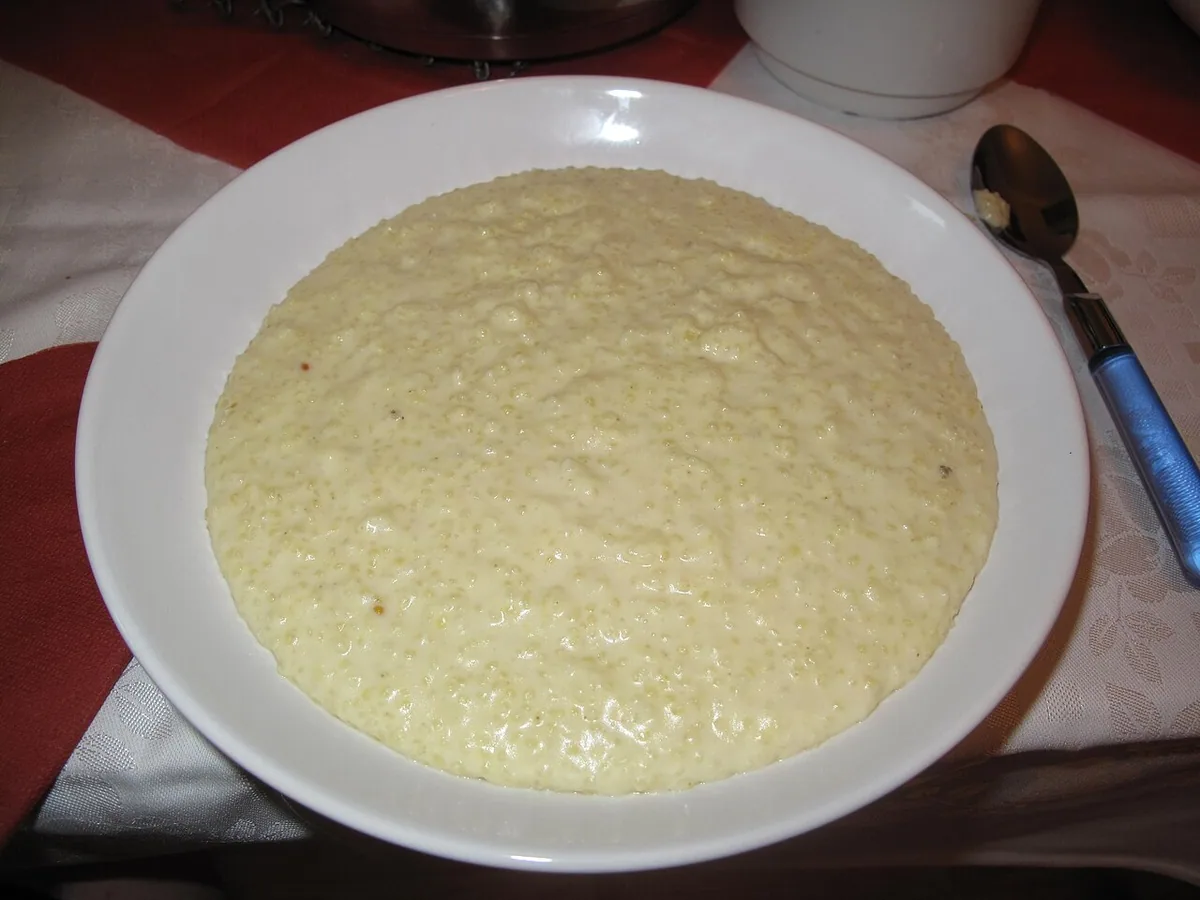
Millet porridgeA staple porridge of millet often served with a sauce or stew.
KilishiThin dried beef strips marinated in a peanut and spice paste.
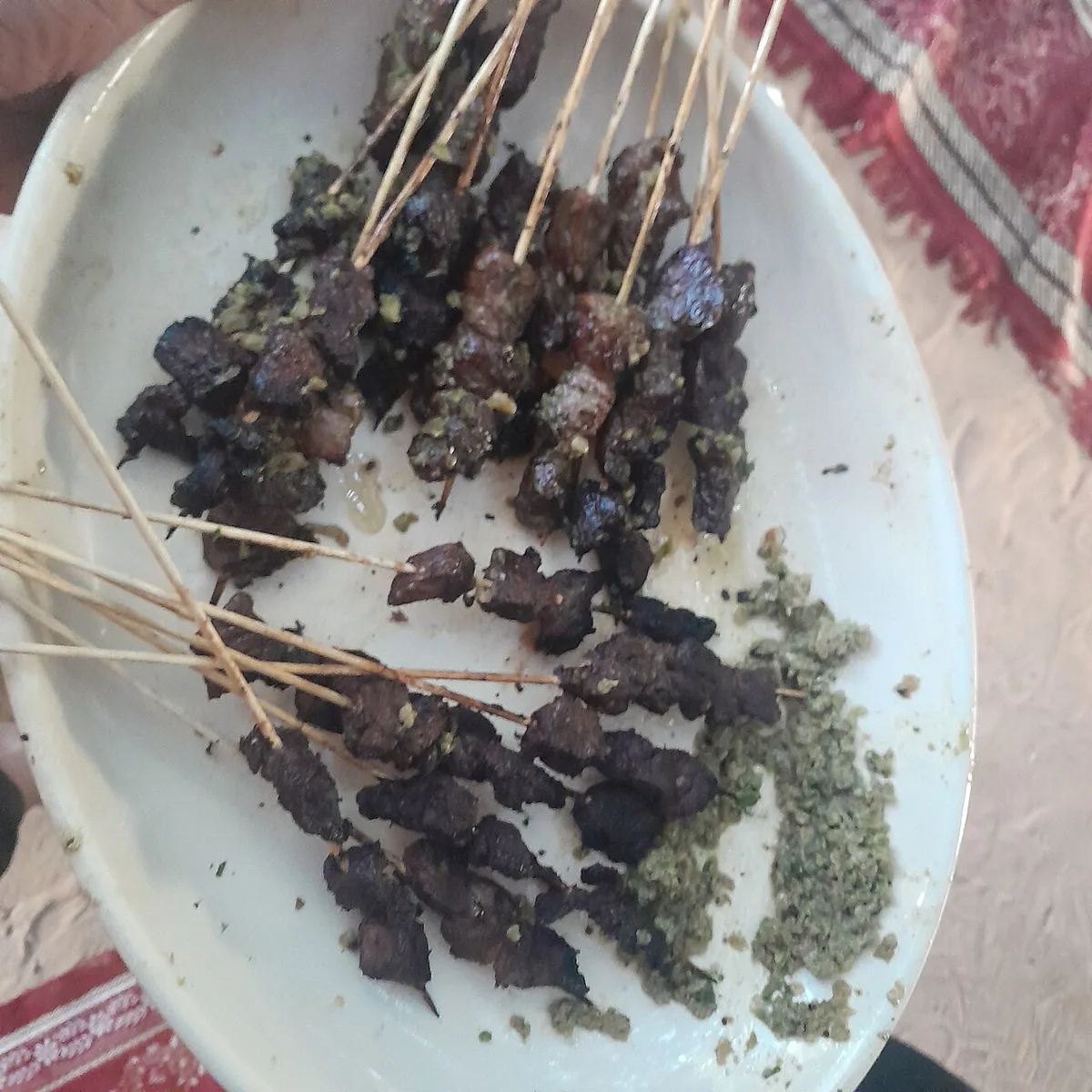
BrochettesGrilled skewers of beef or mutton with spices, a street food favorite.
Rice with sauceRice served with a stew of meat, vegetables or fish.
FonioA small ancient grain cooked like couscous.
TeaStrong sweet tea served in three rounds.
Say it like a local
6 everyday phrases in French, with how to say them.
HelloBonjourbawn ZHOOR
Thank youMercimehr SEE
PleaseS'il vous plaitseel voo PLAY
GoodbyeAu revoiroh ruh VWAHR
Excuse meExcusez moiex kew zay MWAH
Do you speak English?Parlez vous anglais?par lay voo ahn GLAY
French is the official language. Pronunciations are approximate.
Before you go
What to sort out before you leave.
Entry for US passports
US passport The US State Department says do not travel to Niger; if you still go, get your visa from the embassy before you fly. Check the official page before you book. Official page. Checked 13 Nov 2026.
The US State Department advises do not travel to Niger. A passport, a visa and proof of yellow fever vaccination are required for entry.
Visa from the US
Travelers from the United States should obtain a visa from the Embassy of Niger before arriving in Niger.
Consular help
The US government has very limited ability to help US citizens in Niger.
When to go
Cool season: The coolest and driest months are roughly from November to February, with warm days and cool nights.
Hot season: March to June is extremely hot, especially in the Sahara north.
Rainy season: Rain falls mainly from June to September in the south, and the Sahel region is prone to recurring droughts.
Good to know
The local rules and habits worth knowing before you land.
A visa and proof of yellow fever vaccination are required.
Visas should be obtained from the Embassy of Niger before arriving.
French is the official language, and Hausa and Zarma are widely spoken.
Millet porridge: Dezidor, CC BY 3.0, via Wikimedia Commons.
Checked 13 Nov 2026: entry links, plugs, airport times, ride apps and the facts on this page. Prices and rules show their own As of date.
Researched for you from official and trusted sources.
Affiliate links: some links on this page (flights, tours, city passes, stays, transfers, rental cars, luggage storage, eSIMs and flight compensation) are affiliate links. If you book through them, I earn a small commission at no extra cost to you.
Photos
Real photos from Pexels, used under the license shown, by the photographers credited below. The table of dishes in the food section is an illustration made for this page, not a photo of a real meal.
The mud brick Agadez Mosque and its minaret rising above a sand colored wall. Photo: André / Pexels.
The mud brick minaret of the Agadez Grand Mosque with wooden beams against a blue sky. Photo: Sani Maikatanga / Pexels.
Sources
Researched for you from official and trusted sources. Rules, prices and times change, so check the official page before you book.
I researched this page for you, so you can plan well. The places I have filmed have their own trip planners.
Filming your own trips? My free guide to AI editing shows how my automated AI editor turns a folder of my clips into a finished reel. Send me the free guide.
 Luisa's Atlas
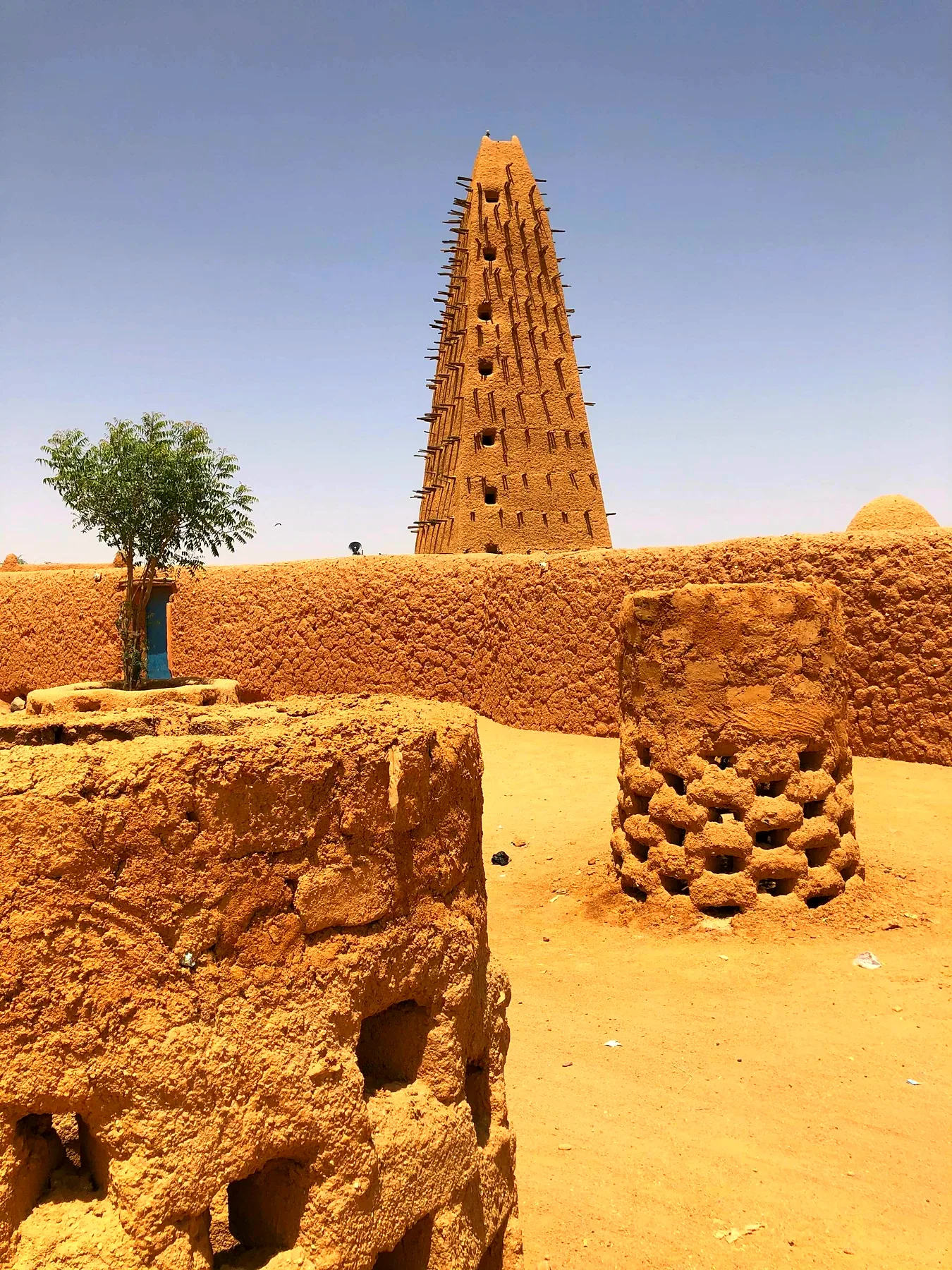
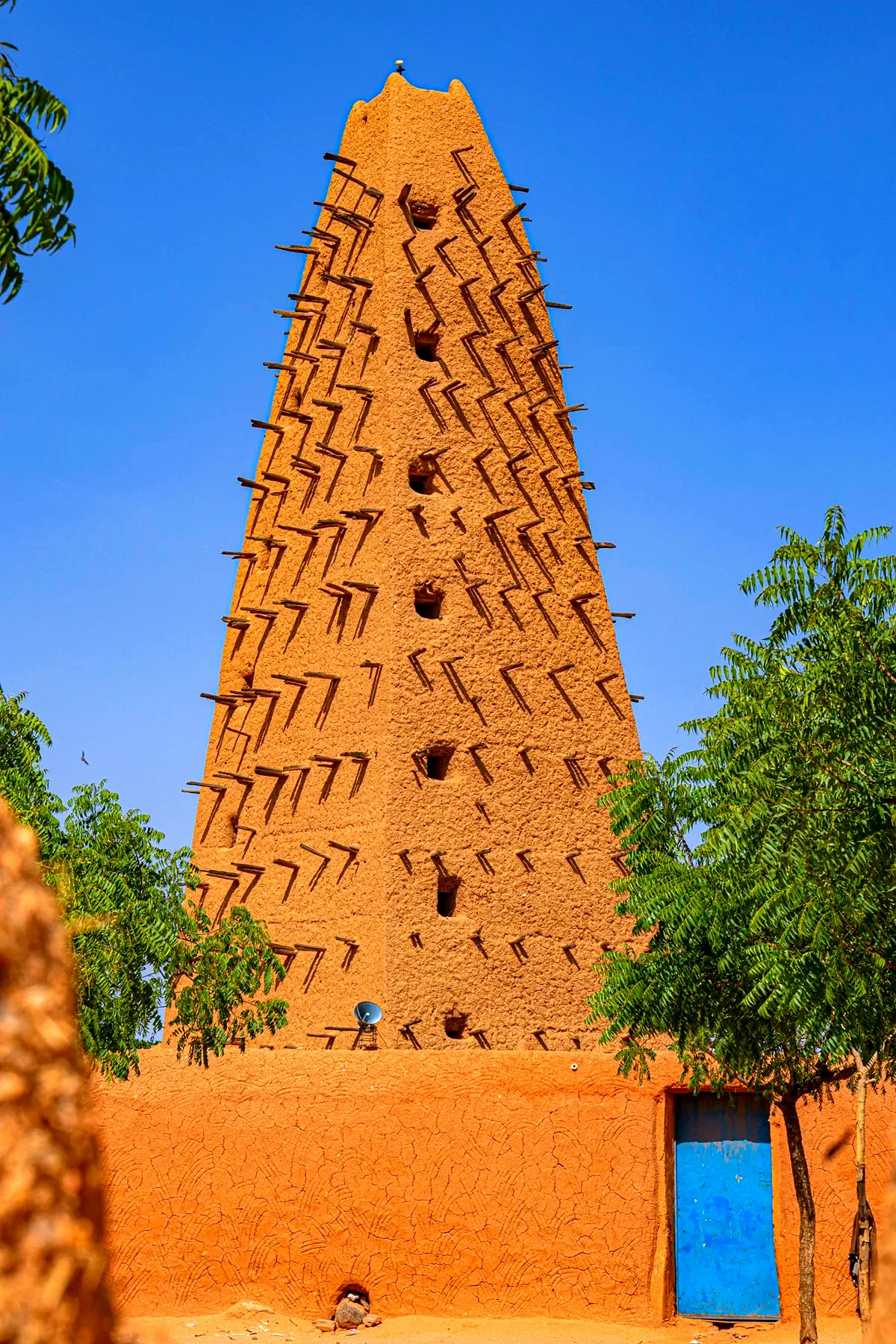 The mud brick minaret of the Agadez Grand Mosque with wooden beams against a blue sky. Photo: Sani Maikatanga / Pexels.