Five places to start in Oman: Muscat, Nizwa and the Al Hajar Mountains, the Sharqiyah Sands, Sur and the turtle beaches, and green Salalah in the south. Entry rules, safety, getting around, what to book early and what to eat.
Everything for Oman on one page: what to know before you leave, the tours worth booking ahead, the ride apps, an eSIM and where to stay and eat, so you land with a plan, not 37 open tabs.
Some links earn me a small commission at no extra cost to you.
My free appLanding with no signal? Take this whole planner offline in my free iPhone app.Download on the App Store
Where in the worldOman
Why Oman is amazing
1
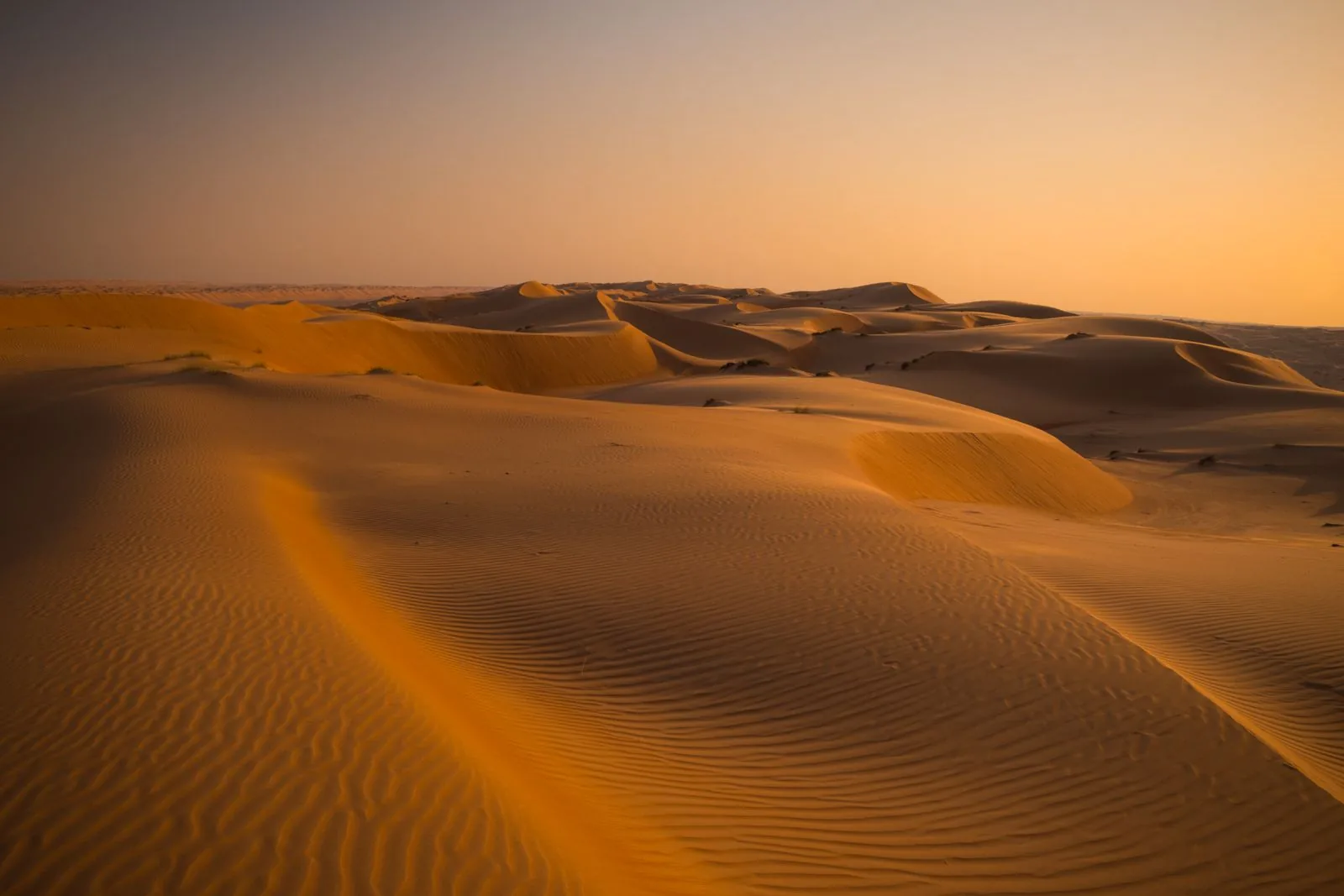
Desert dunes as far as you see
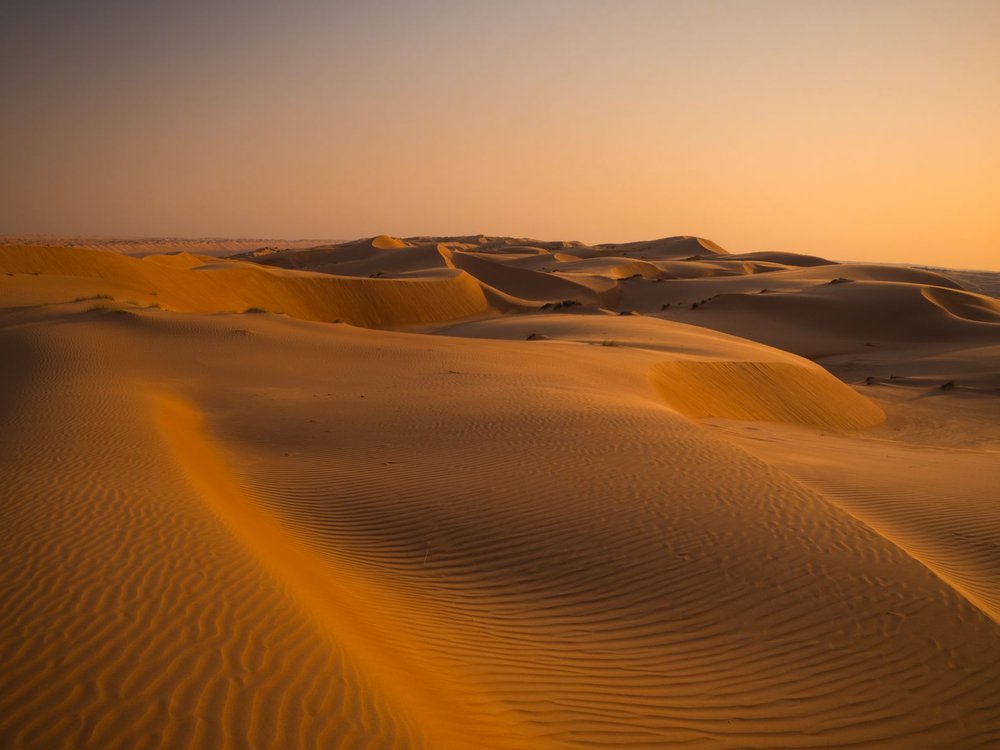
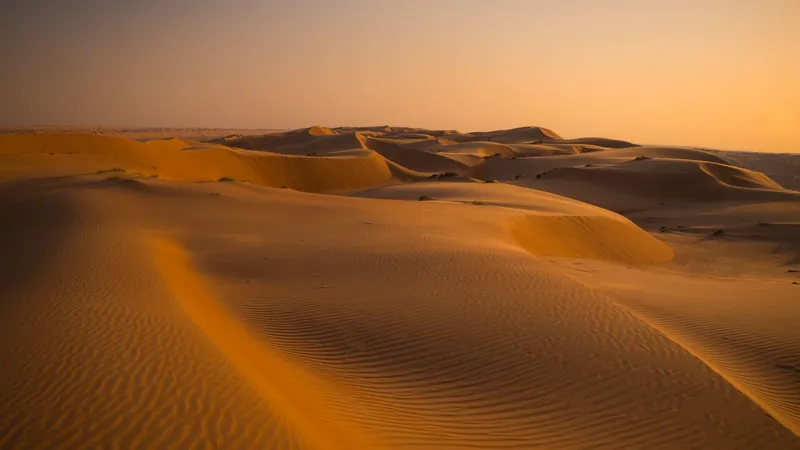
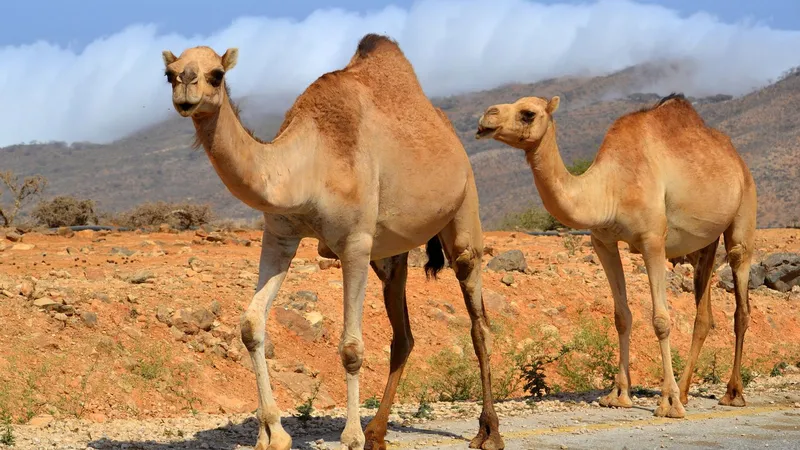
The Sharqiyah Sands roll for about 170 km with dunes up to 100 meters high. Spend a night at a desert camp, ride a camel and watch the sand turn gold at sunset.
2
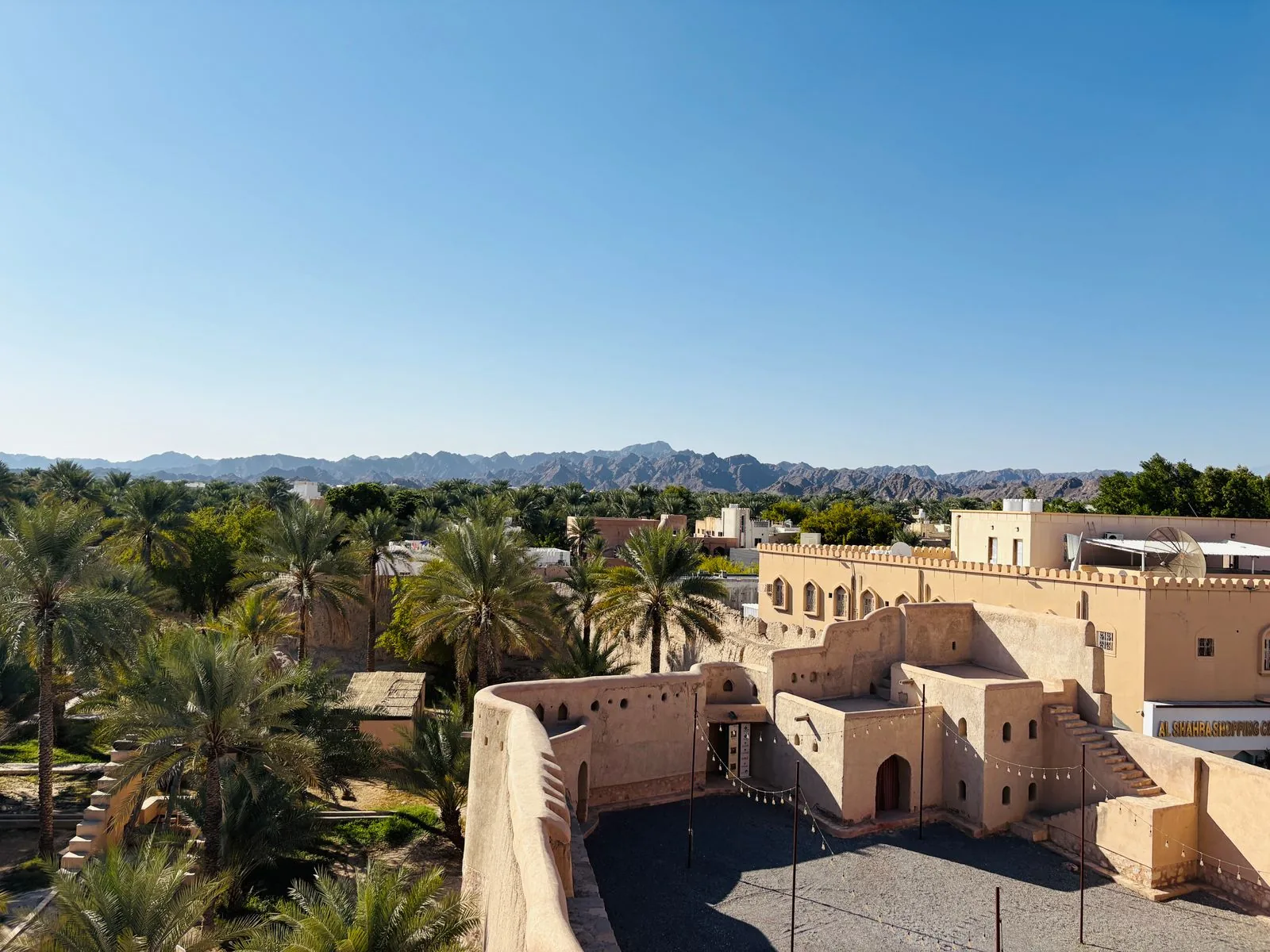
Forts, souqs and old Nizwa
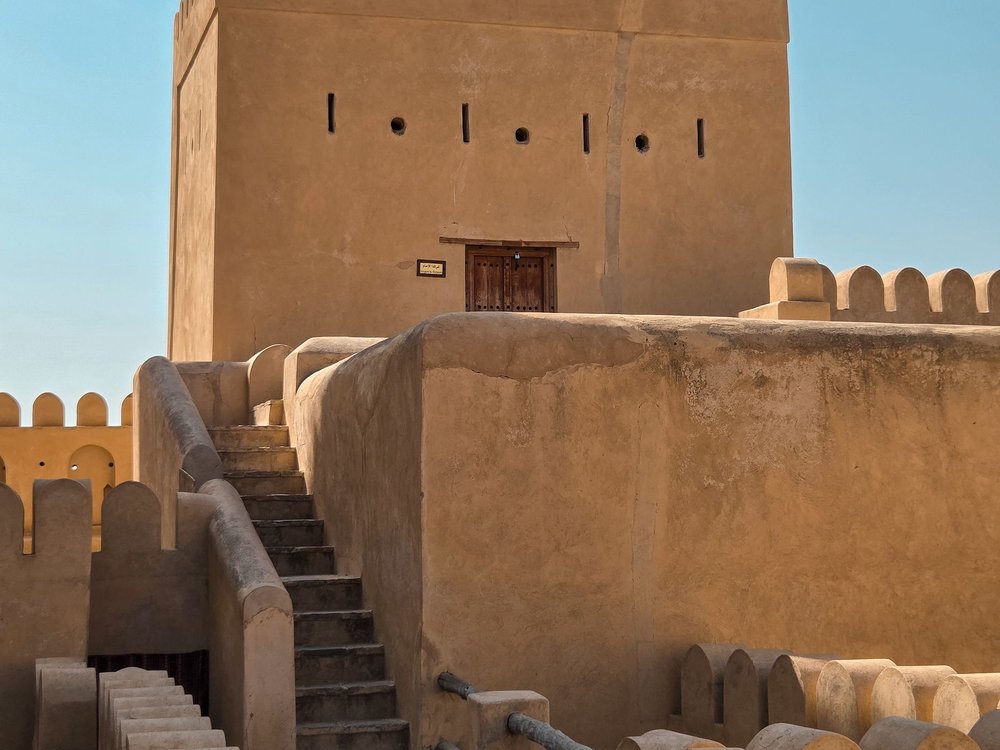
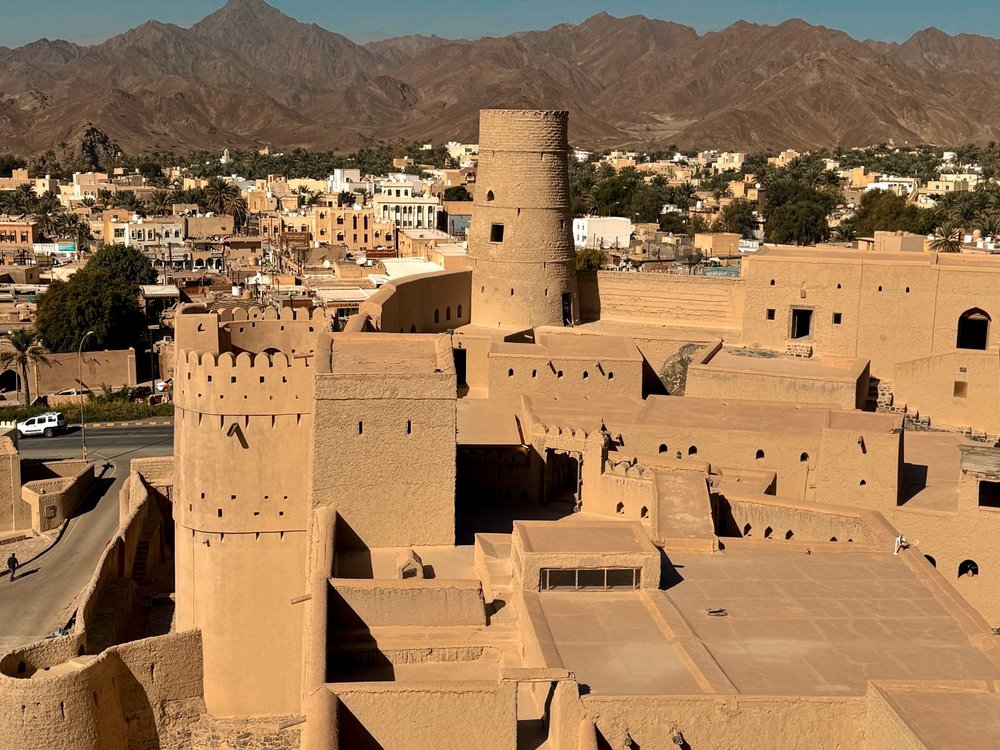
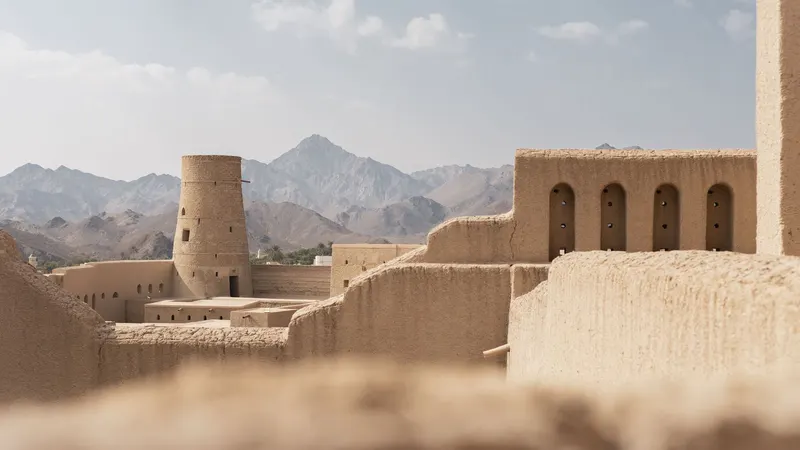
Nizwa was Oman's capital for centuries, and its fort and souq still sit at the heart of town. Nearby Bahla Fort is a UNESCO World Heritage Site.
3
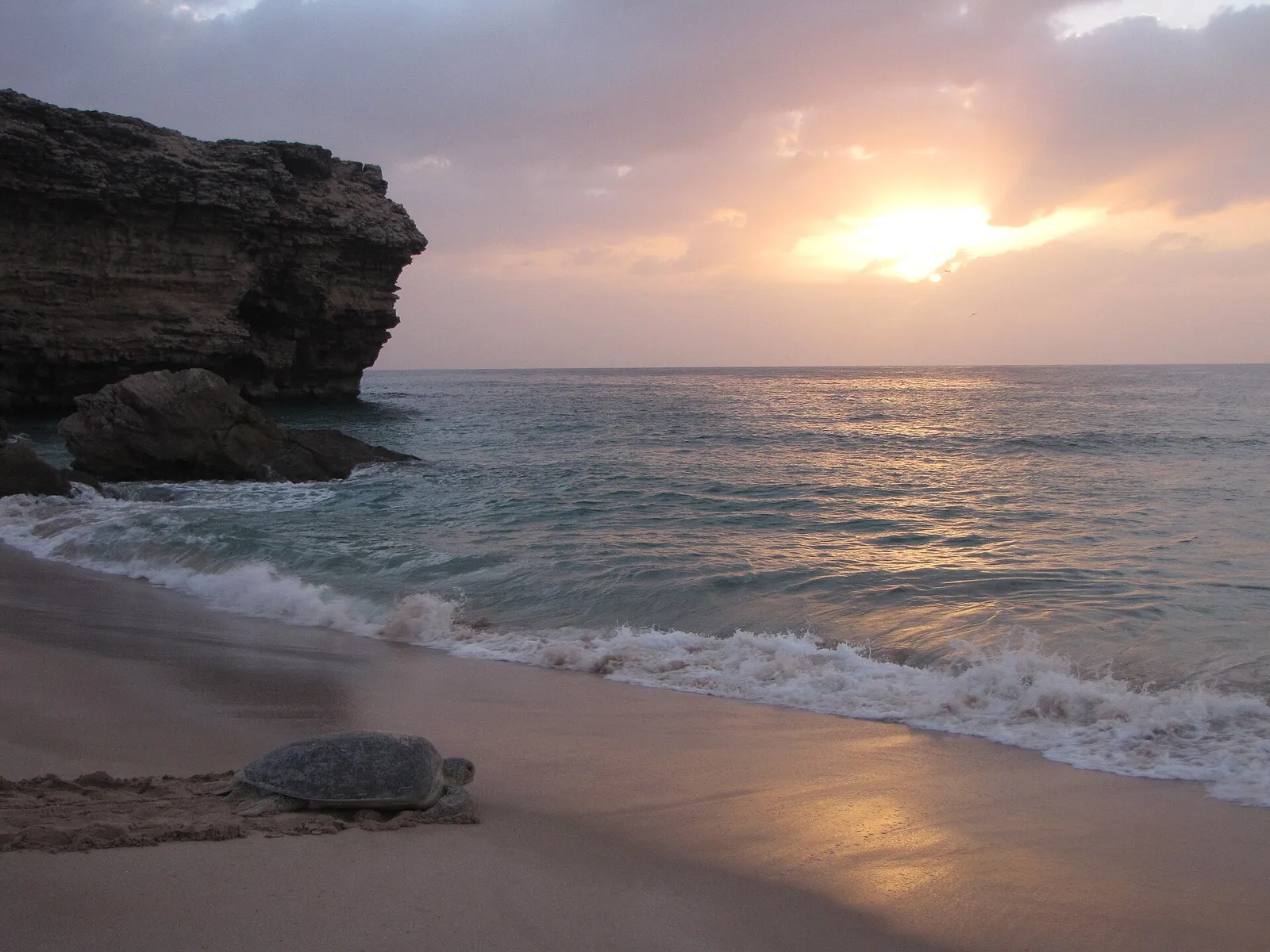
Sea turtles on the beach
At Ras al Jinz and Ras al Hadd, endangered green sea turtles come ashore to nest. A guided night visit to the reserve is one of Oman's most moving sights.
4
Mountains that touch 3,000 meters
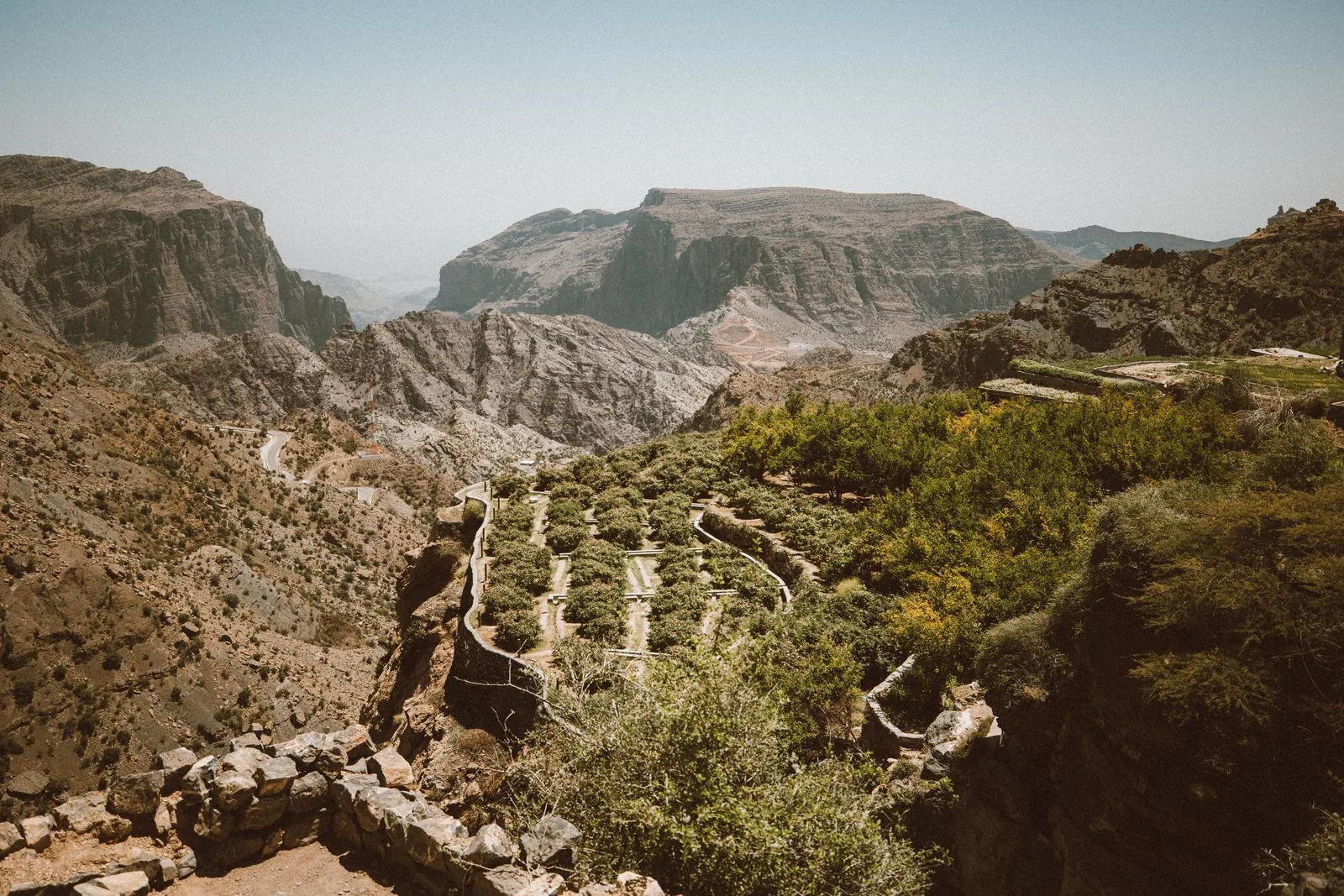
The Al Hajar Mountains hold Jabal Akhdar and Jabal Shams, deep wadis and terraced villages, and they stay milder than the coast when summer heat arrives.
5
A calm, white capital
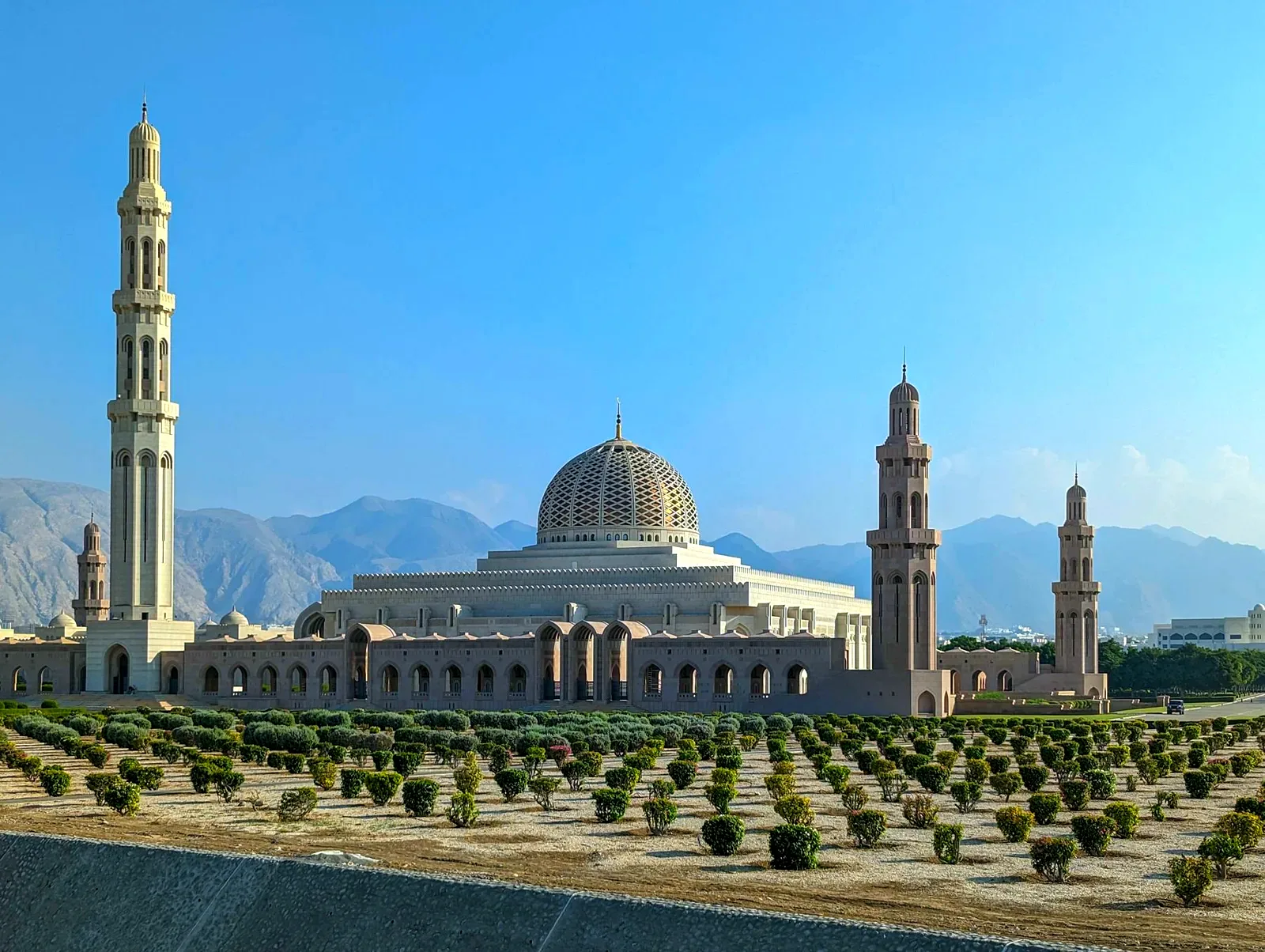
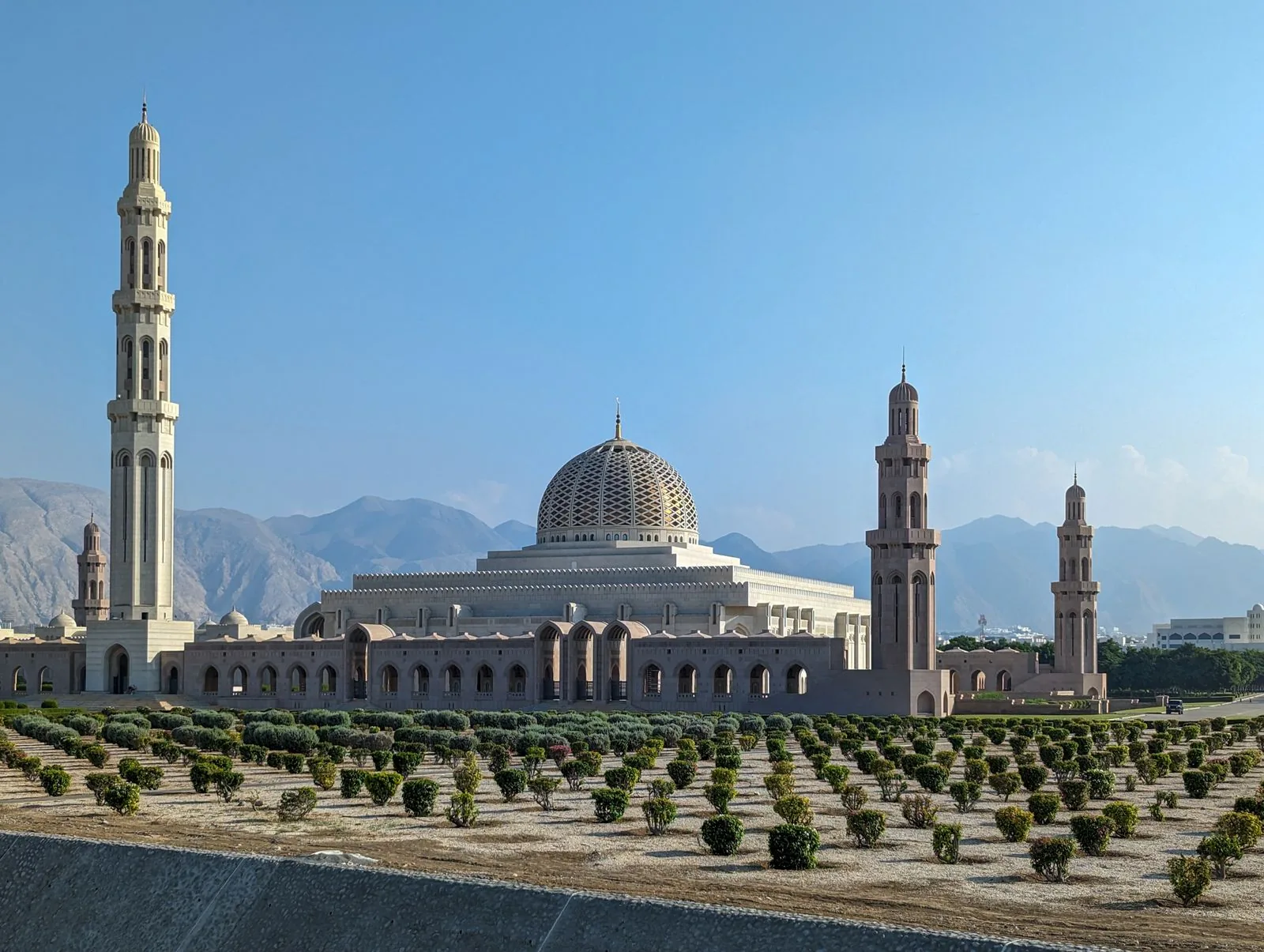
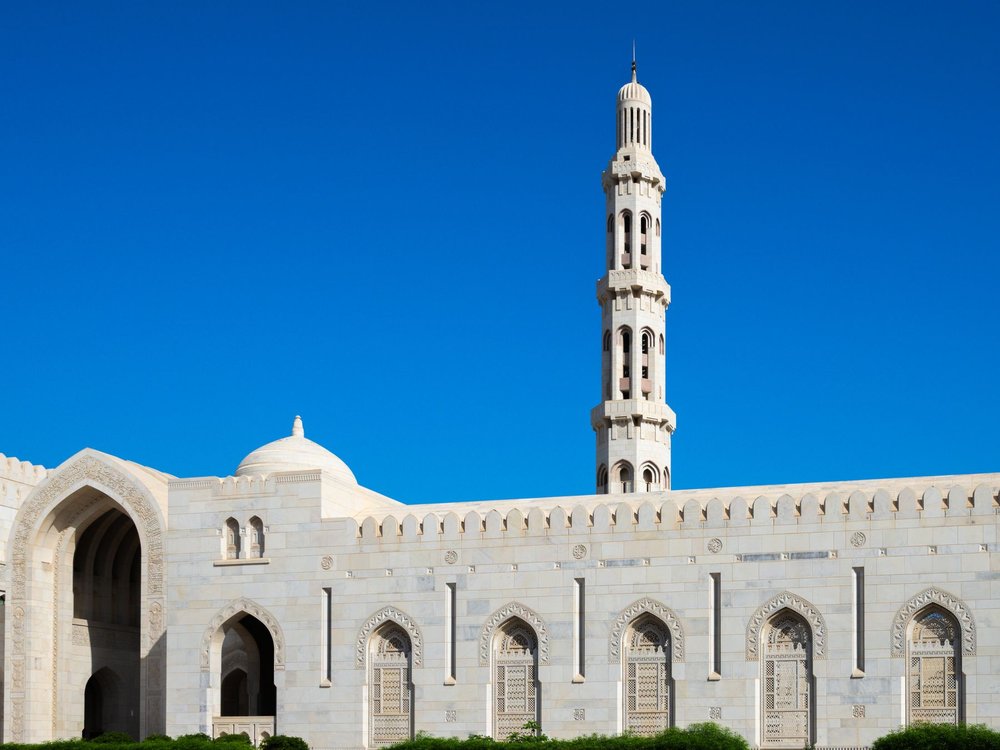
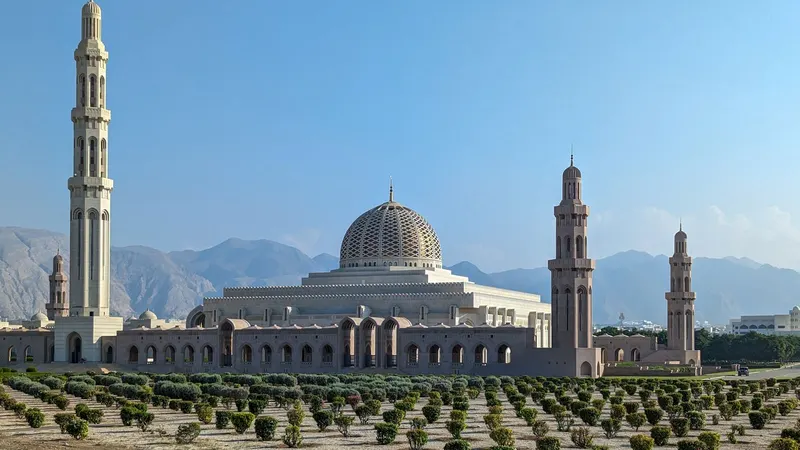
Muscat spreads low and white between the mountains and the sea. See the Sultan Qaboos Grand Mosque, the Royal Opera House and the maze of Muttrah Souq.
Worth booking ahead
The good ones sell out while you are still deciding. Book these before you fly, and keep your days for wandering.
Muscat
Muscat city tour
The Grand Mosque, Muttrah Souq and the old walled city in one day, with a guide who knows the dress rules and hours.
Five short notes from me: the 3 things I sort out ahead of every flight, the tiny details nobody tells you, and your vote on where I go next 🌍
A bit of history
Frankincense riches
Frankincense from Dhofar was traded with ancient Egypt, Rome and Jerusalem over land and sea, through ports such as Sumhuram.
Sailing to China
By the 15th century Omani trading ships like the reconstructed Jewel of Muscat were sailing to Guangzhou in China.
Portugal and Zanzibar
Portugal held Muscat in the 16th century until 1650, and later, for a time, Zanzibar was Oman's capital.
An early friend of the US
In 1833 Sultan Said of Oman signed a treaty of friendship and commerce with a US trade representative.
Where to stay
The areas worth basing yourself in, each with its own stay search, and every hotel on one map.
Tip: finish booking on the website, not in the hotel's app, so it counts as booked through me.
Oman works best with a few bases. These are the places this planner suggests, with how to reach each one and one honest heads up. Everything here is researched for you from official and tourism board sources.
Capital
Muscat
Muscat sits between the Arabian Sea and the Western Hajar Mountains and is really several towns grown together: old walled Muscat with the royal palace, Muttrah with its maze of a souq, and Ruwi. Low white buildings, forts and beaches give it a calm feel.
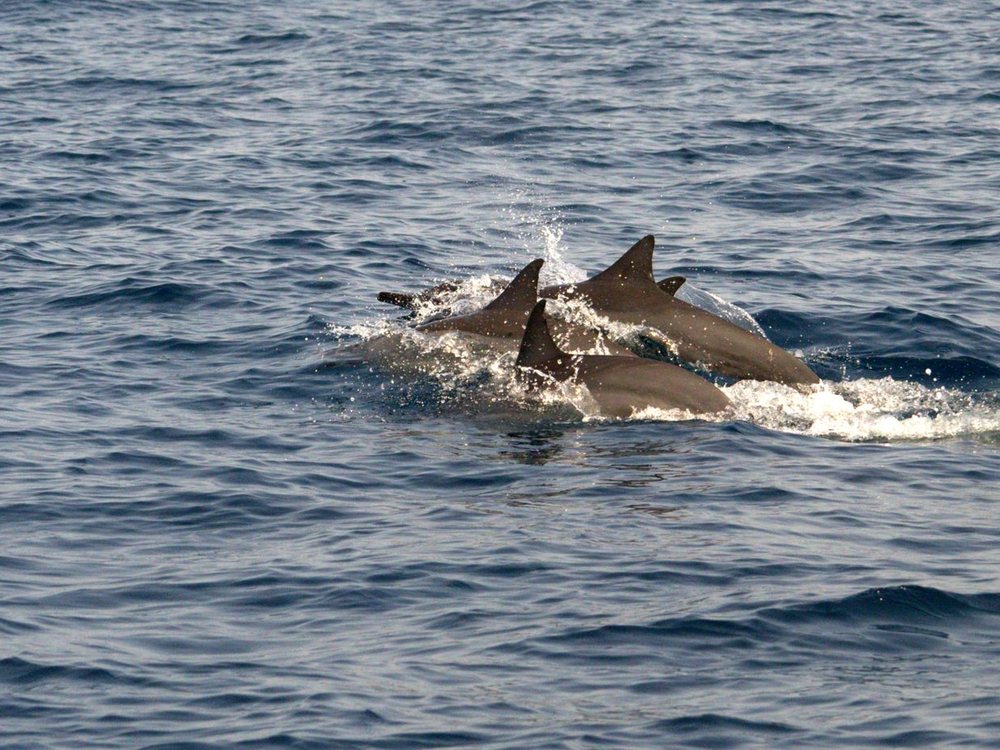
Near: Sultan Qaboos Grand Mosque, the Royal Opera House, the National Museum, Muttrah Souq and the Corniche, plus dolphin watching and diving trips from the coast.
Getting around: Mwasalat bus Route 1 runs past the Royal Opera House and the Grand Mosque; taxis and the OTaxi app cover the rest.
Heads up: Agree on the taxi fare before you ride, or use the app for a set fare.
Nizwa was Oman's capital for hundreds of years and is the center of the interior. Its fort and souq anchor the old quarter, now rebuilt and full of small hotels and cafes. The 3,000 meter peaks of Jabal Akhdar and Jabal Shams rise nearby.
Near: Nizwa Fort and Souq, Bahla Fort (a UNESCO World Heritage Site), the ancient aflaj water channels, Jabal Akhdar and Jabal Shams.
Getting around: By car from Muscat on the highway, or by long distance bus.
Heads up: Mountain roads are steep and poorly lit, so drive them in daylight.
The Sharqiyah Sands, also called Wahiba Sands, are dunes up to 100 meters high stretching about 170 km south. Desert camps offer camel rides, dune drives and nights under the stars.
Near: Desert camps, camel rides and dune drives; the palm oases of Wadi Bani Khalid are in the same region.
Getting around: By rental four wheel drive or a camp transfer from the edge of the sands.
Heads up: Do not drive into the dunes without experience; let the camp pick you up at the edge.
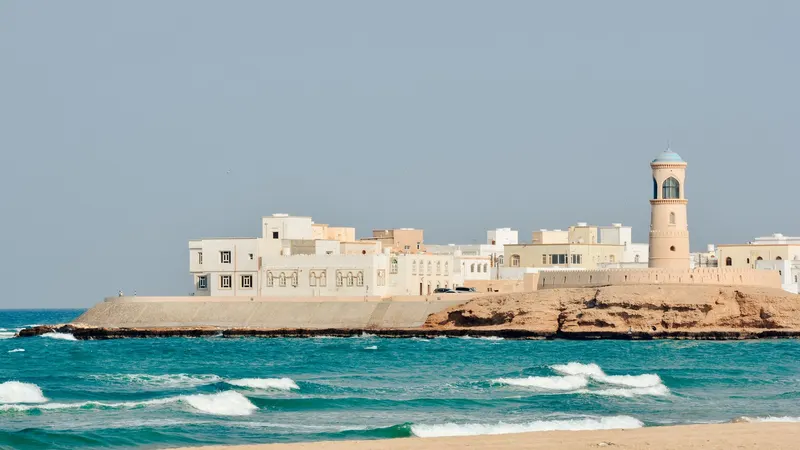
Sur is an old port that is still a center for traditional dhow building. Along the coast, the beaches of Ras al Hadd and Ras al Jinz are a protected nesting ground for the endangered green sea turtle.
Near: Dhow yards, the Khor Al Batah bridge that joins the two halves of Sur, and the Ras al Jinz turtle reserve.
Getting around: By car along the coast road through Qurayyat, or by long distance bus from Muscat.
Heads up: The turtles are protected, so watch them with a guide and follow the reserve's rules.
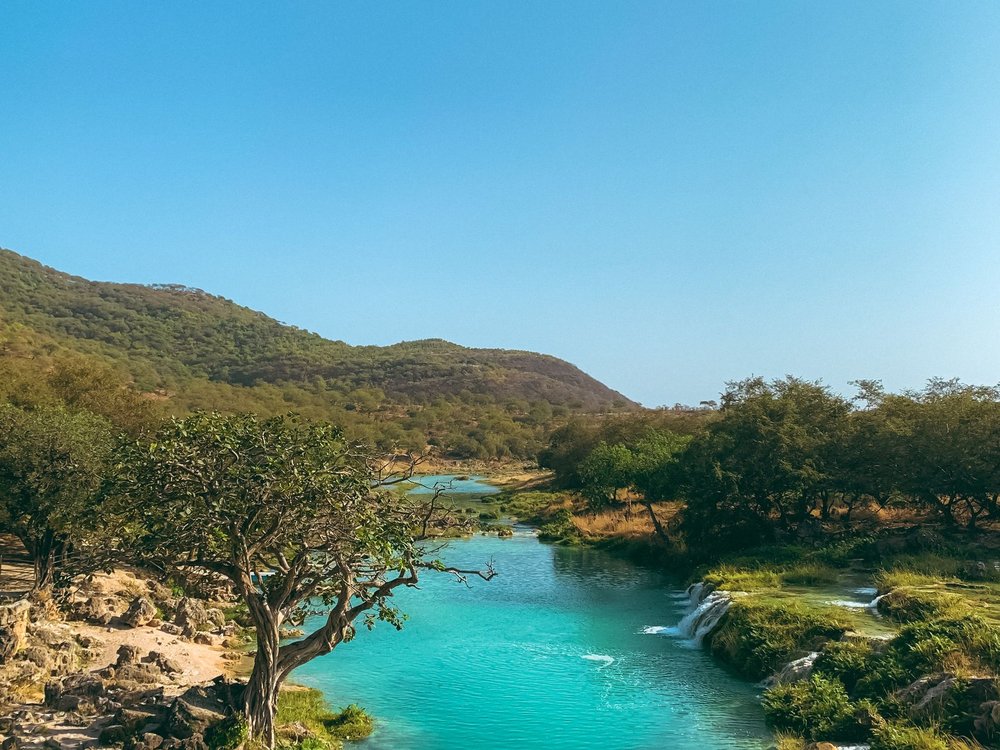
Salalah, Oman's second city, is 1,040 km from Muscat and turns green in the summer Khareef. Dhofar is the land of frankincense, once traded with Egypt and Rome through ports like Sumhuram.
Near: The Land of Frankincense sites, Mirbat and Taqah on the coast, and green hills in the Khareef.
Getting around: Fly from Muscat; the drive is long.
Heads up: Stay around Salalah: the US State Department advises against all travel to the Yemen border area further west.
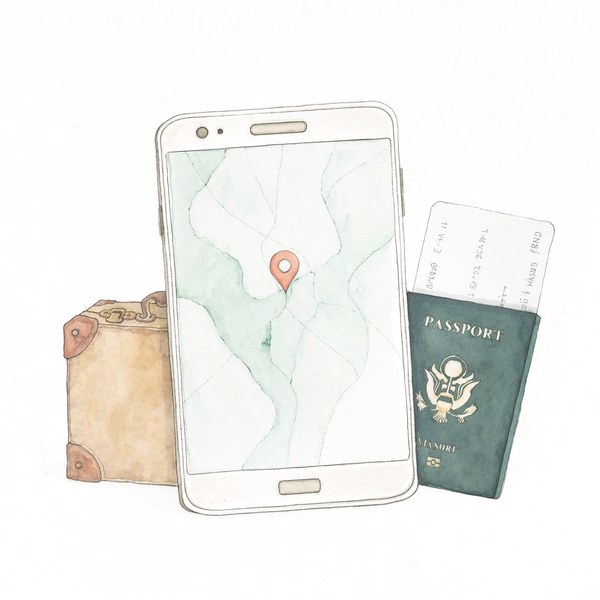
US passport Oman now offers a free 14 day tourist visa that news reports say covers US citizens, and longer trips need the official e-visa before you fly. Check the official page before you book. Official page. Checked 13 Nov 2026.
US citizens can enter without a visa for stays of up to 14 days, with a return ticket, a confirmed hotel booking, health insurance and enough money for the stay. For longer trips apply for a tourist visa on the Royal Oman Police e-visa site. Your passport needs at least 6 months of validity. Check the official pages before booking. Not a US passport? Check your country's rules: Royal Oman Police, e-visa portal.
Safety: areas to avoid
The US State Department advises reconsidering travel to Oman because of armed conflict in the region and terrorism, and advises against all travel to the Yemen border area, Duqm city and Musandam province. This planner stays in Muscat, the interior, the Sharqiyah coast and Salalah.
Money
The currency is the Omani rial, divided into 1,000 baisas. Carry some cash for markets and smaller towns, and exchange or withdraw at the airport when you arrive.
Dress and photos
Dress conservatively; avoid sleeveless tops and shorts in public. Ask before you photograph people, and never photograph government buildings or military sites.
Alcohol and Ramadan
Visitors 21 and over can drink only in licensed hotels, restaurants and clubs, and drinking or being drunk in public is an offense. During Ramadan, eating, drinking and smoking in public in daylight are forbidden for everyone.
When to go
September to March: The best time to visit, with days around 25 to 30 degrees Celsius (77 to 86 degrees Fahrenheit). This is the season for the desert, the coast and city sightseeing.
April to September: Summer on the coast and in the desert often passes 40 degrees Celsius (104 degrees Fahrenheit). The Al Hajar Mountains stay milder.
Khareef in Dhofar: The southeast monsoon, the Khareef, turns the hills around Salalah green in summer, a rare cool and misty season on the Arabian Peninsula.
Ramadan: Opening hours are very limited during Ramadan, and many shops close around noon all year, so plan sightseeing for mornings and evenings.
Plugs and power
Plug G
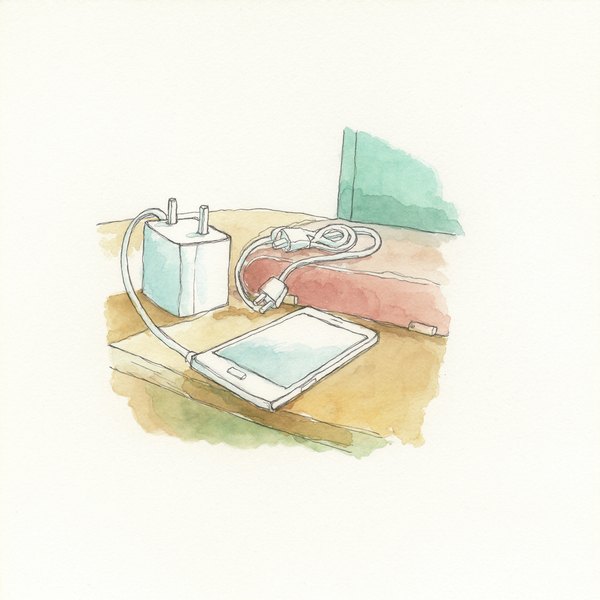
Power is 240 V, 50 Hz. Bring an adapter if your plugs are from the US or the EU. Plugs from the UK usually fit. US gear that only runs on 110 to 120 V, like some hair tools, needs a converter here. Check your chargers and devices say 100 to 240 V before you plug in.
Getting around
Mwasalat runs public bus lines in Muscat that cover the main sights and the airport, plus long distance buses. Highways between cities are good, but driving at night is risky because of poor lighting, wandering livestock and speeding drivers, and rare rain can flood roads. Airport and city taxis work on agreed fares, so settle the price first. The OTaxi app books official taxis at a set fare and is advertised inside Muscat airport.
Most visitors land at Muscat International Airport (MCT). Taxis to hotels around the capital have cost about 6 to 12 rials; you can prepay at the airport taxi counter or book a set fare with the OTaxi app. Mwasalat public buses also stop at the airport.
MCT Muscat International Airport: a taxi from the counter on the arrivals level (about 6 to 12 rials, agree or prepay the fare), the OTaxi app or a Mwasalat bus.
Book a pickup or rent a car
Book a pickup
Book a driver who meets you at arrivals at Muscat International Airport, at a fixed price agreed before you land.
This is a place where a car makes the trip. Compare rental companies.
The search box loads here.
Good to know
The local rules and habits worth knowing before you land.
Entry without a visa is for 14 days only and cannot be extended; apply for an e-visa for longer stays.
Traffic fines must be paid before you can leave Oman.
Flying a drone without a license is against the law.
Non Muslim visitors may bring 2 liters of alcohol in at Muscat airport only, never by car at a land border.
Ask before photographing people.
Flying a drone without a license, drinking in public and photographing government or military sites can all get visitors in trouble, and unpaid traffic fines stop you from leaving the country.
The questions people ask most, answered from this page.
Do US citizens need a visa for Oman?
US citizens can enter without a visa for stays of up to 14 days, with a return ticket, a confirmed hotel booking, health insurance and enough money for the stay. For longer trips apply for a tourist visa on the Royal Oman Police e-visa site. Your passport needs at least 6 months of validity. Check the official pages before booking.
How do I get from the airport to the city in Oman?
Most visitors land at Muscat International Airport (MCT). Taxis to hotels around the capital have cost about 6 to 12 rials; you can prepay at the airport taxi counter or book a set fare with the OTaxi app. Mwasalat public buses also stop at the airport.
How do I get around Oman?
Mwasalat runs public bus lines in Muscat that cover the main sights and the airport, plus long distance buses. Highways between cities are good, but driving at night is risky because of poor lighting, wandering livestock and speeding drivers, and rare rain can flood roads.
What currency does Oman use?
The currency is the Omani rial, divided into 1,000 baisas. Carry some cash for markets and smaller towns, and exchange or withdraw at the airport when you arrive.
Photo credits
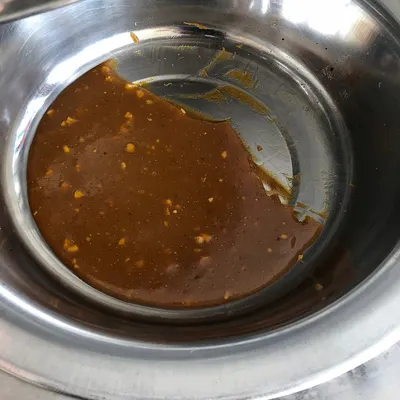
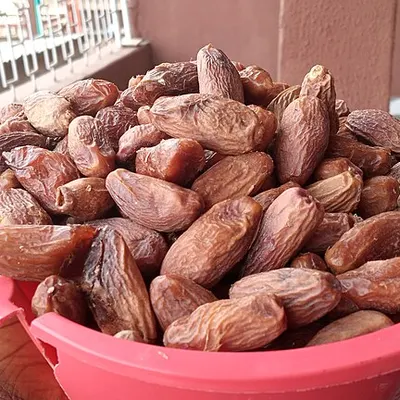
Sea turtles on the beach: F igy, CC BY 3.0, via Wikimedia Commons. Harees: Krista, CC BY 2.0, via Wikimedia Commons. Omani halwa: Slywire, CC BY-SA 4.0, via Wikimedia Commons. Omani dates: Lebron jay, CC BY-SA 4.0, via Wikimedia Commons.
Checked 12 Nov 2026: entry links, plugs, airport times, ride apps and the facts on this page. Prices and rules show their own As of date.
Researched for you from official and trusted sources.
Affiliate links: some links on this page (flights, tours, city passes, stays, transfers, rental cars, luggage storage, eSIMs and flight compensation) are affiliate links. If you book through them, I earn a small commission at no extra cost to you.
Photos
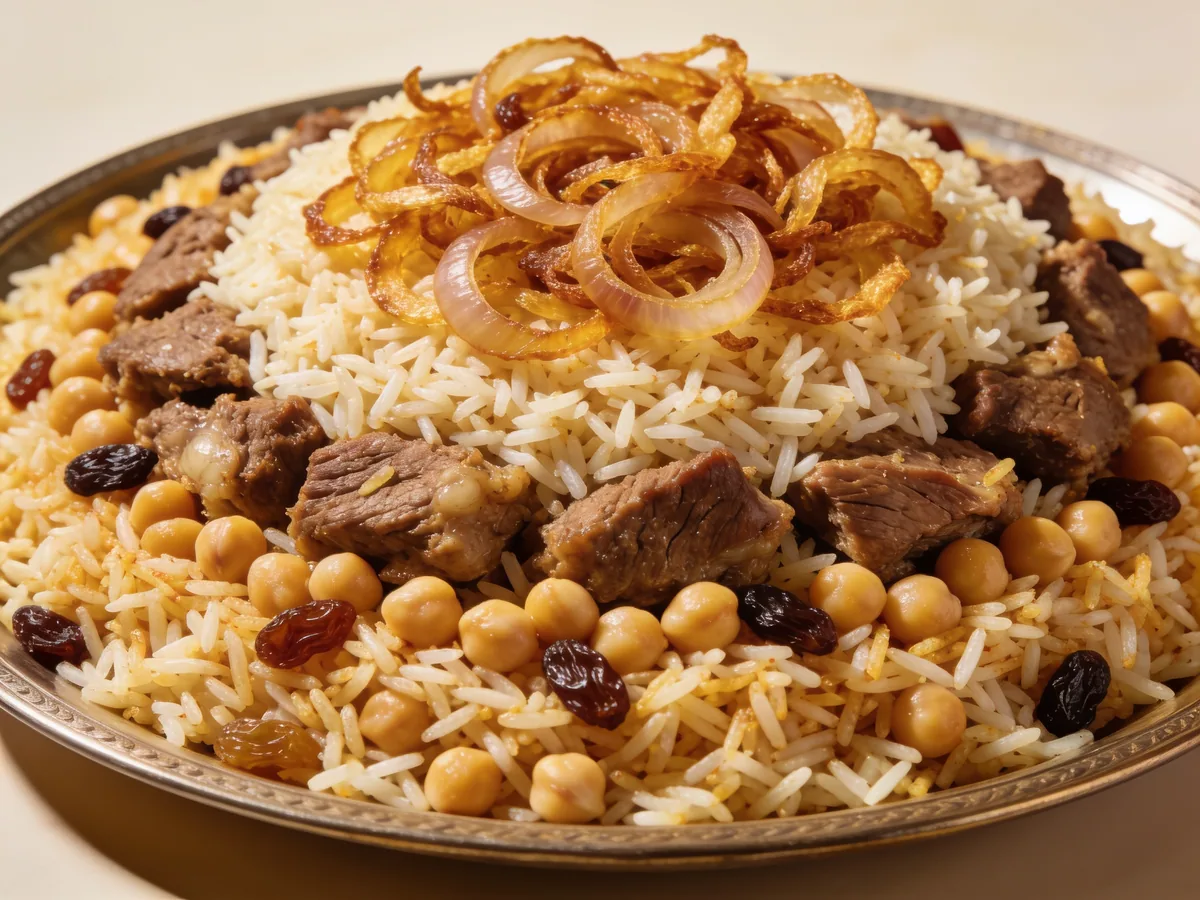
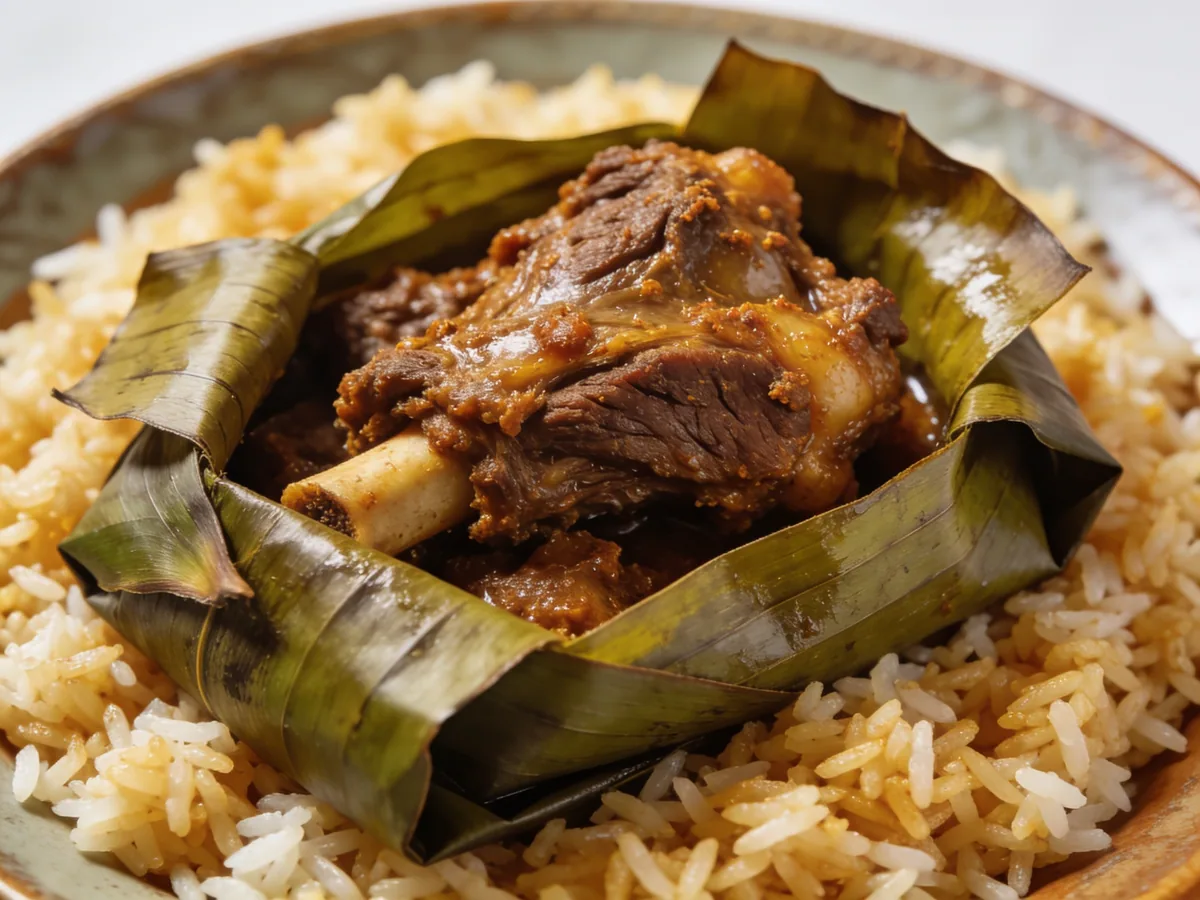
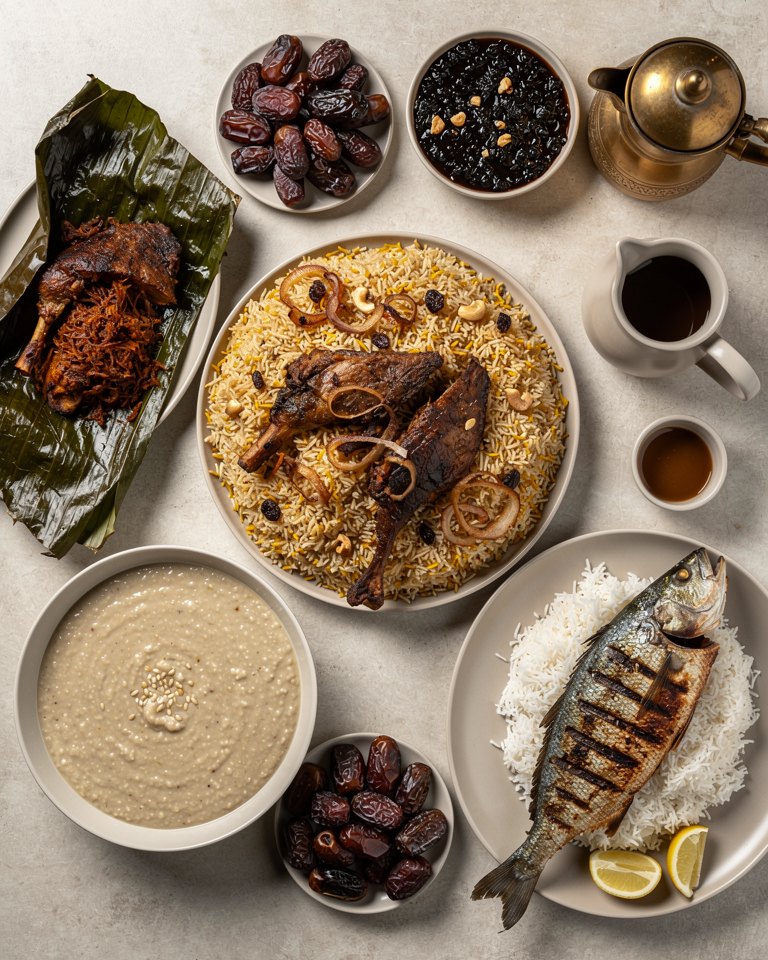
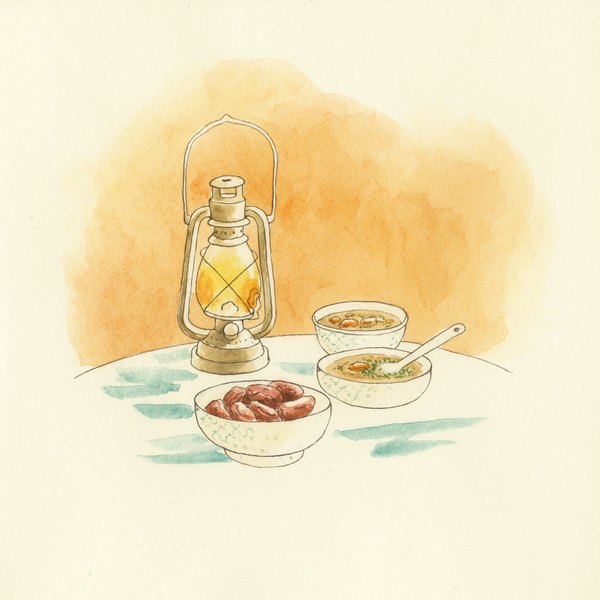
Real photos from Pexels, used under the license shown, by the photographers credited below. The table of dishes in the food section is an illustration made for this page, not a photo of a real meal.
Sultan Qaboos Grand Mosque with its minarets and dome under a clear blue sky, mountains behind. Photo: Daniel P / Pexels.
Low white buildings of Muscat spread between rugged brown mountains. Photo: Joerg Hartmann / Pexels.
Nizwa Fort walls above a palm oasis with the Hajar Mountains in the distance. Photo: Hashtag Singh / Pexels.
Rippled golden sand dunes at sunset in the Omani desert. Photo: Noah C / Pexels.
Sources
Researched for you from official and trusted sources. Rules, prices and times change, so check the official page before you book.
Filming your own trips? My free guide to AI editing shows how my automated AI editor turns a folder of my clips into a finished reel. Send me the free guide.
 Luisa's Atlas

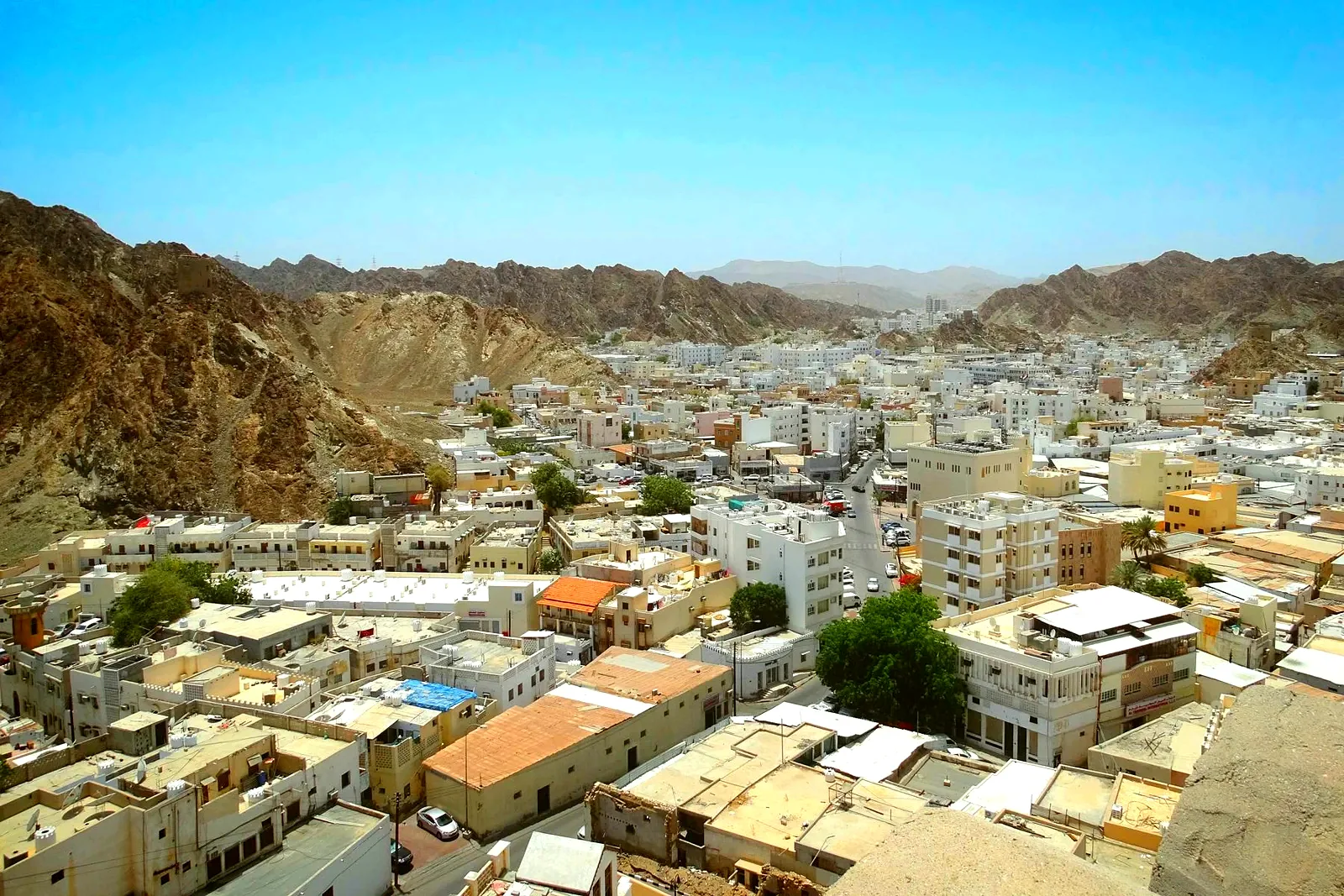 Low white buildings of Muscat spread between rugged brown mountains. Photo: Joerg Hartmann / Pexels.
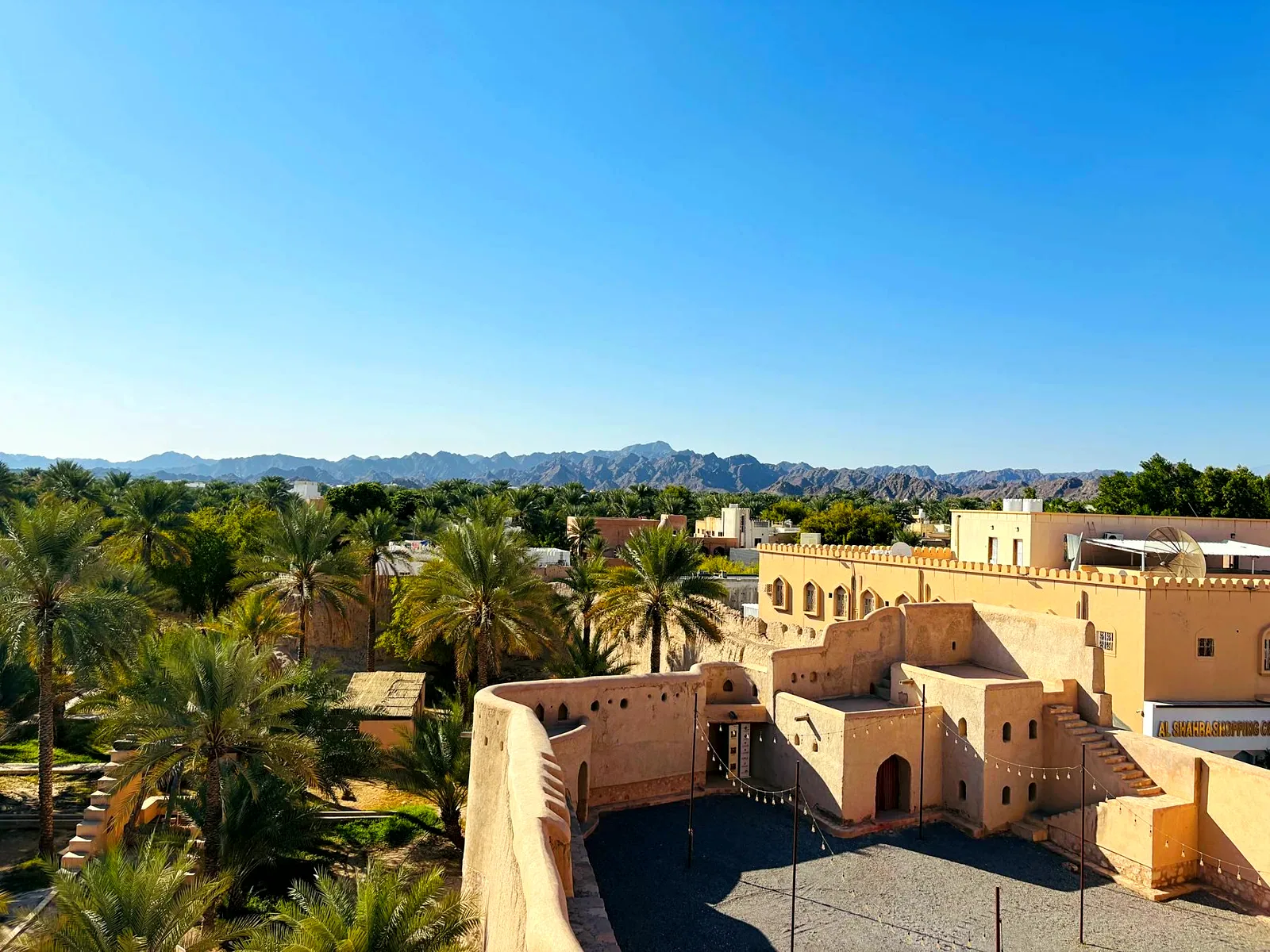 Nizwa Fort walls above a palm oasis with the Hajar Mountains in the distance. Photo: Hashtag Singh / Pexels.
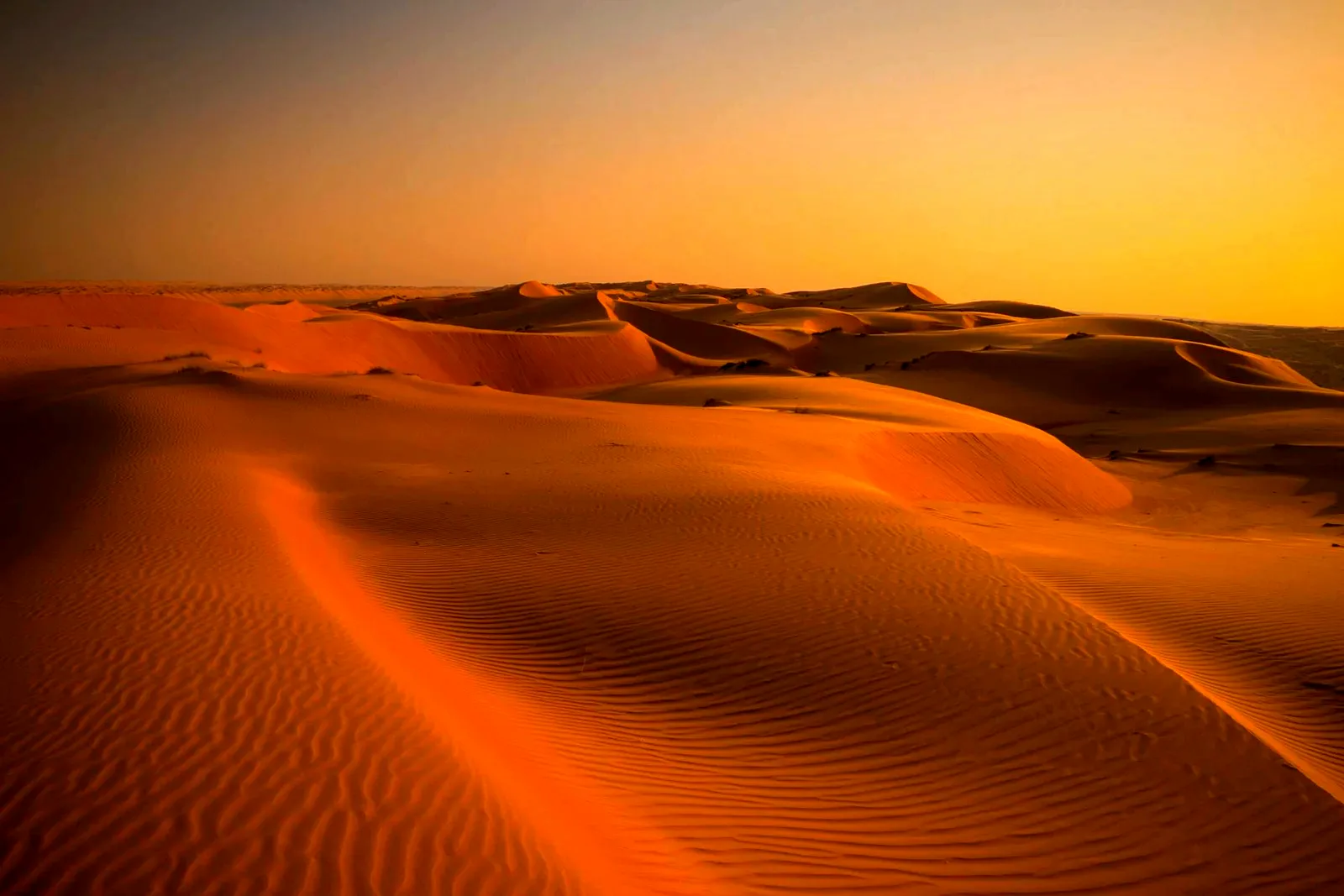 Rippled golden sand dunes at sunset in the Omani desert. Photo: Noah C / Pexels.