What to know before you go to South Korea: the K-ETA and arrival card steps, T-money and KTX, and five places to build a trip around.
Everything for South Korea on one page: what to know before you leave, the tours worth booking ahead, the ride apps, an eSIM and where to stay and eat, so you land with a plan, not 37 open tabs.
Some links earn me a small commission at no extra cost to you.
My free appLanding with no signal? Take this whole planner offline in my free iPhone app.Download on the App Store
Where in the worldSouth Korea
Why South Korea is amazing
1
Palaces in the middle of Seoul
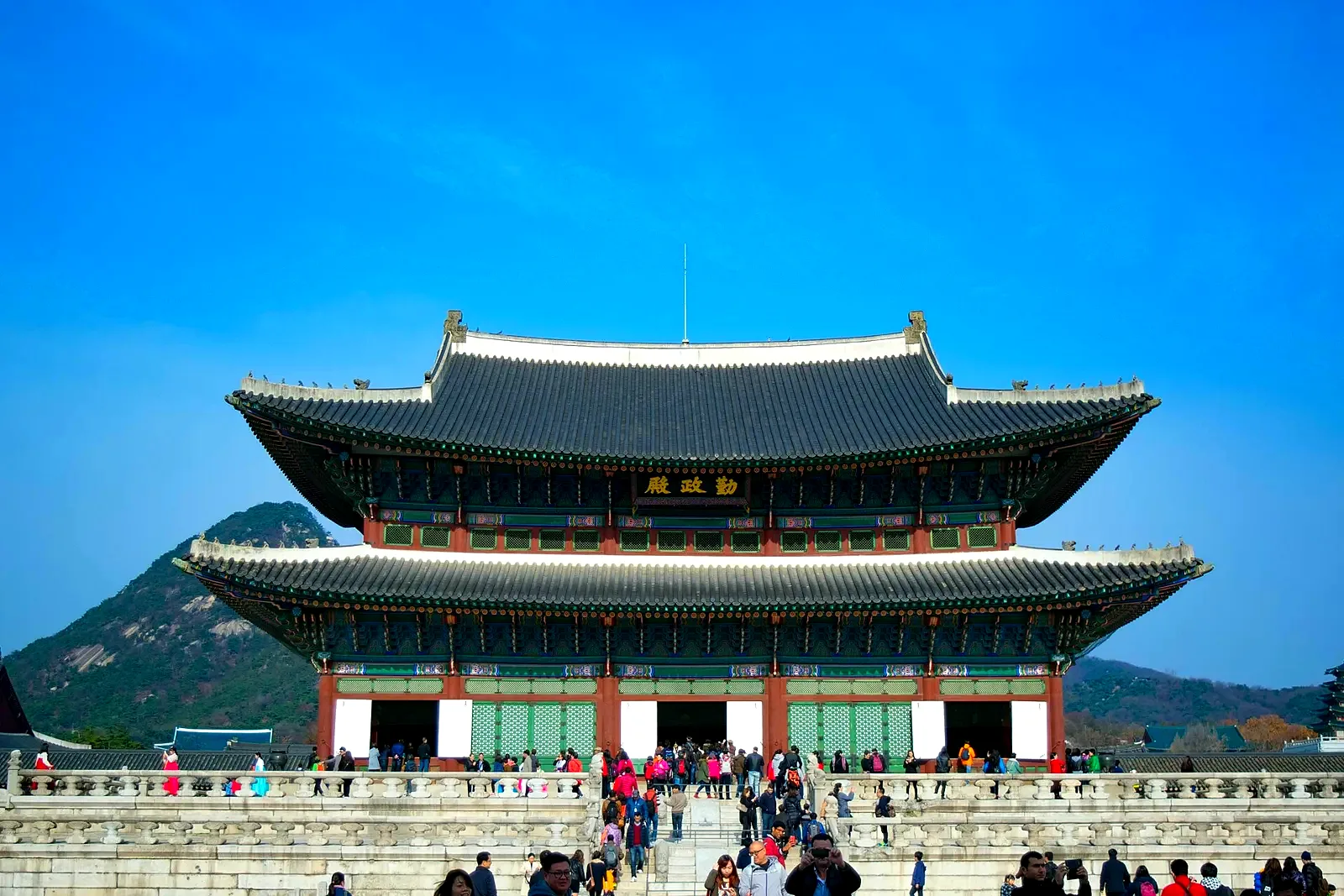
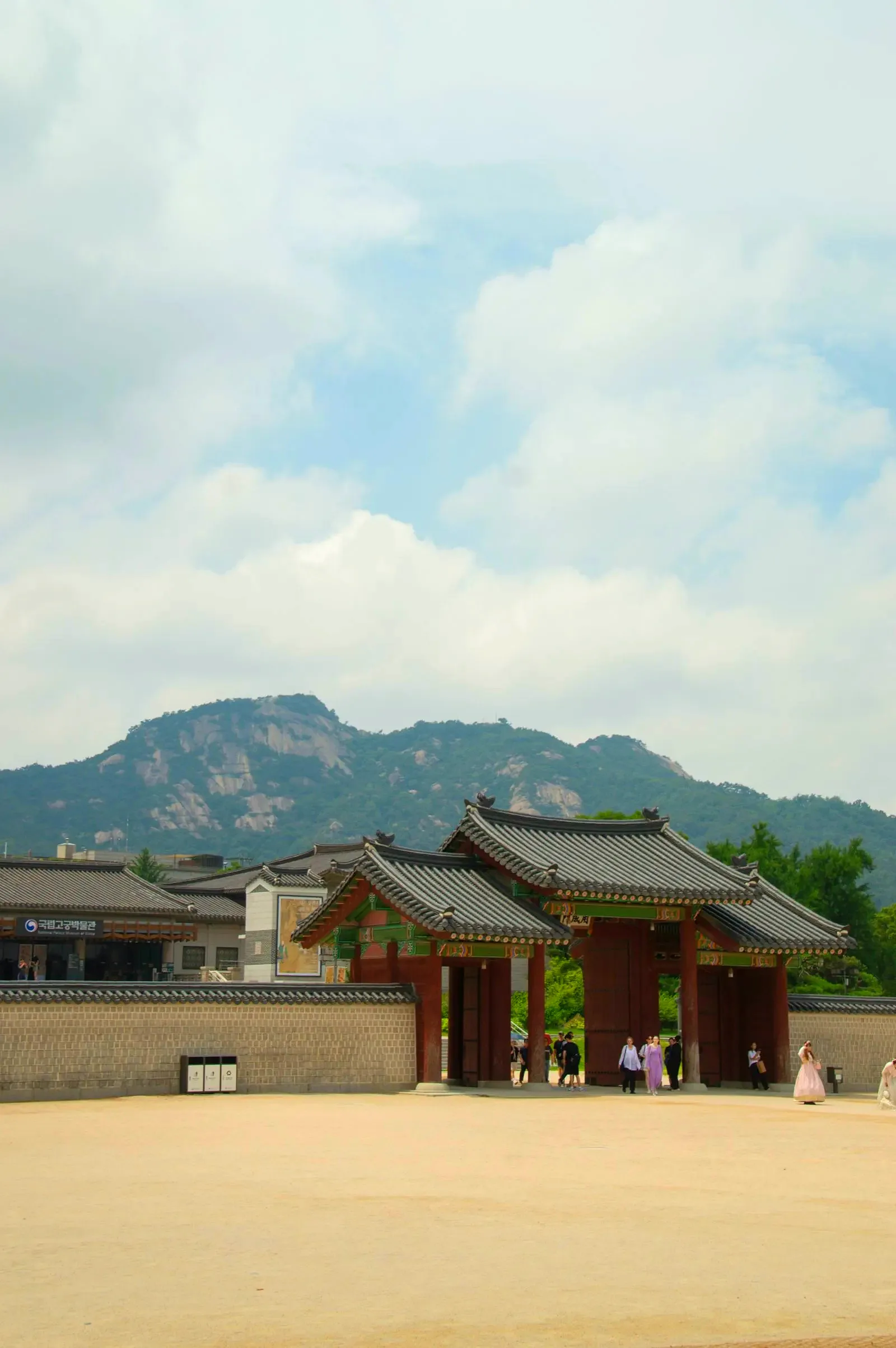
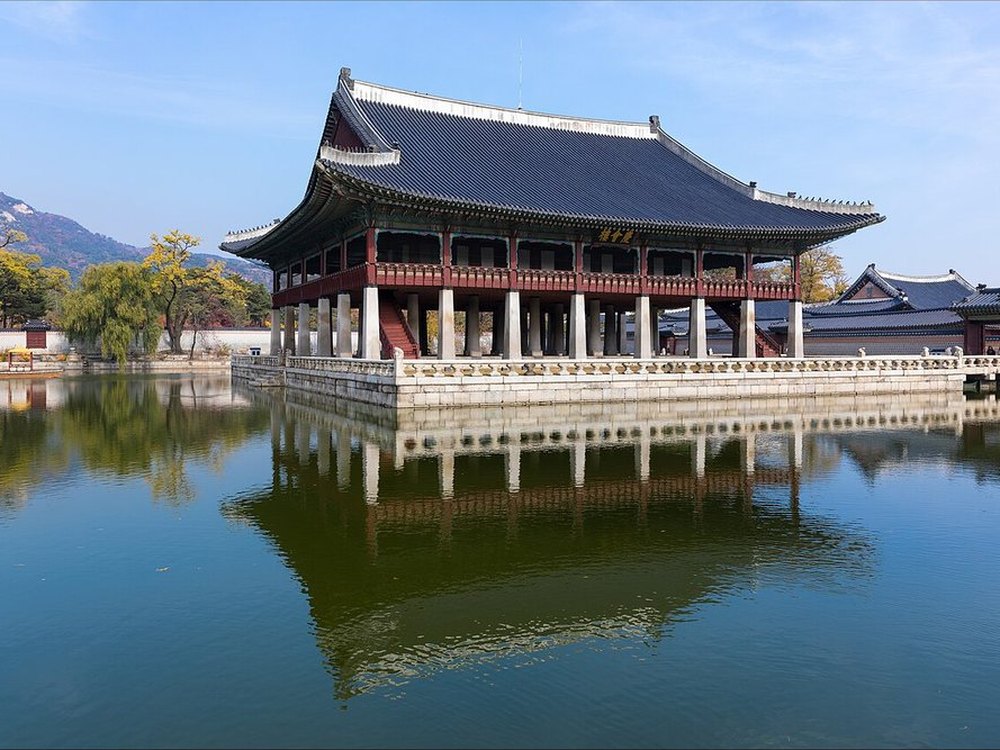
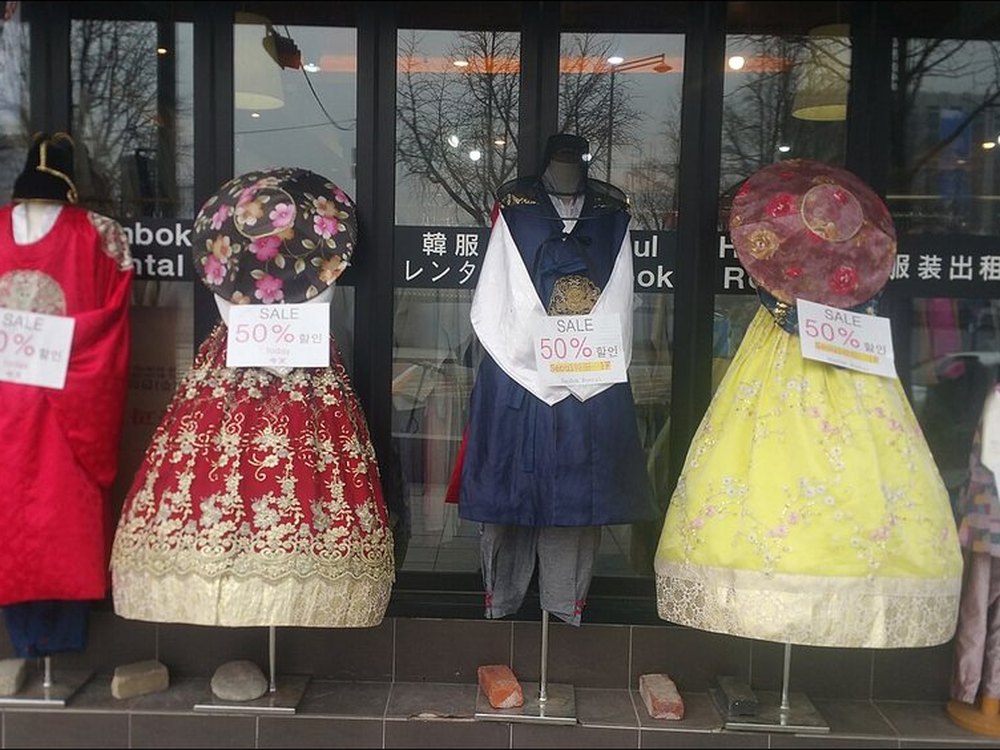
Seoul's royal palaces sit right in the center, and at Gyeongbokgung, visitors dressed in a full hanbok get in free.
2
Food worth the flight
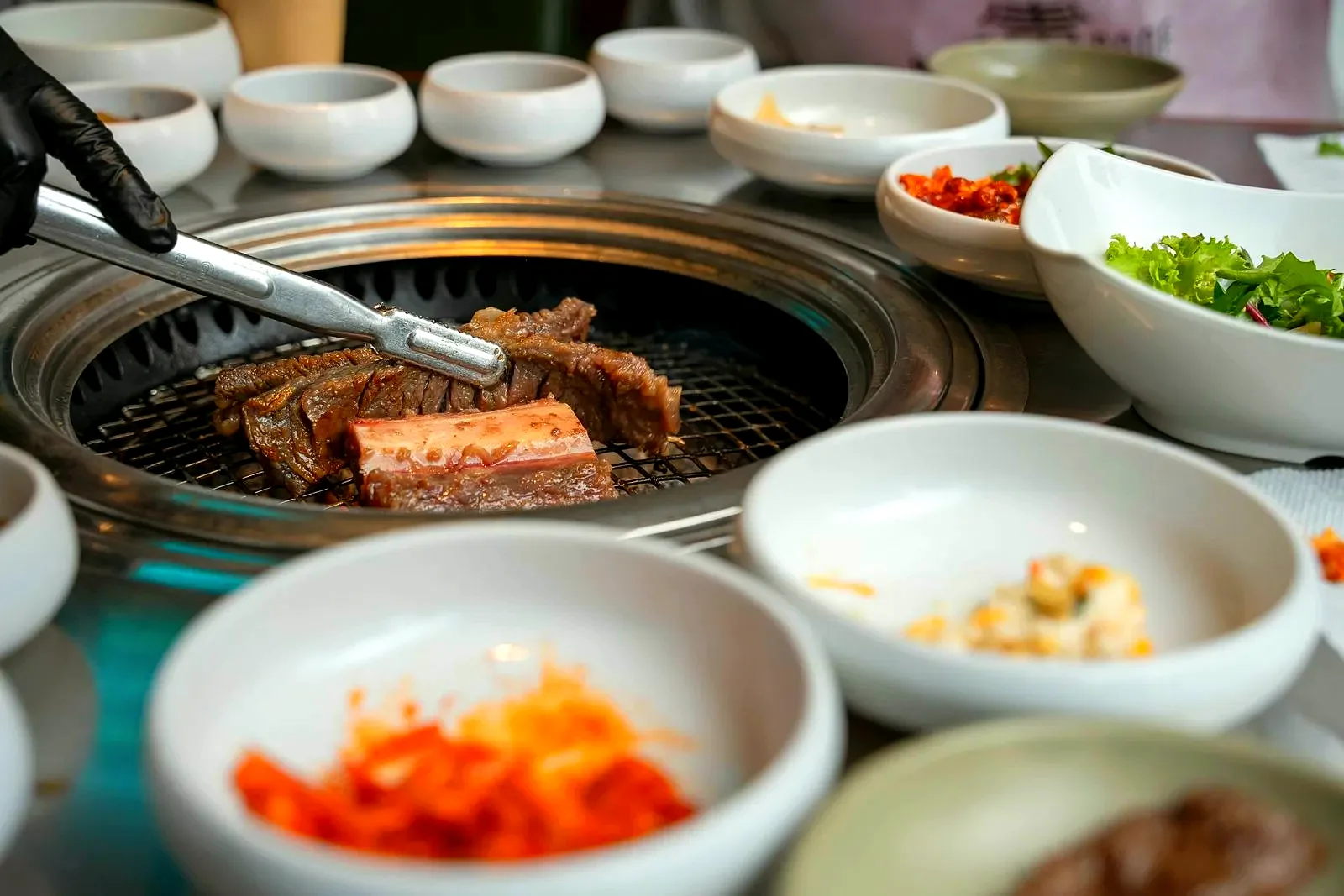
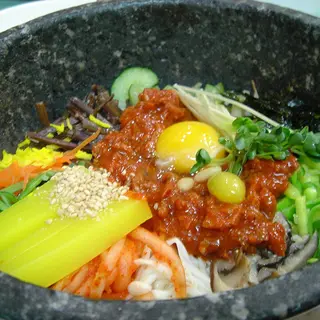
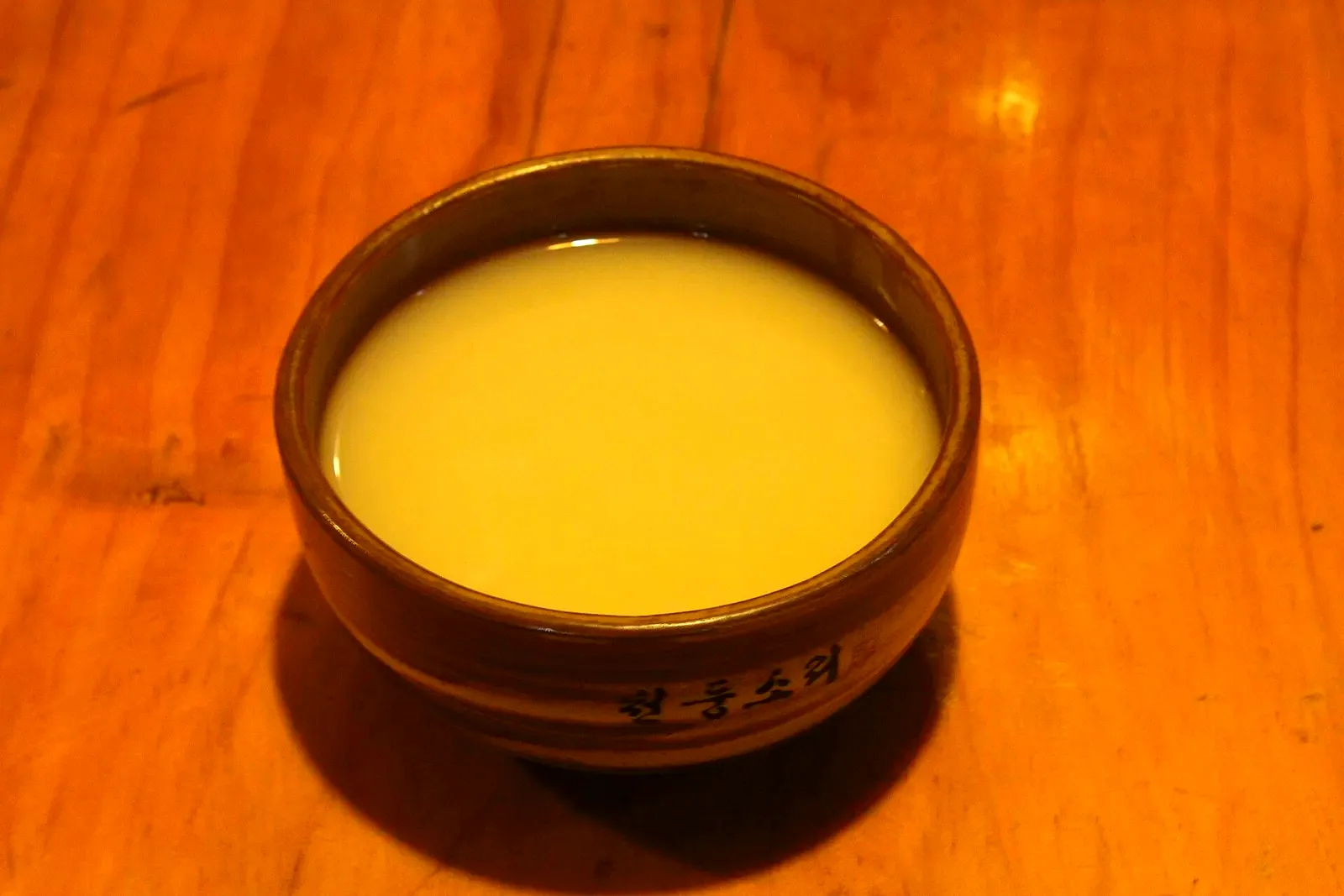
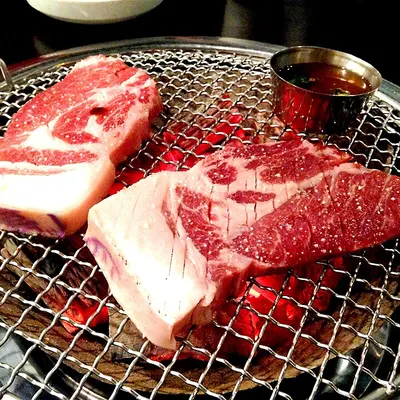
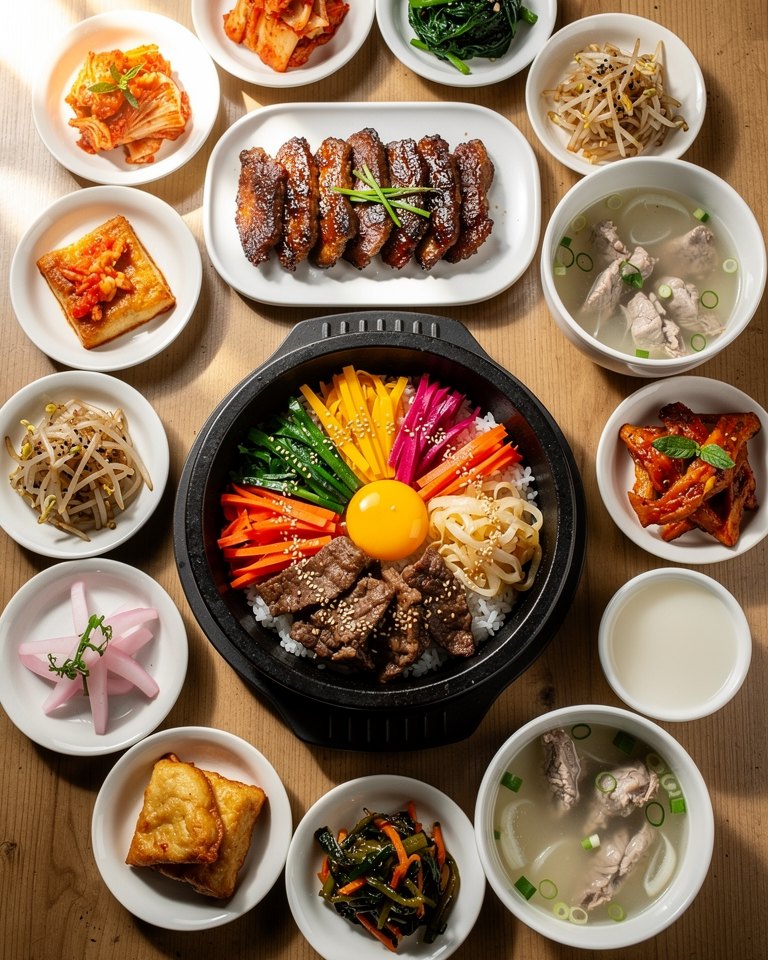
Eat bibimbap in Jeonju, the city known as its home, grill Jeju's black pork at your table, and drink makgeolli rice wine by the kettle with side dishes that change each round.
3
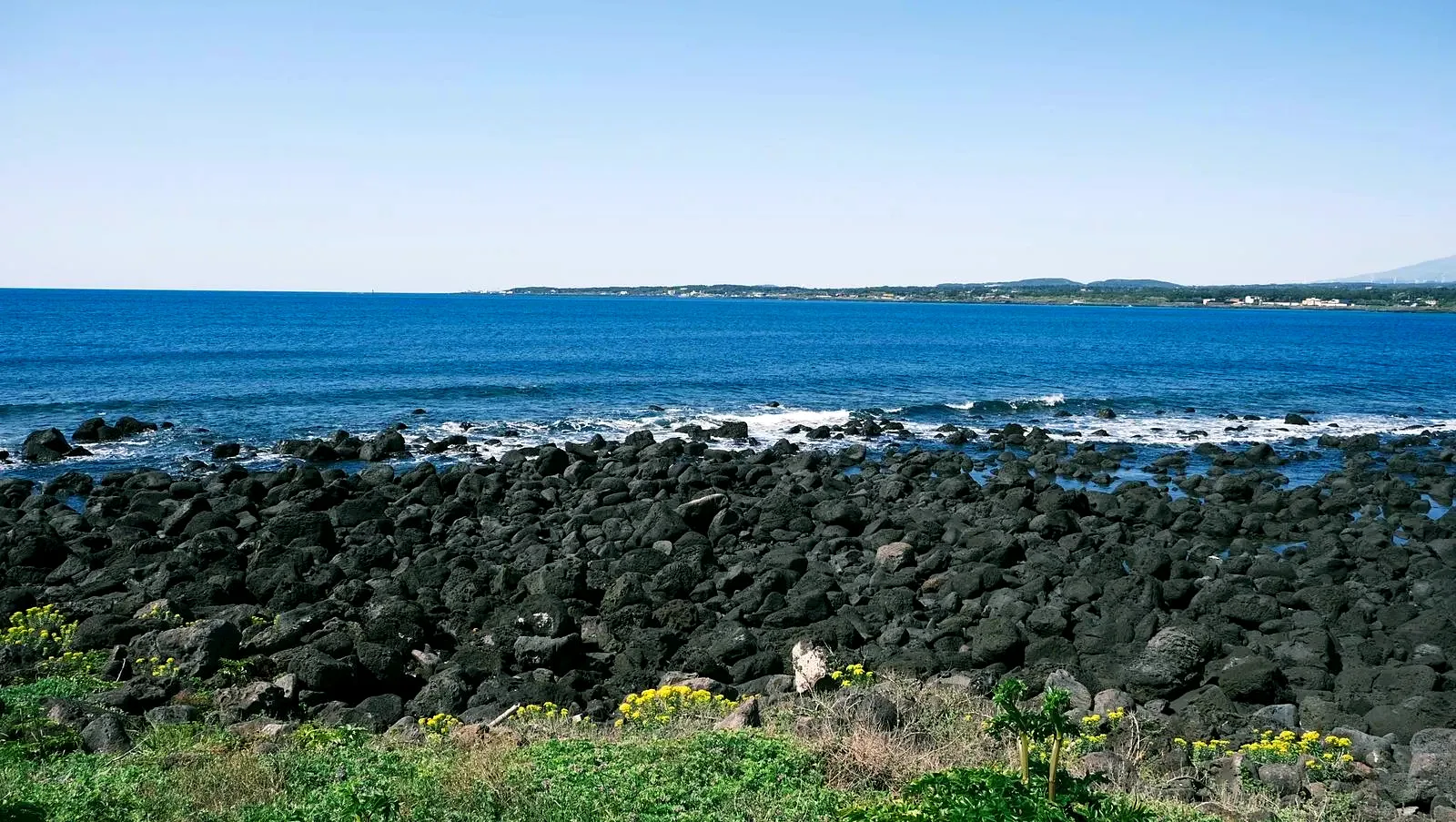
A volcanic island
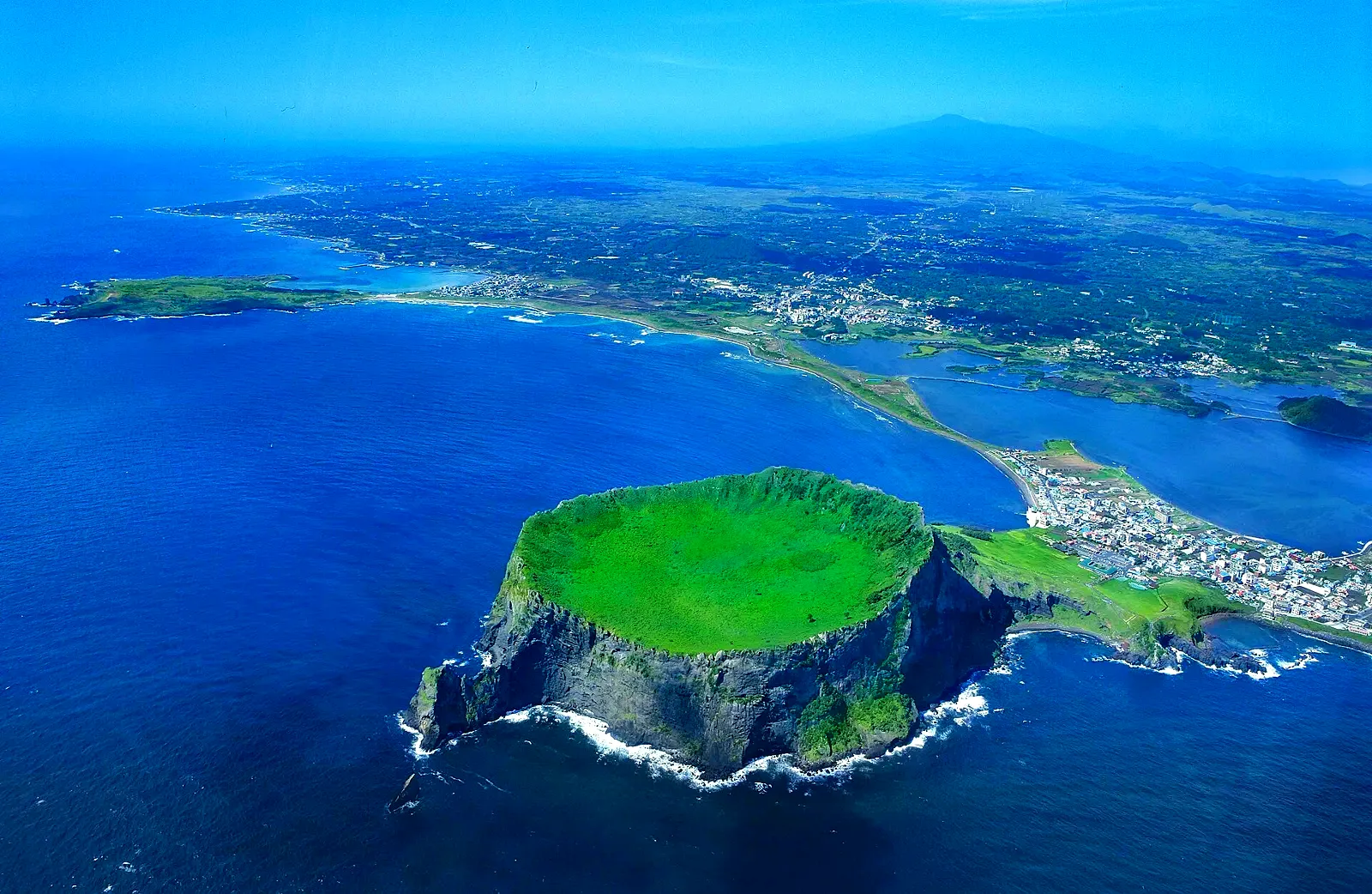
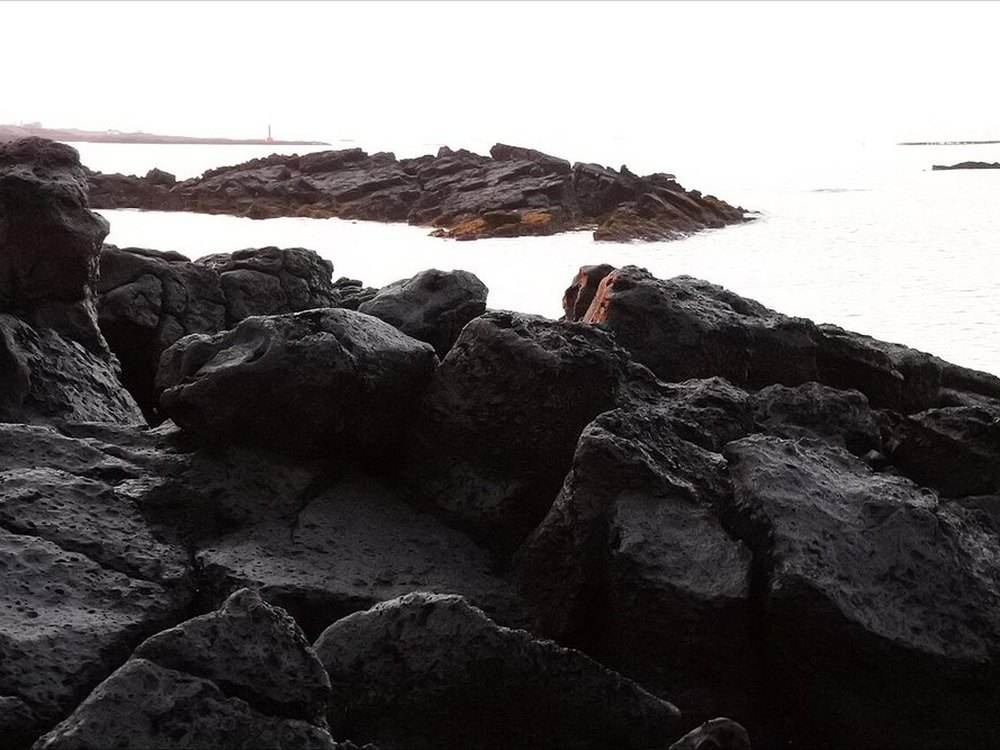
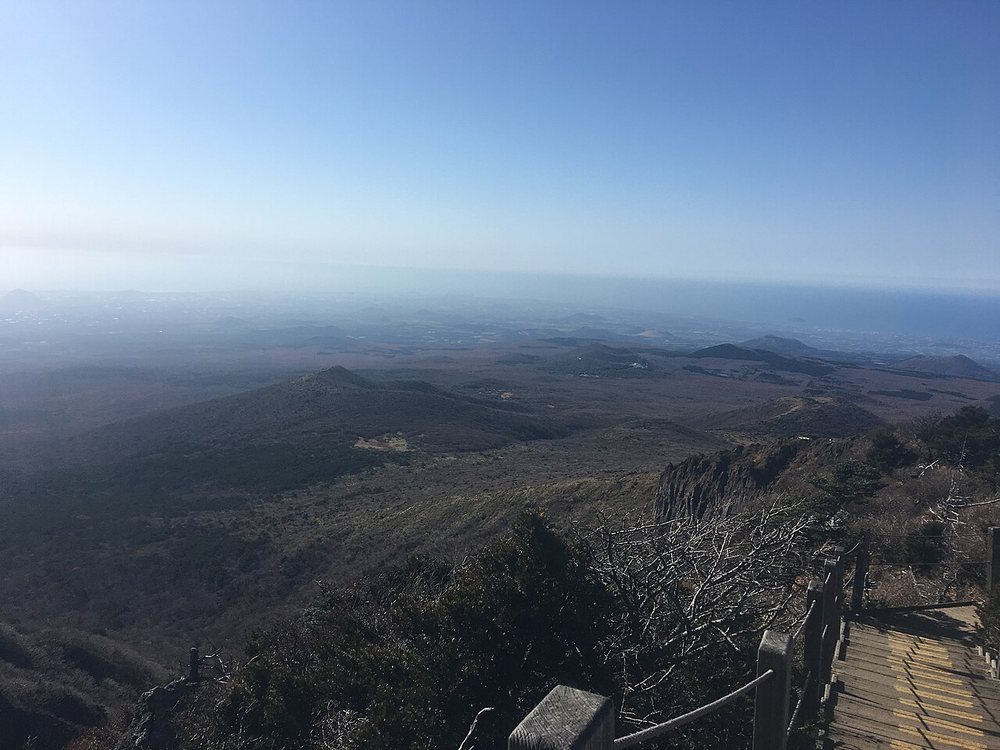
Jeju Island has UNESCO status for Hallasan, Korea's tallest mountain, the Seongsan Ilchulbong peak and the Geomunoreum lava tube system.
4
A museum without a roof
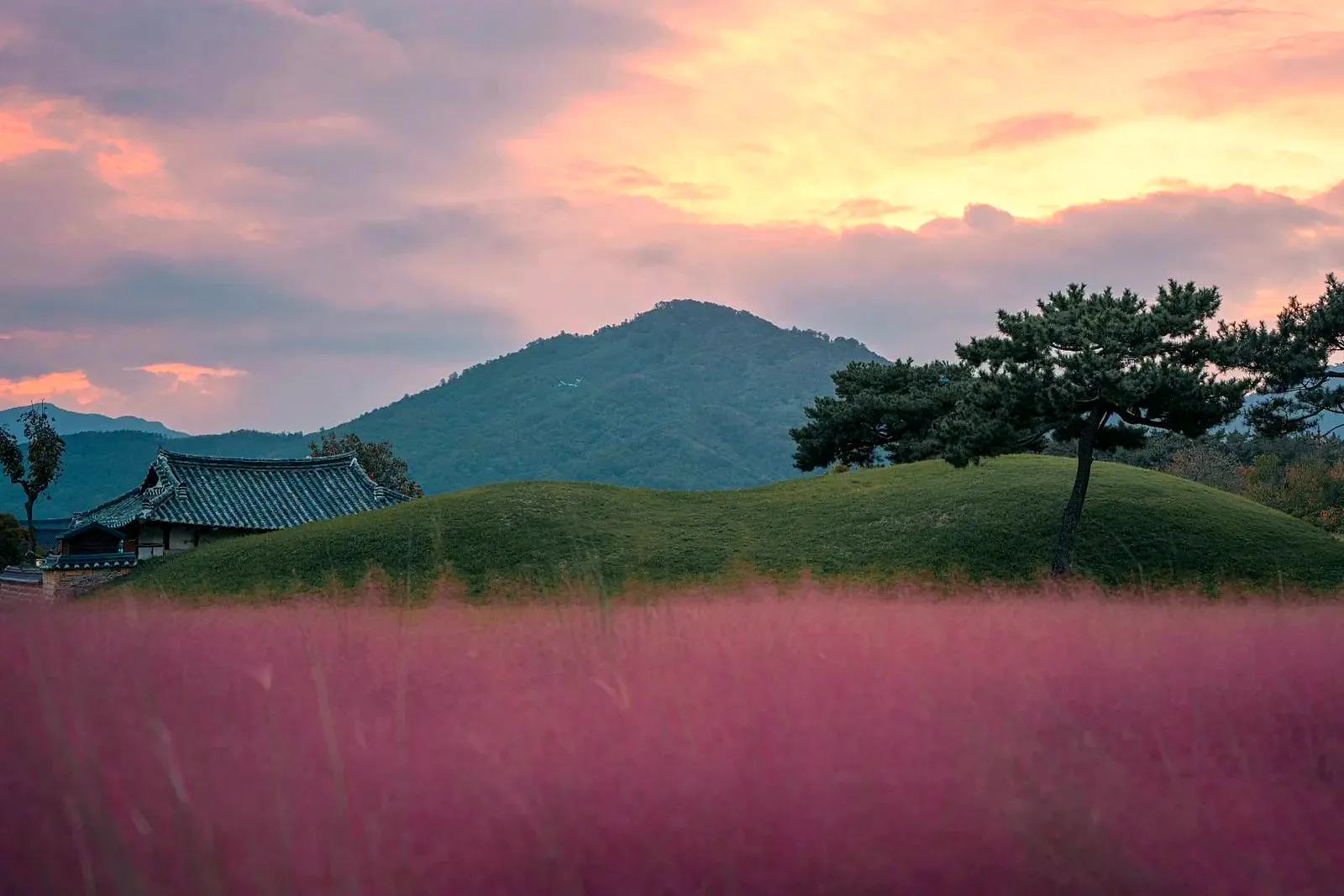
Gyeongju was the Silla kingdom's capital for 992 years, and it is known as a museum without a roof, with royal tombs and temple sites all around.
5
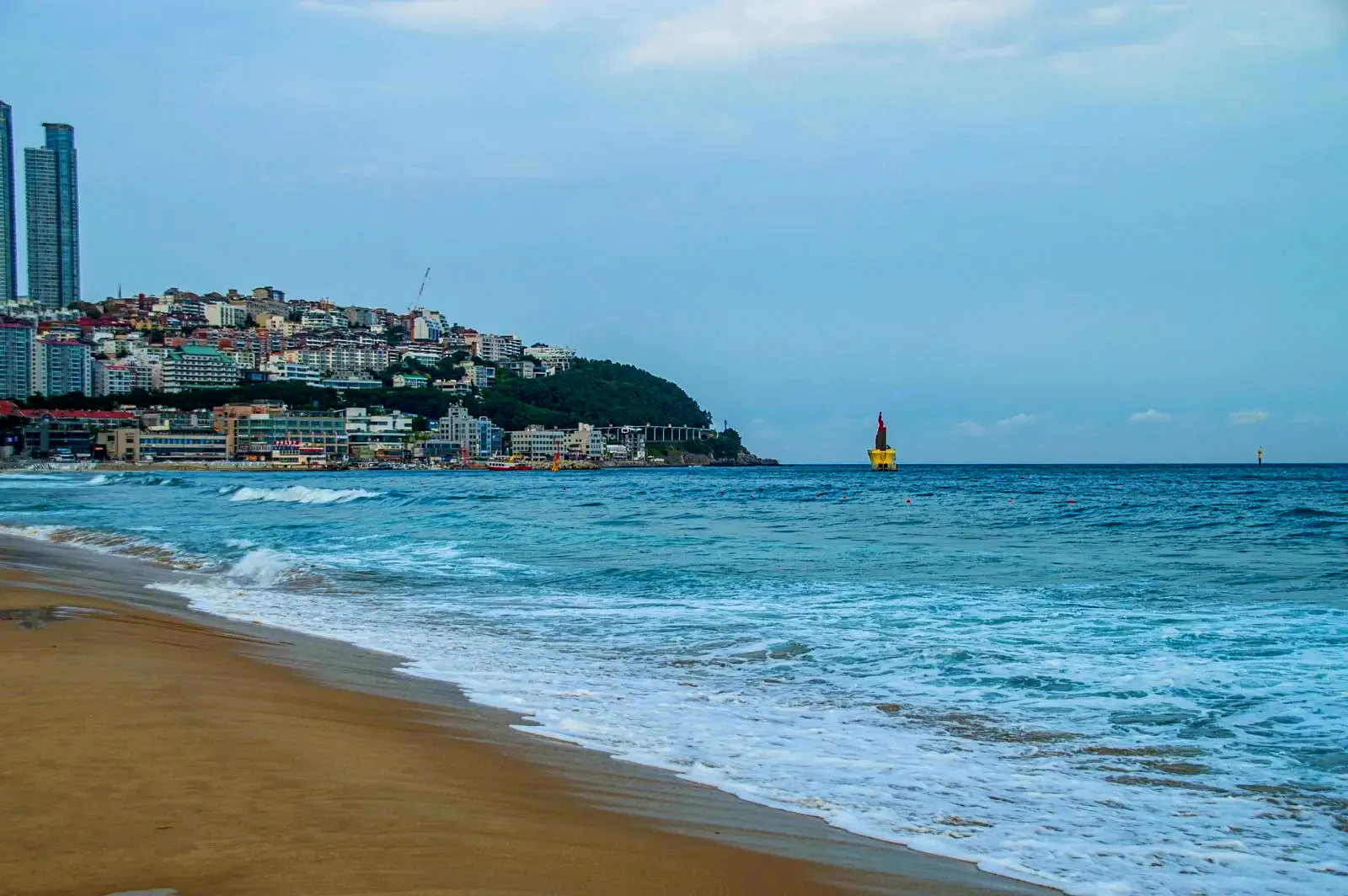
Beaches and art in Busan
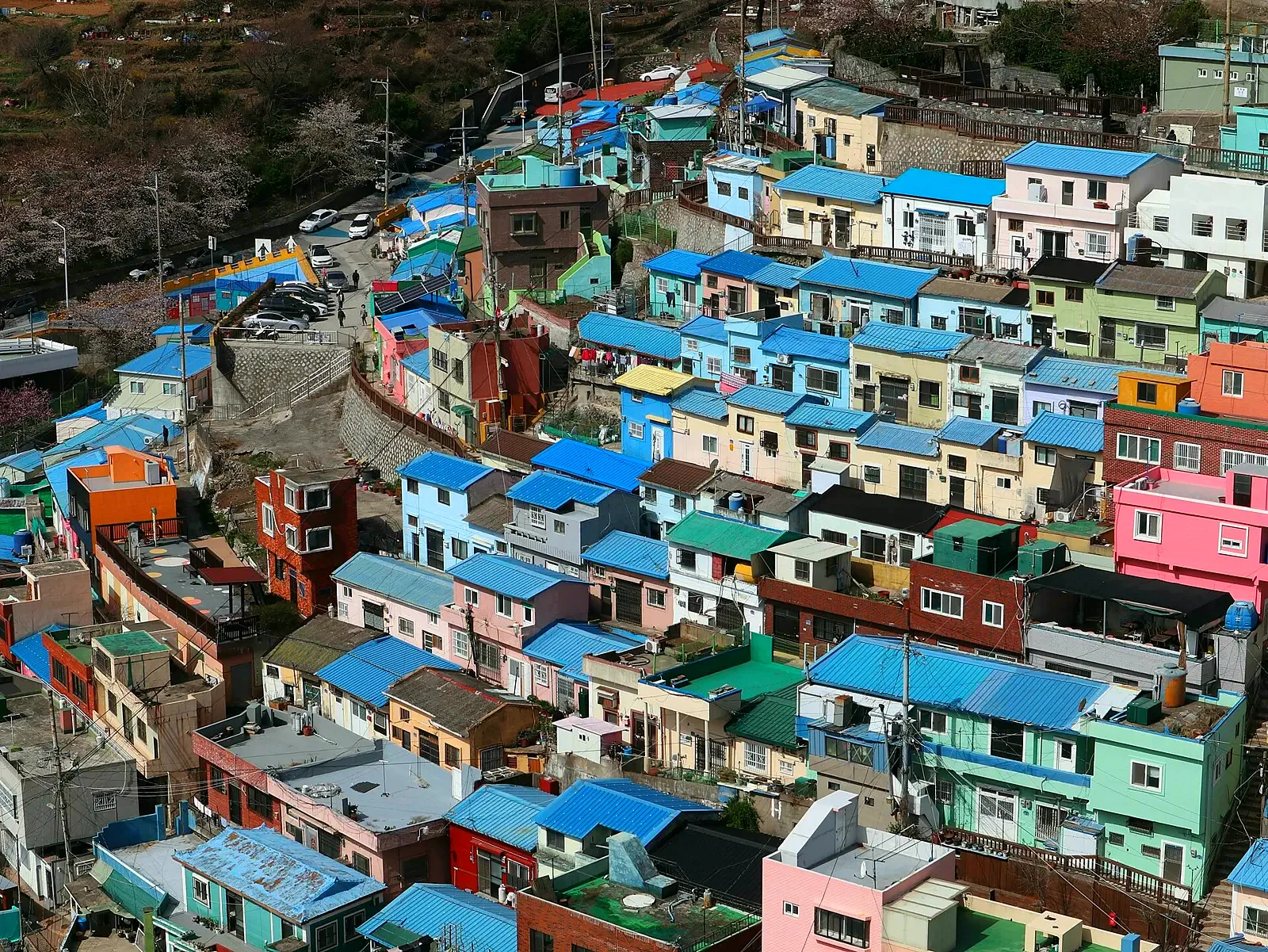
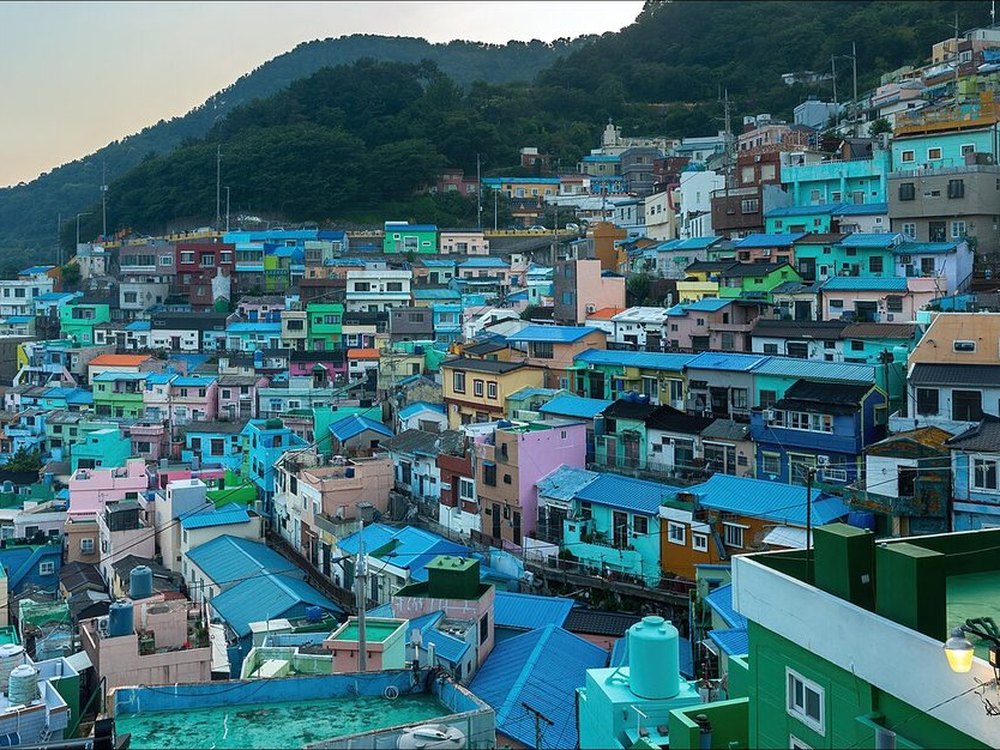
Busan has beaches, the hillside Gamcheon Culture Village and a big fish market, and foreign travelers rank its pork and rice soup as the city's top food.
Worth booking ahead
The good ones sell out while you are still deciding. Book these before you fly, and keep your days for wandering.
Five short notes from me: the 3 things I sort out ahead of every flight, the tiny details nobody tells you, and your vote on where I go next 🌍
A bit of history
Metal type before Gutenberg, 1377
Jikji, a book of Buddhist teachings printed at Heungdeok Temple in 1377, is the oldest surviving book printed with movable metal type, 78 years before the Gutenberg Bible.
An alphabet for everyone, 1443
King Sejong created Hangeul in 1443 and promulgated it in 1446, so that ordinary people could read and write. The original script had 17 consonants and 11 vowels.
Twenty-three years in stone, 751 to 774
Prime Minister Kim Daeseong began Bulguksa Temple and the Seokguram Grotto in 751, and both were finished in 774. They joined the UNESCO World Heritage list together in December 1995.
Where to stay
The areas worth basing yourself in, each with its own stay search, and every hotel on one map.
Tip: finish booking on the website, not in the hotel's app, so it counts as booked through me.
South Korea works best with a few bases. These are the places this planner suggests, with how to reach each one and one honest heads up. Everything here is researched for you from official and tourism board sources.
City
Seoul
The capital, with the royal palaces at its center. Gyeongbokgung is open Wednesday to Monday and closed every Tuesday. Foreign adults pay KRW 3,000, and visitors in a complete hanbok enter free.
Near: Gyeongbokgung Palace, with English guided tours daily at 11:00, 13:30 and 15:30 except Tuesdays. Wearing hanbok gives one free entry to each of the four royal palaces of Seoul.
Getting around: Incheon to Seoul Station by AREX Express is about 43 minutes from Terminal 1. The subway runs from about 5:30 am until midnight, with signs in Korean, English and Chinese.
Heads up: Palace hours change by season, with last entry one hour before closing. Check the official palace site before you go.
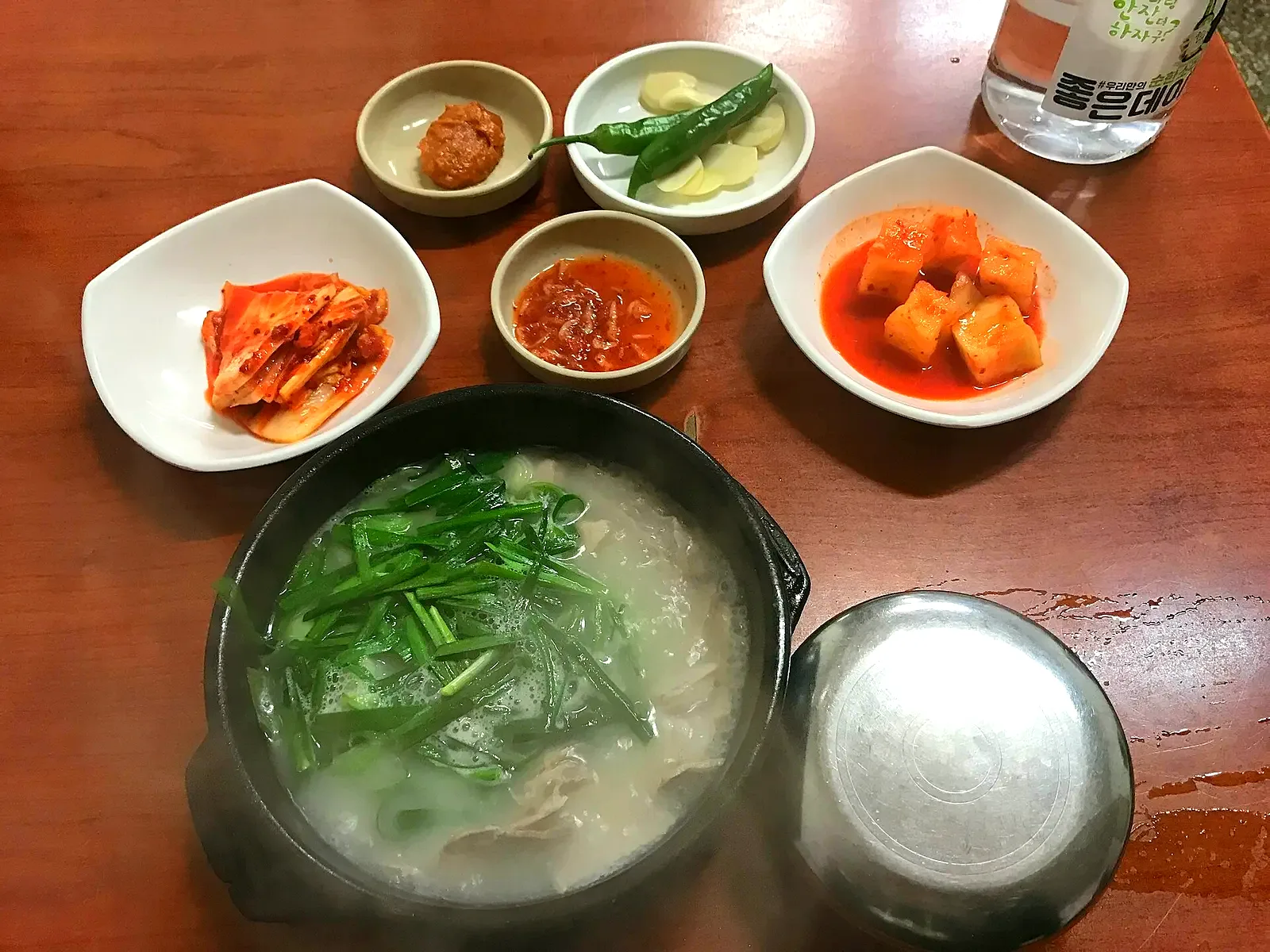
Korea's port city, with beaches, a hillside art village and a big fish market. Foreign travelers ranked pork and rice soup (dwaeji gukbap) as Busan's top food.
Near: Gamcheon Culture Village, a former refugee settlement of stair-stepped houses now known for murals (free entry, open 24 hours). Haeundae Beach and Jagalchi Market are the other classics.
Getting around: KTX runs from Seoul on the Gyeongbu Line. From Gimhae Airport, the light rail plus Busan Metro Line 2 reaches Seomyeon in about 30 minutes and Haeundae in about 70.
Heads up: Jagalchi Market closes on the first and third Tuesdays of the month. Confirm current hours with the market.
A volcanic island with UNESCO status since 2007 (Hallasan, Seongsan Ilchulbong and the Geomunoreum lava tube system). Hallasan is Korea's tallest mountain at 1,947 m.
Near: Seongsan Ilchulbong, a tuff cone with a 30 to 40 minute climb to the summit on the paid trail, and Manjanggul lava tube, where visitors can walk about 1 kilometer.
Getting around: Jeju International Airport has taxis, city buses and limousine buses. A taxi to Jungmun is about 50 minutes and to Seongsan Ilchulbong about 80 minutes.
Heads up: Seongsan Ilchulbong is closed the first Monday of each month, and the trail is rated very difficult. Hours change by season.
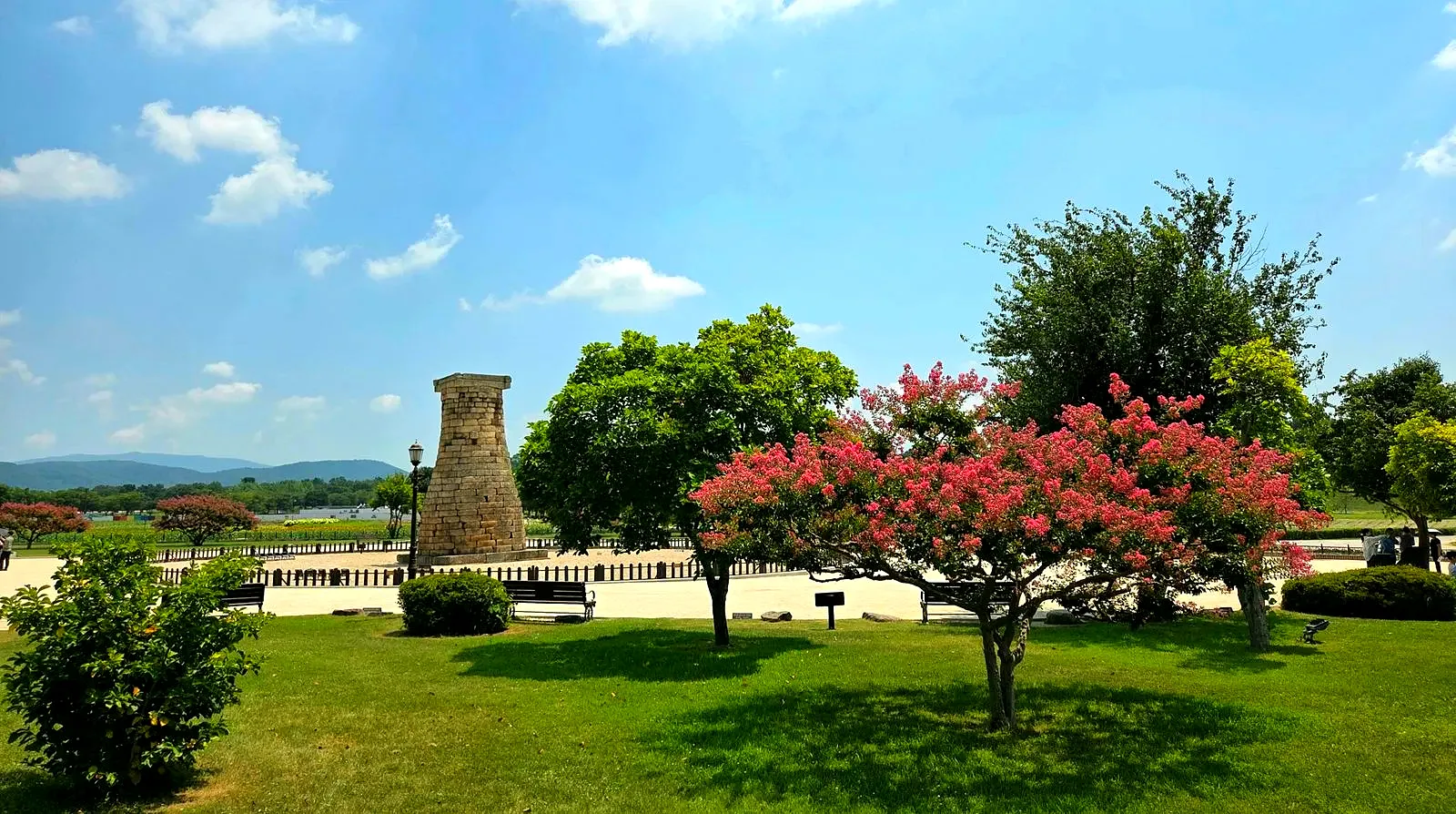
The old capital of the Silla kingdom. Its historic area is a UNESCO site split into five parts: Namsan, Wolseong, the Daereungwon tomb complex, Hwangnyongsa temple site and the Sanseong fortress area.
Near: Cheomseongdae Observatory (said to be the oldest in Asia), Daereungwon royal tombs, Wolji Pond, and Bulguksa Temple with Seokguram Grotto, also UNESCO listed.
Getting around: Singyeongju Station is Gyeongju's largest rail station, with KTX, SRT and regular trains.
Heads up: Singyeongju Station is a bit outside town. Check how to reach your hotel from there before arriving.
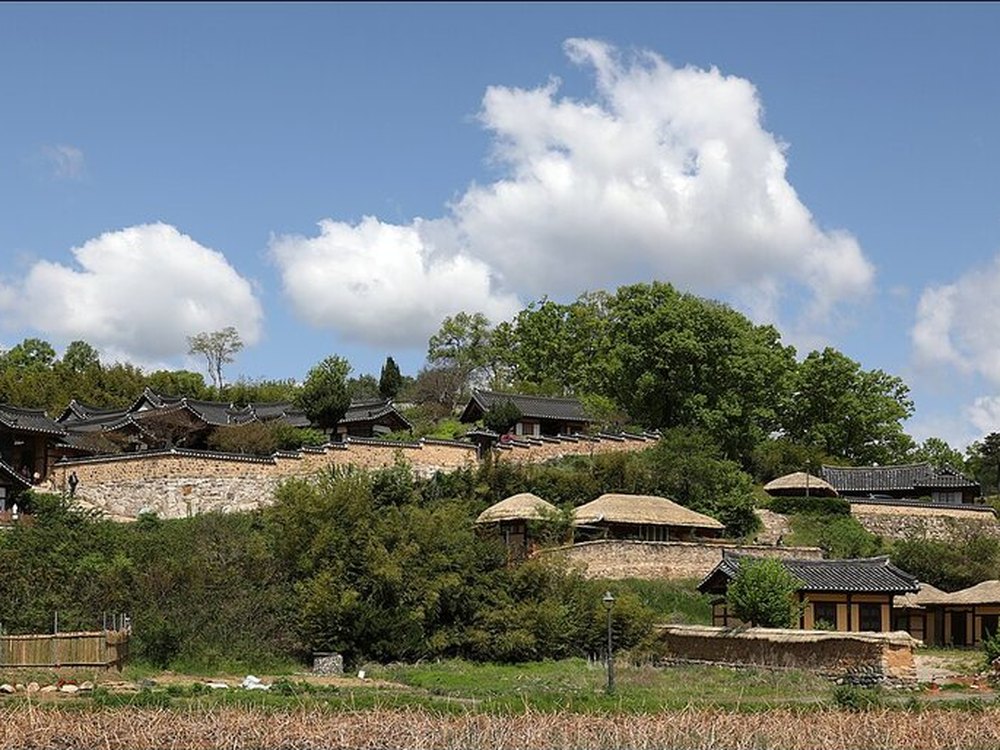
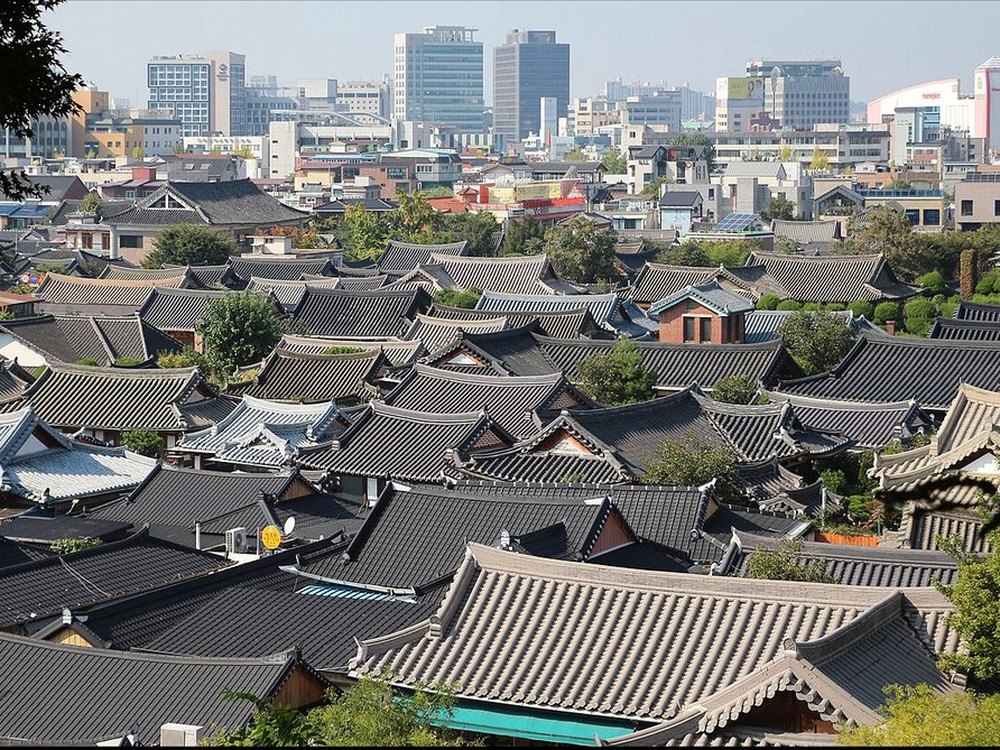
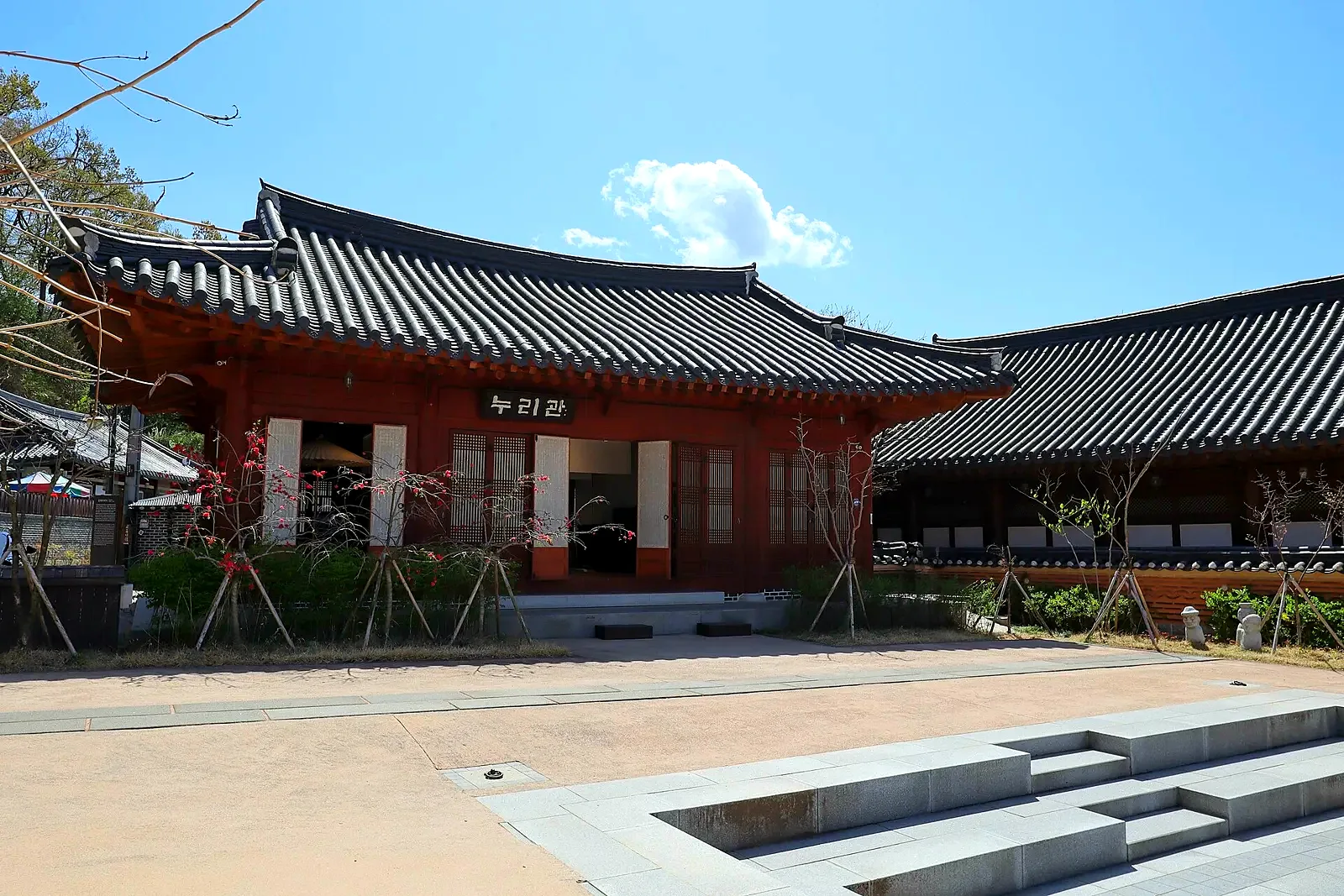
Jeonju is known as the home of bibimbap, and its hanok village is one of the largest traditional hanok villages in Korea.
Near: Jeondong Catholic Cathedral, Gyeonggijeon Shrine with its bamboo grove, the Omokdae viewpoint and the Hyanggyo Confucian school.
Getting around: KTX from Seoul takes about 1 hour 40 minutes. Trains from Yongsan run more often than from Seoul Station.
Heads up: Train tickets sell out on weekends, holidays and in May, September and October. Sit only in your reserved seat, since unreserved seating can bring a large extra fare.
Greet people with a short bow, really a nod, and a soft handshake using both hands.
The eldest starts
Respect for age runs deep, so at a shared table wait until the eldest person begins eating before you start.
Wraps are hands-on
Korean table manners say not to touch food with your fingers, with one happy exception: wrapping grilled meat and sides in lettuce or cabbage leaves. Rice is eaten with a spoon.
Kimchi season
Kimjang, the making and sharing of kimchi with family and neighbors, has been on UNESCO's Intangible Cultural Heritage list since 2013. Nearly everyone in Korea takes part in it at some point in life.
Where and what to eat
Come hungry.
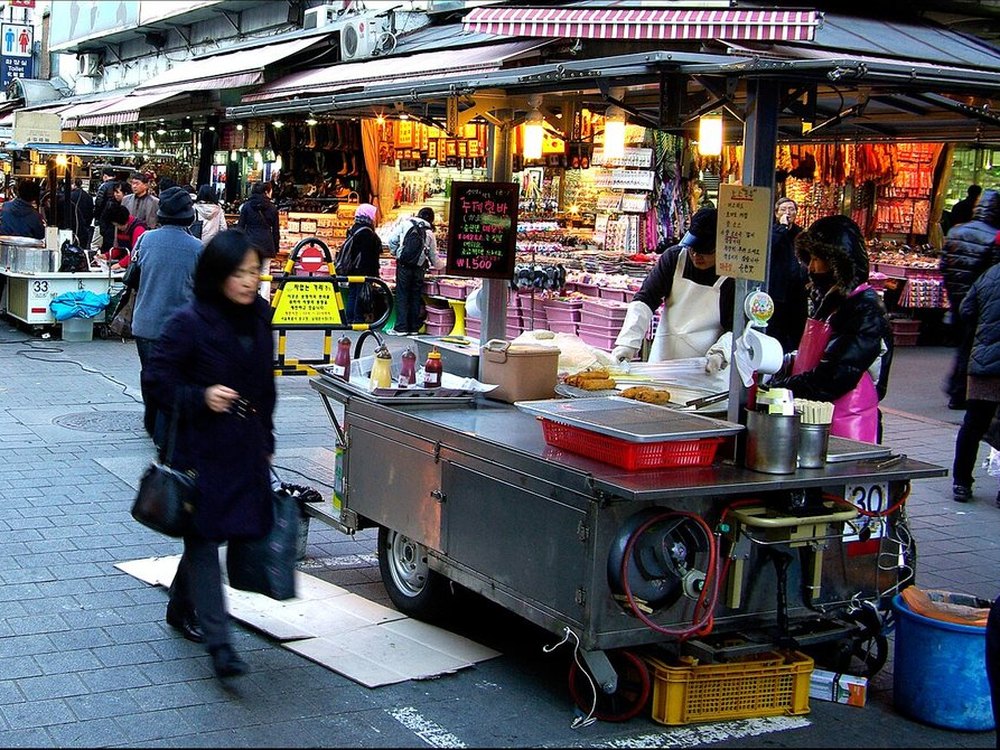
Bibimbap, JeonjuMixed rice with vegetables and egg, and the city's signature dish.
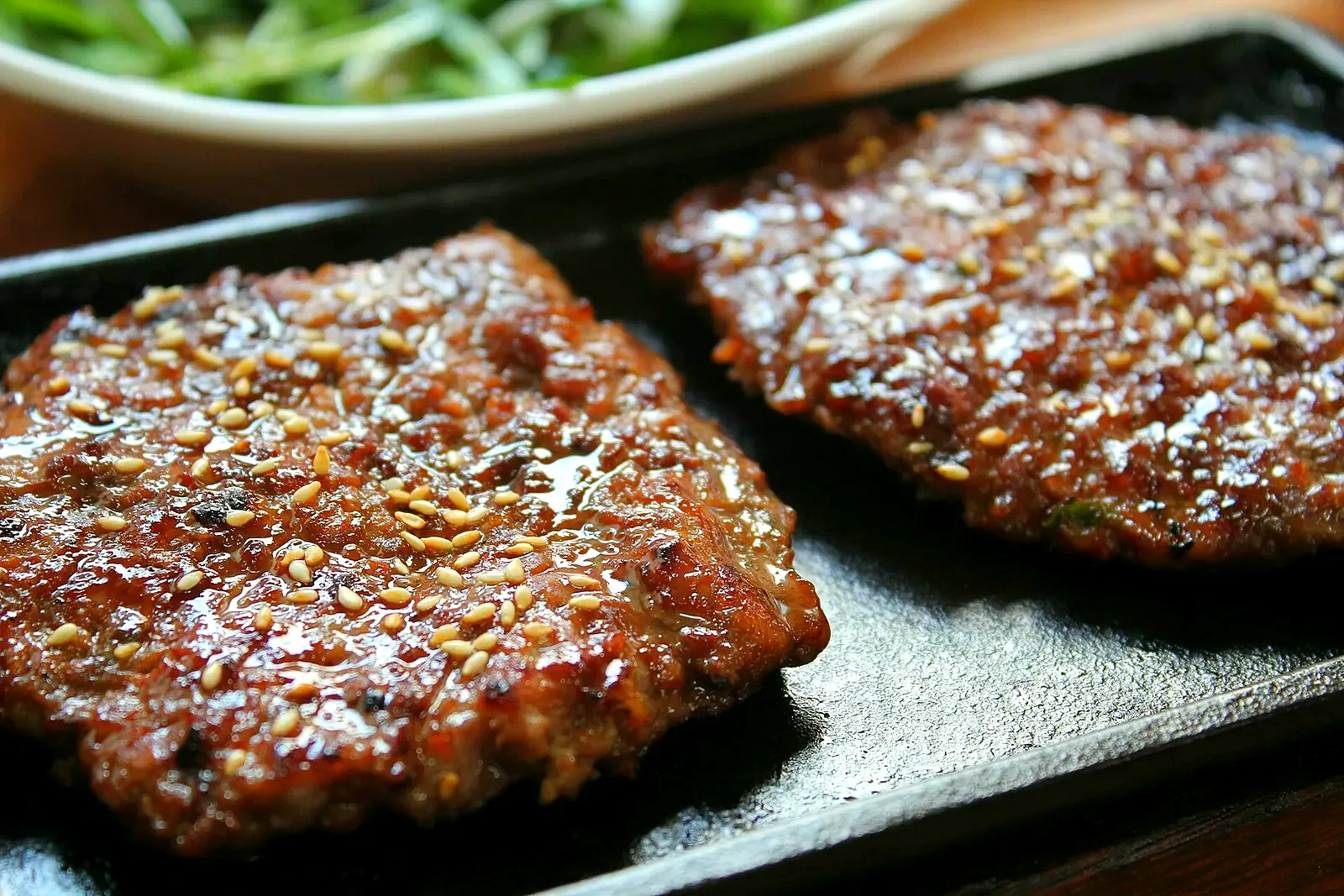
TteokgalbiGrilled short rib patties, a dish to try in the hanok village.
MakgeolliRice wine served by the kettle in Jeonju, with side dishes that change each round.
Dwaeji gukbap, BusanPork and rice soup, ranked as Busan's top food by foreign travelers.
Heukdwaeji, JejuBlack pork from a native breed designated a natural monument, grilled at the table.
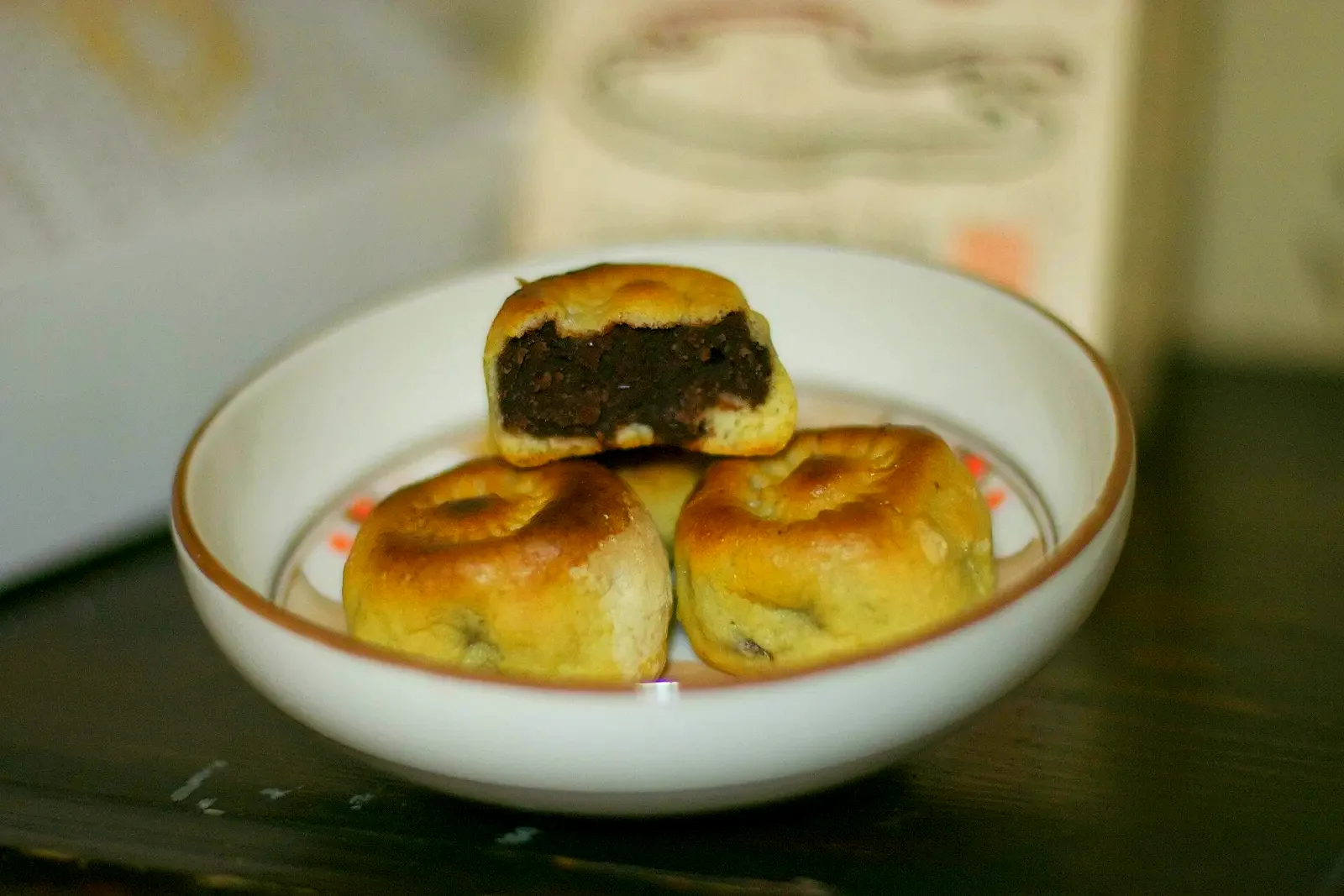
Hwangnam bread, GyeongjuA red bean bun first sold in 1939 in Hwangnam-dong.
Say it like a local
22 everyday phrases in Korean, with how to say them. Tap a speaker to hear one.
US passport No visa for up to 90 days, and K-ETA is waived for US citizens through 31 December 2026, so for 2027 trips look again closer to the date. Check the official page before you book. Official page. Checked 13 Nov 2026.
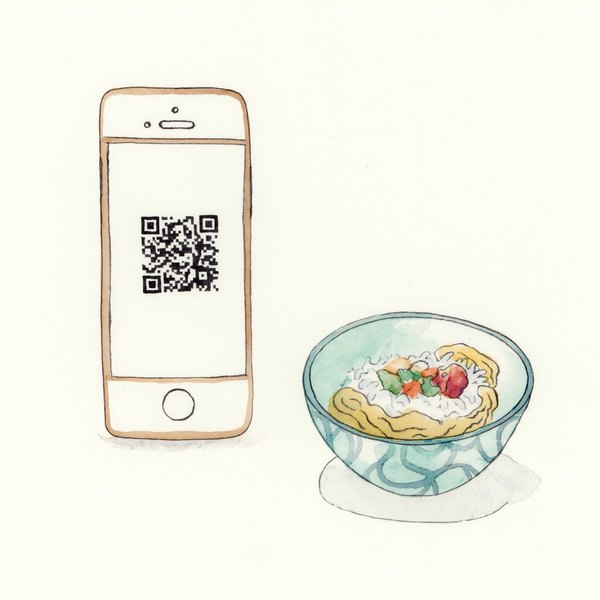
Korea's temporary K-ETA exemption, which covers US citizens, runs from January 1 to December 31, 2026 (Korean time). No extension into 2027 had been announced as of November 2026, so if you travel in 2027, check k-eta.go.kr first. A K-ETA applied for on your own costs KRW 10,000 and is usually decided within 72 hours. Apply only on k-eta.go.kr or the K-ETA app, because fake agency sites are out there. Not a US passport? Check your country's rules: Korea Visa Portal (Ministry of Justice).
As of November 2026
The e-Arrival card
If you are exempt from K-ETA and have no K-ETA, you fill in the free online e-Arrival card at e-arrivalcard.go.kr. You can submit it from 72 hours before you arrive. Holders of a valid K-ETA don't need it. Check the official pages before booking, since these rules change.
As of November 2026
T-money for buses and subway
T-money is the tap card for subways, buses and some taxis and convenience stores. The card costs 3,000 to 5,000 won, sold at convenience stores such as GS25, CU and 7-Eleven. Reload it at subway ticket machines, up to 500,000 won. Tap in and tap out to get transfer discounts.
As of November 2026
KTX and other trains
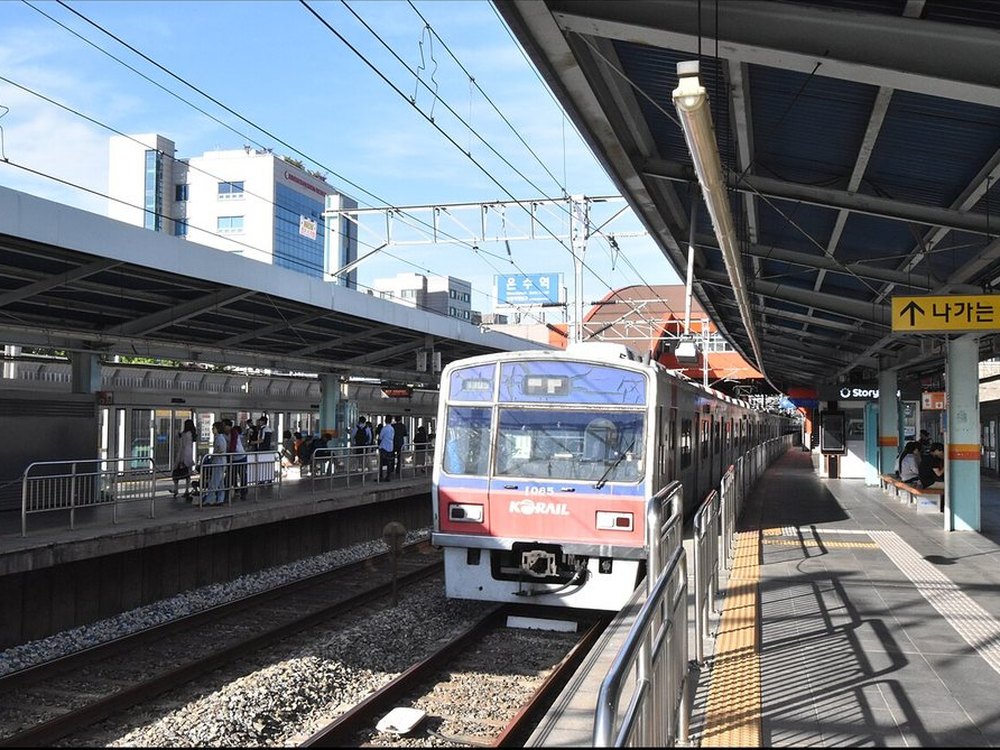
KTX high-speed trains leave from Seoul Station and Yongsan Station. Tickets go on sale one month ahead at 07:00 on the KORAIL site, the KORAIL+ app, NAVER Train Booking or KakaoT, and at stations. The KORAIL Pass is for visitors only, in 2, 3, 4 or 5 day versions, usable within ten days. It does not cover SRT trains.
As of November 2026
Money
The currency is the won. Most hotels, department stores and general shops take credit cards, but some small shops may not. Tipping is not customary.
Water and manners
Tap water is safe to drink, and water coolers are common. Take your shoes off at the entrance of homes, temples and guesthouses. Hand over and receive objects with both hands, and don't leave chopsticks or a spoon standing upright in your rice.
When to go
Spring and fall: March to May and September to November are the best months for walking, with mild weather. Cherry blossoms peak in late March to early April in Jinhae, and fall color peaks in October.
Summer rain and typhoons: The rainy season runs from late June to late July, and typhoon season runs from June to October. August is the hottest month. Check forecasts before you go.
Winter: Winter is cold and dry, averaging about 0 to 1 degrees Celsius and often below freezing. Skiing and hot springs are the draws. Peak flight seasons are July to August and December to January.
Plugs and power
Plug CPlug F
Power is 220 V, 60 Hz. Bring an adapter if your plugs are from the US or the UK. Plugs from the EU usually fit. US gear that only runs on 110 to 120 V, like some hair tools, needs a converter here. Check your chargers and devices say 100 to 240 V before you plug in.
Getting around: taxi apps
Kakao T is the taxi app most Koreans use, but foreign cards can be hard to add. For visitors, Uber (it books licensed taxis in Seoul) or K.Ride is usually easier, or you can pay the driver in the taxi by card or T-money.
Incheon is the main international airport. The AREX Express train runs nonstop to Seoul Station in about 43 minutes from Terminal 1 and about 51 minutes from Terminal 2. The all-stop train takes about 59 and 66 minutes. Gimpo Airport to Seoul Station on the all-stop AREX is about 23 minutes. Most public transit to central Seoul stops around 23:30, and night buses marked N run after that.
ICN Incheon International Airport: about 54 km (34 mi) to Seoul Station and Myeong-dong, 43 to 80 minutes.
Book a pickup or rent a car
Book a pickup
Book a driver who meets you at arrivals at Incheon International Airport, at a fixed price agreed before you land.
The questions people ask most, answered from this page.
How do I get from the airport to the city in South Korea?
Incheon is the main international airport. The AREX Express train runs nonstop to Seoul Station in about 43 minutes from Terminal 1 and about 51 minutes from Terminal 2. The all-stop train takes about 59 and 66 minutes. Gimpo Airport to Seoul Station on the all-stop AREX is about 23 minutes. Most public transit to central Seoul stops around 23:30, and night buses marked N run after that.
Photo credits
Seongsan Ilchulbong seen from the air, a green volcanic crater cone at the edge of the sea on Jeju Island: Korea.net / Korean Culture and Information Service, CC BY-SA 2.0, via Wikimedia Commons. Colorful stacked houses with blue roofs on a hillside in Gamcheon Culture Village, Busan: S h y numis, CC BY 4.0, via Wikimedia Commons. A traditional hanok building with a dark tiled roof and red wooden walls in Jeonju Hanok Village: Mobius6, CC BY-SA 4.0, via Wikimedia Commons. Bibimbap, Jeonju: cube300, CC BY-SA 2.0, via Wikimedia Commons. Dwaeji gukbap, Busan: chomjong, CC BY 2.0, via Wikimedia Commons. Hwangnam bread, Gyeongju: ecodallaluna, CC BY-SA 2.0, via Wikimedia Commons.
Checked 11 Nov 2026: entry links, plugs, airport times, ride apps and the facts on this page. Prices and rules show their own As of date.
Researched for you from official and trusted sources.
Affiliate links: some links on this page (flights, tours, city passes, stays, transfers, rental cars, luggage storage, eSIMs and flight compensation) are affiliate links. If you book through them, I earn a small commission at no extra cost to you.
Photos
Real photos from Pexels and Wikimedia Commons, used under the license shown, by the photographers credited below. The table of dishes in the food section is an illustration made for this page, not a photo of a real meal.
The two-story Geunjeongjeon throne hall at Gyeongbokgung Palace in Seoul under a blue sky, with visitors on the stairs. Photo: Brady Bellini, CC0, via Wikimedia Commons.
Colorful stacked houses with blue roofs on a hillside in Gamcheon Culture Village, Busan. Photo: S h y numis, CC BY 4.0, via Wikimedia Commons.
Seongsan Ilchulbong seen from the air, a green volcanic crater cone at the edge of the sea on Jeju Island. Photo: Korea.net / Korean Culture and Information Service, CC BY-SA 2.0, via Wikimedia Commons.
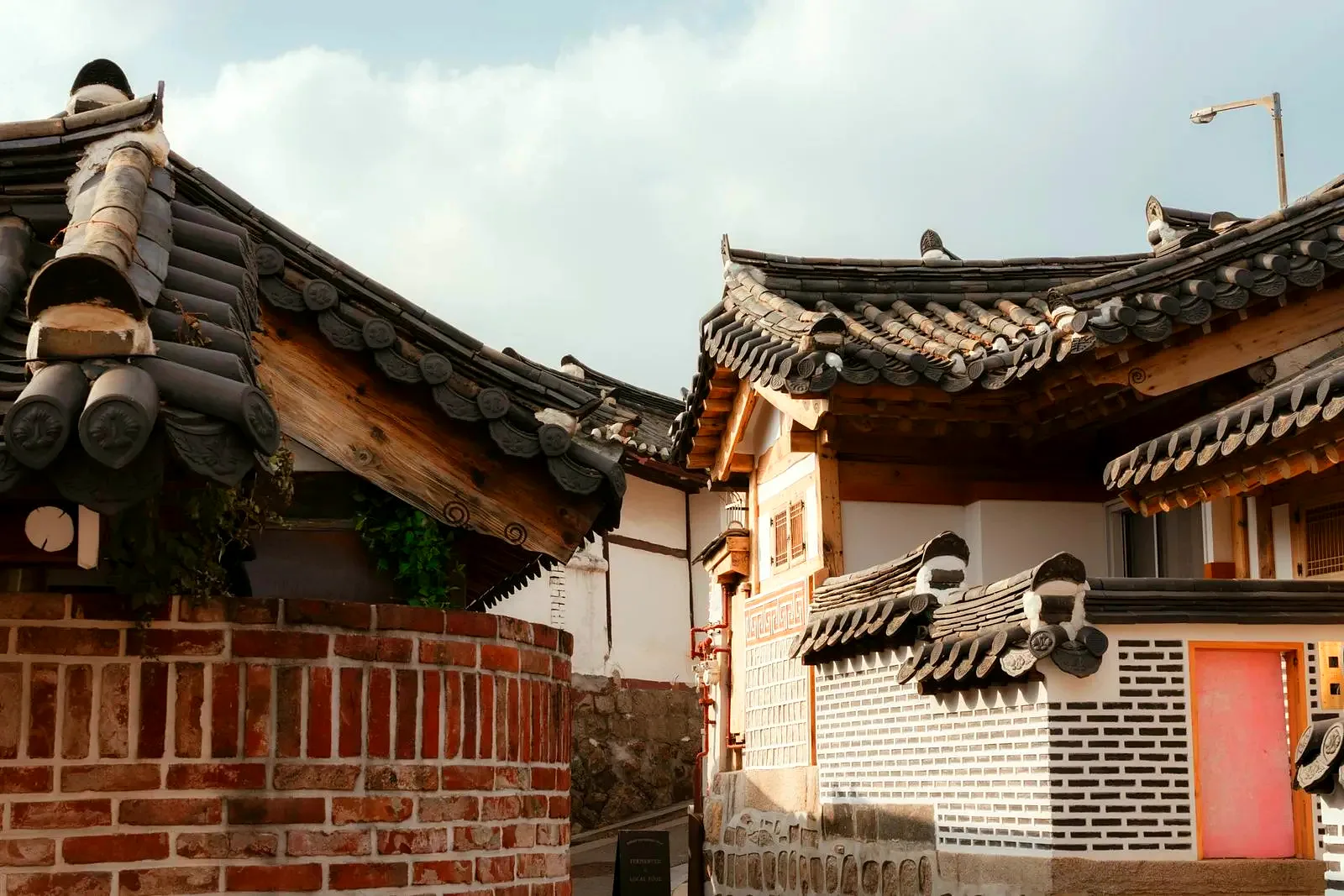
A traditional hanok building with a dark tiled roof and red wooden walls in Jeonju Hanok Village. Photo: Mobius6, CC BY-SA 4.0, via Wikimedia Commons.
Sources
Researched for you from official and trusted sources. Rules, prices and times change, so check the official page before you book.
I researched this page for you, so you can plan well. The places I have filmed have their own trip planners.
Filming your own trips? My free guide to AI editing shows how my automated AI editor turns a folder of my clips into a finished reel. Send me the free guide.
 Luisa's Atlas