Funafuti, the main atoll of Tuvalu, its marine conservation area and the outer islands by government ferry. Entry rules, the three weekly flights, cash only money, local customs and what to eat.
Everything for Tuvalu on one page: what to know before you leave, the tours worth booking ahead, the ride apps, an eSIM and where to stay and eat, so you land with a plan, not 37 open tabs.
Say it like a local
Hello: Talofa (tah LOH fah). Thank you: Fakafetai (fah kah feh TIE). English is widely spoken.
Some links earn me a small commission at no extra cost to you.
My free appLanding with no signal? Take this whole planner offline in my free iPhone app.Download on the App Store
Where in the worldTuvalu
Why Tuvalu is amazing
1
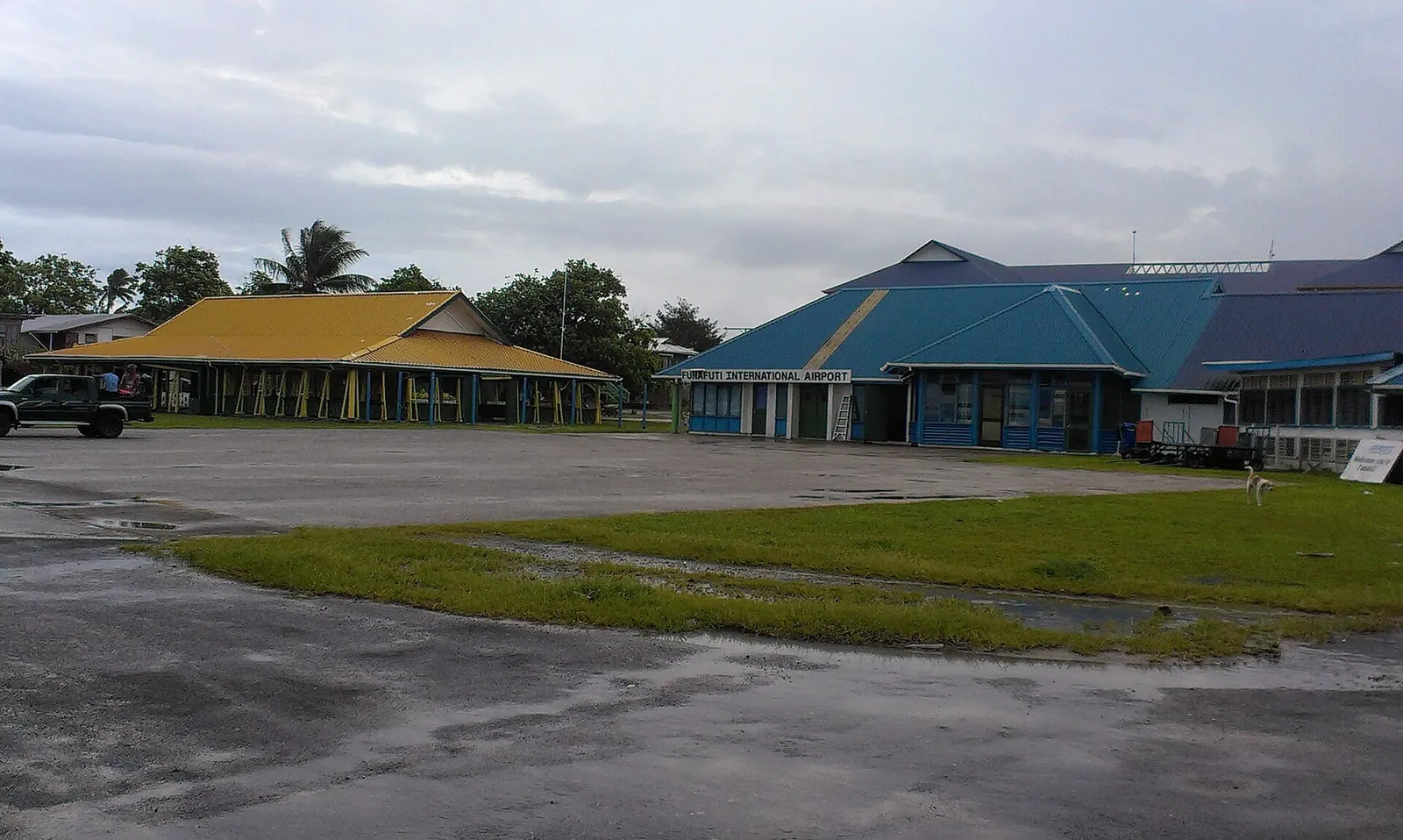
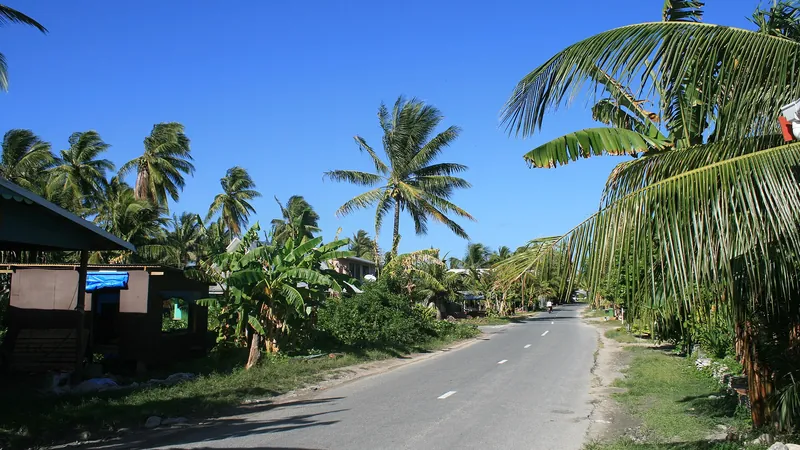
A runway that becomes a park
On Funafuti, when no plane is due, the airstrip turns into the town's open space, where people play games, exercise and meet up.
2
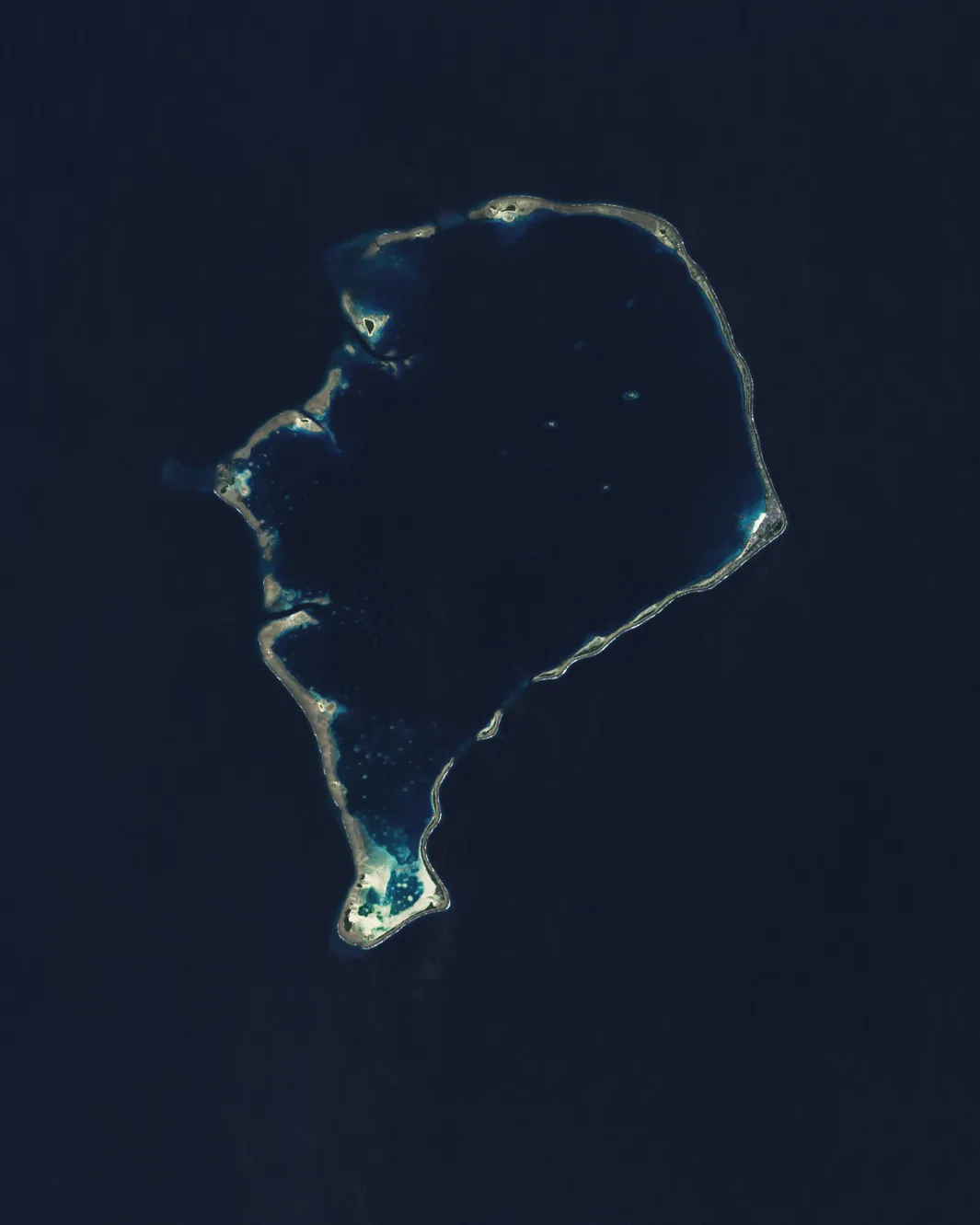
A lagoon kept wild
The Funafuti Conservation Area protects 33 square kilometers of reef, lagoon and tiny islets, where green sea turtles nest among corals and many kinds of fish.
3
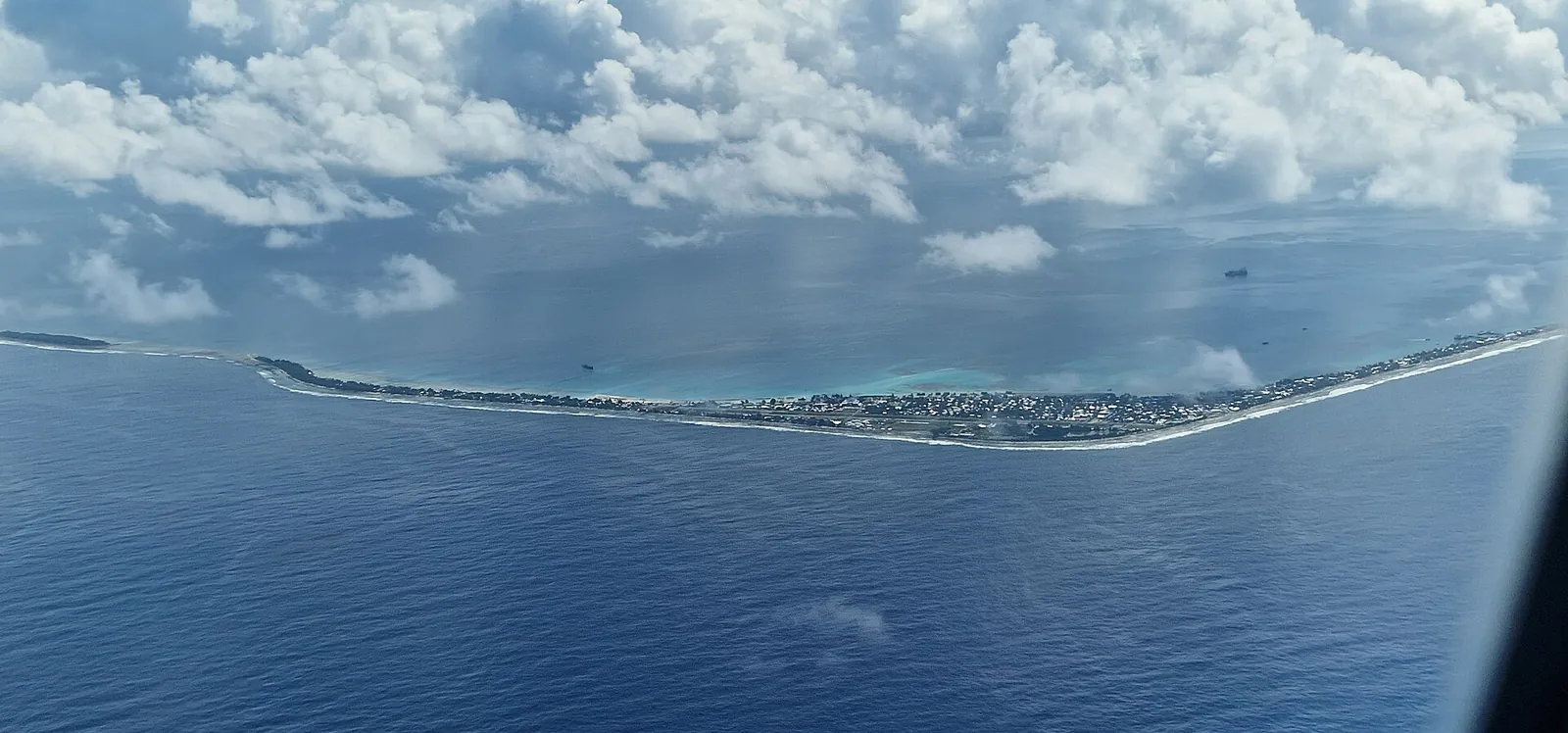
Nine islands in the open Pacific
Tuvalu is six atolls and three islands with just 25 square kilometers of land, strung along 676 km of ocean about 1,000 km north of Fiji and reached by three flights a week.
4
Crafts famous across the Pacific
Tuvalu's woven fans, mats, baskets, shell necklaces and fishhooks are prized all over the Pacific. Find them at the Women's Handicraft Center near the airport.
5
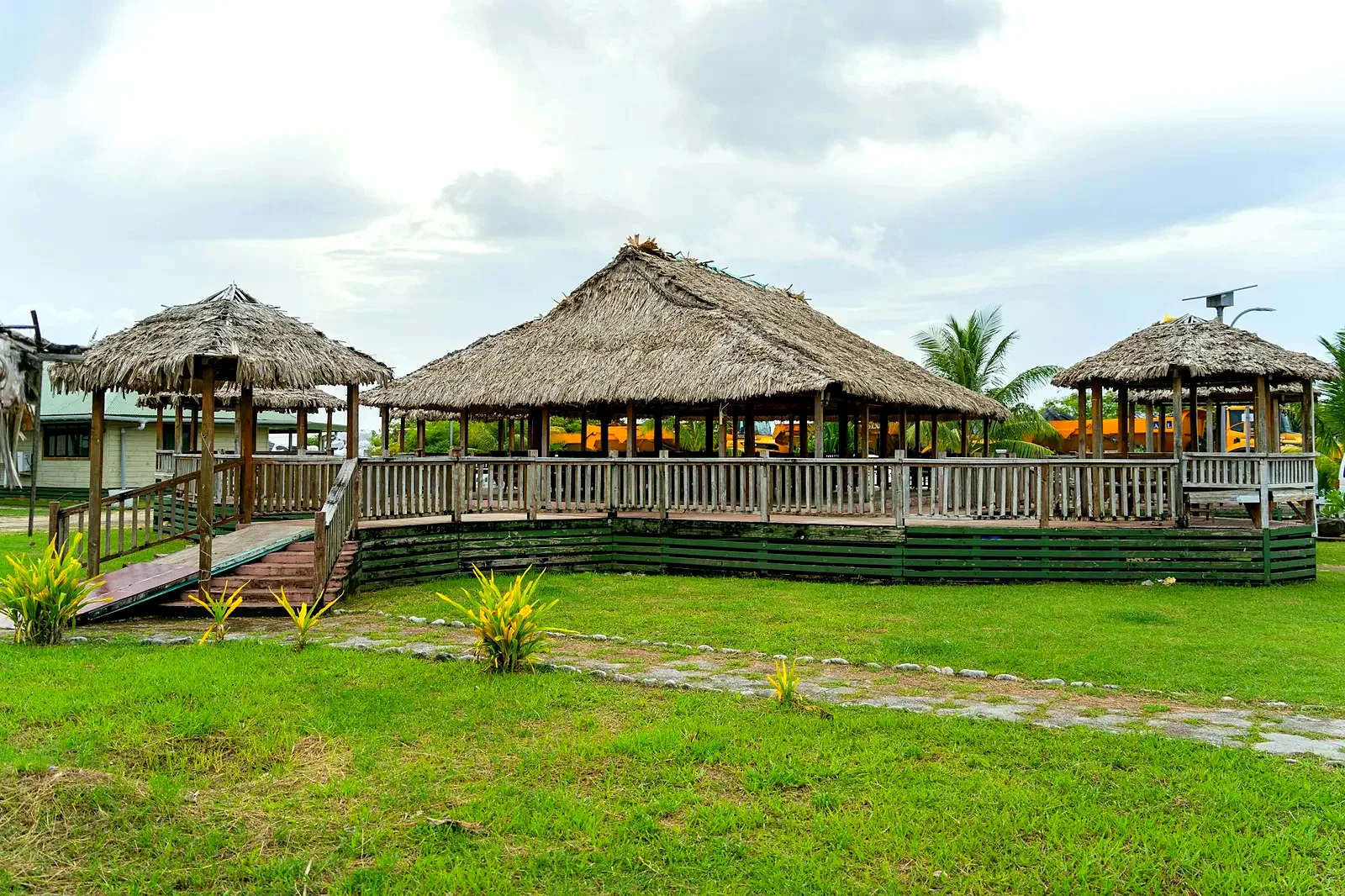
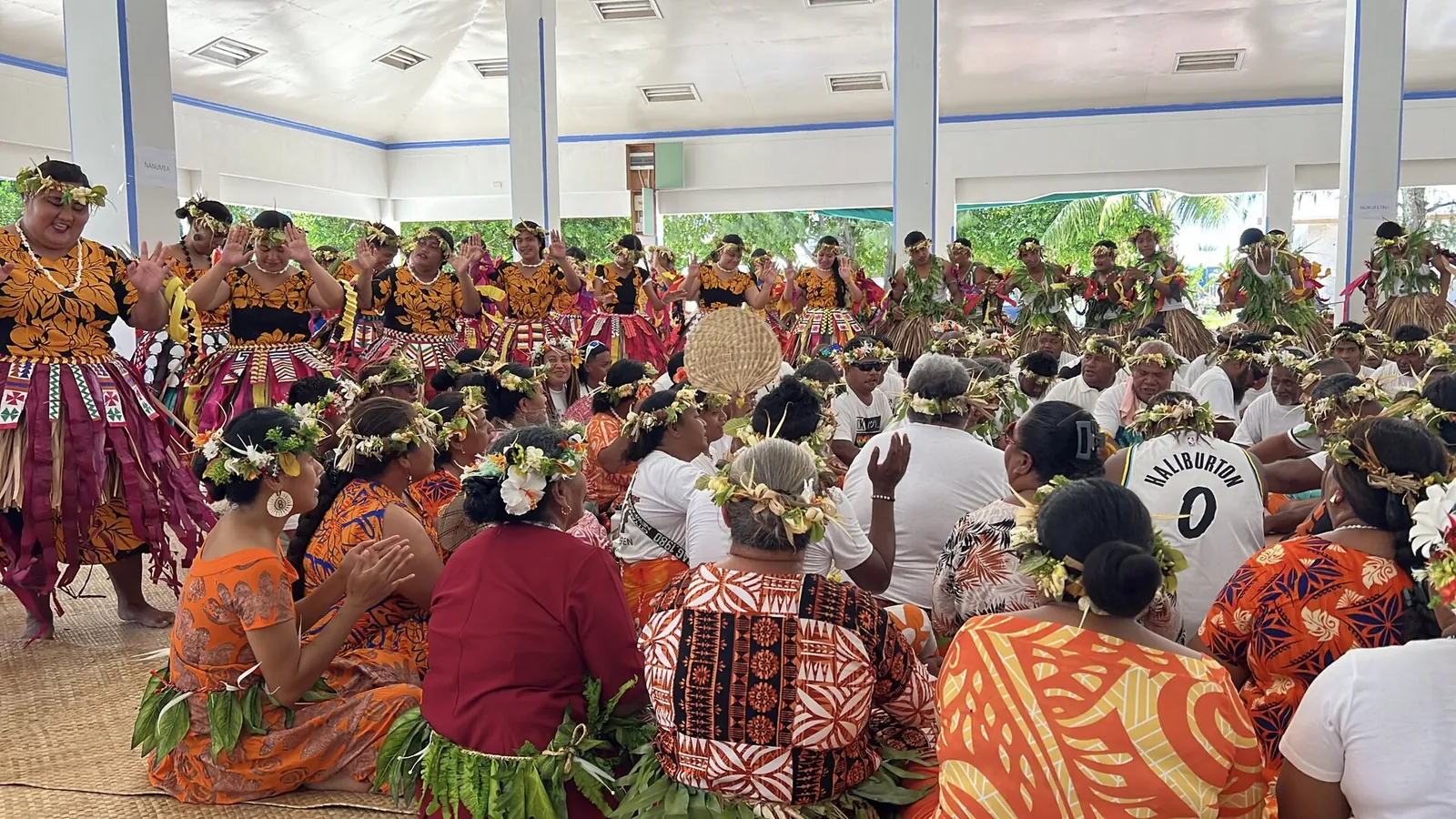
Dances in the maneapa
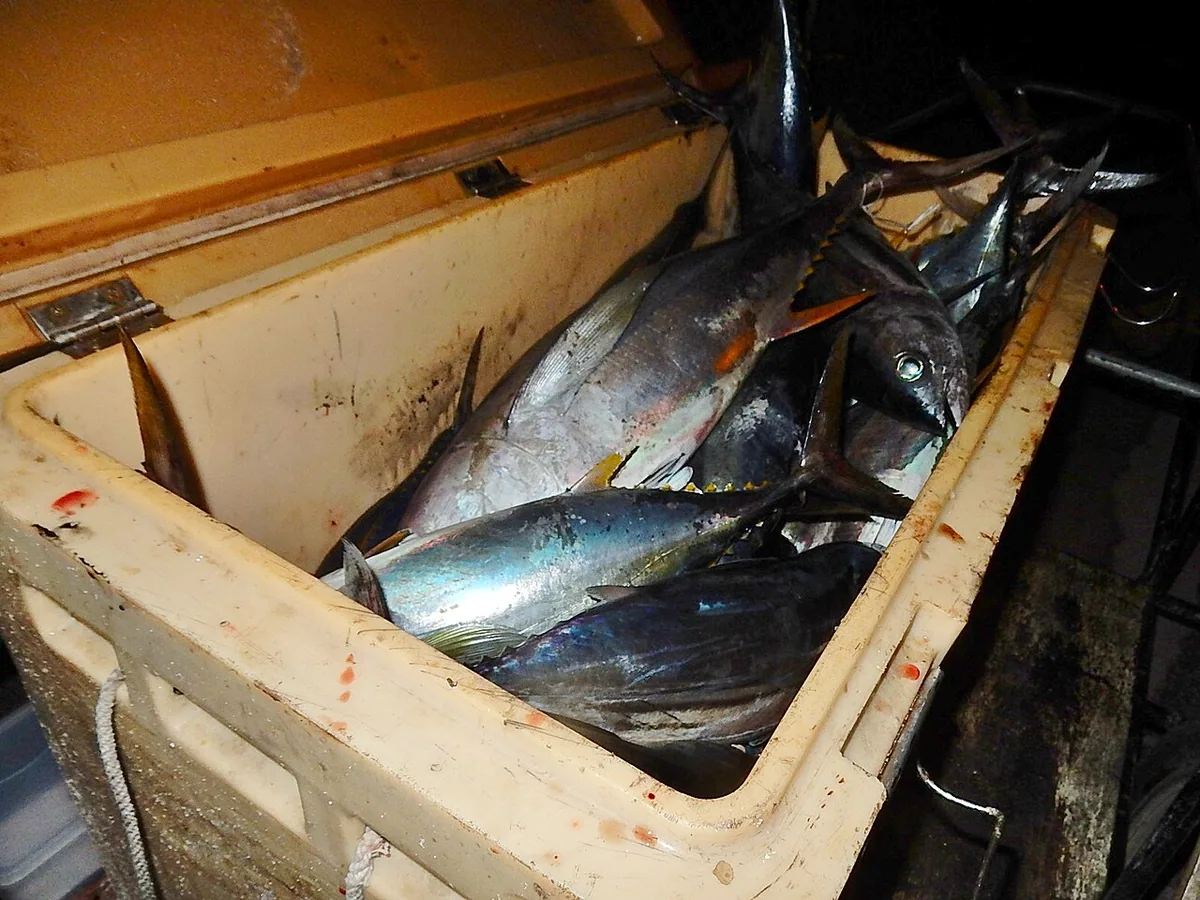
Through the year, traditional ceremonies and dances fill the maneapa, the community hall, and fateles bring feasts of pork, fish and pulaka.
Worth booking ahead
The good ones sell out while you are still deciding. Book these before you fly, and keep your days for wandering.
Funafuti lagoon boat trip
Cross the lagoon to the conservation area islets for snorkeling and turtles.
Five short notes from me: the 3 things I sort out ahead of every flight, the tiny details nobody tells you, and your vote on where I go next 🌍
A bit of history
Two thousand years
The ancestors of Tuvaluans are believed to have arrived about 2,000 years ago, living for centuries under chiefs called aliki.
From Ellice Islands to Tuvalu
Known as the Ellice Islands, Tuvalu came under British rule in 1877, separated from the Gilberts after a vote in 1974 and became independent on October 1, 1978.
A World War II base
American troops were based here in World War II, with airstrips used to reach targets in Kiribati. Wrecks and runways remain on Nanumea, Nukufetau and Funafuti.
Testing Darwin
On Funafuti, scientists drilled into the atoll to test Darwin's theory of how atolls form, and the site can still be seen.
Where to stay
The areas worth basing yourself in, each with its own stay search, and every hotel on one map.
Tip: finish booking on the website, not in the hotel's app, so it counts as booked through me.
Tuvalu works best with a few bases. These are the places this planner suggests, with how to reach each one and one honest heads up. Everything here is researched for you from official and tourism board sources.
Capital
Funafuti
The capital atoll, where the main islet of Fongafale holds the airport, lodges, the Women's Handicraft Center and the Philatelic Bureau. When no plane is due, people gather on the runway.
Near: The airstrip, the Women's Handicraft Center, the Tuvalu Philatelic Bureau and World War II remains along Fongafale.
Getting around: Lodges are within walking distance of the terminal and can arrange pickup.
Heads up: Bring all your cash: there are no ATMs and cards are not accepted.
A protected area of 33 square kilometers of reef, lagoon and small islets on the western side of Funafuti atoll, with corals, many fish and nesting green sea turtles. A well preserved World War II bunker stands on Tepuka.
Near: Tepuka islet, Fualopa's black noddy colony and lagoon snorkeling.
Getting around: By boat across the lagoon from Fongafale.
Heads up: It is protected, so follow local guidance and take nothing.
Islands such as Nanumea and Nukufetau keep village life and World War II remains: an old runway with plane wrecks on Nanumea and an airstrip on Motulalo in Nukufetau.
Near: World War II airstrips and wrecks, village maneapa and handicraft stalls.
Getting around: By government ferry or cargo vessel; there are no domestic flights.
Heads up: Boat schedules change, so allow plenty of time.
US passport No visa to arrange ahead: you get a one month visitor permit on arrival for AUD 100, with 6 months left on your passport. Check the official page before you book. Official page. Checked 13 Nov 2026.
Fiji Airways flies between Suva and Funafuti three times a week, on Tuesdays, Thursdays and Saturdays, and Air Kiribati links Tarawa and Funafuti once a week. The US State Department notes flights are only sporadically available, so build in spare days. Departure tax is AUD 30.
Cash only
Tuvalu uses the Australian dollar. There are no ATMs and no credit card services, so bring all the cash you need. The National Bank of Tuvalu opens 10 AM to 2 PM Monday to Thursday and 9 AM to 1 PM on Friday.
Safety, health and water
The US State Department advises normal precautions in Tuvalu. Funafuti has the general hospital; care elsewhere is limited. The islands rely on rainwater tanks, so use water sparingly and drink bottled or treated water.
Dress
Dress is casual, but swimsuits and brief clothing are not appropriate in villages. Sunday is a day of rest and church.
When to go
Warm all year: Tuvalu is tropical, about 86°F (30°C) day and night with little change. Rain is heavy, usually more than 3,000 mm a year.
Flights shape the trip: With three flights a week from Suva, plan around Tuesday, Thursday or Saturday arrivals and departures.
Plugs and power
Plug I
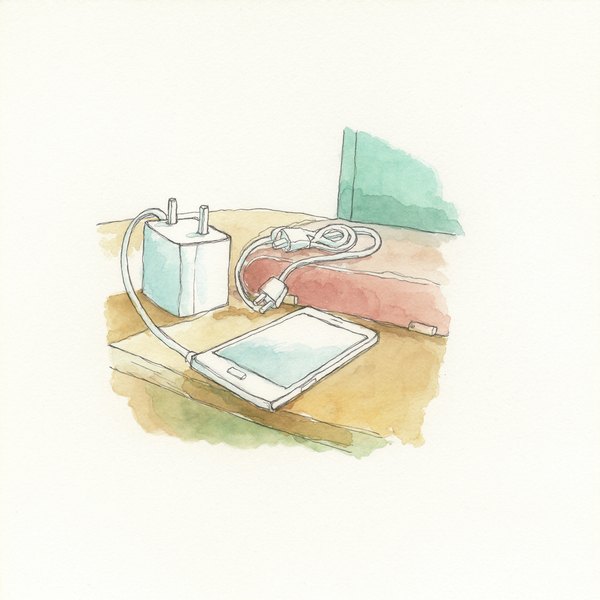
Power is 220 V, 50 Hz. Bring an adapter if your plugs are from the US or the UK or the EU. US gear that only runs on 110 to 120 V, like some hair tools, needs a converter here. Check your chargers and devices say 100 to 240 V before you plug in.
Getting around
Funafuti is small: walk, or hire a motorbike, bicycle or car through your lodge. Minibuses run on weekdays, and taxis operate too. Traffic drives on the left and moves slowly. Taxis and motorbikes are the main ways to get around Funafuti, and lodges rent scooters and bikes. No ride app operates.
The questions people ask most, answered from this page.
Do US citizens need a visa for Tuvalu?
You need a passport valid for six months, an onward or return ticket and proof of enough funds. Visitor permits are valid for up to one month; the US State Department lists a fee of AUD 100. Check the official page before booking.
How do I get around Tuvalu?
Funafuti is small: walk, or hire a motorbike, bicycle or car through your lodge. Minibuses run on weekdays, and taxis operate too. Traffic drives on the left and moves slowly.
Photo credits
A runway that becomes a park: Rafael Ávila Coya, CC BY-SA 3.0, via Wikimedia Commons. Nine islands in the open Pacific: Rosodo, CC BY-SA 4.0, via Wikimedia Commons. Dances in the maneapa: JialiangGao, CC BY-SA 4.0, via Wikimedia Commons. Funafuti: Davidarfonjones, CC BY-SA 3.0, via Wikimedia Commons. Fresh fish: Michael Coghlan, CC BY-SA 2.0, via Wikimedia Commons.
Checked 13 Nov 2026: entry links, plugs, airport times, ride apps and the facts on this page. Prices and rules show their own As of date.
Researched for you from official and trusted sources.
Affiliate links: some links on this page (flights, tours, city passes, stays, transfers, rental cars, luggage storage, eSIMs and flight compensation) are affiliate links. If you book through them, I earn a small commission at no extra cost to you.
Photos
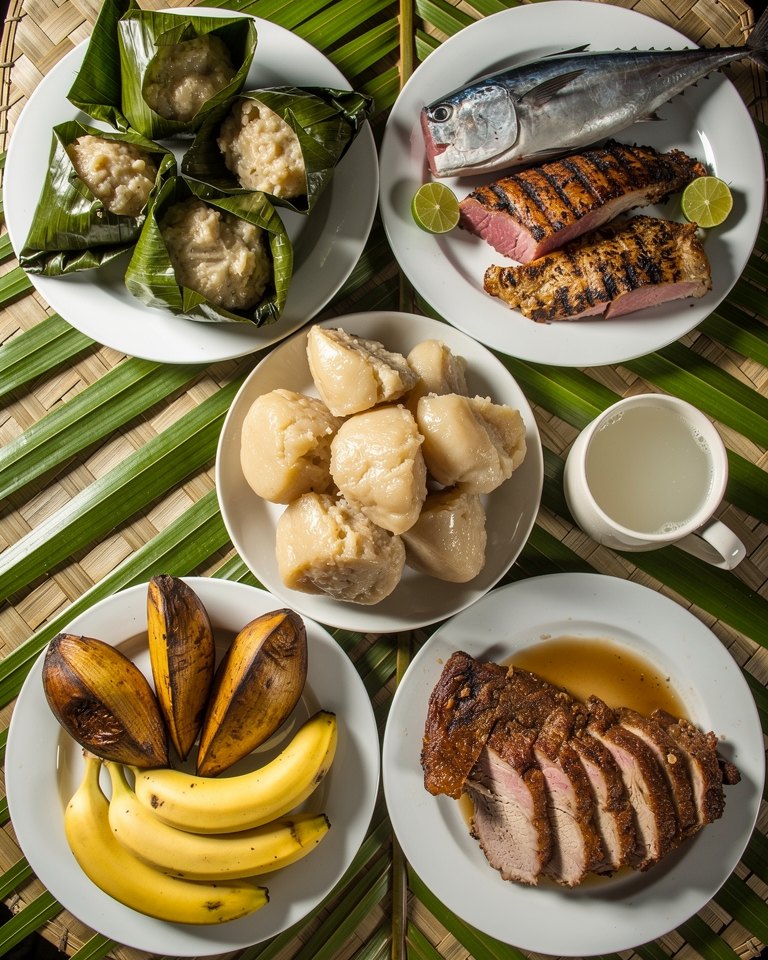
Real photos from Pexels and Unsplash, used under the license shown, by the photographers credited below. The table of dishes in the food section is an illustration made for this page, not a photo of a real meal.
Thatched open pavilions joined by a wooden walkway on a green lawn in Funafuti. Photo: Winston Chen / Unsplash.
A handmade cowrie shell necklace hanging against the blue Tuvalu flag in Vaiaku. Photo: Winston Chen / Unsplash.
Sources
Researched for you from official and trusted sources. Rules, prices and times change, so check the official page before you book.
I researched this page for you, so you can plan well. The places I have filmed have their own trip planners.
Filming your own trips? My free guide to AI editing shows how my automated AI editor turns a folder of my clips into a finished reel. Send me the free guide.
 Luisa's Atlas


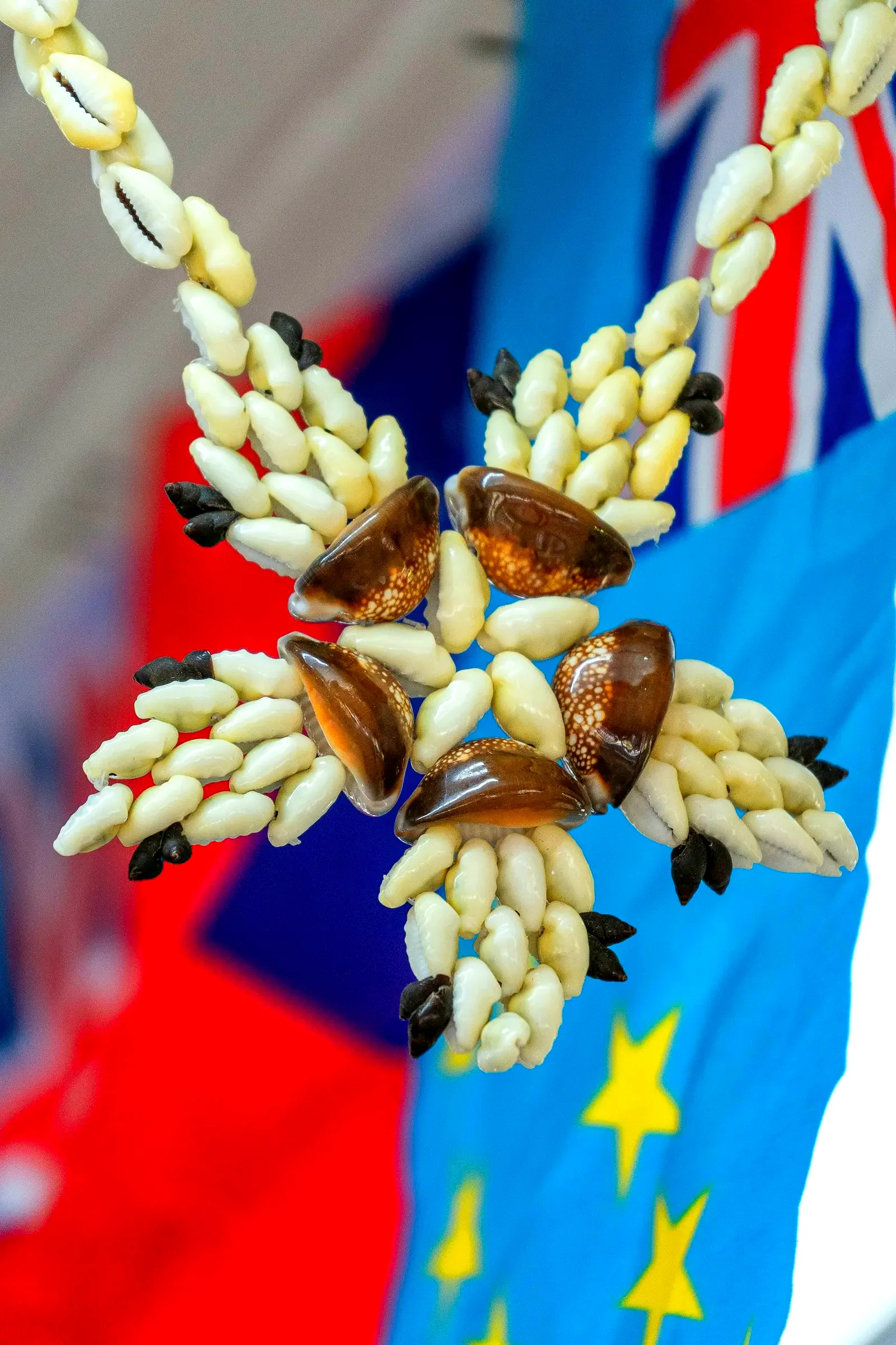 A handmade cowrie shell necklace hanging against the blue Tuvalu flag in Vaiaku. Photo: Winston Chen / Unsplash.