Four places to start in Zambia: Livingstone and Victoria Falls, South Luangwa, the Lower Zambezi and Kafue. Entry rules, airports, getting around, money, seasons, park fees and what to eat.
Everything for Zambia on one page: what to know before you leave, the tours worth booking ahead, the ride apps, an eSIM and where to stay and eat, so you land with a plan, not 37 open tabs.
Some links earn me a small commission at no extra cost to you.
My free appLanding with no signal? Take this whole planner offline in my free iPhone app.Download on the App Store
Where in the worldZambia
Why Zambia is amazing
1
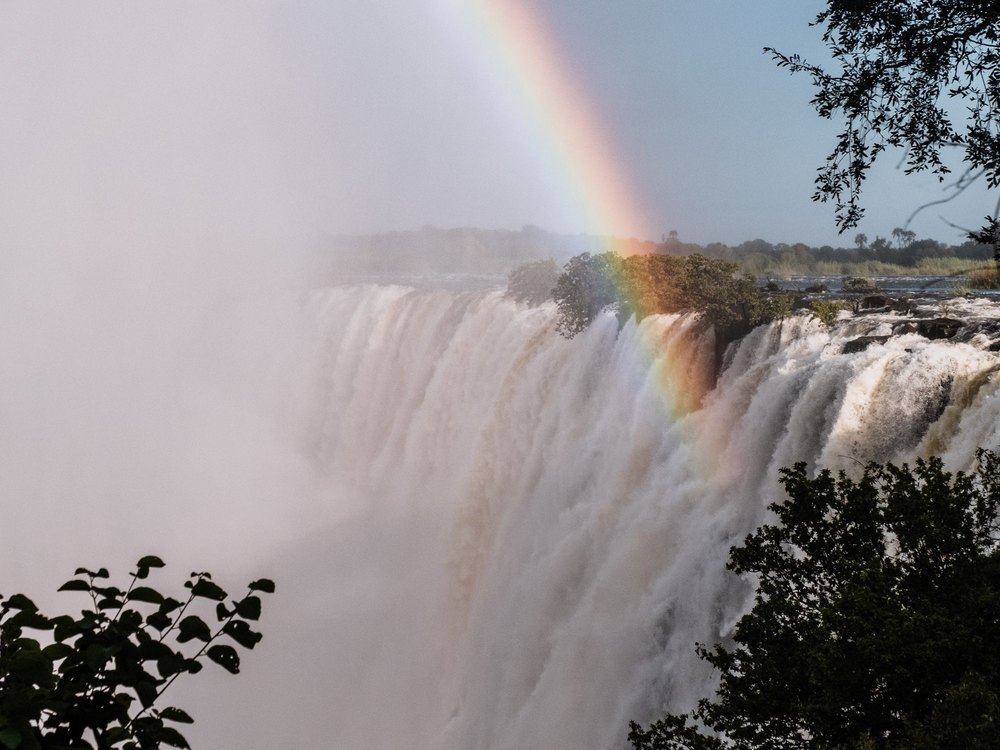
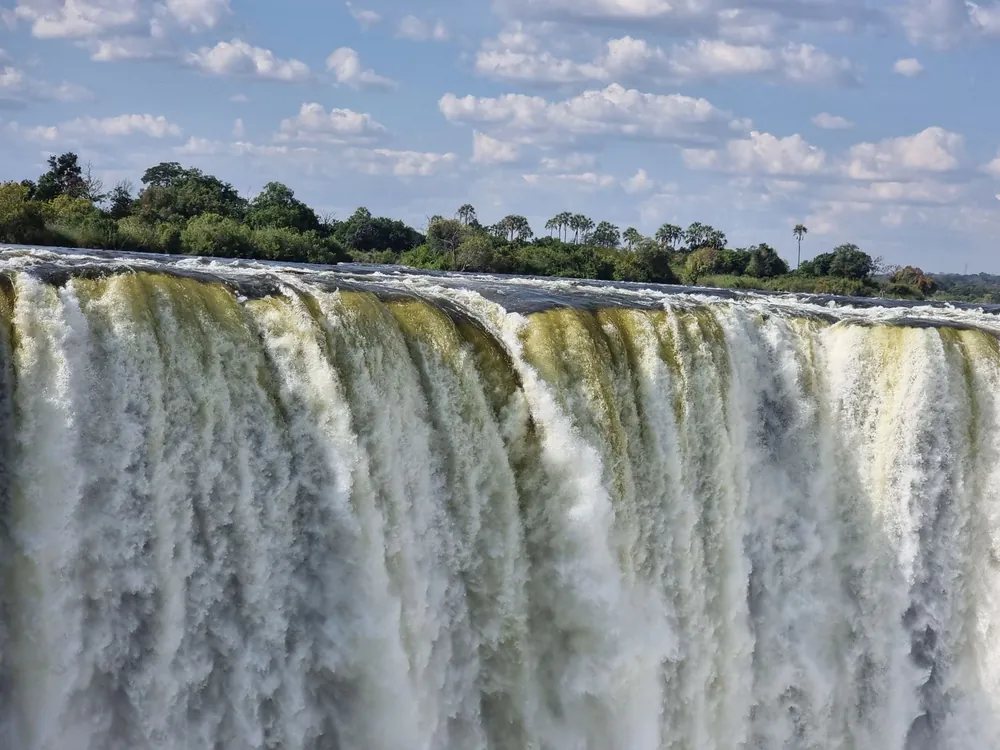
The Smoke that Thunders
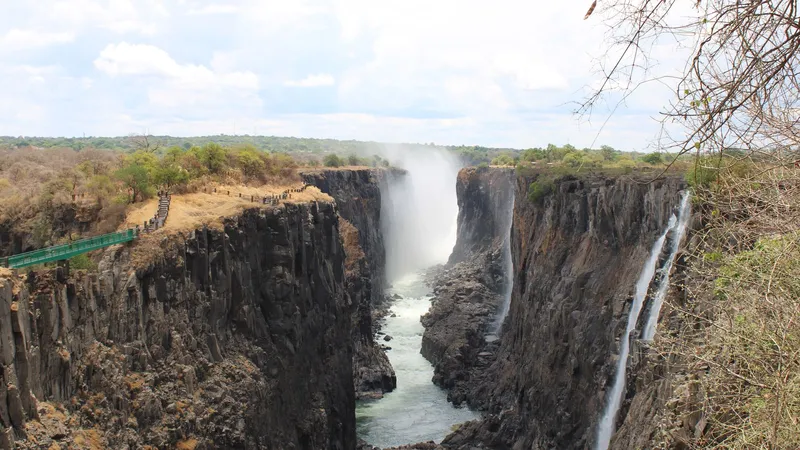
Victoria Falls drops 108 meters along a curtain nearly 1,700 meters wide. In flood season its spray rises like smoke and can be seen more than 20 kilometers away.
2
Where walking safaris began
In South Luangwa you can explore on foot along the Luangwa River, where the walking safari was born, among 60 animal species and over 400 kinds of birds.
3
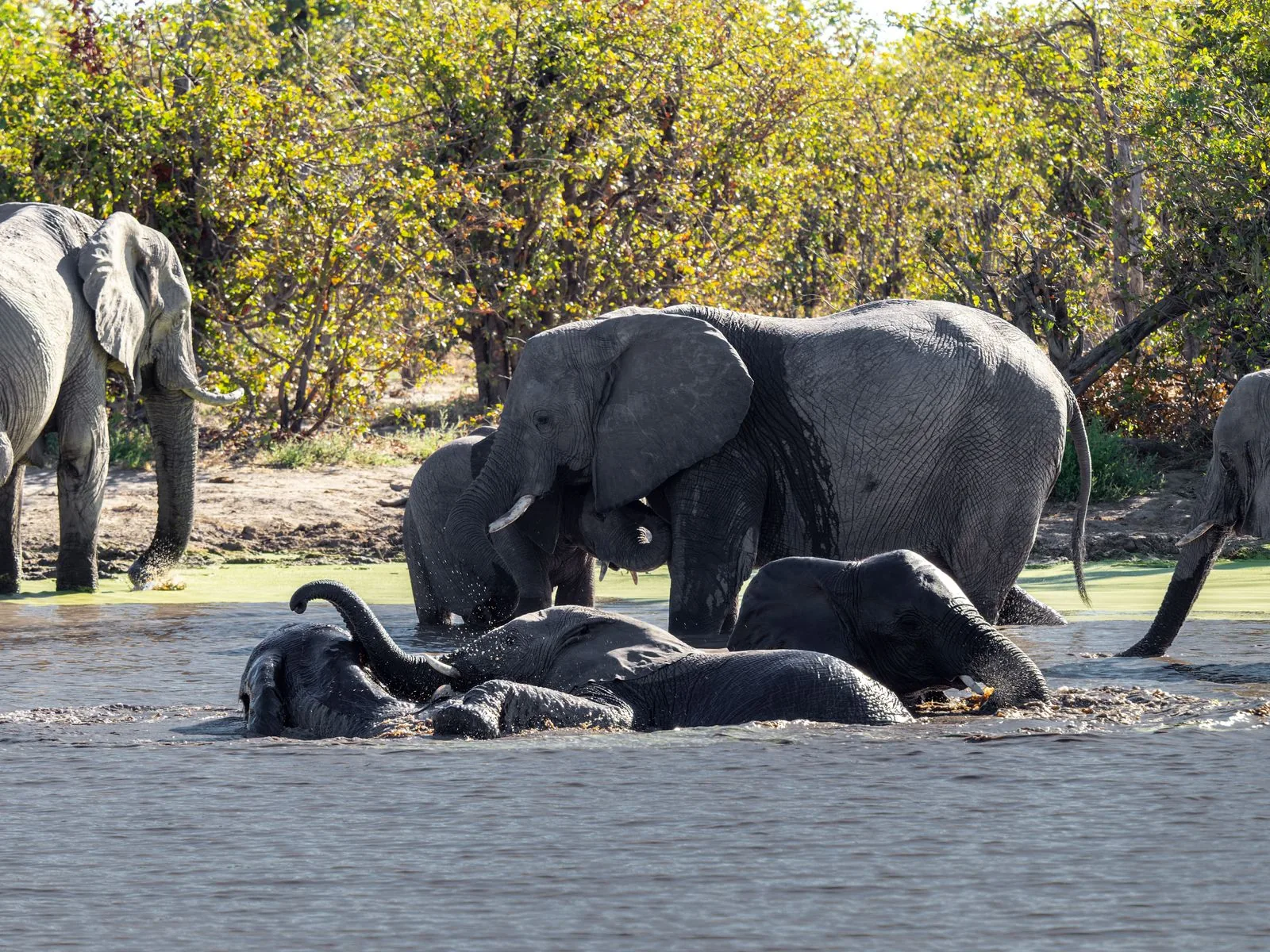
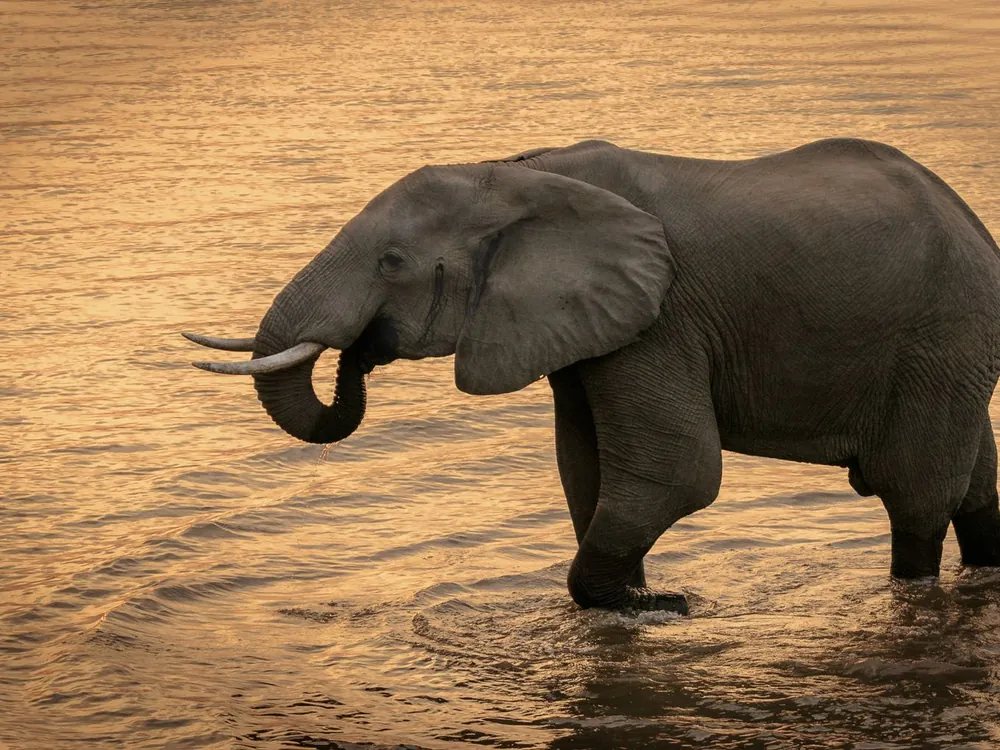
Elephants at the river
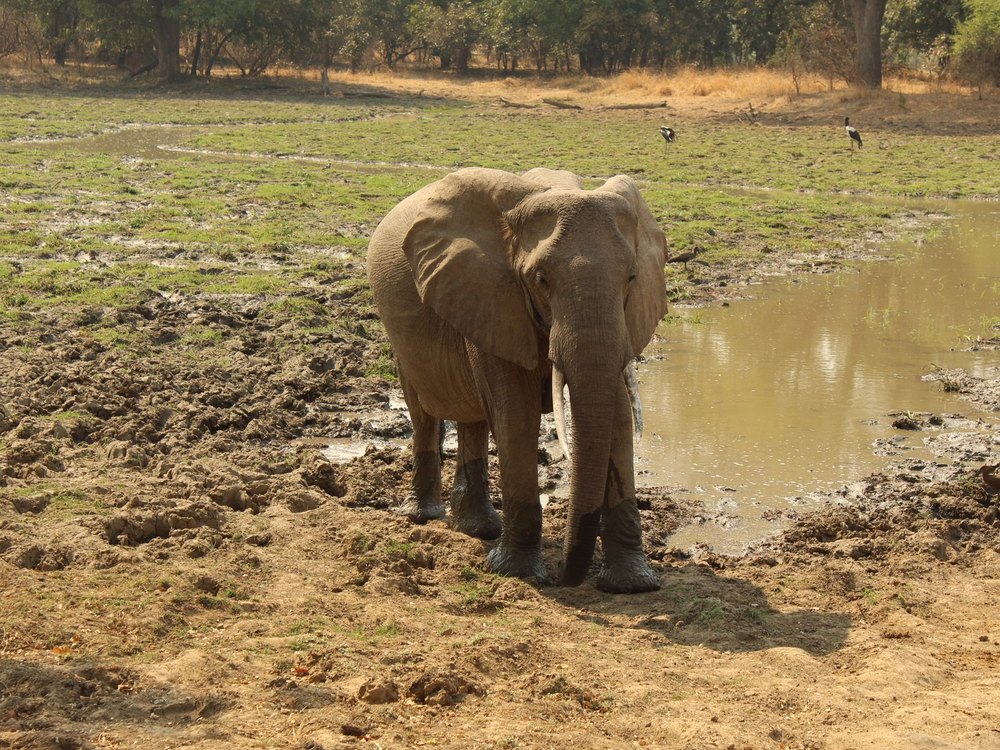
In the Lower Zambezi, herds of up to a hundred elephants come down to the water, and you can watch them from a canoe gliding through the quiet channels.
4
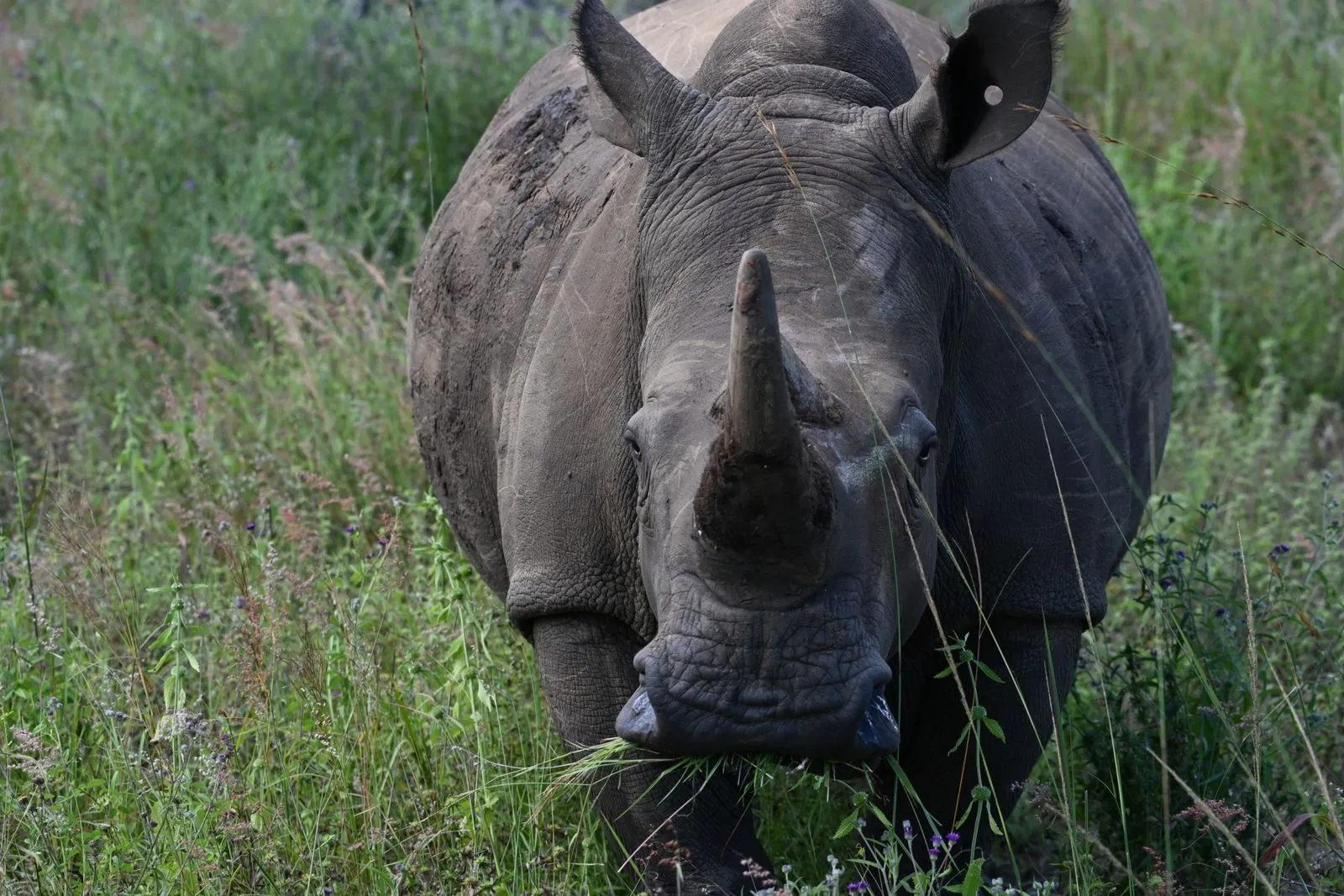
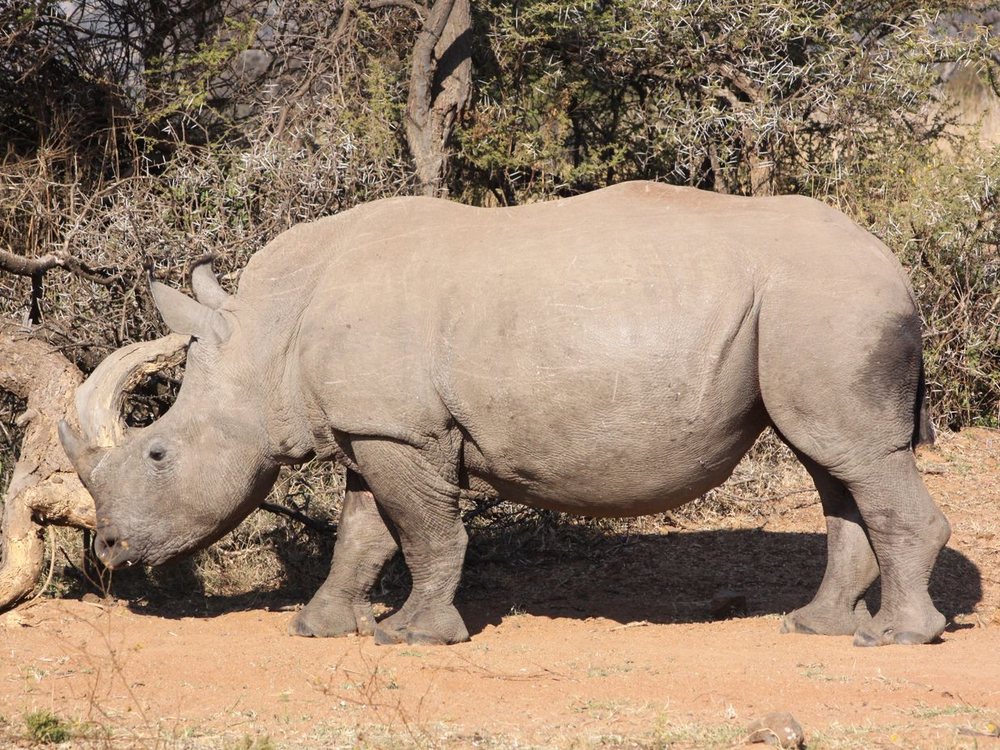
White rhinos near town
Mosi-oa-Tunya National Park, right beside Livingstone, is the only place in Zambia with white rhinos, guarded by park scouts and easy to visit on the same day as the falls.
5
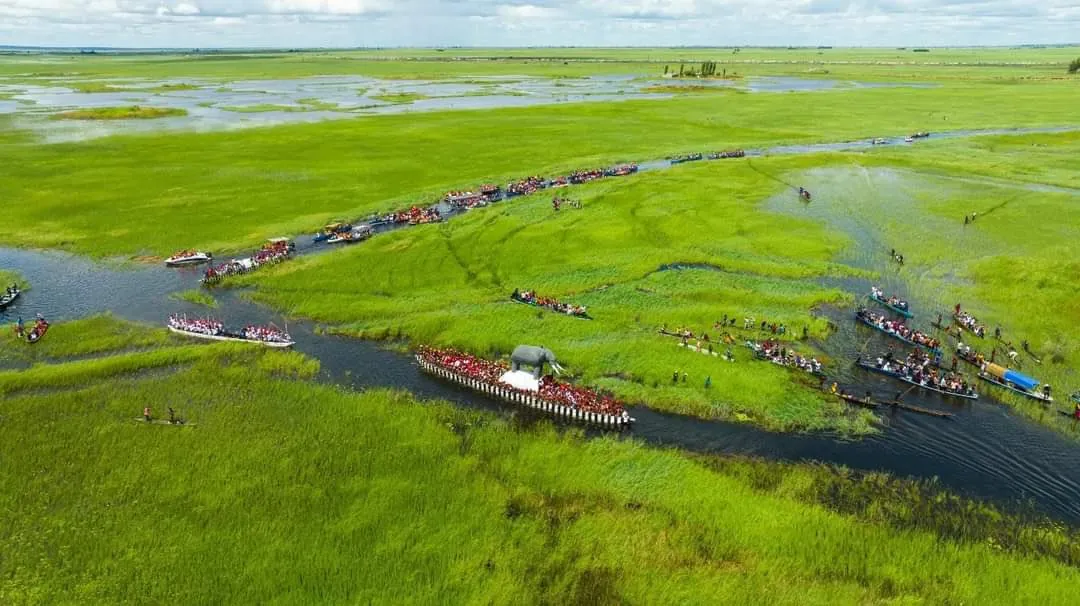
Ceremonies and 72 peoples
Zambia is home to 72 ethnic groups and more than 20 yearly ceremonies, from the Lozi people's Kuomboka to the Ngoni people's Nc'wala, many open to visitors.
Worth booking ahead
The good ones sell out while you are still deciding. Book these before you fly, and keep your days for wandering.
Livingstone and Victoria Falls
Victoria Falls guided tour
The walks, viewpoints and bridge with a local guide.
Five short notes from me: the 3 things I sort out ahead of every flight, the tiny details nobody tells you, and your vote on where I go next 🌍
A bit of history
The Smoke that Thunders
The Kololo people named the falls Mosi-oa-Tunya, the Smoke that Thunders, for the spray and the roar. In flood, the mist can be seen more than 20 kilometers away.
Livingstone's first view
David Livingstone first heard of the great waterfall in 1851 and reached it in 1855, landing on the island at the lip of the falls that now bears his name.
Independence in 1964
Zambia's flag was raised for the first time at midnight on October 23, 1964, and independence is celebrated on October 24.
Home of the walking safari
The walking safari began in South Luangwa, a park founded in 1972 and still one of the best places to explore the bush on foot.
Where to stay
The areas worth basing yourself in, each with its own stay search, and every hotel on one map.
Tip: finish booking on the website, not in the hotel's app, so it counts as booked through me.
Zambia works best with a few bases. These are the places this planner suggests, with how to reach each one and one honest heads up. Everything here is researched for you from official and tourism board sources.
Waterfalls
Livingstone and Victoria Falls
Victoria Falls, Mosi-oa-Tunya or the Smoke that Thunders, is 1,688 meters wide and 108 meters high. Livingstone is the base for the falls, the Zambezi and Mosi-oa-Tunya National Park, the only place in Zambia with white rhinos.
Near: The Victoria Falls walks, the Falls Bridge, Livingstone Island, the Boiling Pot, Mosi-oa-Tunya National Park and the Livingstone Museum.
Getting around: Fly into Livingstone, or take the bus from Lusaka; taxis to the falls.
Heads up: In peak flood you will get soaked on the falls paths, so bring a rain jacket.
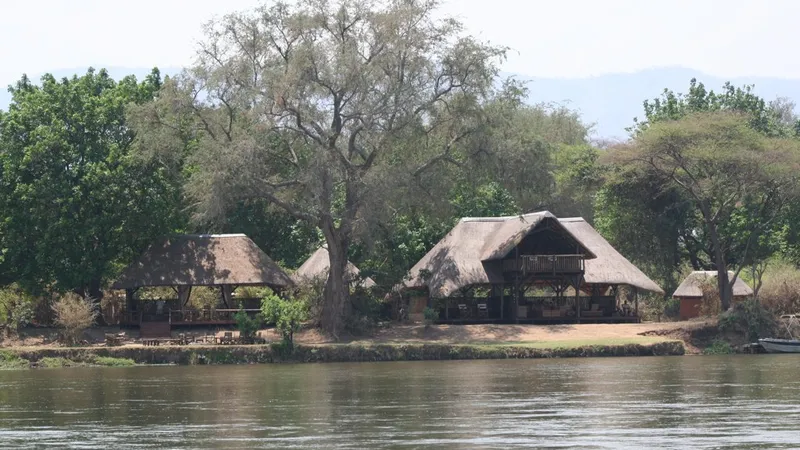
A 4,092 square kilometer park along the Zambezi, where herds of up to a hundred elephants come to the river. Canoeing and guided kayaking in the channels are popular.
Near: River channels, islands and the escarpment above the valley floor.
Getting around: Light aircraft or road and boat transfer from Lusaka.
Heads up: Activities on the water are seasonal; lodges set the dates.
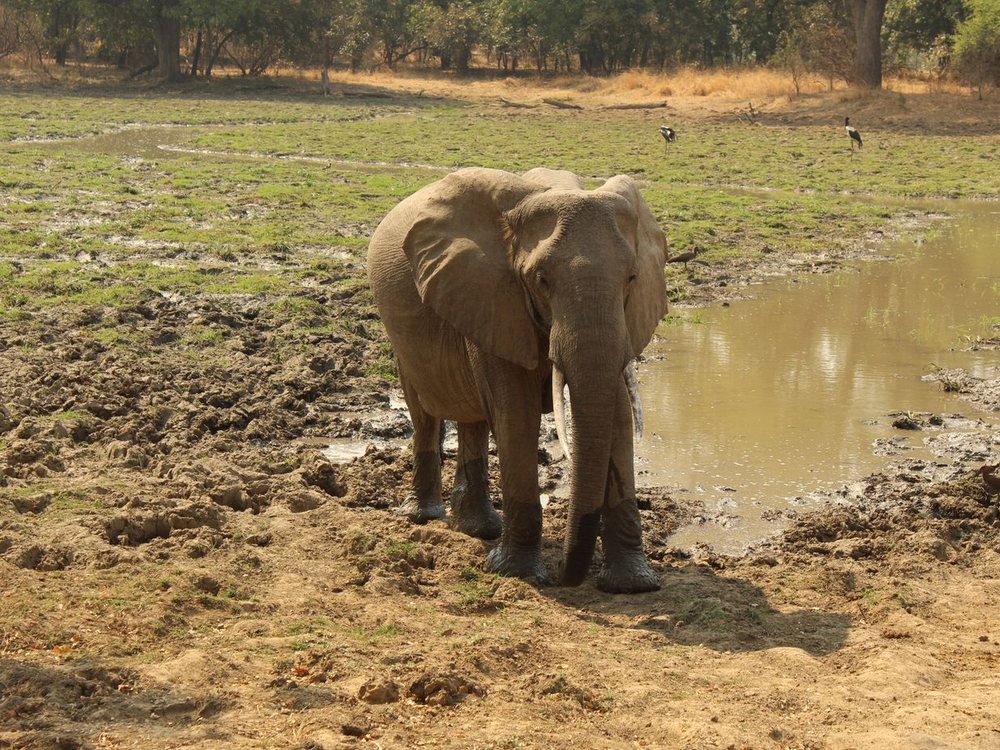
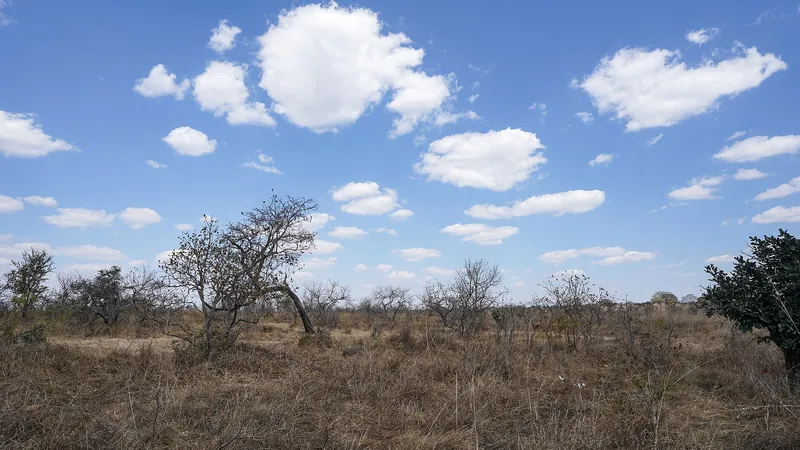
The oldest and largest of Zambia's national parks at 22,400 square kilometers, and one of the largest reserves in Africa, about two hours' drive from Livingstone.
Near: Wide plains, rivers and remote camps.
Getting around: Road transfer from Livingstone or Lusaka, or a charter flight.
Heads up: Distances are long and services are few; plan fuel and water.
Zambia has 72 ethnic groups, most of them Bantu speaking. English is the official language, and Bemba is the most widely spoken.
Traditional ceremonies
More than 20 traditional ceremonies take place each year, including the Kuomboka of the Lozi people and the Nc'wala of the Ngoni. Visitors are welcome at the open ceremonies.
Eating with your hand
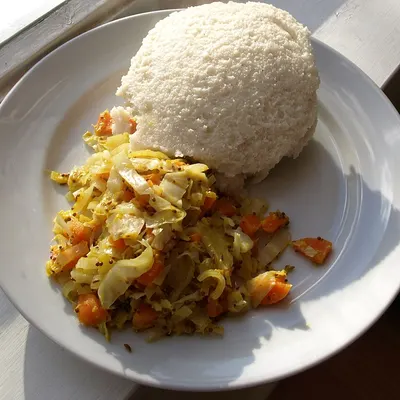
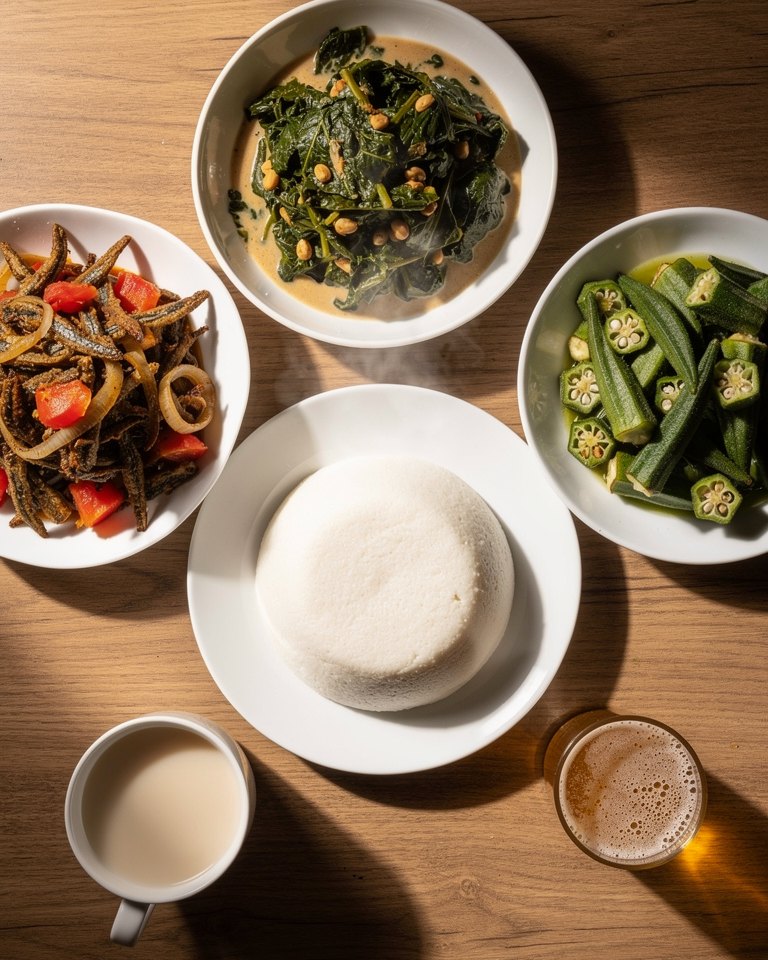
Nshima is eaten with the right hand, rolled into a ball and dipped into relish, so expect a bowl of water to wash your hands before the meal.
Where and what to eat
Come hungry.
NshimaThe staple: a thick maize porridge rolled into a ball with your right hand and dipped into relishes.
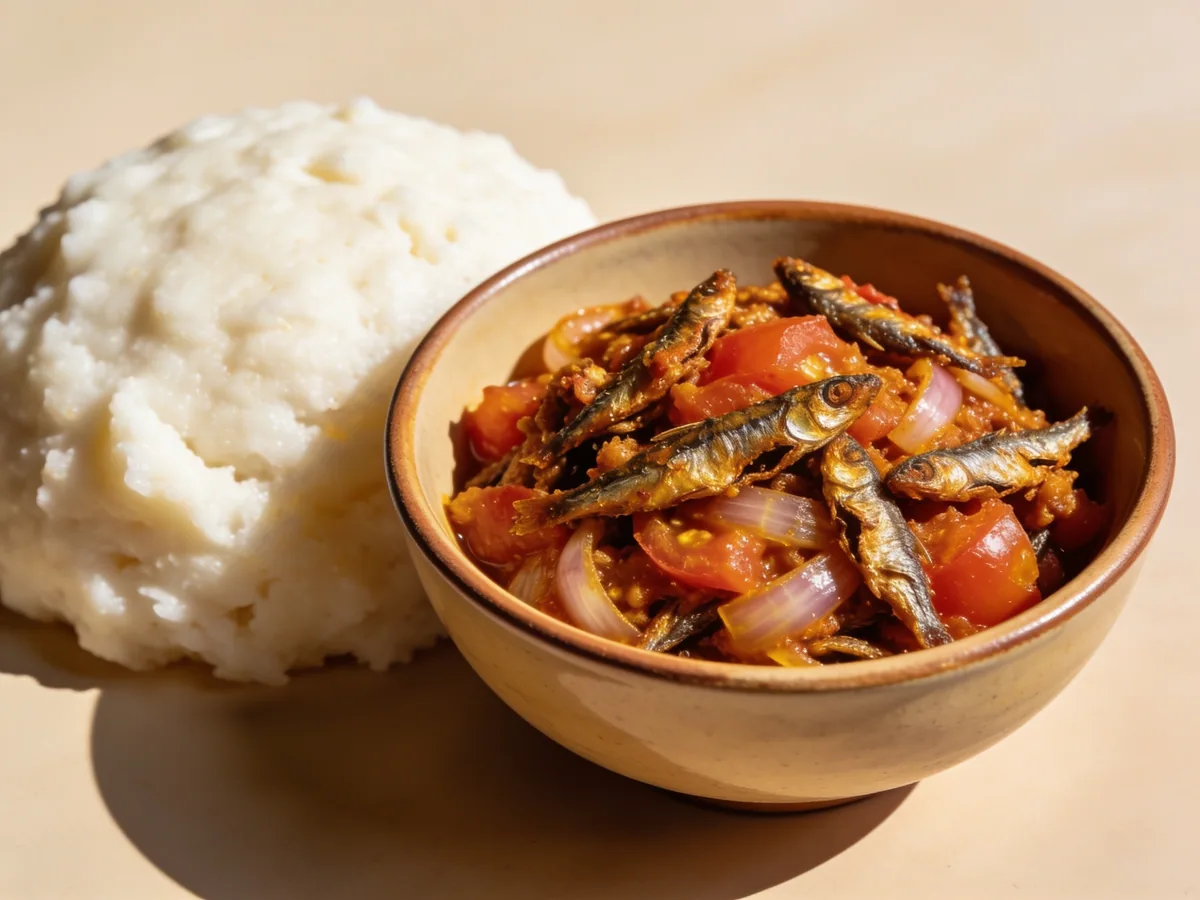
KapentaTiny dried fish cooked as a relish for nshima.
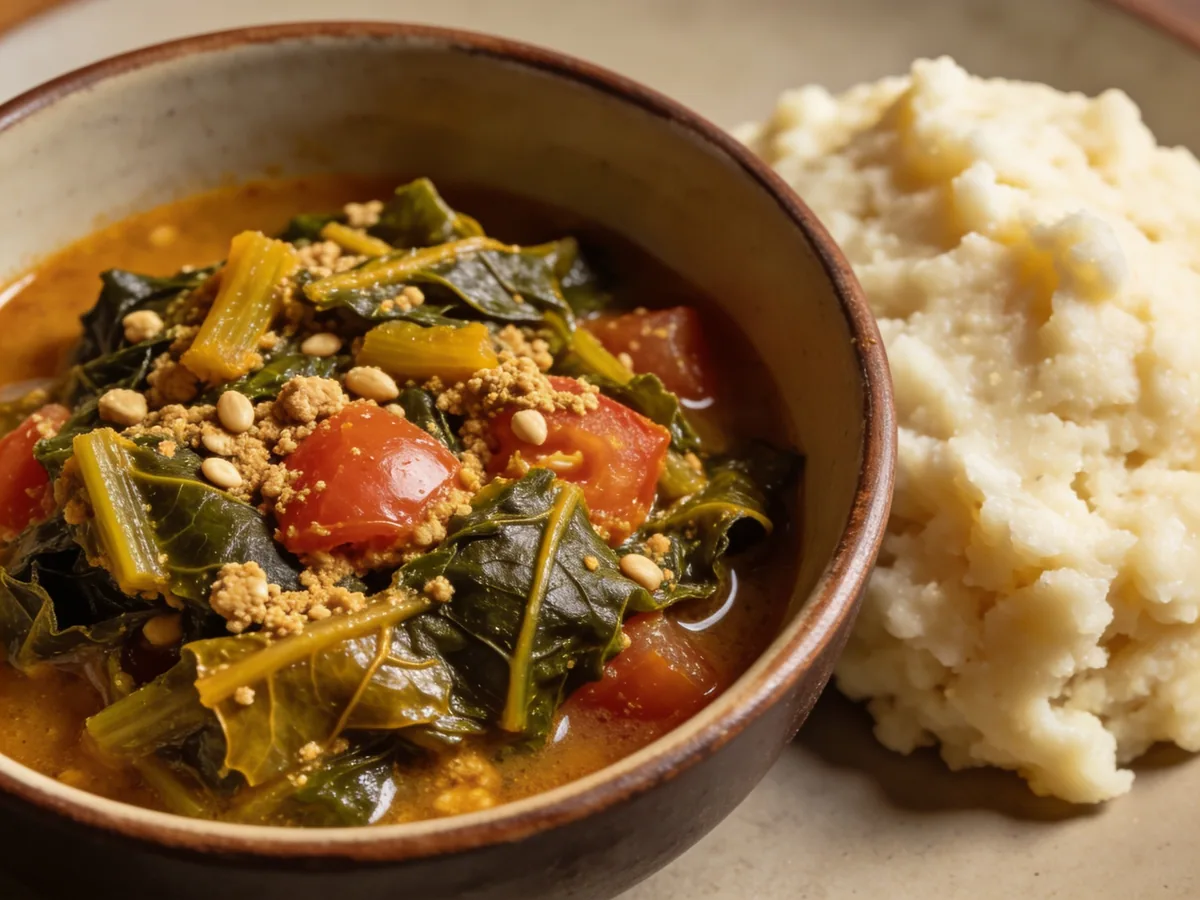
ChibwabwaPumpkin leaves, a favorite vegetable relish with nshima.
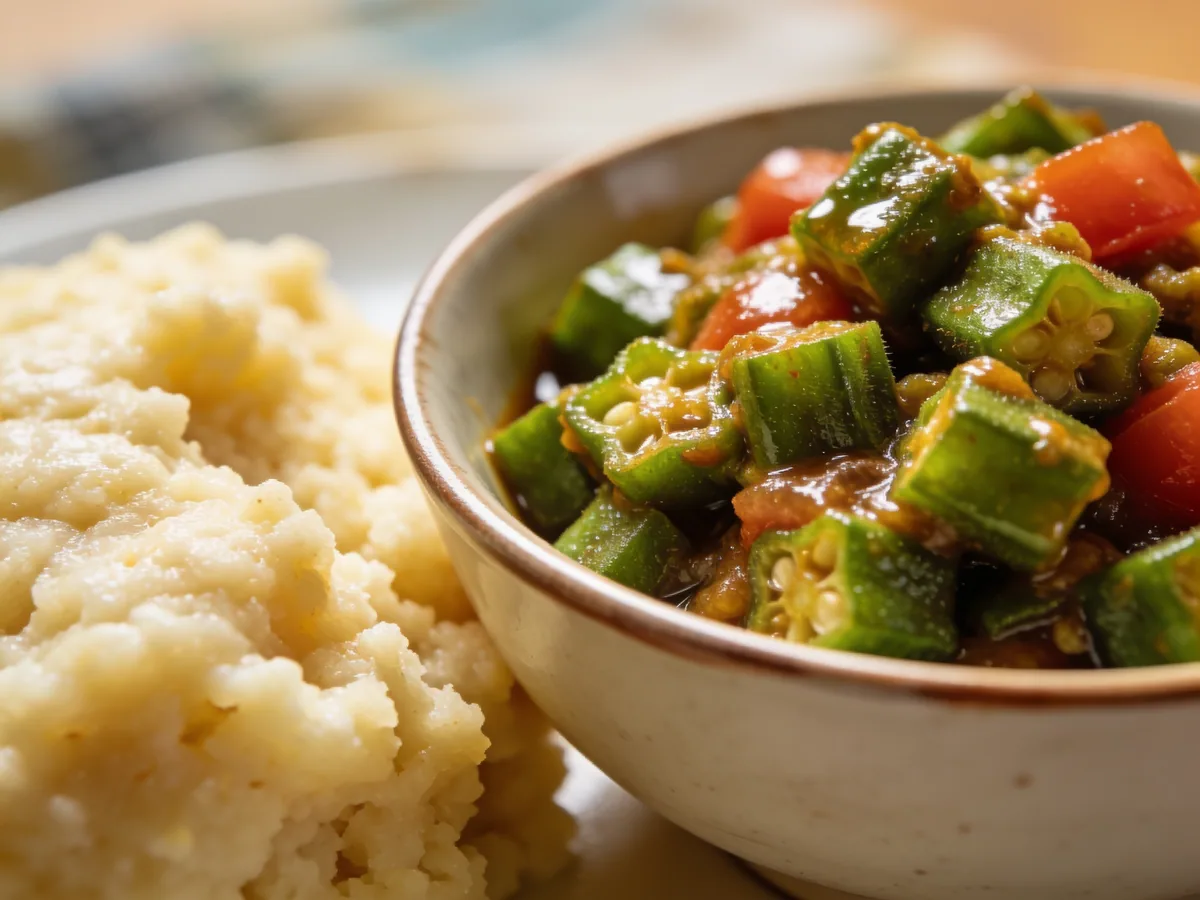
NdeleleOkra cooked as a relish.
MaheuA thick, lightly sour drink made from maize meal, sold in many flavors.
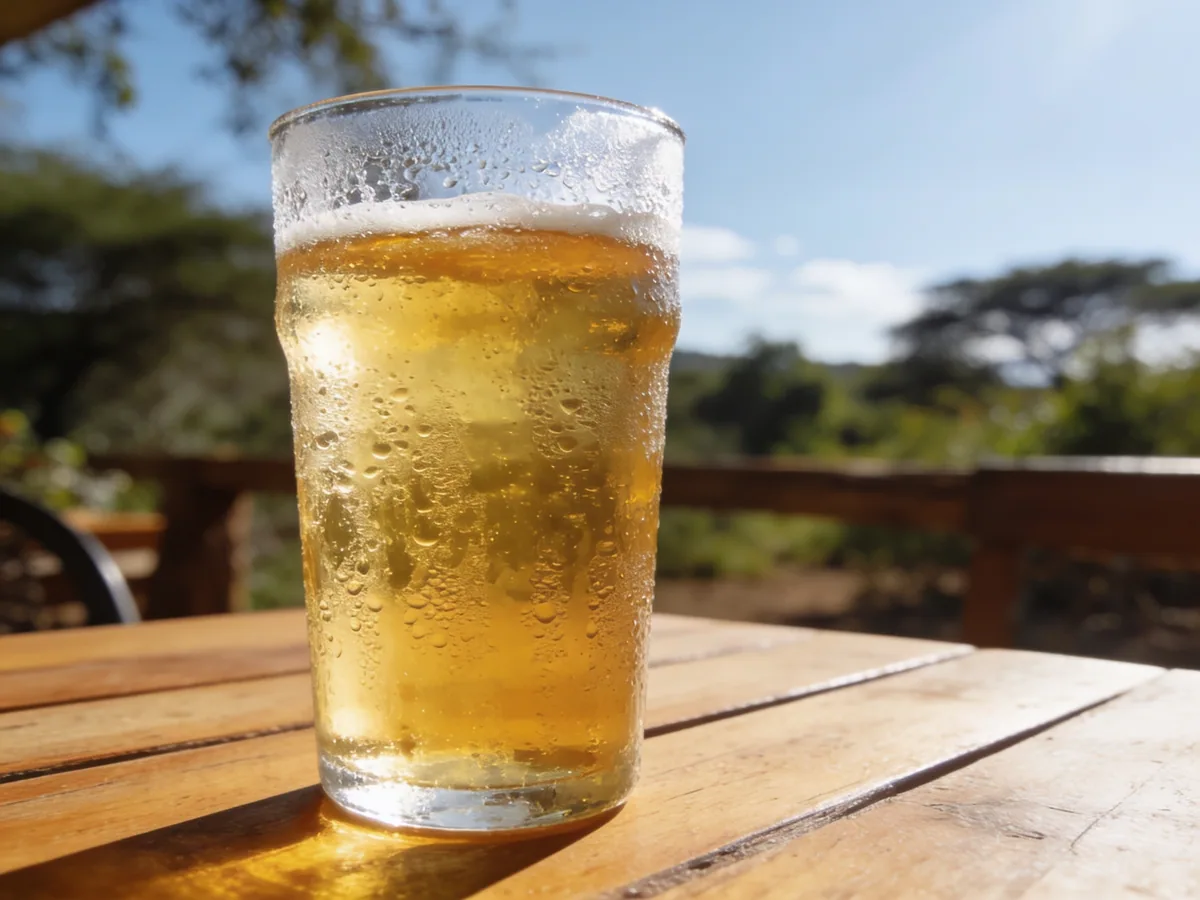
Mosi lagerZambia's best known beer, a light lager sold everywhere.
Say it like a local
6 everyday phrases in Nyanja, with how to say them.
HelloBwanjiBWAHN jee
HelloShaniSHAH nee
Thank youZikomo kwambirizee KOH moh kwahm BEE ree
GoodbyeBwinoBWEE noh
How are you?Muli bwanji?MOO lee BWAHN jee
I'm fineNdili bwinon DEE lee BWEE noh
Phrases are in Nyanja, spoken around Lusaka. In Bemba, the most widely spoken language, hello is Shani and thank you is Natotela sana.
Find your flight
Search flights to Zambia and compare prices before you book.
US passport No visa for US citizens, but your passport needs 6 months left and 3 blank pages. Check the official page before you book. Official page. Checked 13 Nov 2026.
US passport holders do not need a visa to visit Zambia. Your passport must be valid for at least six months on arrival with at least three blank pages, and you should carry it or a certified copy at all times. Check the official page before booking. Not a US passport? Check your country's rules: Zambia Department of Immigration, visa requirements.
Self drive
Main roads link the big towns, but minor roads can be potholed or gravel, and many unsealed roads become impassable in the rains from November to April. Fuel stations can be far apart, so carry spare fuel and water.
Money and tipping
The currency is the Zambian kwacha, and by law payments are made in kwacha, though many lodges accept US dollars. ATMs are in Lusaka, Livingstone and other big towns, with very few elsewhere. Tip about 10% for good service if no service charge is added.
Safety and health
The US State Department advises normal precautions in Zambia. Watch for pickpockets and bag snatching in busy markets and streets, and avoid walking alone at night. Malaria is present, and tap water is not safe to drink in many areas.
When to go
Dry season, April to October: The bush thins out and animals gather at the water, so this is the classic safari season in South Luangwa and the Lower Zambezi.
Green season, November to March: Rains turn the parks lush and green, with migrant birds, but many unsealed roads become impassable.
Victoria Falls through the year: Peak flood is around March and April, when the spray is huge. The view gets clearer until about September, and by November and December parts of the falls run dry.
Plugs and power
Plug CPlug DPlug G
Power is 230 V, 50 Hz. Bring an adapter if your plugs are from the US. Plugs from the UK and the EU usually fit. US gear that only runs on 110 to 120 V, like some hair tools, needs a converter here. Check your chargers and devices say 100 to 240 V before you plug in.
Getting around
Proflight is the main domestic airline, and most safari camps arrange road or air transfers. Long distance buses leave Lusaka for Livingstone and other towns, while minibus taxis vary widely in safety. Traffic drives on the left. Uber is not widely used. Ulendo Taxi is a local ride app used mostly in Lusaka and Kitwe; elsewhere, lodges arrange transfers or you take a taxi from your hotel.
Kenneth Kaunda International Airport serves Lusaka, and Harry Mwaanga Nkumbula International Airport in Livingstone is the gateway to Victoria Falls. Victoria Falls is about 11 km (7 miles) south of Livingstone town on Mosi-oa-Tunya Road.
LVI Harry Mwaanga Nkumbula International Airport: taxi or a hotel transfer.
Book a pickup or rent a car
Book a pickup
Book a driver who meets you at arrivals at Harry Mwaanga Nkumbula International Airport, at a fixed price agreed before you land.
The questions people ask most, answered from this page.
Do US citizens need a visa for Zambia?
US passport holders do not need a visa to visit Zambia. Your passport must be valid for at least six months on arrival with at least three blank pages, and you should carry it or a certified copy at all times. Check the official page before booking.
How do I get around Zambia?
Proflight is the main domestic airline, and most safari camps arrange road or air transfers. Long distance buses leave Lusaka for Livingstone and other towns, while minibus taxis vary widely in safety. Traffic drives on the left.
What currency does Zambia use?
The currency is the Zambian kwacha, and by law payments are made in kwacha, though many lodges accept US dollars. ATMs are in Lusaka, Livingstone and other big towns, with very few elsewhere. Tip about 10% for good service if no service charge is added.
Photo credits
Ceremonies and 72 peoples: Jae zambia, CC BY-SA 4.0, via Wikimedia Commons. Lower Zambezi: Paul Kane, CC BY 2.0, via Wikimedia Commons. Kafue: Timothy A. Gonsalves, CC BY-SA 4.0, via Wikimedia Commons. Nshima: Mark Skipper, CC BY 2.0, via Wikimedia Commons.
Checked 13 Nov 2026: entry links, plugs, airport times, ride apps and the facts on this page. Prices and rules show their own As of date.
Researched for you from official and trusted sources.
Affiliate links: some links on this page (flights, tours, city passes, stays, transfers, rental cars, luggage storage, eSIMs and flight compensation) are affiliate links. If you book through them, I earn a small commission at no extra cost to you.
Photos
Real photos from Pexels, used under the license shown, by the photographers credited below. The table of dishes in the food section is an illustration made for this page, not a photo of a real meal.
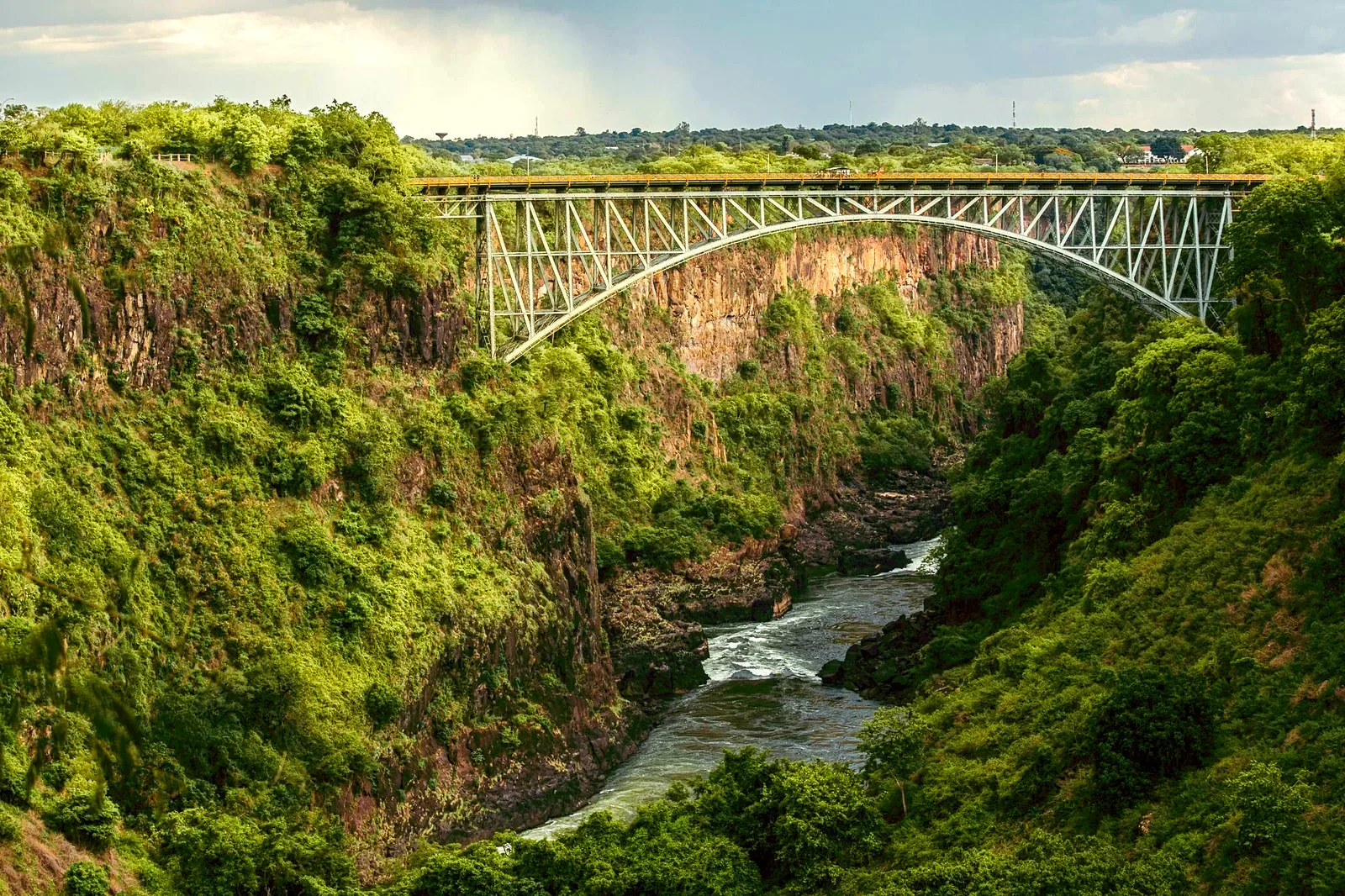
The steel arch of the Victoria Falls Bridge over the green Batoka Gorge and the Zambezi River. Photo: Boris Ulzibat / Pexels.
A rainbow over the spray of Victoria Falls, framed by green trees. Photo: K / Pexels.
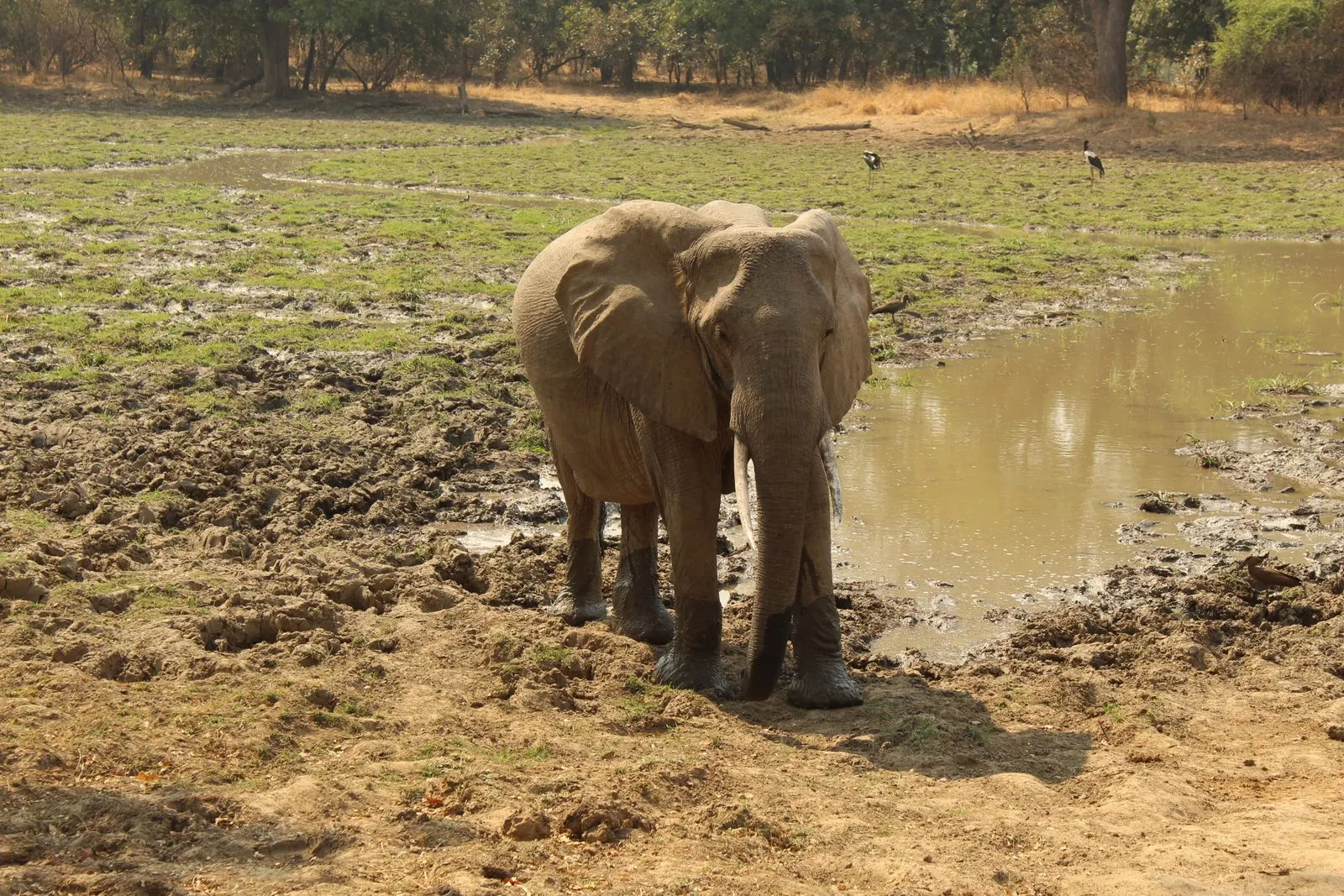
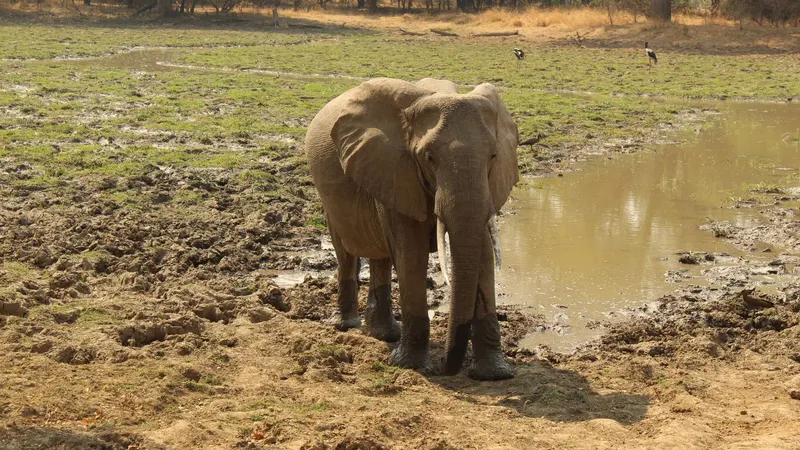
An African elephant beside a waterhole on the plains of South Luangwa National Park. Photo: khanyiso kalyata / Pexels.
Two African elephants touching trunks on a dry riverbank in Zambia. Photo: oscar scannell / Pexels.
Sources
Researched for you from official and trusted sources. Rules, prices and times change, so check the official page before you book.
I researched this page for you, so you can plan well. The places I have filmed have their own trip planners.
Filming your own trips? My free guide to AI editing shows how my automated AI editor turns a folder of my clips into a finished reel. Send me the free guide.
 Luisa's Atlas
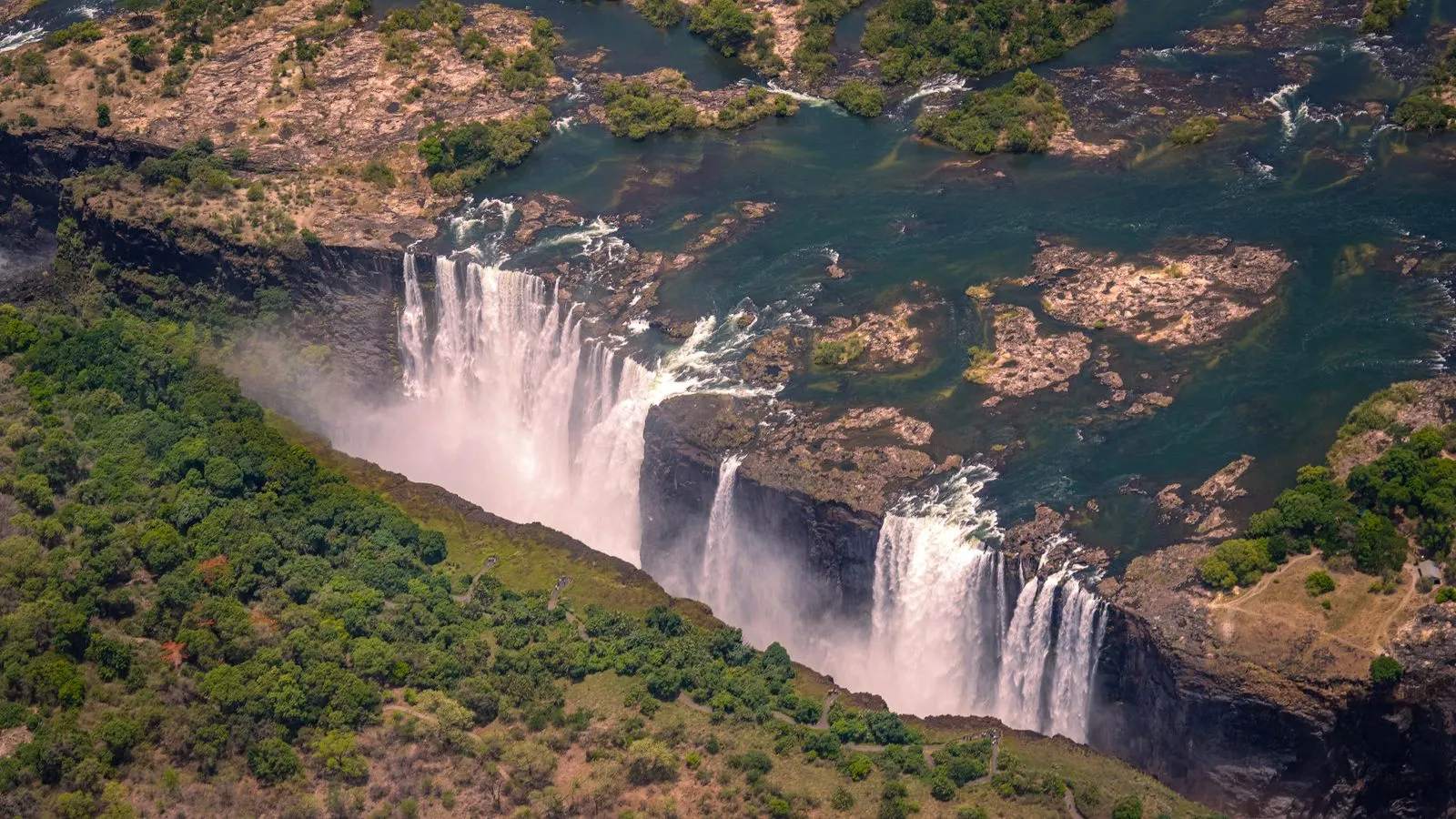

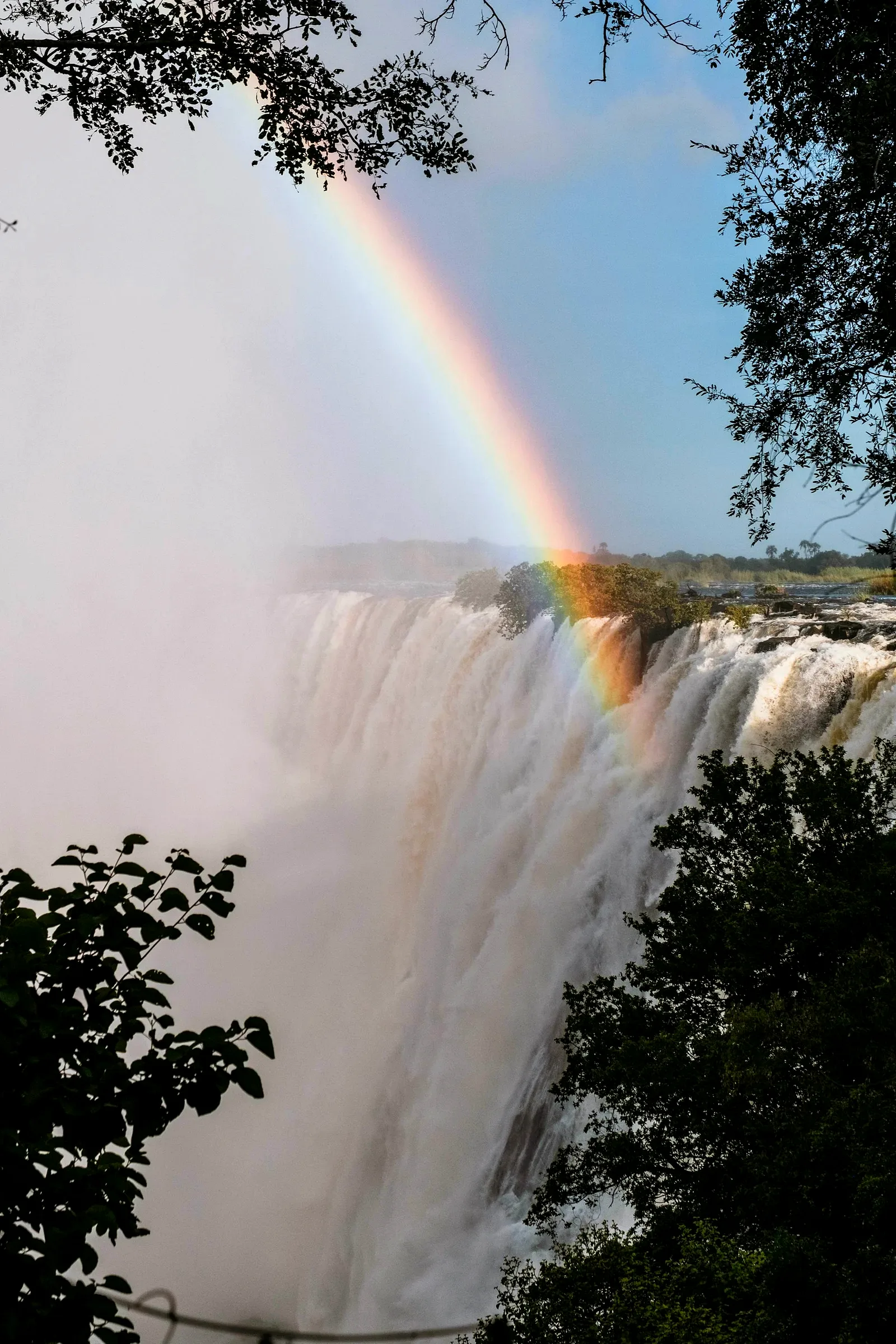 A rainbow over the spray of Victoria Falls, framed by green trees. Photo: K / Pexels.
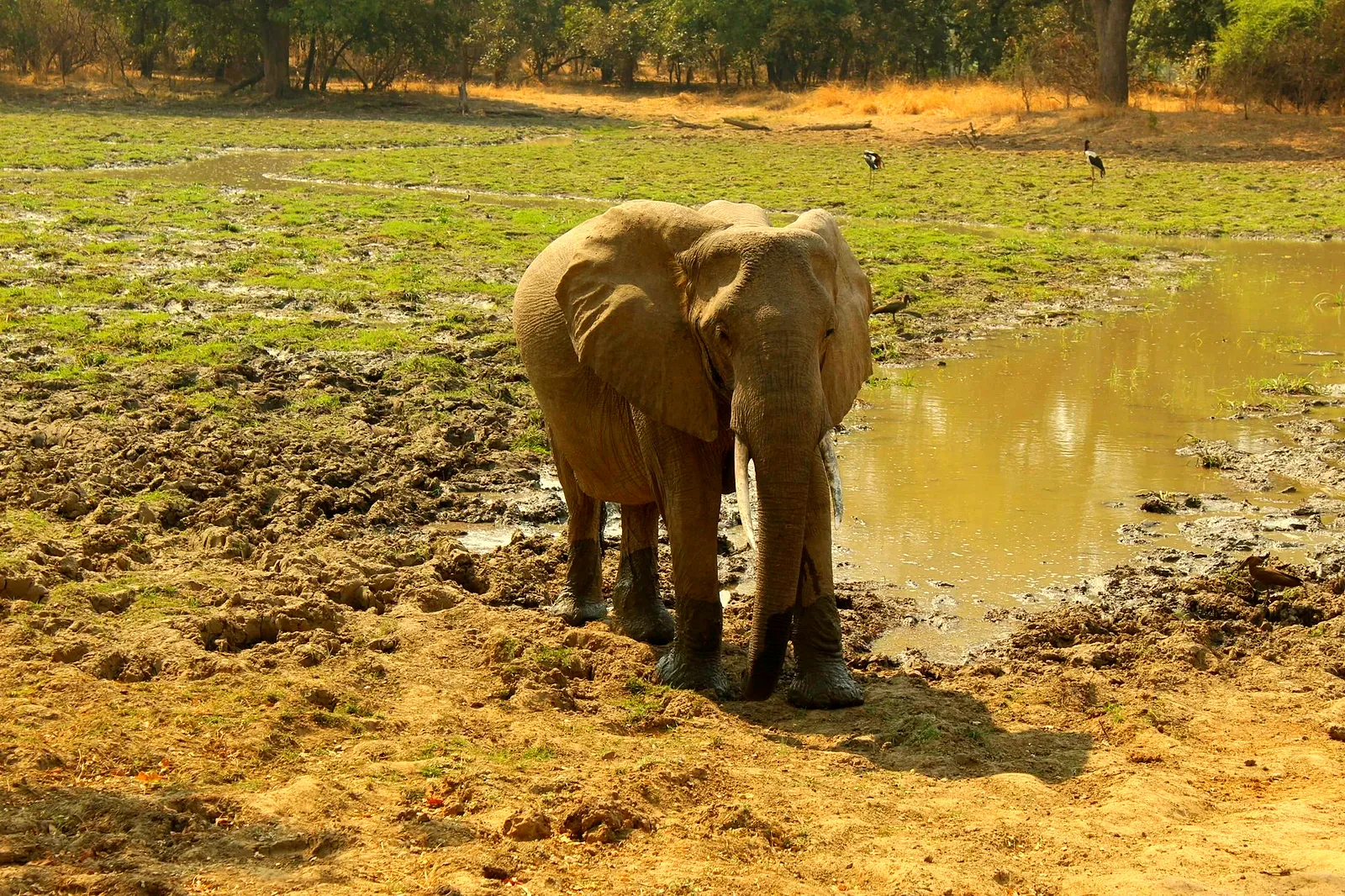 An African elephant beside a waterhole on the plains of South Luangwa National Park. Photo: khanyiso kalyata / Pexels.
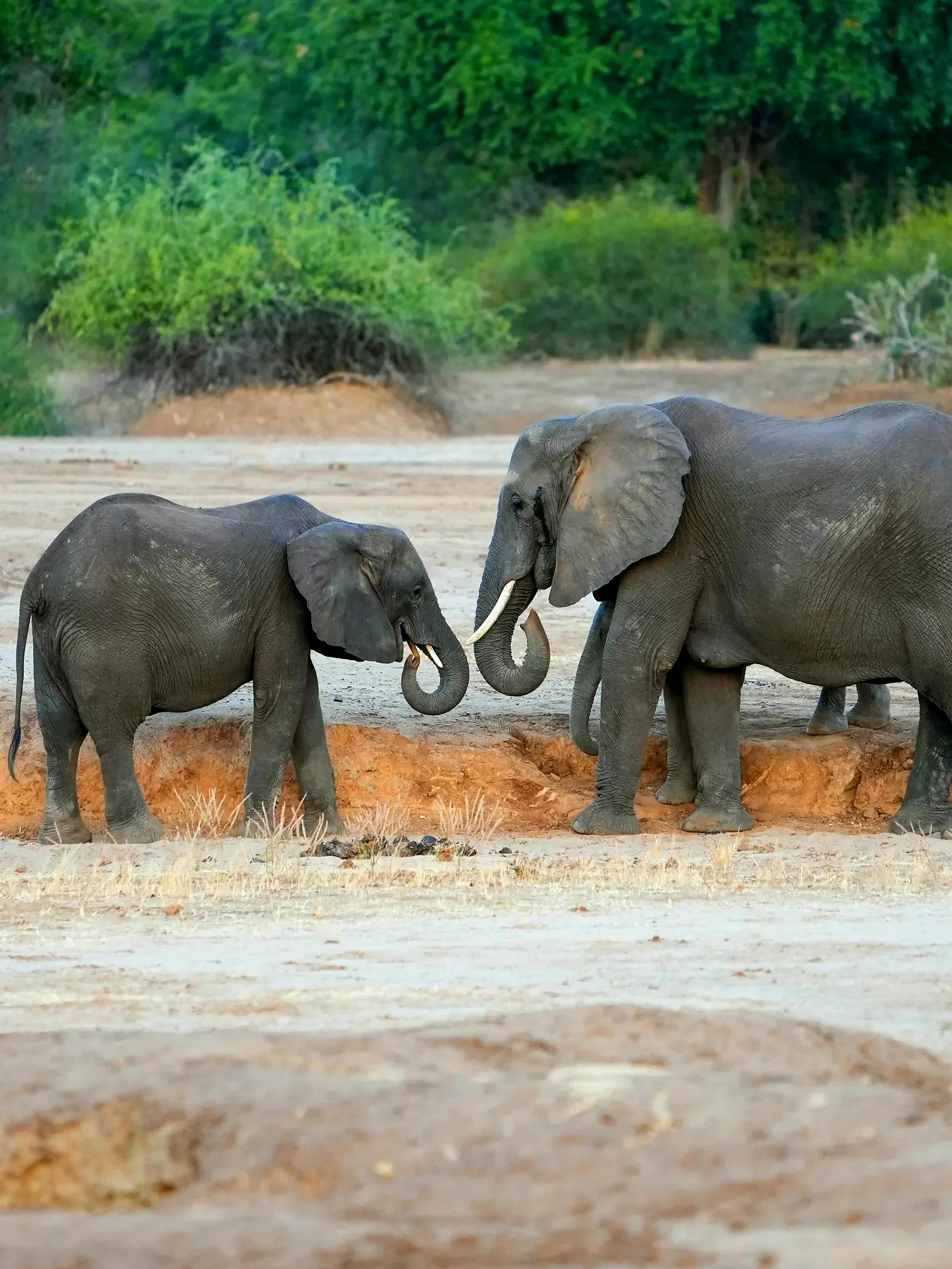 Two African elephants touching trunks on a dry riverbank in Zambia. Photo: oscar scannell / Pexels.