Five places to start in Argentina: Buenos Aires, Iguazú Falls, Mendoza wine country, El Calafate for the Perito Moreno Glacier, and Salta in the north. Entry rules, getting around, what to book early and what to eat.
Everything for Argentina on one page: what to know before you leave, the tours worth booking ahead, the ride apps, an eSIM and where to stay and eat, so you land with a plan, not 37 open tabs.
Some links earn me a small commission at no extra cost to you.
My free appLanding with no signal? Take this whole planner offline in my free iPhone app.Download on the App Store
Where in the worldArgentina
Why Argentina is amazing
1
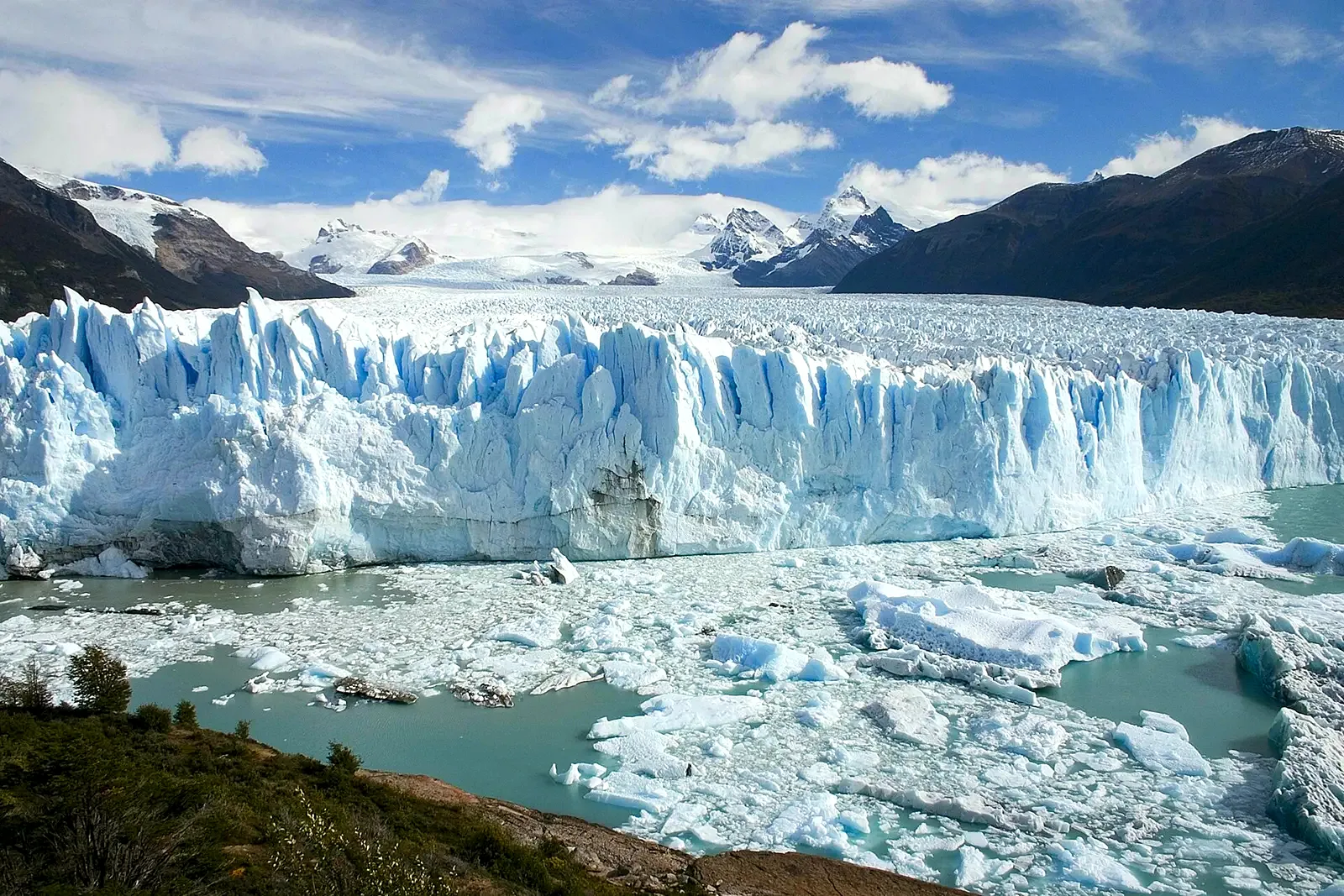
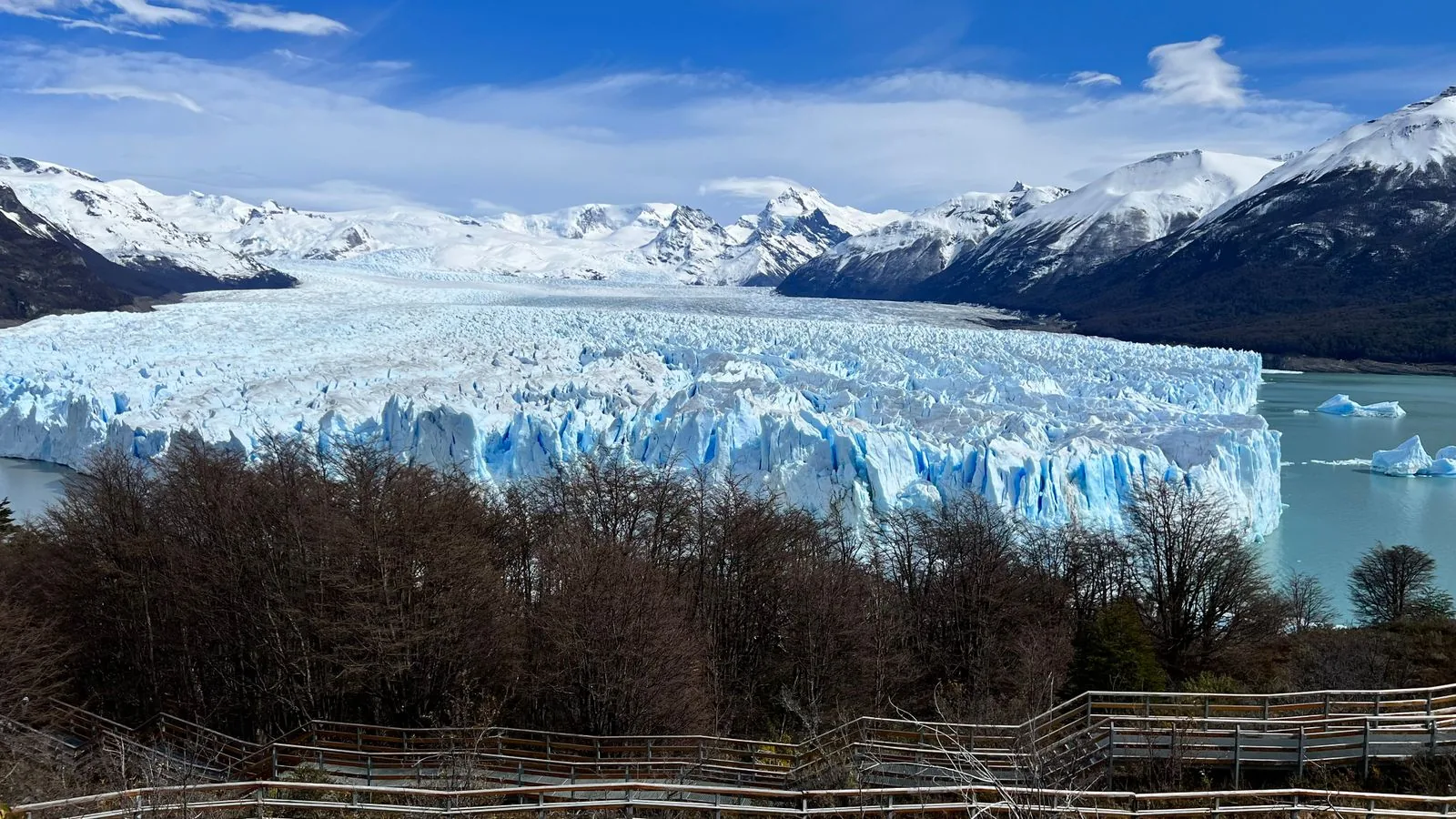
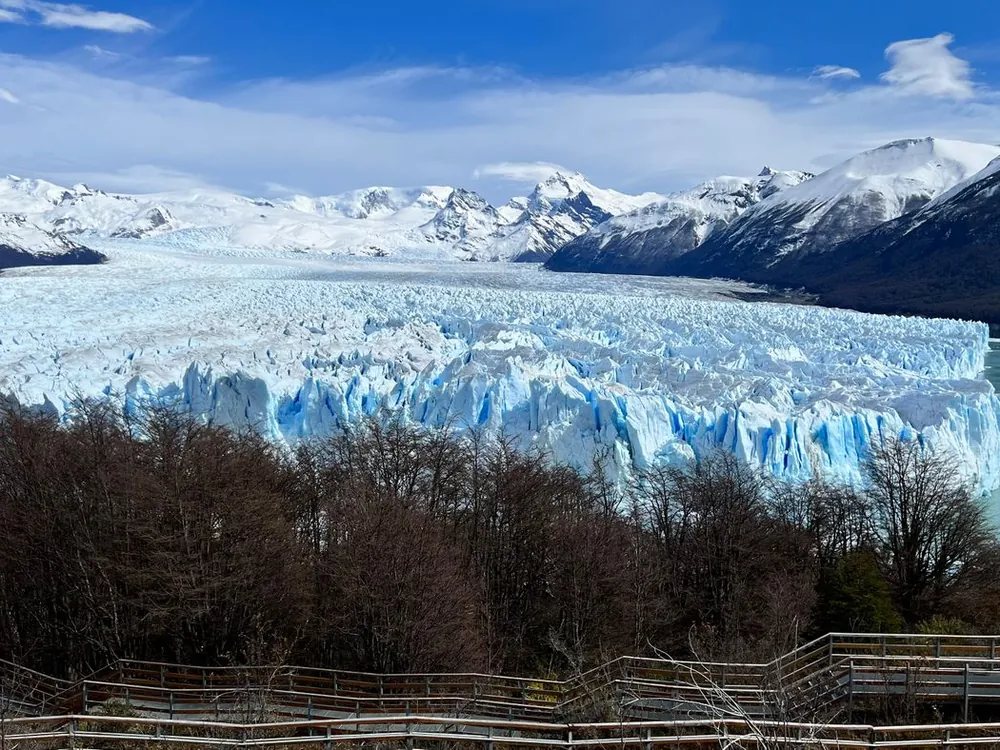
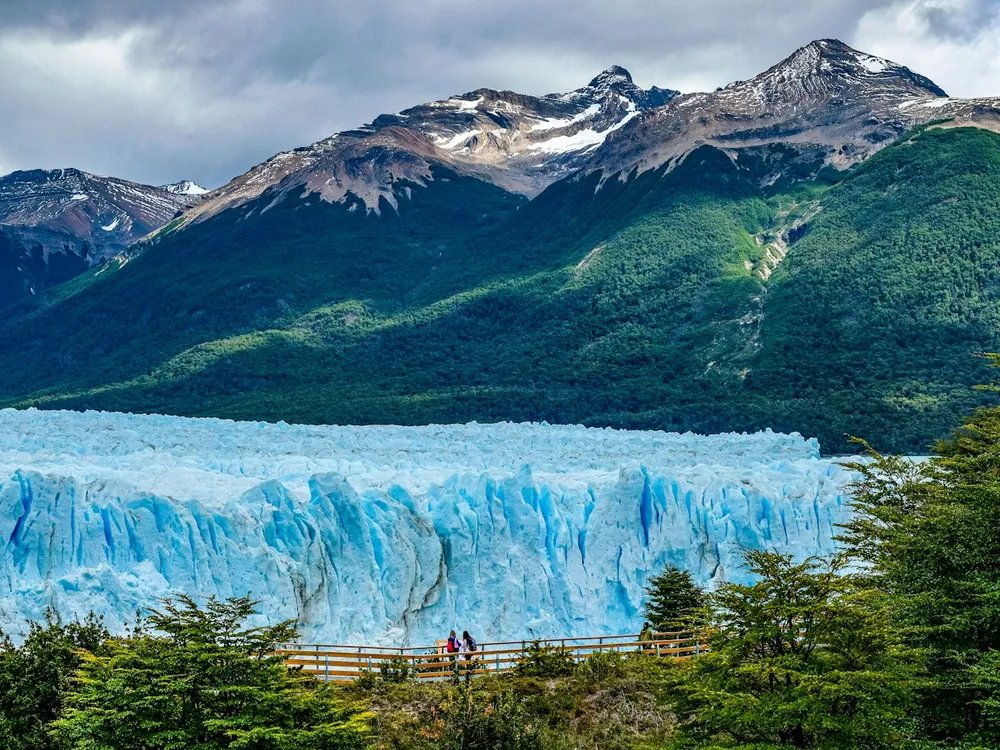
A wall of blue ice
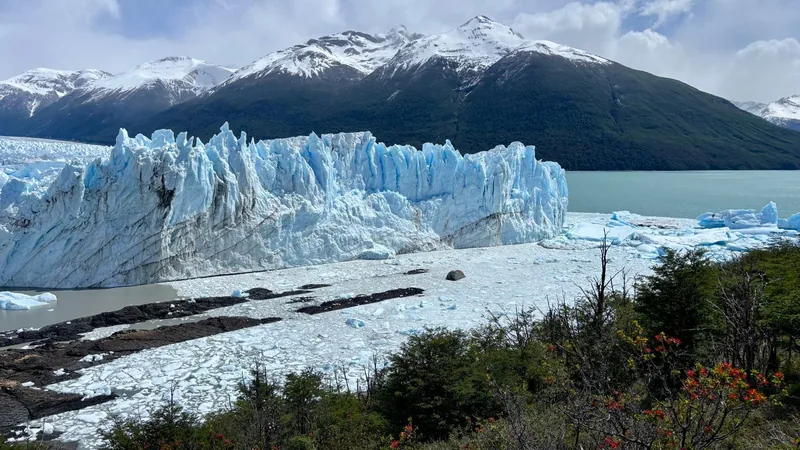
Perito Moreno Glacier covers about 250 square kilometers, and its ice front rises about 74 meters above Lake Argentino. The front advances from June to December and retreats from December to April.
2
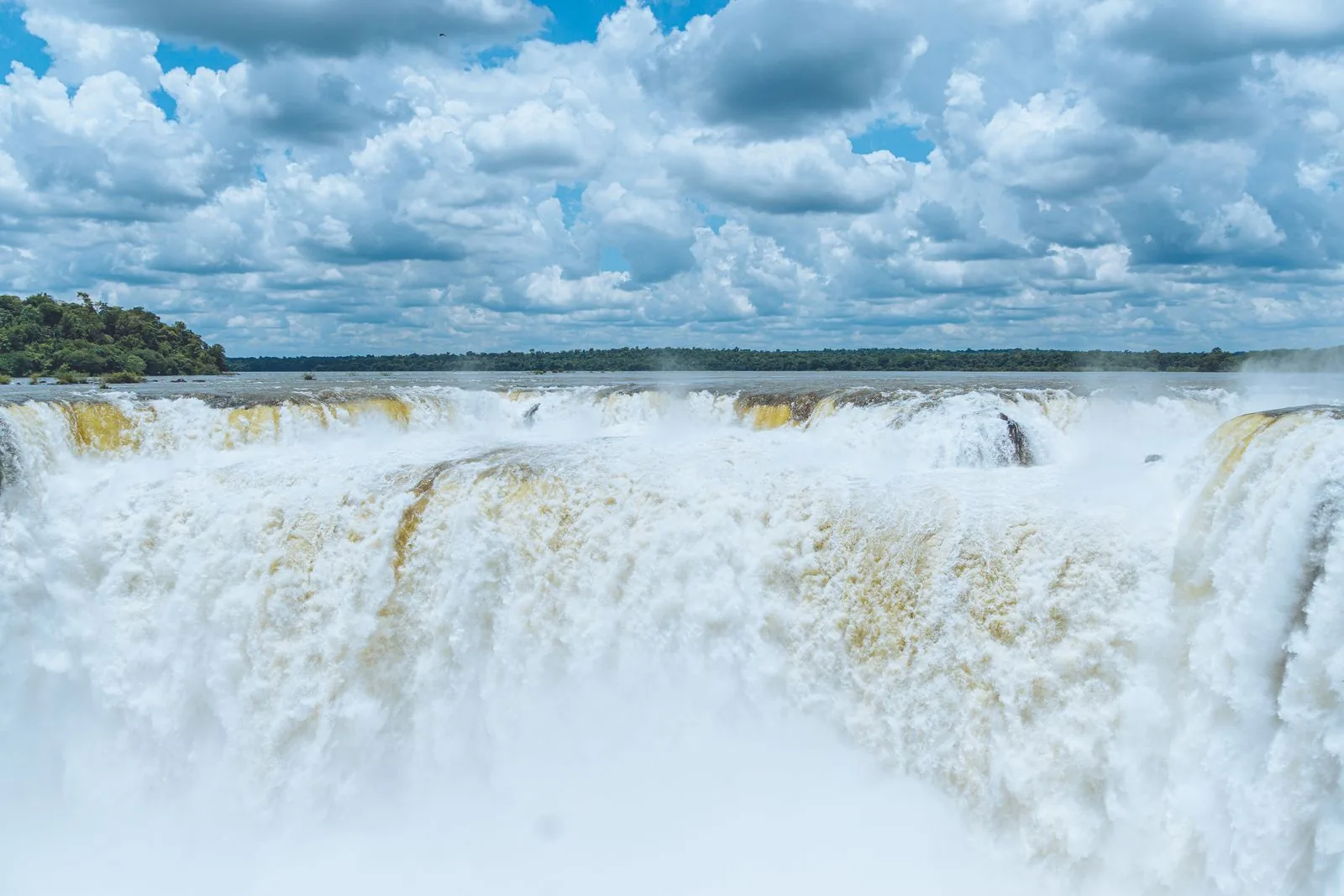
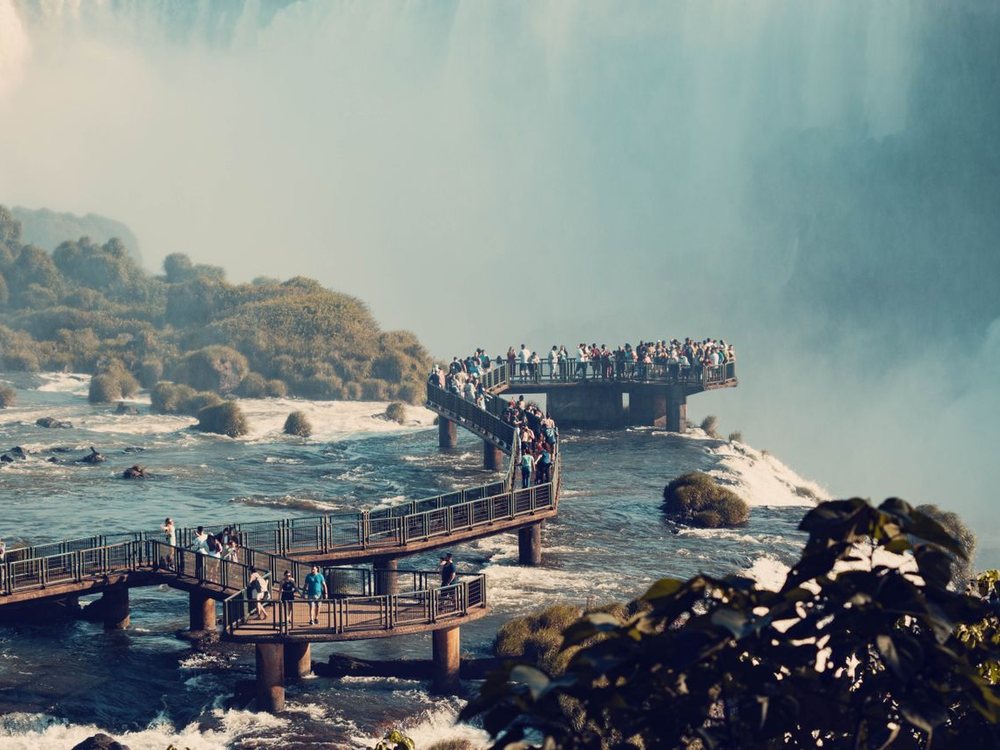
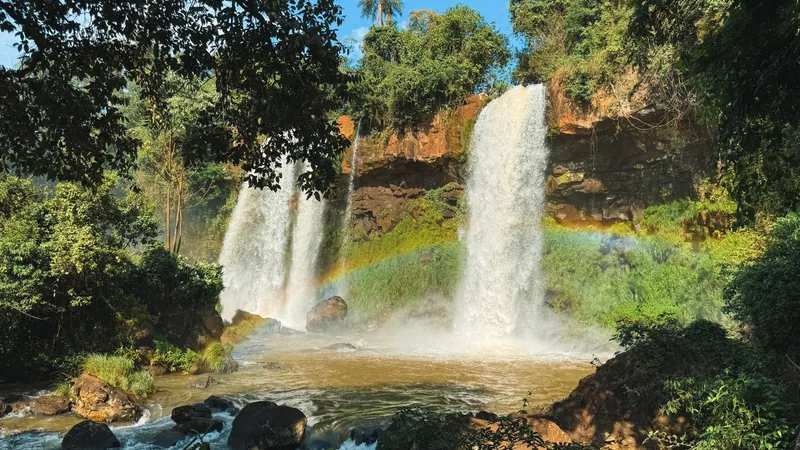
A river falls into a chasm
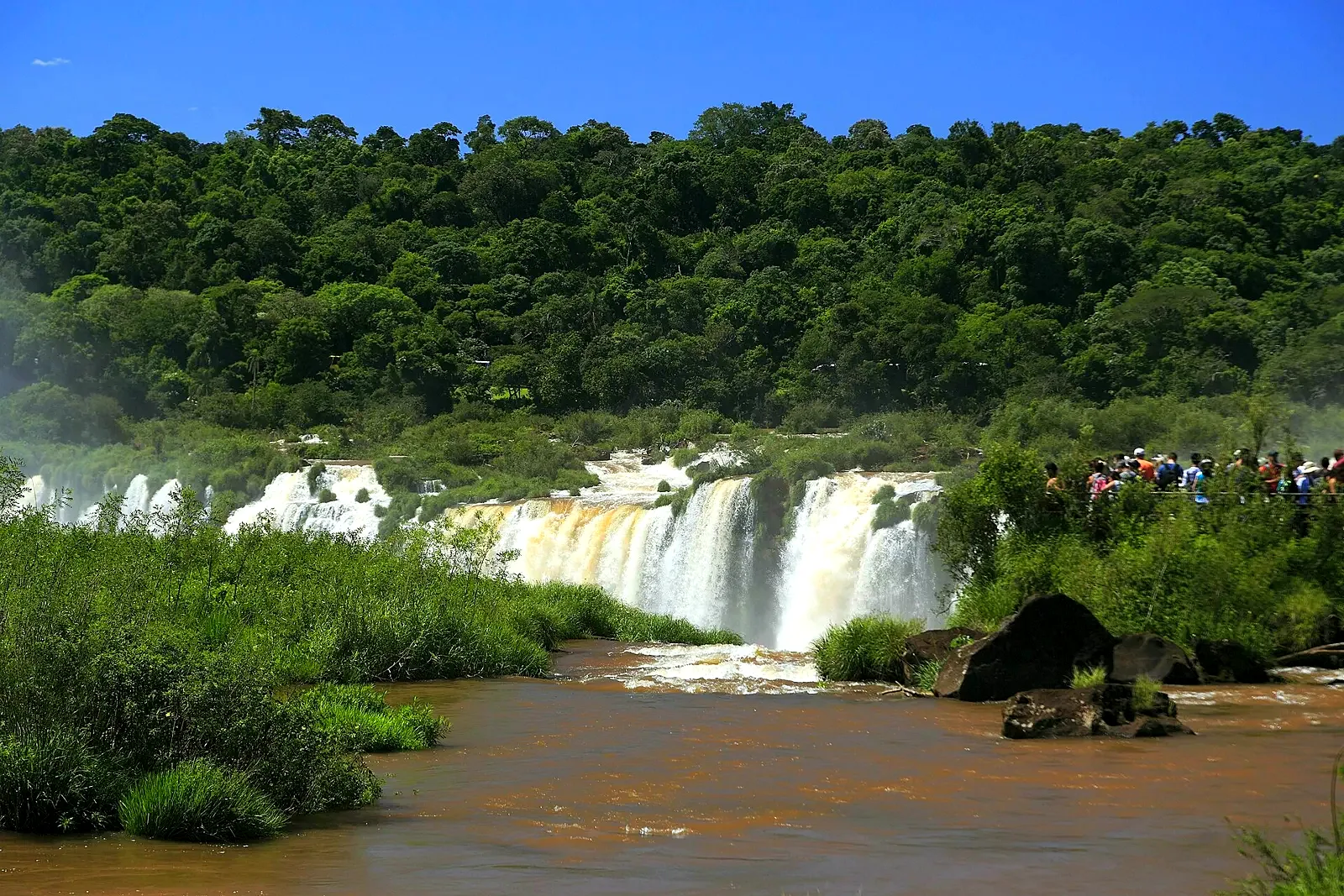
At Iguazú, the Devil's Throat is a chasm 80 to 90 meters wide that takes about half the river's flow. The Argentine park joined the UNESCO list in 1984.
3
The top of the Americas
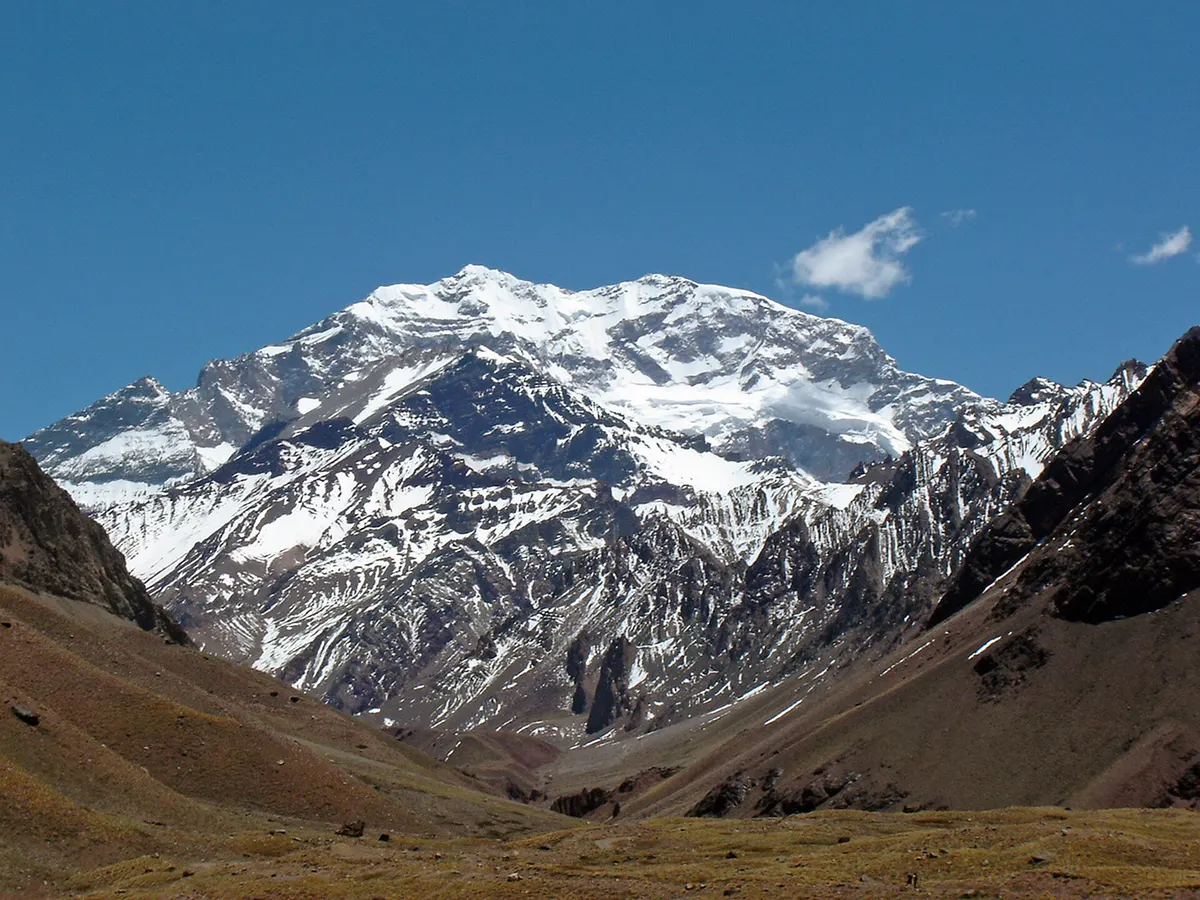
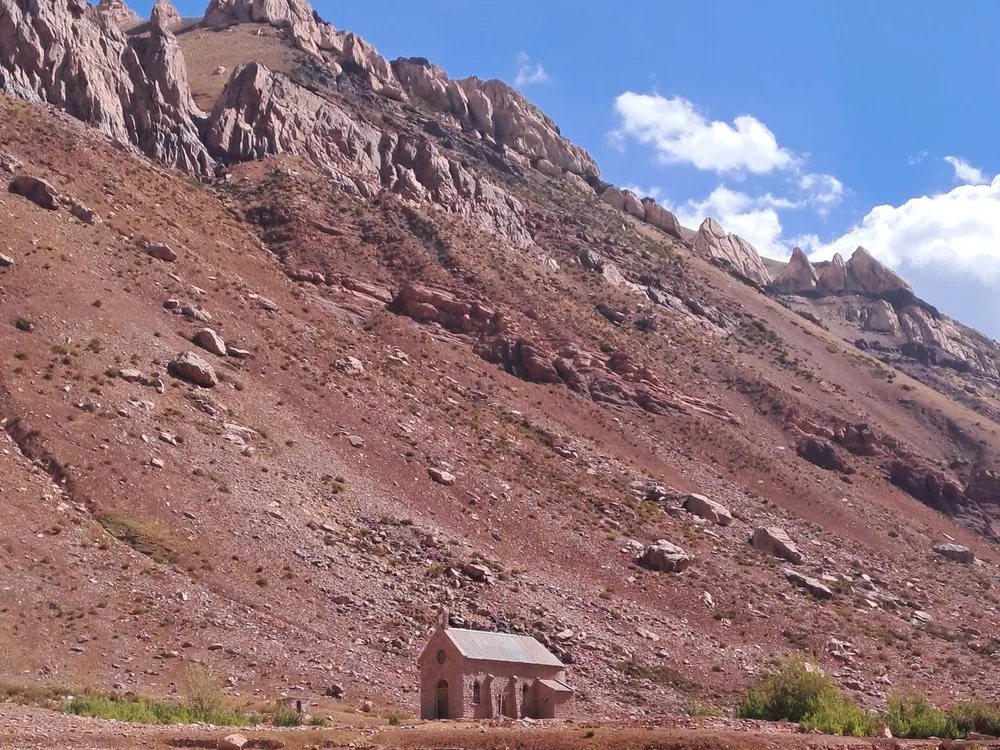
Aconcagua, at about 6,967 meters, is the highest mountain outside Asia, and it rises about 112 kilometers northwest of Mendoza, a city best known for Malbec.
4
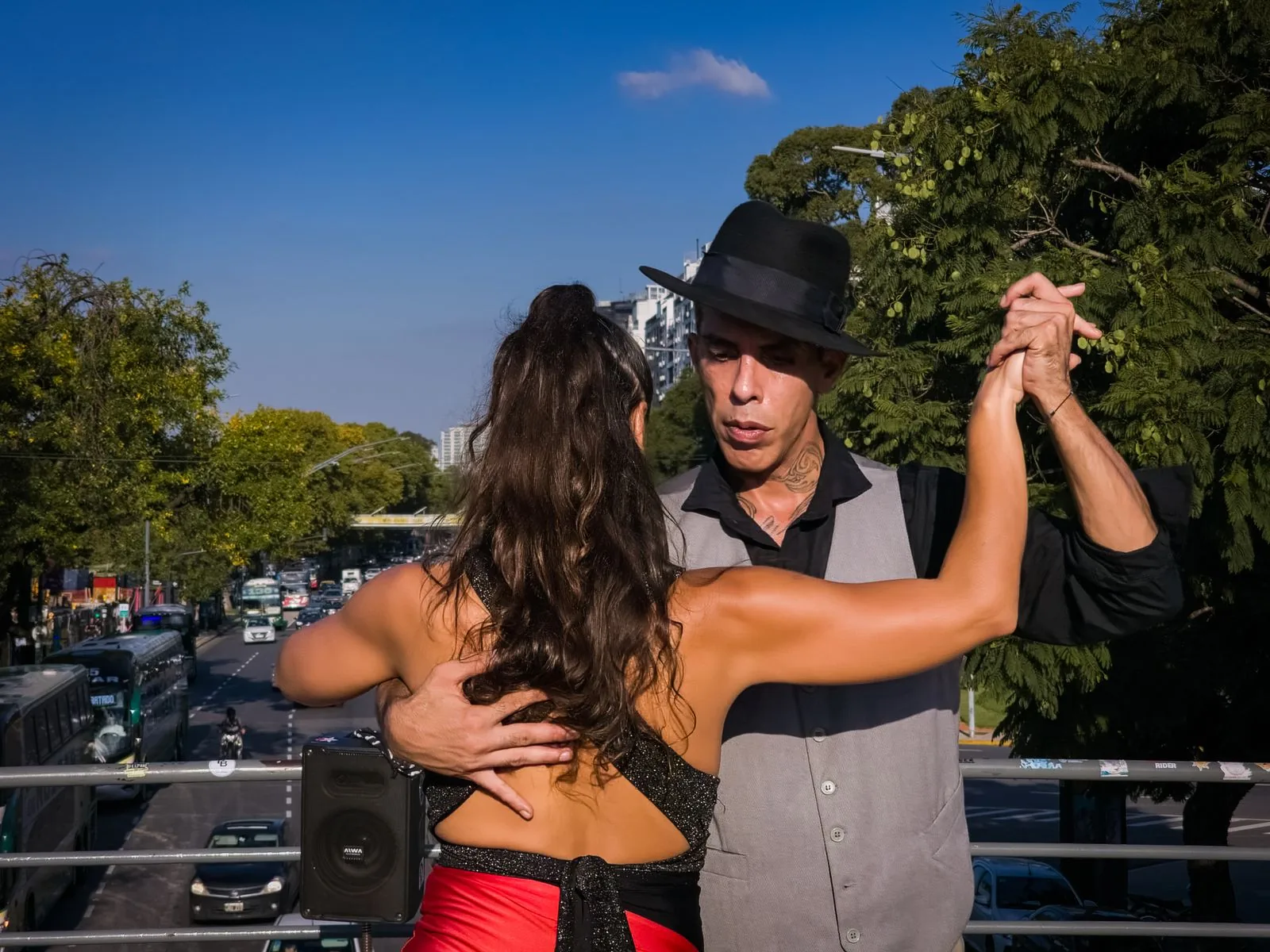
A city that dances all night
Tango was born in the 1880s in the port areas along the Río de la Plata, and UNESCO listed it in 2009. Night milongas start around 11 p.m. and fill up near 1:30 a.m.
5
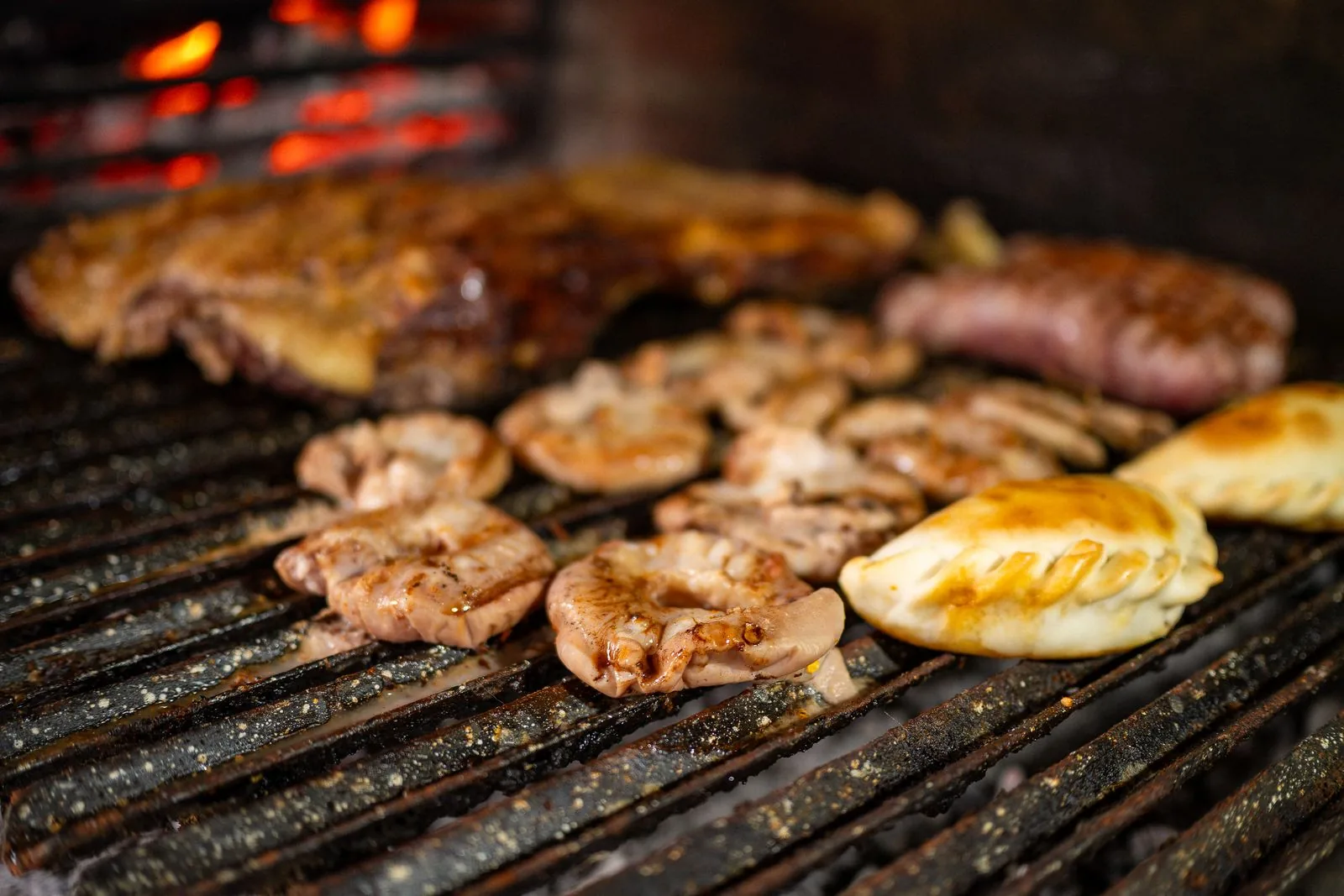
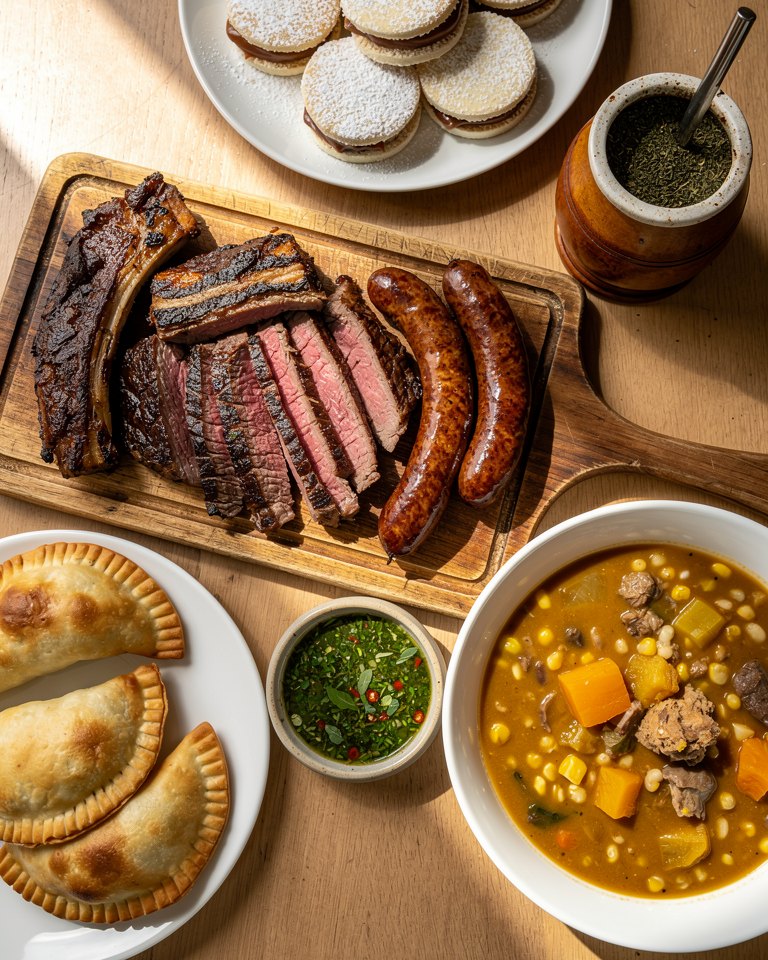
Asado, empanadas and mate
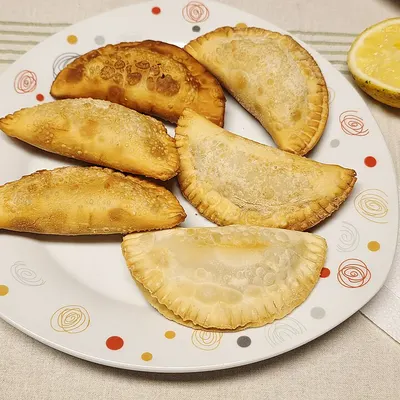
Asado is the staple of the national diet, empanadas come with a decorative crimped edge, and mate is a shared ritual sipped from a gourd through a metal straw.
Worth booking ahead
The good ones sell out while you are still deciding. Book these before you fly, and keep your days for wandering.
Buenos Aires
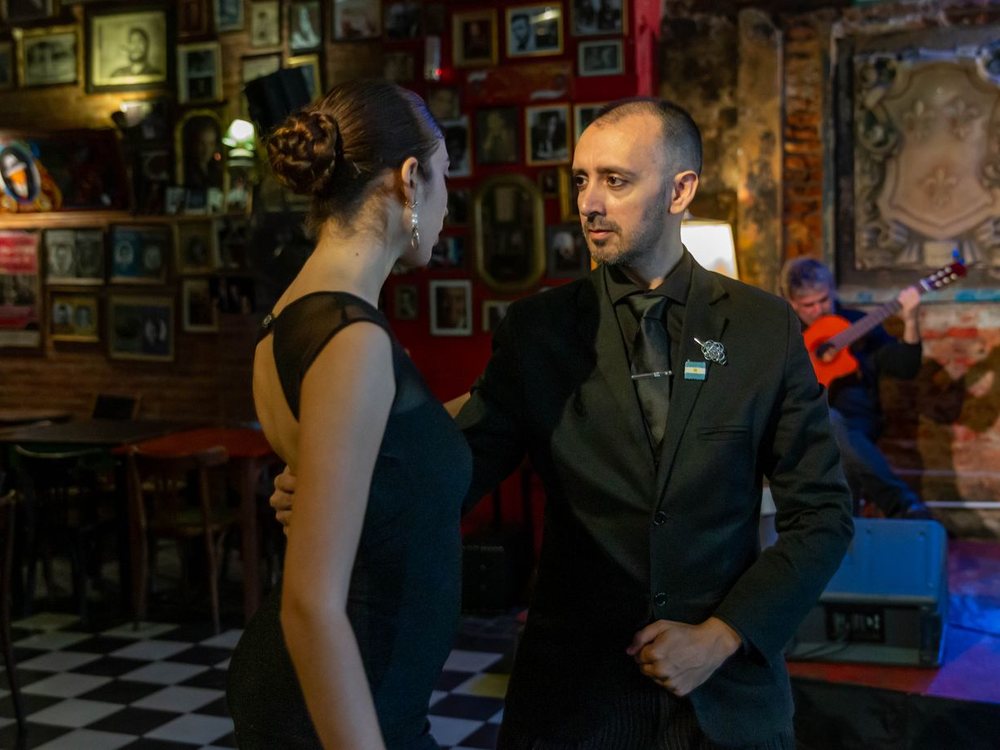
Tango show and dinner in Buenos Aires
A staged tango show, or a late night milonga if you prefer the real thing.
Five short notes from me: the 3 things I sort out ahead of every flight, the tiny details nobody tells you, and your vote on where I go next 🌍
A bit of history
The May Revolution, 1810
The May Revolution began on May 25, 1810, and Argentina declared independence on July 9, 1816.
Tango from the river ports
Tango developed in the 1880s in the port areas along the Río de la Plata, blending milonga, habanera and candombe. UNESCO added it to its Intangible Cultural Heritage list on August 31, 2009.
The roof of the Americas
Aconcagua, about 6,967 meters, is the highest mountain outside Asia. The first recorded ascent was on January 14, 1897, by the Swiss guide Matthias Zurbriggen.
A glacier that breaks the lake
Ice from Perito Moreno Glacier can dam a lake arm and then burst. The first recorded rupture was in 1917, and recent ones came in 2004, 2006, 2008 and 2012.
Where to stay
The areas worth basing yourself in, each with its own stay search, and every hotel on one map.
Tip: finish booking on the website, not in the hotel's app, so it counts as booked through me.
Argentina works best with a few bases. These are the places this planner suggests, with how to reach each one and one honest heads up. Everything here is researched for you from official and tourism board sources.
Capital
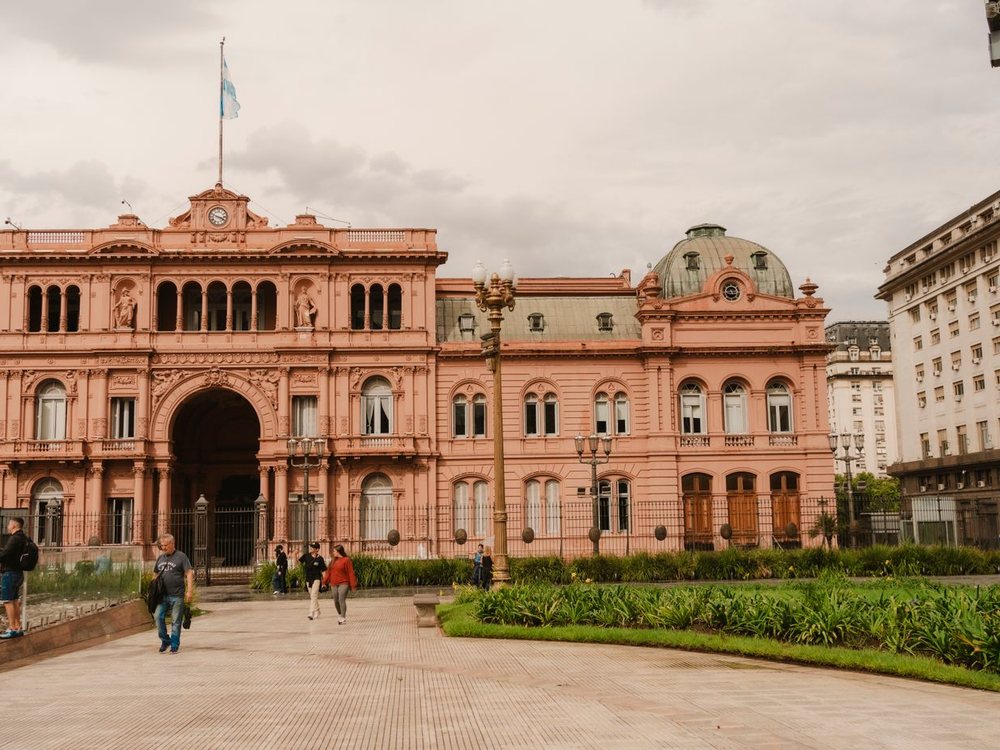
Buenos Aires
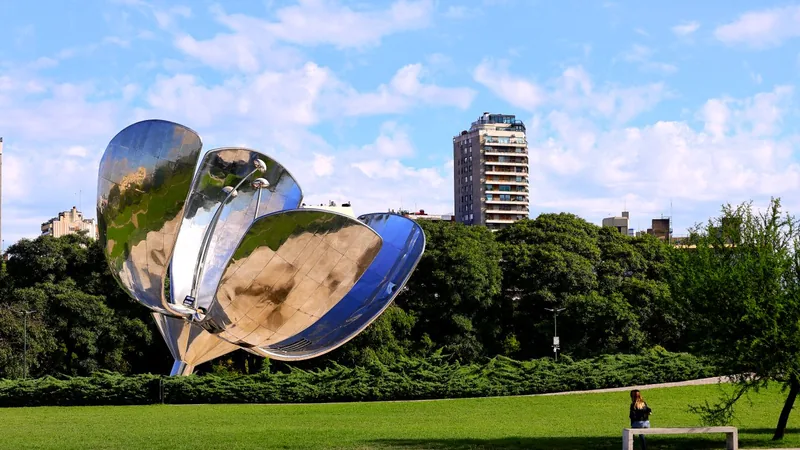
Buenos Aires is a city of tango, cafes and grand avenues. Palermo is trendy, Recoleta is one of the finest and most expensive areas, and San Telmo is best on Sundays for its street fair.
Near: Recoleta Cemetery with its ornate family tombs. La Boca's Caminito, a colorful pedestrian street. Teatro Colón. Tango shows at venues like Confitería Ideal, and late night milongas.
Getting around: Ezeiza is about 40 km out, and Aeroparque is central. In the city, the subte runs roughly 5 a.m. to 10 p.m., and SUBE is the reloadable transit card.
Heads up: San Telmo, La Boca and Retiro see higher crime, so use radio taxis for La Boca and taxis with working meters. Do not walk to La Boca.
Iguazú Falls span about 2.7 km with about 275 drops. The Argentine park was listed by UNESCO in 1984, and the Devil's Throat, a chasm 80 to 90 m wide, takes about half the river's flow.
Near: Iguazú National Park, with the Devil's Throat, and the Brazilian side across the border for the wide panorama.
Getting around: A public bus runs from the airport to the bus terminal in about 30 minutes, and buses to the falls entrance leave every 20 minutes. Frequent buses run to Foz do Iguaçu in Brazil.
Heads up: Some taxi drivers try to overcharge, and some buses go to Ciudad del Este instead of the falls. Park tickets and prices are listed on the national parks site.
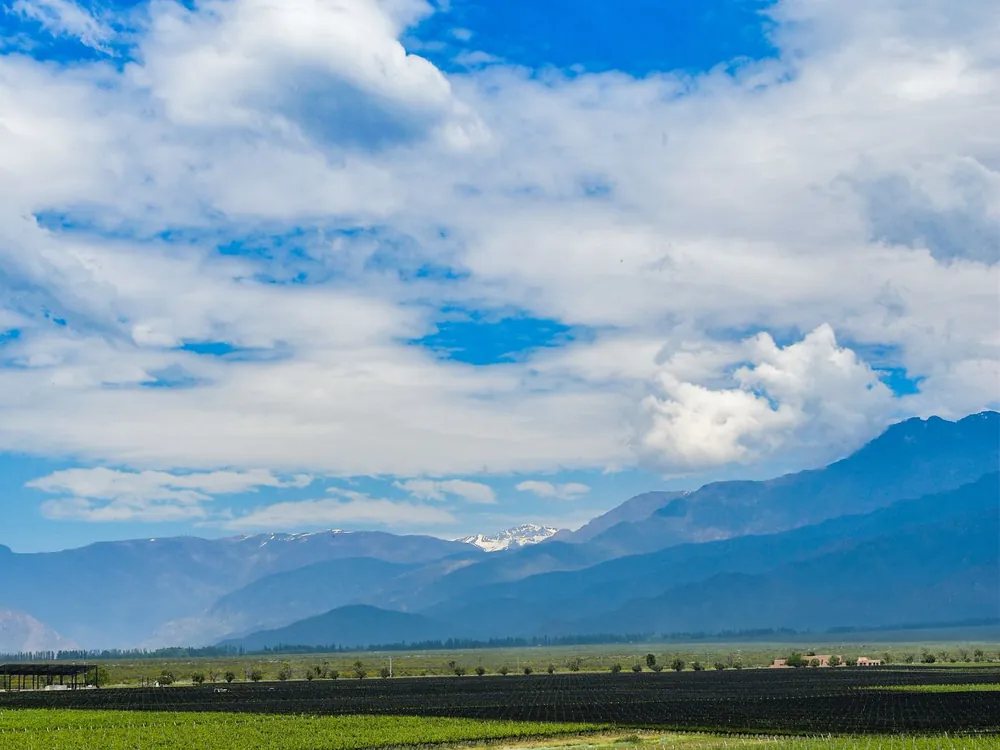
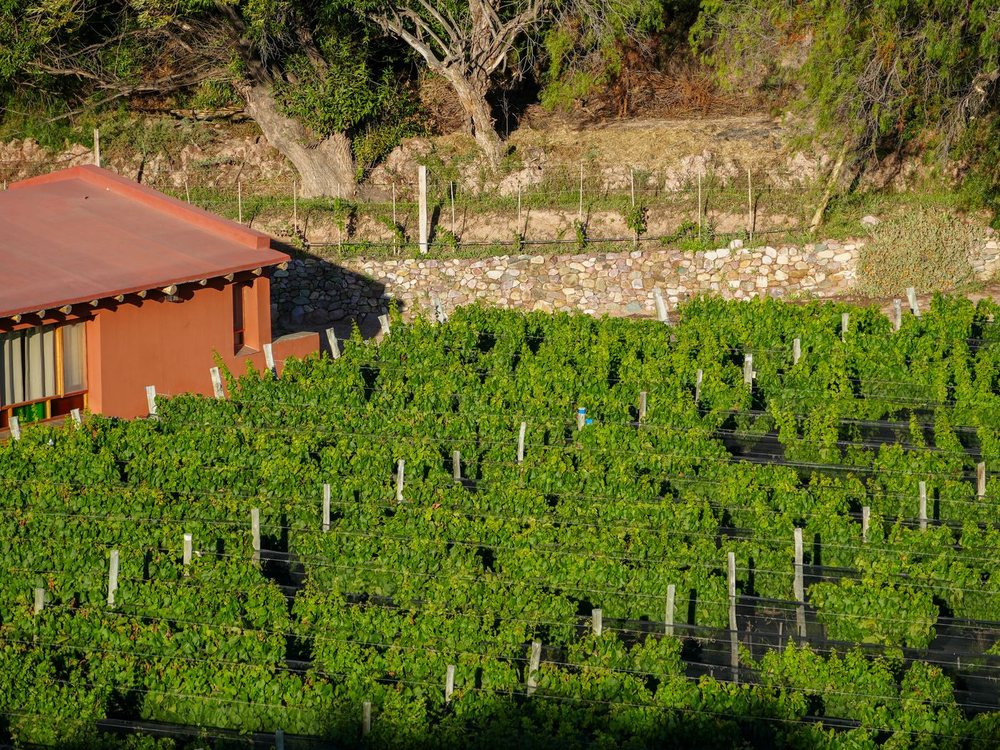
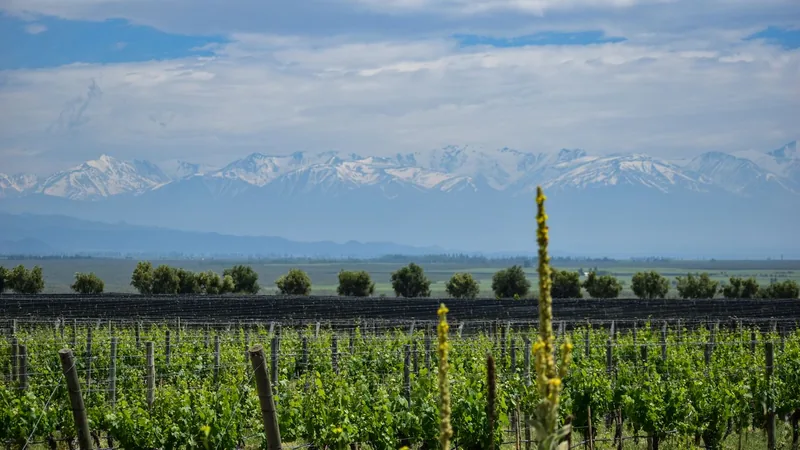
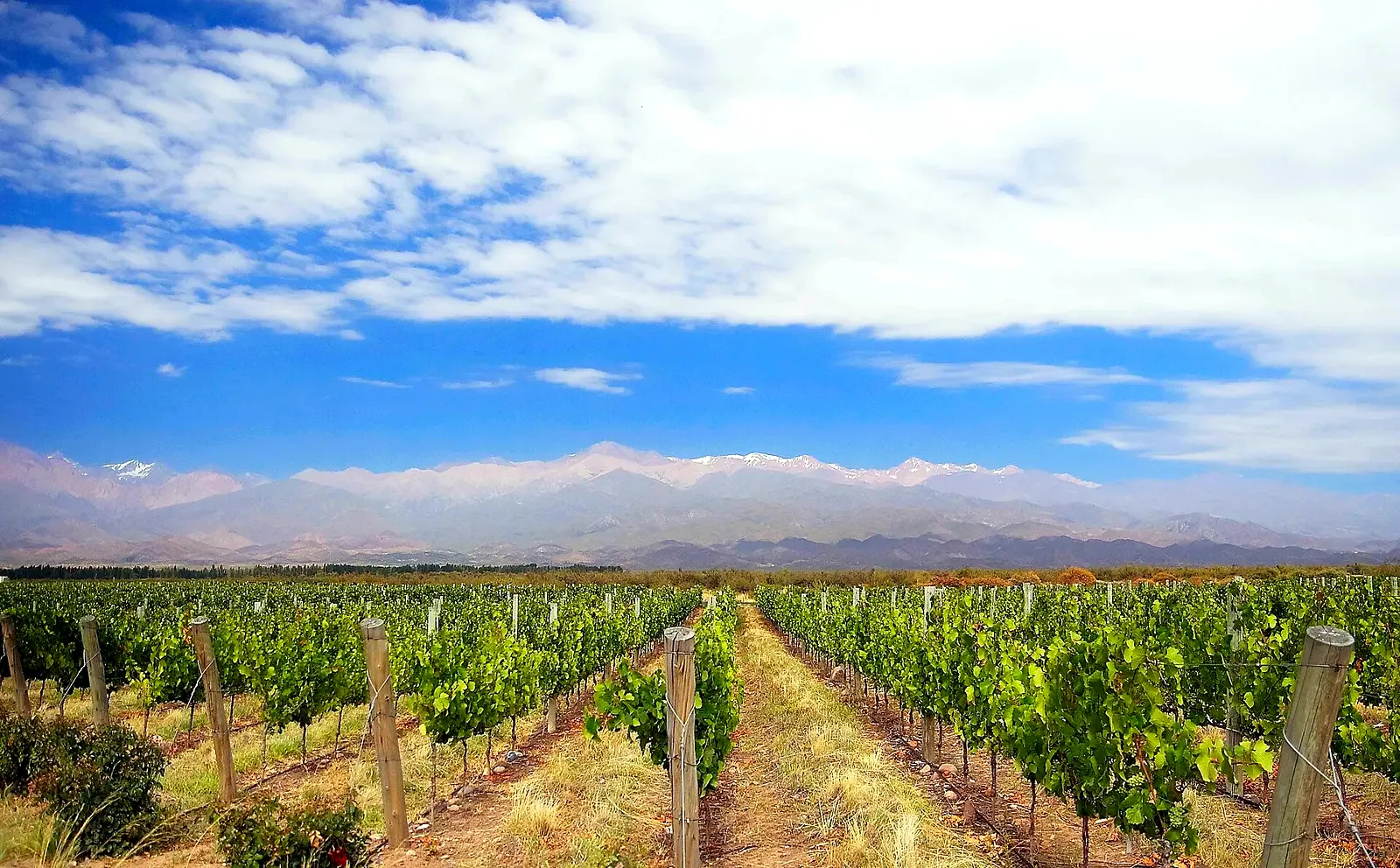
Mendoza sits below the Andes and is known for Malbec. Maipú and Luján de Cuyo are the sources of the most famous Malbecs, with Maipú the main biking and tasting area.
Near: Maipú wineries, reached by tram-train, and Aconcagua, the highest mountain outside Asia at about 6,967 m, about 112 km northwest of the city.
Getting around: Buses link Mendoza with Santiago in 7 hours (8 to 9 with the border crossing) and Buenos Aires in 13 to 17 hours. The airport has flights to Buenos Aires and Santiago.
Heads up: Mendocinos eat late, with kitchens opening around 9 p.m. The pass to Chile can close after the first heavy snowfall, and border waits can reach 8 hours in high season. Watch your bags at the Mendoza bus station.
El Calafate is the base for Perito Moreno Glacier in Los Glaciares National Park. The glacier covers about 250 square km, with an ice front about 5 km wide that rises about 74 m above Lake Argentino.
Near: Perito Moreno Glacier, 80 km from town, with walkways, boat trips and ice trekking. El Chaltén, with its hiking, is reachable by bus.
Getting around: Three bus companies run about 90 minutes each way to the glacier, and a bus from the airport serves any town hotel. Taxis cost less than the bus with three or more people.
Heads up: Foreigners paid AR$45,000 to enter (as of February 2026) and about AR$64,000 for the boat trip, so check current prices. Strong Patagonian winds make it feel colder.
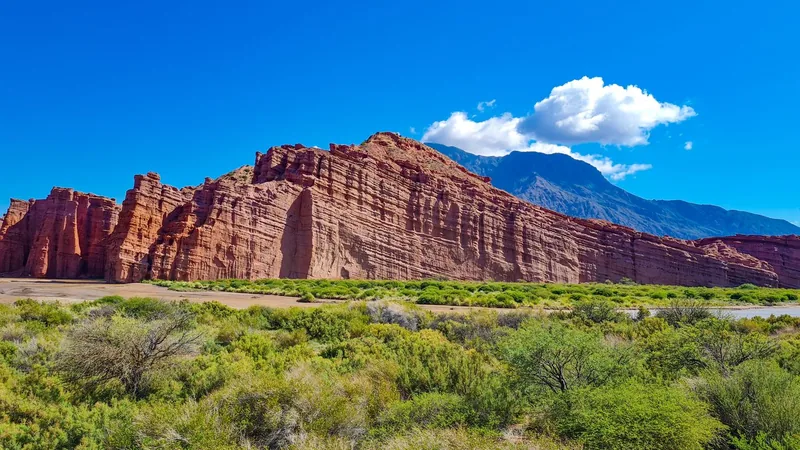
Salta is a colonial city in the Andean northwest, with a historic town hall from 1783 on Plaza 9 de Julio. Cafayate wines, empanadas and a train into the mountains are the draws.
Near: Cabildo Histórico and the San Francisco church (1796). Cafayate, about 4 hours by bus. The Tren a las Nubes, which runs April to November on Wednesdays and Saturdays.
Getting around: The airport is 5 km south of downtown, with bus 8A (a SAETA card is required), metered taxis, and Uber and Didi.
Heads up: Avoid unlicensed combis from Jujuy, which are not legal transportation.
Mate is a social ritual, an infusion sipped through a metal or cane straw from a gourd and central to gatherings.
Eating late
Mendoza kitchens open around 9 p.m. on weekdays and start around 11 p.m. on Friday and Saturday. Night milongas start around 11 p.m. and fill up around 1:30 a.m.
Languages and slang
Spanish is the official language. Italians are the largest ancestry group at about 60 percent, and tango and che slang are part of the culture.
Where and what to eat
Come hungry.
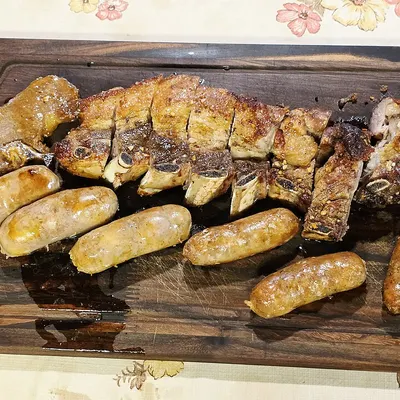
AsadoArgentina's grilled barbecue, a staple of the national diet. Try it at a parrilla with local Malbec.
EmpanadasSmall savory pastries filled with meat, cheese or sweet corn, sealed with a decorative edge. They are a highlight of Salta.
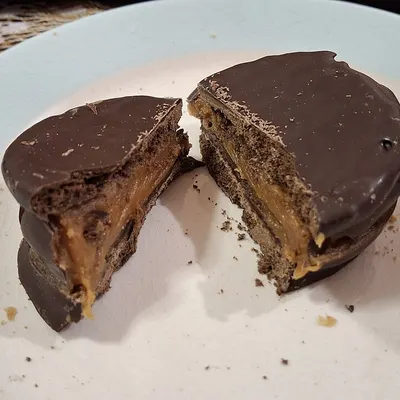
Alfajores and dulce de lecheShortbread cookies sandwiched with dulce de leche or fruit paste, often covered in chocolate.
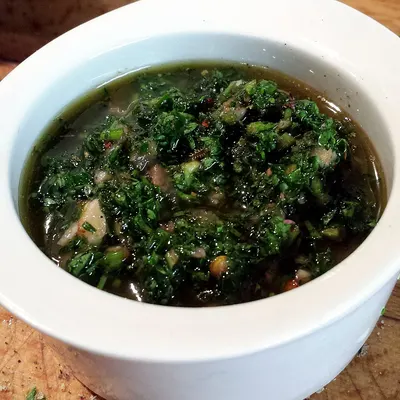
ChimichurriA sauce of herbs, garlic and vinegar served with asado.
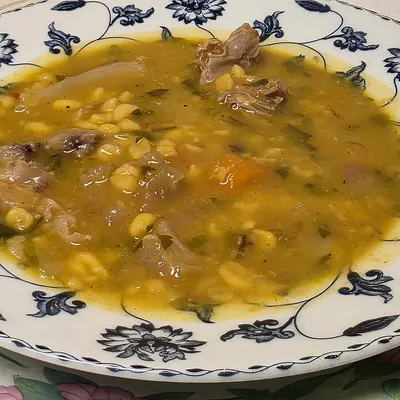
LocroA hearty stew typical of northwestern Argentina, tied to Andean food traditions.
MateAn infusion of yerba mate leaves, sipped through a metal or cane straw from a gourd and central to social gatherings.
Say it like a local
12 everyday phrases in Spanish, with how to say them.
HelloHolaOH lah
PleasePor favorpohr fah BOHR
Thank youGraciasGRAH syahs
Excuse meDisculpedees KOOL peh
YesSísee
NoNonoh
Show all 12 phrasesShow fewer phrases
The check, pleaseLa cuenta, por favorlah KWEHN tah, pohr fah BOHR
GoodbyeAdiós / Hasta luegoah DYOHS / AHS tah LWEH goh
SorryLo sientoLOH SYEHN toh
How much is it?¿Cuánto cuesta?KWAHN toh KWEHS tah
Where is the bathroom?¿Dónde está el baño?DOHN deh ehs TAH ehl BAH nyoh
Do you speak English?¿Hablas inglés?AH blahs een GLEHS
These are standard Spanish phrases; local usage in Argentina may differ in places.
Find your flight
Search flights to Argentina and compare prices before you book.
US passport No visa for trips up to 90 days, just bring an undamaged passport that lasts your whole stay. Check the official page before you book. Official page. Checked 13 Nov 2026.
US citizens need a valid passport and do not need a visa for visits of up to 90 days for tourism or business. Passports that are expired or damaged may be refused. Visa exempt travelers should give the address of their first night's stay. Check the official page before booking. Not a US passport? Check your country's rules: Argentina's foreign ministry (embassy in Washington): visas.
Money and paying by card
The currency is the Argentine peso. The Central Bank allows card issuers to apply a more favorable exchange rate for tourists using foreign cards, which does not apply to ATM withdrawals, so ask your card issuer. Exchange money only at banks, hotels and exchange offices with real storefronts, and show your passport.
Safety basics
Petty crime is common in tourist areas and across Buenos Aires, with San Telmo, La Boca, Retiro and Florida Street seeing higher crime. Stay on the main streets in La Boca, use radio taxis, and watch bags at the Retiro bus station and the Mendoza bus station. Demonstrations are frequent in Buenos Aires and can block streets.
Health
Yellow fever vaccination is recommended for travelers to Corrientes and Misiones provinces, though Argentina does not require it for entry. Use repellent against dengue, especially from December to March, and avoid swimming in fresh unchlorinated water. Carry insurance that covers medical evacuation.
When to go
Climate in short: Buenos Aires has four seasons, with damp winters and hot, humid summers that bring heavy afternoon storms. Patagonia has strong, persistent winds, so pack layers, and Cuyo deserts can reach 45°C in summer.
Mendoza wine season: March and April are good for the wineries during the harvest, with the Harvest Festival running for about two weeks from late February to early March. January is very hot at about 40°C (104°F).
Patagonia and the glacier: El Calafate summers are mild and windy, and temperatures can drop below freezing even in midsummer. Snow falls from May to September. The Perito Moreno ice front advances from June to December and recedes from December to April.
Iguazú weather: Puerto Iguazú is wettest in October and May, driest in August, and hottest in January at about 21 to 32°C (70 to 90°F).
Plugs and power
Plug CPlug I
Power is 220 V, 50 Hz. Bring an adapter if your plugs are from the US or the UK. Plugs from the EU usually fit. US gear that only runs on 110 to 120 V, like some hair tools, needs a converter here. Check your chargers and devices say 100 to 240 V before you plug in.
Getting around
Long distance buses are the main option between cities, at roughly US$4 to 5 per hour of travel, with tickets bought days ahead from Retiro terminal in Buenos Aires. Domestic flights run on Aerolíneas Argentinas and JetSMART. The SUBE card works on the Buenos Aires subte and some buses. Uber, DiDi and Cabify work as ride apps in Argentina, and Uber works from Ezeiza airport. Use radio taxis to and from La Boca.
Ezeiza (EZE) is the international airport, about 40 km southwest of central Buenos Aires. Allow about an hour by car, more on Fridays or when it rains. A prepaid taxi cost AR$50,000 as of 2026, and Uber also works from Ezeiza. Aeroparque (AEP) is central, about 20 minutes from downtown.
EZE Buenos Aires Ezeiza International Airport: about 40 km (25 mi) to central Buenos Aires, 45 to 60 minutes.
AEP Aeroparque Jorge Newbery: 20 minutes.
Book a pickup or rent a car
Book a pickup
Book a driver who meets you at arrivals at Buenos Aires Ezeiza International Airport, at a fixed price agreed before you land.
The questions people ask most, answered from this page.
Do US citizens need a visa for Argentina?
US citizens need a valid passport and do not need a visa for visits of up to 90 days for tourism or business. Passports that are expired or damaged may be refused. Visa exempt travelers should give the address of their first night's stay. Check the official page before booking.
How do I get from the airport to the city in Argentina?
Ezeiza (EZE) is the international airport, about 40 km southwest of central Buenos Aires. Allow about an hour by car, more on Fridays or when it rains. A prepaid taxi cost AR$50,000 as of 2026, and Uber also works from Ezeiza. Aeroparque (AEP) is central, about 20 minutes from downtown.
How do I get around Argentina?
Long distance buses are the main option between cities, at roughly US$4 to 5 per hour of travel, with tickets bought days ahead from Retiro terminal in Buenos Aires. Domestic flights run on Aerolíneas Argentinas and JetSMART. The SUBE card works on the Buenos Aires subte and some buses.
What currency does Argentina use, and do cards work?
The currency is the Argentine peso. The Central Bank allows card issuers to apply a more favorable exchange rate for tourists using foreign cards, which does not apply to ATM withdrawals, so ask your card issuer. Exchange money only at banks, hotels and exchange offices with real storefronts, and show your passport.
Photo credits
Snow streaked south face of Aconcagua rising above a dry Andean valley in Argentina: Mariordo Mario Roberto Duran Ortiz, CC BY 3.0, via Wikimedia Commons. Asado: Horacio Cambeiro, CC BY-SA 3.0, via Wikimedia Commons. Empanadas: Horacio Cambeiro, CC BY-SA 3.0, via Wikimedia Commons. Alfajores and dulce de leche: Just a Man, CC BY 4.0, via Wikimedia Commons. Chimichurri: Dominic Lockyer, CC BY 2.0, via Wikimedia Commons. Locro: Horacio Cambeiro, CC BY-SA 3.0, via Wikimedia Commons. Mate: Siarhei Besarab, CC BY-SA 4.0, via Wikimedia Commons.
Checked 12 Nov 2026: entry links, plugs, airport times, ride apps and the facts on this page. Prices and rules show their own As of date.
Researched for you from official and trusted sources.
Affiliate links: some links on this page (flights, tours, city passes, stays, transfers, rental cars, luggage storage, eSIMs and flight compensation) are affiliate links. If you book through them, I earn a small commission at no extra cost to you.
Photos
Real photos from Wikimedia Commons, used under the license shown, by the photographers credited below. The table of dishes in the food section is an illustration made for this page, not a photo of a real meal.
The jagged blue white ice front of Perito Moreno Glacier meeting a pale green lake with snowy mountains behind. Photo: Luca Galuzzi (Lucag), CC BY-SA 2.5, via Wikimedia Commons.
Brown river water pouring over wide falls at Iguazú with thick green forest above. Photo: Falk2, CC BY-SA 4.0, via Wikimedia Commons.
Rows of green vines in a Mendoza vineyard with the snow dusted Andes under a blue sky. Photo: David, CC BY 2.0, via Wikimedia Commons.
Houses painted green, yellow, orange and blue on Caminito in La Boca, with a blue street lamp in front. Photo: Luis Argerich, CC BY 2.0, via Wikimedia Commons.
Sources
Researched for you from official and trusted sources. Rules, prices and times change, so check the official page before you book.
I researched this page for you, so you can plan well. The places I have filmed have their own trip planners.
Filming your own trips? My free guide to AI editing shows how my automated AI editor turns a folder of my clips into a finished reel. Send me the free guide.
 Luisa's Atlas

 Brown river water pouring over wide falls at Iguazú with thick green forest above. Photo: Falk2, CC BY-SA 4.0, via Wikimedia Commons.
 Rows of green vines in a Mendoza vineyard with the snow dusted Andes under a blue sky. Photo: David, CC BY 2.0, via Wikimedia Commons.
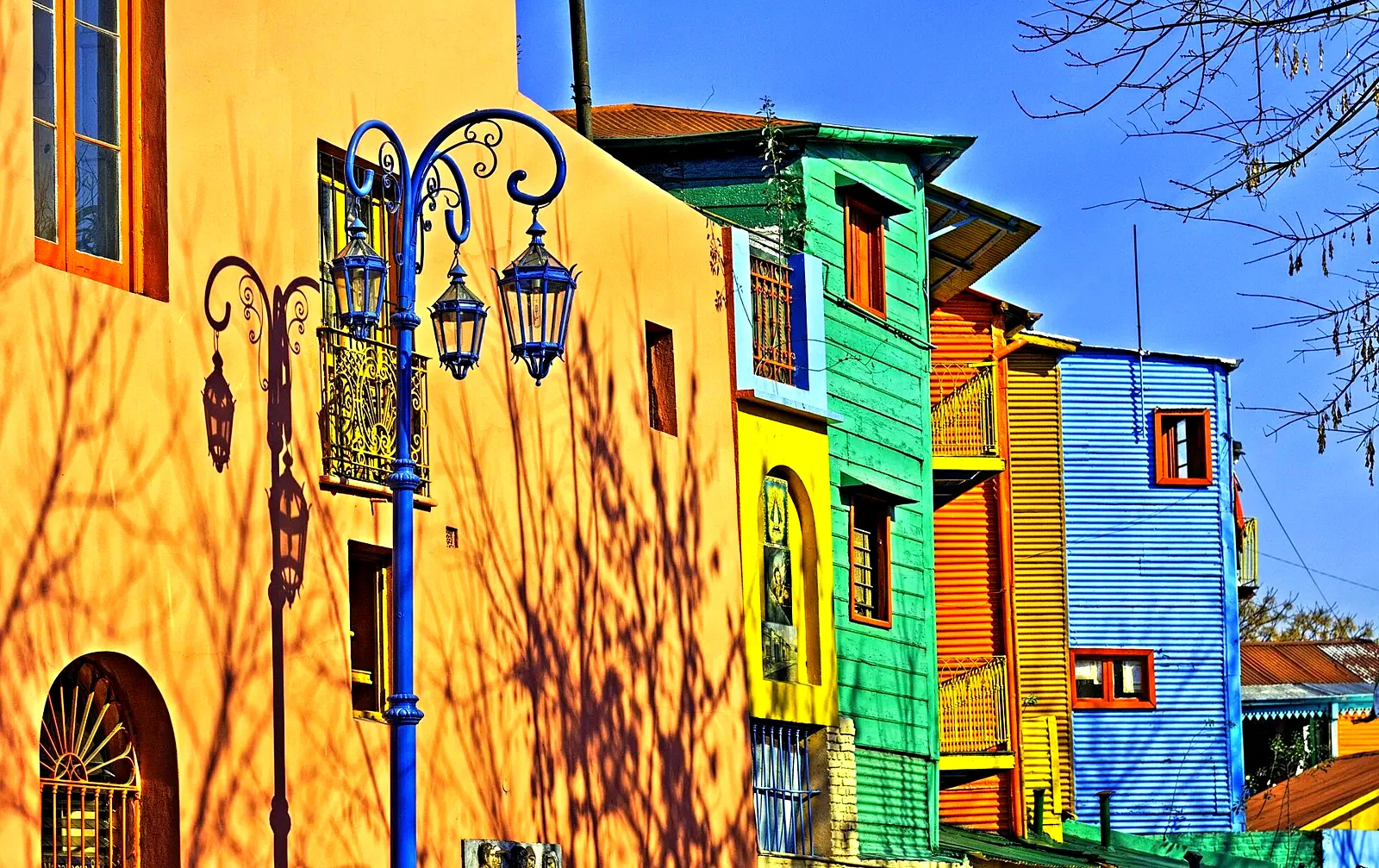 Houses painted green, yellow, orange and blue on Caminito in La Boca, with a blue street lamp in front. Photo: Luis Argerich, CC BY 2.0, via Wikimedia Commons.