Six places to start in Uruguay: Montevideo, Colonia del Sacramento, Punta del Este, Cabo Polonio, Piriápolis and Salto. Entry rules, the airport and the Buenos Aires ferries, getting around, what to book early, what to eat and how to stay safe.
Everything for Uruguay on one page: what to know before you leave, the tours worth booking ahead, the ride apps, an eSIM and where to stay and eat, so you land with a plan, not 37 open tabs.
Some links earn me a small commission at no extra cost to you.
My free appLanding with no signal? Take this whole planner offline in my free iPhone app.Download on the App Store
Where in the worldUruguay
Why Uruguay is amazing
1
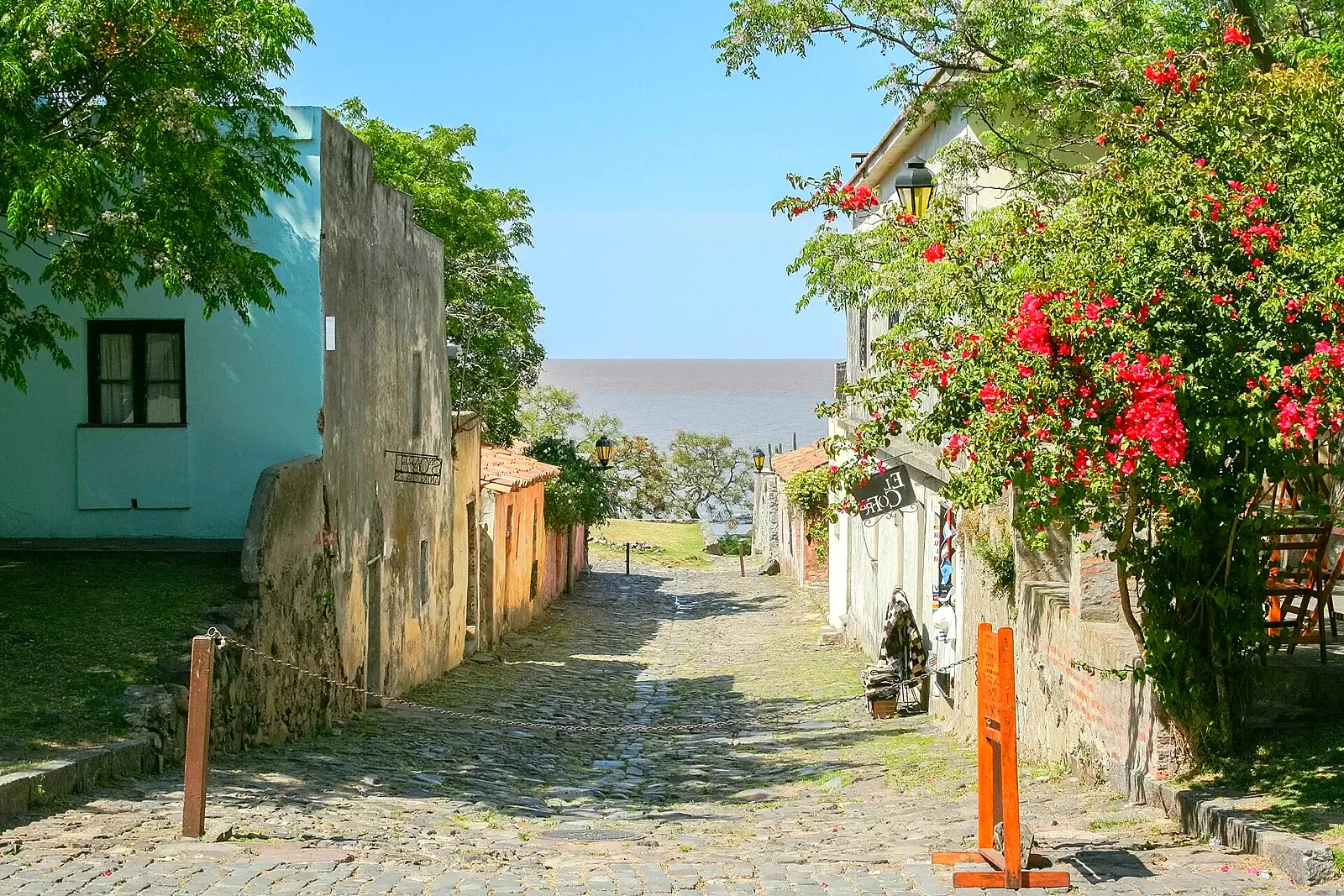
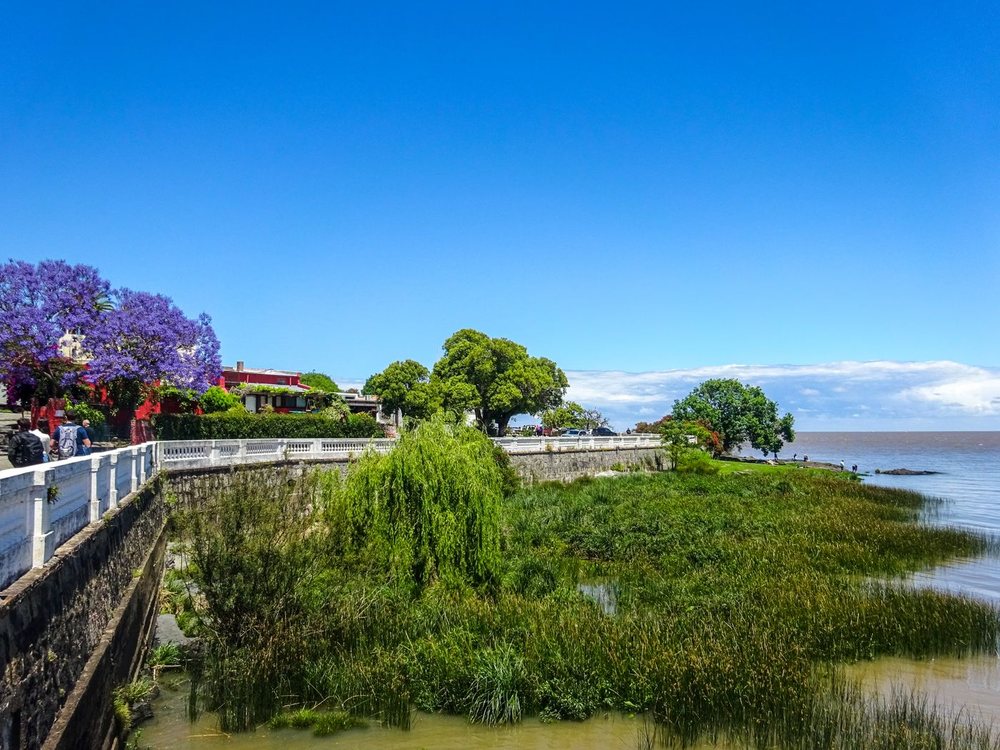
Cobblestone lanes by the river
In Colonia del Sacramento, bougainvillea spills over low houses on the Calle de los Suspiros. The old town has been a UNESCO World Heritage Site since 1995.
2
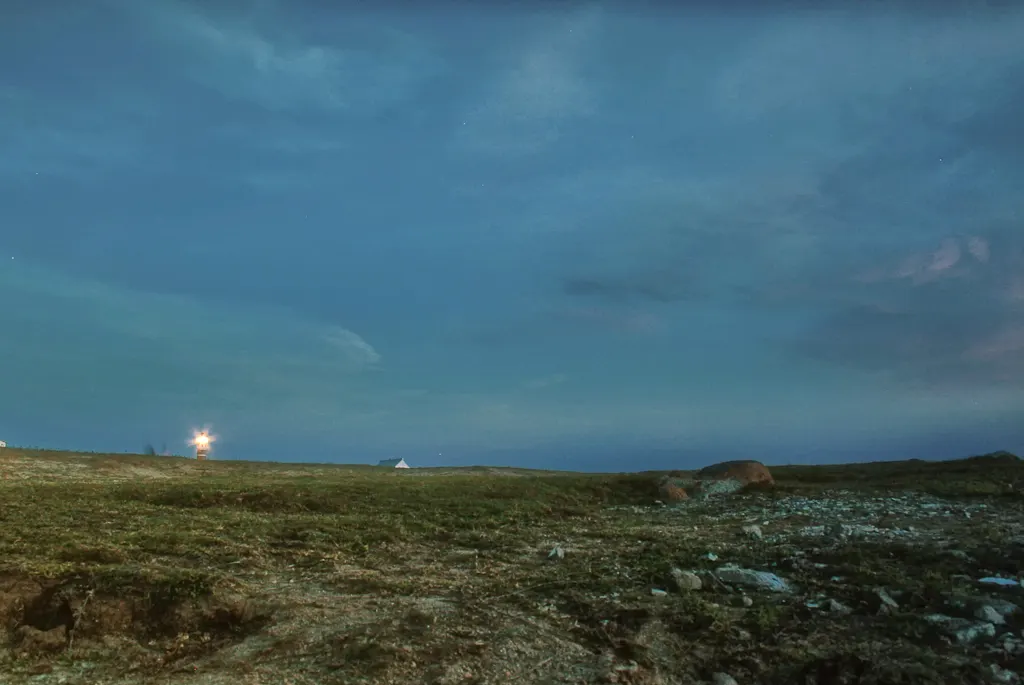
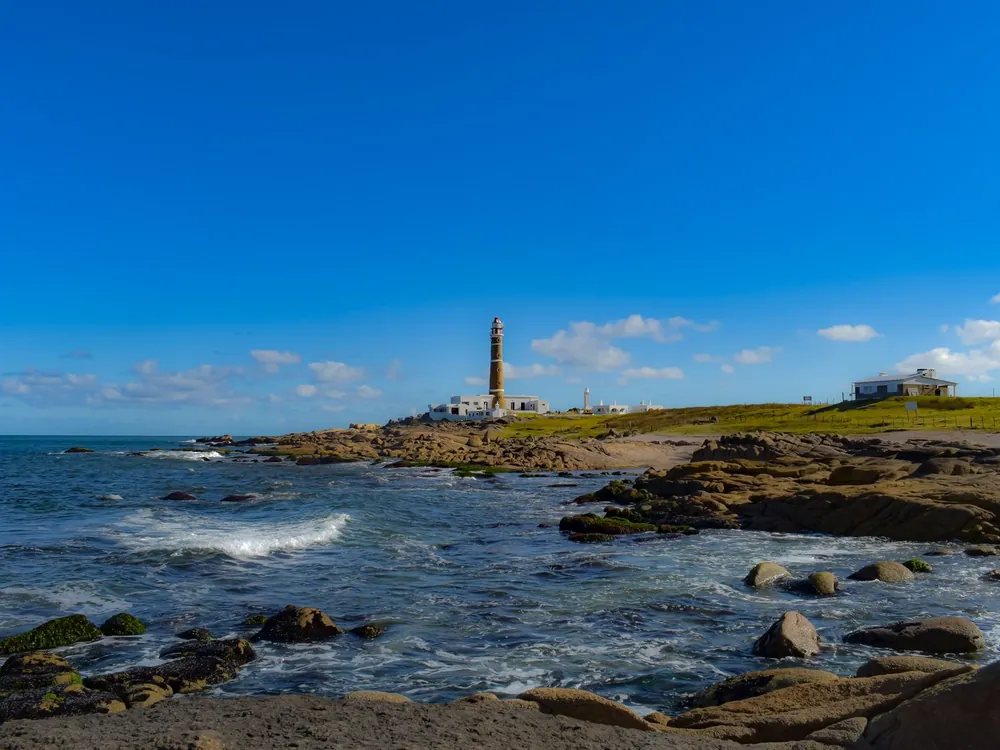
Dunes and a lighthouse
Cabo Polonio is a wild stretch of dunes, rocky points and a candy striped lighthouse. Fur seals rest on the rocks, and trucks cross the sand to reach the village.
3
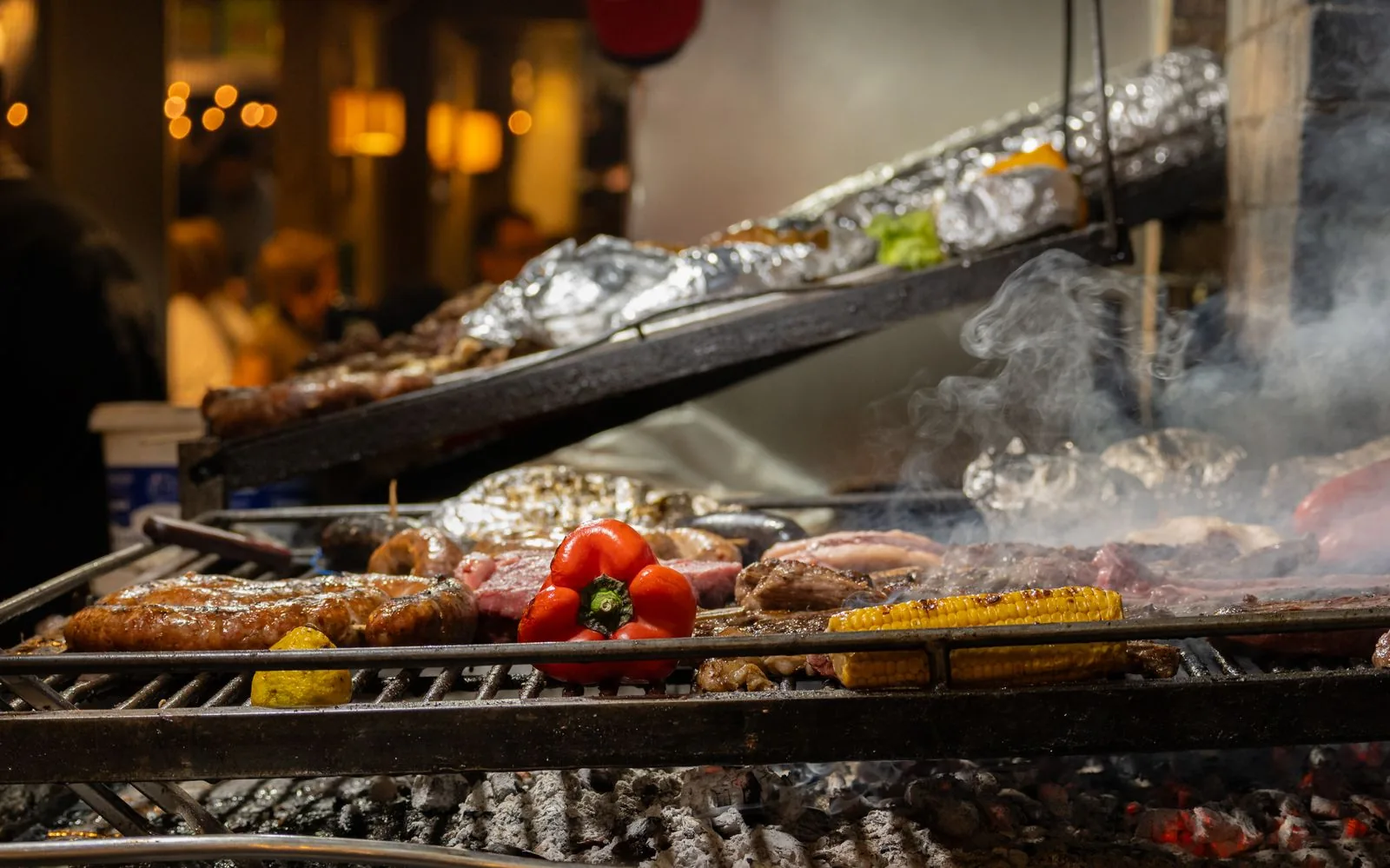
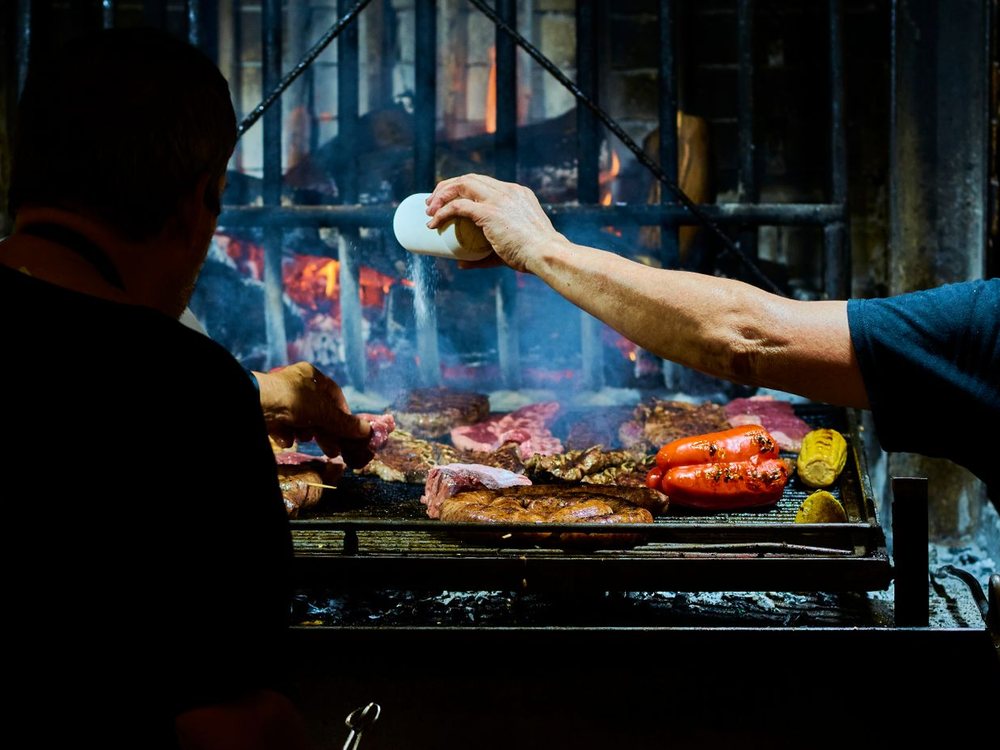
Steak, Tannat and dulce de leche
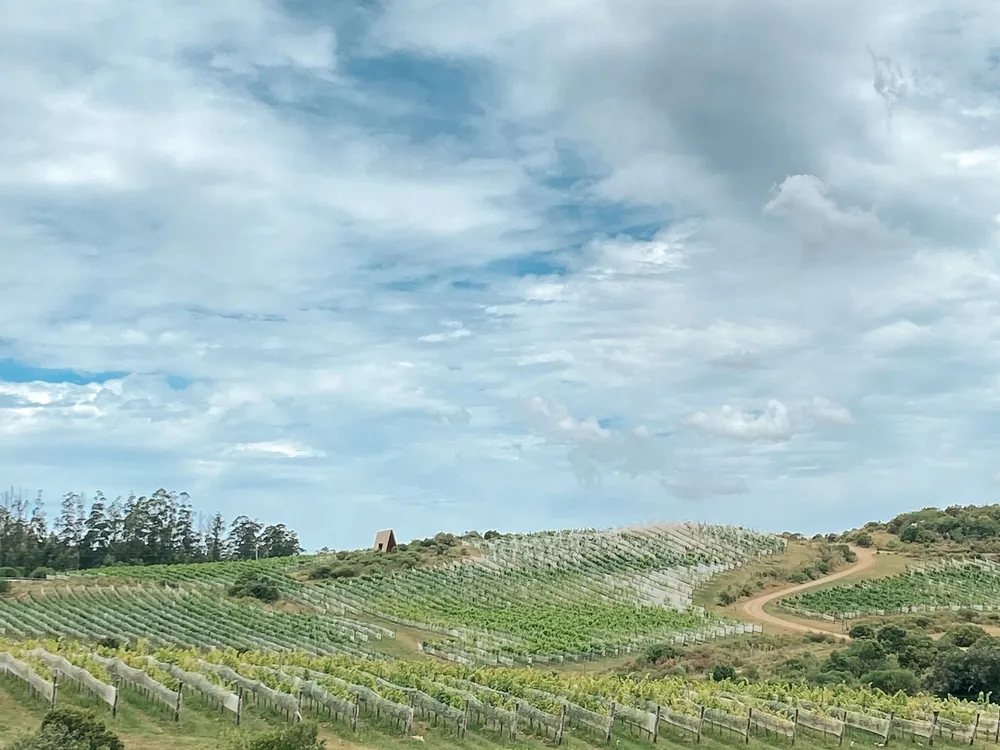
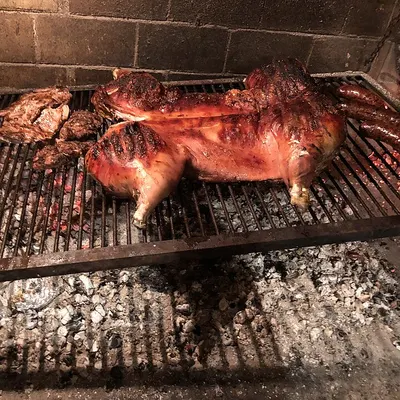
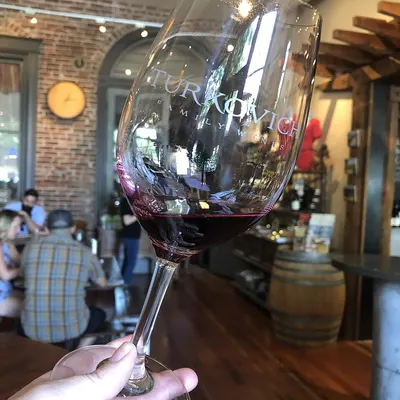
Uruguayan parrilla is world famous, and a glass of Tannat makes it better. Finish with dulce de leche in an alfajor or a dessert.
4
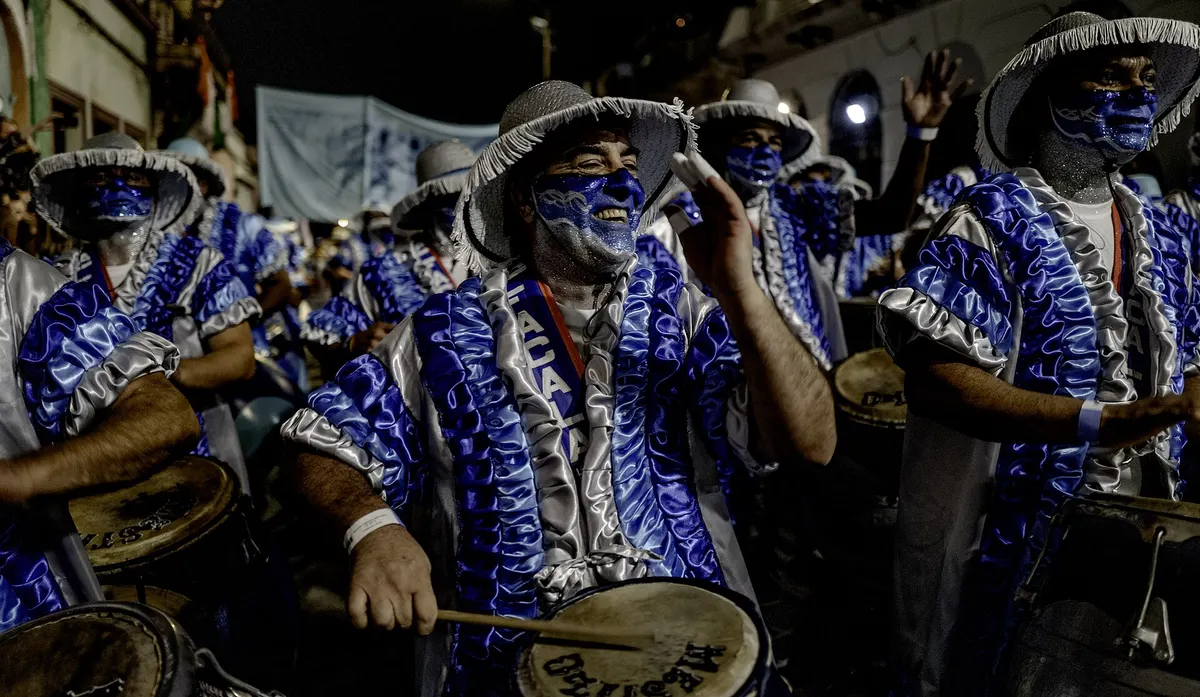
The longest carnival
From late January to mid March, drums, satirical murga choirs and costumes fill Montevideo's neighborhoods. Candombe rhythm is on UNESCO's list.
5
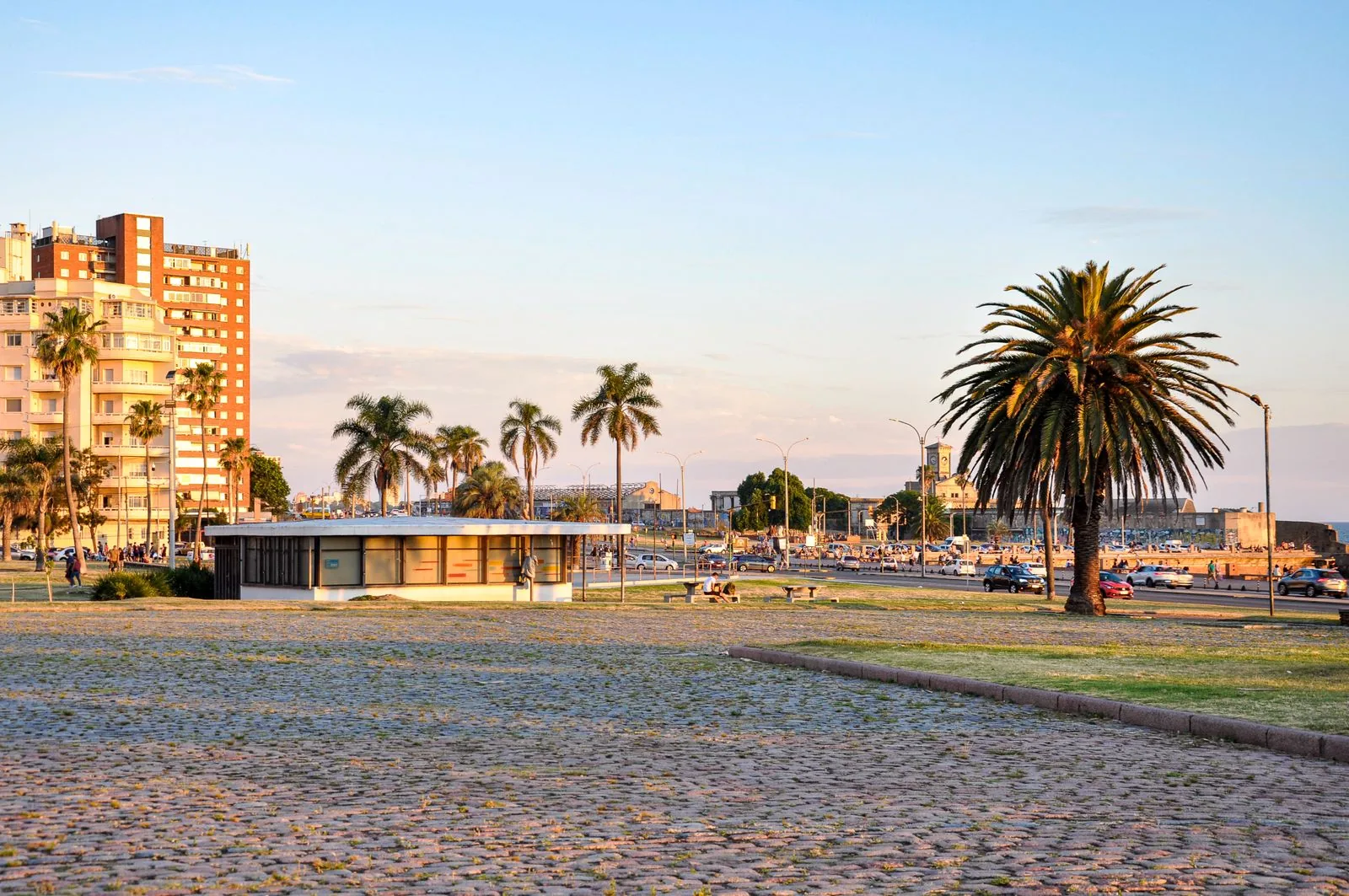
Walks along the Rambla
Montevideo's Rambla wraps about 30 kilometers of coastline. Locals walk, cycle and sip mate by the water, and the city has beaches within the city limits.
Worth booking ahead
The good ones sell out while you are still deciding. Book these before you fly, and keep your days for wandering.
Five short notes from me: the 3 things I sort out ahead of every flight, the tiny details nobody tells you, and your vote on where I go next 🌍
A bit of history
Montevideo's founding
Governor Bruno Mauricio de Zabala founded Montevideo between 1724 and 1730, with the first settlers coming from Buenos Aires and the Canary Islands.
Colonia, a contested port
Portugal founded Colonia del Sacramento in 1680, and it passed between Portuguese and Spanish rule several times. UNESCO listed its historic quarter in 1995.
The first World Cup
The Estadio Centenario in Montevideo is called the temple where World Cup history was born. It holds up to 80,000 spectators and offers guided tours.
Dieste's brick church
The church of Atlántida, built from 1958 to 1960 by engineer Eladio Dieste, joined the UNESCO World Heritage List in 2021.
Where to stay
The areas worth basing yourself in, each with its own stay search, and every hotel on one map.
Tip: finish booking on the website, not in the hotel's app, so it counts as booked through me.
Uruguay works best with a few bases. These are the places this planner suggests, with how to reach each one and one honest heads up. Everything here is researched for you from official and tourism board sources.
Capital
Montevideo
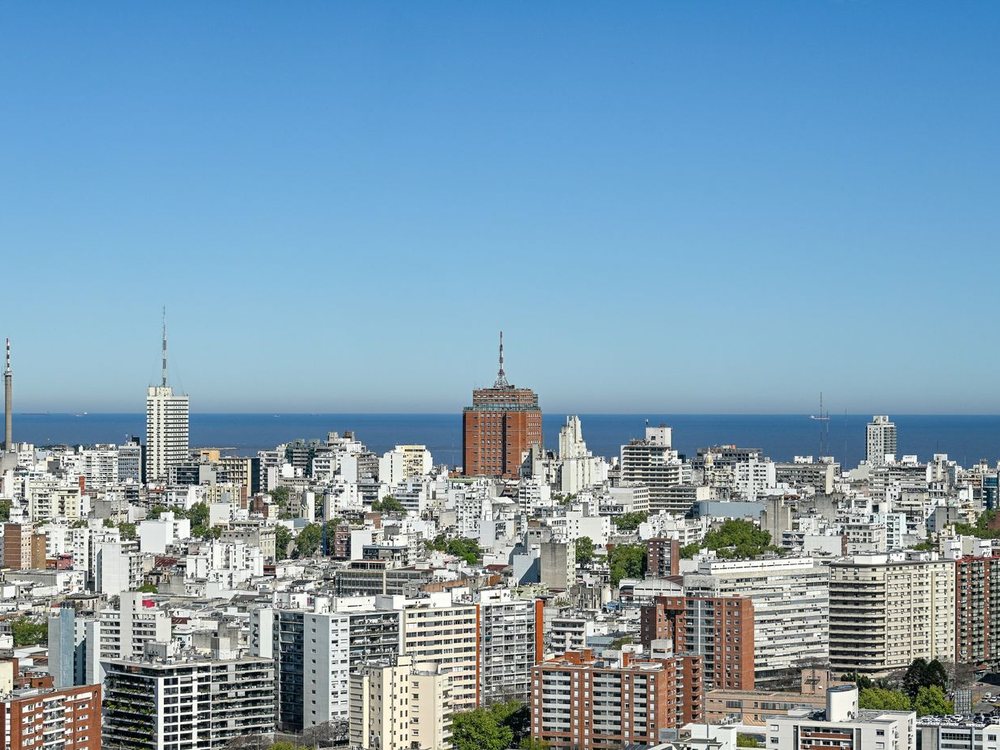
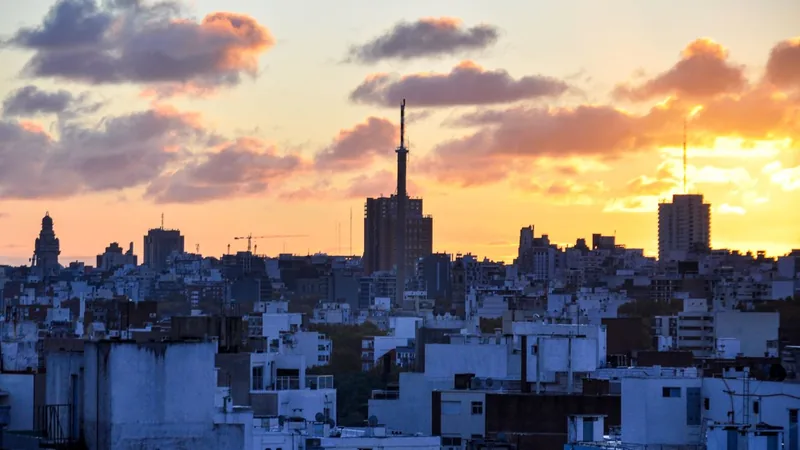
Montevideo is a seaside capital that mixes old buildings and modern architecture, from the Cabildo and Iglesia Matriz to Art Deco towers. Its Rambla runs along about 30 kilometers of coastline, and locals walk it with a mate in hand. The city is also a UNESCO Creative City of Literature.
Near: Plaza Matriz and the Old City, the Rambla, Pocitos beach, Estadio Centenario and the Mercado del Puerto.
Getting around: Carrasco airport is about 18 km away, with taxis, buses and shuttles at arrivals.
Heads up: Street theft is common in tourist areas, so keep valuables out of sight and take care at night.
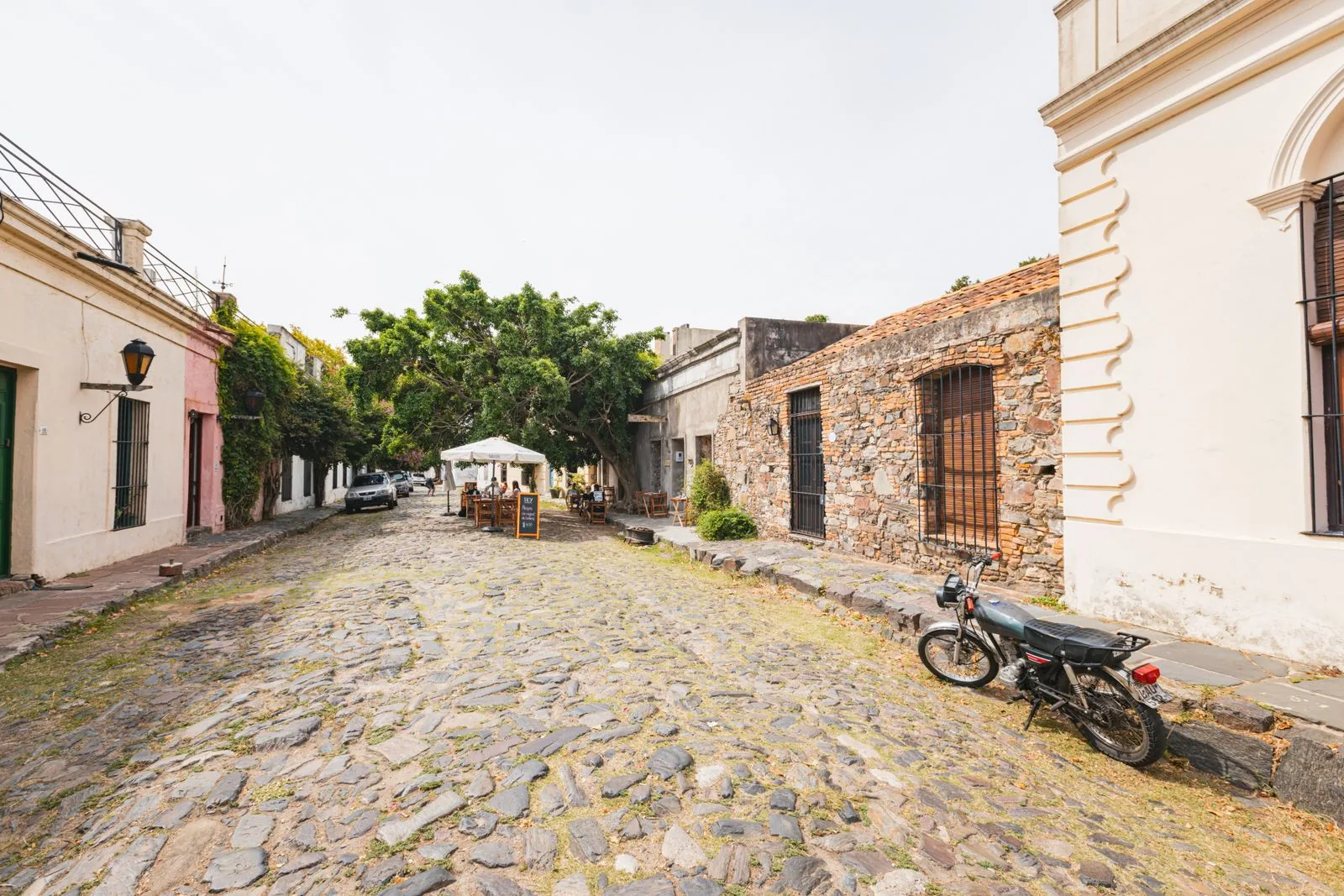
Colonia was founded by the Portuguese in 1680, and its historic quarter has been a UNESCO World Heritage Site since 1995. Cobblestone lanes, the Calle de los Suspiros and views of the River Plate blend Portuguese and Spanish styles.
Near: The historic quarter, Calle de los Suspiros, museums and the wine country around Carmelo.
Getting around: About one hour by ferry from Buenos Aires, and about two hours by road from Montevideo.
Heads up: It is busy with day trippers from Buenos Aires, so arrive early or stay overnight.
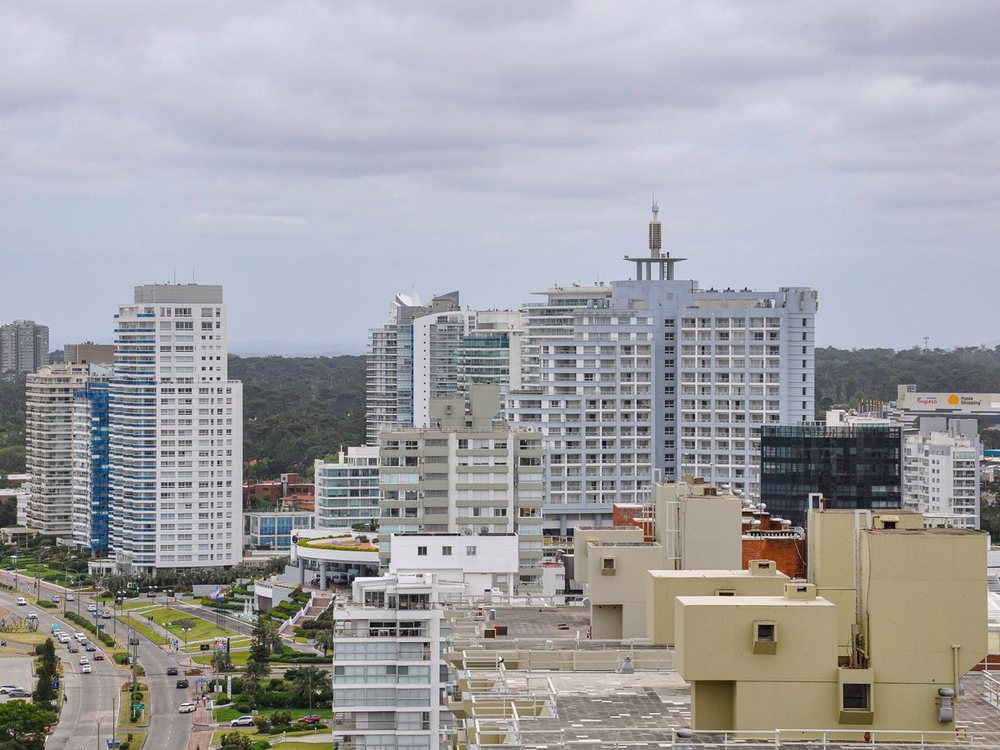
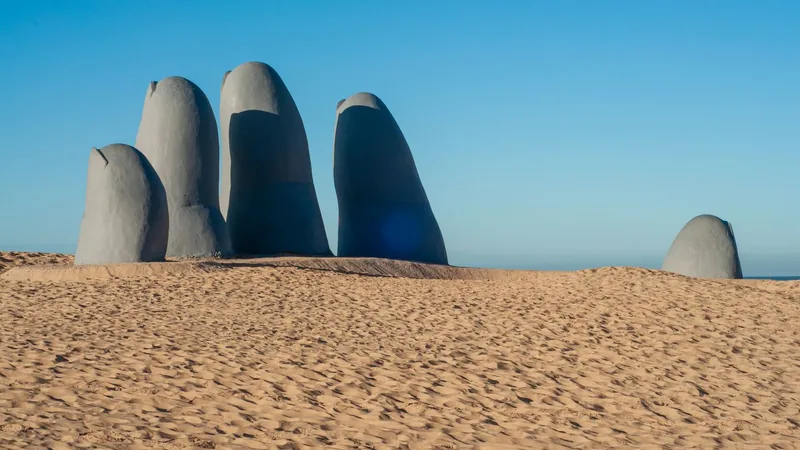
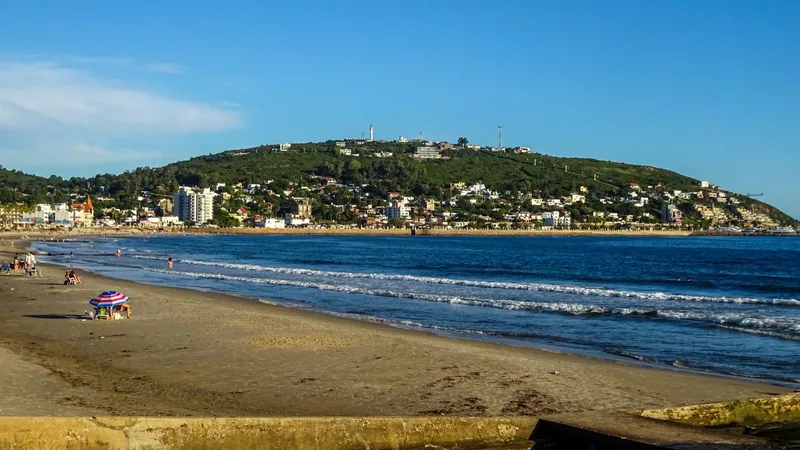
Punta del Este is the most glamorous seaside resort in the region, with yachts, restaurants and nightlife. Calm Playa Mansa and surf-friendly Playa Brava meet where the River Plate ends and the Atlantic begins, and the La Mano sculpture rises from the sand.
Near: Playa Mansa, Playa Brava, La Mano, Punta Ballena and José Ignacio.
Getting around: About an hour and a half from Montevideo by bus or car, or fly into Laguna del Sauce airport.
Heads up: Prices and crowds peak from late November to February, so book early.
Cabo Polonio National Park protects dunes more than 20 meters high, rocky points and a lighthouse. It holds the only continental colony of fur seals in the country, and about 70 people live in the village year round.
Near: The lighthouse, the fur seal colony, the dunes and quiet beaches.
Getting around: Take a bus to the Puerta del Polonio terminal, then an all terrain truck for about 7 km, or walk or ride a horse.
Heads up: The village has limited services, so book a room ahead and bring cash and a warm layer.
Piriápolis was founded in 1893 as Uruguay's first seaside city, designed by Francisco Piria. It has a long promenade, hills, chairlifts, the Argentino Hotel and Piria Castle, and 25 kilometers of white sand beaches.
Near: The promenade, Piria Castle, chairlifts and hiking circuits.
Getting around: On the coastal route between Montevideo and Punta del Este, with regular buses.
Heads up: It is a family beach town, so expect quiet evenings outside of summer.
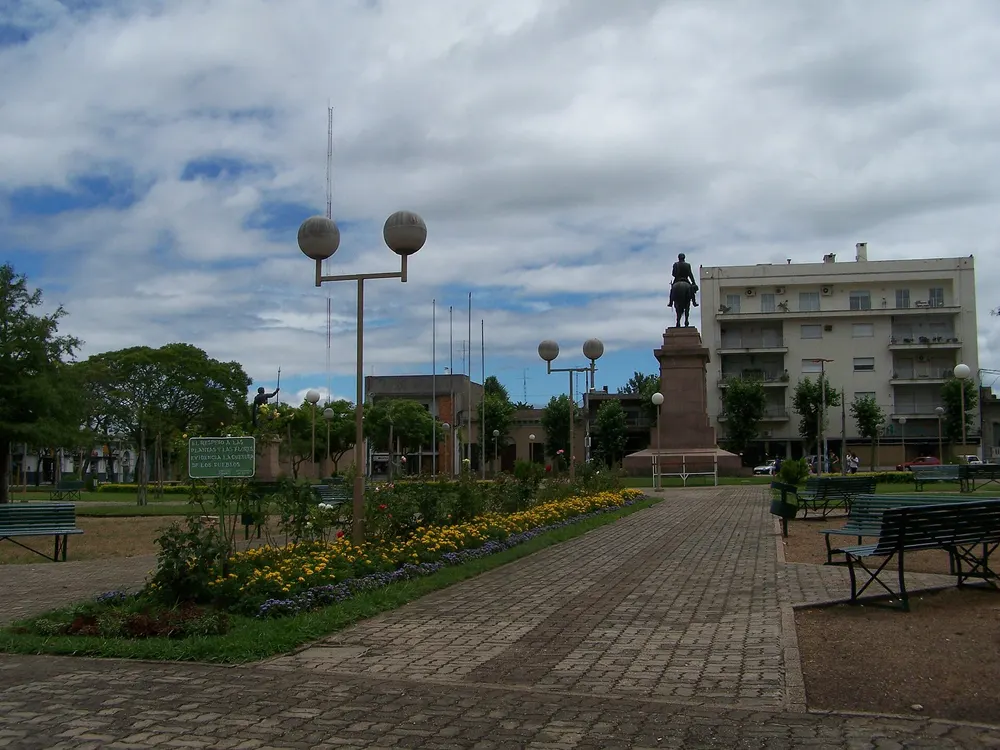
Salto, on the Uruguay River in the north, has three large thermal complexes and two water parks. The city has many national monuments, including the port area, the Larrañaga Theater and the July 18 market, and is known for oranges.
Near: Thermal complexes, the port area and the museums.
Getting around: Long distance buses run from Montevideo, and Salto sits on the border with Argentina.
Heads up: The northwest is warmer and wetter than the south, so check the season.
US passport No visa for trips under 90 days, just a valid passport and an onward ticket. Check the official page before you book. Official page. Checked 13 Nov 2026.
US citizens with an ordinary passport do not need a visa. The US State Department says visits under 90 days on a tourist passport need no visa, and longer or work stays need extra steps. Check the official pages before booking, and carry proof of onward travel. Not a US passport? Check your country's rules: Uruguay Ministry of the Interior, visa regime.
Ferries from Buenos Aires
Buquebus and Colonia Express run many daily ferries from Buenos Aires to Colonia del Sacramento, about one hour by boat, and to Montevideo. Some tickets include a bus transfer from the port to Montevideo or Punta del Este.
Money and tipping
The Uruguayan peso is the legal currency, and US dollars are generally accepted in shops, supermarkets and restaurants. Visa and MasterCard are the most accepted cards. Tipping about 10 percent is common when service is not included, and non-resident tourists pay no VAT at hotels with a foreign ID, so ask when you book.
Safety and health
The US State Department advises extra caution because street crime, including theft, armed robbery and car break-ins, happens in tourist areas such as Ciudad Vieja and the Rambla. Keep phones and bags out of sight and use ATMs in daylight. Dial 911 for emergencies. Medical care is adequate, and supplemental insurance with evacuation cover is advised.
When to go
Seasons: Uruguay has four clear seasons and a mild climate, averaging about 17°C. The south and east around Montevideo average about 16°C, while the northwest is warmer. Summer is the main beach season, with peak crowds from late November to the end of February.
Carnival season: Uruguay's carnival is called the longest in the world, running from late January to mid March. Montevideo hosts the inaugural parade, and the Llamadas drum parade fills the Barrio Sur and Palermo with candombe drums.
Winter: Winter suits wine, city sights and quiet beaches. The cooler months suit museums, Tannat wine and the UNESCO sites around Colonia, Fray Bentos and Atlántida.
Holidays: Roads and beaches are busiest during the summer season, Carnival and Easter week, and road accidents rise then. Book rooms and rental cars early for those dates.
Plugs and power
Plug CPlug FPlug IPlug L
Power is 230 V, 50 Hz. Bring an adapter if your plugs are from the US or the UK. Plugs from the EU usually fit. US gear that only runs on 110 to 120 V, like some hair tools, needs a converter here. Check your chargers and devices say 100 to 240 V before you plug in.
Getting around
Buses link Montevideo with Colonia, Punta del Este and most towns, and the city has a large bus network with a transit card. Ferries cross the River Plate from Buenos Aires to Colonia, Montevideo and Carmelo. Renting a car is the easiest way to reach beaches and the interior. Taxis and apps: Cabify is a ride app that operates in Uruguay, and Uber is available in Montevideo and Punta del Este. Many people tip taxi drivers. Use the official taxi desk at the airport rather than touts. The airport has an official 24 hour taxi desk in arrivals.
Carrasco International Airport is about 18 km from Montevideo. The airport lists taxis, buses and shuttles at arrivals, and the official taxi desk is open 24 hours a day. City buses run from the stop outside the terminal, and COT and COPSA coaches serve the coast. Check current fares and timetables on the operators' sites.
MVD Carrasco International Airport: about 18 km (11 mi) to central Montevideo.
Book a pickup or rent a car
Book a pickup
Book a driver who meets you at arrivals at Carrasco International Airport, at a fixed price agreed before you land.
The questions people ask most, answered from this page.
Do US citizens need a visa for Uruguay?
US citizens with an ordinary passport do not need a visa. The US State Department says visits under 90 days on a tourist passport need no visa, and longer or work stays need extra steps. Check the official pages before booking, and carry proof of onward travel.
How do I get from the airport to the city in Uruguay?
Carrasco International Airport is about 18 km from Montevideo. The airport lists taxis, buses and shuttles at arrivals, and the official taxi desk is open 24 hours a day. City buses run from the stop outside the terminal, and COT and COPSA coaches serve the coast. Check current fares and timetables on the operators' sites.
How do I get around Uruguay?
Buses link Montevideo with Colonia, Punta del Este and most towns, and the city has a large bus network with a transit card. Ferries cross the River Plate from Buenos Aires to Colonia, Montevideo and Carmelo. Renting a car is the easiest way to reach beaches and the interior.
What currency does Uruguay use, and do cards work?
The Uruguayan peso is the legal currency, and US dollars are generally accepted in shops, supermarkets and restaurants. Visa and MasterCard are the most accepted cards. Tipping about 10 percent is common when service is not included, and non-resident tourists pay no VAT at hotels with a foreign ID, so ask when you book.
Photo credits
Lighthouse shining over the rocky grassland of Cabo Polonio at dusk on the coast of Rocha, Uruguay: Andrea Sellanes, CC BY-SA 3.0, via Wikimedia Commons. Candombe drummers in blue and white costumes parading at the Desfile de Llamadas in Montevideo: Jimmy Baikovicius from Montevideo, Uruguay, CC BY-SA 2.0, via Wikimedia Commons. Plaza Artigas in Salto with its equestrian statue, paved paths and flower beds, Uruguay: Cornelius, CC BY-SA 2.0, via Wikimedia Commons. Asado and parrilla: Fadesga, CC BY-SA 4.0, via Wikimedia Commons. Chivito: Diosverde, CC BY-SA 4.0, via Wikimedia Commons. Tannat wine: Missvain, CC BY 4.0, via Wikimedia Commons. Dulce de leche: audinou from Paris, France, CC BY 2.0, via Wikimedia Commons. Alfajores: קרלוס הגדול, CC BY-SA 3.0, via Wikimedia Commons. Mate: Lexspion, CC BY-SA 4.0, via Wikimedia Commons.
Checked 13 Nov 2026: entry links, plugs, airport times, ride apps and the facts on this page. Prices and rules show their own As of date.
Researched for you from official and trusted sources.
Affiliate links: some links on this page (flights, tours, city passes, stays, transfers, rental cars, luggage storage, eSIMs and flight compensation) are affiliate links. If you book through them, I earn a small commission at no extra cost to you.
Photos
Real photos from Wikimedia Commons, used under the license shown, by the photographers credited below. The table of dishes in the food section is an illustration made for this page, not a photo of a real meal.
A cobblestone lane in Colonia del Sacramento leading to the river with bougainvillea and low colonial houses. Photo: Diego Delso, CC BY-SA 3.0, via Wikimedia Commons.
The red and white striped lighthouse of Cabo Polonio above grassy dunes under a blue sky. Photo: Braveheart, CC BY-SA 4.0, via Wikimedia Commons.
Four giant concrete fingers of the La Mano sculpture rising from the sand at Punta del Este. Photo: Rosina Peixoto, CC BY-SA 4.0, via Wikimedia Commons.
Warm brick curved walls and wooden pews inside Eladio Dieste's church in Atlántida. Photo: Nicolas Barriola, CC BY-SA 3.0, via Wikimedia Commons.
Sources
Researched for you from official and trusted sources. Rules, prices and times change, so check the official page before you book.
I researched this page for you, so you can plan well. The places I have filmed have their own trip planners.
Filming your own trips? My free guide to AI editing shows how my automated AI editor turns a folder of my clips into a finished reel. Send me the free guide.
 Luisa's Atlas
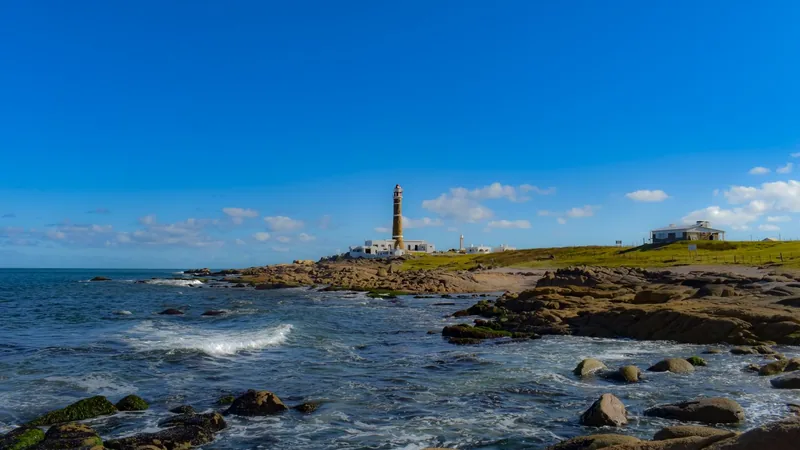





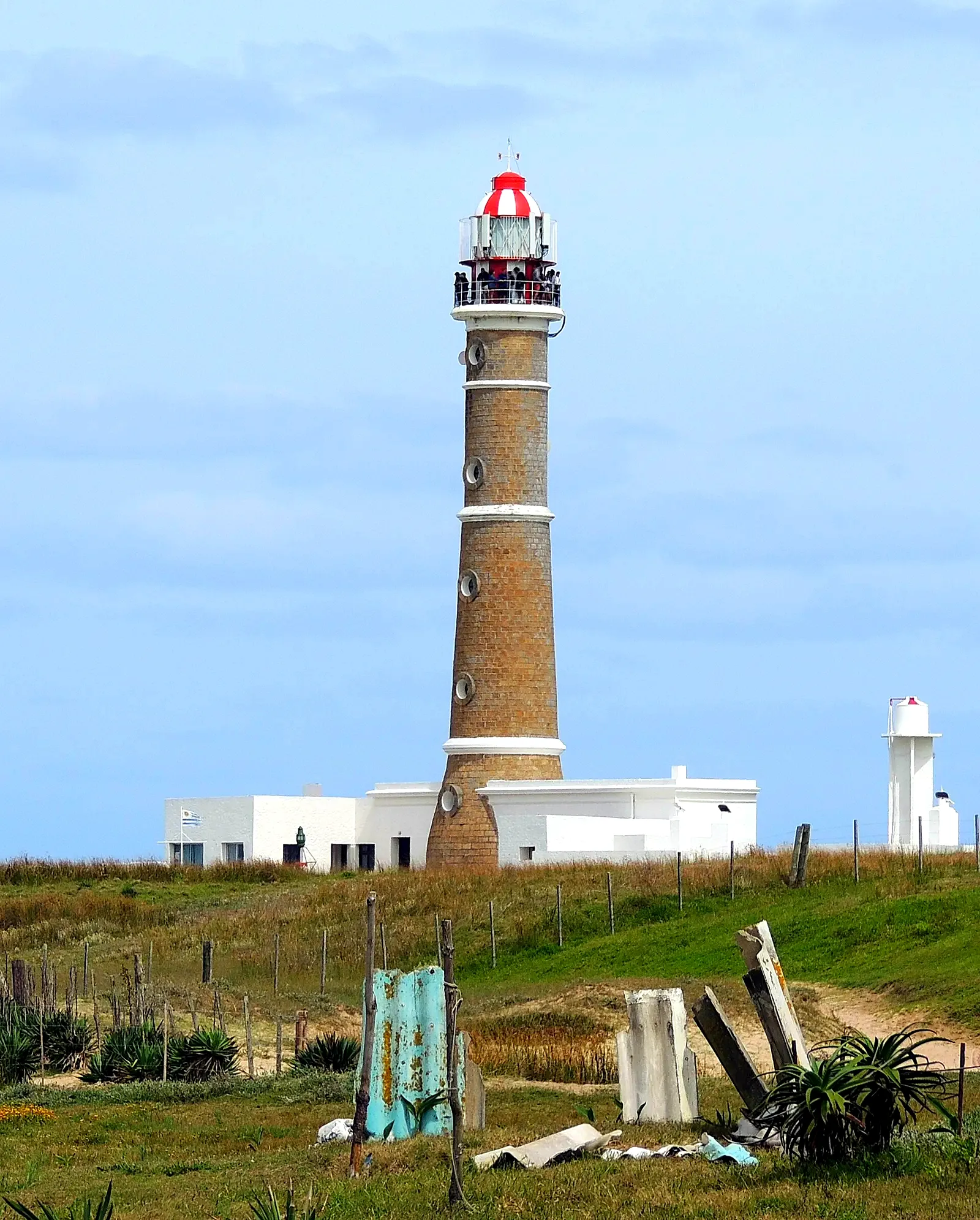 The red and white striped lighthouse of Cabo Polonio above grassy dunes under a blue sky. Photo: Braveheart, CC BY-SA 4.0, via Wikimedia Commons.
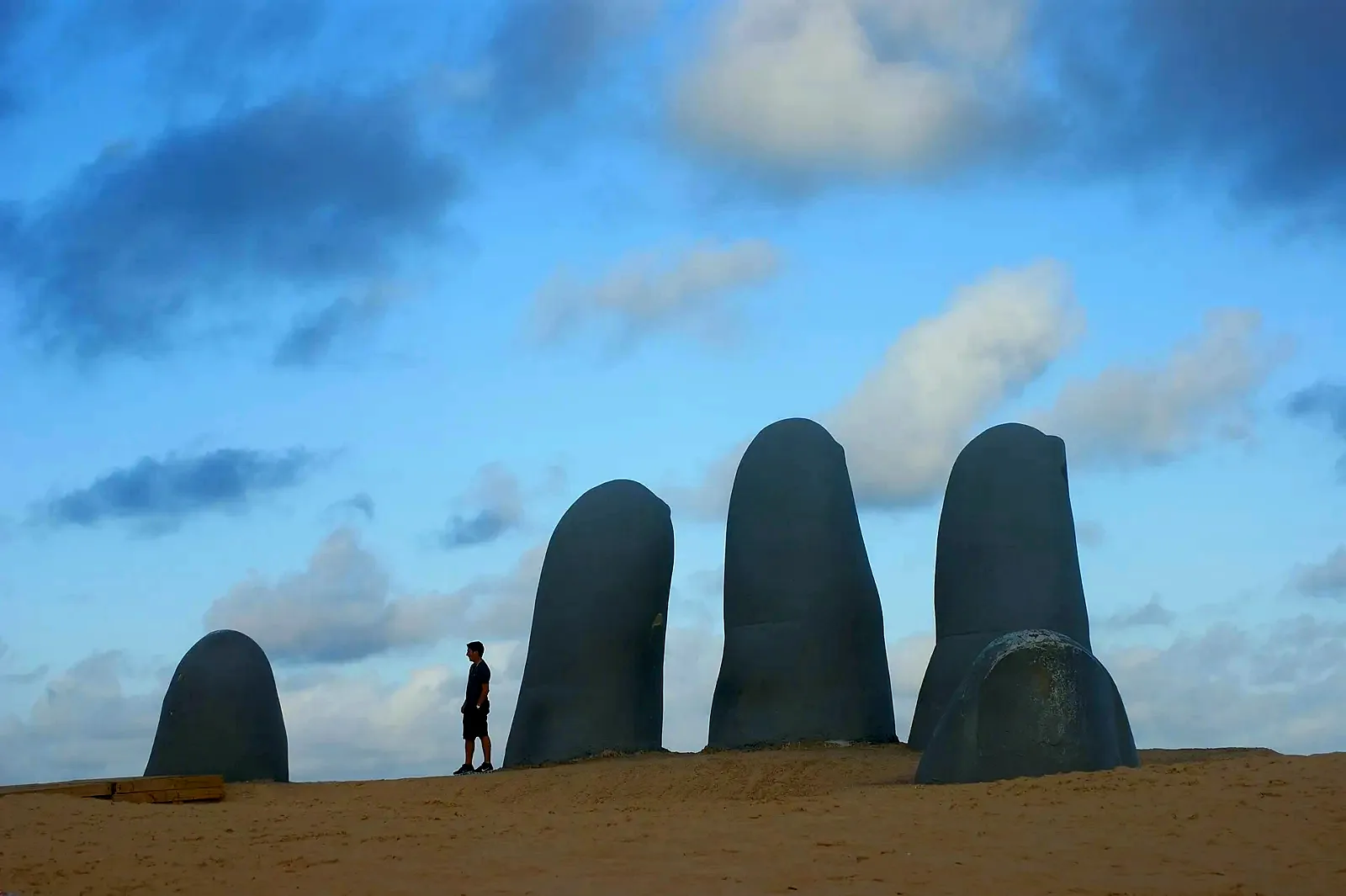 Four giant concrete fingers of the La Mano sculpture rising from the sand at Punta del Este. Photo: Rosina Peixoto, CC BY-SA 4.0, via Wikimedia Commons.
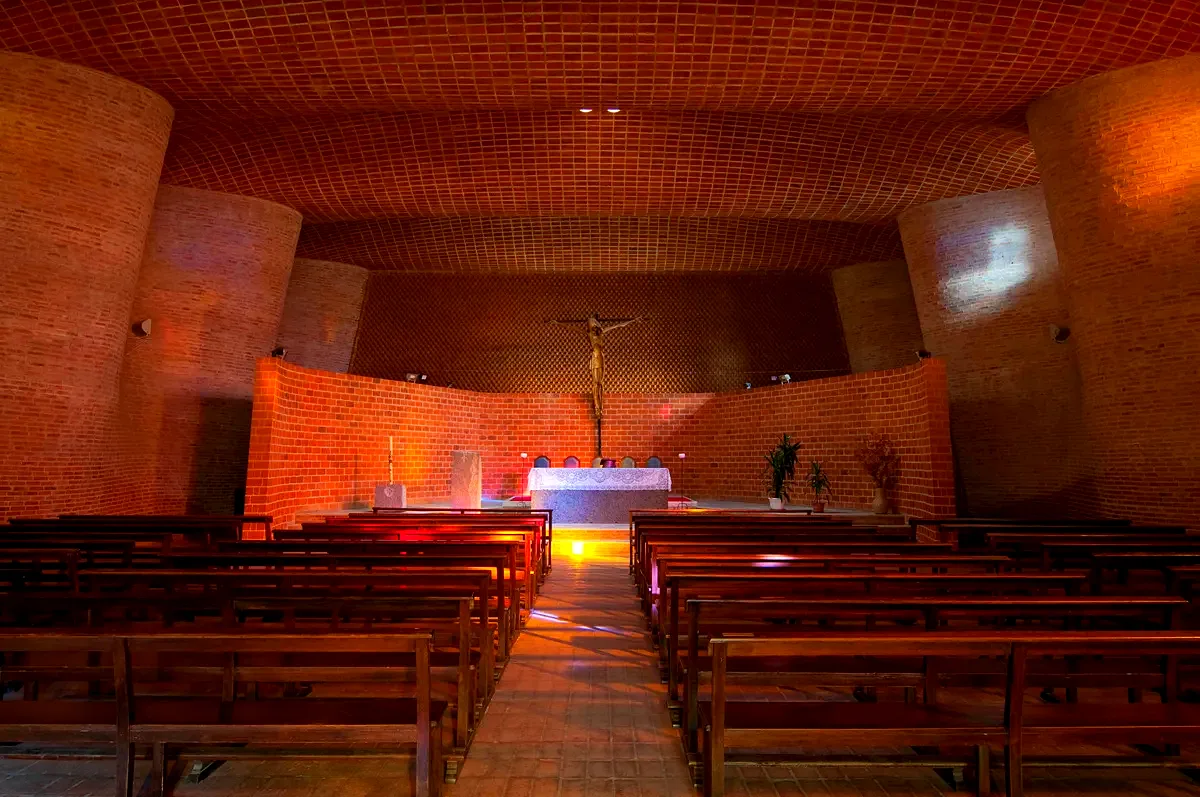 Warm brick curved walls and wooden pews inside Eladio Dieste's church in Atlántida. Photo: Nicolas Barriola, CC BY-SA 3.0, via Wikimedia Commons.