Five places to start in Brazil: Rio de Janeiro, São Paulo, Salvador, Foz do Iguaçu for the falls, and Manaus for the Amazon. Entry rules, getting around, what to book early and what to eat.
Everything for Brazil on one page: what to know before you leave, the tours worth booking ahead, the ride apps, an eSIM and where to stay and eat, so you land with a plan, not 37 open tabs.
Some links earn me a small commission at no extra cost to you.
My free appLanding with no signal? Take this whole planner offline in my free iPhone app.Download on the App Store
Where in the worldBrazil
Why Brazil is amazing
1
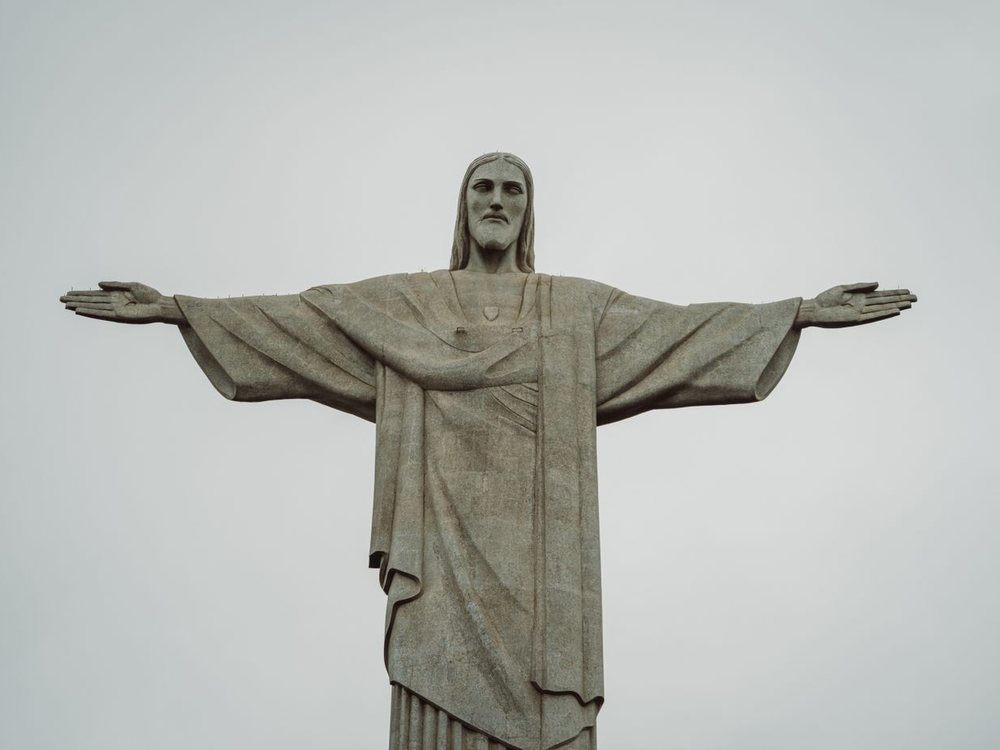
A giant above the city
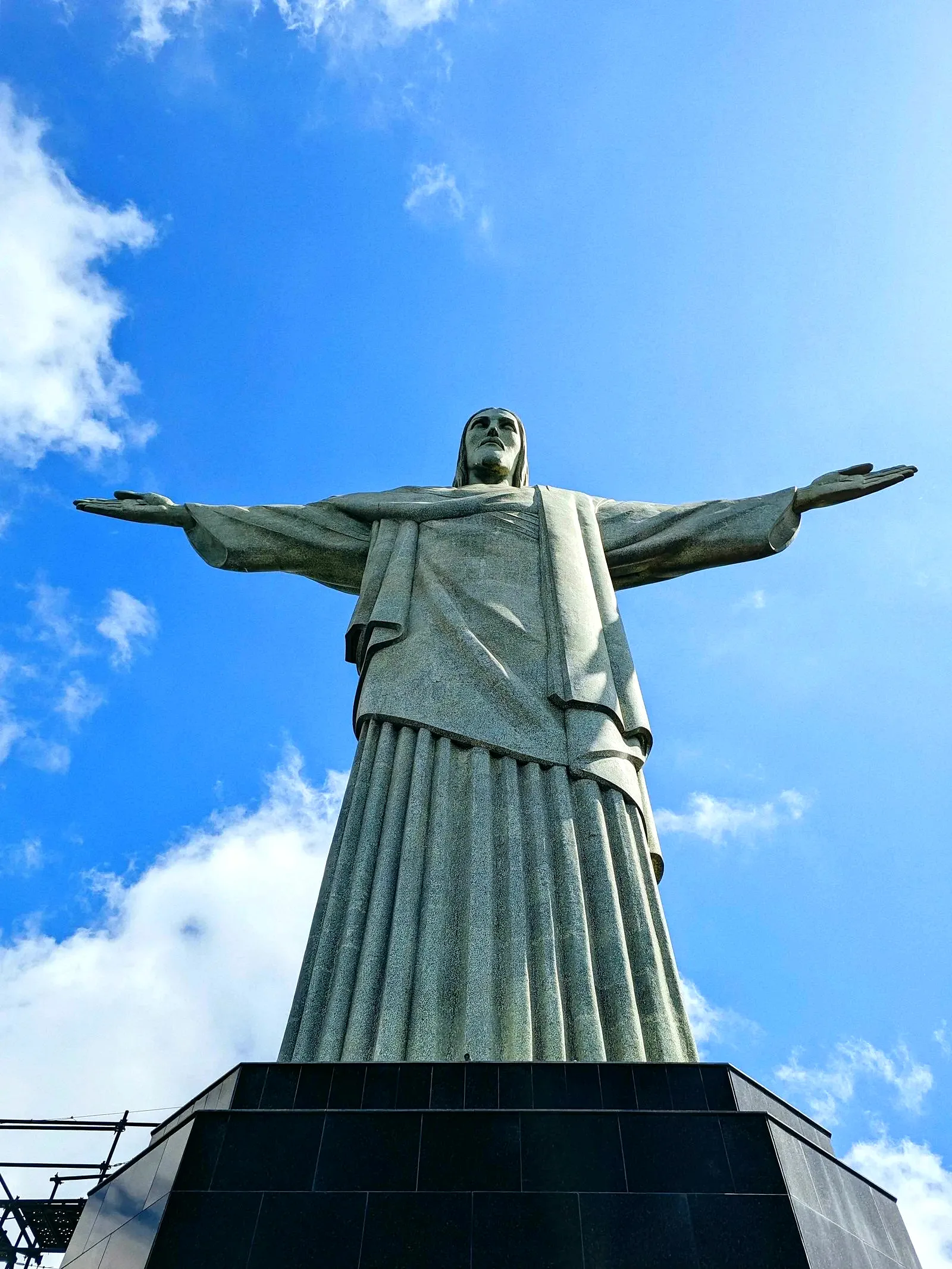
Christ the Redeemer stands 30 meters tall on Corcovado mountain, looking over Rio's bay and beaches. It was dedicated on October 12, 1931, and named one of the New Seven Wonders in 2007.
2
Waterfalls that beat Niagara
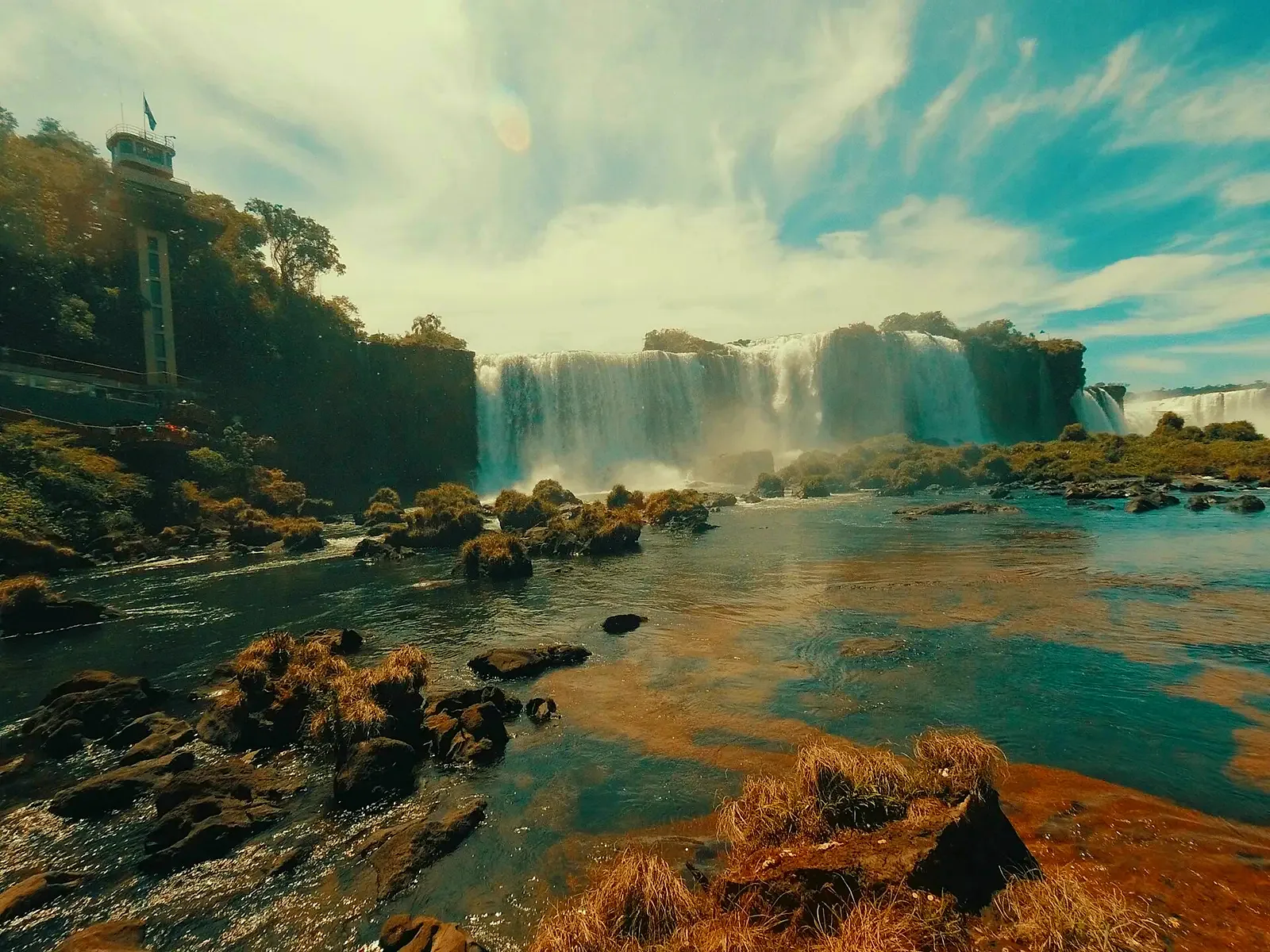
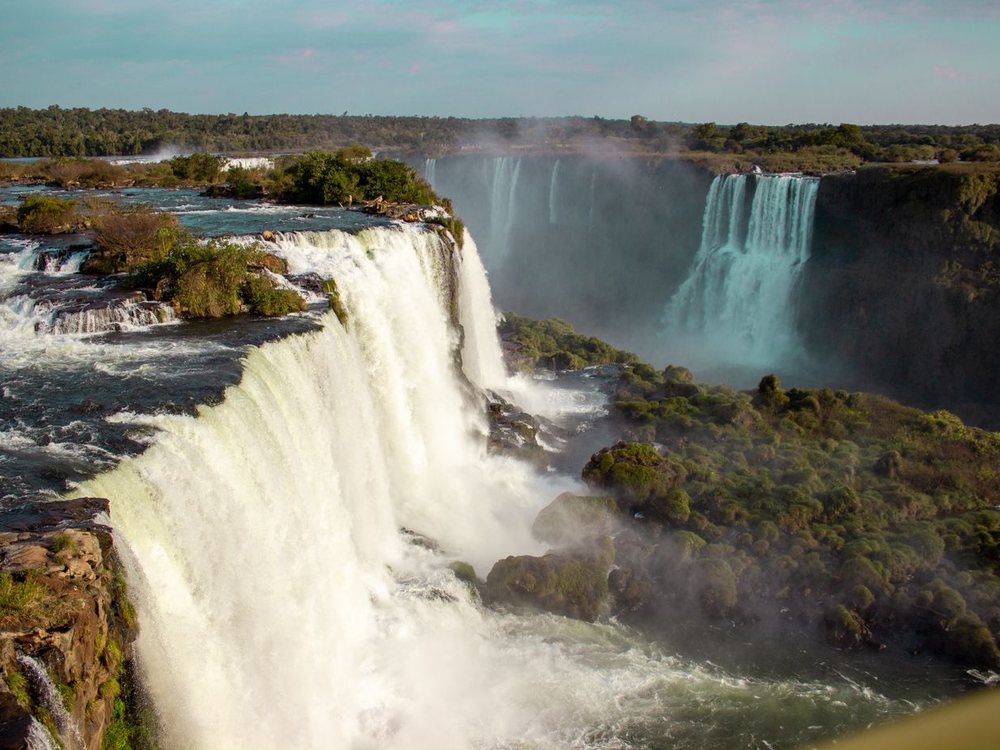
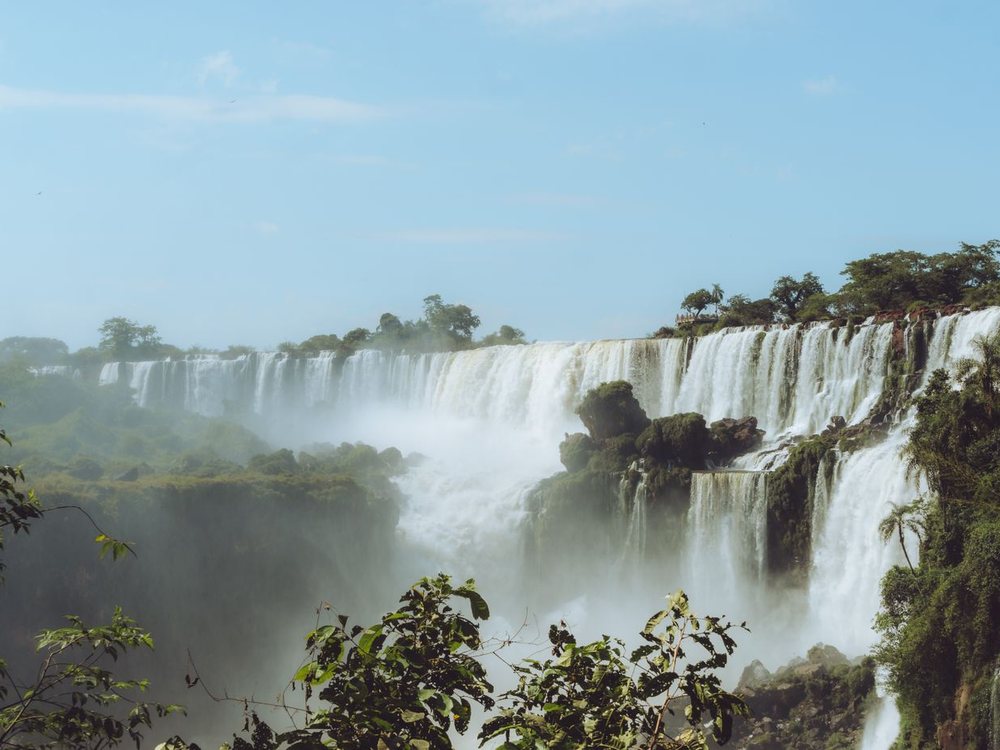
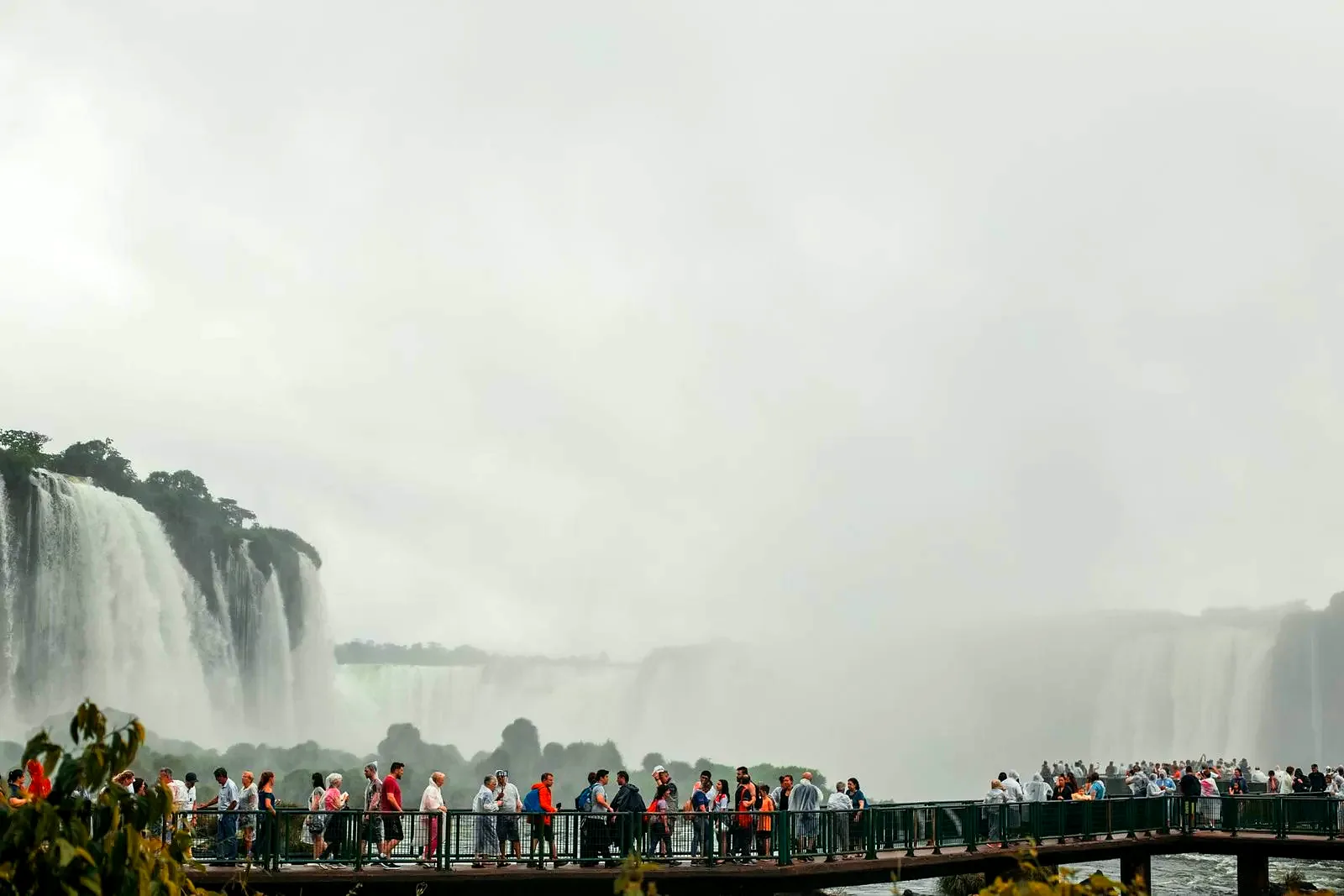
Iguaçu Falls stretch about 2.7 kilometers with roughly 275 drops. Eleanor Roosevelt reportedly said "Poor Niagara!" when she saw them. Both national parks are on the UNESCO list.
3
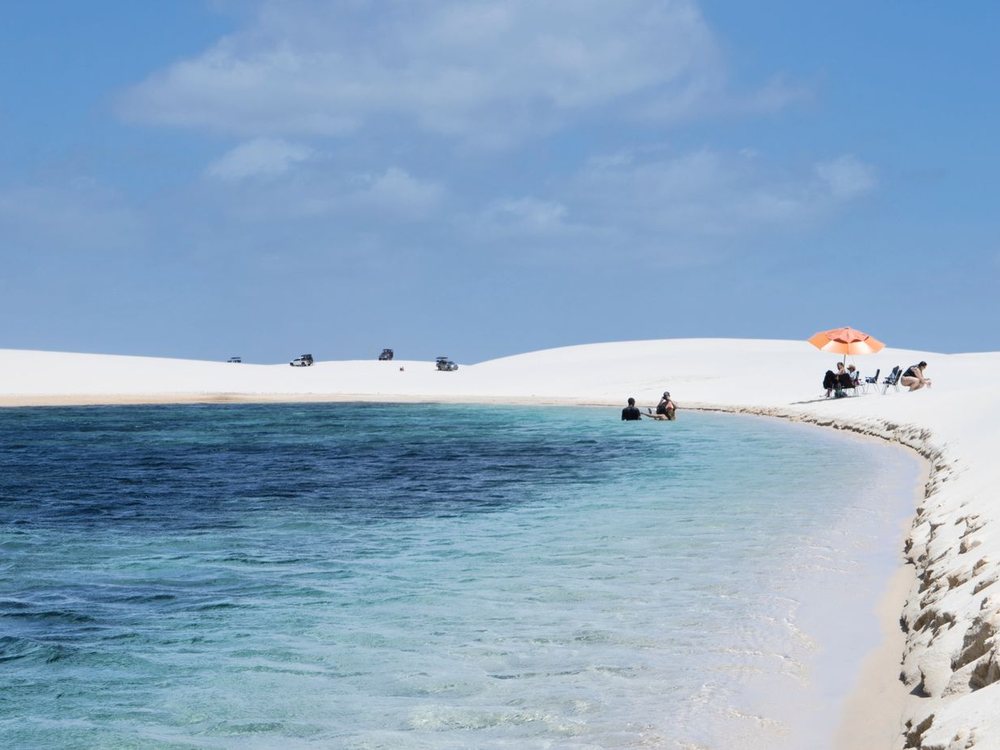
Dunes that fill with lakes
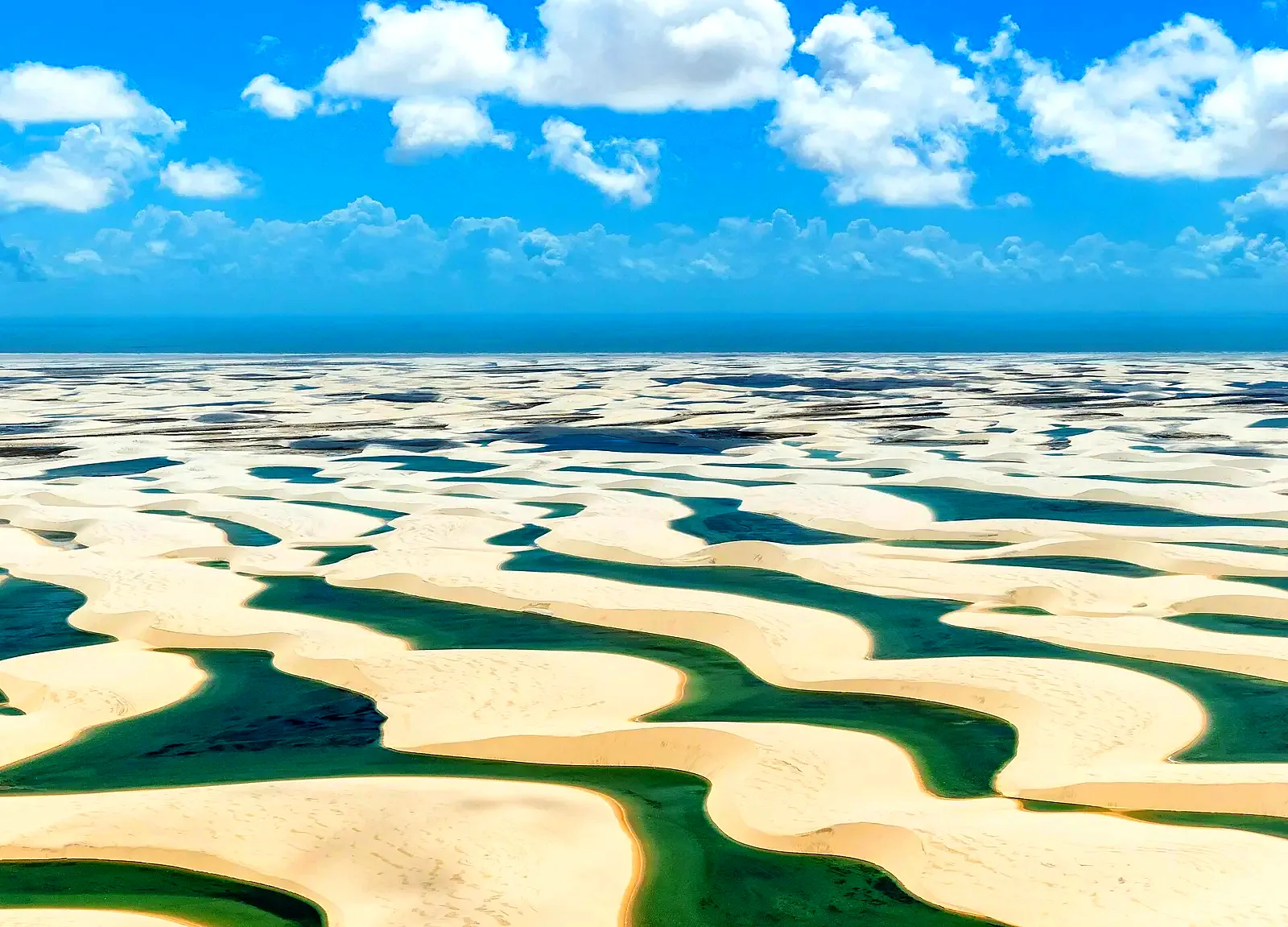
In Lençóis Maranhenses, rain collects between white sand dunes and the lagoons are fullest from about May to September. No fees or permits are needed to enter the park.
4
Food made for sharing
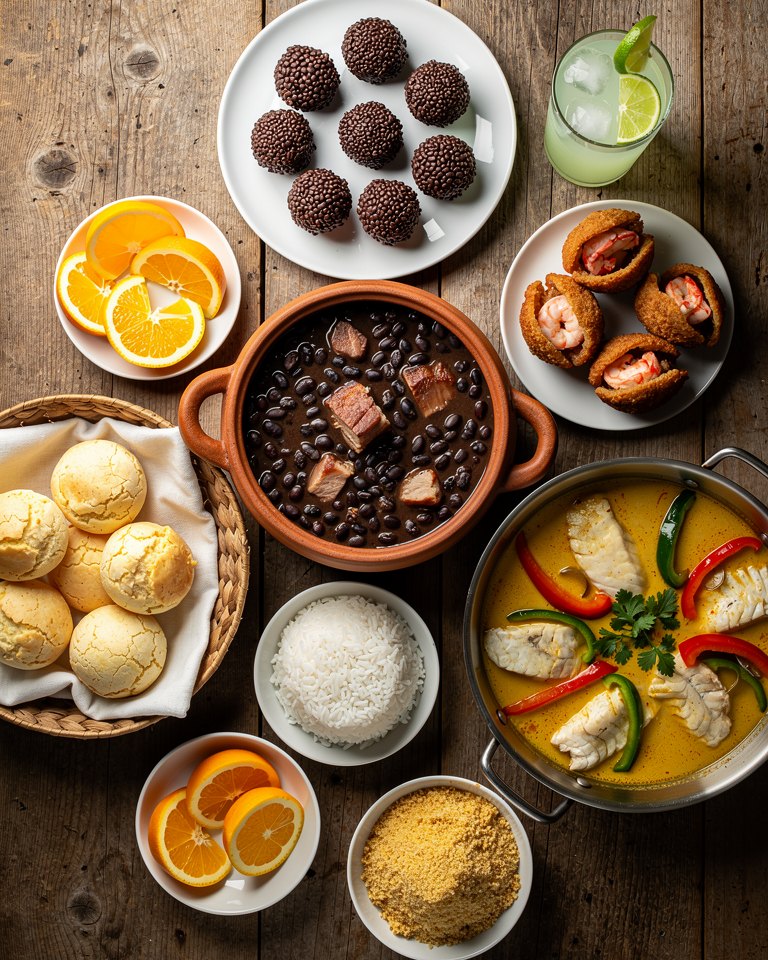
Feijoada, pão de queijo, moqueca, acarajé and brigadeiro each come from a different corner of Brazil. Eat them where they began, from Minas Gerais cheese rolls to Bahian street stalls.
5
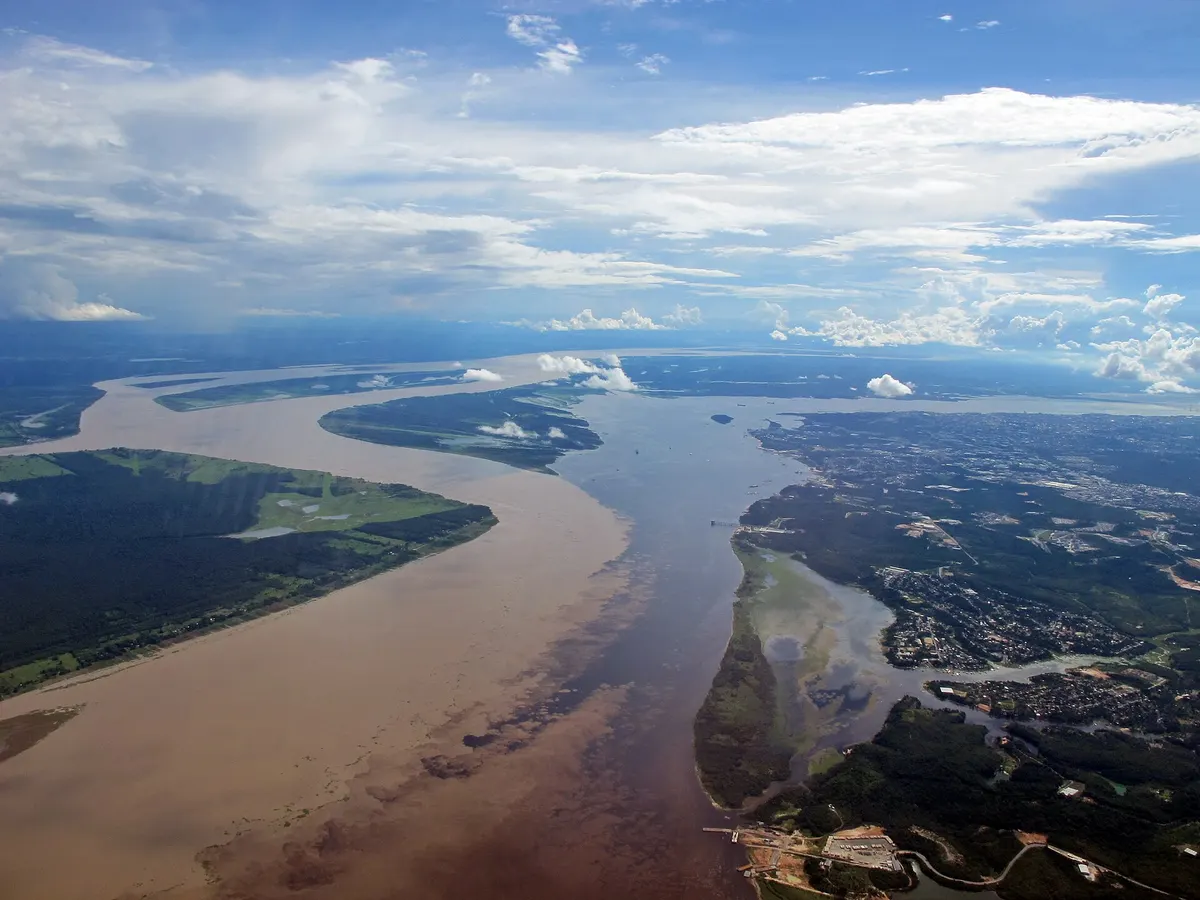
Where two rivers refuse to mix
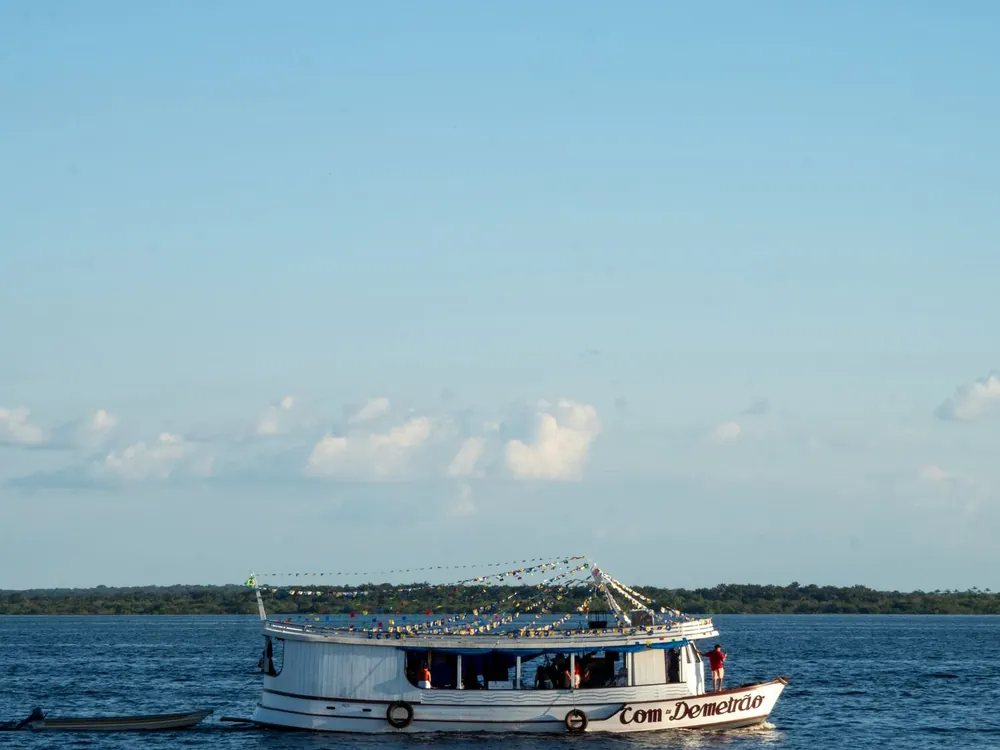
Near Manaus, the dark Negro and the muddy Solimões run side by side for a long stretch without blending. You can reach the Meeting of Waters by boat in 30 to 60 minutes.
Worth booking ahead
The good ones sell out while you are still deciding. Book these before you fly, and keep your days for wandering.
Rio de Janeiro
Christ the Redeemer and Corcovado
The statue on its peak in Tijuca National Park, reached by train from Cosme Velho. Queues can be long, so a timed ticket helps.
Five short notes from me: the 3 things I sort out ahead of every flight, the tiny details nobody tells you, and your vote on where I go next 🌍
A bit of history
1500, the Portuguese arrive
Pedro Álvares Cabral's fleet arrived in 1500, and the land was claimed for the Portuguese Empire on April 22, 1500.
Independence in 1822
Brazil declared independence from Portugal on September 7, 1822. Portuguese is still the official language, and Brazil is the only Portuguese speaking country in the Americas.
A gold rush town
Ouro Preto, once called Vila Rica, grew from 18th century gold mining camps in Minas Gerais. Its baroque churches include Sao Francisco de Assis, the masterpiece of the sculptor Aleijadinho, and on September 5, 1980, it became the first Brazilian city named a World Heritage Site.
A capital built from scratch
Brasília was built as a new capital and inaugurated in 1960.
Where to stay
The areas worth basing yourself in, each with its own stay search, and every hotel on one map.
Tip: finish booking on the website, not in the hotel's app, so it counts as booked through me.
Brazil works best with a few bases. These are the places this planner suggests, with how to reach each one and one honest heads up. Everything here is researched for you from official and tourism board sources.
City and beach
Rio de Janeiro
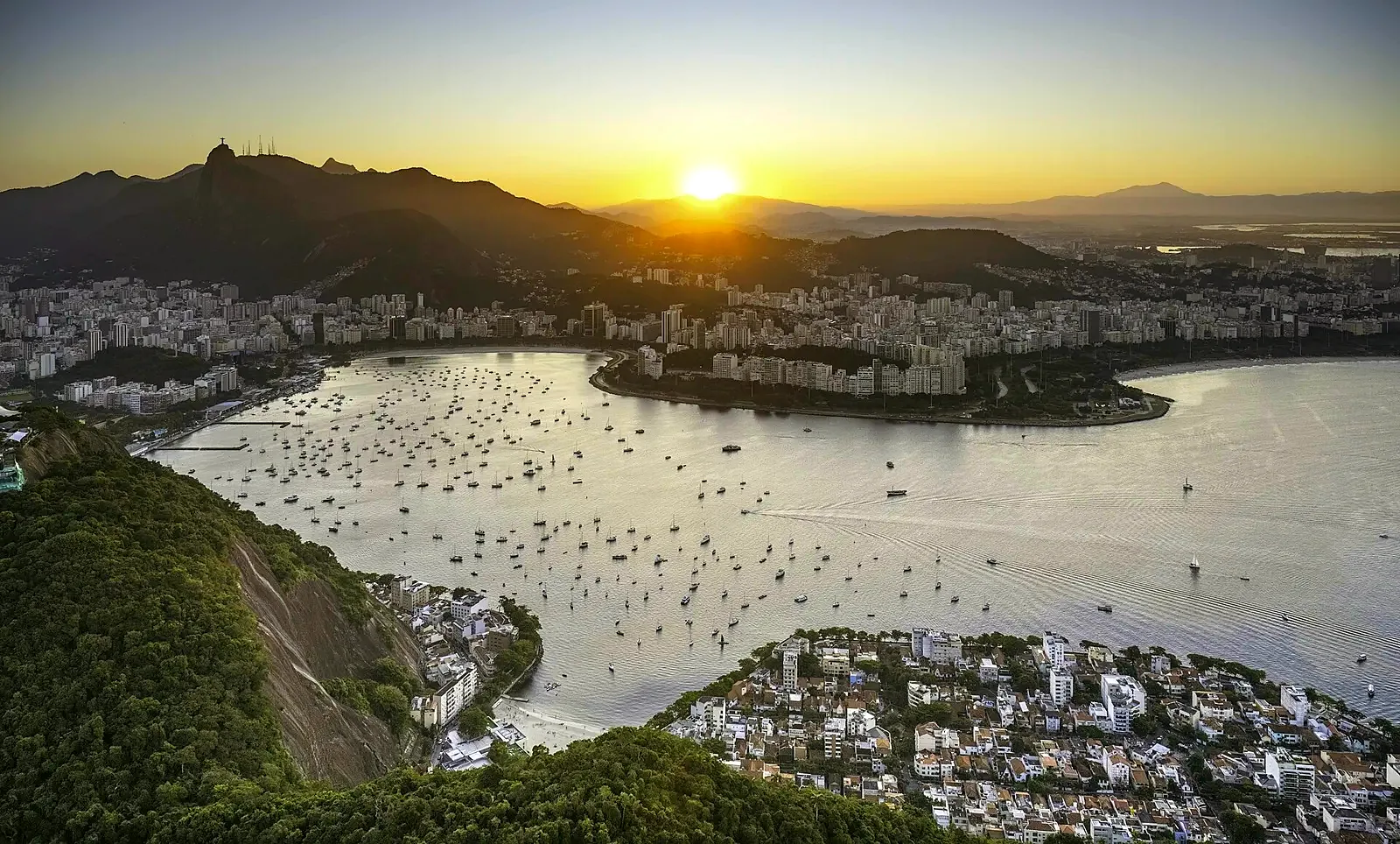
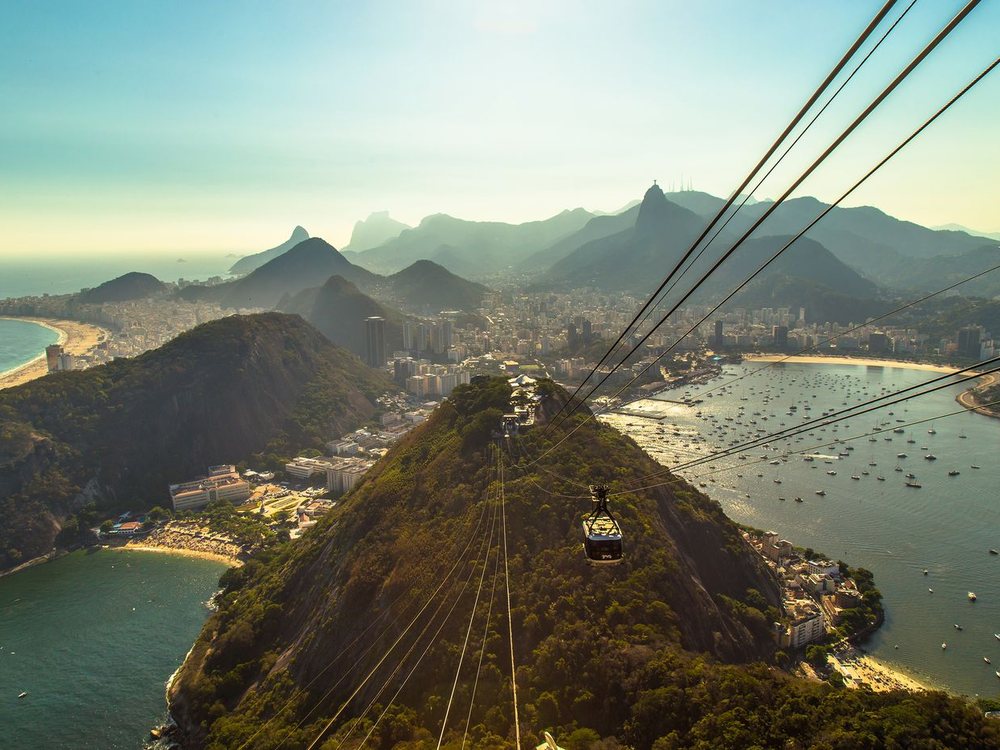
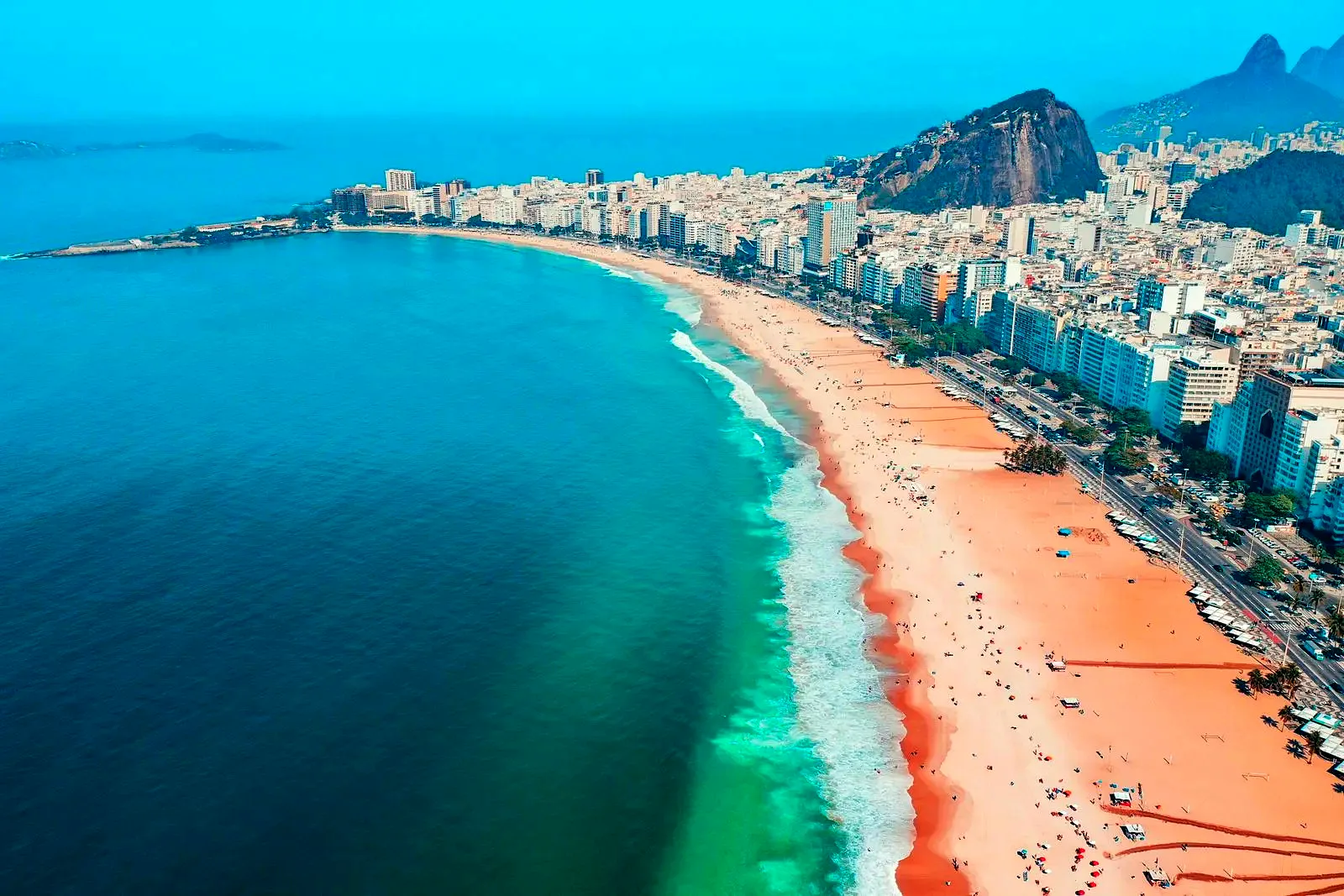
Rio packs a bay, forested peaks and long city beaches into one skyline. Christ the Redeemer stands 30 meters tall on Corcovado mountain in Tijuca National Park, and was dedicated on October 12, 1931.
Near: Christ the Redeemer, reached by train from Cosme Velho. The Sugarloaf cable car, a two stage ride. The beach districts of Copacabana, Ipanema and Leblon, and bohemian Santa Teresa and Lapa for music.
Getting around: Galeão (GIG) is about 20 km from the center, with airport buses, a bus and metro combination, and yellow metered taxis. The metro has lines 1, 2 and 4, with Line 1 reaching Ipanema.
Heads up: Use the meter or find another cab. Do not enter favelas, even on a guided tour, and avoid openly showing a phone. Prices climb in the weeks before Carnival.
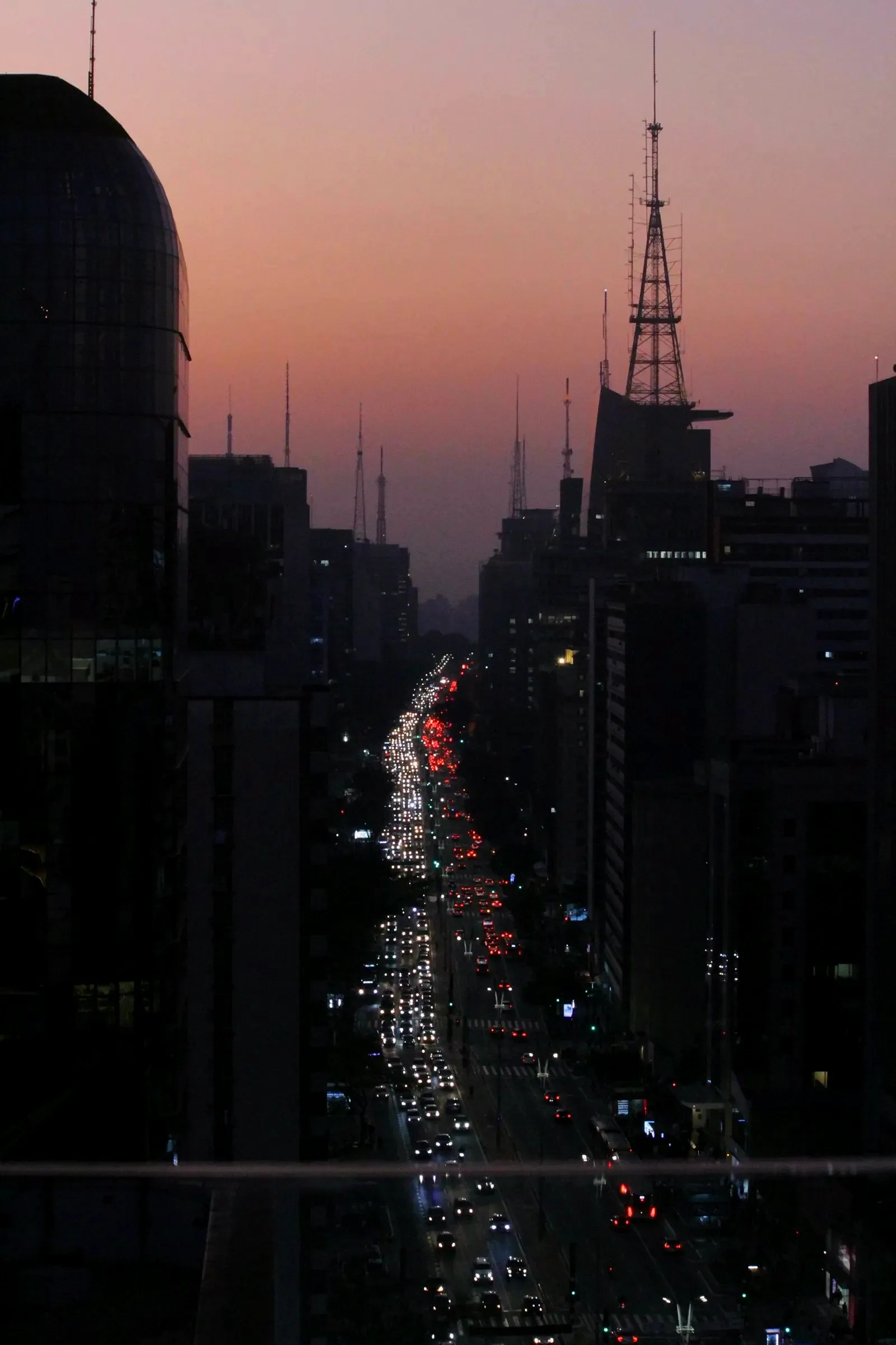
Brazil's biggest city is a place for museums, food and neighborhoods. Avenida Paulista is its main landmark and cultural area, and it closes to cars on Sundays and holidays.
Near: Avenida Paulista, and Liberdade, the district with strong Japanese heritage. Jardins and Vila Madalena are good areas to walk.
Getting around: GRU is about 40 km from downtown. The Line 13 airport train, shuttle buses and taxis all run. In the city, Metrô and CPTM trains cover the center.
Heads up: The metro closes around midnight and buses stop about 1 a.m. except the night service, so take a taxi or app ride late. Some areas are unsafe on foot, so ask locally.
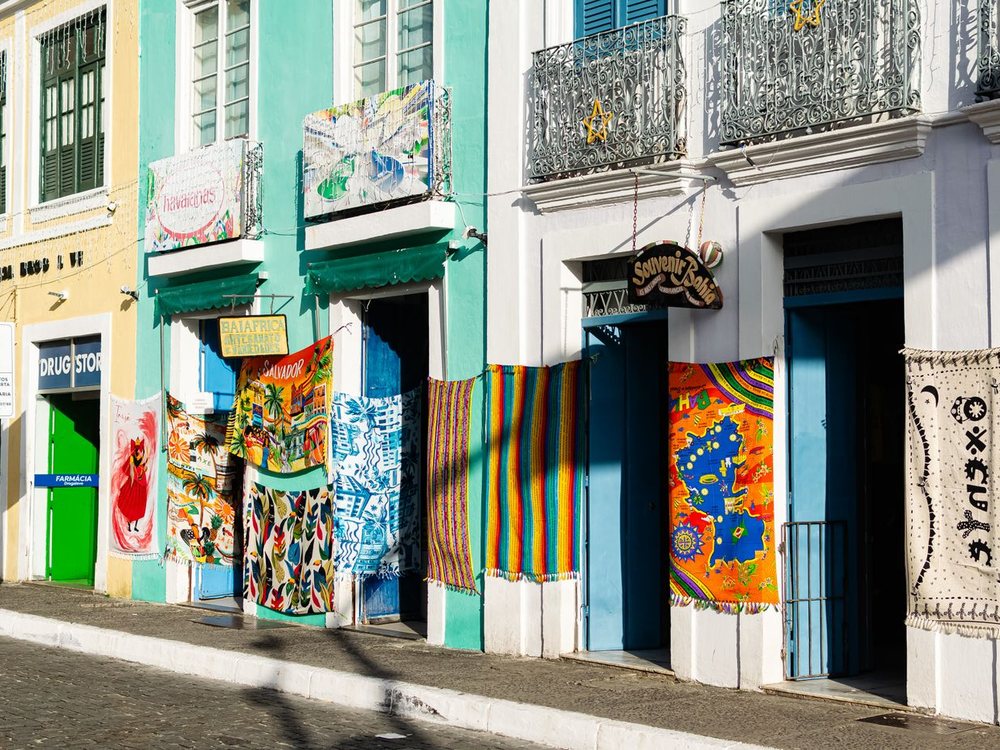
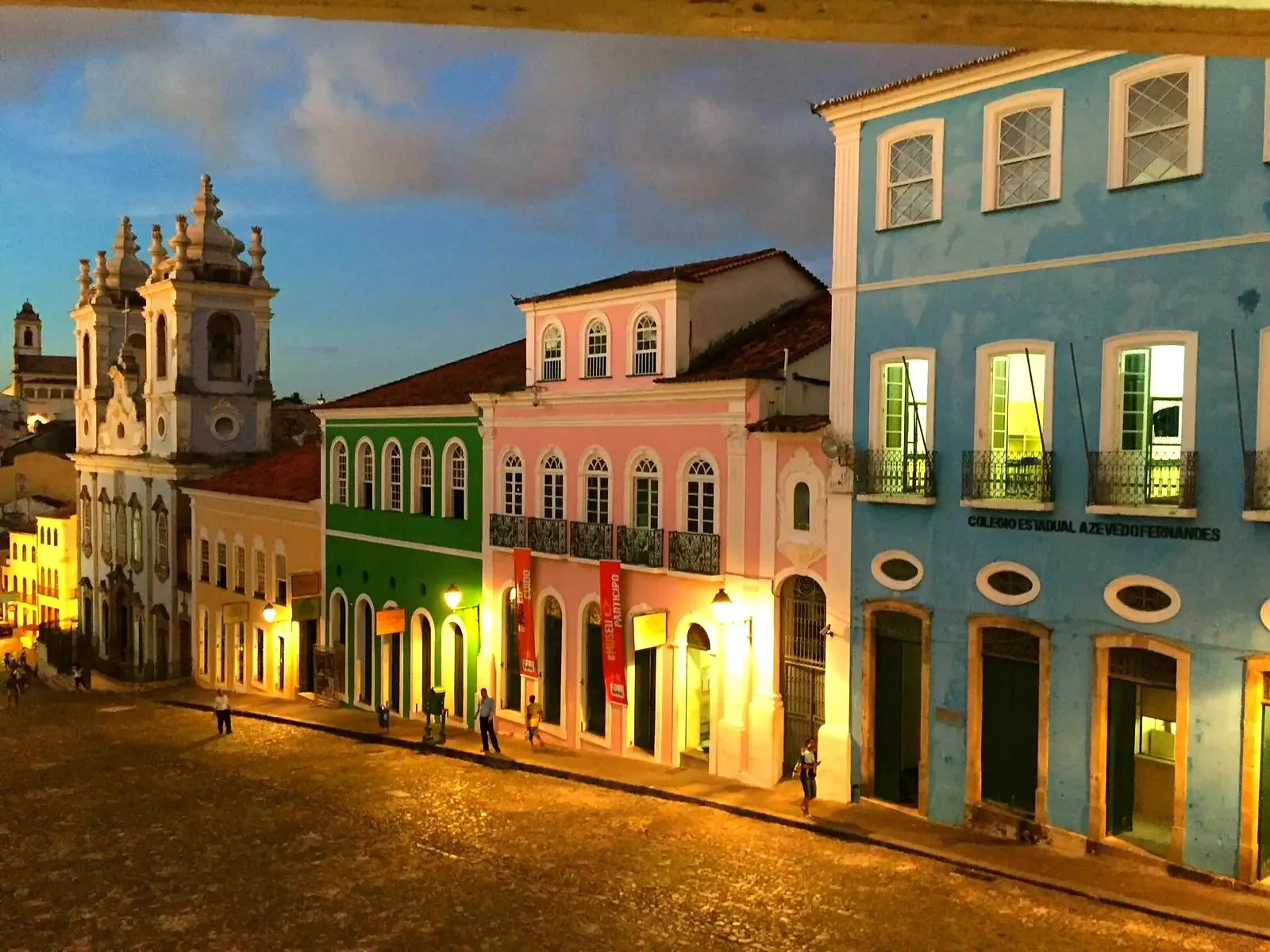
Salvador is the heart of Afro-Brazilian culture. Its historic center, Pelourinho, is a UNESCO World Heritage Site of colonial buildings and cobbled streets, and the culture here is central to Brazilian music.
Near: Pelourinho and the Elevador Lacerda that links the upper and lower city, for a fare of R$0.15. The Afro-Brazilian Museum. Street stalls selling acarajé.
Getting around: Salvador airport is about 28 km from the center, with the subway, air conditioned minibuses to Praça da Sé, urban buses and taxis.
Heads up: Street crime is high here. Use the elevator rather than the slope between the old town and harbor, take taxis at night and carry few valuables.
Iguaçu Falls spread across about 2.7 km, with about 275 drops depending on water level. The Brazilian park is on the UNESCO list (1986) and the Argentine one (1984). The Brazilian side gives the wide panorama.
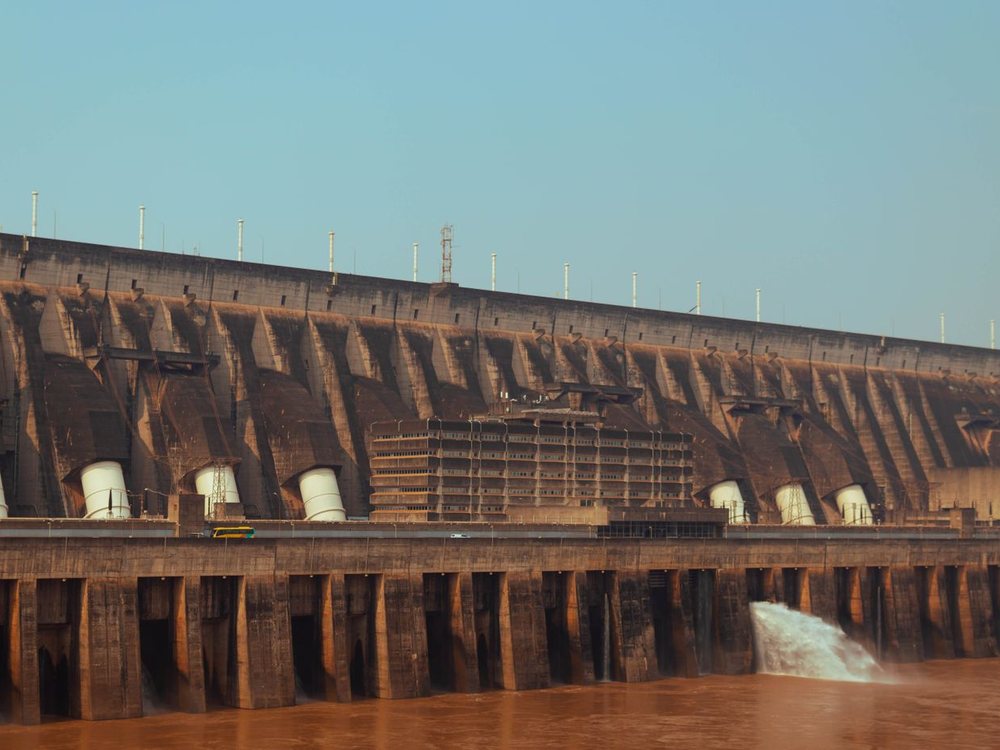
Near: Iguaçu National Park (Brazilian side), the Devil's Throat chasm on the border, Parque das Aves, the Itaipu Dam (196 m high, 7.9 km long) and the Three Borders Landmark.
Getting around: Bus 120 runs from the city center, airport and Bird Park to the falls, and a border bus to Puerto Iguazú in Argentina leaves hourly. Bring your passport for the crossing.
Heads up: Tickets have set entry times and busy days can mean long waits. Travel within 160 km of Brazil's land borders is generally advised against because of crime, but Foz do Iguaçu National Park is an exception.
Manaus is the gateway to the Amazon. At the Meeting of Waters, the dark Negro and muddy Solimões rivers run side by side without mixing, about 4 km downstream of the city.
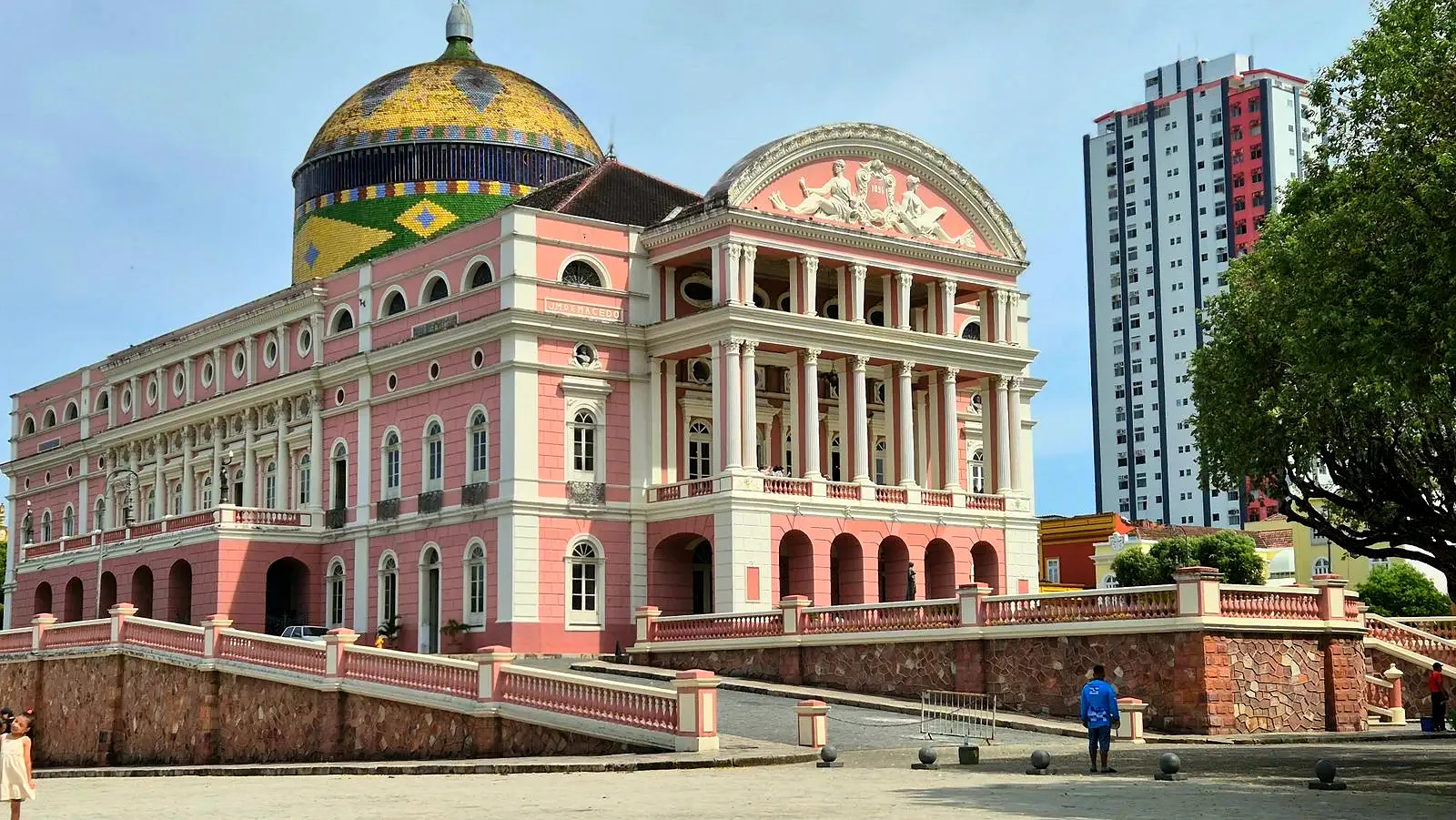
Near: Teatro Amazonas, the opera house in the center, and the Mercado Adolpho Lisboa market. River lodges lie 40 to 250 km away, and virgin forest needs at least 100 km of travel.
Getting around: Manaus airport is about 15 km from the center, with city buses and app rides.
Heads up: Check that an operator has Embratur registration, and get a yellow fever vaccine at least 10 days before arriving. Drought and wildfires can affect air quality from August to November.
Restaurant bills usually include a 10 percent service charge, and asking to remove it is considered rude. Tips are uncommon for cabs, though rounding up happens, and bartenders are not tipped.
Carnival and booking ahead
Carnival lasts almost two weeks in Rio, with samba school parades at the Sambódromo and street blocos across the city. Prices rise a few weeks before, so book and pay early.
Everyday eating
The prato feito is the standard set lunch of rice, beans and a small steak, and por quilo buffets are priced by weight. Half portions, called meia-porção, cost about 60 to 70 percent of a full one.
Where and what to eat
Come hungry.
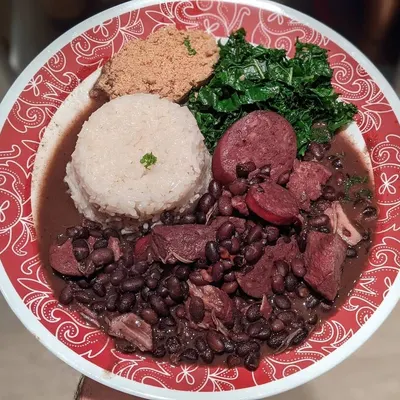
FeijoadaA bean and meat stew, the national dish, popular in the Southeast. It is usually served on Wednesdays and Saturdays.
Pão de queijoA small, soft roll made from manioc flour, eggs, milk and Minas cheese, from Minas Gerais.
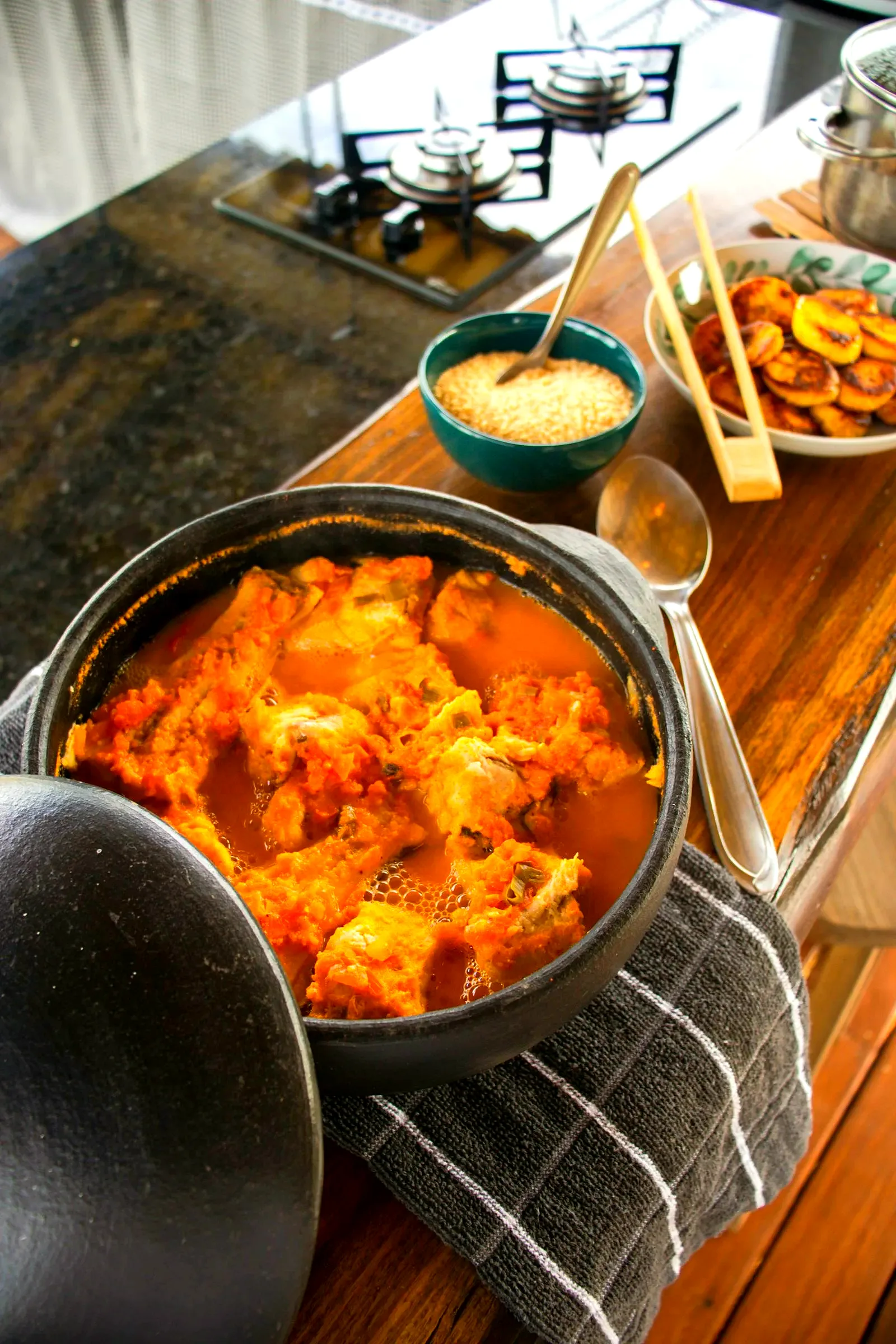
MoquecaA slow cooked fish stew. The Bahian version uses palm oil and coconut milk, while the Espírito Santo version is tomato based.
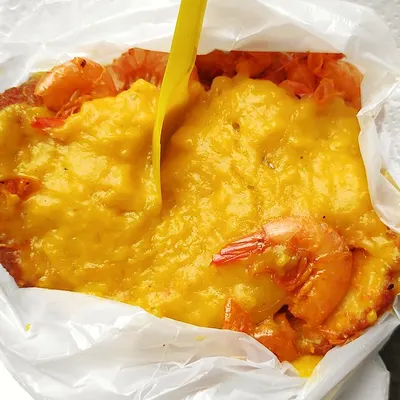
AcarajéA deep fried ball of black eyed peas, split and stuffed with vatapá, sold in Bahia by street vendors.
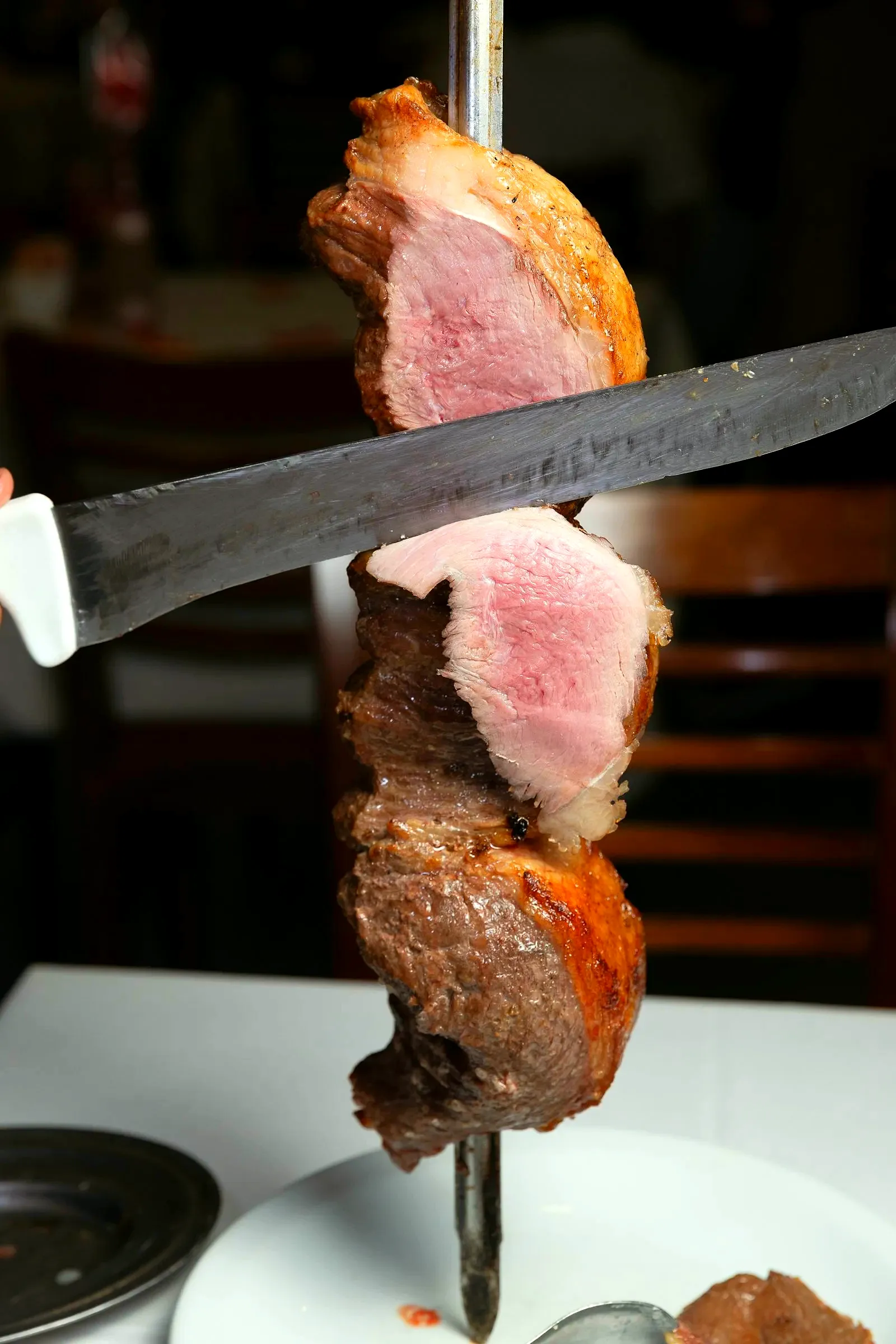
Churrasco and rodízioBrazilian barbecue of grilled meats, from the South. Rodízio is all you can eat churrasco, and por quilo buffets are priced by weight.
Brigadeiro and a caipirinhaBrigadeiro is a chocolate truffle of condensed milk, butter and cocoa. The caipirinha mixes cachaça, a sugarcane spirit, with sugar, lime and ice.
Say it like a local
22 everyday phrases in Portuguese, with how to say them. Tap a speaker to hear one.
HelloOioy
Good morningBom diabon JEE ah
Thank youObrigadoob ree GAH doo
Thank you (women say)obrigadaob ree GAH dah
PleasePor favorpohr fah VOHR
YesSimseem
Show all 22 phrasesShow fewer phrases
NoNãonowng
The check, pleaseA conta, por favorah KOWN tah pohr fah VOHR
GoodbyeTchauchow
Excuse meCom licençakong lee SEN sah
SorryDesculpedees KUL pee
How much is it?Quanto custa?KWAN too KOOS tah
Where is the bathroom?Onde é o banheiro?OHN jee eh oo bahn YAY roo
Do you speak English?Fala inglês?FAH lah een GLEHS
How are you?Como vai você?KOH moo vy voh SEH
Fine, thanksBem, obrigado (obrigada)bayng, oh bree GAH doo
One coffee, pleaseUm café, por favoroom kah FEH, pohr fah VOHR
Can you help me?Pode me ajudar?POH jee mee ah zhoo DAR
This one, pleaseEste, por favorES chee, pohr fah VOHR
A table for two, pleaseUma mesa para duas pessoas, por favorOO mah MEH zah PAH rah DOO ahs peh SOH ahs, pohr fah VOHR
I don't understandNão entendonowng en TEN doo
Too expensiveÉ muito caroeh MWEEN too KAH roo
Men say obrigado and women say obrigada. Tchau is the casual goodbye, while adeus means a more permanent one.
Find your flight
Search flights to Brazil and compare prices before you book.
US passport US citizens need a visa for Brazil again, so apply for the e-visa online and wait for approval before you fly. Check the official page before you book. Official page. Checked 13 Nov 2026.
The currency is the Brazilian real. Restaurants add a 10 percent service charge, which is generally the only tip expected, and asking to remove it is considered rude.
Safety basics
Exercise increased caution because of crime. Do not enter informal housing developments (favelas), even on a guided tour. Avoid public buses, especially at night, and hand over belongings if confronted. Be careful with drinks in bars and with dates met through apps, as drinks are sometimes drugged.
Health and water
Yellow fever vaccination is recommended for many states, including São Paulo and Rio de Janeiro and trips to Iguaçu Falls, though Brazil does not require it for entry. Use repellent against dengue. Tap water is not potable in many areas, so ask for bottled water.
Emergency numbers
Call 190 for police, 192 for an ambulance and 193 for fire. The 193 line is staffed in Portuguese only. Private hospitals want payment up front, so carry insurance that covers medical evacuation.
When to go
Climate in short: Most of Brazil is tropical. The Amazon is hot and rainy, with its main rainy season from November to March. The South is subtropical with cold winters, and the Southeast coast is hot and humid.
Rio and the coast: December and January are hot and humid with sudden rain showers. Winter is milder and drier, with typical temperatures of 19 to 26°C (66 to 79°F). Salvador is sunny all year, and its rainy season runs from April to June.
Amazon and the dunes: Manaus is driest from June to November, and jungle trips are best from May to August when the water peaks. The Lençóis Maranhenses lagoons are fullest from May to September.
Carnival and peak weeks: Carnival falls in February or early March, with exact dates changing each year. New Year, Carnival, Holy Week and the December and January school holidays are peak periods, when prices rise sharply, so book early.
Plugs and power
Plug CPlug N
Power is 127/220 V, 60 Hz. Bring an adapter if your plugs are from the US or the UK. Plugs from the EU usually fit. UK and EU gear that only runs on 220 to 240 V needs a converter here. Check your chargers and devices say 100 to 240 V before you plug in.
Getting around
Brazil is huge, so domestic flights are often the practical choice for long distances, and the long distance bus network reaches most cities. Passenger trains are nearly nonexistent. In São Paulo, foreign visitors need their passport to get a Bilhete Único transit card at an SPTrans store. Uber and Cabify operate in Brazil. Avoid drivers with few or low ratings, use marked taxis such as those at hotels, and wait for your ride in a secure place.
São Paulo Guarulhos (GRU) is about 40 km from downtown, and Rio Galeão (GIG) is about 20 km from the center. The Line 13 airport train from GRU costs about R$5.40, runs hourly from 5 a.m. to midnight, and stops at Brás, Luz and Barra Funda. Taxis from GRU take about 45 minutes at night and up to 2 hours at peak.
GRU São Paulo Guarulhos International Airport: about 40 km (25 mi) to central São Paulo, 45 to 120 minutes.
GIG Rio de Janeiro Galeão International Airport: about 20 km (12 mi) to central Rio de Janeiro, 35 to 90 minutes.
Book a pickup or rent a car
Book a pickup
Book a driver who meets you at arrivals at São Paulo Guarulhos International Airport, at a fixed price agreed before you land.
The questions people ask most, answered from this page.
Do US citizens need a visa for Brazil?
US citizens need a visa or e-visa for all travel to Brazil, and it must be approved before you leave. You also need a valid US passport. Brazil's foreign ministry runs the visa pages, so check the official page before booking.
How do I get from the airport to the city in Brazil?
São Paulo Guarulhos (GRU) is about 40 km from downtown, and Rio Galeão (GIG) is about 20 km from the center. The Line 13 airport train from GRU costs about R$5.40, runs hourly from 5 a.m. to midnight, and stops at Brás, Luz and Barra Funda. Taxis from GRU take about 45 minutes at night and up to 2 hours at peak.
How do I get around Brazil?
Brazil is huge, so domestic flights are often the practical choice for long distances, and the long distance bus network reaches most cities. Passenger trains are nearly nonexistent. In São Paulo, foreign visitors need their passport to get a Bilhete Único transit card at an SPTrans store.
Photo credits
Water thundering over the Iguazu Falls through green forest, with a viewing tower on the left cliff: Enrique von specht, CC BY-SA 4.0, via Wikimedia Commons. White sand dunes with blue and green rainwater lagoons under a sky of clouds in Lençóis Maranhenses: Julius Dadalti, CC BY-SA 4.0, via Wikimedia Commons. Aerial view of the dark Rio Negro and the muddy Solimões flowing side by side near Manaus: Immelman284, CC BY-SA 3.0, via Wikimedia Commons. Pink, green and blue colonial buildings and a church tower along a cobbled square in Pelourinho, Salvador, at dusk: TMorata, CC BY-SA 4.0, via Wikimedia Commons. Feijoada: Bradleyzm, CC BY-SA 4.0, via Wikimedia Commons. Pão de queijo: Murilo manzini, CC BY-SA 4.0, via Wikimedia Commons. Acarajé: Melsj, CC BY-SA 4.0, via Wikimedia Commons.
Checked 12 Nov 2026: entry links, plugs, airport times, ride apps and the facts on this page. Prices and rules show their own As of date.
I have been to Brazil. This planner is researched for you from official and trusted sources.
Affiliate links: some links on this page (flights, tours, city passes, stays, transfers, rental cars, luggage storage, eSIMs and flight compensation) are affiliate links. If you book through them, I earn a small commission at no extra cost to you.
Photos
Real photos from Pexels and Wikimedia Commons, used under the license shown, by the photographers credited below. The table of dishes in the food section is an illustration made for this page, not a photo of a real meal.
Sunset over Rio de Janeiro's bay seen from Sugarloaf Mountain, with sailboats below and Christ the Redeemer on the distant peak. Photo: Wilfredor, CC0, via Wikimedia Commons.
Water thundering over the Iguazu Falls through green forest, with a viewing tower on the left cliff. Photo: Enrique von specht, CC BY-SA 4.0, via Wikimedia Commons.
White sand dunes with blue and green rainwater lagoons under a sky of clouds in Lençóis Maranhenses. Photo: Julius Dadalti, CC BY-SA 4.0, via Wikimedia Commons.
Pink, green and blue colonial buildings and a church tower along a cobbled square in Pelourinho, Salvador, at dusk. Photo: TMorata, CC BY-SA 4.0, via Wikimedia Commons.
Sources
I have been to Brazil. This planner is researched for you from official and trusted sources. Rules, prices and times change, so check the official page before you book.
I researched this page for you, so you can plan well. The places I have filmed have their own trip planners.
Filming your own trips? My free guide to AI editing shows how my automated AI editor turns a folder of my clips into a finished reel. Send me the free guide.
 Luisa's Atlas