Five safer areas to start in Ecuador: Quito, the Avenue of the Volcanoes around Cotopaxi, Otavalo, Cuenca and the Galápagos Islands. This planner leaves out the coastal and border areas that the US government advises against, and covers entry rules, the Galápagos rules, taxis, altitude, what to book early and what to eat.
Everything for Ecuador on one page: what to know before you leave, the tours worth booking ahead, the ride apps, an eSIM and where to stay and eat, so you land with a plan, not 37 open tabs.
Some links earn me a small commission at no extra cost to you.
My free appLanding with no signal? Take this whole planner offline in my free iPhone app.Download on the App Store
Where in the worldEcuador
Why Ecuador is amazing
1
Wildlife found nowhere else
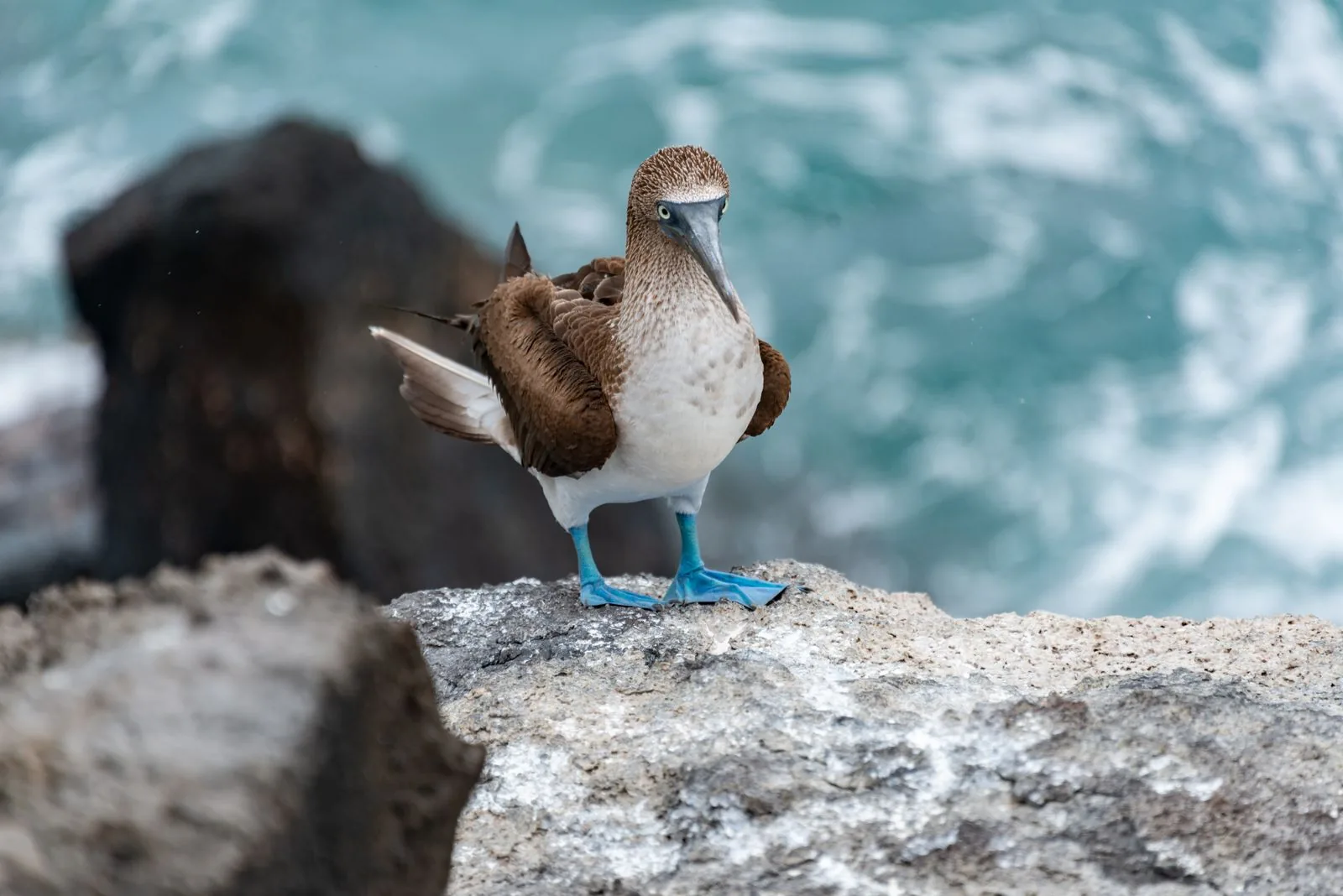
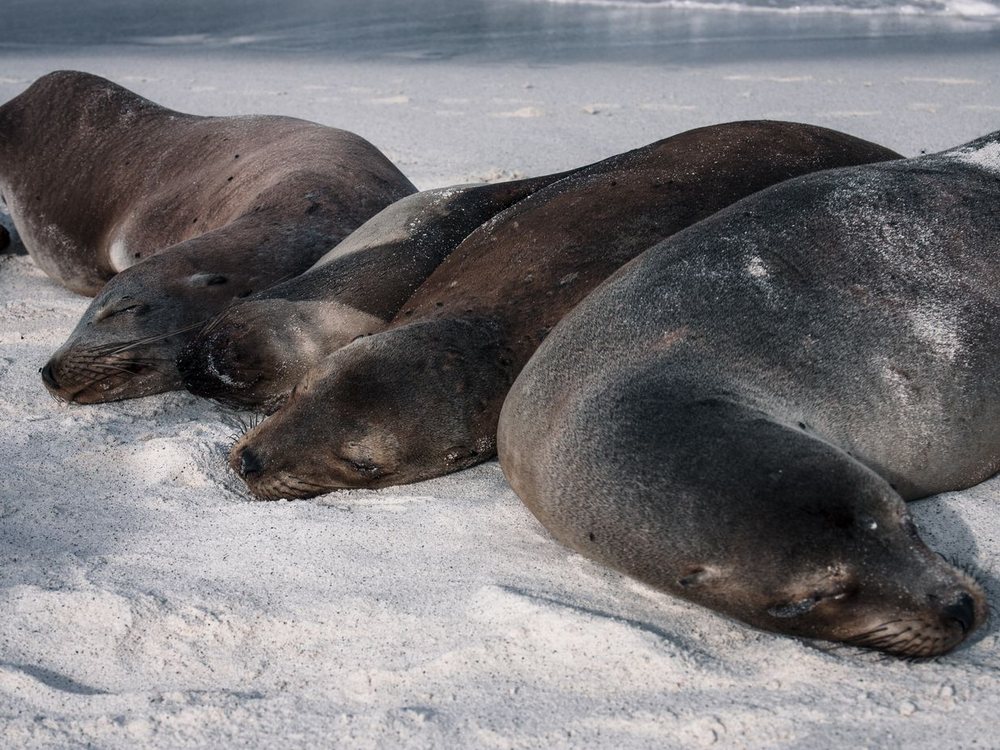
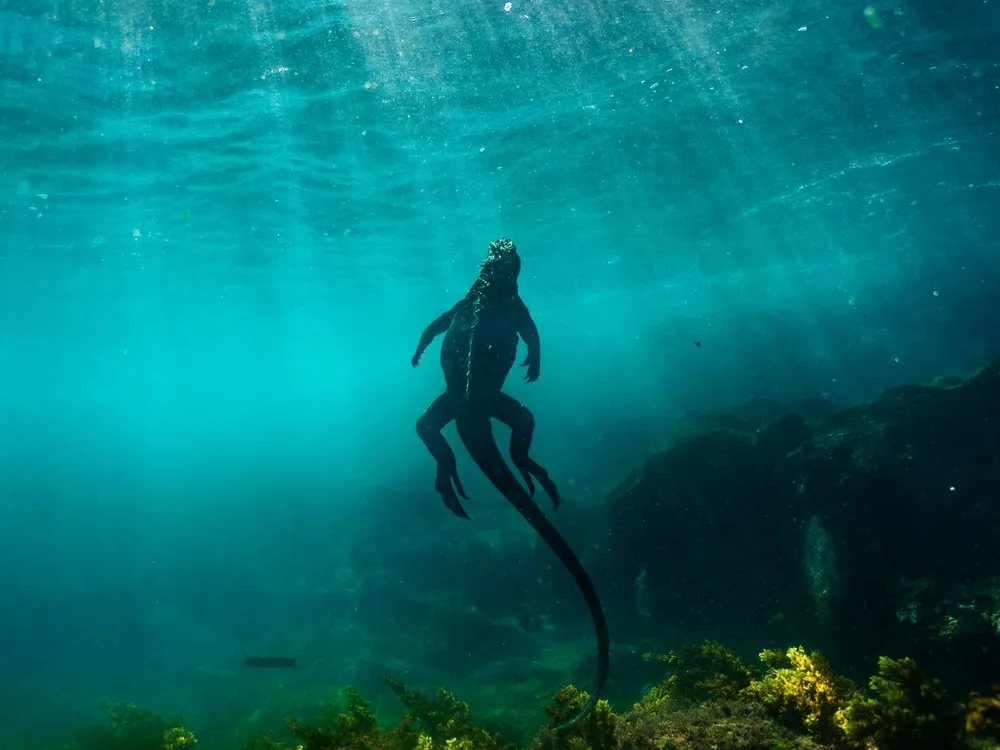
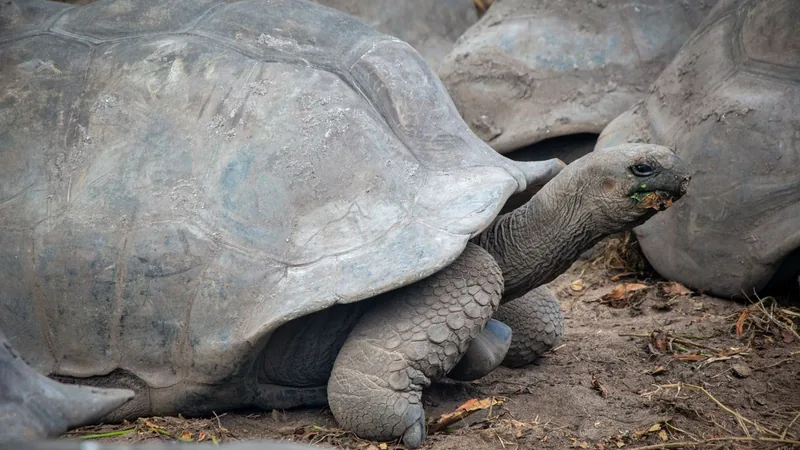
In the Galápagos you walk among giant tortoises, sea lions and birds that live nowhere else on Earth. The islands are a World Heritage site that inspired Charles Darwin.
2
A capital in the clouds
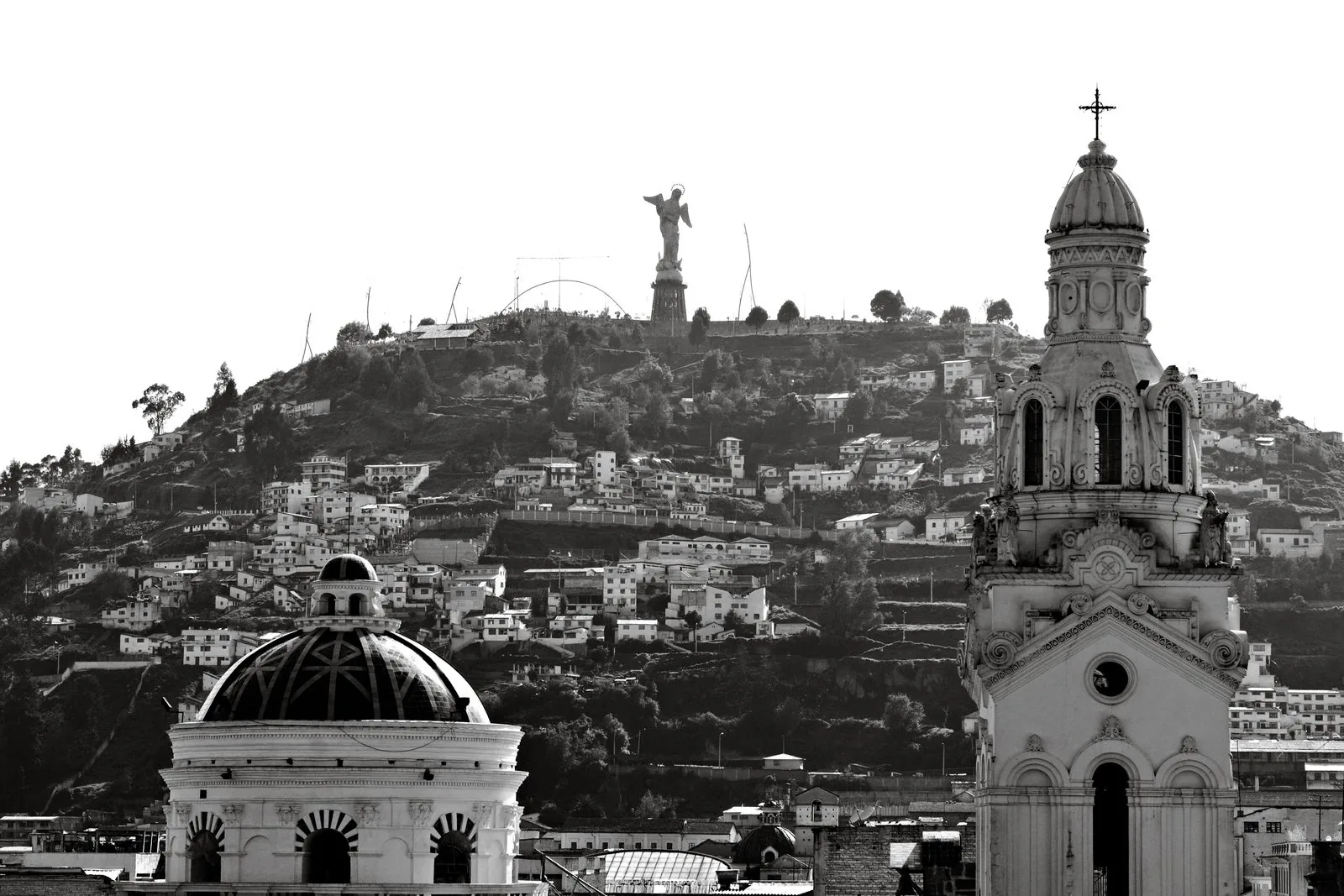
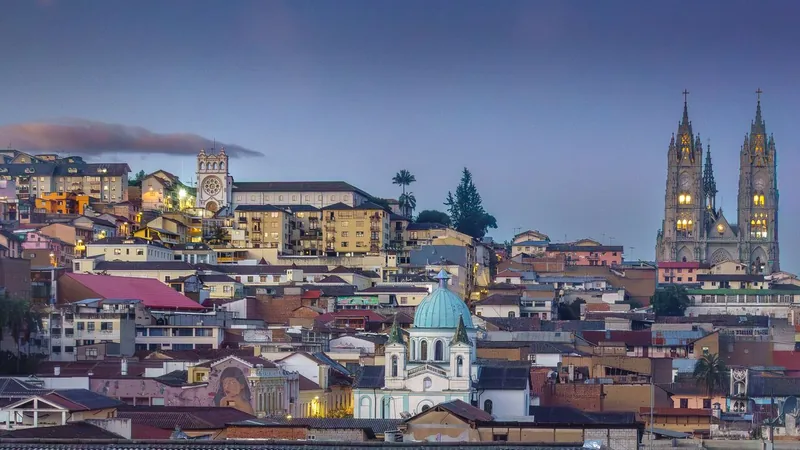
Quito is the oldest and highest capital in Latin America, with the best preserved historic center in the region. The Metro and cloud forest day trips make it an easy base.
3
An avenue of volcanoes
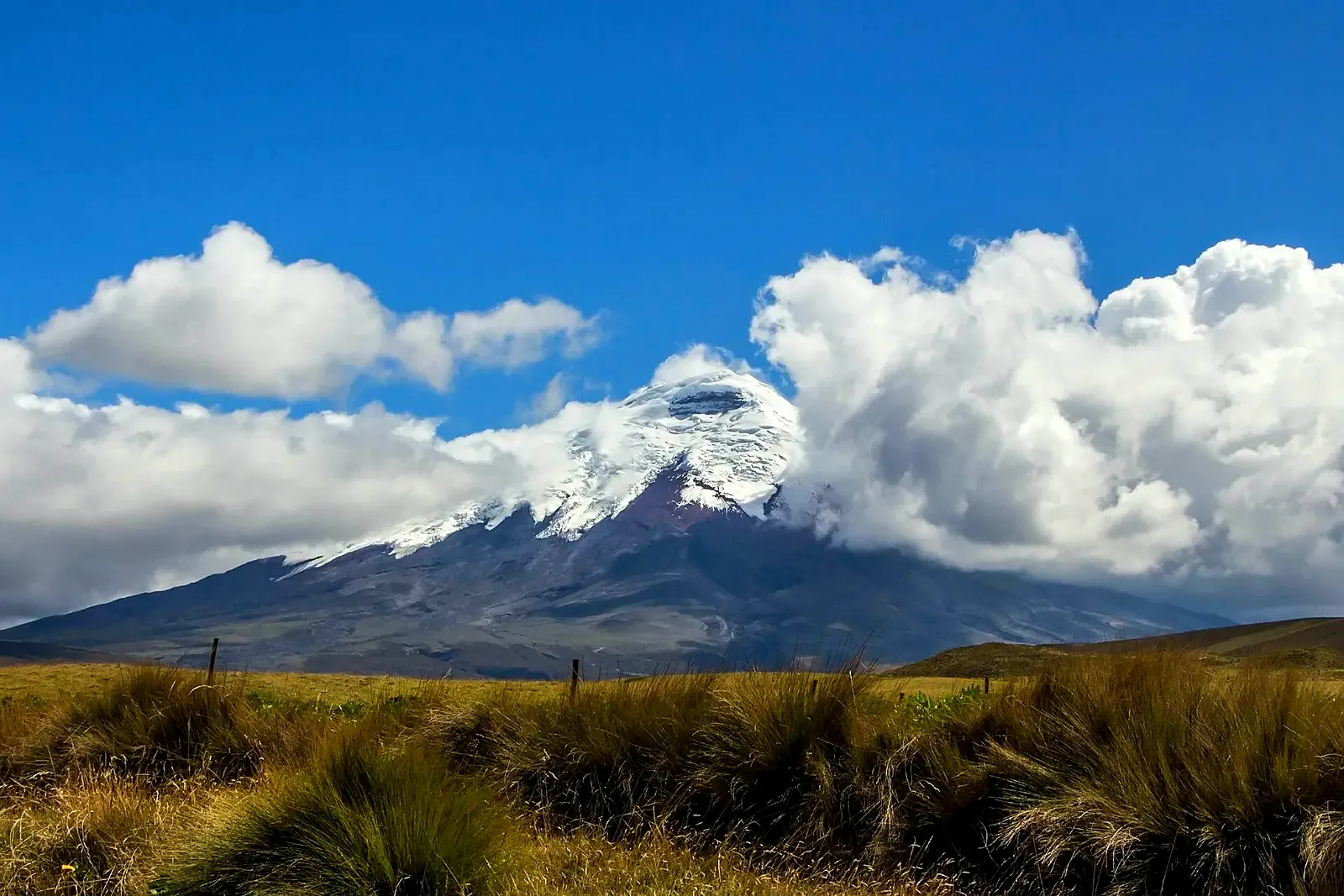
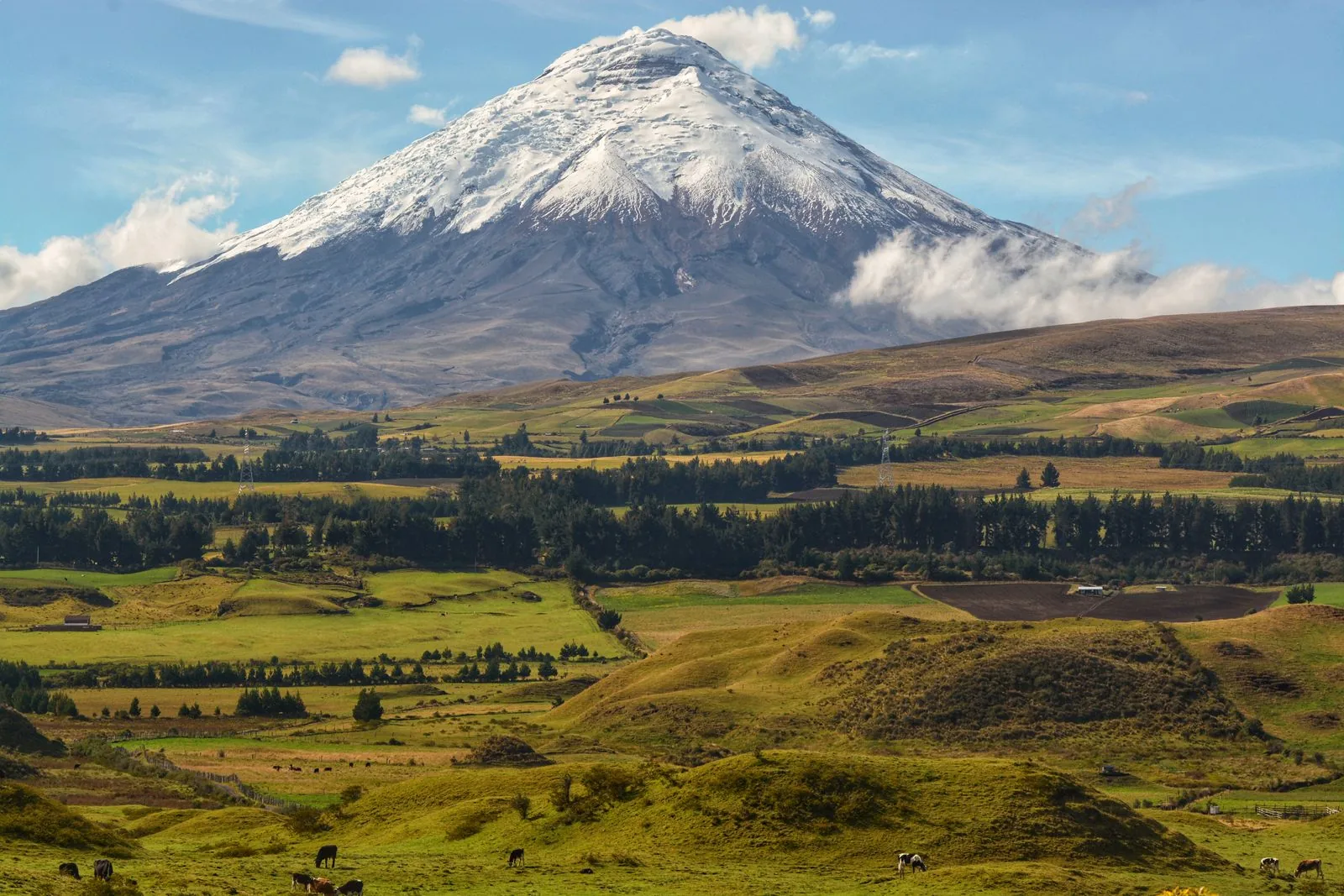
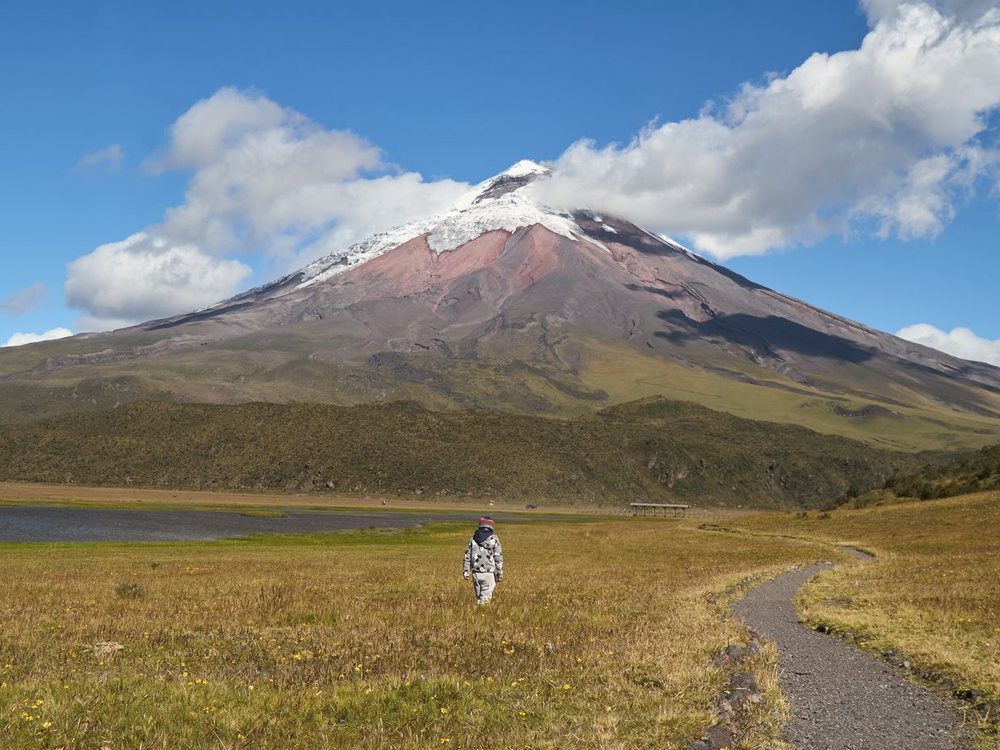
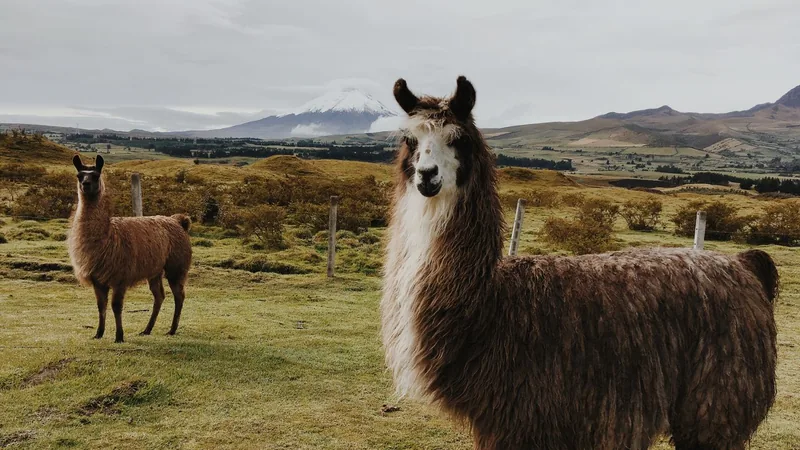
More than 70 volcanoes and mountains line the Avenue of the Volcanoes. Chimborazo is the point farthest from the center of the Earth, and Cotopaxi makes a dramatic day from Quito.
4
Markets, hats and colonial streets
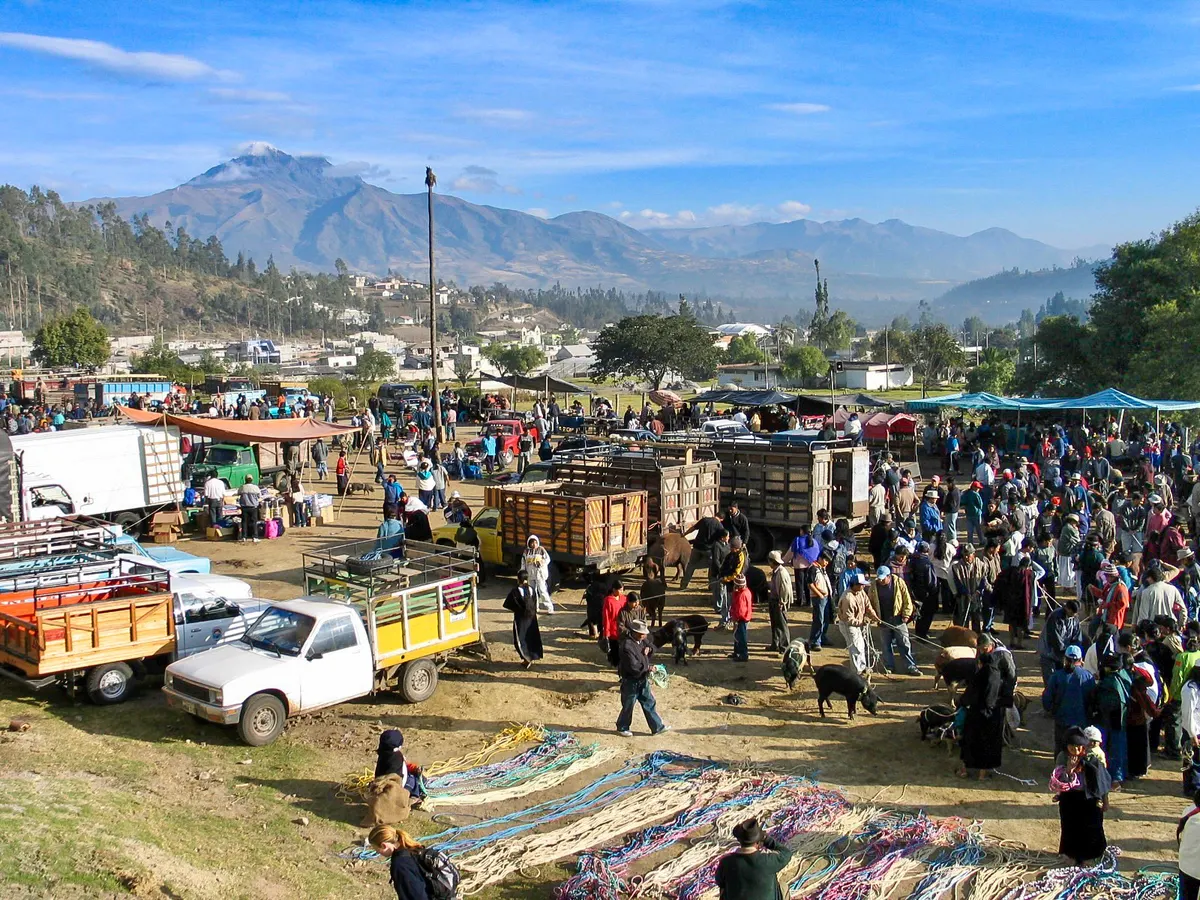
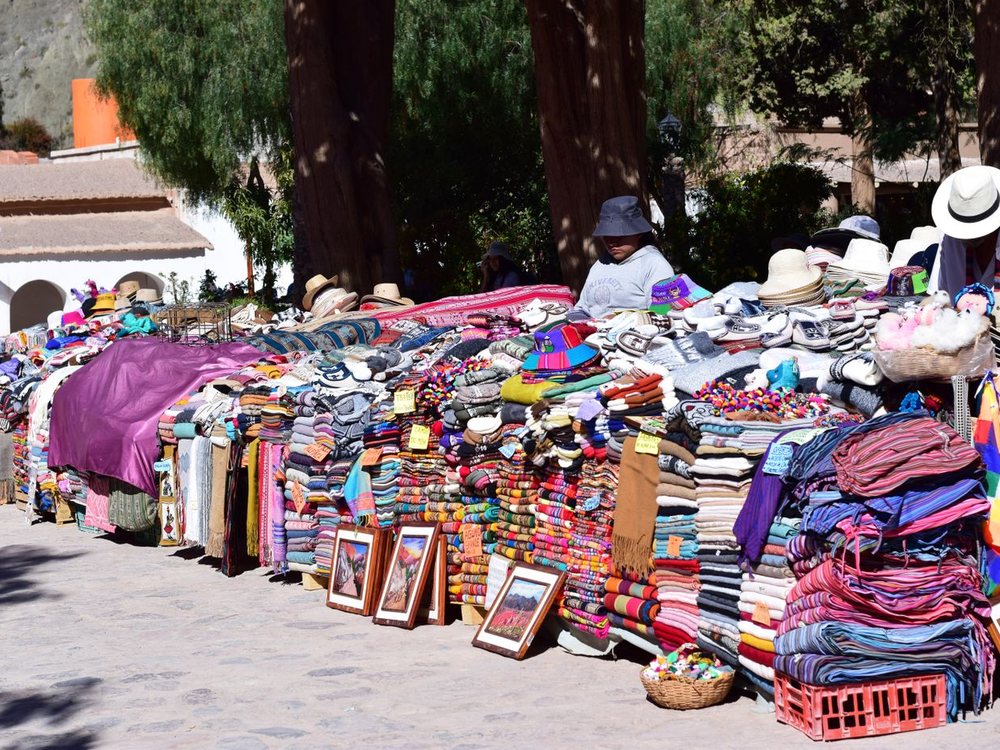
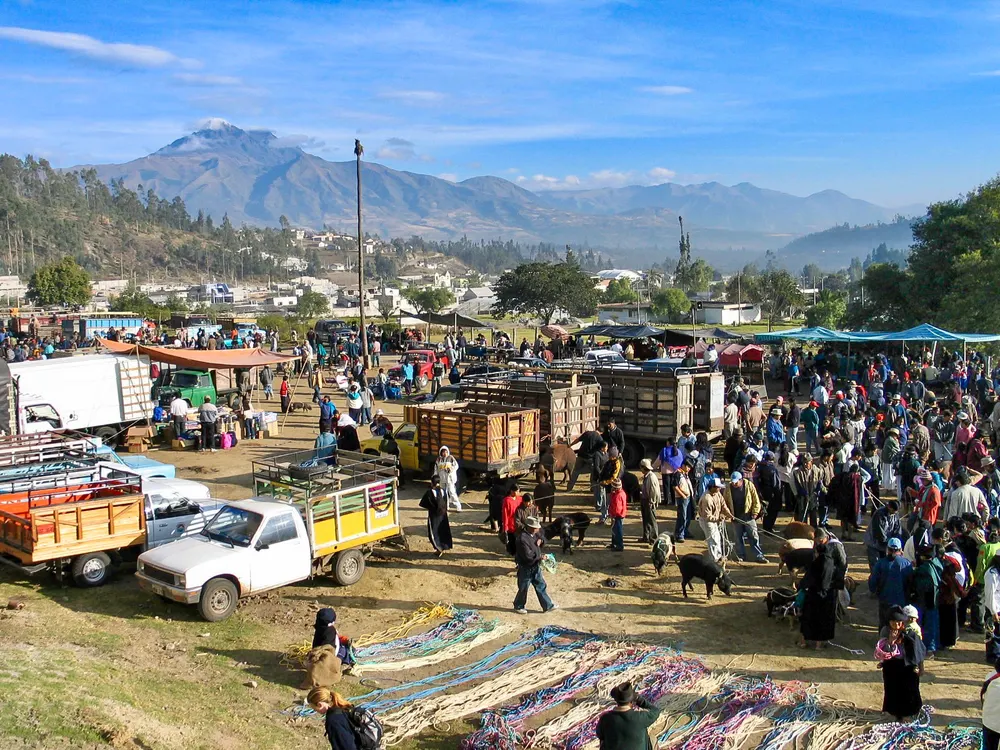
Otavalo has the largest indigenous market in Latin America, and Cuenca's historic center is famous for its colonial streets and toquilla straw hats.
5
Chocolate and ceviche
Ecuador is the cradle of cacao, with beans first domesticated about 5,300 years ago. Pair a cup of thick hot chocolate with roast pork in the Andes or fresh ceviche.
Worth booking ahead
The good ones sell out while you are still deciding. Book these before you fly, and keep your days for wandering.
Quito and day trips
Quito Old Town walking tour
Plazas, churches and the historic center with a local guide.
Five short notes from me: the 3 things I sort out ahead of every flight, the tiny details nobody tells you, and your vote on where I go next 🌍
A bit of history
A park for Darwin's islands, 1959
On July 4, 1959, Ecuador created Galápagos National Park to mark 100 years since Charles Darwin's On the Origin of Species. It was the country's first protected area and covers 97 percent of the islands' land.
Darwin in 1835
Charles Darwin visited the Galápagos in 1835, and his observations of the islands' wildlife helped inspire his theory of evolution.
The cradle of cacao
The Mayo Chinchipe Marañón culture began domesticating cacao in the Ecuadorian Amazon about 5,300 years ago.
Quito's Metro
Quito's Metro began carrying paying passengers on May 2, 2023, and Line 1 now links the city's south and north in about 34 minutes.
Where to stay
The areas worth basing yourself in, each with its own stay search, and every hotel on one map.
Tip: finish booking on the website, not in the hotel's app, so it counts as booked through me.
Ecuador works best with a few bases. These are the places this planner suggests, with how to reach each one and one honest heads up. Everything here is researched for you from official and tourism board sources.
Capital
Quito
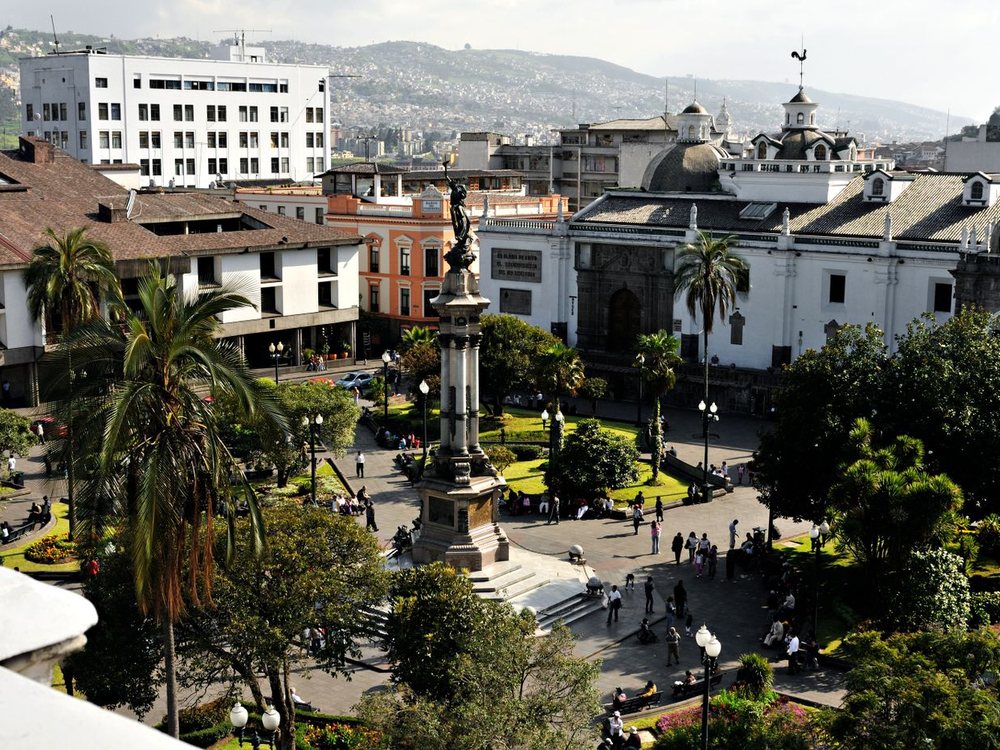
Quito is the oldest and highest capital in Latin America, with the best preserved historic center in the region, a World Heritage cultural site. The Metro runs from the south to the north of the city, and the cloud forest at Mindo is nearby for birds and orchids.
Near: The historic center, La Alameda and San Francisco Metro stations, Mindo cloud forest and Papallacta hot springs.
Getting around: Metro Line 1 runs from Quitumbe to El Labrador. Use a pre-arranged taxi from the airport.
Heads up: Thieves target tourists in crowds and on buses, so keep bags close and avoid night walks.
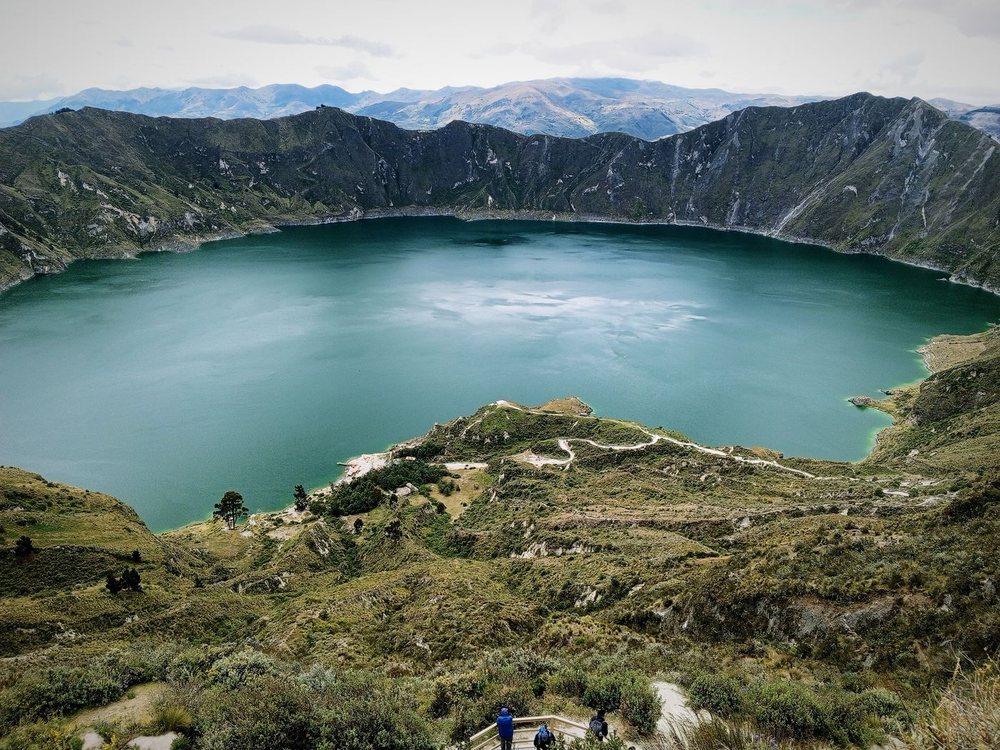
The Avenue of the Volcanoes crosses Ecuador from north to south with more than 70 peaks. Chimborazo reaches 6,268 meters and is the point farthest from the center of the Earth, Cayambe is crossed by the equator, and the Quilotoa Loop leads to a crater lake.
Near: Cotopaxi, Quilotoa Loop, and Cayambe and Chimborazo for experienced climbers.
Getting around: Join a guided day trip from Quito, since roads can be poor and conditions change fast.
Heads up: Latacunga lies in the path of possible Cotopaxi mud flows, so follow local alerts and guide advice.
Otavalo is known for the Plaza de los Ponchos, described as the largest indigenous market in Latin America. Lake San Pablo, Peguche waterfall, Condor Park and Taita Imbabura volcano surround the town.
Near: Plaza de los Ponchos, Lake San Pablo, Peguche waterfall, Condor Park and the Otavalango Museum.
Getting around: About one and a half hours north of Quito, by guided tour or arranged driver.
Heads up: Markets are busiest on Saturdays, so watch your belongings.
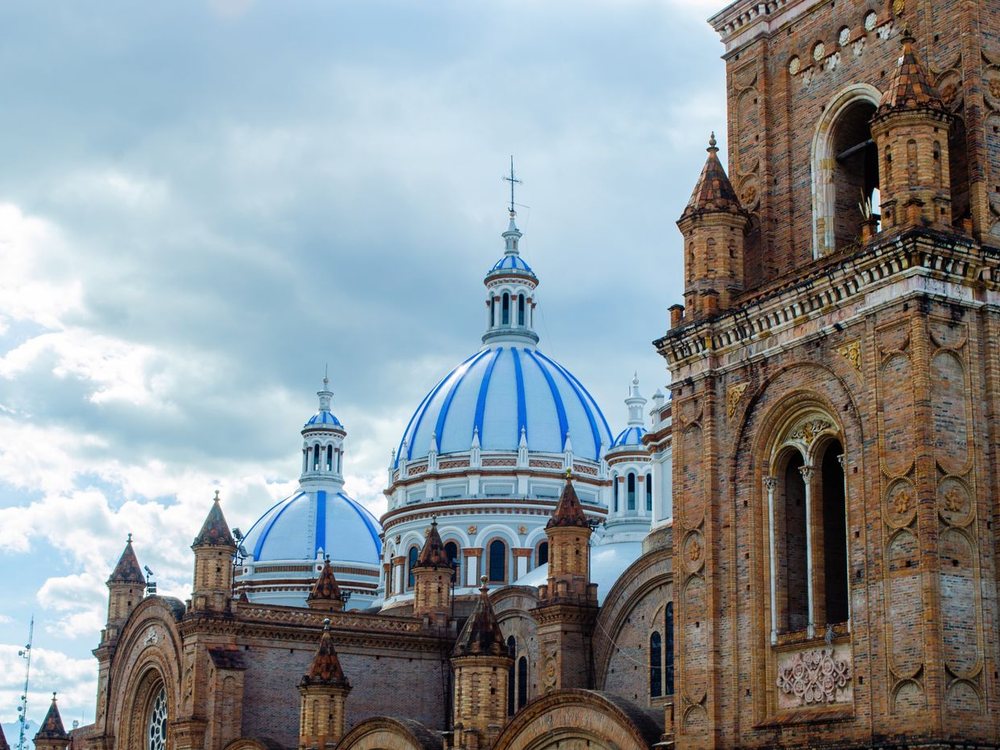
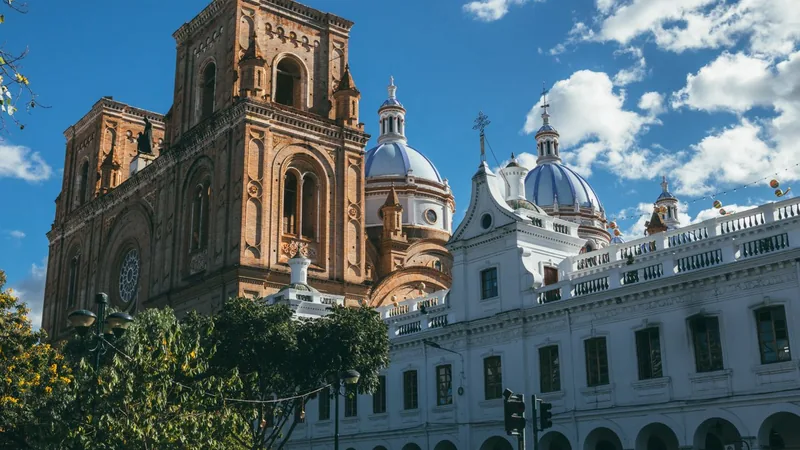
Cuenca sits in a spring valley crossed by four rivers, and its historic center is a World Heritage cultural site with colonial and republican architecture. It is one of the best known places to buy toquilla straw hats, often called Panama hats.
Near: The historic center, the New Cathedral's blue domes, river walks and nearby archaeological sites.
Getting around: Cuenca has its own airport, Mariscal La Mar.
Heads up: The city is high in the Andes, so take it slowly on arrival.
The Galápagos are a volcanic archipelago about 1,000 kilometers off the coast, where visitors walk among giant tortoises, sea lions and birds found nowhere else. The national park was created in 1959 and covers 97 percent of the land.
Near: Santa Cruz's Charles Darwin Research Station and tortoise ranches, San Cristóbal's beaches and reefs, and Isabela's volcanoes and penguins.
Getting around: Fly from Quito to Baltra (Seymour) or San Cristóbal airports. Buy the transit control card at the airport before check-in.
Heads up: Foreign visitors need private health insurance, a USD 20 transit control card and pay a park entrance fee, so check the park's current rates.
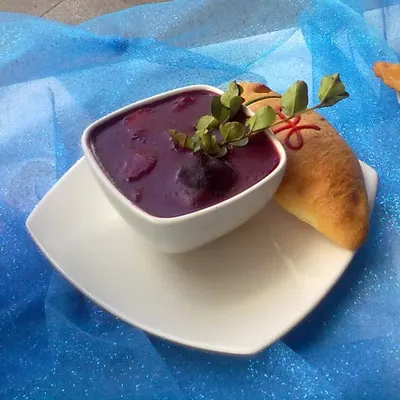
In early November, families share colada morada and guaguas de pan. The tradition blends pre-Hispanic customs with Christian ones.
Indigenous cultures
Ecuador has dozens of indigenous peoples and nationalities, among them Kichwa, Shuar and Huaorani in the Amazon. In Otavalo, the market is a living craft tradition, so ask before photographing people.
Straw hats
Toquilla straw hats are a heritage craft, and Cuenca is one of the most famous places to buy them.
Where and what to eat
Come hungry.
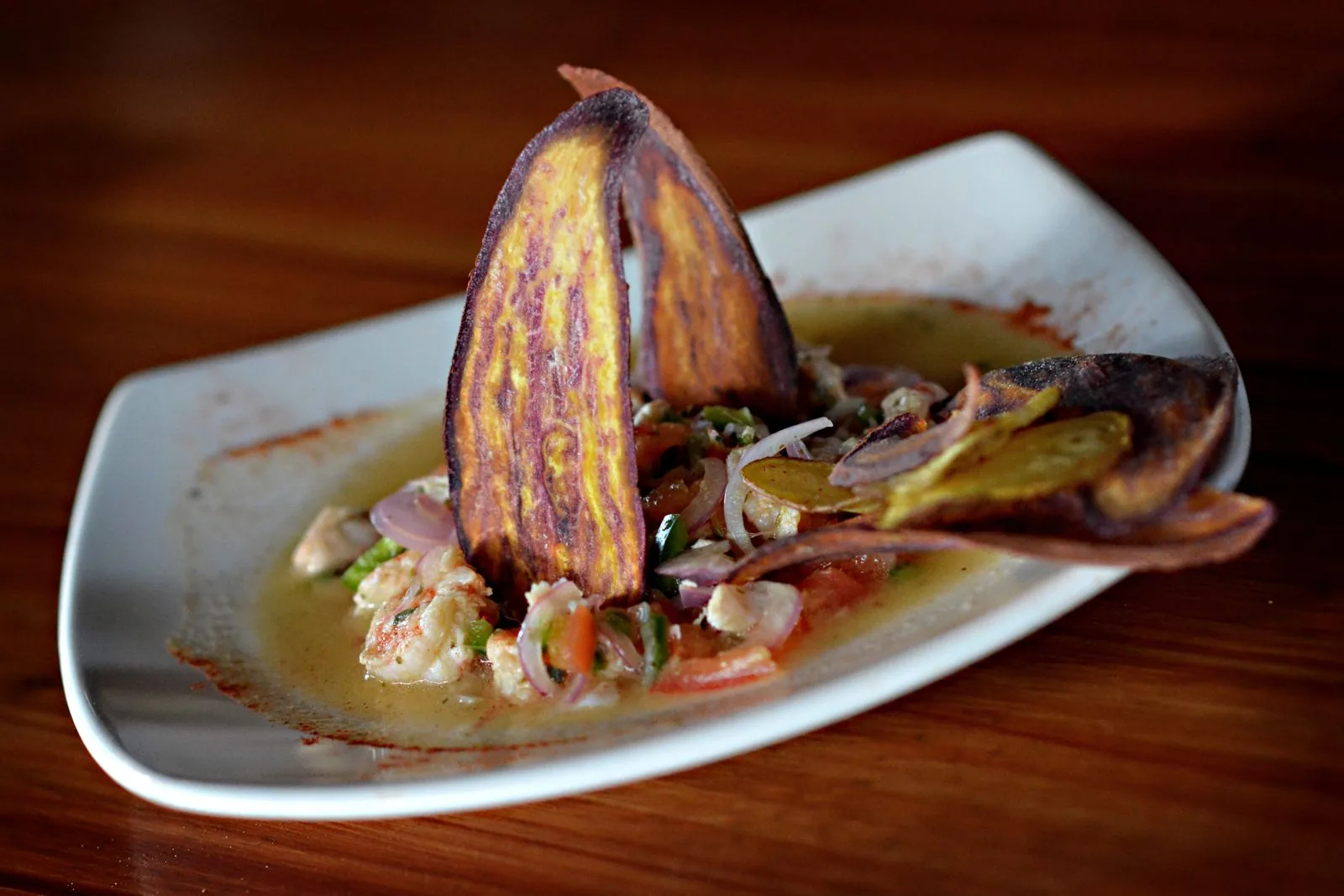
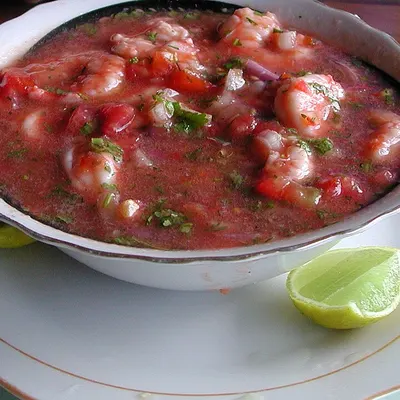
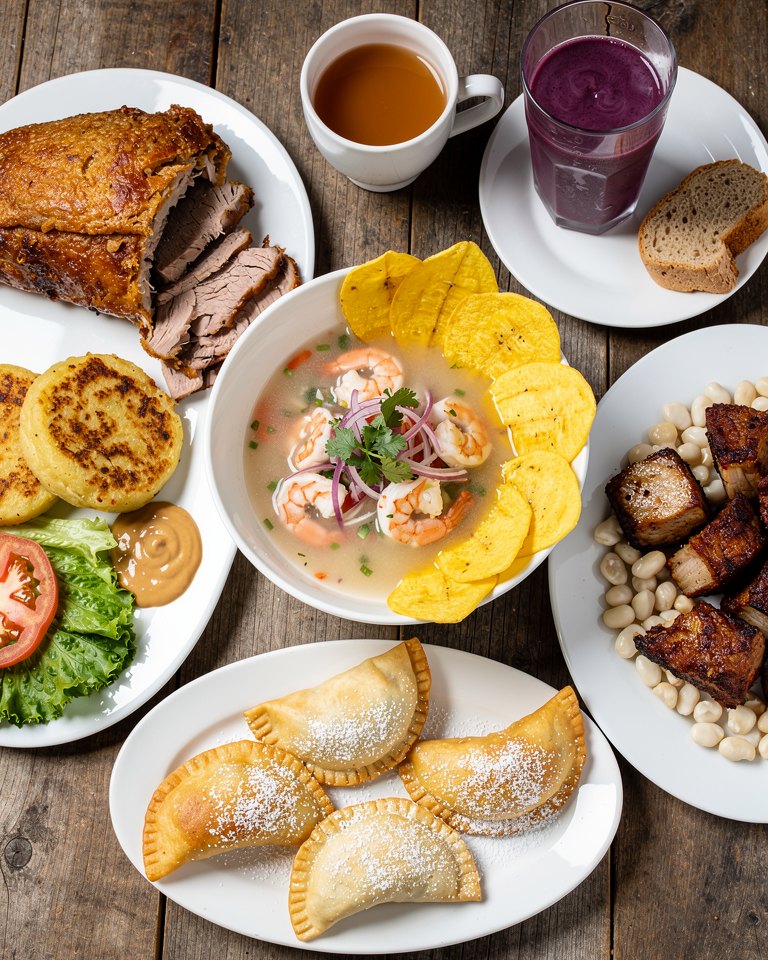
CevicheSeafood marinated in lime with onion, tomato and cilantro, made differently in every region and one of Ecuador's most popular dishes.
HornadoRoast pork, a signature dish of the Andes.
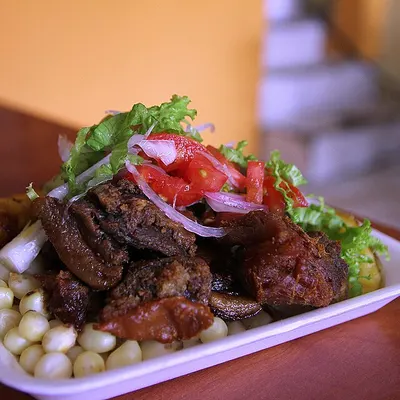
FritadaFried pork chunks, a traditional dish you can enjoy in Otavalo and across the Andes.
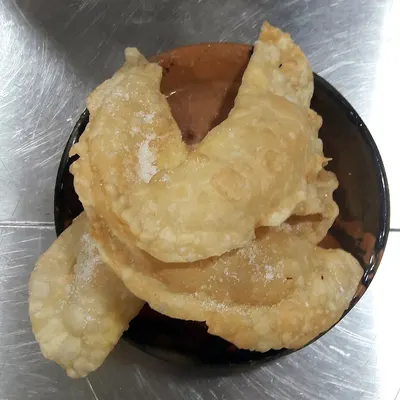
EmpanadasPastries with a dough wrapped around a filling, with many varieties and flavors across the country.
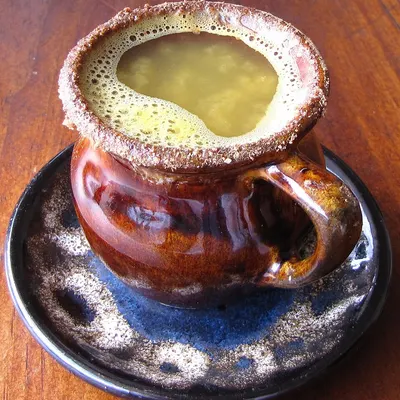
CanelazoA warm Quito drink of naranjilla juice, cinnamon, cloves and sugar cane, often with a splash of aguardiente.
Colada morada and guaguas de panA thick purple drink of black corn and fruit, paired with bread babies, for the Day of the Dead in November.
Say it like a local
13 everyday phrases in Spanish, with how to say them.
HelloHolaOH lah
Thank youGraciasGRAH see ahs
YesSísee
NoNonoh
Excuse mePerdónpair DOHN
GoodbyeAdiósah DYOHS
Show all 13 phrasesShow fewer phrases
PleasePor favorpor fah VOR
Excuse meDisculpedees KOOL peh
SorryLo sientoloh SYEN toh
How much is it?¿Cuánto cuesta?KWAN toh KWES tah
Where is the bathroom?¿Dónde está el baño?DON deh es TAH el BAH nyoh
The bill, pleaseLa cuenta, por favorlah KWEN tah por fah VOR
Do you speak English?¿Habla inglés?AH blah een GLES
Spanish is the main language, and Kichwa is widely spoken in parts of the Andes. English is common at tourist sites but less so elsewhere.
Find your flight
Search flights to Ecuador and compare prices before you book.
US passport No visa for up to 90 days a year, and your passport should have 6 months left. Check the official page before you book. Official page. Checked 13 Nov 2026.
US citizens do not need a visa for tourism stays of up to 90 days in any 12 month period. Your passport should be valid for six months, and the US State Department advises carrying your passport (or a photocopy with the entry stamp) and proof of US citizenship at all times. Amounts of USD 10,000 or more must be declared at entry. Check the official pages before booking. Not a US passport? Check your country's rules: Ecuador Ministry of Tourism.
Where this planner goes
The US State Department rates Ecuador Level 2, exercise increased caution, because of crime, terrorism, unrest and kidnapping. It advises against all travel to parts of Guayaquil (the Nueva Prosperina and Pascuales districts and all areas south of Portete de Tarqui Avenue), Duran, Huaquillas and Arenillas in El Oro, Quevedo, Quinsaloma and Pueblo Viejo in Los Rios, and Esmeraldas city and everything north of it to the Colombian border. It also says to reconsider travel to the rest of those provinces plus Sucumbios, Manabi, Santa Elena and Santo Domingo. This planner covers only Quito, Cotopaxi, Otavalo, Cuenca and the Galápagos, so check the current advisory before booking.
Money, altitude and health
Ecuador uses the US dollar. Bars and restaurants usually include a 10 percent service charge. Quito sits at 9,400 feet above sea level and some highland sights are higher, so ask your doctor about altitude. Yellow fever vaccination is recommended if you visit the Amazon, and travel insurance is strongly recommended. Dial 911 in an emergency.
Safety, volcanoes and the law
Pickpocketing, robbery and hotel theft are the most common crimes, so use hotel safes and avoid showing jewelry. Never leave drinks unattended and use ATMs only in secure indoor places. Earthquakes are common, and Cotopaxi is active, so follow guide and local advice. Drug penalties are severe, and an accident can lead to police custody even when you are not at fault.
When to go
Mountain season: Ecuador's mountain season begins in summer, when the volcanoes along the Avenue of the Volcanoes are at their best. More than 70 volcanoes and mountains line the avenue from north to south.
November: Ecuador marks the Day of the Dead in early November with a thick purple drink called colada morada and bread babies called guaguas de pan.
High altitude and road weather: Quito and the Andes are cool at altitude, and heavy fog and rain can make mountain roads treacherous. Plan travel days in daylight and allow extra time.
Plugs and power
Plug APlug B
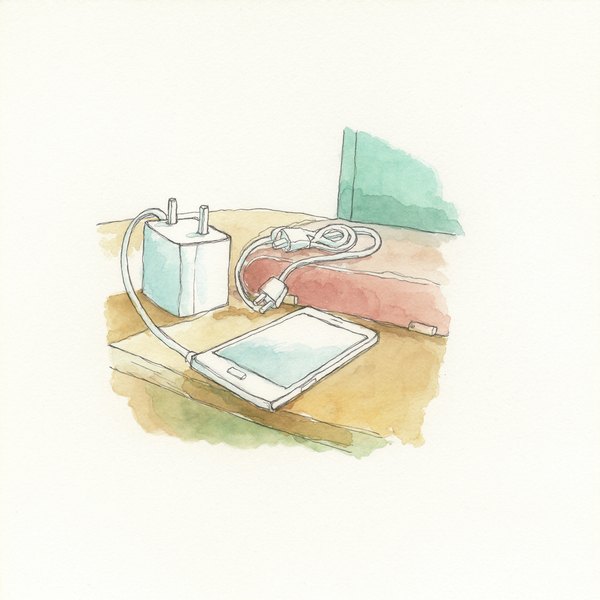
Power is 120 V, 60 Hz. Bring an adapter if your plugs are from the UK or the EU. Plugs from the US usually fit. UK and EU gear that only runs on 220 to 240 V needs a converter here. Check your chargers and devices say 100 to 240 V before you plug in.
Getting around Quito
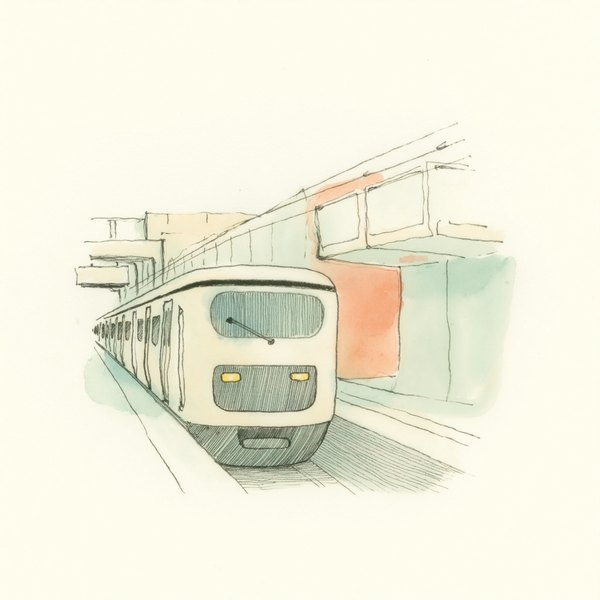
Quito's Metro Line 1 has 15 stations and runs 22 kilometers from Quitumbe in the south to El Labrador in the north in about 34 minutes. It runs Monday to Friday from about 5:30 AM to 11 PM, with trains every 5 to 8 minutes. A single ride was set at USD 0.45 in 2023, so check before you go. Buses and taxis cover the rest. Taxis and buses: Order taxis by phone or through your hotel, not on the street, since criminals have forced victims to withdraw cash. Armed robberies on city buses are reported, and many intercity buses are overcrowded. For trips between cities, book a reputable tour or private driver. Official airport taxis wait outside arrivals, and Uber works in Quito and Guayaquil.
Quito's airport is in Tababela, outside the city, so allow extra time in both directions. Take an official airport taxi or a pre-arranged ride, since tourists have been robbed on arrival at the Quito airport. Do not hail street taxis, and carry only the cash you need. Prices were not confirmed, so ask at the airport desk.
UIO Mariscal Sucre International Airport (Quito): an official airport taxi or a pre-arranged ride (avoid street taxis); ask at the airport desk for current prices.
Book a pickup or rent a car
Book a pickup
Book a driver who meets you at arrivals at Mariscal Sucre International Airport (Quito), at a fixed price agreed before you land.
You drive: compare rental companies and prices for your dates.
The search box loads here.
Good to know
The local rules and habits worth knowing before you land.
Carry your passport or a photocopy with the entry stamp, plus proof of US citizenship.
Order taxis by phone or through hotels, and avoid hailing them on the street.
Use hotel safes, and use ATMs only in secure indoor places.
Amounts of USD 10,000 or more must be declared on entry.
Galápagos visitors need a transit control card, health insurance and the park entrance fee.
Drug penalties are severe, and a road accident can lead to police custody even when you are not at fault. Foreign drivers can use a US license for 90 days and must carry local liability insurance called SPPAT.
The questions people ask most, answered from this page.
Do US citizens need a visa for Ecuador?
US citizens do not need a visa for tourism stays of up to 90 days in any 12 month period. Your passport should be valid for six months, and the US State Department advises carrying your passport (or a photocopy with the entry stamp) and proof of US citizenship at all times. Amounts of USD 10,000 or more must be declared at entry. Check the official pages before booking.
How do I get from the airport to the city in Ecuador?
Quito's airport is in Tababela, outside the city, so allow extra time in both directions. Take an official airport taxi or a pre-arranged ride, since tourists have been robbed on arrival at the Quito airport. Do not hail street taxis, and carry only the cash you need. Prices were not confirmed, so ask at the airport desk.
How do I get around Ecuador?
Quito's Metro Line 1 has 15 stations and runs 22 kilometers from Quitumbe in the south to El Labrador in the north in about 34 minutes. It runs Monday to Friday from about 5:30 AM to 11 PM, with trains every 5 to 8 minutes. A single ride was set at USD 0.45 in 2023, so check before you go. Buses and taxis cover the rest.
What currency does Ecuador use?
Ecuador uses the US dollar. Bars and restaurants usually include a 10 percent service charge. Quito sits at 9,400 feet above sea level and some highland sights are higher, so ask your doctor about altitude. Yellow fever vaccination is recommended if you visit the Amazon, and travel insurance is strongly recommended. Dial 911 in an emergency.
Photo credits
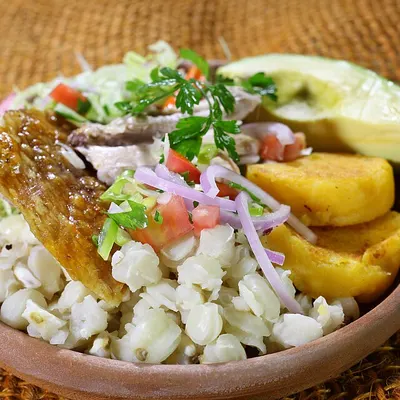
Crowded Otavalo market with stalls and trucks below green Andean mountains in Ecuador: Superbass, CC BY-SA 4.0, via Wikimedia Commons. Busy open air Saturday market in Otavalo with Imbabura volcano rising in the background: Superbass, CC BY-SA 4.0, via Wikimedia Commons. Ceviche: Rinaldo Wurglitsch, CC BY 2.0, via Wikimedia Commons. Hornado: amalavida.tv from Ecuador, CC BY-SA 2.0, via Wikimedia Commons. Fritada: Agencia de Noticias ANDES, CC BY-SA 2.0, via Wikimedia Commons. Empanadas: Kevinmero, CC BY-SA 4.0, via Wikimedia Commons. Canelazo: momentcaptured1 from NYC, USA, CC BY 2.0, via Wikimedia Commons. Colada morada and guaguas de pan: Pedro M. Martínez Corada - www.martinezcorada.es, CC BY-SA 4.0, via Wikimedia Commons.
Checked 12 Nov 2026: entry links, plugs, airport times, ride apps and the facts on this page. Prices and rules show their own As of date.
Researched for you from official and trusted sources.
Affiliate links: some links on this page (flights, tours, city passes, stays, transfers, rental cars, luggage storage, eSIMs and flight compensation) are affiliate links. If you book through them, I earn a small commission at no extra cost to you.
Photos
Real photos from Wikimedia Commons, used under the license shown, by the photographers credited below. The table of dishes in the food section is an illustration made for this page, not a photo of a real meal.
Snow capped Cotopaxi volcano rising above Andean grassland under a blue sky. Photo: Bernard Gagnon, CC BY-SA 3.0, via Wikimedia Commons.
The golden carved interior of La Compañía church in Quito with pews along the nave. Photo: Diego Delso, CC BY-SA 4.0, via Wikimedia Commons.
A giant tortoise walking through green grass on Santa Cruz Island in the Galápagos. Photo: Bernard Gagnon, CC BY-SA 4.0, via Wikimedia Commons.
Blue and white domes of the New Cathedral above red tile roofs in Cuenca. Photo: Alex Proimos, CC BY 2.0, via Wikimedia Commons.
Sources
Researched for you from official and trusted sources. Rules, prices and times change, so check the official page before you book.
I researched this page for you, so you can plan well. The places I have filmed have their own trip planners.
Filming your own trips? My free guide to AI editing shows how my automated AI editor turns a folder of my clips into a finished reel. Send me the free guide.
 Luisa's Atlas
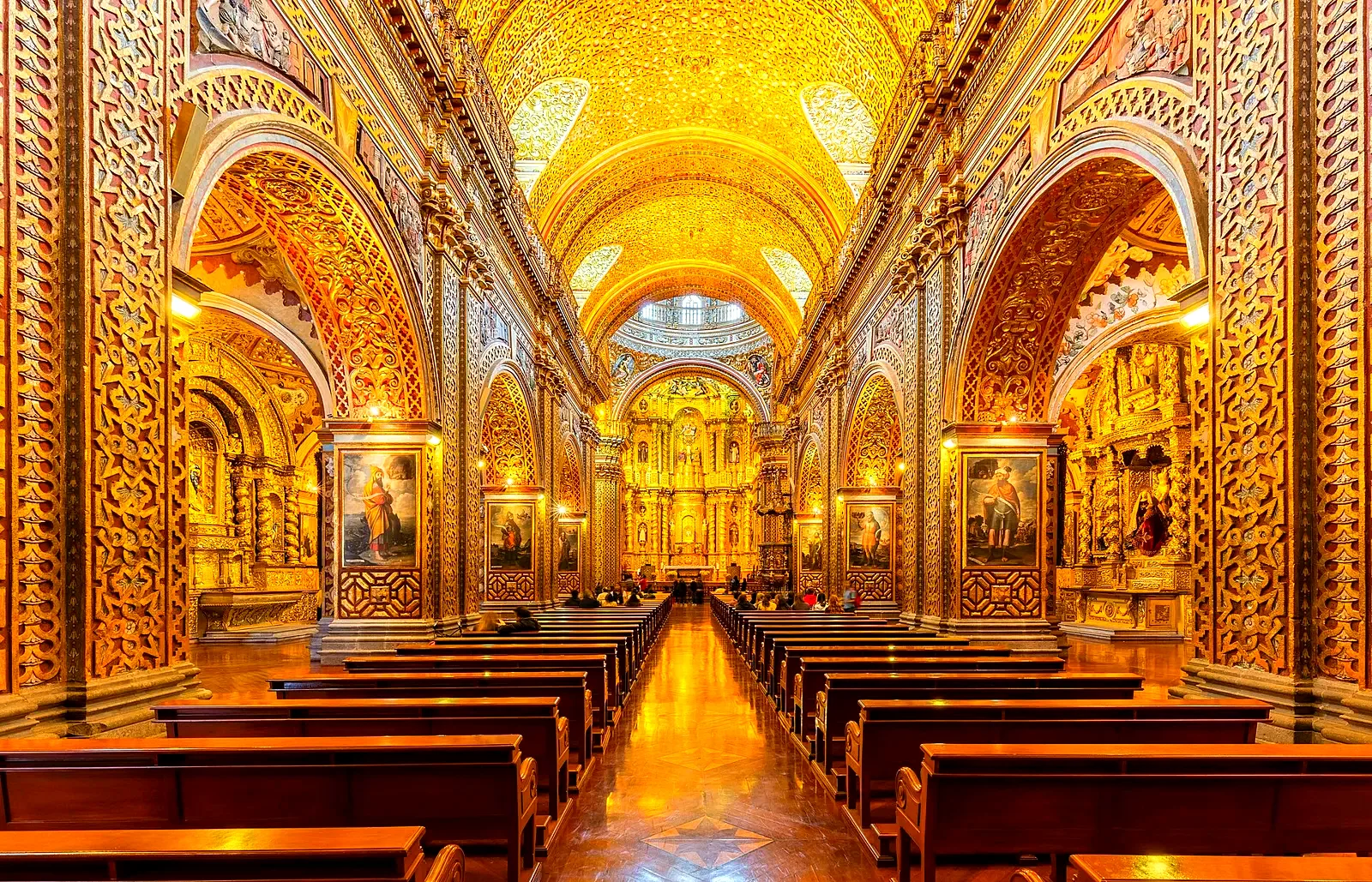 The golden carved interior of La Compañía church in Quito with pews along the nave. Photo: Diego Delso, CC BY-SA 4.0, via Wikimedia Commons.
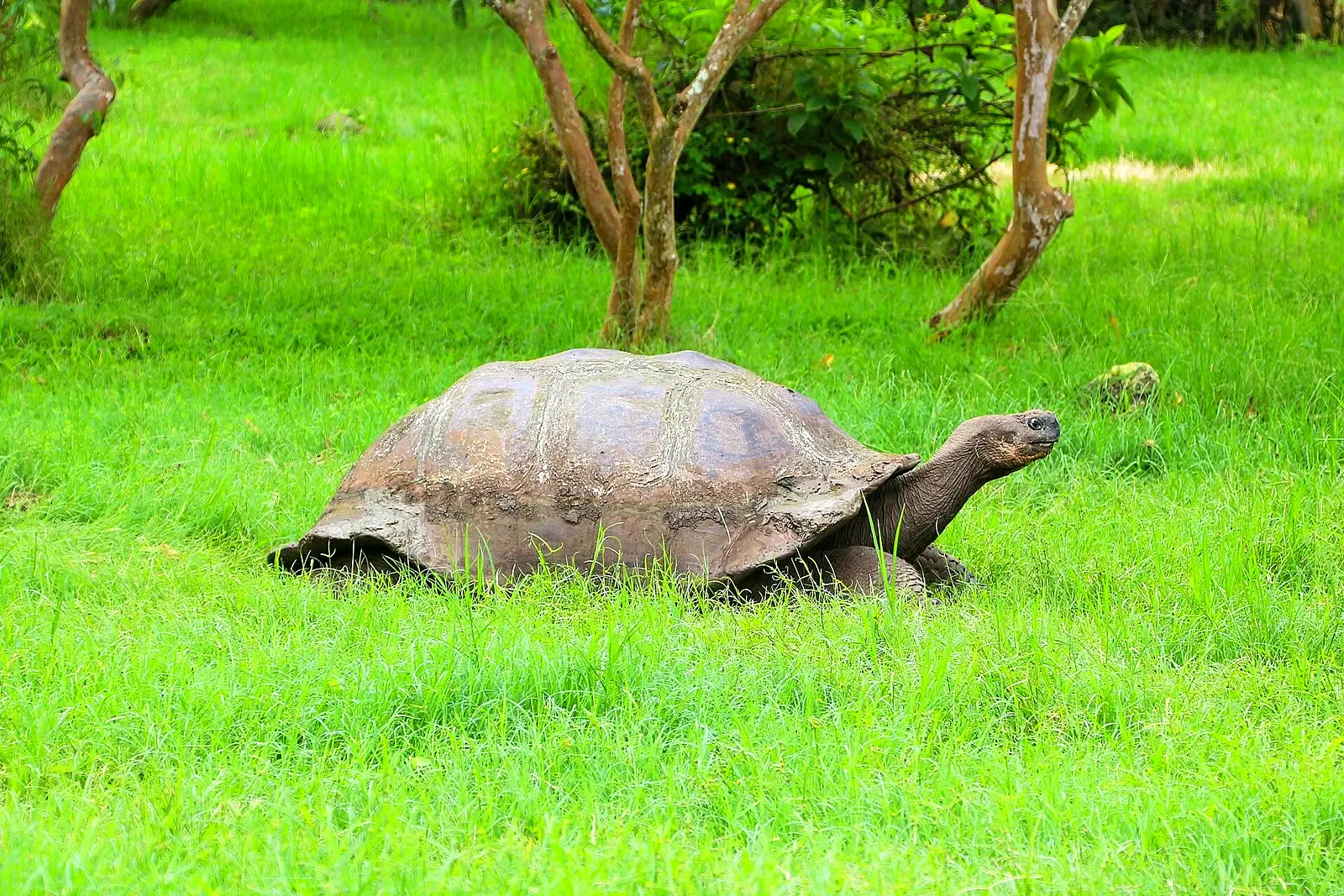 A giant tortoise walking through green grass on Santa Cruz Island in the Galápagos. Photo: Bernard Gagnon, CC BY-SA 4.0, via Wikimedia Commons.
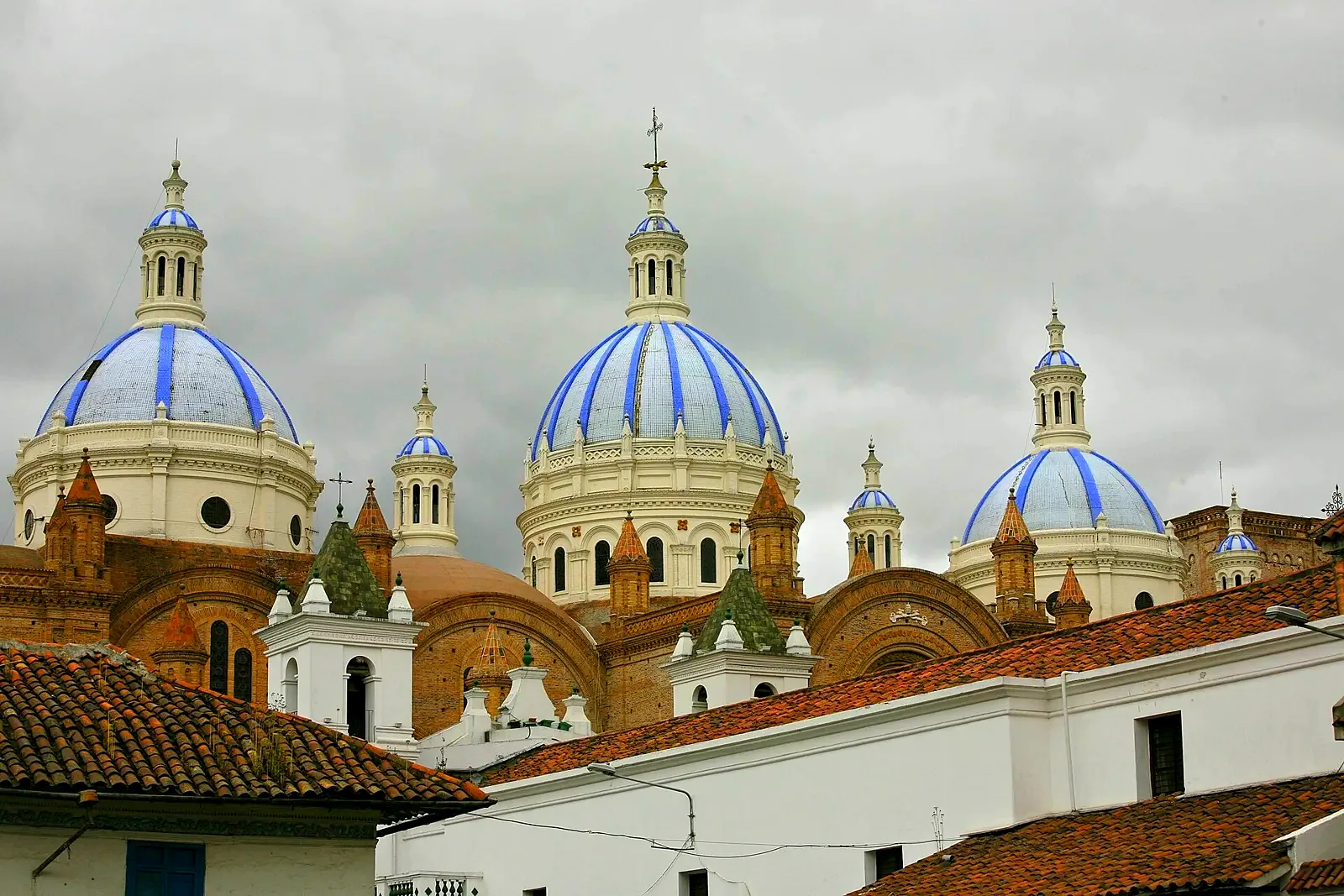 Blue and white domes of the New Cathedral above red tile roofs in Cuenca. Photo: Alex Proimos, CC BY 2.0, via Wikimedia Commons.