Six places to start in Panama: Panama City and its Casco Antiguo, the Canal and Soberania park, Bocas del Toro, the Guna Yala islands, Boquete and Portobelo. Entry rules, airport transfers, the metro, what to book early, what to eat and how to stay safe.
Everything for Panama on one page: what to know before you leave, the tours worth booking ahead, the ride apps, an eSIM and where to stay and eat, so you land with a plan, not 37 open tabs.
Some links earn me a small commission at no extra cost to you.
My free appLanding with no signal? Take this whole planner offline in my free iPhone app.Download on the App Store
Where in the worldPanama
Why Panama is amazing
1
Pastel streets in the old town
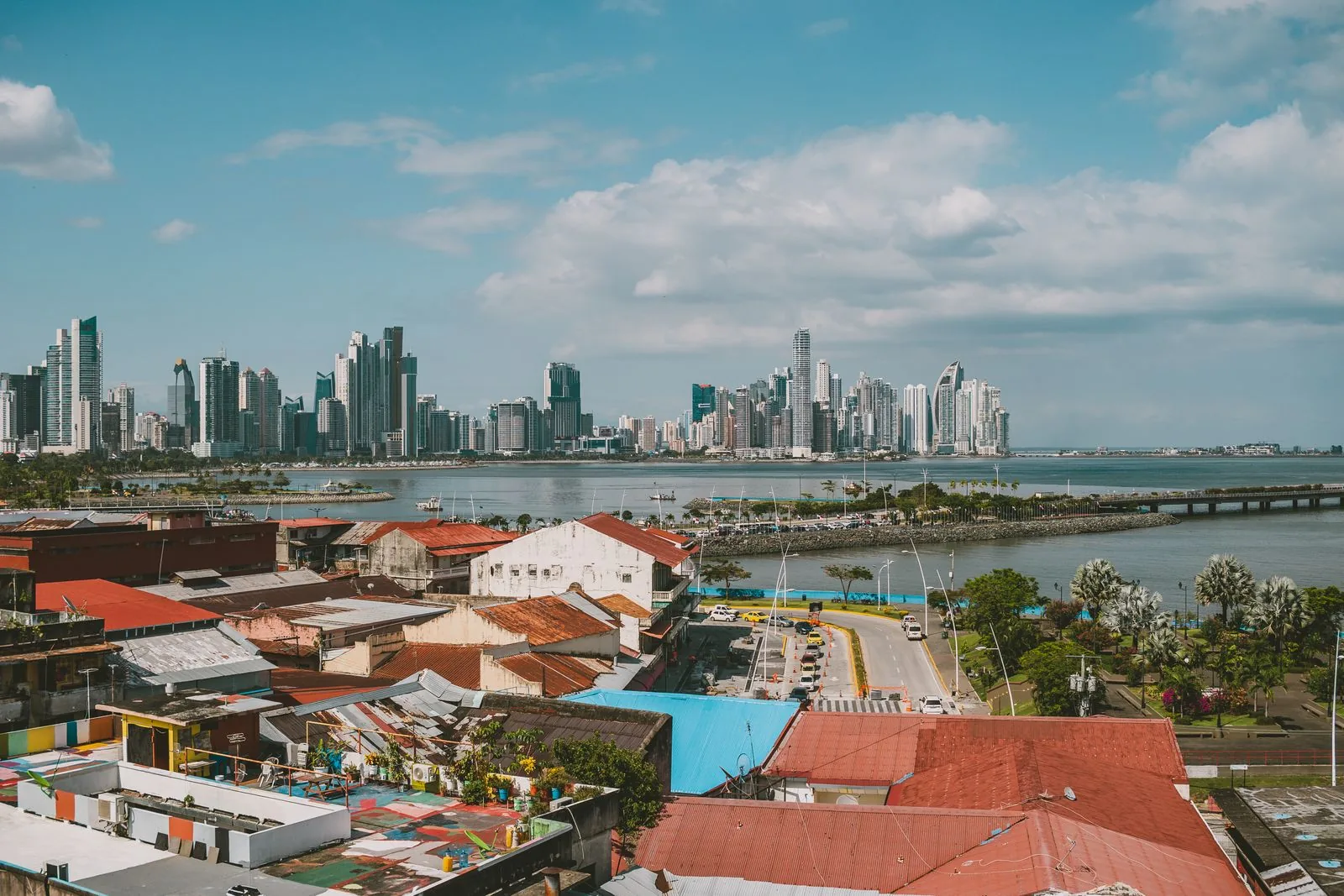
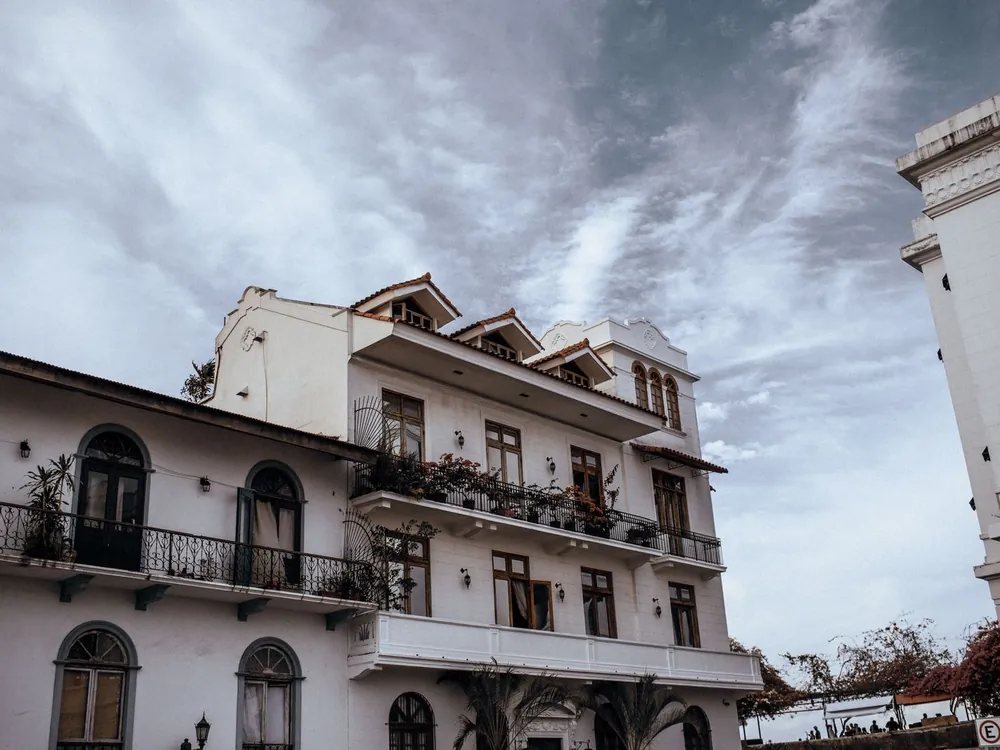
Casco Antiguo is a walled colonial neighborhood of cobbled streets, balconies and colorful doors. Walk from plaza to plaza, then catch sunset from a rooftop with the skyline in view.
2
Ships crossing two oceans
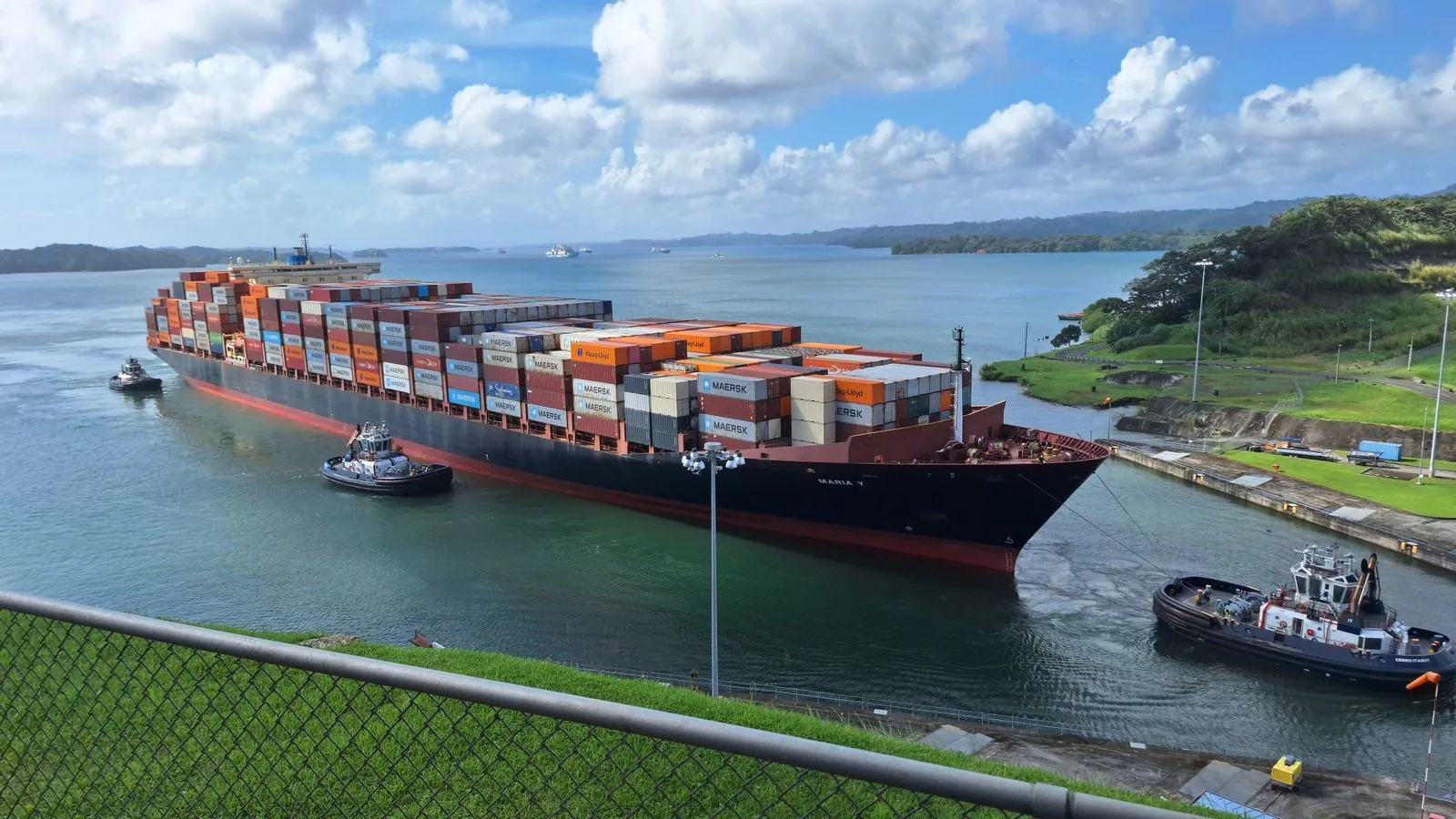
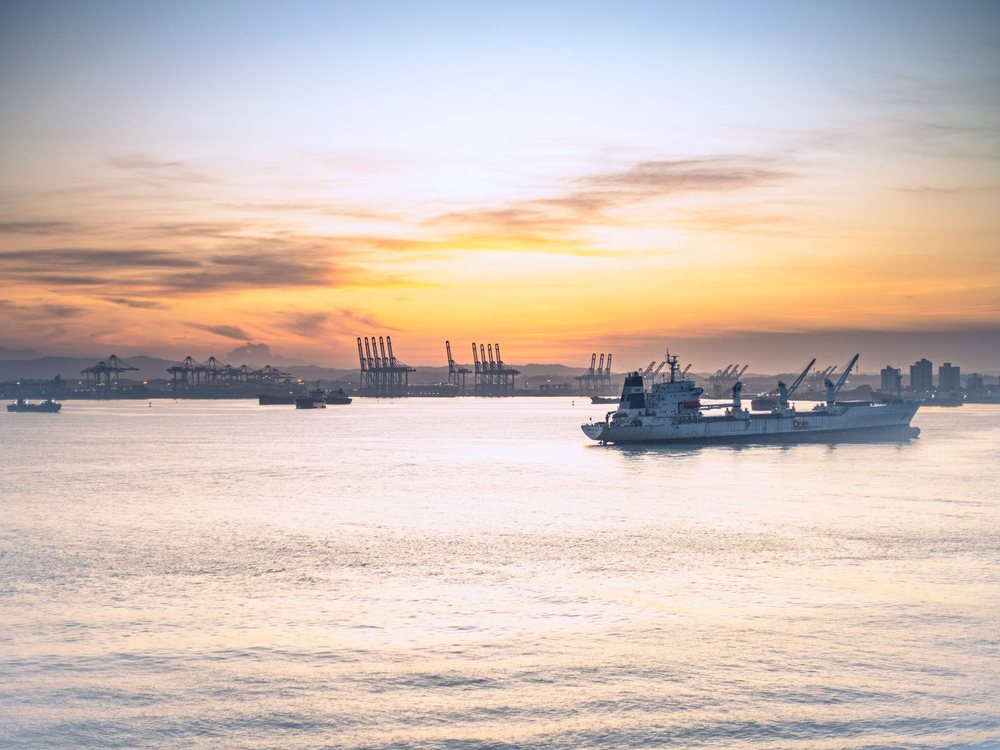
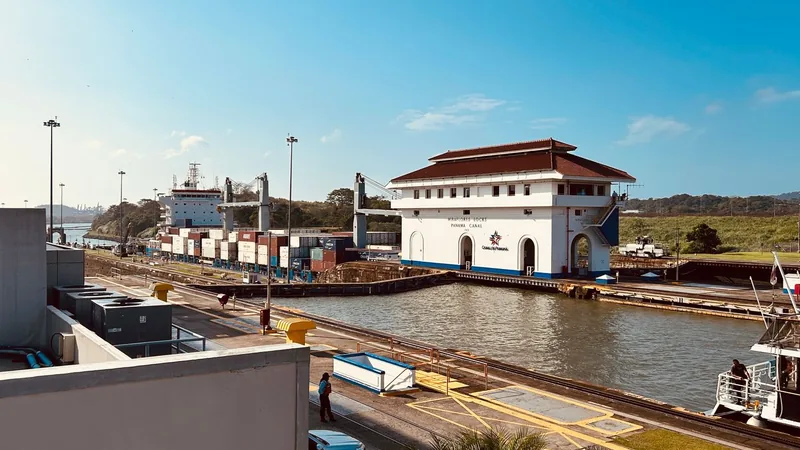
At the Miraflores Visitor Center, terraces let you watch huge ships glide through the Panama Canal locks, a 20th century engineering marvel just 15 minutes from downtown.
3
Islands with no big hotels
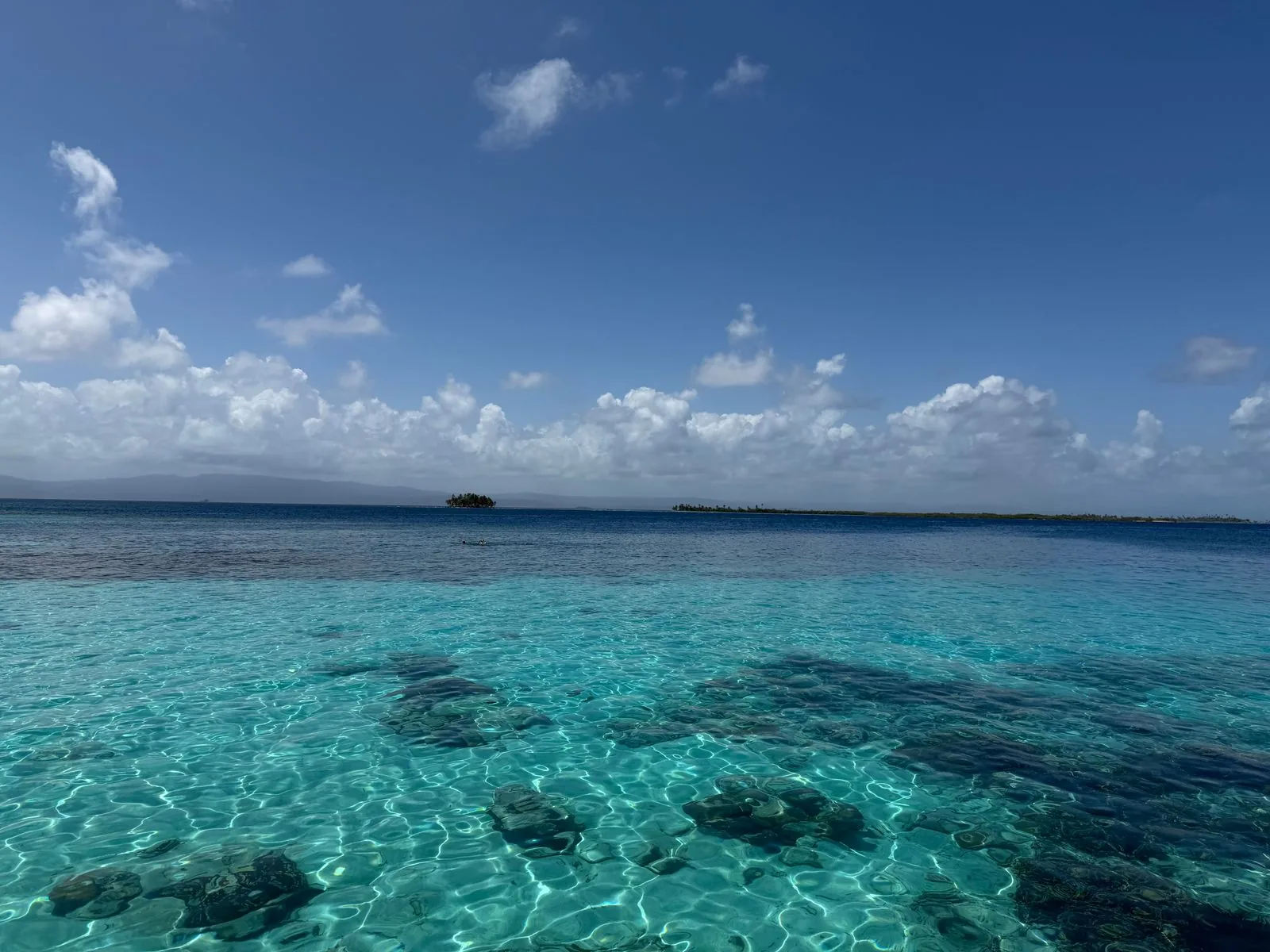
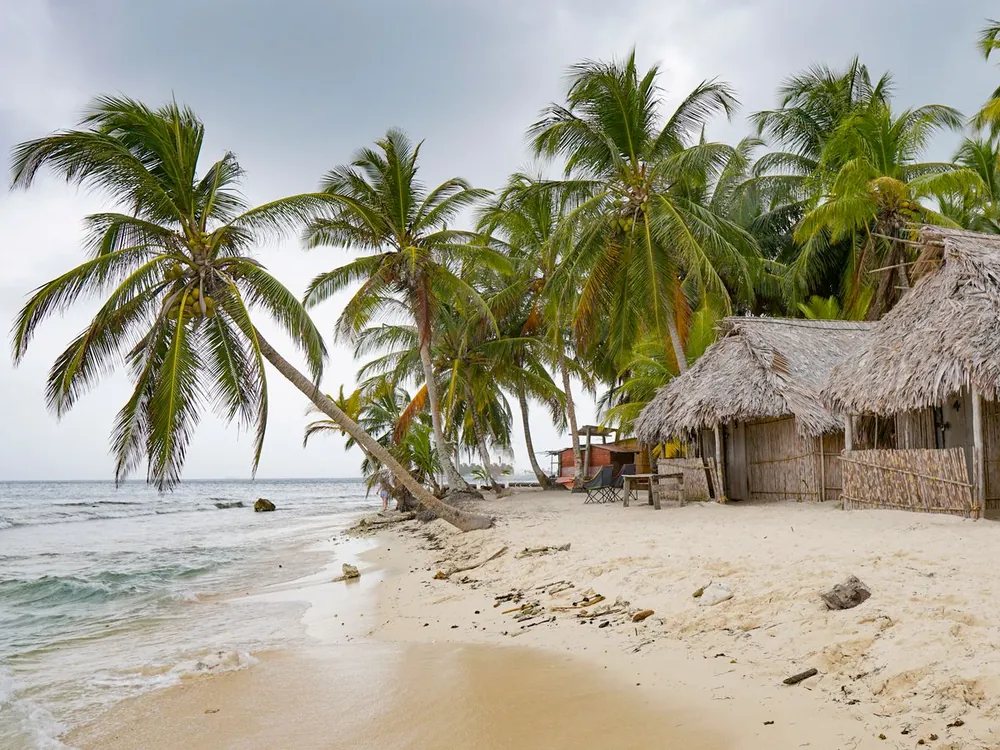
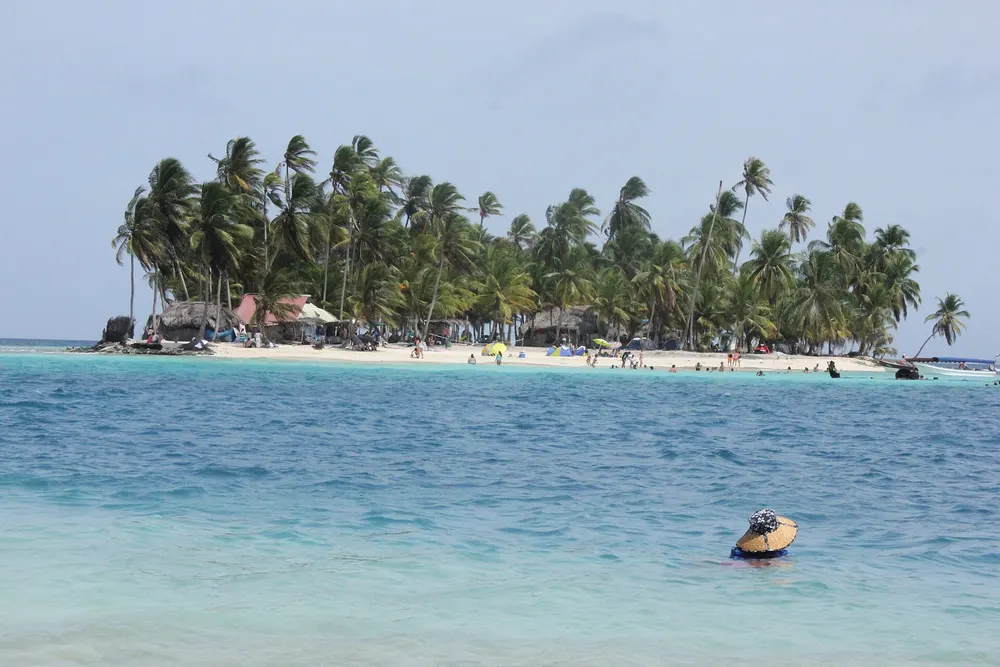
Guna Yala has more than 365 palm covered islands with white sand and turquoise water. The Guna people have kept their traditions for centuries, and you stay in simple local cabins.
4
Reefs and Caribbean rhythm
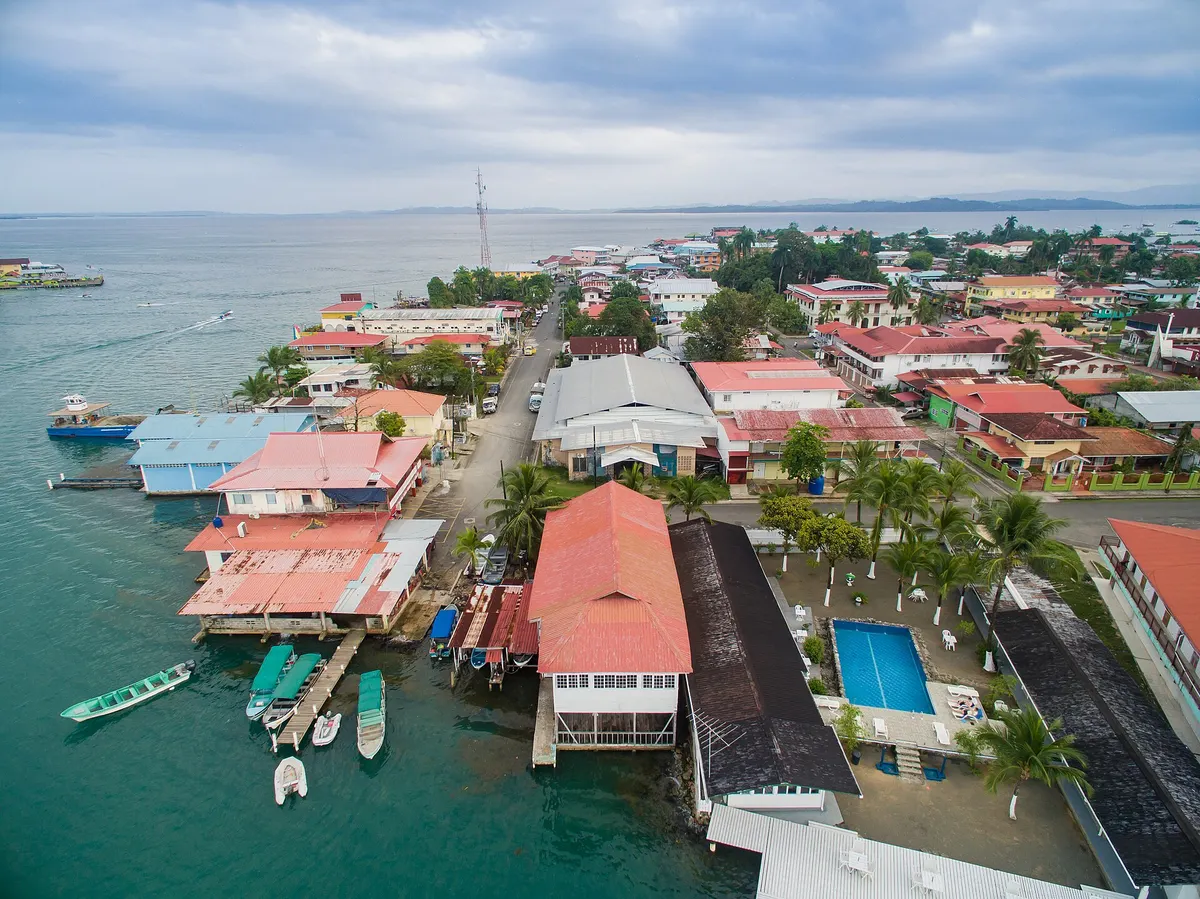
Bocas del Toro has nine islands with warm clear water at about 26°C, surf spots and a music scene of calypso, reggae and soca.
5
Coffee grown in the clouds
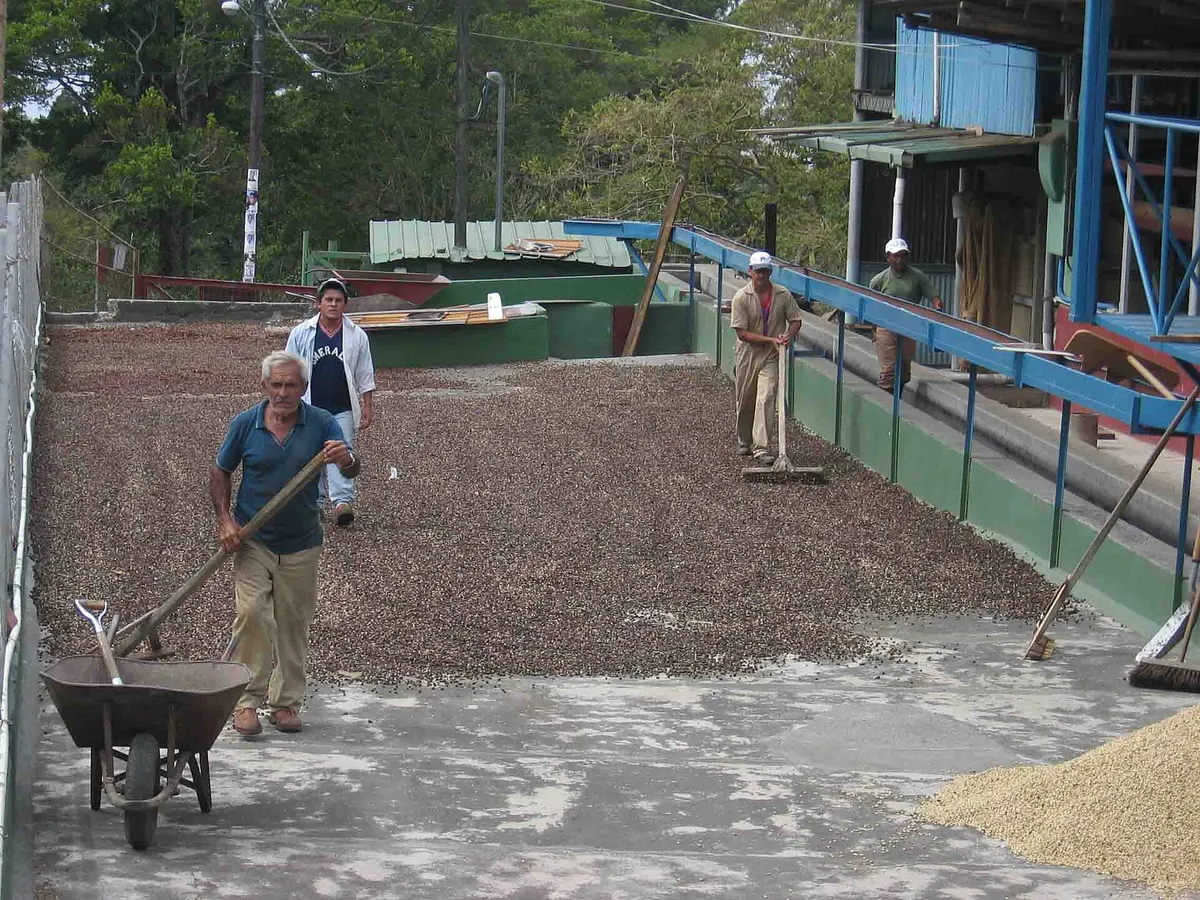
In cool Boquete you can tour farms that grow Geisha coffee, one of the world's most sought after varieties, then soak in hot springs nearby.
Worth booking ahead
The good ones sell out while you are still deciding. Book these before you fly, and keep your days for wandering.
Panama City
Casco Antiguo walking tour
Plazas, churches and colonial streets with a local guide.
Five short notes from me: the 3 things I sort out ahead of every flight, the tiny details nobody tells you, and your vote on where I go next 🌍
A bit of history
Panama Viejo, 1519
Panama Viejo is the ruin of the first Spanish city on the Pacific, founded in 1519 and destroyed by pirates. Casco Antiguo opened in 1673 as its replacement.
The Canal opens in 1914
The Panama Canal opened on August 15, 1914, ten years after construction began. An expansion with larger locks opened in June 2016.
Portobelo's forts
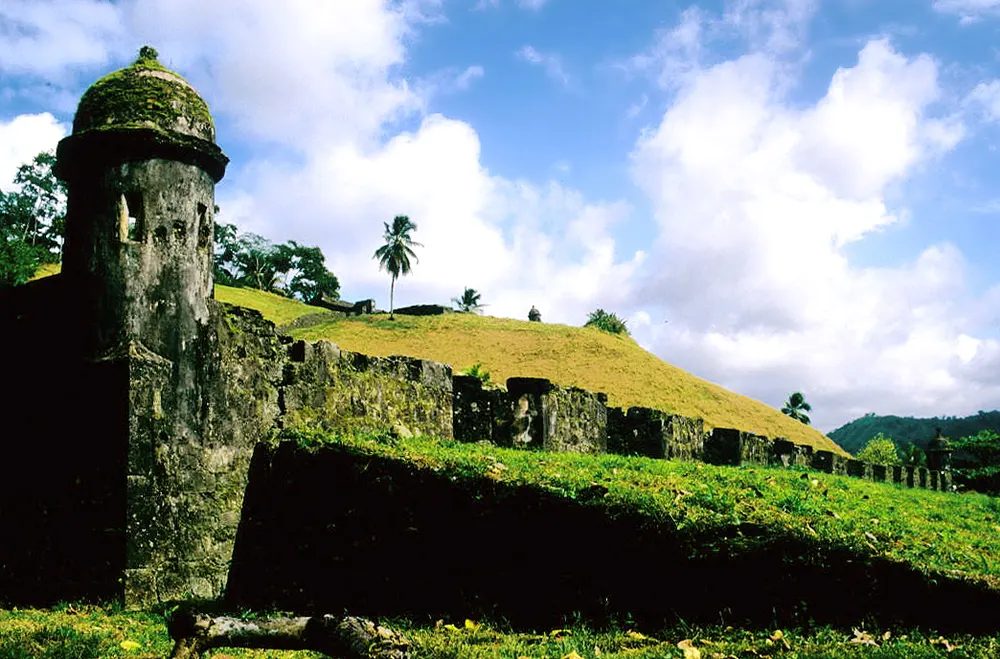
Portobelo's Spanish forts defended the Caribbean port from pirates and are now UNESCO World Heritage Sites. Columbus is said to have named the place for its beauty.
The Guna people
The Guna migrated to the Darién forests and coasts in the late 16th century and later won recognized autonomy over their lands.
Where to stay
The areas worth basing yourself in, each with its own stay search, and every hotel on one map.
Tip: finish booking on the website, not in the hotel's app, so it counts as booked through me.
Panama works best with a few bases. These are the places this planner suggests, with how to reach each one and one honest heads up. Everything here is researched for you from official and tourism board sources.
Capital
Panama City
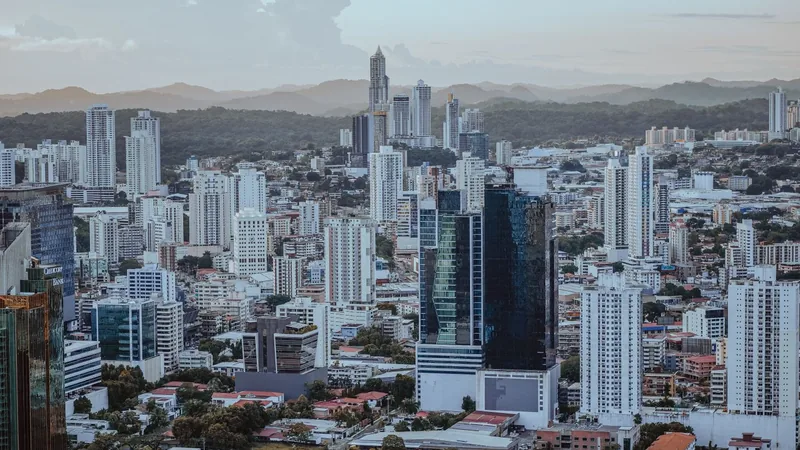
Panama City has a modern skyline beside two UNESCO World Heritage Sites: the ruins of Panama Viejo, founded in 1519, and the walled colonial Casco Antiguo with cobbled streets and colorful doors. It also has the Amador Causeway, the Biomuseo and rooftop restaurants.
Near: Casco Antiguo and Plaza de la Independencia, Panama Viejo, the Amador Causeway, the Biomuseo and Metropolitan Park.
Getting around: The metro runs from Tocumen airport, and official taxis wait at both terminals.
Heads up: Take care with phones and bags in busy areas, and avoid walking alone late at night.
The Panama Canal opened on August 15, 1914, and the Miraflores Visitor Center is a 15 minute drive from downtown, with terraces to watch ships pass. Soberania National Park is just 30 minutes from the city, with rainforest, Pipeline Road for birds and a canopy tower.
Near: Miraflores Visitor Center, the Agua Clara locks near Colón, Soberania National Park and the Rainforest Discovery Center.
Getting around: By taxi, tour or rental car from Panama City.
Heads up: Ship transits depend on the Canal's schedule, so check visiting hours first.
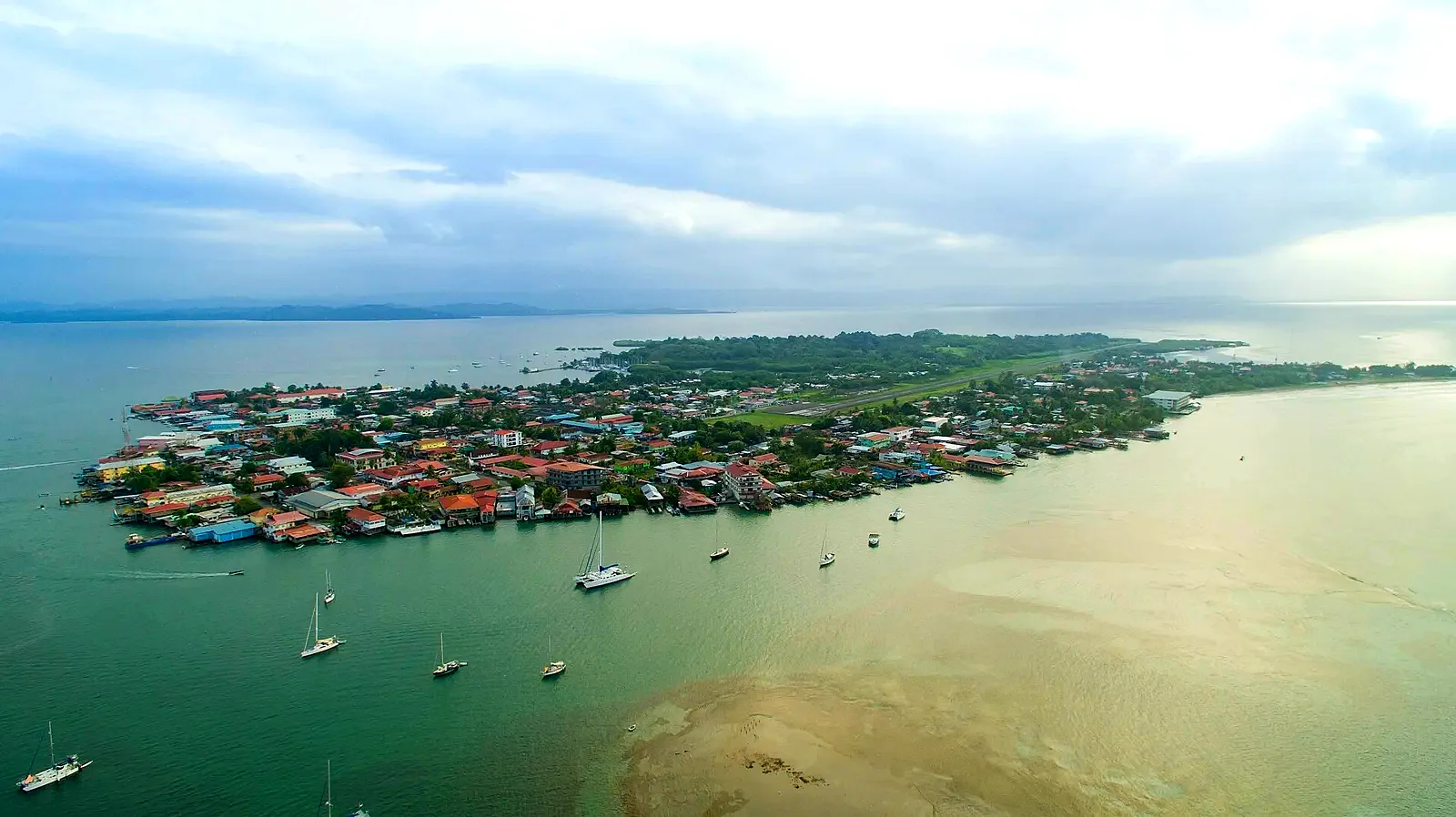
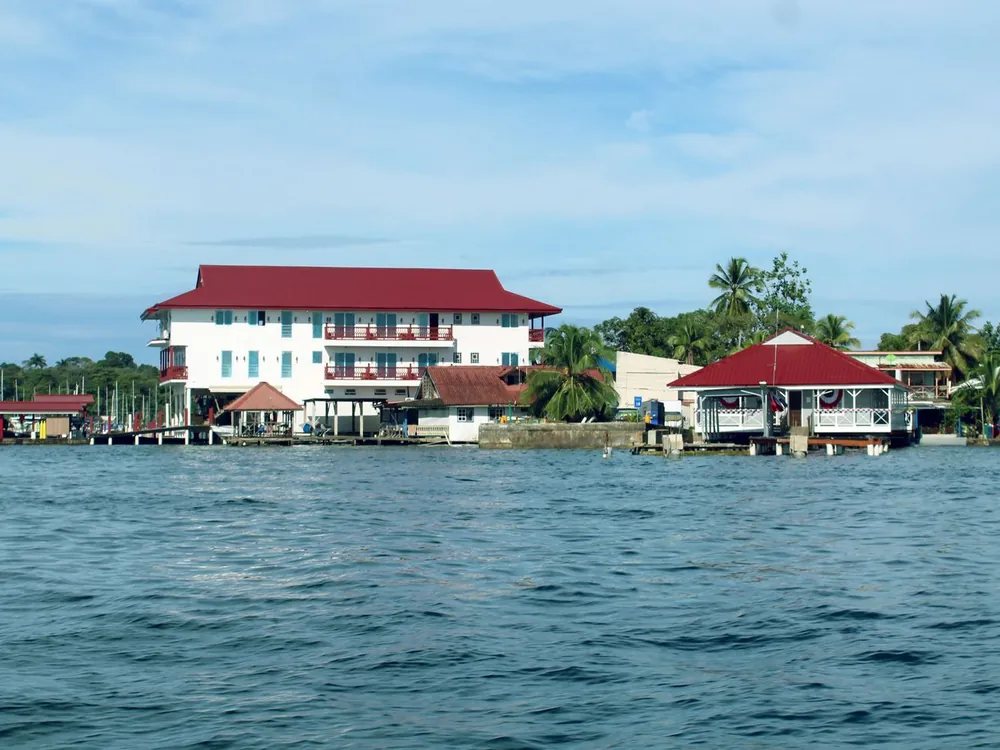
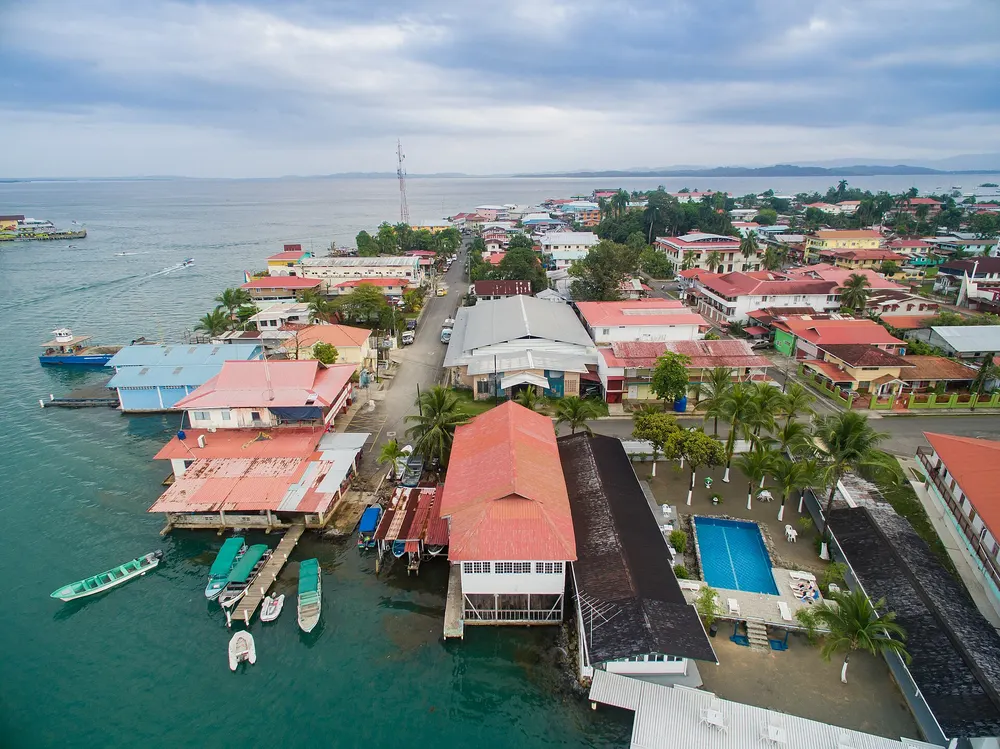
The Bocas archipelago has nine islands and thousands of islets, with clear water at about 26°C and good surf. The Afro-Antillean culture shows in the seafood, coconut and spicy peppers, and in calypso and reggae music.
Guna Yala, also called San Blas, has more than 365 islands in the Caribbean with white sand, turquoise water and coconut palms. It is run by the Guna people, who have preserved their traditions for centuries, and there are no big hotels or chains.
Near: Small islands, local cabins and Guna communities.
Getting around: Visit through a tour operator or an arranged transfer and boat, since access is limited.
Heads up: Services are basic and you visit by agreement with the community, so go with a reputable guide.
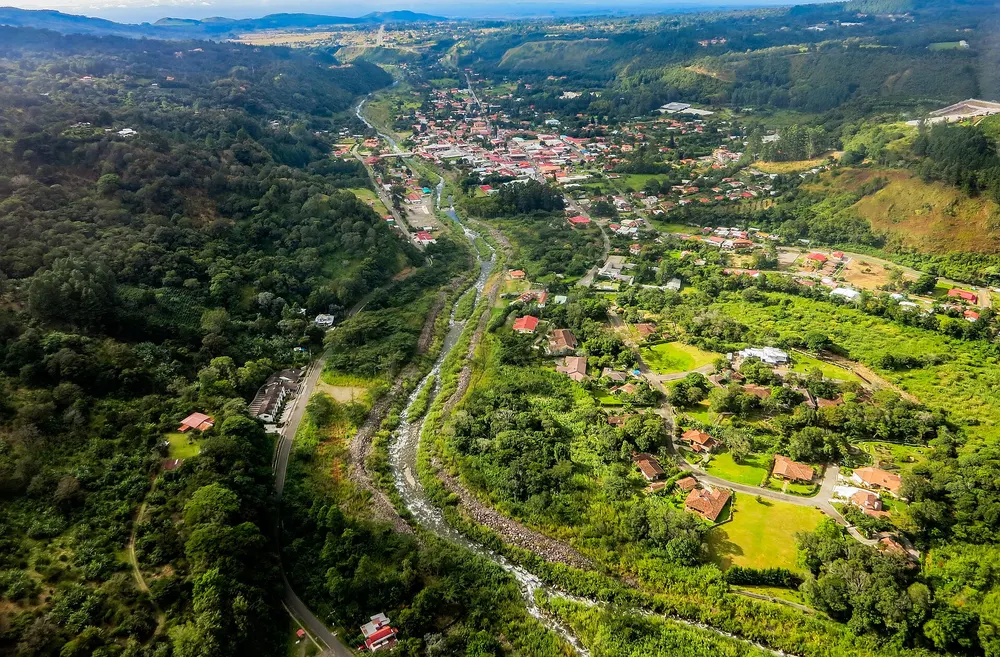
Boquete is a cool, green valley surrounded by Chiriquí's mountains, known for Geisha coffee, waterfalls, rafting on the Chiriquí Viejo River and the La Caldera hot springs.
Near: Coffee farms, Los Naranjos, Barú Volcano National Park and hot springs.
Getting around: By flight to David and a road transfer, or a long drive from Panama City.
Heads up: Mornings are best for hiking and views, and trails can be wet in the rainy season.
Portobelo was named one of the world's best tourism villages in 2024 by the UN tourism agency. The Spanish forts and cannons that once defended it from pirates are UNESCO World Heritage Sites, and Congo culture and Afro-Caribbean food keep the town lively.
Near: The Spanish forts, beaches, diving spots and Congo culture events.
Getting around: By car or tour from Panama City, about an hour and a half.
Heads up: Check the weather before you go, since Caribbean beaches can have strong currents.
US passport No visa needed: US tourists can stay up to 180 days, with a passport valid 3 months past arrival and a ticket home. Check the official page before you book. Official page. Checked 13 Nov 2026.
US tourists need a passport valid for at least three months, a return ticket and proof of funds of about US$500. The US State Department says US tourists can stay up to 180 days without a visa and that this is strictly enforced, so make sure you get an entry stamp. Other official pages list a 90 day maximum for most countries, so confirm your limit before booking. Not a US passport? Check your country's rules: Panama Tourism Authority, travel requirements.
Flights and roads
Bocas del Toro is a 45 minute flight from Panama City. Traffic drives on the right and seat belts are required. Driving at night can be dangerous, there are unannounced checkpoints, and the rainy season from April to December can flood roads. Always carry your passport with the entry stamp, since police can fine you for not carrying ID.
Money
Panama uses the US dollar, so there is nothing to exchange. Carry some cash for buses and small shops.
Safety and health
The US State Department advises extra caution. Crimes of opportunity such as pickpocketing and purse snatching happen in tourist areas, and beaches can have strong currents with few lifeguards. Avoid the remote Darién region and areas near protests. Dial 911 for emergencies, and keep supplemental medical insurance, since ambulances can be unreliable outside the main cities.
When to go
Dry and rainy seasons: Most of Panama stays warm all year. The dry season, often called summer, runs from December to April, and the rainy season, called winter, runs from about May to November. In the rainy season, mornings are often sunny and showers arrive later in the day.
Whales and wildlife: Humpback whales visit the Pacific coast between July and September, which is the whale watching season. Birdwatching is excellent in Soberania National Park, where Pipeline Road holds the record for 357 bird species seen in 24 hours.
Mountains and islands: Boquete is one of the coolest places in the country, with temperatures from 12 to 30°C. The waters of Bocas del Toro stay at about 26°C all year.
Plugs and power
Plug APlug B
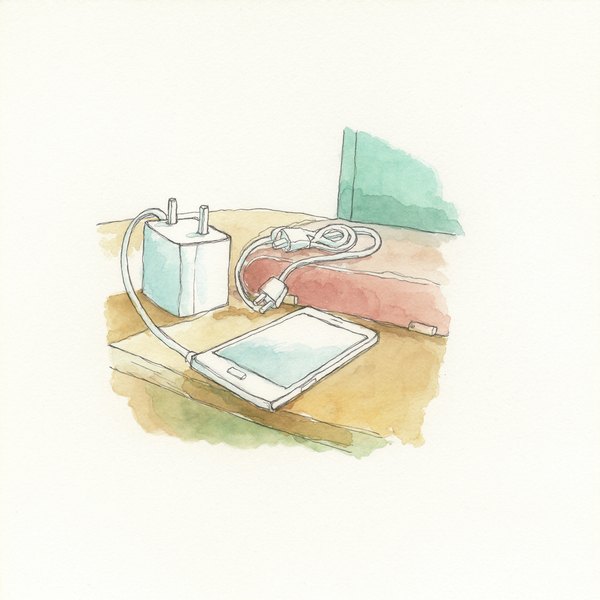
Power is 110 V, 60 Hz. Bring an adapter if your plugs are from the UK or the EU. Plugs from the US usually fit. UK and EU gear that only runs on 220 to 240 V needs a converter here. Check your chargers and devices say 100 to 240 V before you plug in.
Getting around the city
The metro is a quick way across Panama City. The operator's fare page shows 35 cents per trip on a metro card, so check the current fare. Keep some cash for buses and the metro, and use ride apps and taxis for the rest. If it rains, ask your hotel to call a cab. Taxis and apps: Uber, inDrive and DiDi work in Panama City. Official airport taxis wear uniforms and carry an ID badge and a unit number, and fares are posted by destination. Many tours include transport to places outside the city.
Official taxi stands are at the arrivals exits of both terminals, open 24 hours, and the posted reference fare to Panama City is $30 for up to two passengers. Panama Metro Line 2 also runs directly from the airport station, and a free shuttle bus links Terminals 1 and 2. Rental cars are available inside the airport.
PTY Tocumen International Airport: Panama Metro Line 2 from the airport station, or an official uniformed taxi from the arrivals exit ($30 reference fare to Panama City).
Book a pickup or rent a car
Book a pickup
Book a driver who meets you at arrivals at Tocumen International Airport, at a fixed price agreed before you land.
The questions people ask most, answered from this page.
Do US citizens need a visa for Panama?
US tourists need a passport valid for at least three months, a return ticket and proof of funds of about US$500. The US State Department says US tourists can stay up to 180 days without a visa and that this is strictly enforced, so make sure you get an entry stamp. Other official pages list a 90 day maximum for most countries, so confirm your limit before booking.
How do I get from the airport to the city in Panama?
Official taxi stands are at the arrivals exits of both terminals, open 24 hours, and the posted reference fare to Panama City is $30 for up to two passengers. Panama Metro Line 2 also runs directly from the airport station, and a free shuttle bus links Terminals 1 and 2. Rental cars are available inside the airport.
How do I get around Panama?
The metro is a quick way across Panama City. The operator's fare page shows 35 cents per trip on a metro card, so check the current fare. Keep some cash for buses and the metro, and use ride apps and taxis for the rest. If it rains, ask your hotel to call a cab.
Photo credits
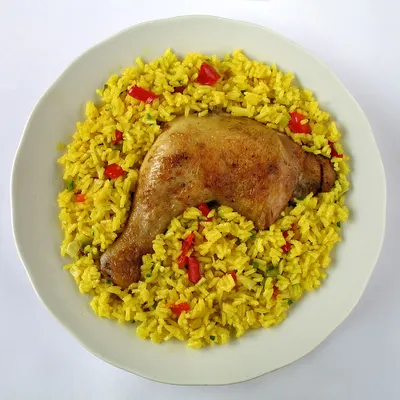
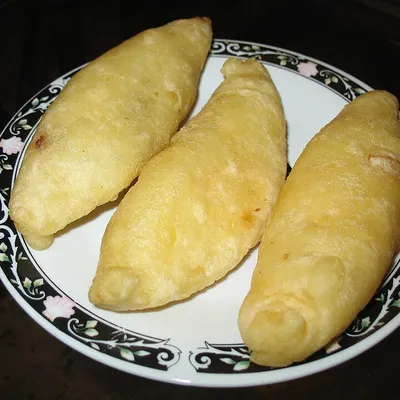
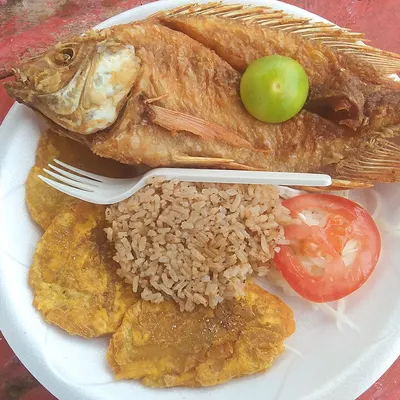
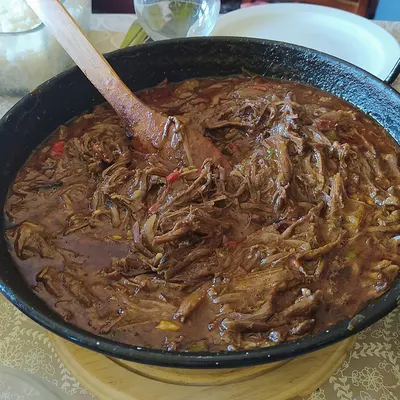
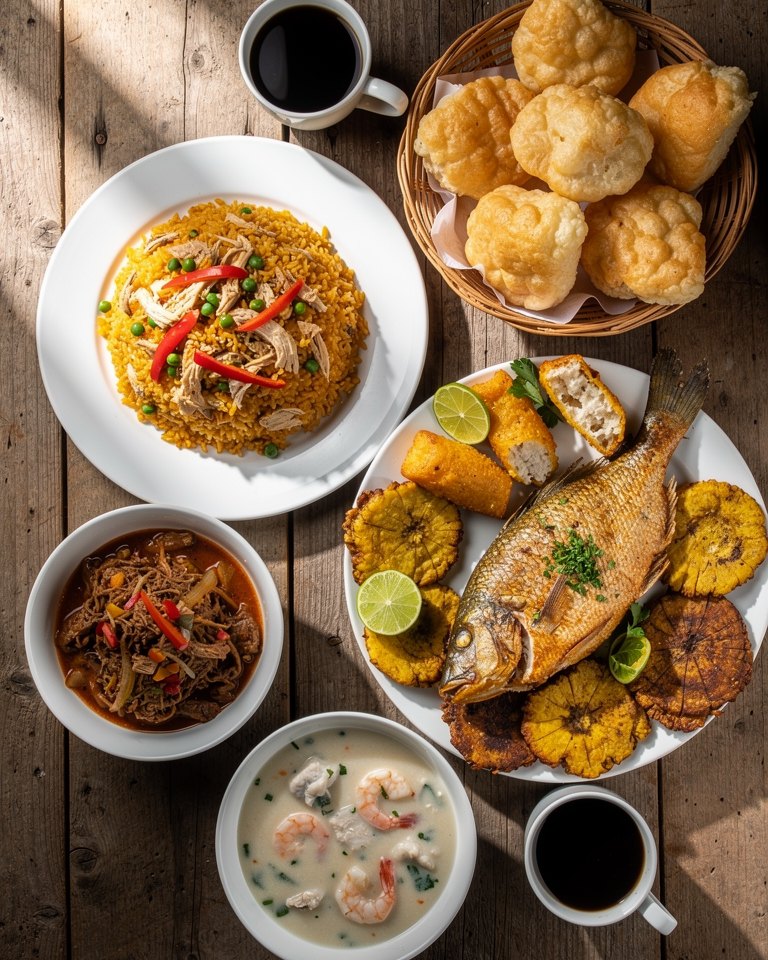
Aerial view of Bocas Town with colorful houses and docks built over turquoise Caribbean water: Dronepicr, CC BY 3.0, via Wikimedia Commons. Workers raking coffee beans drying on a patio at a coffee farm in Boquete, Panama: unknown, CC BY 1.0, via Wikimedia Commons. Aerial view of Bocas Town on Isla Colon with red roofed waterfront buildings over turquoise water, Panama: Dronepicr, CC BY 3.0, via Wikimedia Commons. Small palm covered island with white sand and clear shallow water in the San Blas archipelago, Guna Yala: Mónica J. Mora, CC BY-SA 3.0, via Wikimedia Commons. Aerial view of Boquete spread along a green river valley in the Chiriqui highlands of Panama: FranHogan, CC BY-SA 4.0, via Wikimedia Commons. Old Spanish watchtower and grassy stone ramparts of the colonial fortifications at Portobelo, Panama: LBM1948, CC BY-SA 4.0, via Wikimedia Commons. Arroz con pollo: Kobako, CC BY-SA 2.5, via Wikimedia Commons. Carimañolas and hojaldres: Jdvillalobos, CC BY 3.0, via Wikimedia Commons. Patacones with fried fish: PapiPijuan, CC BY-SA 4.0, via Wikimedia Commons. Ropavieja: El Mono Español, CC BY-SA 4.0, via Wikimedia Commons.
Checked 12 Nov 2026: entry links, plugs, airport times, ride apps and the facts on this page. Prices and rules show their own As of date.
Researched for you from official and trusted sources.
Affiliate links: some links on this page (flights, tours, city passes, stays, transfers, rental cars, luggage storage, eSIMs and flight compensation) are affiliate links. If you book through them, I earn a small commission at no extra cost to you.
Photos
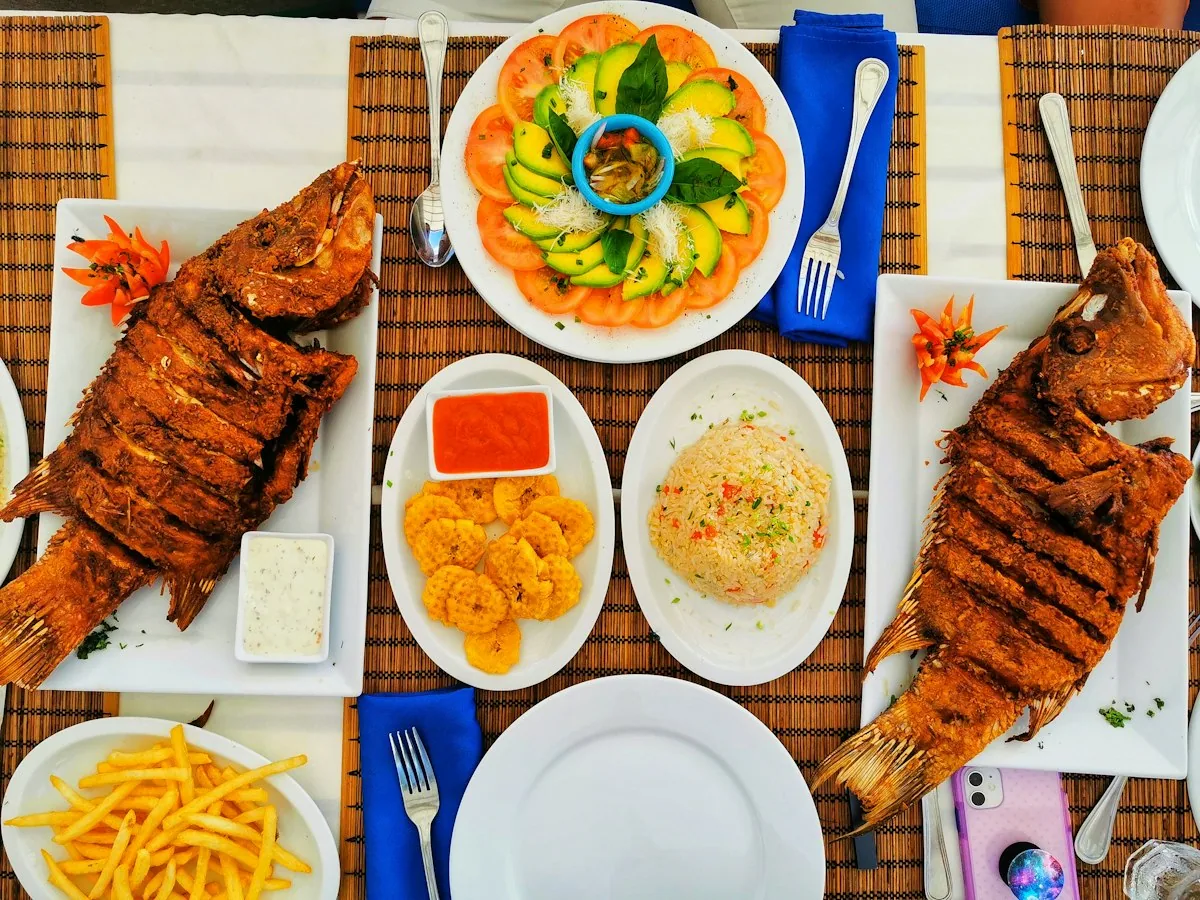
Real photos from Wikimedia Commons, used under the license shown, by the photographers credited below. The table of dishes in the food section is an illustration made for this page, not a photo of a real meal.
Aerial view of Isla Colón in Bocas del Toro with colorful houses and sailboats in calm green water. Photo: Dronepicr, CC BY 3.0, via Wikimedia Commons.
A quiet colonial street in Casco Viejo with balconies and pastel buildings. Photo: MusikAnimal, CC BY-SA 4.0, via Wikimedia Commons.
A container ship entering the Miraflores Locks beside a Panamanian flag. Photo: Adam Jones, CC BY-SA 2.0, via Wikimedia Commons.
A small palm covered island with thatched huts in the Guna Yala archipelago. Photo: Ayaita, CC BY 3.0, via Wikimedia Commons.
Sources
Researched for you from official and trusted sources. Rules, prices and times change, so check the official page before you book.
I researched this page for you, so you can plan well. The places I have filmed have their own trip planners.
Filming your own trips? My free guide to AI editing shows how my automated AI editor turns a folder of my clips into a finished reel. Send me the free guide.
 Luisa's Atlas
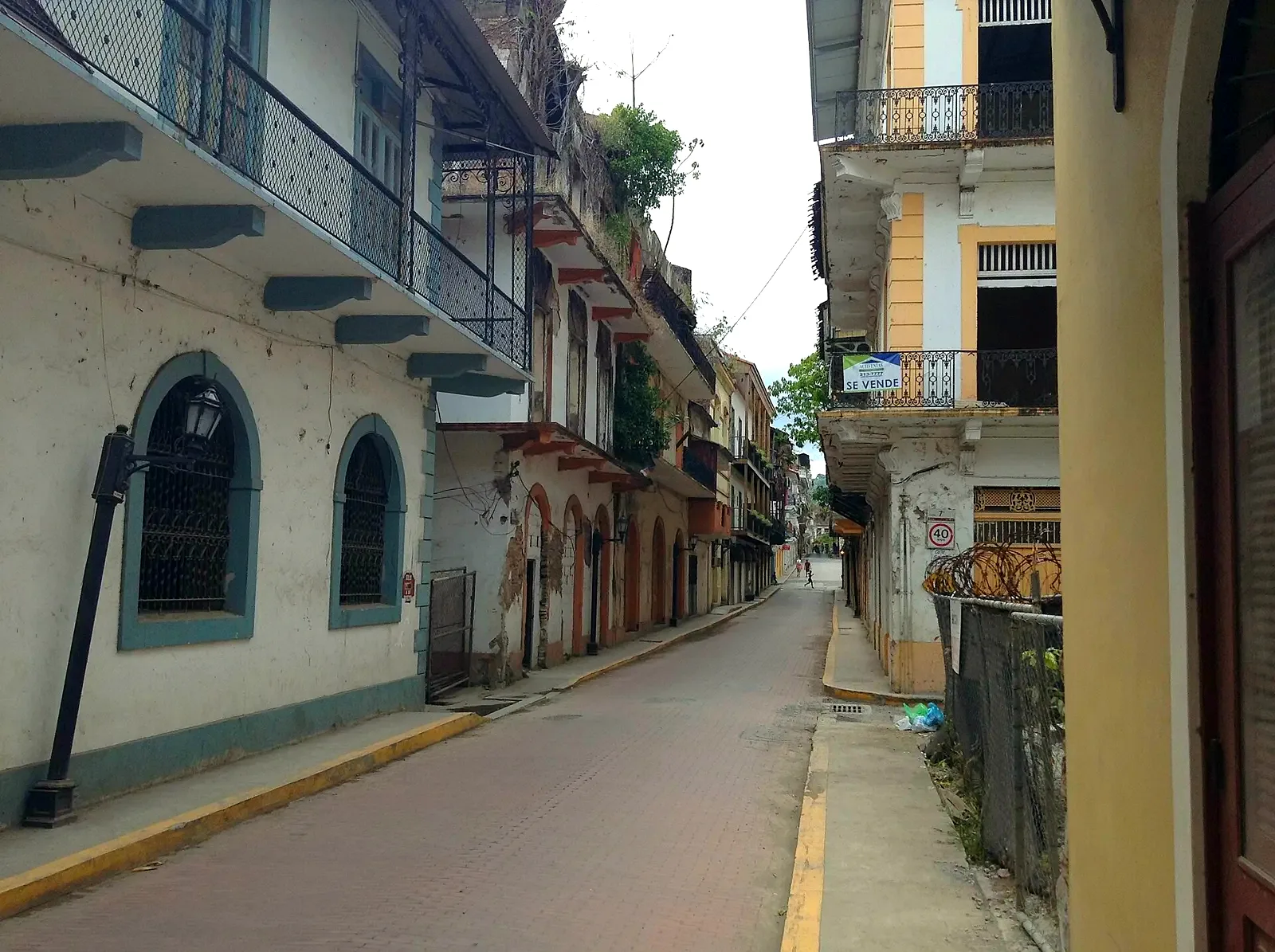 A quiet colonial street in Casco Viejo with balconies and pastel buildings. Photo: MusikAnimal, CC BY-SA 4.0, via Wikimedia Commons.
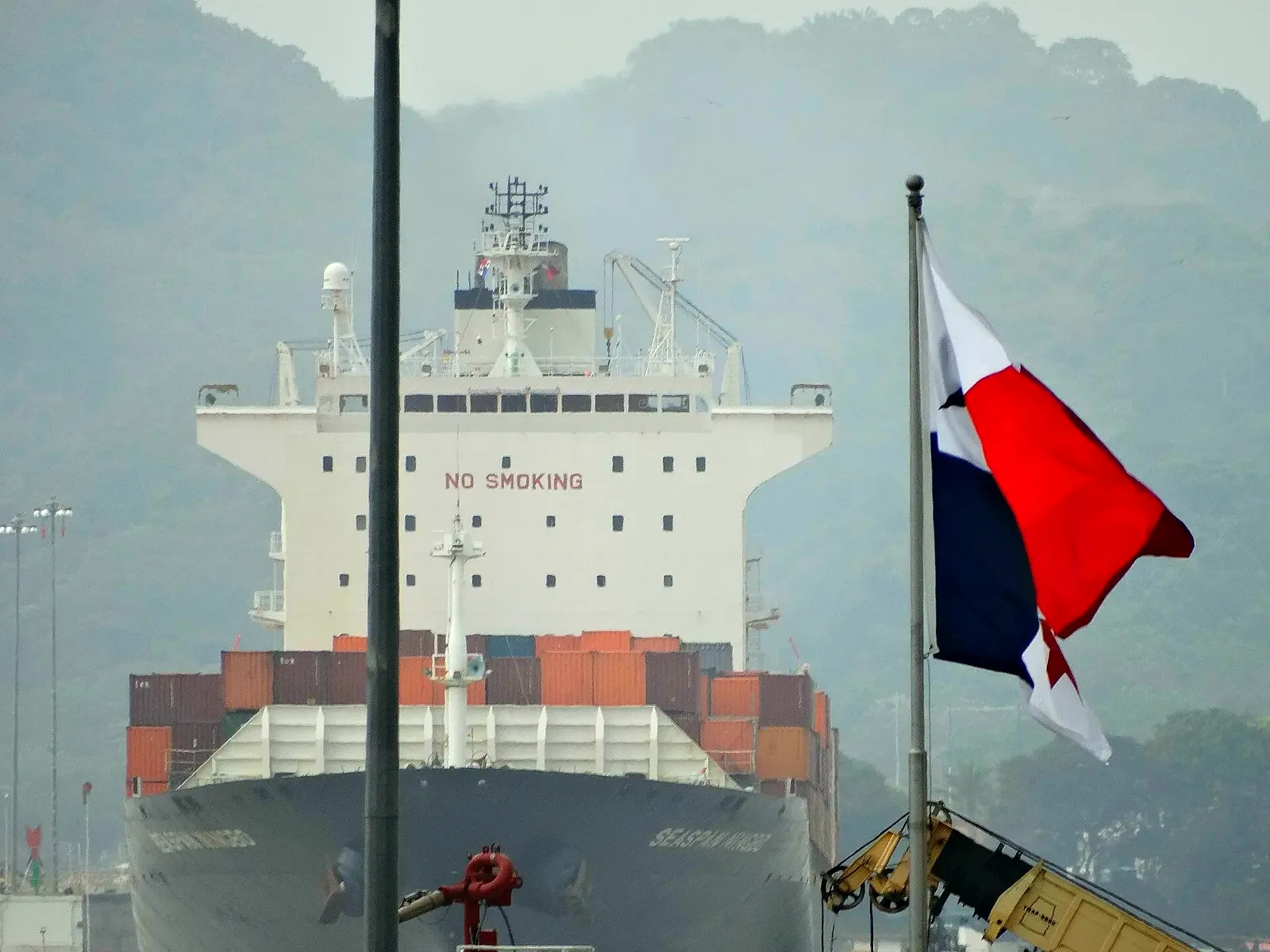 A container ship entering the Miraflores Locks beside a Panamanian flag. Photo: Adam Jones, CC BY-SA 2.0, via Wikimedia Commons.
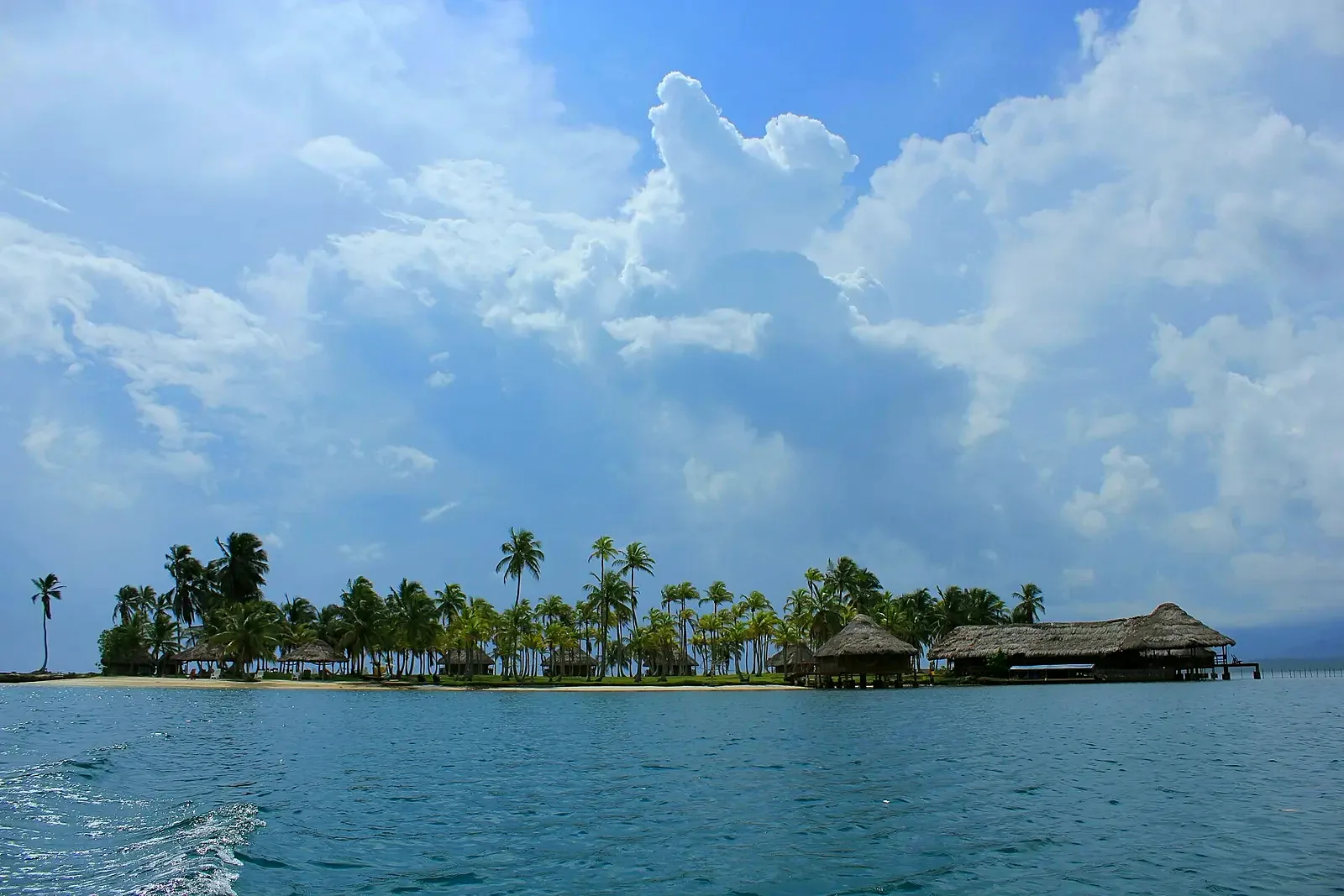 A small palm covered island with thatched huts in the Guna Yala archipelago. Photo: Ayaita, CC BY 3.0, via Wikimedia Commons.