Conakry on its ocean peninsula, the beaches of the Loos Islands and the green highlands of the Fouta Djallon around Dalaba. Visa rules, daylight travel, what to book early and what to eat.
Everything for Guinea on one page: what to know before you leave, the tours worth booking ahead, an eSIM and where to stay and eat, so you land with a plan, not 37 open tabs.
Some links earn me a small commission at no extra cost to you.
My free appLanding with no signal? Take this whole planner offline in my free iPhone app.Download on the App Store
Where in the worldGuinea
Why Guinea is amazing
1
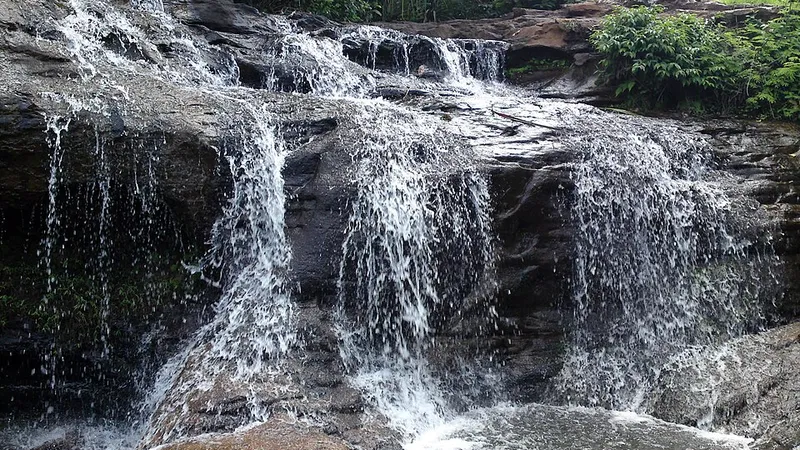
Highlands full of waterfalls
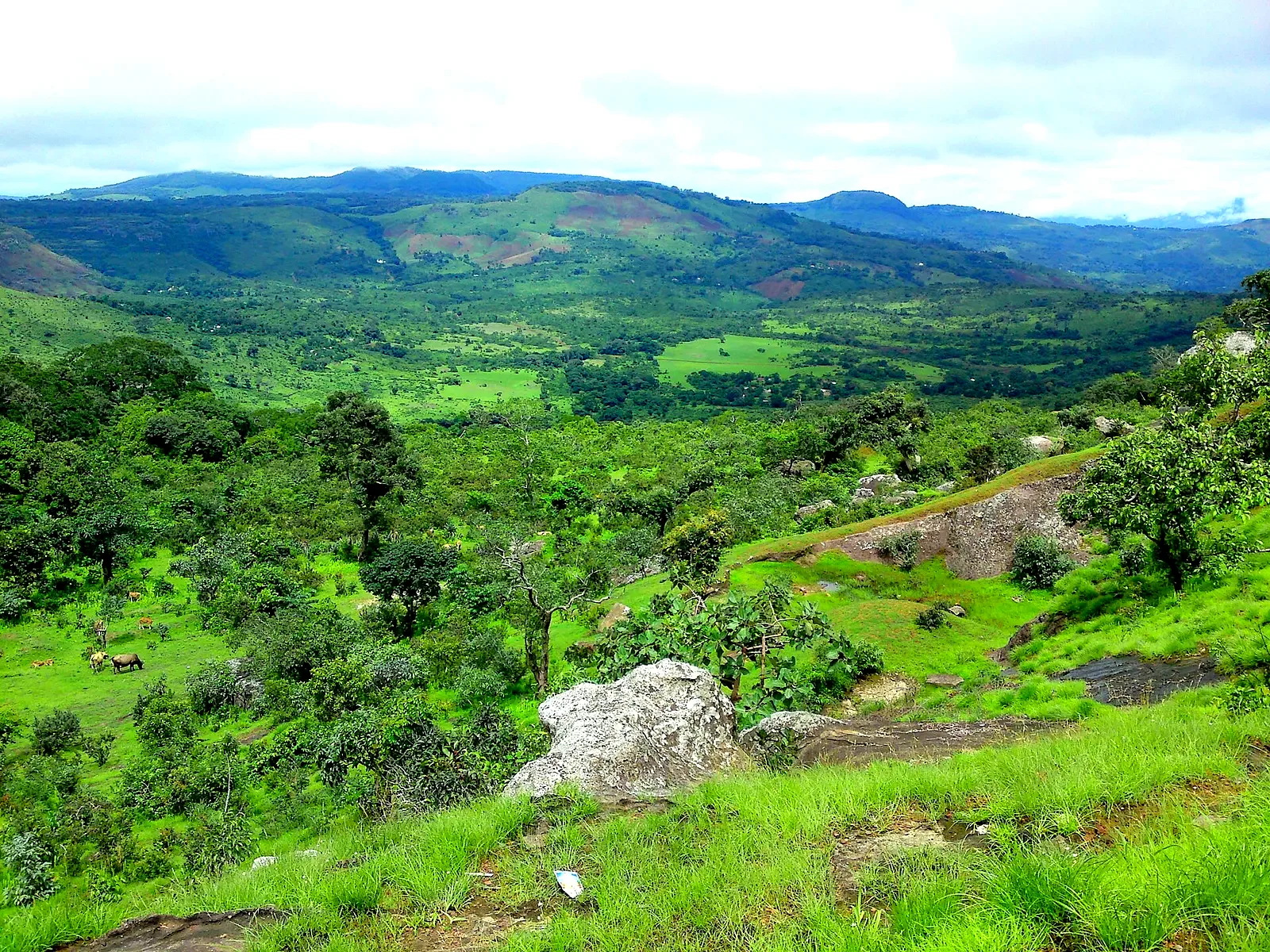
The Fouta Djallon is a green plateau of forests, valleys and waterfalls, with Fulani villages linked by walking paths. Dalaba's cool air earned it the name Switzerland of Guinea.
2
Islands off the capital
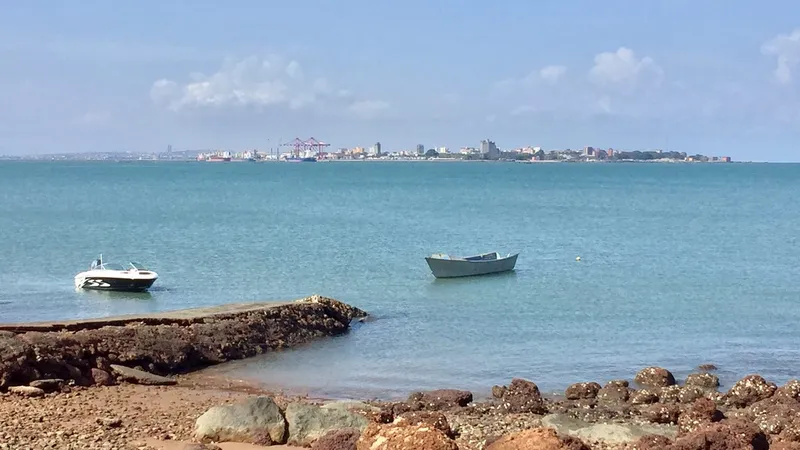
The Loos Islands sit just off Conakry, with forested hills and sandy beaches that make an easy weekend by the sea.
3
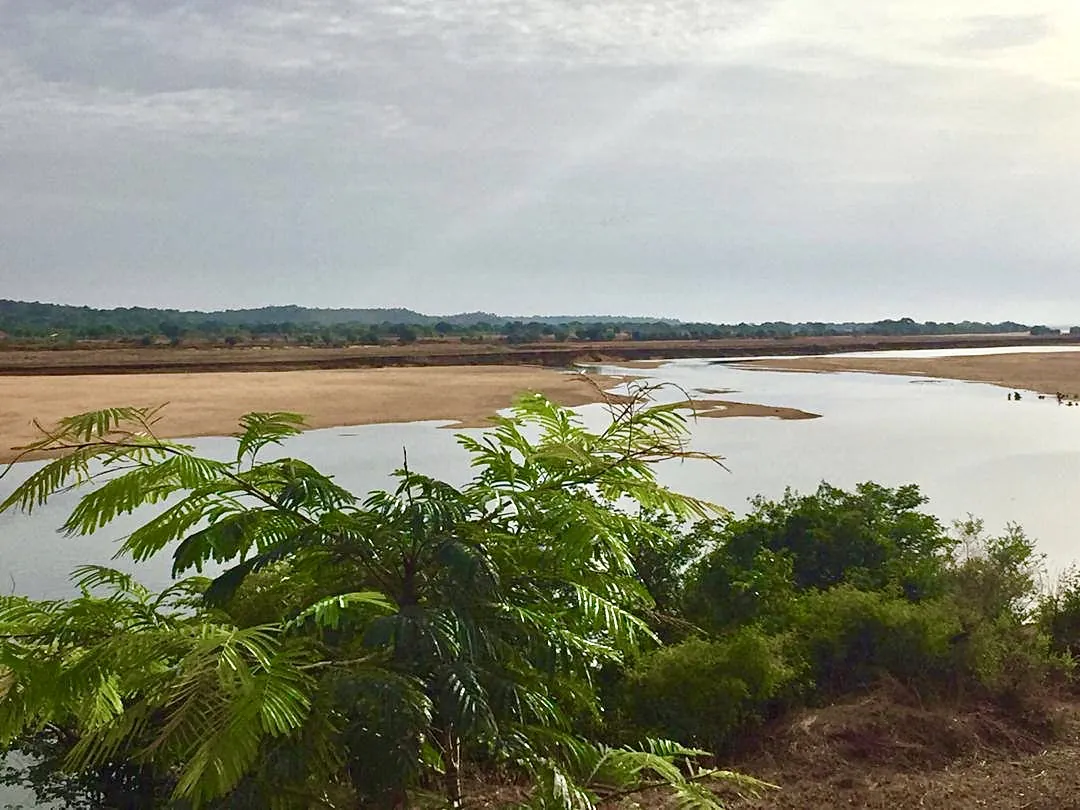
Where great rivers begin
The Gambia, the Senegal and a branch of the Niger all rise in Guinea's highlands, which is why the country is called the water tower of West Africa.
4
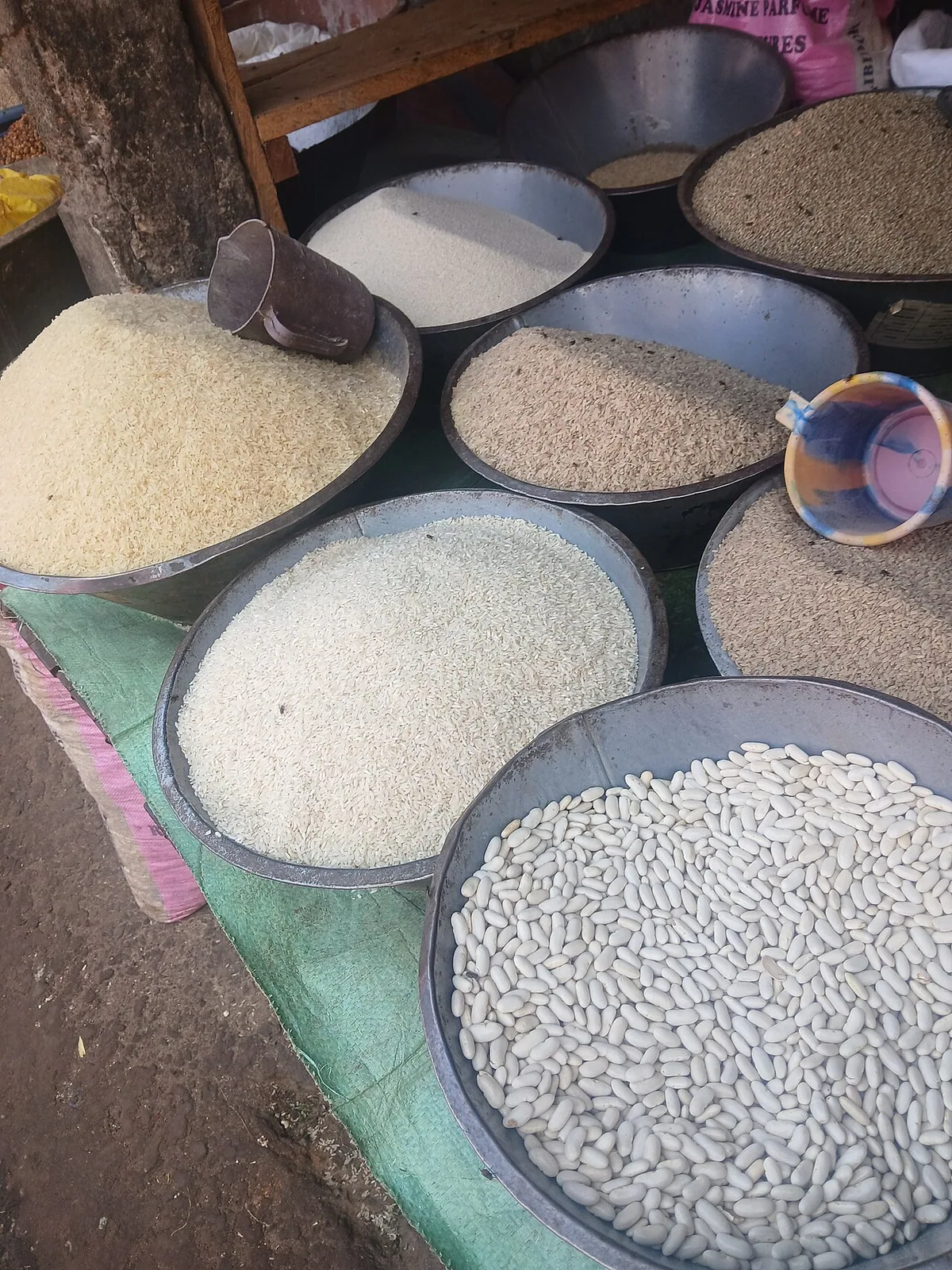
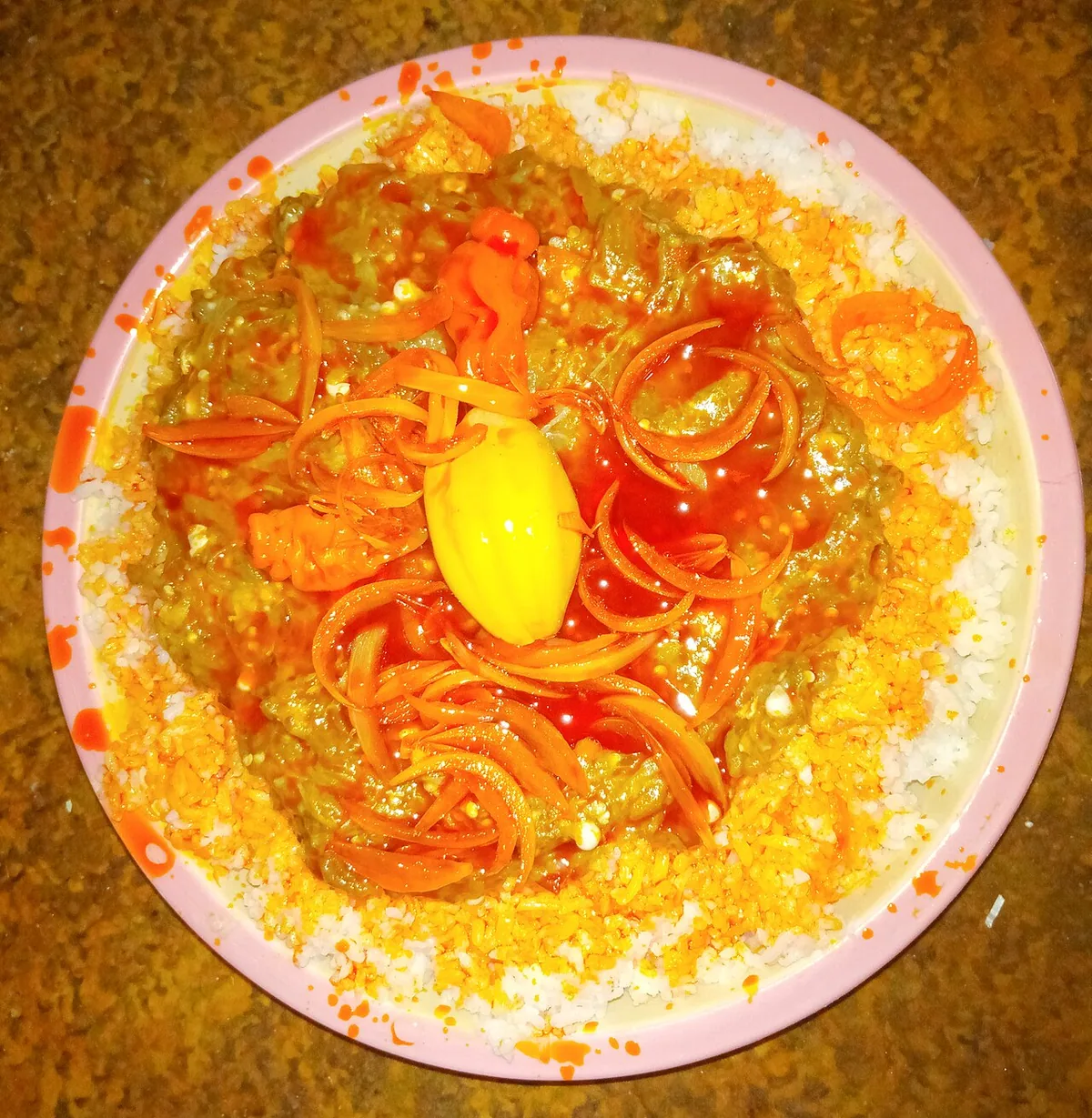
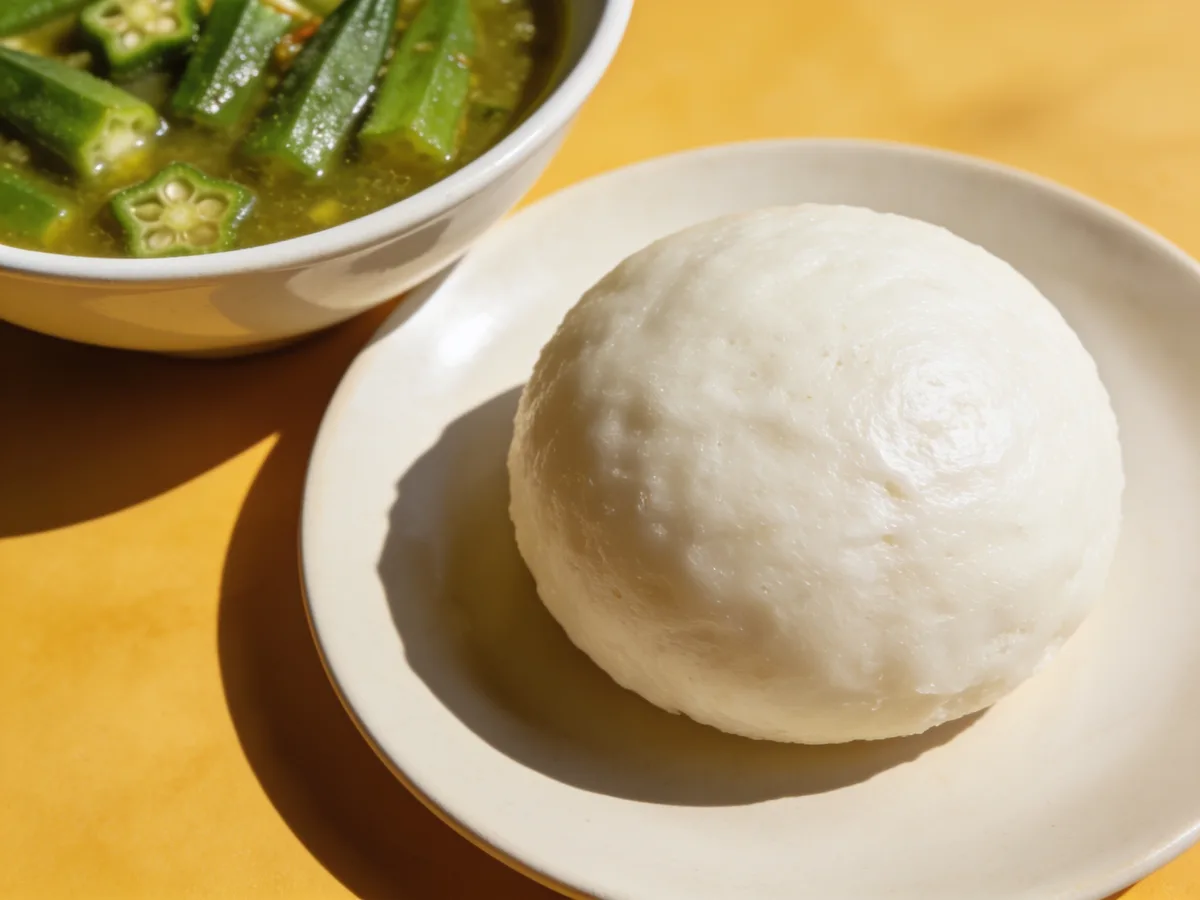
Fonio, okra and bissap
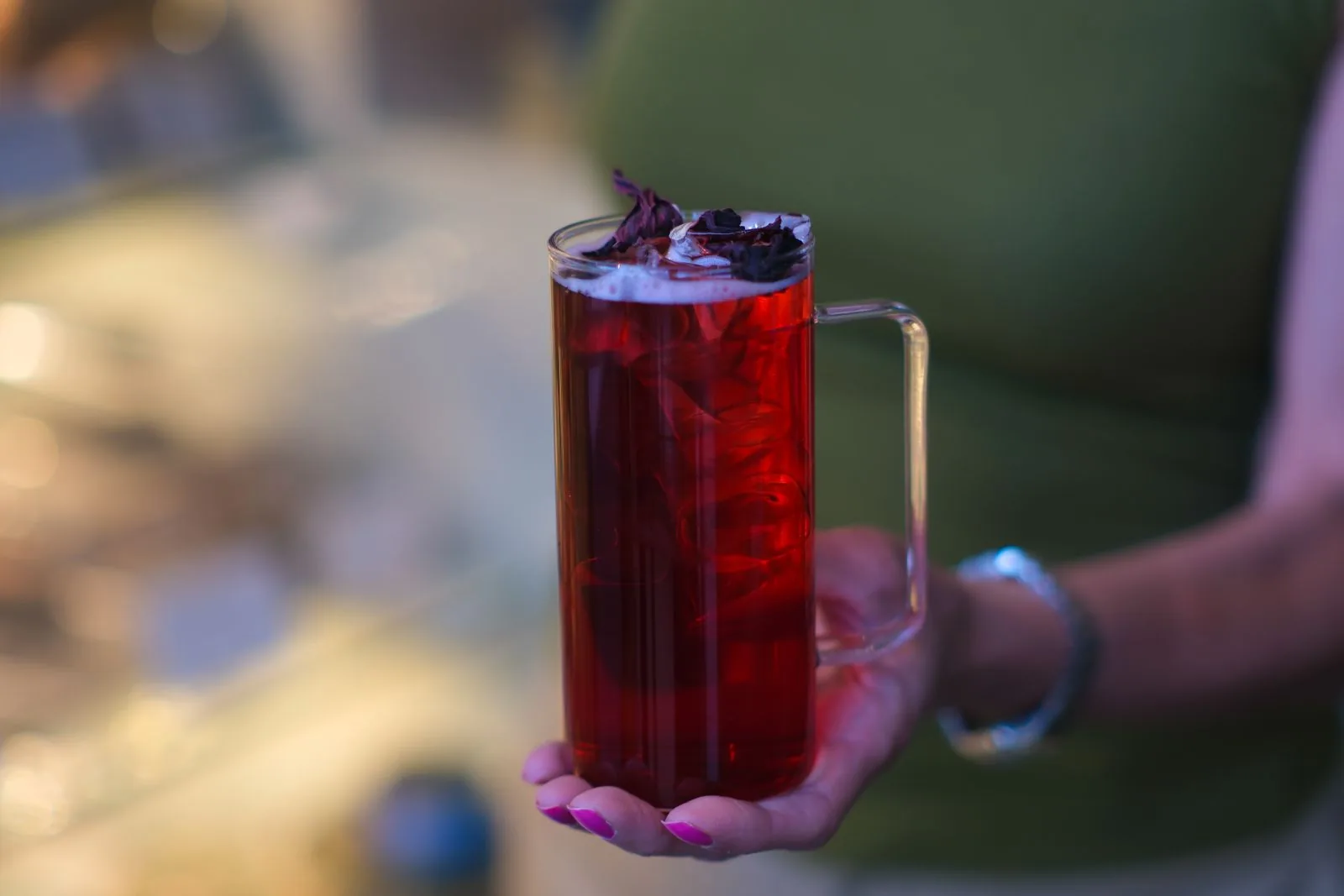
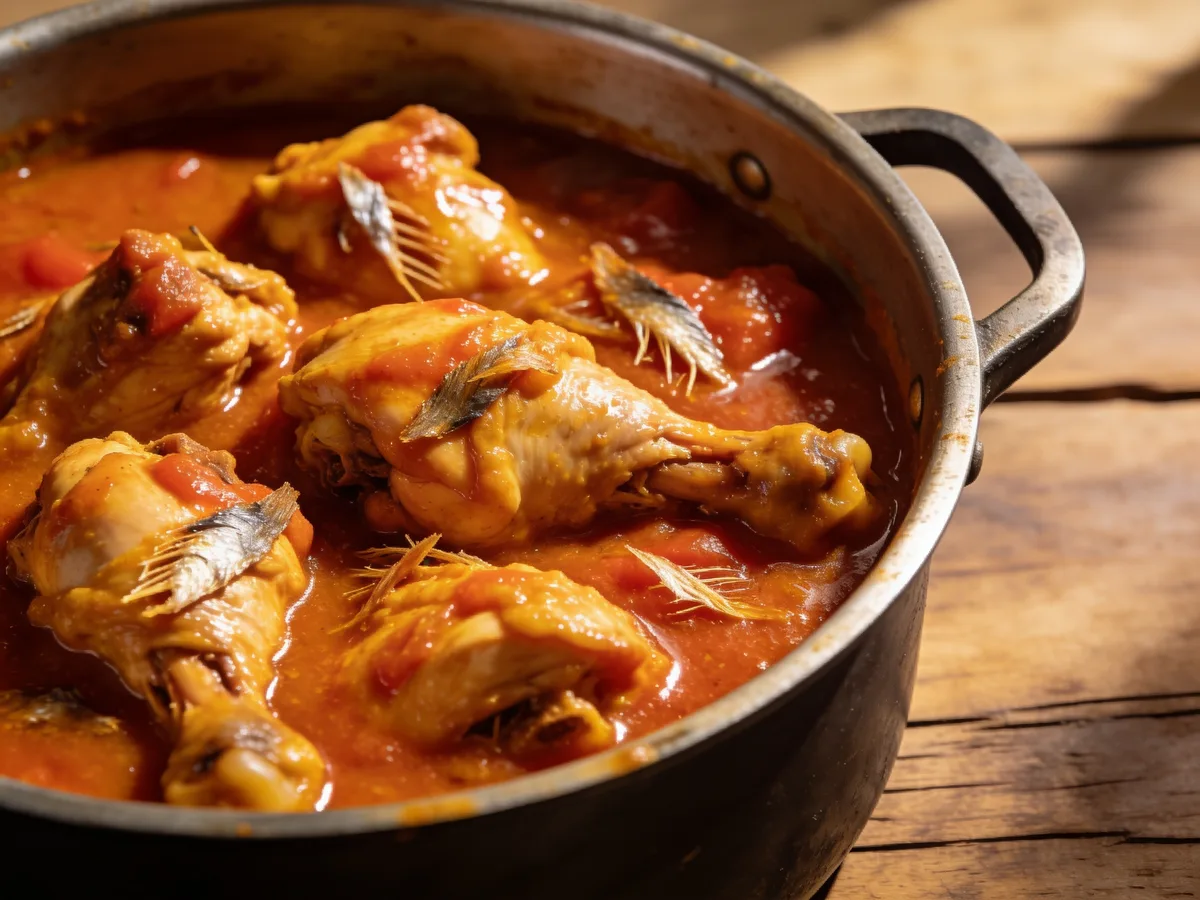
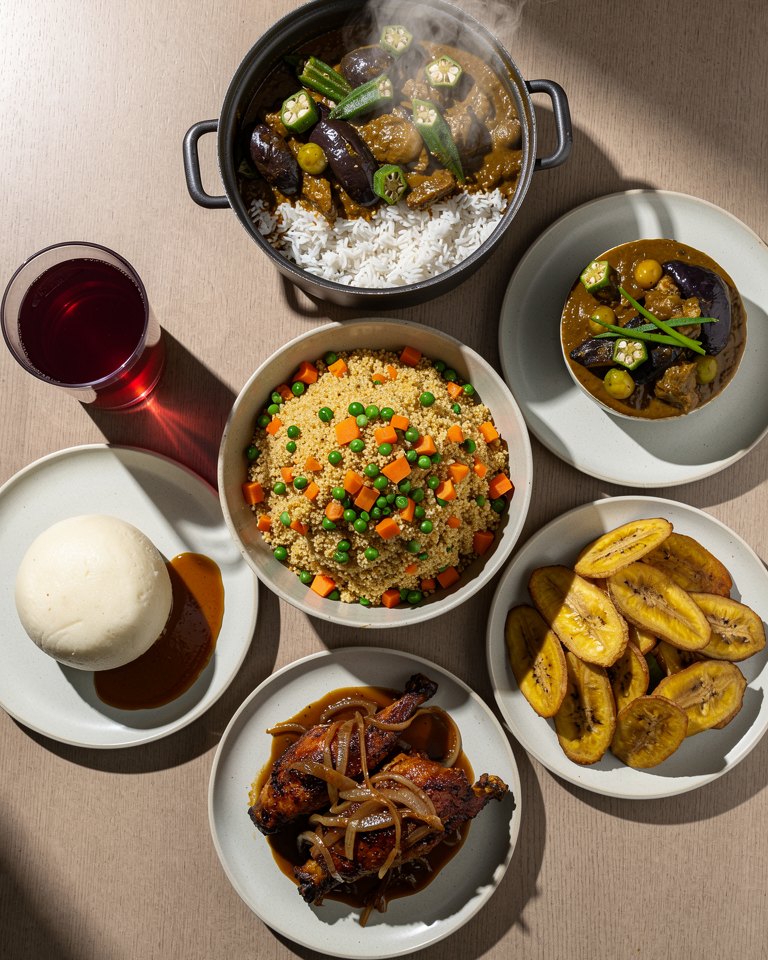
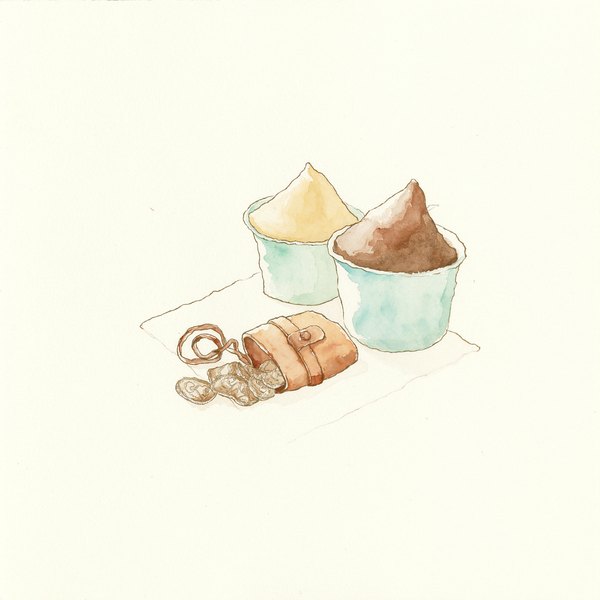
Taste fonio, the ancient grain of the Fouta Djallon, okra stews with rice and a cold glass of purple bissap made from hibiscus flowers.
5
A proud history
In 1958 Guinea became the first country in French sub-Saharan Africa to win independence. Conakry's Grand Mosque and old Kaloum center tell that story.
Worth booking ahead
The good ones sell out while you are still deciding. Book these before you fly, and keep your days for wandering.
Conakry
Conakry city tour
The Grand Mosque, the markets and the Kaloum peninsula.
Five short notes from me: the 3 things I sort out ahead of every flight, the tiny details nobody tells you, and your vote on where I go next 🌍
A bit of history
First to independence
On October 2, 1958, Guinea became the first country in French sub-Saharan Africa to gain independence.
The water tower of West Africa
The Gambia, the Senegal and a major branch of the Niger rise in Guinea's highlands, which is why the country is called the water tower of West Africa.
An Islamic state in the hills
The Imamate of Fouta Djallon was governed from Timbo until 1896, and its scholars made the region a center of learning.
Two thirds of the bauxite
Guinea holds about two thirds of the world's reserves of bauxite, the ore used to make aluminum.
Where to stay
The areas worth basing yourself in, each with its own stay search, and every hotel on one map.
Tip: finish booking on the website, not in the hotel's app, so it counts as booked through me.
Guinea works best with a few bases. These are the places this planner suggests, with how to reach each one and one honest heads up. Everything here is researched for you from official and tourism board sources.
Capital
Conakry
Conakry stretches along a peninsula straight into the Atlantic, with its old center on the tip at Kaloum. The Grand Mosque was built in 1982 under Guinea's first president.
Near: The Grand Mosque, the markets and boats to the Loos Islands.
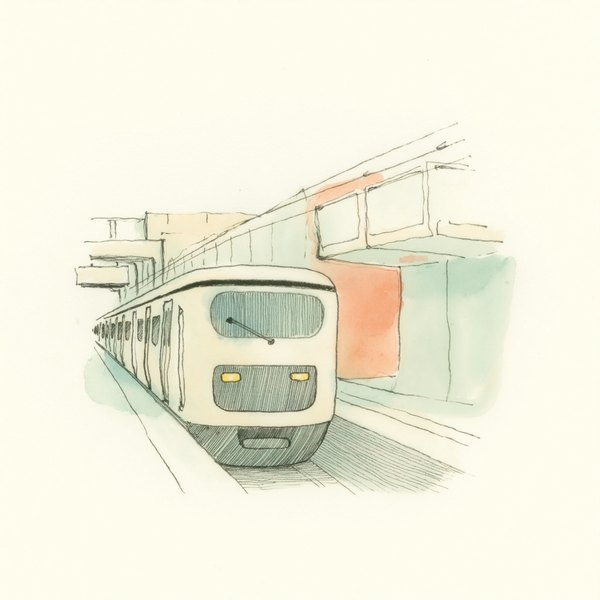
Getting around: Taxis are the easiest way around, and the Conakry Express commuter train runs along the city.
Heads up: Traffic is heavy and pickpockets work crowded areas, so keep valuables out of sight.
The Fouta Djallon highlands are a region of forests, valleys, waterfalls and Fulani villages. Dalaba is called the Switzerland of Guinea for its mild temperatures and scenery.
Near: Hiking between villages, waterfalls and the market town of Labe.
Getting around: A long day's drive inland from Conakry, best with a driver.
Heads up: Leave early and arrive before dark, since night driving is unsafe.
US passport US citizens need Guinea's eVisa before they travel, plus a yellow fever card. Check the official page before you book. Official page. Checked 13 Nov 2026.
US citizens need a passport, a visa and a yellow fever card to enter Guinea. Apply for the official eVisa online before you travel; fees are not refunded if a visa is refused. Check the official pages before booking. Not a US passport? Check your country's rules: Guinea official eVisa.
Safety
The US State Department advises increased caution because of crime, unrest and poor health care. Pickpocketing and bag snatching are common in Conakry, and protests can turn violent. US government staff may not travel between cities at night, so plan road trips for daylight.
Health and water
Health care is limited and local tap water is unsafe, so drink bottled or treated water. Bring the medicines you need and buy insurance that covers medical evacuation.
Getting around
Conakry is long and thin, so distances can be big. Taxis are the easiest option for visitors, and the Conakry Express commuter train runs about 33 km along the city. Roads outside the capital are only partly paved and often unlit.
Money
The currency is the Guinean franc (GNF). Bring cash; Ecobank ATMs take Visa and Mastercard.
When to go
December to March: The heart of the dry season and the best time to travel, with easier roads and beach days.
April to November: The rainy season on the coast. Conakry gets about 4,300 mm of rain a year, and the rains are heaviest on the coast and longest in the southeast.
Plugs and power
Plug CPlug FPlug K
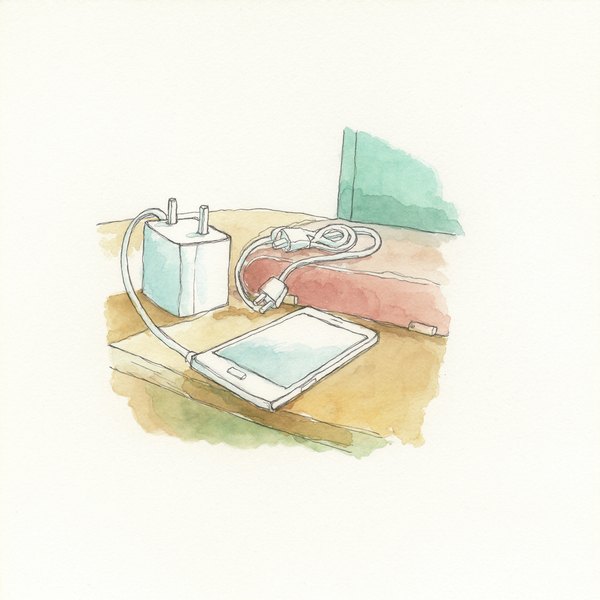
Power is 220 V, 50 Hz. Bring an adapter if your plugs are from the US or the UK. Plugs from the EU usually fit. US gear that only runs on 110 to 120 V, like some hair tools, needs a converter here. Check your chargers and devices say 100 to 240 V before you plug in.
Conakry International Airport (CKY) is the main gateway, with flights through Paris, Brussels, Casablanca and Dakar. Arrange a hotel pickup or a trusted taxi before you land.
CKY Conakry International Airport: a hotel pickup or a trusted taxi arranged before you land.
Book a pickup or rent a car
Book a pickup
Book a driver who meets you at arrivals at Conakry International Airport, at a fixed price agreed before you land.
The questions people ask most, answered from this page.
How do I get from the airport to the city in Guinea?
Conakry International Airport (CKY) is the main gateway, with flights through Paris, Brussels, Casablanca and Dakar. Arrange a hotel pickup or a trusted taxi before you land.
How do I get around Guinea?
Conakry is long and thin, so distances can be big. Taxis are the easiest option for visitors, and the Conakry Express commuter train runs about 33 km along the city. Roads outside the capital are only partly paved and often unlit.
What currency does Guinea use?
The currency is the Guinean franc (GNF). Bring cash; Ecobank ATMs take Visa and Mastercard.
Photo credits
Highlands full of waterfalls: Maarten van der Bent, CC BY-SA 2.0, via Wikimedia Commons. Islands off the capital: Axelspace Corporation, CC BY-SA 4.0, via Wikimedia Commons. Where great rivers begin: Johannes Noppen, CC BY-SA 4.0, via Wikimedia Commons. Conakry: Alpha hmd, CC BY-SA 4.0, via Wikimedia Commons. Loos Islands: Johannes Noppen, CC BY-SA 4.0, via Wikimedia Commons. Fouta Djallon and Dalaba: Maarten van der Bent, CC BY-SA 2.0, via Wikimedia Commons. Fonio: Karifa Traoré, CC BY-SA 4.0, via Wikimedia Commons. Fouti: Abdoulrahamane 99MDS Barry, CC BY-SA 4.0, via Wikimedia Commons.
Checked 13 Nov 2026: entry links, plugs, airport times, ride apps and the facts on this page. Prices and rules show their own As of date.
Researched for you from official and trusted sources.
Affiliate links: some links on this page (flights, tours, city passes, stays, transfers, rental cars, luggage storage, eSIMs and flight compensation) are affiliate links. If you book through them, I earn a small commission at no extra cost to you.
Photos
Real photos from Pexels and Wikimedia Commons, used under the license shown, by the photographers credited below. The table of dishes in the food section is an illustration made for this page, not a photo of a real meal.
Green hills, farmland and distant ridges stretching across the Fouta Djallon highlands. Photo: Maarten van der Bent, CC BY-SA 2.0, via Wikimedia Commons.
Aerial view of Conakry spreading along its peninsula, with the Loos Islands on the horizon. Photo: Alpha hmd, CC BY-SA 4.0, via Wikimedia Commons.
Palm trees and a quiet sandy beach on Roume Island in the Loos Islands at sunset. Photo: Flucco, CC BY-SA 4.0, via Wikimedia Commons.
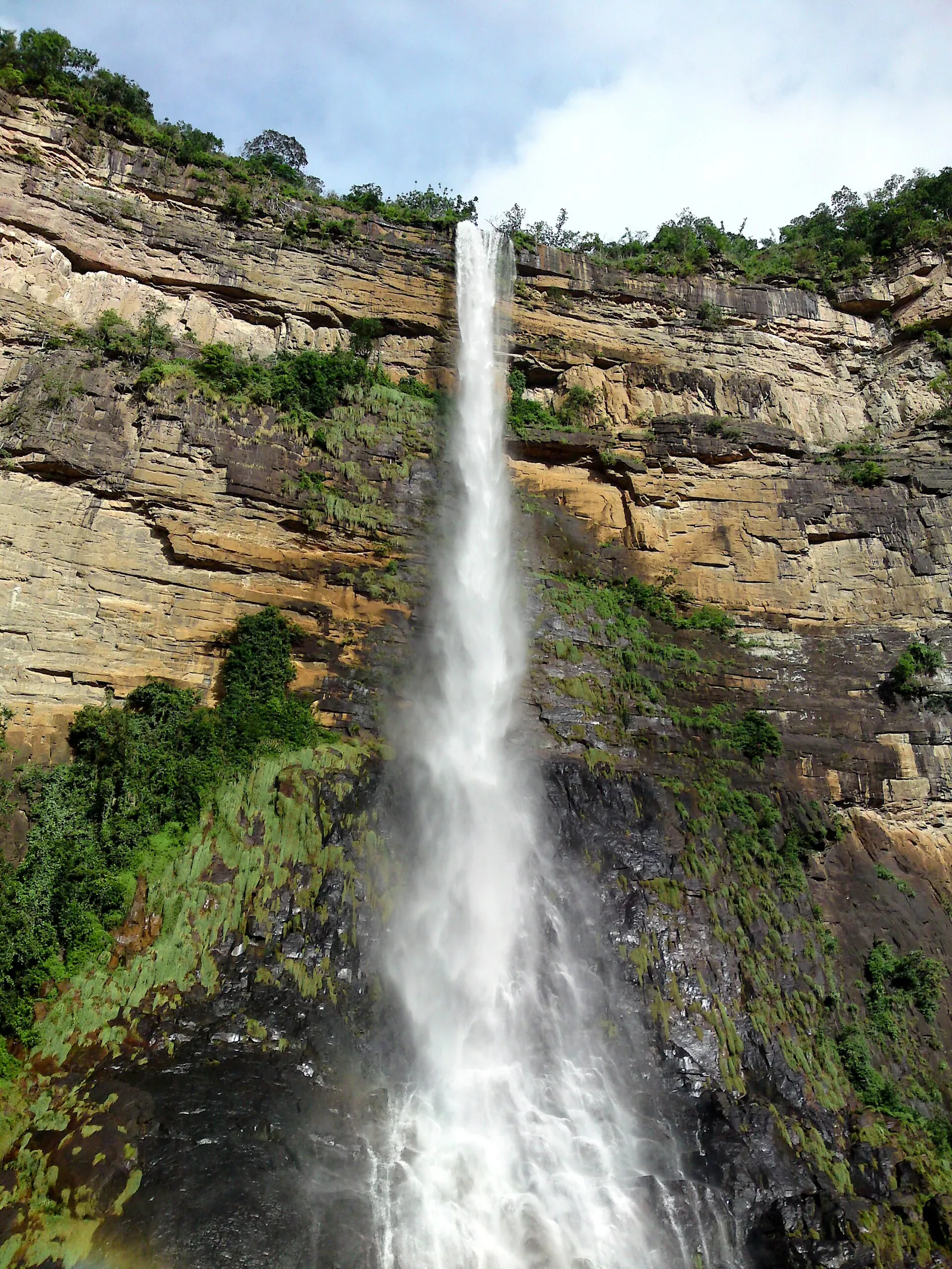
The Ditinn waterfall dropping down a sandstone cliff near Dalaba. Photo: Maarten van der Bent, CC BY-SA 2.0, via Wikimedia Commons.
Sources
Researched for you from official and trusted sources. Rules, prices and times change, so check the official page before you book.
I researched this page for you, so you can plan well. The places I have filmed have their own trip planners.
Filming your own trips? My free guide to AI editing shows how my automated AI editor turns a folder of my clips into a finished reel. Send me the free guide.
 Luisa's Atlas
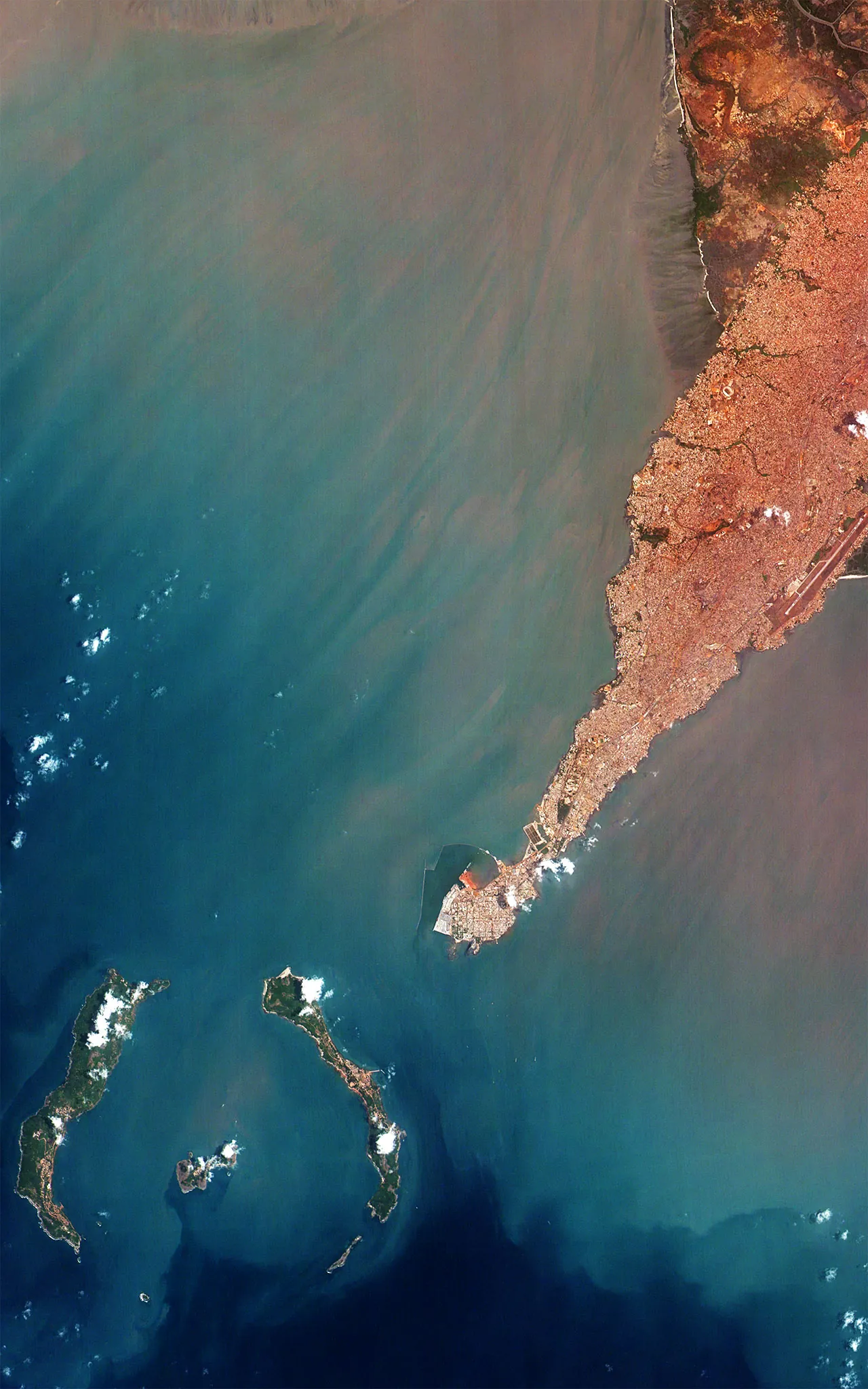
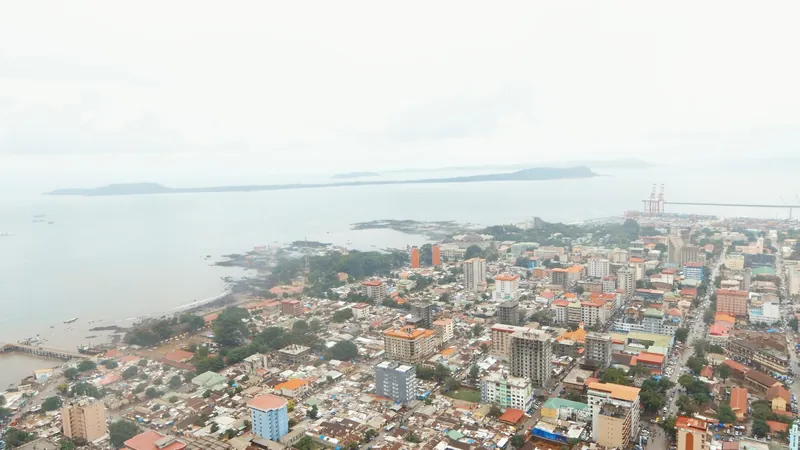

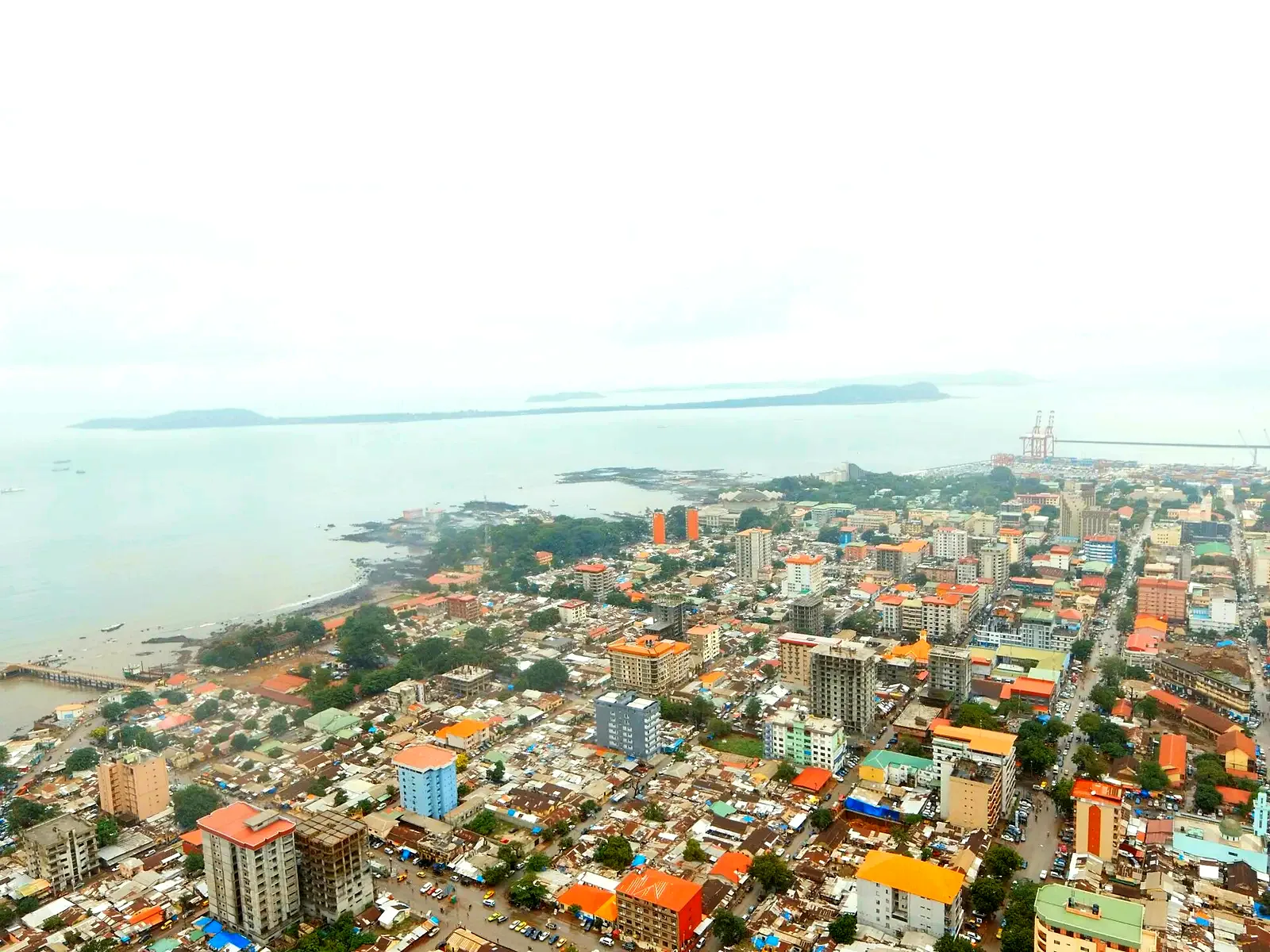 Aerial view of Conakry spreading along its peninsula, with the Loos Islands on the horizon. Photo: Alpha hmd, CC BY-SA 4.0, via Wikimedia Commons.
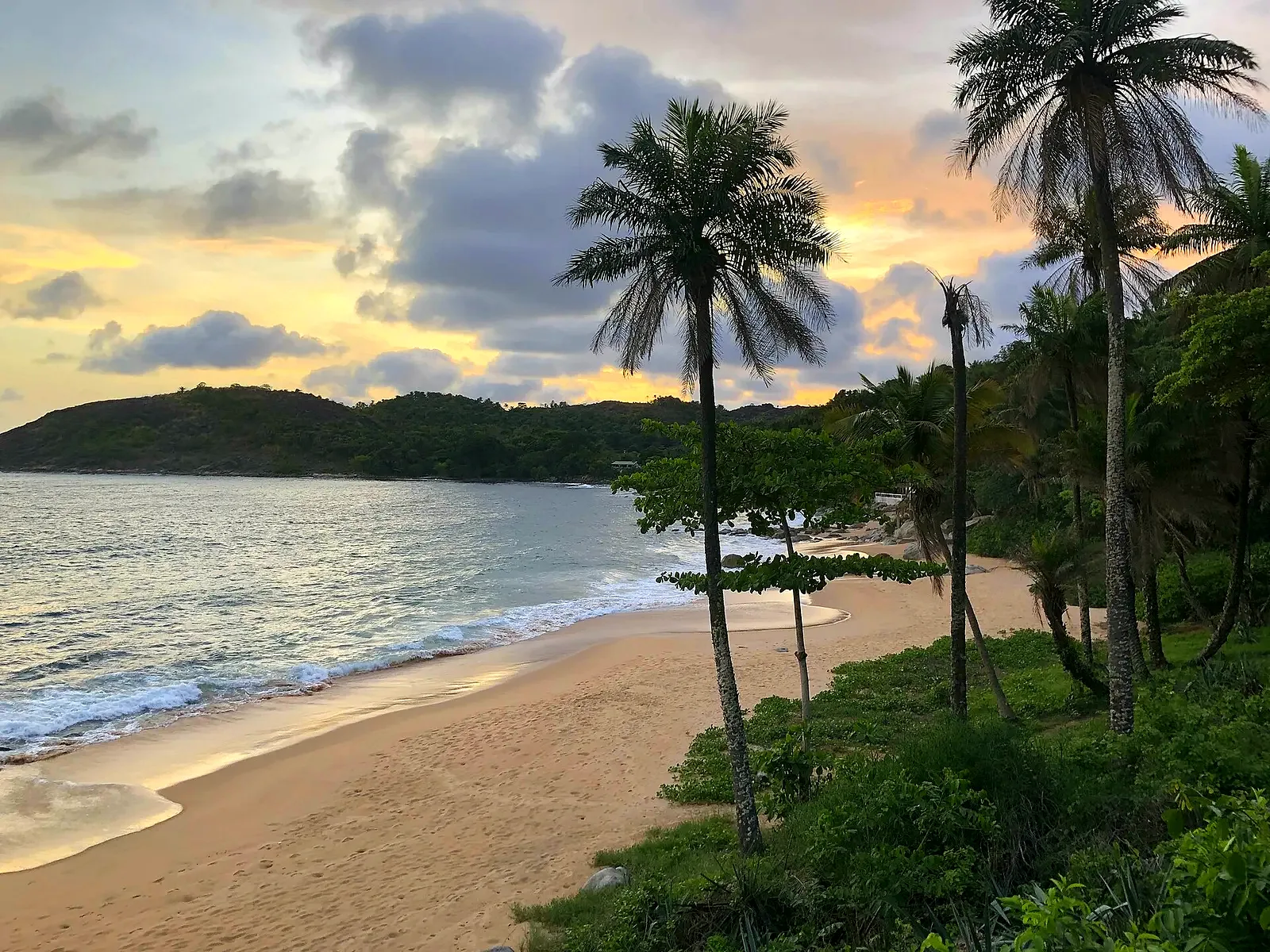 Palm trees and a quiet sandy beach on Roume Island in the Loos Islands at sunset. Photo: Flucco, CC BY-SA 4.0, via Wikimedia Commons.
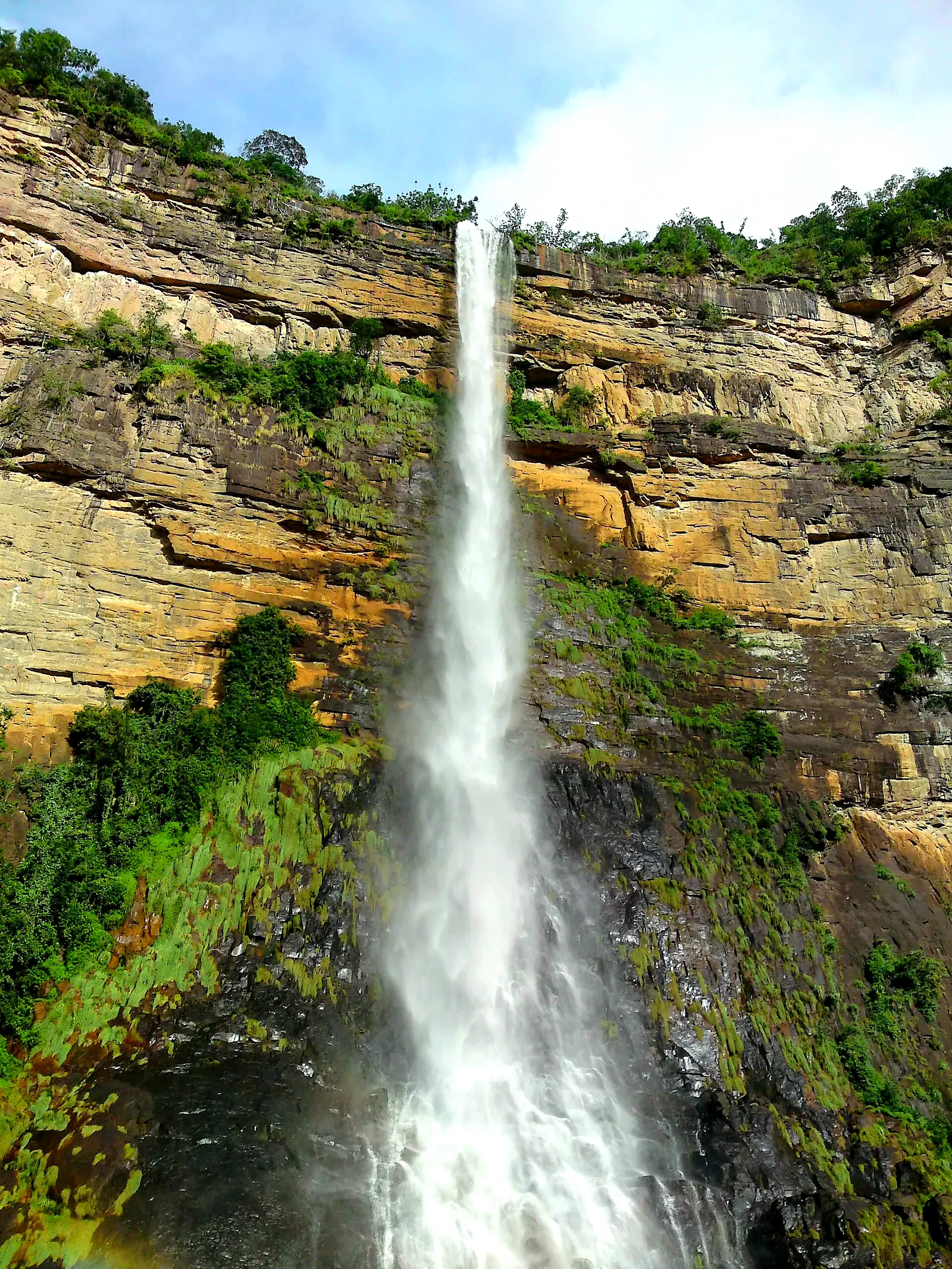 The Ditinn waterfall dropping down a sandstone cliff near Dalaba. Photo: Maarten van der Bent, CC BY-SA 2.0, via Wikimedia Commons.