Four places to start in The Gambia: Banjul and Arch 22, the Atlantic coast near Serrekunda and Bakau, the nature reserve and crocodile pools of the coast, and a river trip to Kunta Kinteh Island. Visa rules, safety near the southern border, what to book early and what to eat.
Everything for The Gambia on one page: what to know before you leave, the tours worth booking ahead, an eSIM and where to stay and eat, so you land with a plan, not 37 open tabs.
Some links earn me a small commission at no extra cost to you.
My free appLanding with no signal? Take this whole planner offline in my free iPhone app.Download on the App Store
Where in the worldThe Gambia
Why The Gambia is amazing
1
The Smiling Coast
The Gambia is a warm, affordable destination with sun, sand, sea, nature and culture all within a small country. Many direct flights from Europe make it an easy escape.
2
A river that is the country
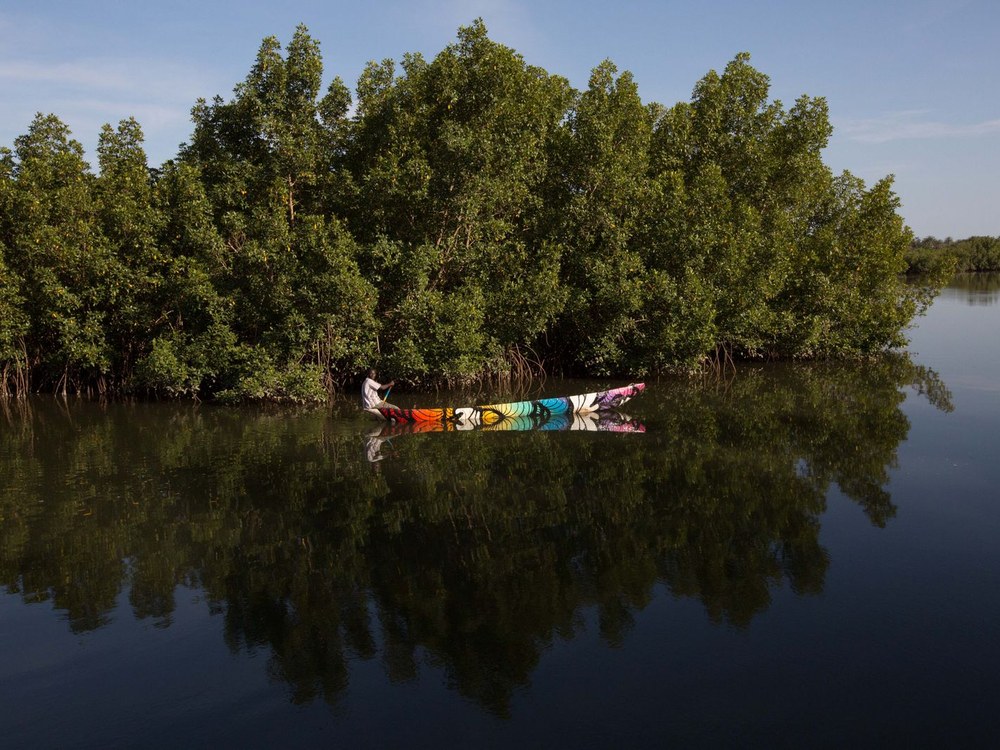
The Gambia is the flood plain of one river, less than 50 km across at its widest. Boats and canoes are the best way to see mangroves, birds and riverside villages.
3
An island with baobabs
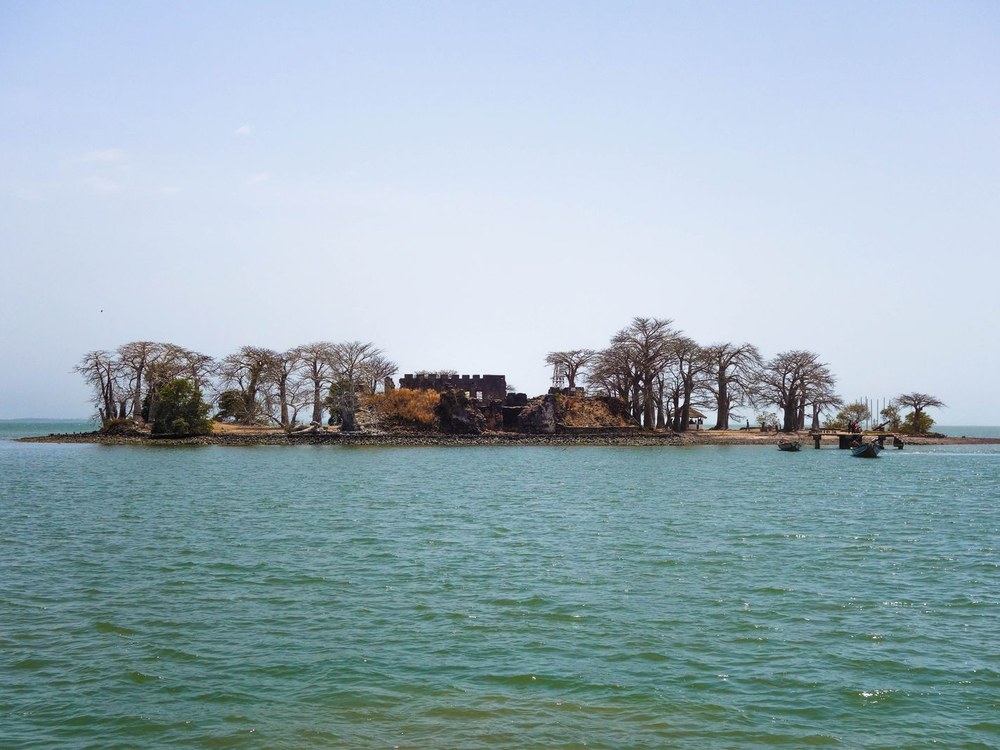
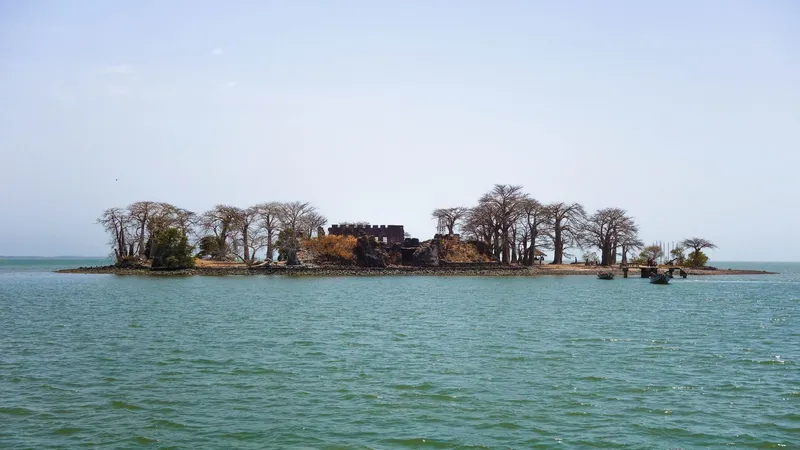
Kunta Kinteh Island lies in the river, with ruins and baobab trees, and it is a UNESCO World Heritage Site. A day trip includes the nearby village of Juffureh.
4
A forest next to the coast
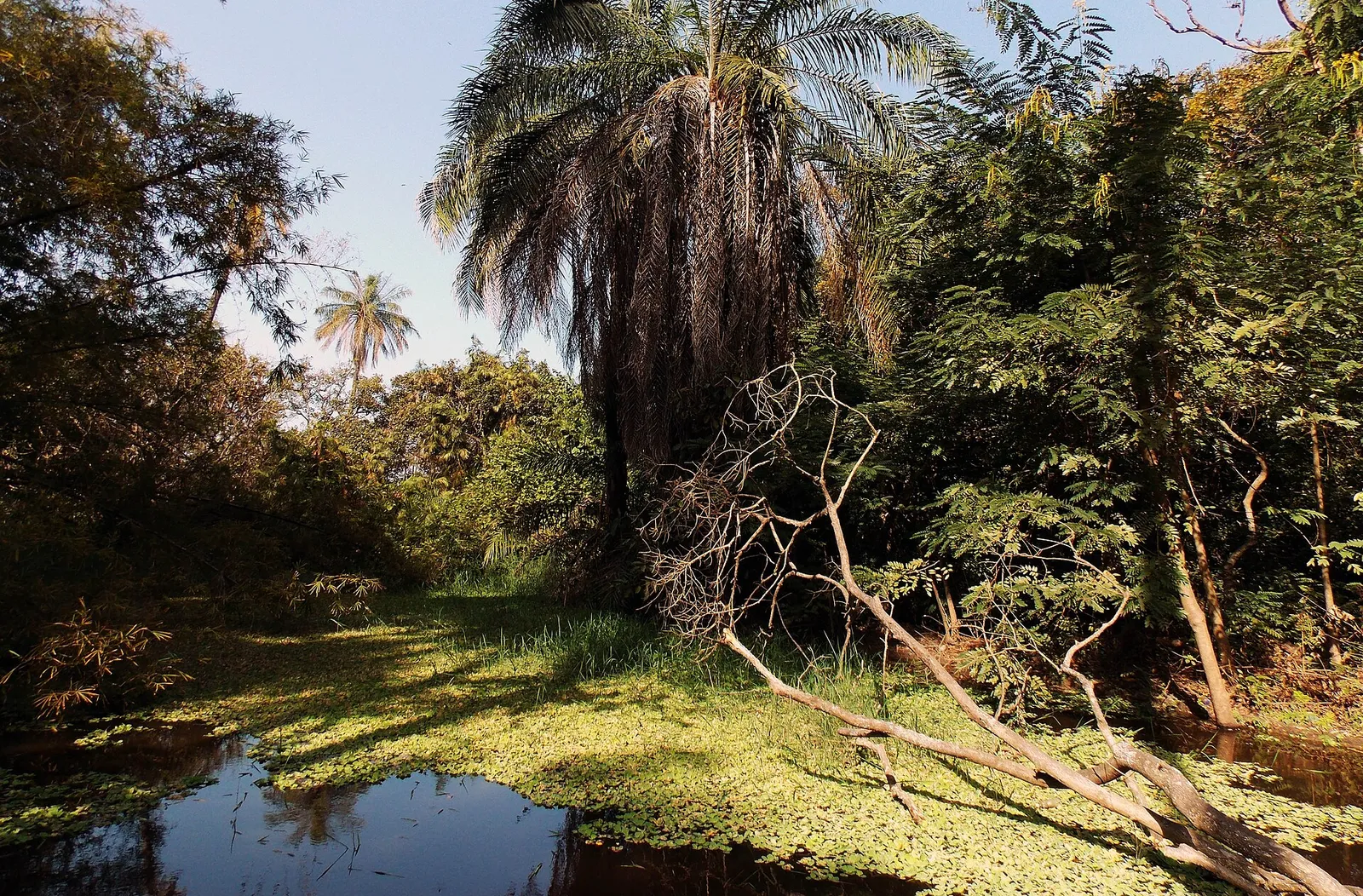
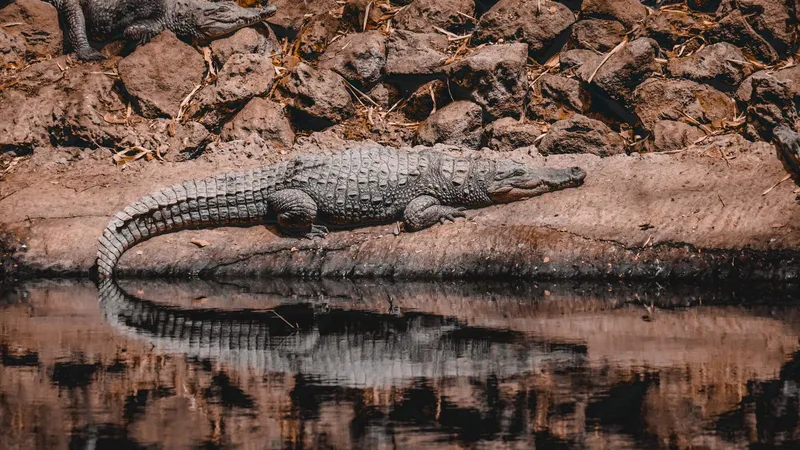
Abuko Nature Reserve has been protected since 1916 and is the country's first designated wildlife reserve. It sits close to the beach resorts.
5
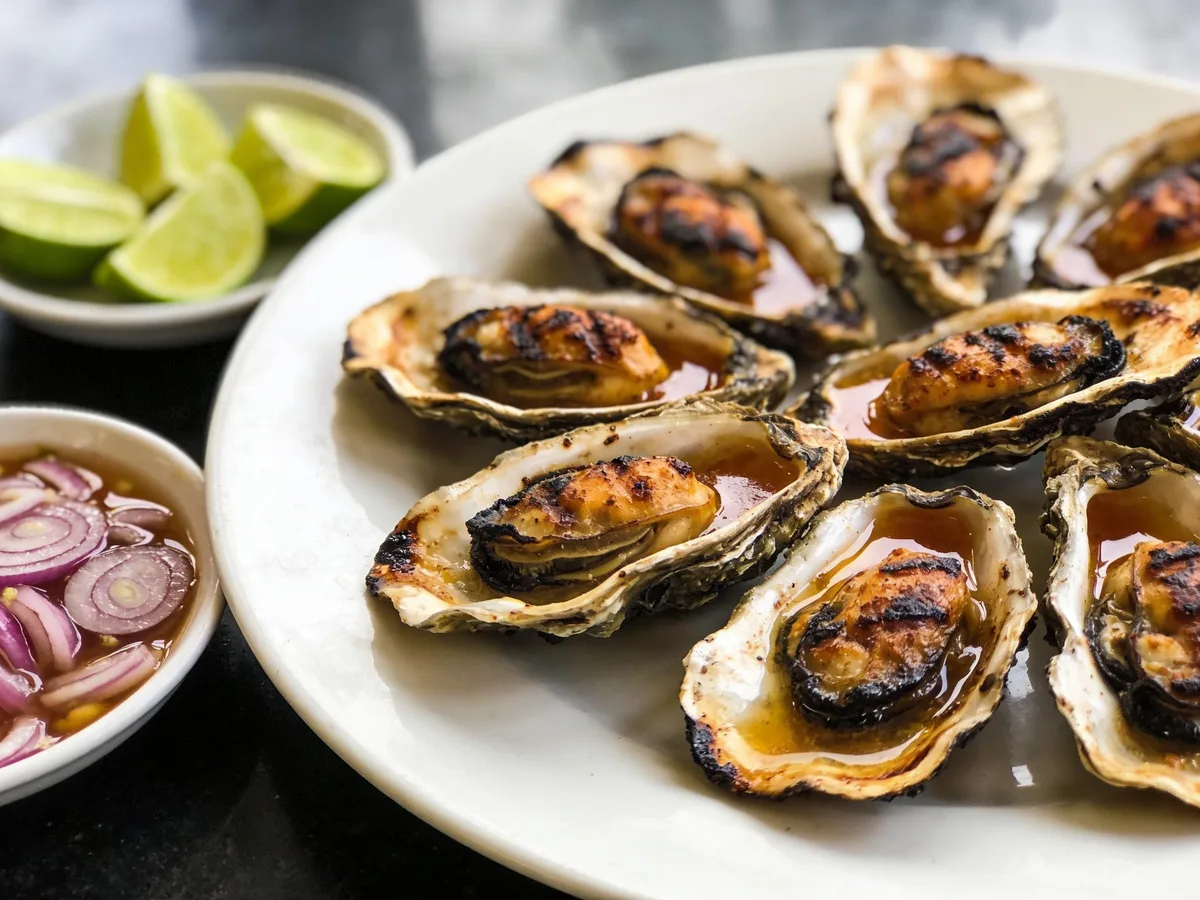
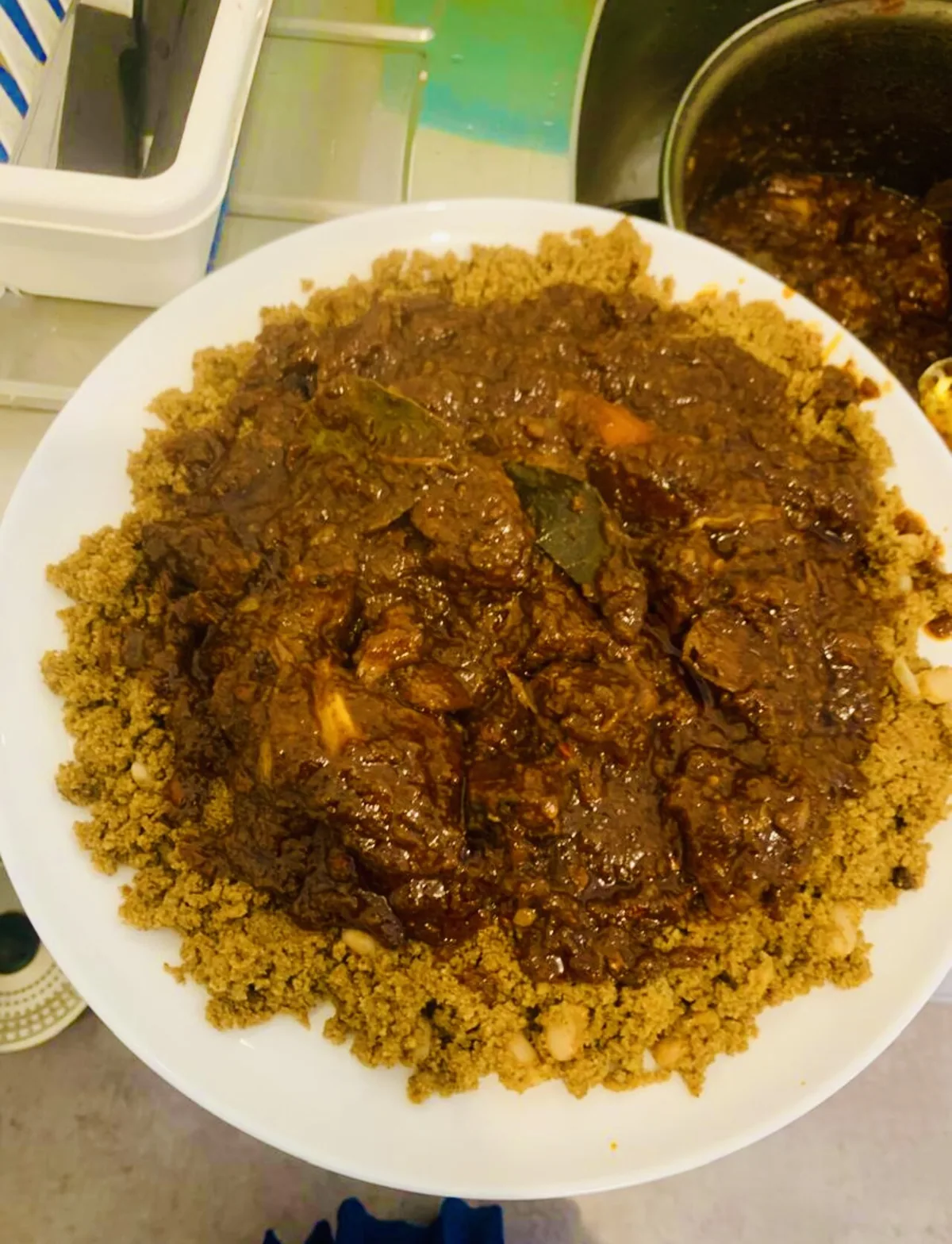
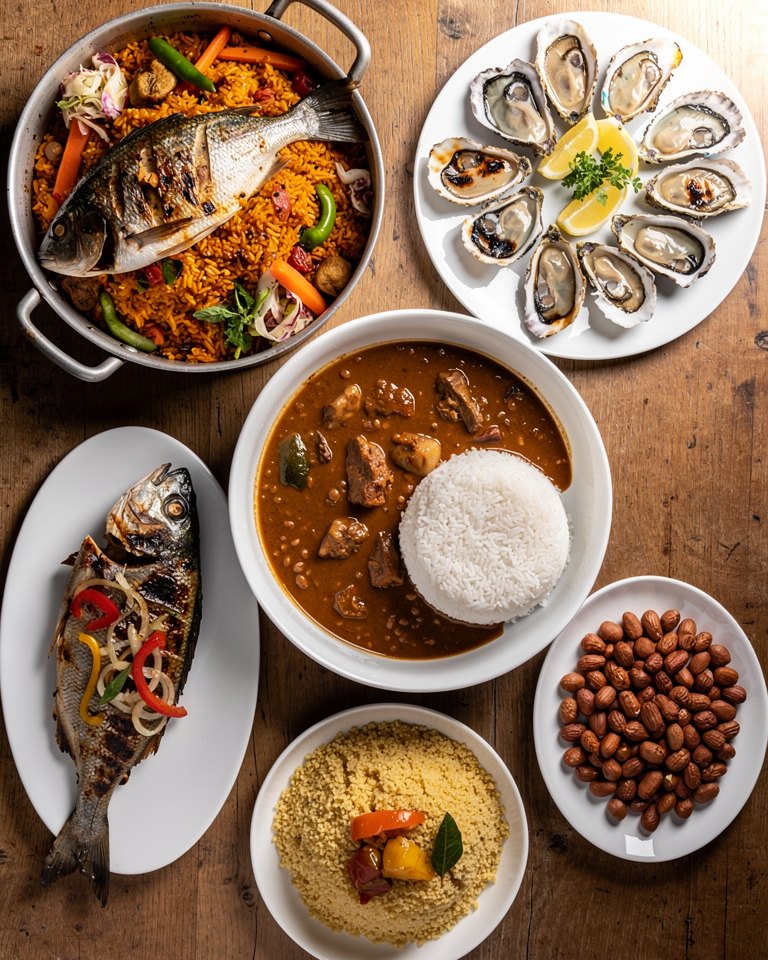
Domoda and river oysters
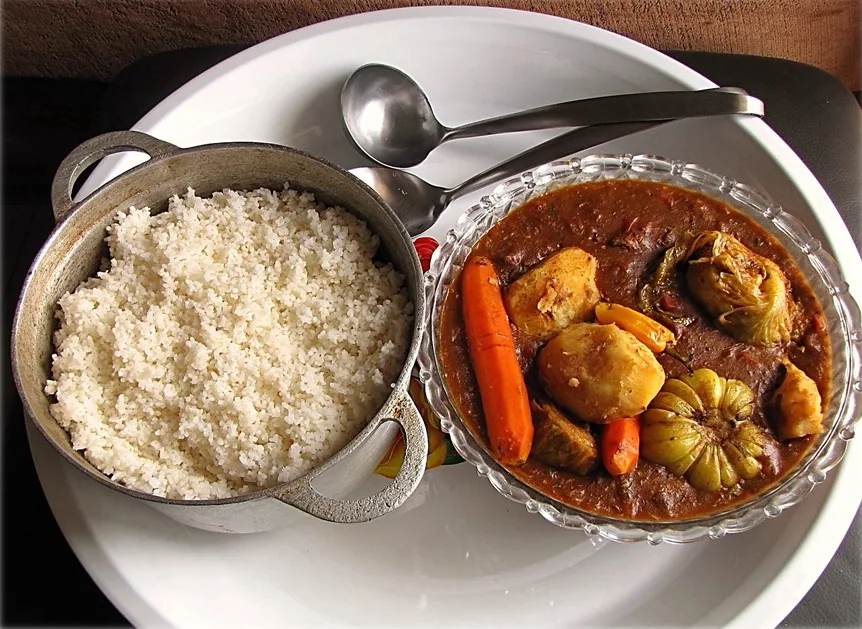
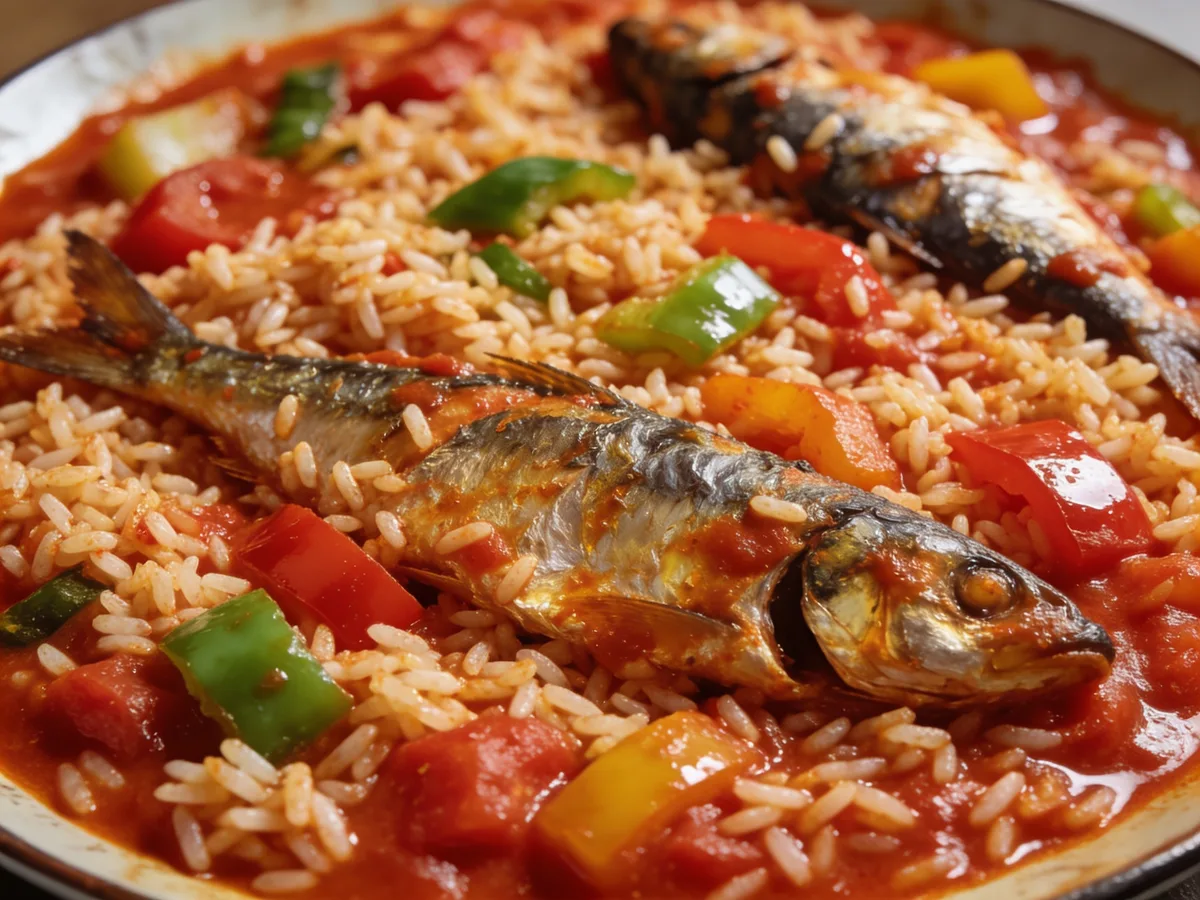
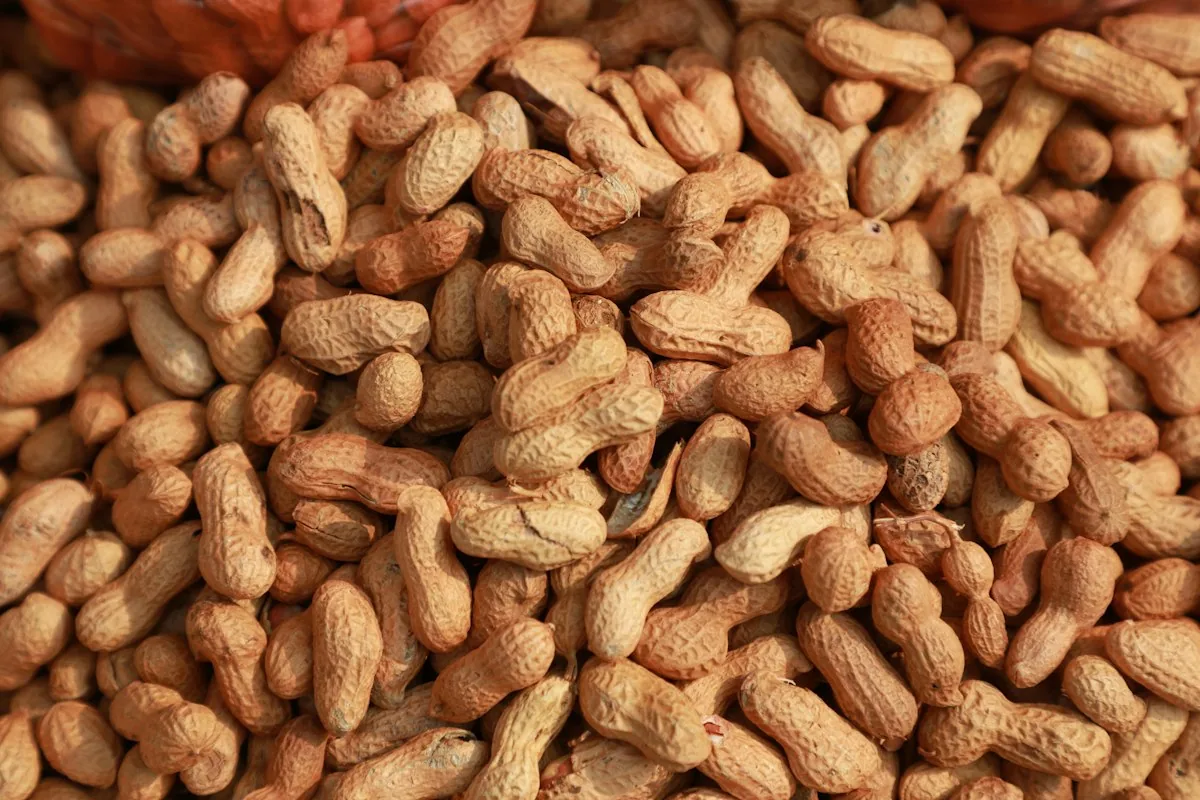
Domoda is a rich peanut stew served with rice, and oysters from the River Gambia are harvested by women. Benachin is a one pot rice dish shared at the table.
Worth booking ahead
The good ones sell out while you are still deciding. Book these before you fly, and keep your days for wandering.
Banjul
Banjul city tour
Arch 22, Albert Market and the museum with a local guide.
Five short notes from me: the 3 things I sort out ahead of every flight, the tiny details nobody tells you, and your vote on where I go next 🌍
A bit of history
A reserve since 1916
Abuko was first protected in 1916 and became the country's first designated wildlife reserve.
A UNESCO island
Kunta Kinteh Island and related sites were inscribed on the UNESCO World Heritage List in 2003.
A narrow country
The Gambia is the flood plain of the Gambia River, less than 50 km across at its widest, and its highest point is just 53 m above sea level.
Voting with marbles
For most of its history as a country, voting in Gambian elections was done with marbles dropped in drums.
Where to stay
The areas worth basing yourself in, each with its own stay search, and every hotel on one map.
Tip: finish booking on the website, not in the hotel's app, so it counts as booked through me.
The Gambia works best with a few bases. These are the places this planner suggests, with how to reach each one and one honest heads up. Everything here is researched for you from official and tourism board sources.
Capital
Banjul
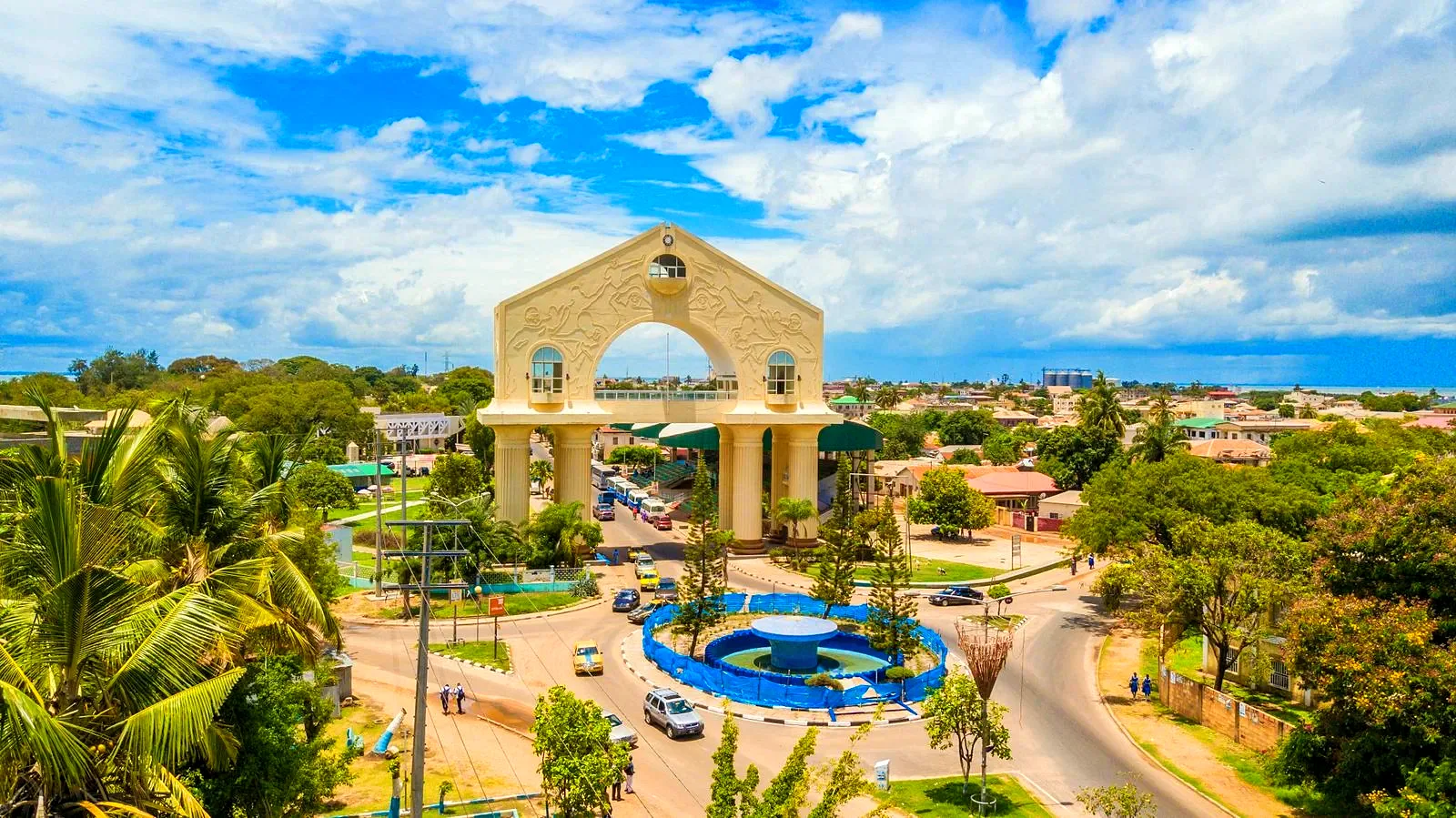
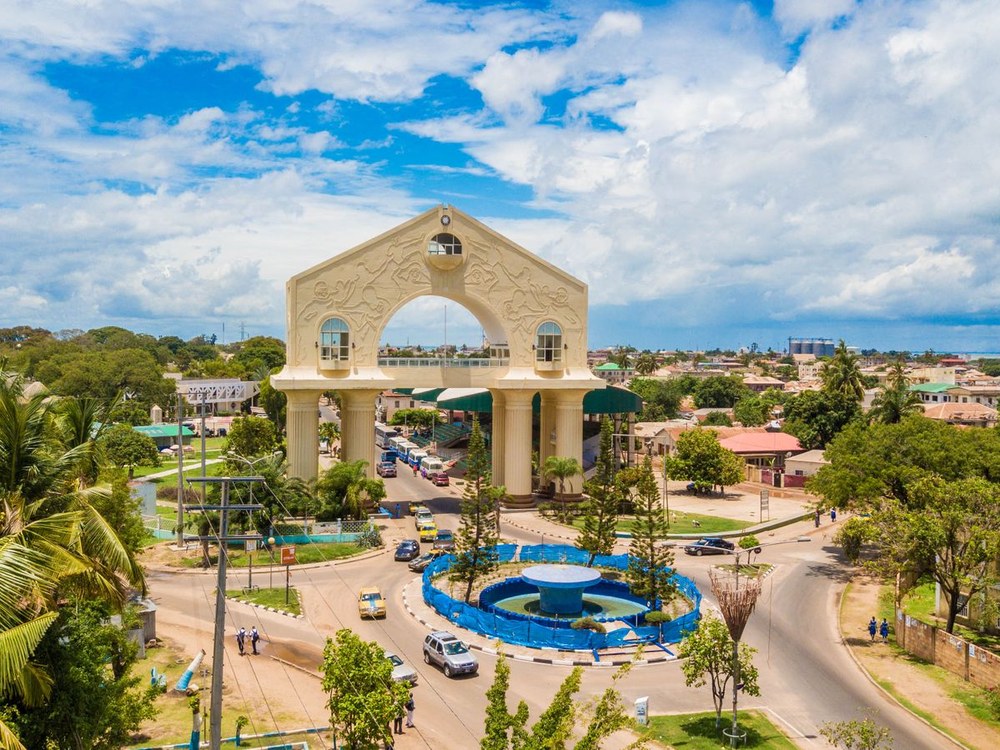
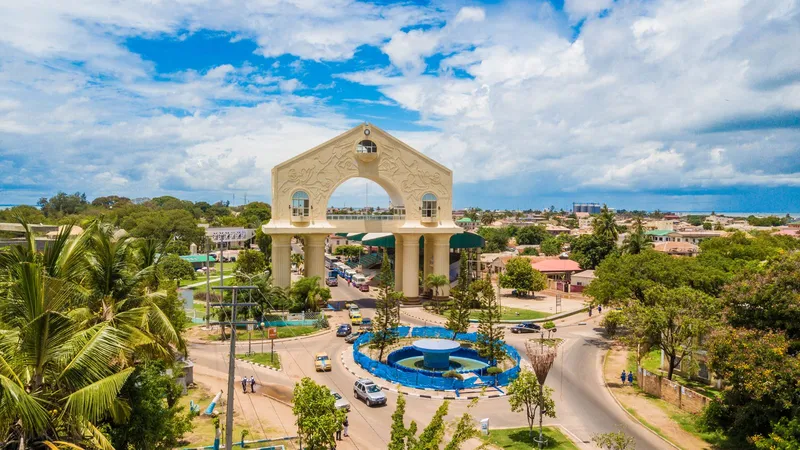
Banjul is the small capital on an island at the river mouth, a business center around Albert Market and the government offices. It quiets down in the evenings and on weekends, and Arch 22 is its best known landmark.
Near: Arch 22, Albert Market and the museum.
Getting around: Reached by ferry from Barra or by road from the coast.
Heads up: Petty crime is most common in the Banjul area, so keep valuables out of sight.
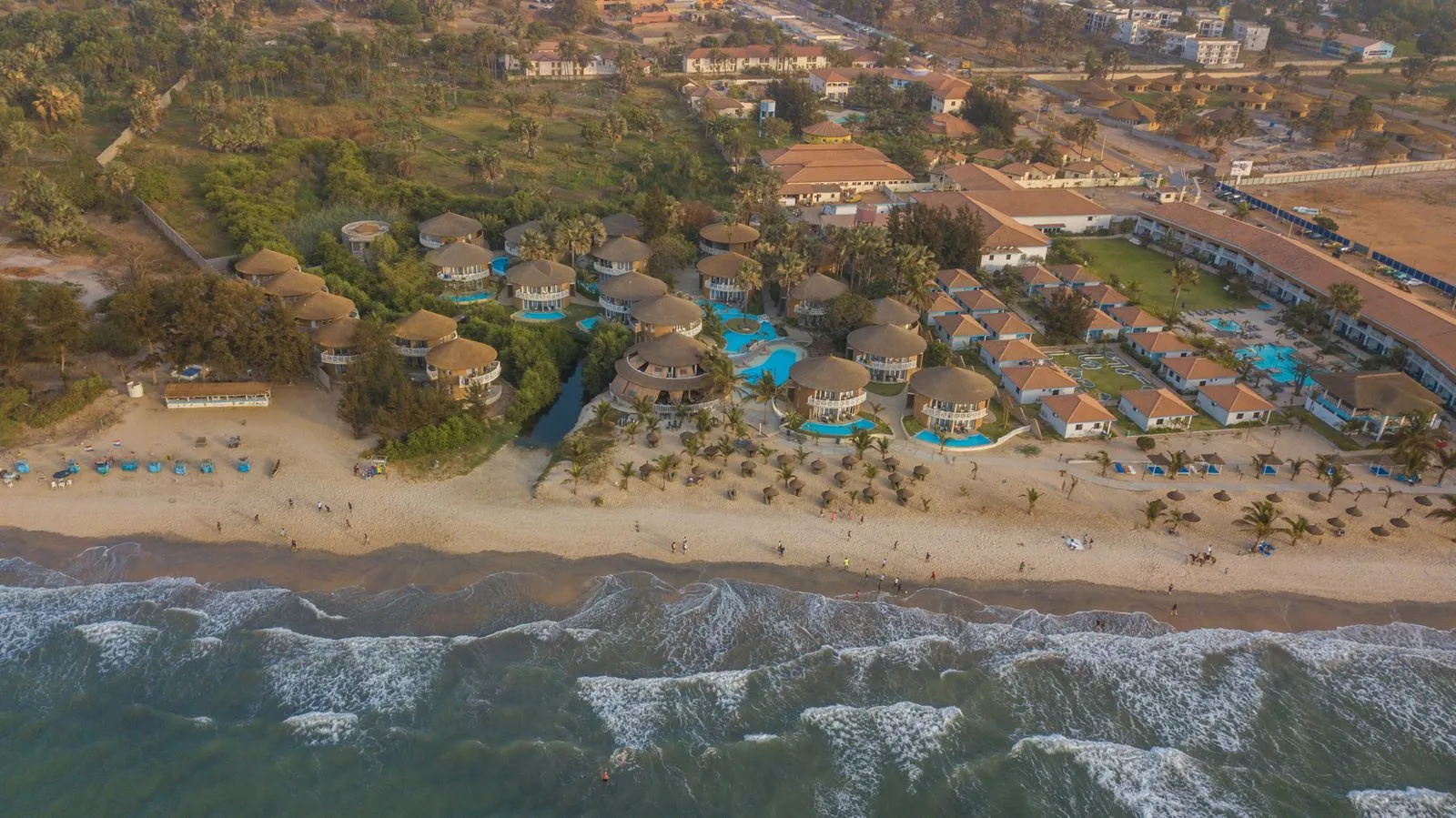
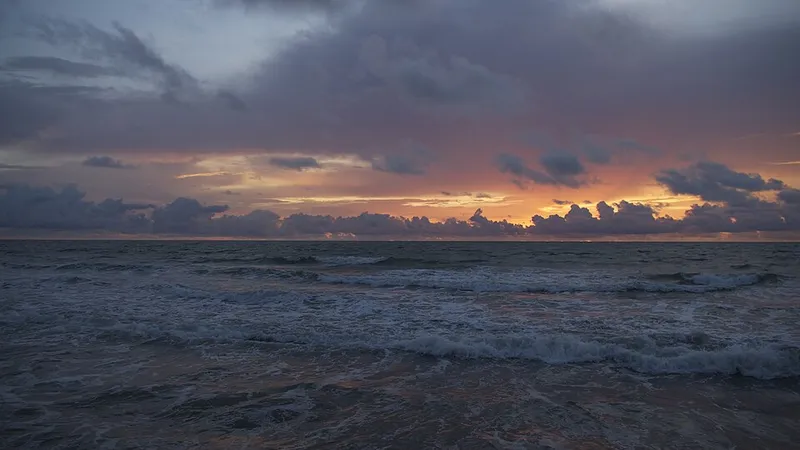
The main tourist and business areas are around Bakau, Fajara, Kotu and Serrekunda on the Atlantic coast, with beaches, resorts and markets. Banjul has become popular as a package holiday destination for European visitors.
Near: Beaches, craft markets and resorts.
Getting around: About a short drive from the airport at Yundum.
Heads up: Avoid walking alone on beaches and after dark.
Kunta Kinteh Island, formerly James Island, lies in the River Gambia and is a UNESCO World Heritage Site, inscribed in 2003. Juffureh is the village on the river bank linked to the island's history.
Near: Kunta Kinteh Island and Juffureh village.
Getting around: A day trip by road and boat, usually with a guide.
Heads up: Stay on the main river road and do not travel at night.
US passport US citizens need a visa for The Gambia, usually bought on arrival for about $108 for 30 days. Check the official page before you book. Official page. Checked 13 Nov 2026.
The Gambia requires visitors to have a visa before or on arrival. US citizens can get a 30 day visa on arrival, with a fee of about 108 US dollars, or apply in advance through the Gambian Embassy in the United States, where the fee has been 200 US dollars. You need at least one blank passport page. Overstaying is fined at 15 US dollars per month, payable in cash at the airport on departure. Fees can change, so check the official pages before booking.
Southern border
A separatist rebel group operates in the Casamance region of southern Senegal, and there has been sporadic fighting along The Gambia's southern border in the recent past. The US State Department advises staying on main roads and not traveling at night near or across the southern border. This planner stays on the coast and the river road.
Safety and the law
The US State Department advises increased caution because of crime, unrest and inadequate health infrastructure. Petty street crime and home burglaries happen often, most commonly in the Banjul area and tourist spots. Do not show cash or valuables, and avoid walking alone, including on beaches and in tourist areas and after dark. Dial 112 for police and 116 for an ambulance.
Health
The Gambia's health infrastructure is inadequate, and health services and hygiene do not meet US standards. Locally available medications may be unsafe, so bring your own. Buy travel insurance with medical evacuation, and ask your doctor about malaria and other vaccines.
Getting around
Traffic drives on the right. Taxis and shared minibuses connect the coast, and boats and ferries cross the river. Guided tours are the easiest way to reach the river sights. Bumsters, young men who approach tourists, can be persistent, so a polite refusal helps.
Money
The currency is the dalasi (GMD). Carry cash for markets and small shops, and avoid showing it.
When to go
November to May: The cooler dry season is the most popular time for beaches, birdwatching and river trips.
June to November: The hot rainy season brings heavy showers and humidity. It is quieter, and roads can be muddy.
Plugs and power
Plug G
Power is 230 V, 50 Hz. Bring an adapter if your plugs are from the US or the EU. Plugs from the UK usually fit. US gear that only runs on 110 to 120 V, like some hair tools, needs a converter here. Check your chargers and devices say 100 to 240 V before you plug in.
Banjul International Airport (BJL), also called Yundum, is the country's only commercial airport, on the mainland between the airport and the main tourist areas of Bakau, Fajara, Kotu and Serrekunda. Many direct flights come from Europe. Agree on taxi fares first or book a transfer, and check prices before you go.
BJL Banjul International Airport: a pre-booked transfer or an agreed fare taxi.
Book a pickup or rent a car
Book a pickup
Book a driver who meets you at arrivals at Banjul International Airport, at a fixed price agreed before you land.
The questions people ask most, answered from this page.
How do I get from the airport to the city in The Gambia?
Banjul International Airport (BJL), also called Yundum, is the country's only commercial airport, on the mainland between the airport and the main tourist areas of Bakau, Fajara, Kotu and Serrekunda. Many direct flights come from Europe. Agree on taxi fares first or book a transfer, and check prices before you go.
How do I get around The Gambia?
Traffic drives on the right. Taxis and shared minibuses connect the coast, and boats and ferries cross the river. Guided tours are the easiest way to reach the river sights. Bumsters, young men who approach tourists, can be persistent, so a polite refusal helps.
What currency does The Gambia use?
The currency is the dalasi (GMD). Carry cash for markets and small shops, and avoid showing it.
Photo credits
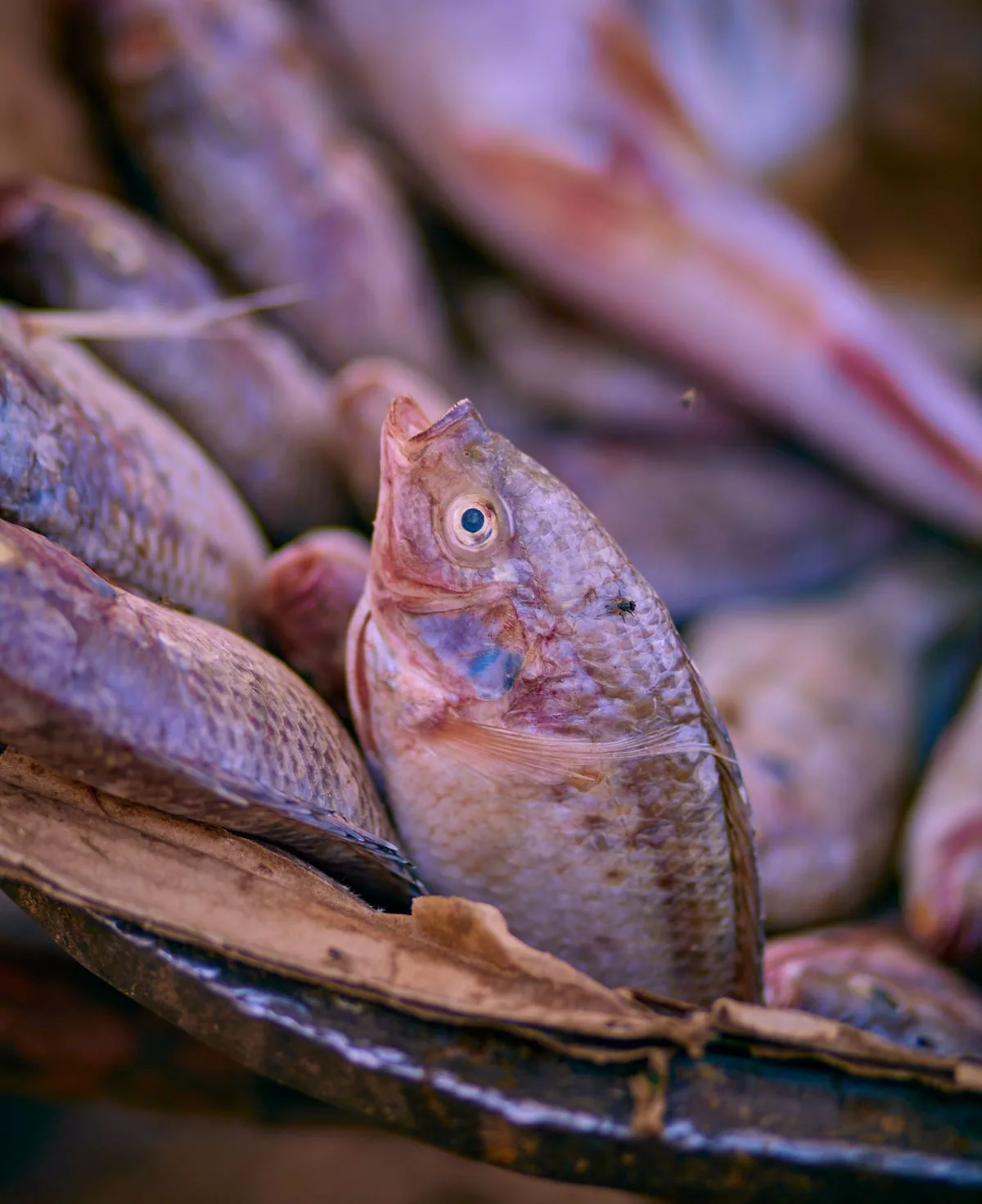
A forest next to the coast: Theinfamousfinatic, CC BY-SA 3.0, via Wikimedia Commons. Domoda: T.K. Naliaka, CC BY-SA 4.0, via Wikimedia Commons. Thiéré: Cheikh cherif, CC BY-SA 4.0, via Wikimedia Commons.
Checked 12 Nov 2026: entry links, plugs, airport times, ride apps and the facts on this page. Prices and rules show their own As of date.
Researched for you from official and trusted sources.
Affiliate links: some links on this page (flights, tours, city passes, stays, transfers, rental cars, luggage storage, eSIMs and flight compensation) are affiliate links. If you book through them, I earn a small commission at no extra cost to you.
Photos
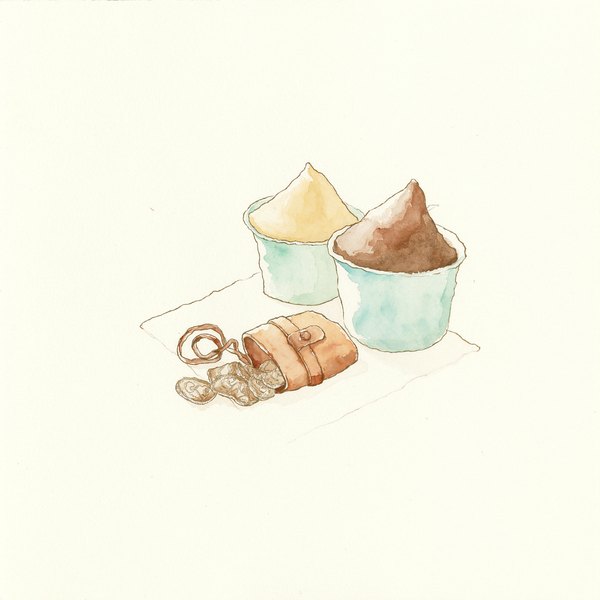
Real photos from Pexels, used under the license shown, by the photographers credited below. The table of dishes in the food section is an illustration made for this page, not a photo of a real meal.
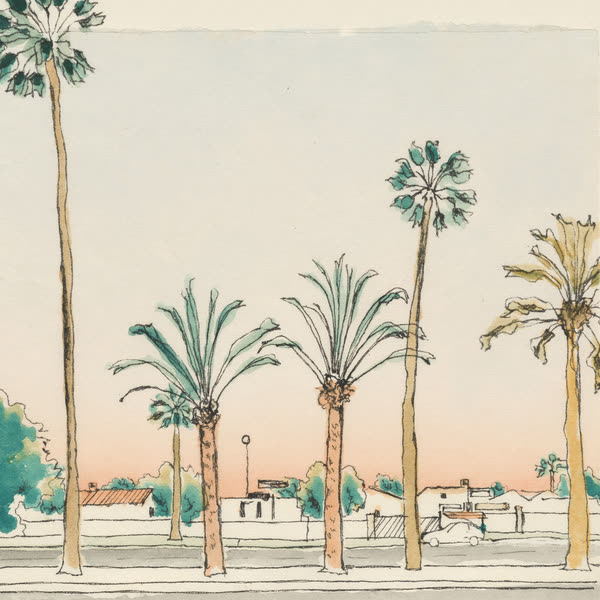
Arch 22 and a roundabout surrounded by palm trees and streets in Banjul. Photo: The Gambia / Pexels.
Fishing boats on the wide River Gambia beside green mangrove banks. Photo: The Gambia / Pexels.
A colorful canoe gliding past a dense mangrove island on calm water in The Gambia. Photo: The Gambia / Pexels.
Kunta Kinteh Island with baobab trees and fort ruins in the River Gambia. Photo: Timon Cornelissen / Pexels.
Sources
Researched for you from official and trusted sources. Rules, prices and times change, so check the official page before you book.
I researched this page for you, so you can plan well. The places I have filmed have their own trip planners.
Filming your own trips? My free guide to AI editing shows how my automated AI editor turns a folder of my clips into a finished reel. Send me the free guide.
 Luisa's Atlas
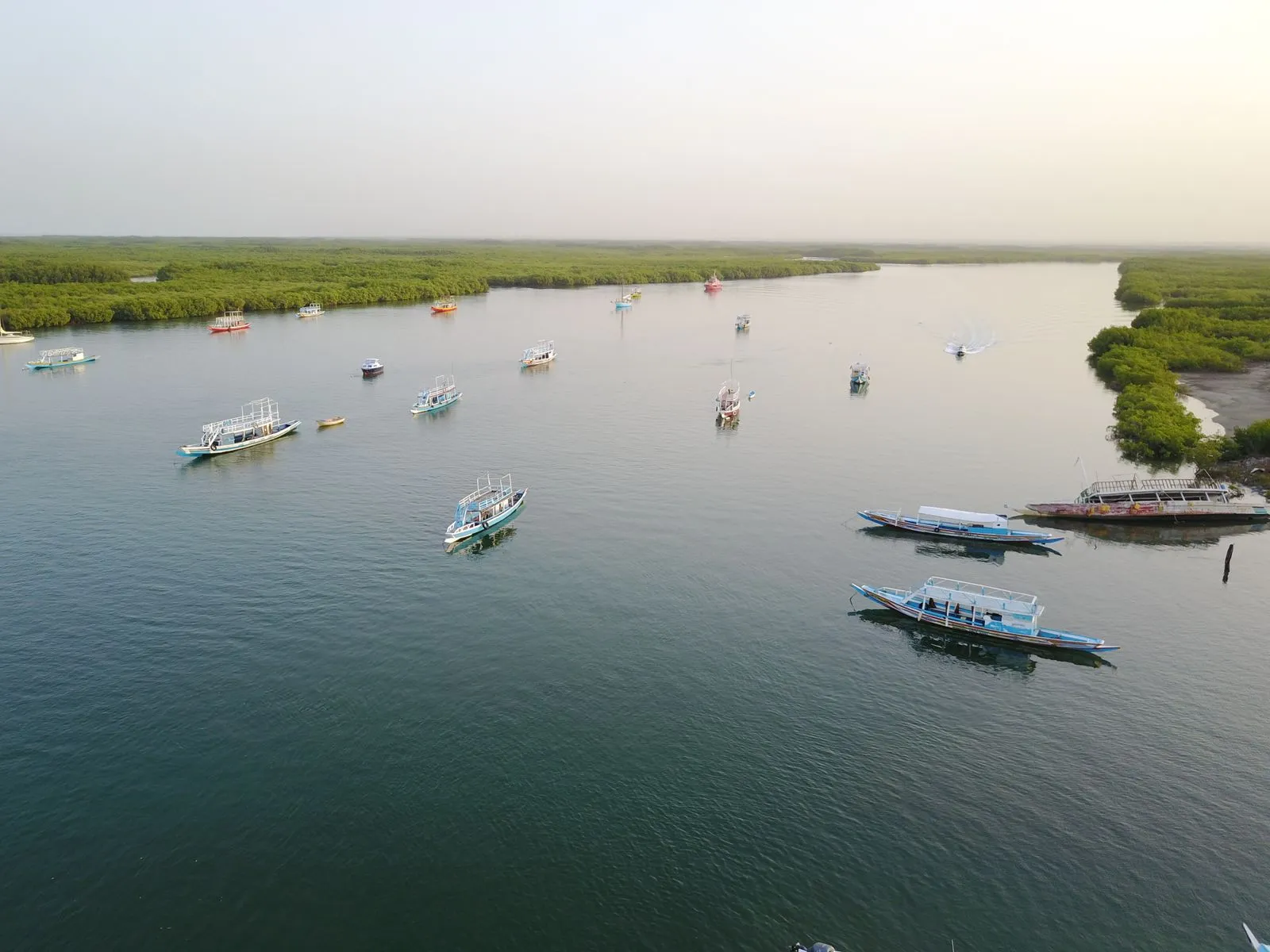
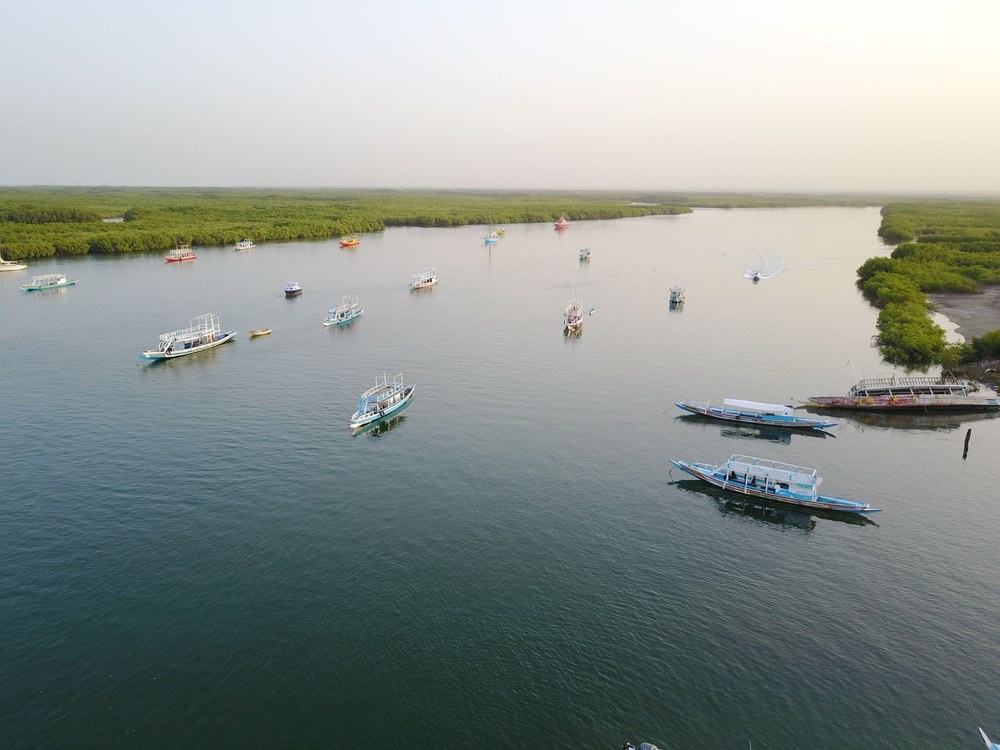
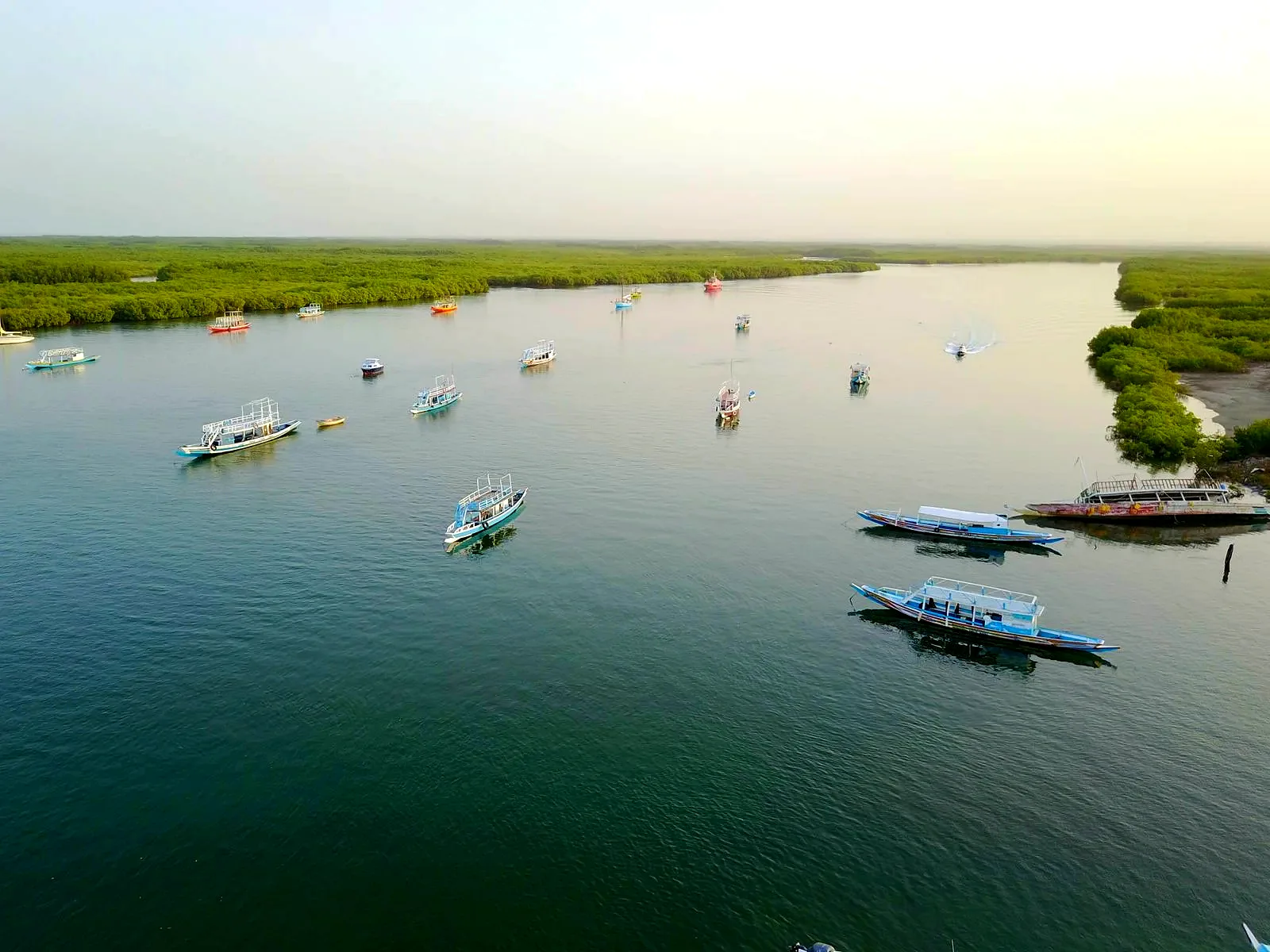 Fishing boats on the wide River Gambia beside green mangrove banks. Photo: The Gambia / Pexels.
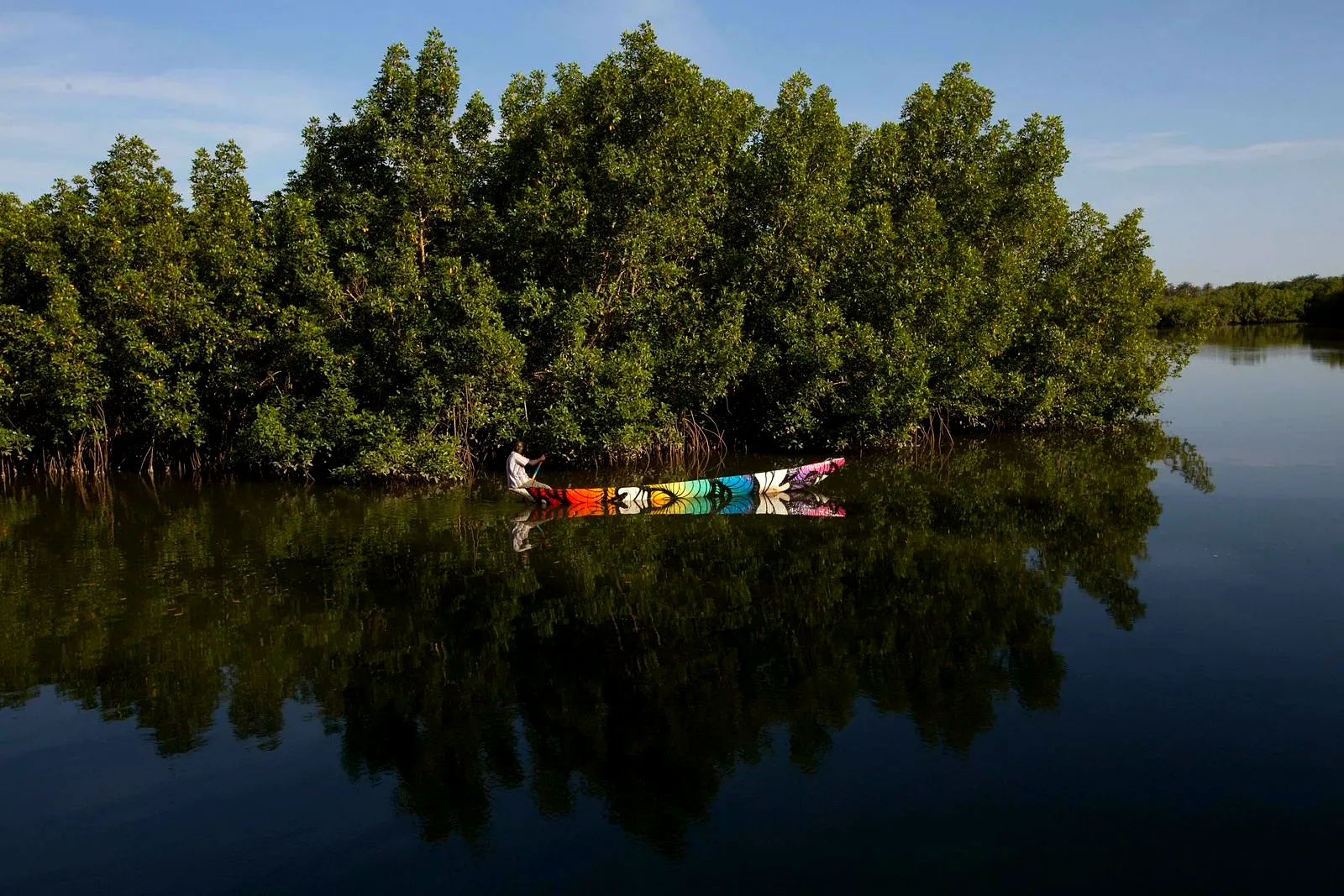 A colorful canoe gliding past a dense mangrove island on calm water in The Gambia. Photo: The Gambia / Pexels.
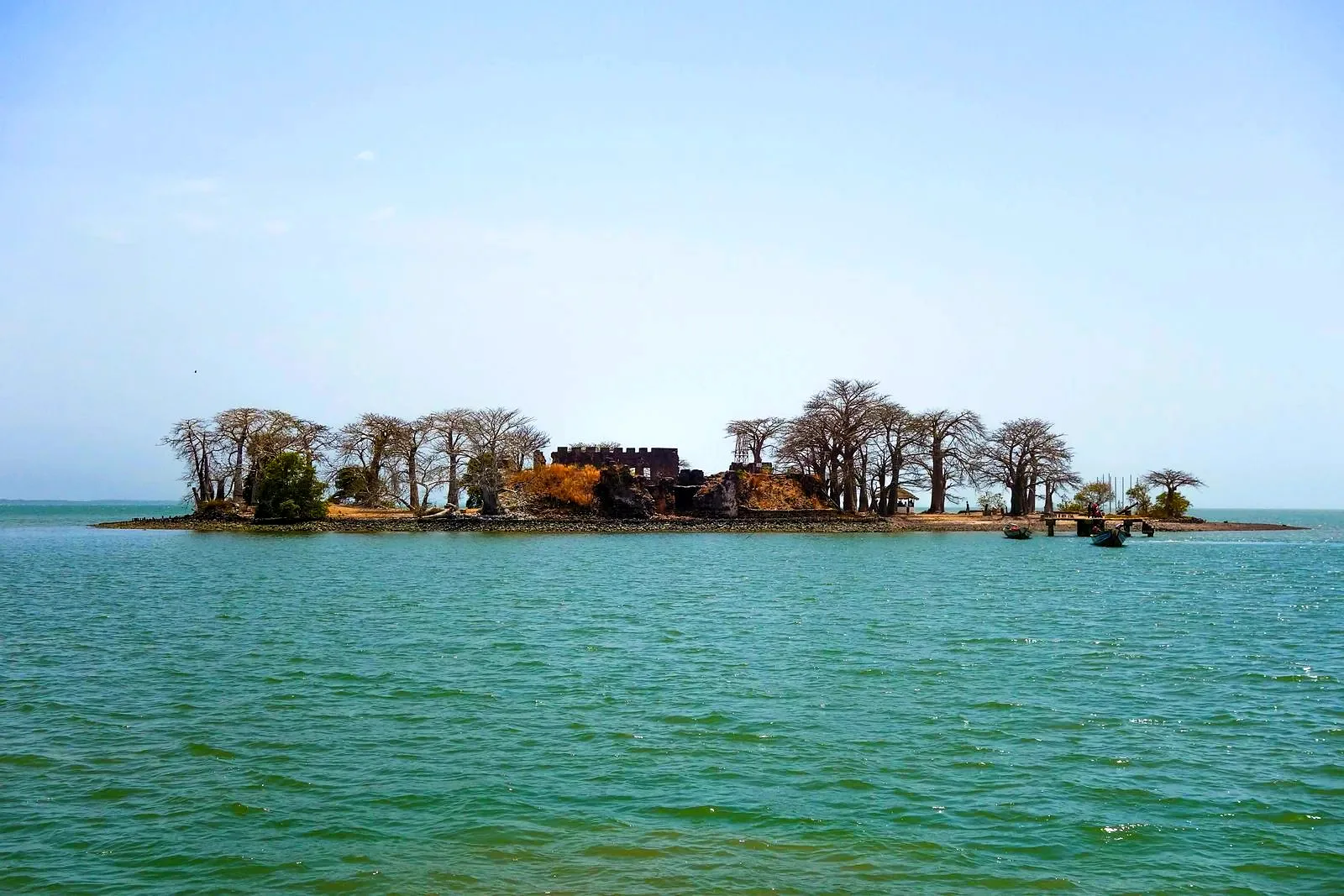 Kunta Kinteh Island with baobab trees and fort ruins in the River Gambia. Photo: Timon Cornelissen / Pexels.