Five places to start in Senegal: Dakar, Gorée Island, Saint-Louis, the Saloum Delta and the Petite Côte. Entry rules, the new airport train, the Gorée ferry, money, seasons and what to eat.
Everything for Senegal on one page: what to know before you leave, the tours worth booking ahead, the ride apps, an eSIM and where to stay and eat, so you land with a plan, not 37 open tabs.
Some links earn me a small commission at no extra cost to you.
My free appLanding with no signal? Take this whole planner offline in my free iPhone app.Download on the App Store
Where in the worldSenegal
Why Senegal is amazing
1
An island that remembers
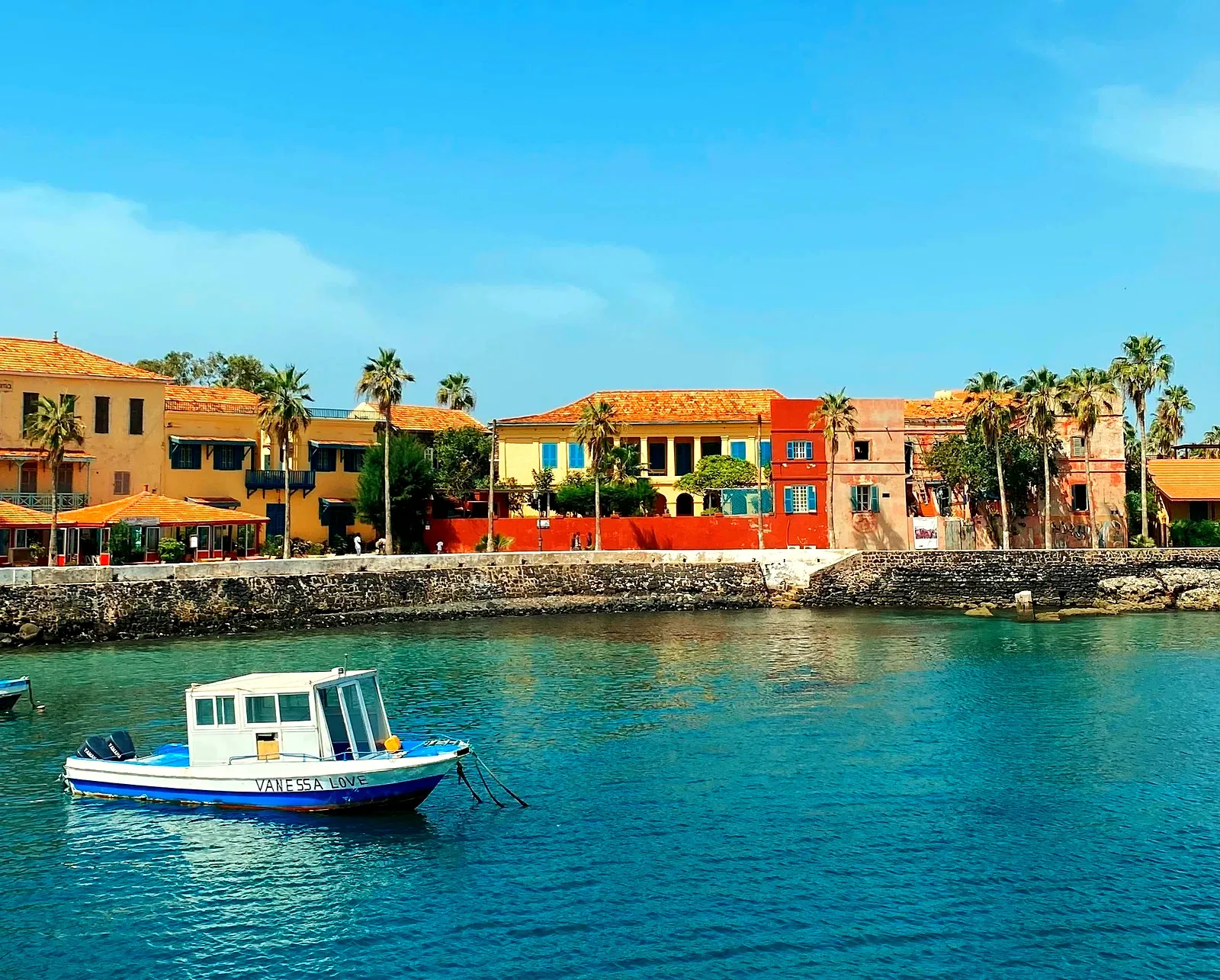
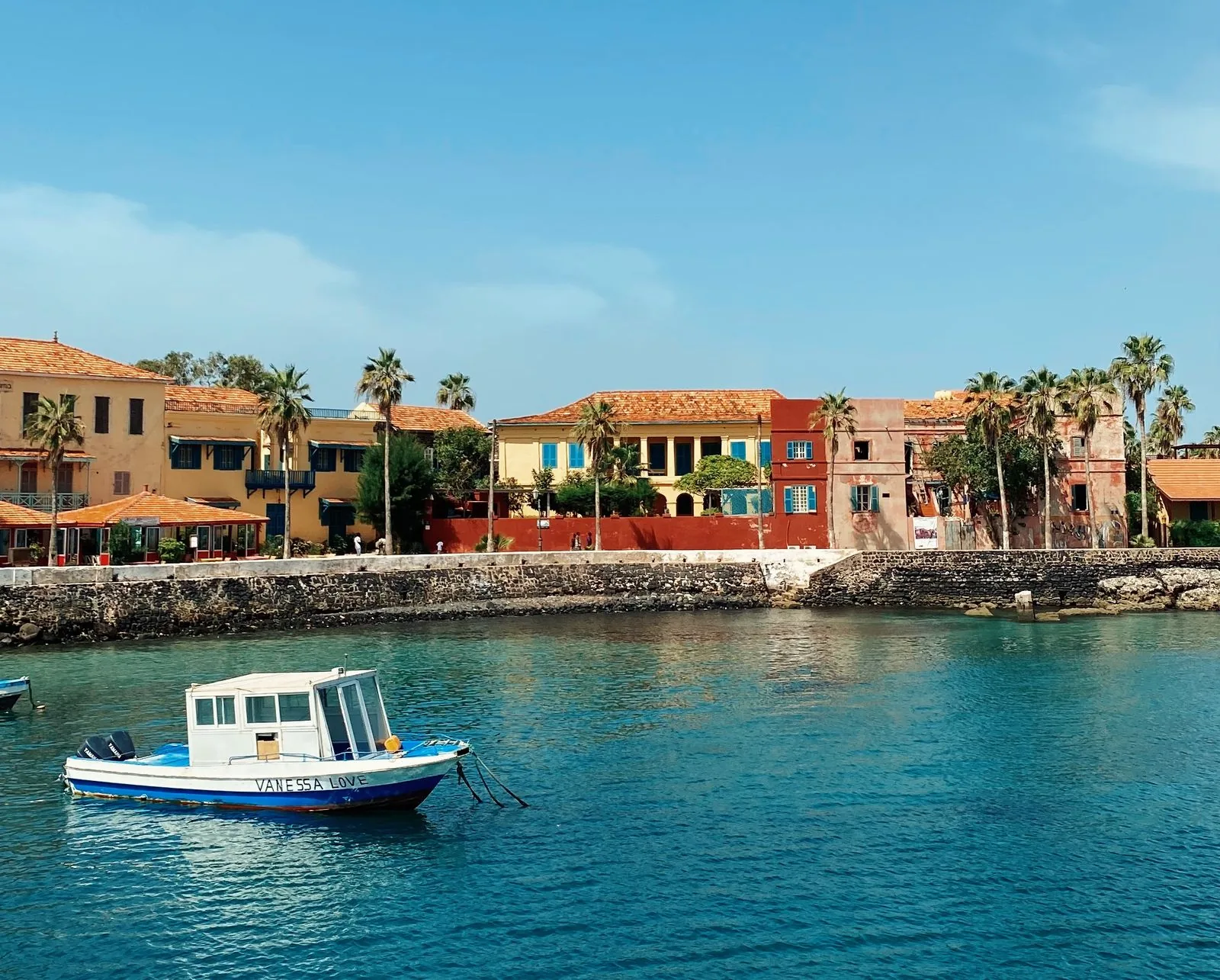
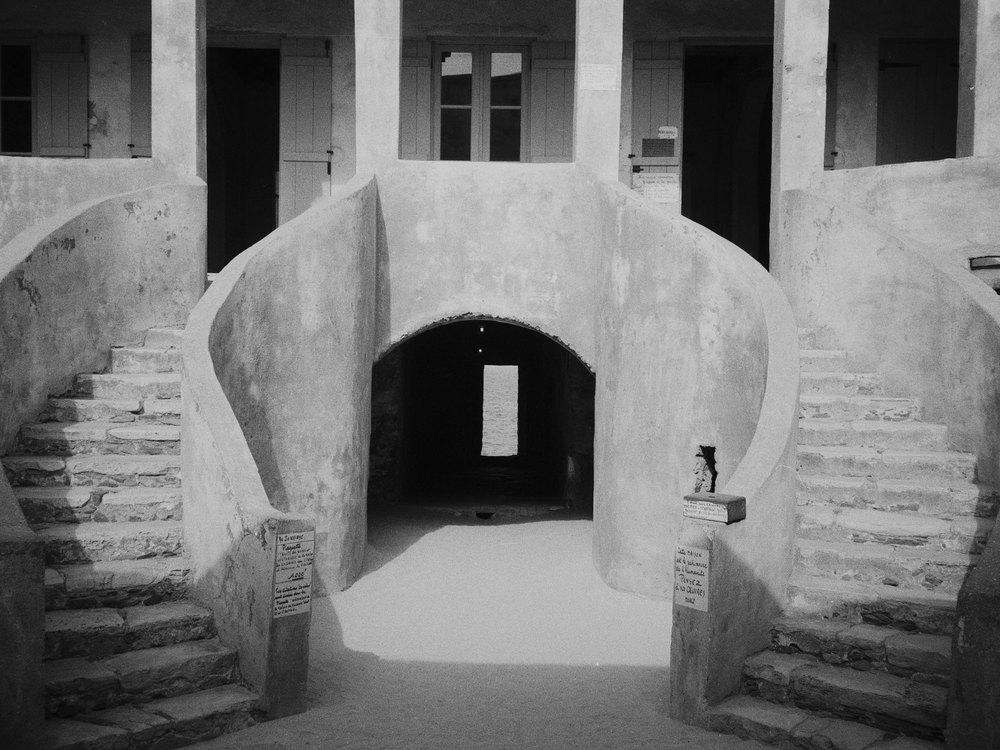
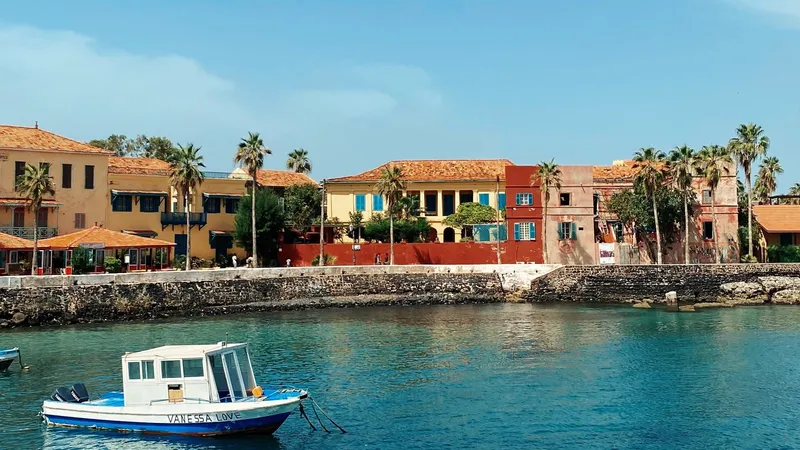
A short ferry ride from Dakar, Gorée Island mixes pastel colonial houses with the House of Slaves. For four centuries it was the largest slave trading center on the African coast, and today it is a place of reflection.
2
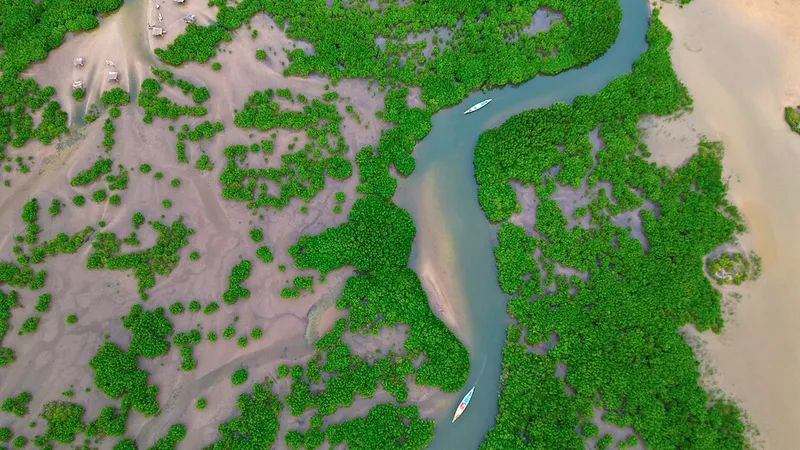
Mangroves and 200 islands
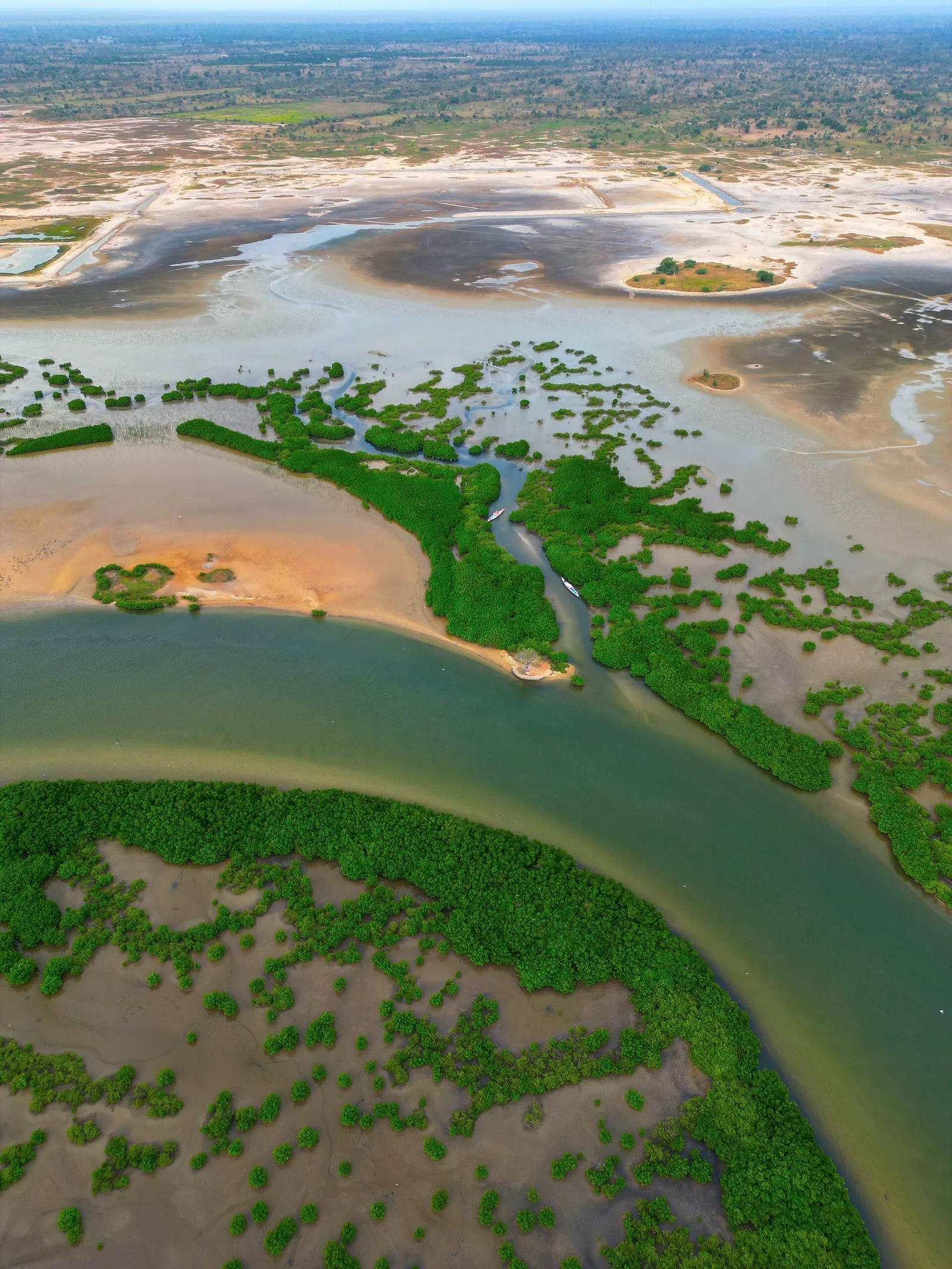
In the Saloum Delta, wooden pirogues glide through mangrove channels among more than 200 islands, home to fishing villages and around 400 kinds of birds.
3
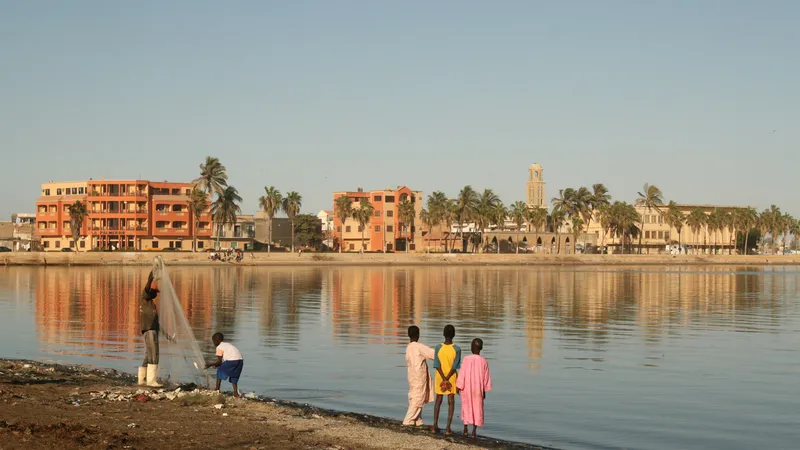
Saint-Louis and its bridge
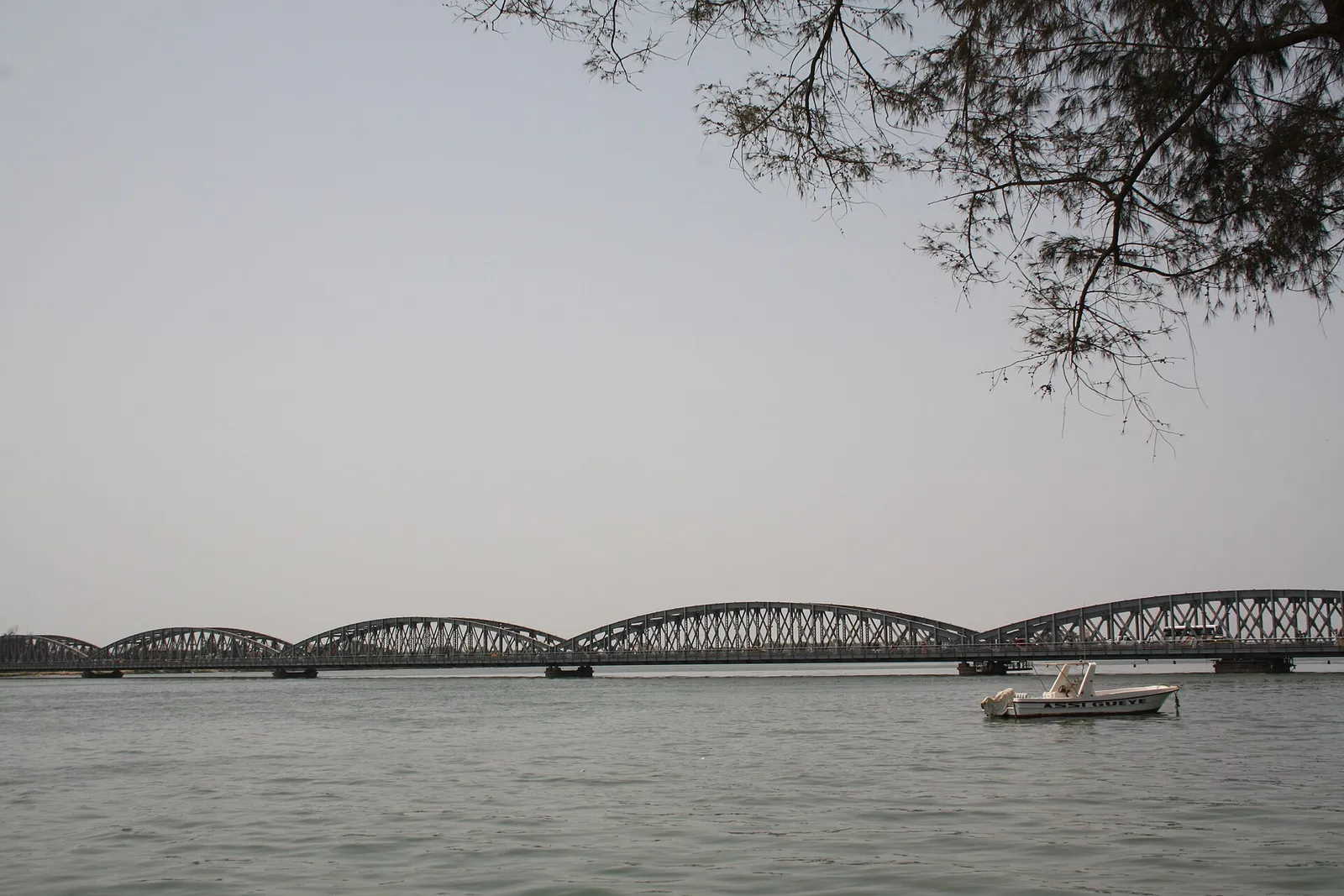
Cross the iron Faidherbe Bridge into Saint-Louis, Senegal's island capital until 1957. Nearby Djoudj National Park welcomes nearly 3 million migrating birds a year.
4
The land of teranga
Senegal is famous for teranga, its word for hospitality. Strangers are welcome around the shared dish at mealtime, and neighbors of different faiths trade holiday meals at Tabaski and Easter.
5
Rice and fish, done right
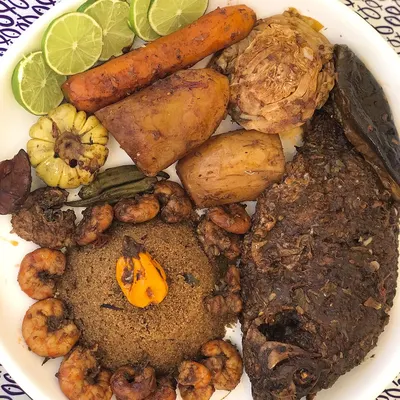
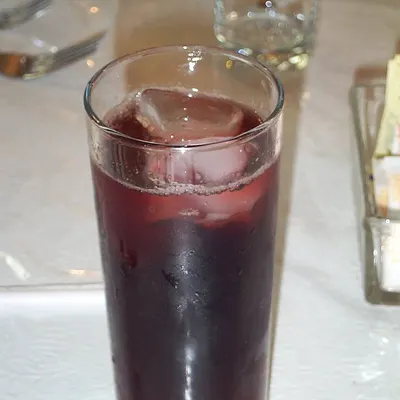
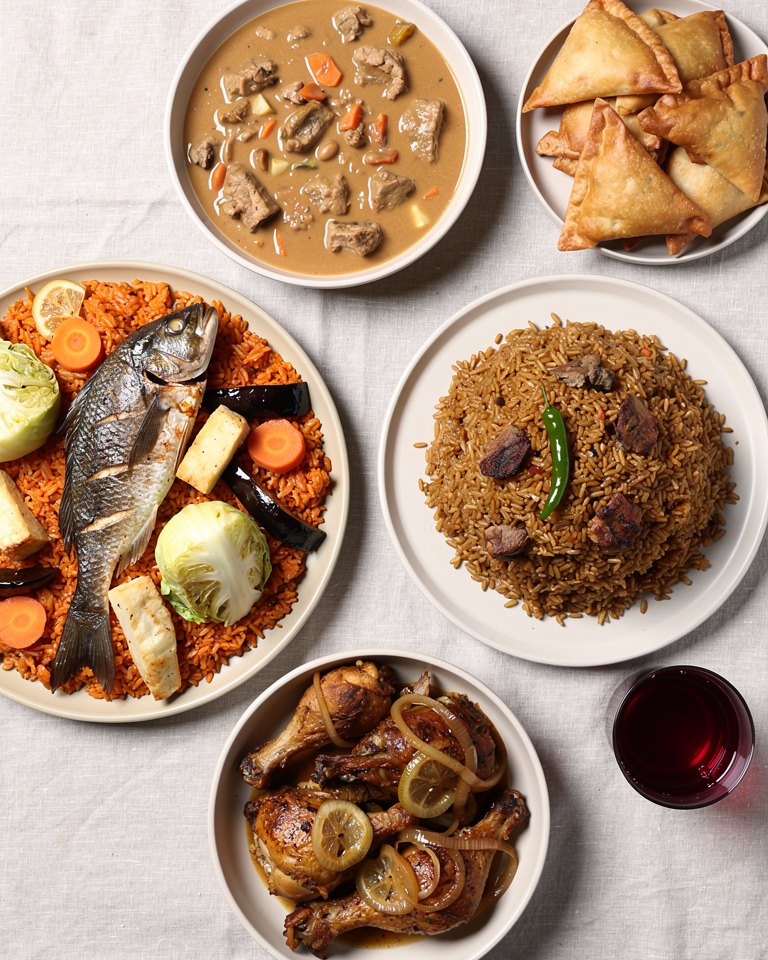
Ceebu jën, fish with broken rice and vegetables, was born in Saint-Louis and is on UNESCO's cultural heritage list. Follow it with tangy yassa, peanut mafé and a glass of purple bissap.
Worth booking ahead
The good ones sell out while you are still deciding. Book these before you fly, and keep your days for wandering.
Dakar
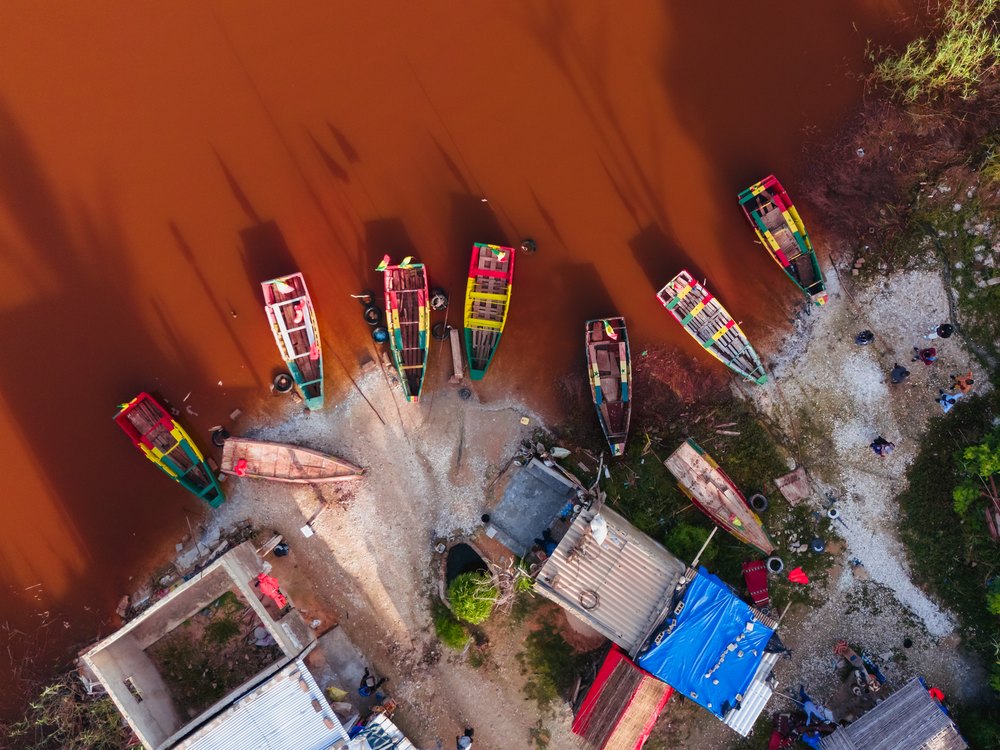
Lac Rose day trip
The Pink Lake is one of the must see sites around Dakar.
Five short notes from me: the 3 things I sort out ahead of every flight, the tiny details nobody tells you, and your vote on where I go next 🌍
A bit of history
Gorée Island
From the 15th to the 19th century, Gorée was the largest slave trading center on the African coast. The Portuguese, Dutch, English and French ruled it in turn.
Saint-Louis, the old capital
Founded by the French in the 17th century, Saint-Louis was the capital of Senegal from 1872 to 1957.
Airmail pioneers
Saint-Louis was a stop on the Aéropostale airmail line, and its museum tells the story of the first South Atlantic crossing in 1930 by pilots including Jean Mermoz.
Shell mounds of the Saloum
People in the Saloum Delta left 218 shellfish mounds, some several hundred meters long, and 28 of them hold burial sites.
Where to stay
The areas worth basing yourself in, each with its own stay search, and every hotel on one map.
Tip: finish booking on the website, not in the hotel's app, so it counts as booked through me.
Senegal works best with a few bases. These are the places this planner suggests, with how to reach each one and one honest heads up. Everything here is researched for you from official and tourism board sources.
Capital
Dakar
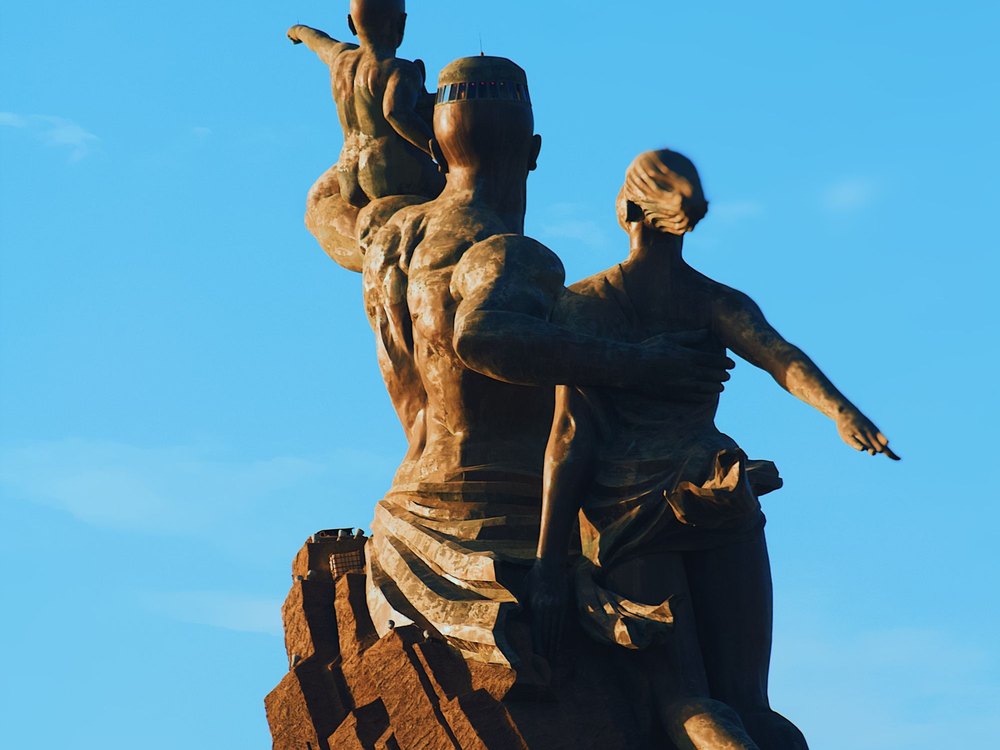
Dakar sits on the western tip of Africa, facing the Atlantic. Expect busy markets, surf beaches, museums and the African Renaissance Monument, a 52 meter bronze statue on a hill above the city.
Near: The African Renaissance Monument, the Museum of Black Civilizations, Soumbédioune market, Ngor Island, the Pointe des Almadies and Lac Rose.
Getting around: TER train or taxi from the airport; orange taxis or Heetch in town.
Heads up: Robberies happen along the Corniche Ouest, so keep valuables out of sight.
A small island facing Dakar with pastel colonial houses and the House of Slaves. From the 15th to the 19th century it was the largest slave trading center on the African coast, and it is a UNESCO World Heritage Site.
Near: The House of Slaves, the old forts and the harbor beach.
Getting around: Public ferry from the Port of Dakar, several times a day.
Heads up: The last boats back leave in the early evening; check the timetable.
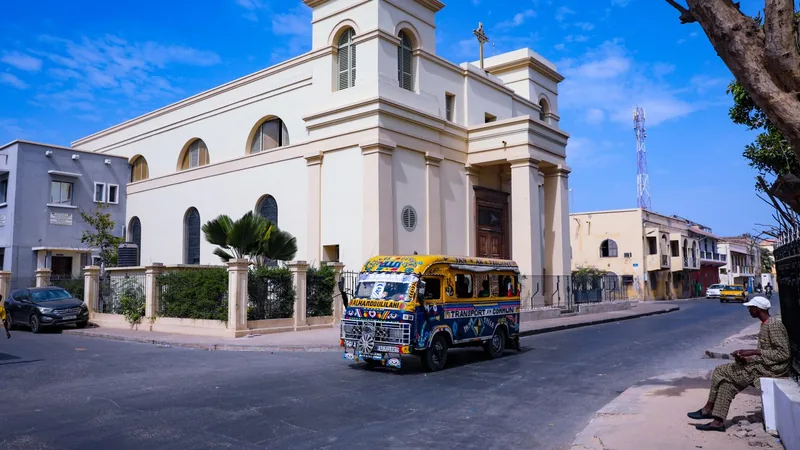
Saint-Louis was the capital of Senegal from 1872 to 1957. The old town sits on an island at the mouth of the Senegal River, reached by the iron Faidherbe Bridge, and is a UNESCO World Heritage Site.
Near: The Faidherbe Bridge, the Langue de Barbarie, the fishing quarter of Guet Ndar and Djoudj National Bird Sanctuary.
Getting around: Road transfer or bus from Dakar; taxis on the island.
Heads up: Djoudj is best in the dry season, when the migrating birds are there.
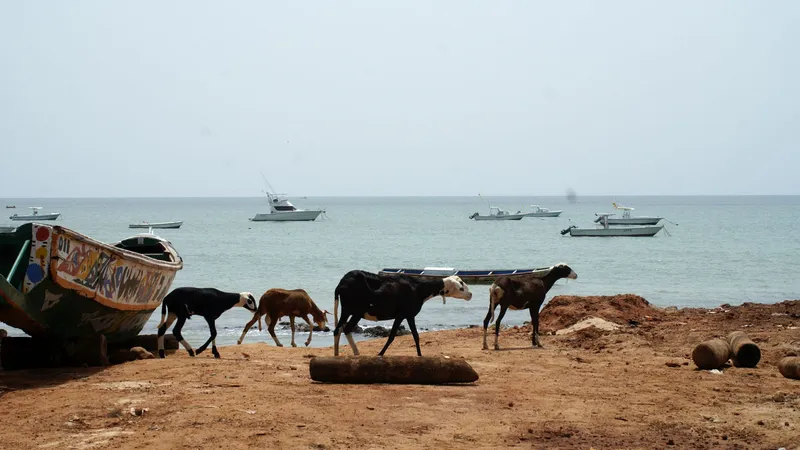
The beach coast south of Dakar has calm water, resorts at Saly and a lagoon at Somone. Joal Fadiouth has streets of crushed shells and a wooden footbridge to the island.
Near: Saly, Somone lagoon, Ngaparou, Popenguine and Joal Fadiouth.
Getting around: Road transfer from Dakar or the airport.
Heads up: Resorts are spread along the coast, so pick your base by the beach you want.
Senegal calls itself the land of teranga, or hospitality. At mealtimes anyone may be invited to share the big dish, often ceebu jën.
Shared holidays
Most people are Muslim, with a Christian minority. At Tabaski Muslims share meals with Christian neighbors, and at Easter Christians share ngalax, a millet, peanut and baobab dish.
Ataya tea
Green tea with mint is brewed and poured in three rounds, a ritual for friends and conversation.
Where and what to eat
Come hungry.
Ceebu jënThe national dish: fish, broken rice and vegetables such as cabbage, cassava, carrot and eggplant, born in Saint-Louis.
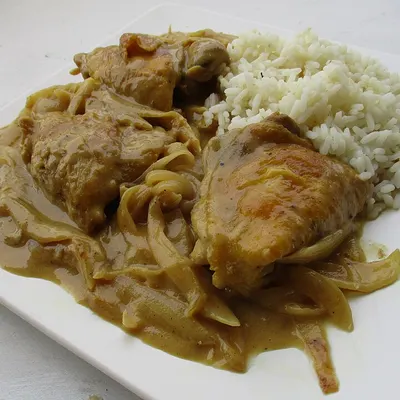
YassaChicken or fish in a tangy onion and lemon sauce, first from Casamance.
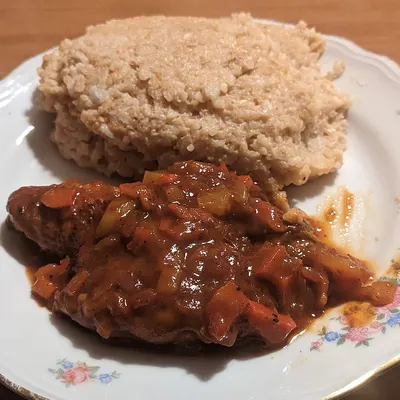
MaféMeat or fish in a peanut sauce, served with white rice.
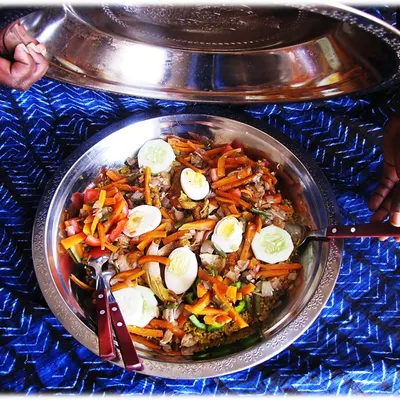
Ceebu yappRice cooked with beef and served with an onion sauce on the side.
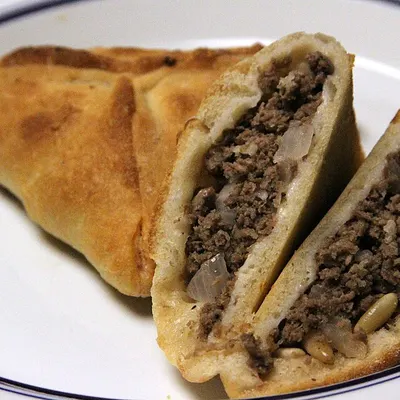
FatayaFried pastries with a savory filling, a favorite snack.
BissapA deep purple drink of hibiscus flowers with sugar and mint or orange blossom.
Say it like a local
8 everyday phrases in Wolof, with how to say them.
HelloSalaam aleekumsah LAHM ah LEH koom
HelloMaleekum salaam
Thank youJërëjëfjeh reh JEF
GoodbyeBa beneen yoonbah beh NEHN yohn
Excuse meBaal maBAHL mah
SorryMaasaMAH sah
Show all 8 phrasesShow fewer phrases
How much is it?Ñaata la?NYAH tah lah
Do you speak English?Dégg nga anglais?DEG ngah ahn GLEH
French is the official language and Wolof is the most widely spoken. Spellings of Wolof vary.
Find your flight
Search flights to Senegal and compare prices before you book.
US passport No visa for stays up to 90 days, but bring your yellow fever vaccination card and a passport with 6 months left. Check the official page before you book. Official page. Checked 13 Nov 2026.
US citizens do not need a visa for stays of up to 90 days. You need a passport valid for at least six months, and the US State Department lists a yellow fever vaccination card as an entry requirement. Check the official page before booking. Not a US passport? Check your country's rules: Senegal Ministry of Foreign Affairs.
The ferry to Gorée
A public ferry run by the Port of Dakar crosses to Gorée Island all day, from about 6:15 AM. Non-resident adults paid 5,200 FCFA at last check; check the timetable on Sundays and holidays.
Money
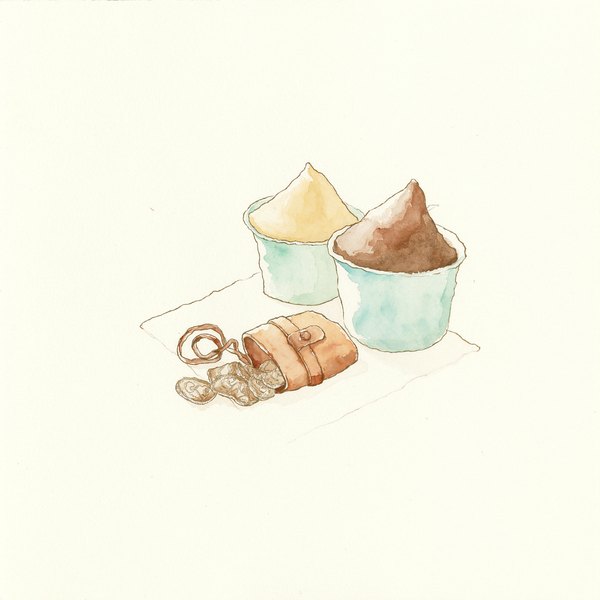
The currency is the CFA franc (FCFA), fixed to the euro at 655.957 FCFA. The economy runs mostly on cash and cards are not widely accepted, so carry enough for taxis, markets and small restaurants.
Safety and health
The US State Department advises normal precautions in Senegal. Watch for pickpockets and robberies, especially along the Corniche Ouest in Dakar, and avoid demonstrations. Tap water is not safe to drink, and malaria is present, so ask your doctor about prevention.
When to go
Dry season, November to May: The best time to go. Days are around 26 degrees Celsius, the sun is out and rain is rare.
Rainy season, June to October: Hotter, around 30 degrees Celsius, with downpours that usually pass quickly. The rains last longer in the south, and some rural roads need four wheel drive.
Sea temperatures: The sea is about 20 degrees Celsius in the dry season and 28 in the rainy season.
Plugs and power
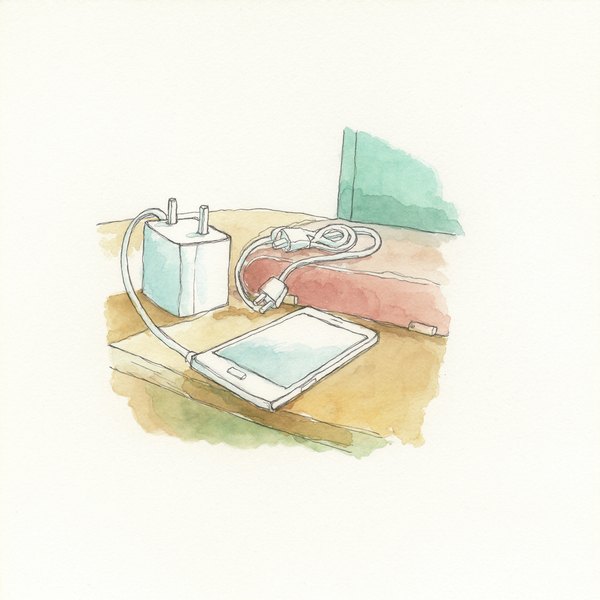
Plug CPlug DPlug EPlug K
Power is 230 V, 50 Hz. Bring an adapter if your plugs are from the US or the UK. Plugs from the EU usually fit. US gear that only runs on 110 to 120 V, like some hair tools, needs a converter here. Check your chargers and devices say 100 to 240 V before you plug in.
Getting around
Regulated orange taxis are the safer choice; agree the fare before you get in. The Heetch ride app works in Dakar with a fixed fare paid in cash. Traffic drives on the right, and the US State Department advises against cars rapides vans and motorbike taxis. Otherwise use the regulated orange taxis and agree the price before you set off.
Blaise Diagne International Airport (DSS) is at Diass, outside Dakar. Since September 28, 2026 the TER express train runs from the airport to central Dakar in about 55 minutes; a second class single was 4,000 FCFA at last check, so check before you go.
DSS Blaise Diagne International Airport: about 55 by TER train minutes.
Book a pickup or rent a car
Book a pickup
Book a driver who meets you at arrivals at Blaise Diagne International Airport, at a fixed price agreed before you land.
The questions people ask most, answered from this page.
Do US citizens need a visa for Senegal?
US citizens do not need a visa for stays of up to 90 days. You need a passport valid for at least six months, and the US State Department lists a yellow fever vaccination card as an entry requirement. Check the official page before booking.
How do I get from the airport to the city in Senegal?
Blaise Diagne International Airport (DSS) is at Diass, outside Dakar. Since September 28, 2026 the TER express train runs from the airport to central Dakar in about 55 minutes; a second class single was 4,000 FCFA at last check, so check before you go.
How do I get around Senegal?
Regulated orange taxis are the safer choice; agree the fare before you get in. The Heetch ride app works in Dakar with a fixed fare paid in cash. Traffic drives on the right, and the US State Department advises against cars rapides vans and motorbike taxis.
What currency does Senegal use, and do cards work?
The currency is the CFA franc (FCFA), fixed to the euro at 655.957 FCFA. The economy runs mostly on cash and cards are not widely accepted, so carry enough for taxis, markets and small restaurants.
Photo credits
Mangroves and 200 islands: Issiaga0, CC BY-SA 4.0, via Wikimedia Commons. Saint-Louis and its bridge: Mich-nguyen, CC BY-SA 4.0, via Wikimedia Commons. Saint-Louis: Remi Jouan, CC BY 3.0, via Wikimedia Commons. Saloum Delta: Issiaga0, CC BY-SA 4.0, via Wikimedia Commons. Petite Côte: Mel-odile, CC BY-SA 4.0, via Wikimedia Commons. Ceebu jën: Kalamuh 045, CC BY-SA 4.0, via Wikimedia Commons. Mafé: Gody Mago, CC BY-SA 4.0, via Wikimedia Commons. Ceebu yapp: T.K. Naliaka, CC BY-SA 4.0, via Wikimedia Commons. Fataya: Joe Foodie, CC BY 2.0, via Wikimedia Commons. Bissap: stu_spivack, CC BY-SA 2.0, via Wikimedia Commons.
Checked 13 Nov 2026: entry links, plugs, airport times, ride apps and the facts on this page. Prices and rules show their own As of date.
Researched for you from official and trusted sources.
Affiliate links: some links on this page (flights, tours, city passes, stays, transfers, rental cars, luggage storage, eSIMs and flight compensation) are affiliate links. If you book through them, I earn a small commission at no extra cost to you.
Photos
Real photos from Pexels, used under the license shown, by the photographers credited below. The table of dishes in the food section is an illustration made for this page, not a photo of a real meal.
Colorful colonial houses and palm trees along the harbor of Gorée Island, with a small white boat on blue water. Photo: Jules Germain Formel / Pexels.
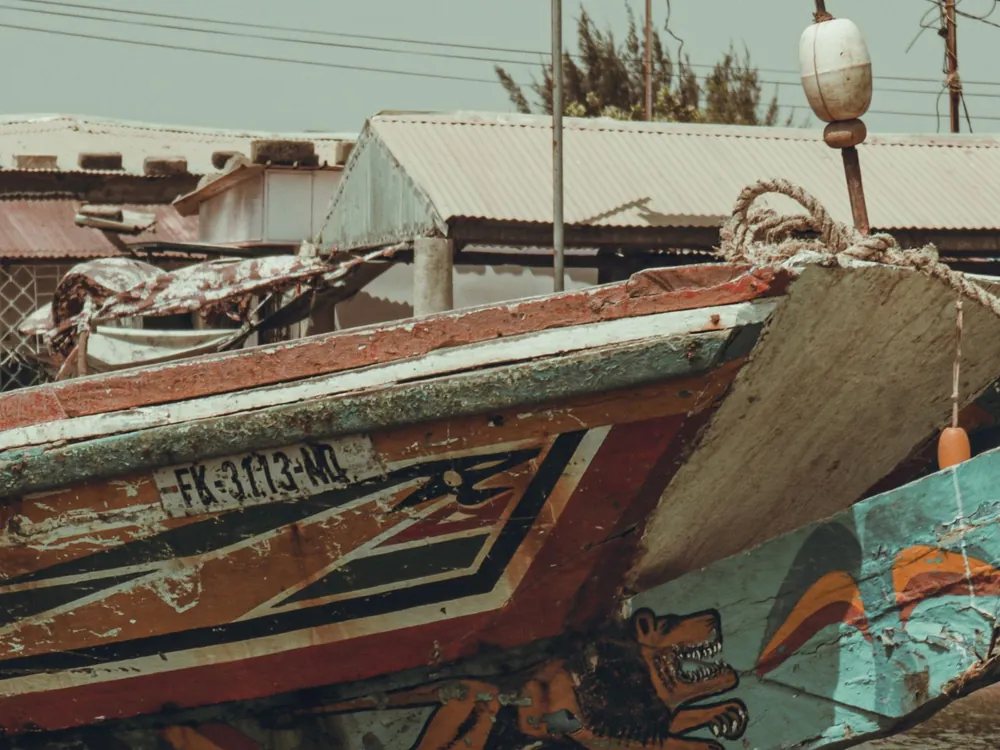
Rows of painted wooden fishing pirogues along the shore in Saint-Louis, with a boat crossing the river. Photo: Lom Doudou / Pexels.
The bronze African Renaissance Monument on its hill in Dakar against a clear blue sky. Photo: Thierno Amath Diene / Pexels.
Painted fishing pirogues on the shore of Lac Rose seen from above, beside the lake's red orange water. Photo: Christopher Junior / Pexels.
Sources
Researched for you from official and trusted sources. Rules, prices and times change, so check the official page before you book.
I researched this page for you, so you can plan well. The places I have filmed have their own trip planners.
Filming your own trips? My free guide to AI editing shows how my automated AI editor turns a folder of my clips into a finished reel. Send me the free guide.
 Luisa's Atlas
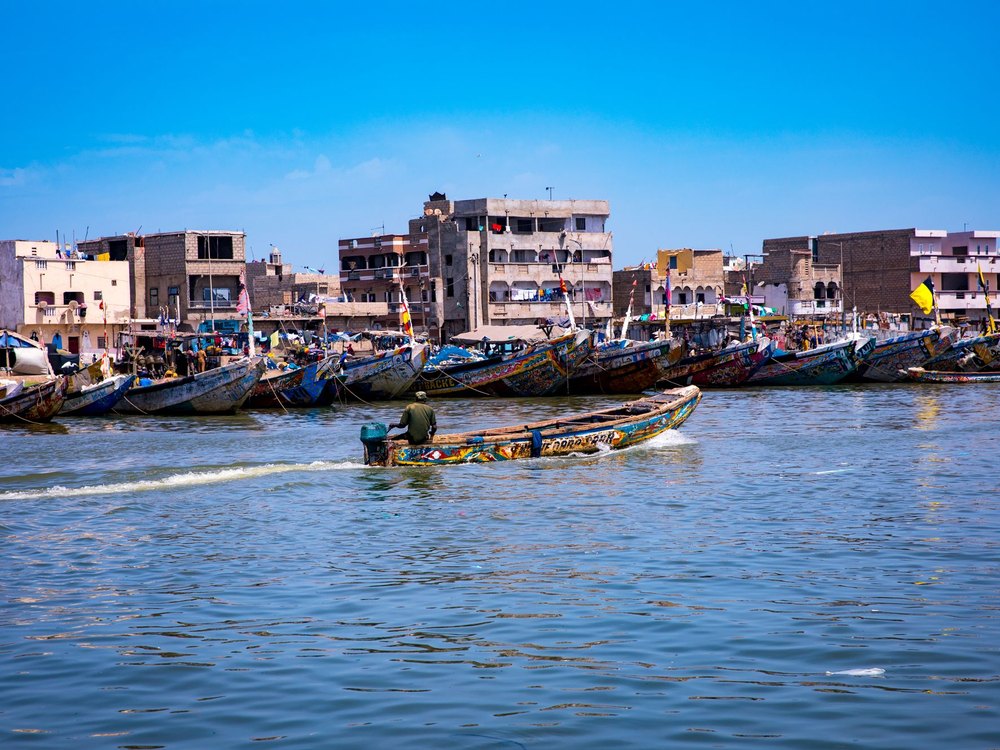
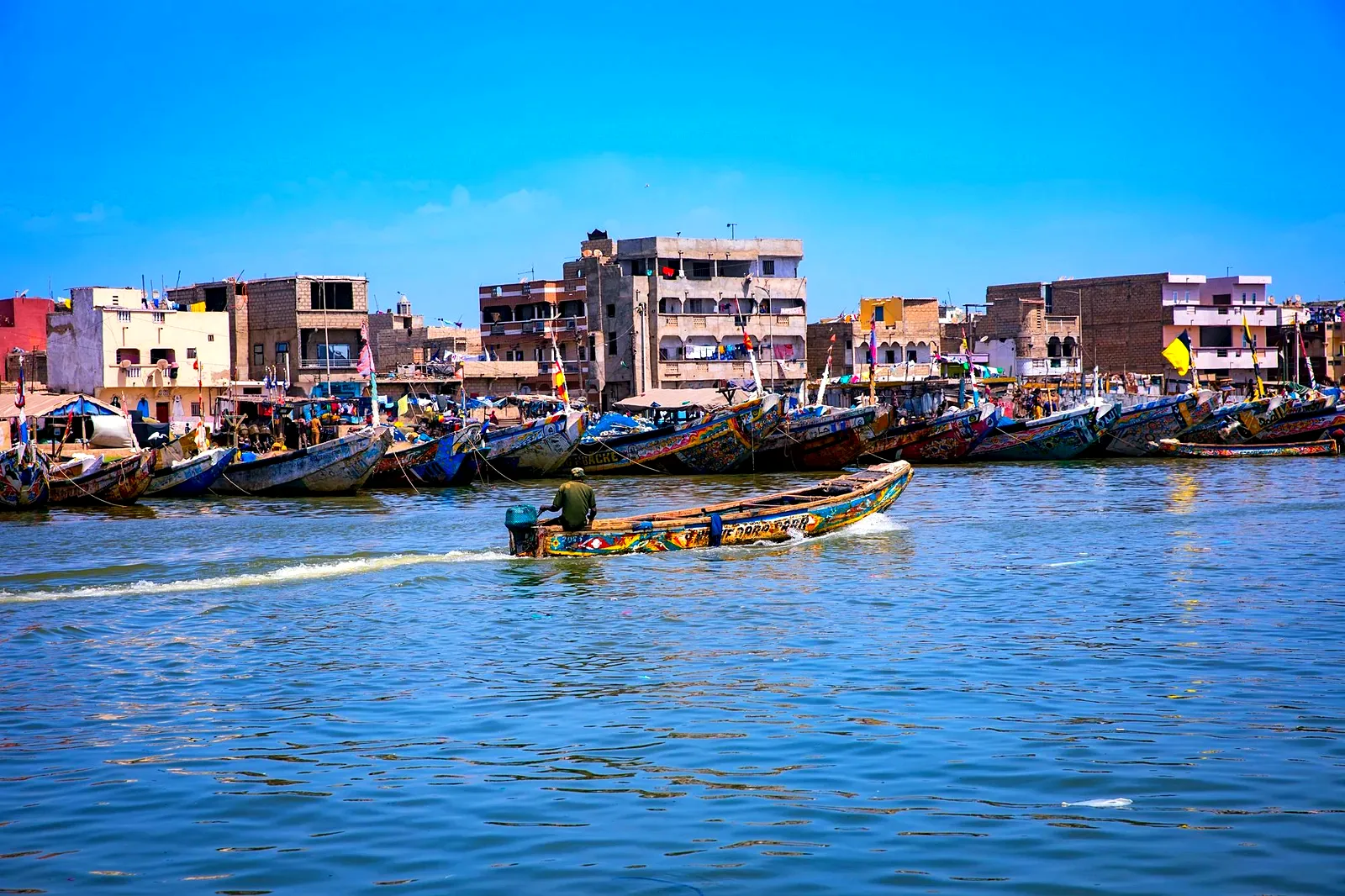 Rows of painted wooden fishing pirogues along the shore in Saint-Louis, with a boat crossing the river. Photo: Lom Doudou / Pexels.
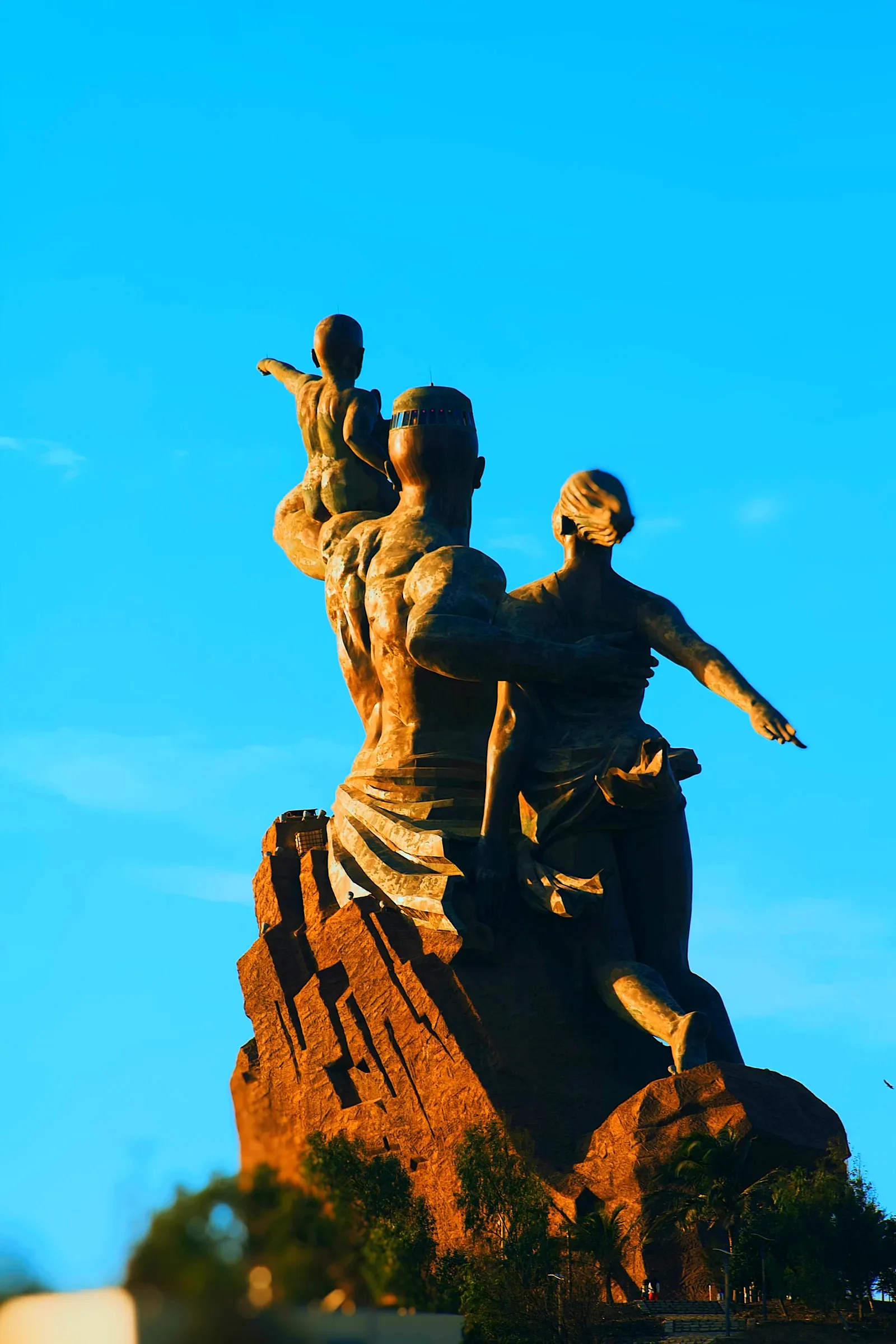 The bronze African Renaissance Monument on its hill in Dakar against a clear blue sky. Photo: Thierno Amath Diene / Pexels.
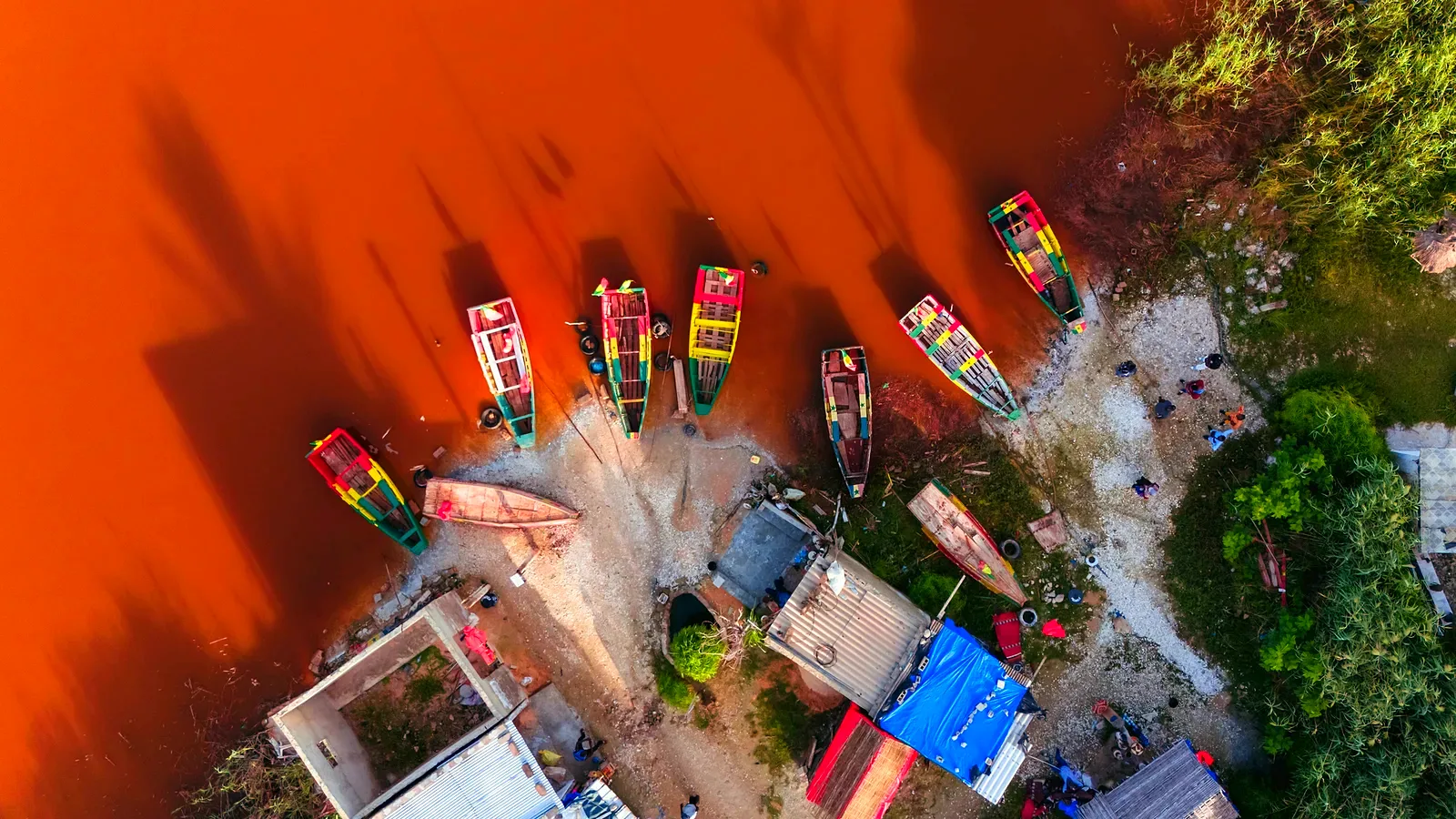 Painted fishing pirogues on the shore of Lac Rose seen from above, beside the lake's red orange water. Photo: Christopher Junior / Pexels.