My own Marrakech planner is on the site, with its day trips to the Agafay desert, the Ourika Valley, Essaouira and Ouzoud; this page covers the rest of Morocco: Fes and Meknes, Chefchaouen, the Erg Chebbi dunes at Merzouga, Aït Benhaddou, and Casablanca with Rabat. Entry rules, trains, money, seasons and what to eat.
Everything for Morocco on one page: what to know before you leave, the tours worth booking ahead, the ride apps, an eSIM and where to stay and eat, so you land with a plan, not 37 open tabs.
Some links earn me a small commission at no extra cost to you.
My free appLanding with no signal? Take this whole planner offline in my free iPhone app.Download on the App Store
Where in the worldMorocco
Why Morocco is amazing
1
A medina you get lost in
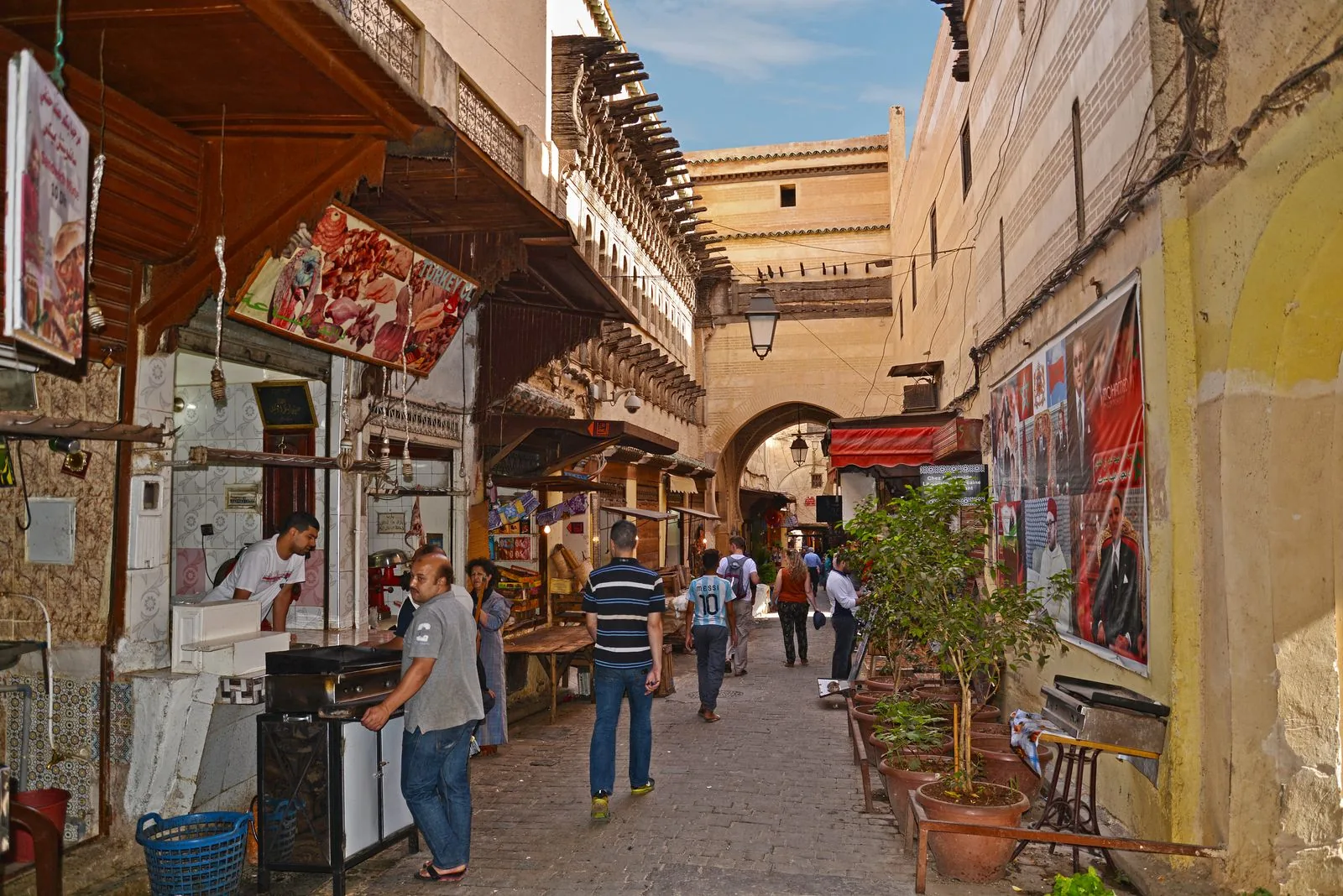
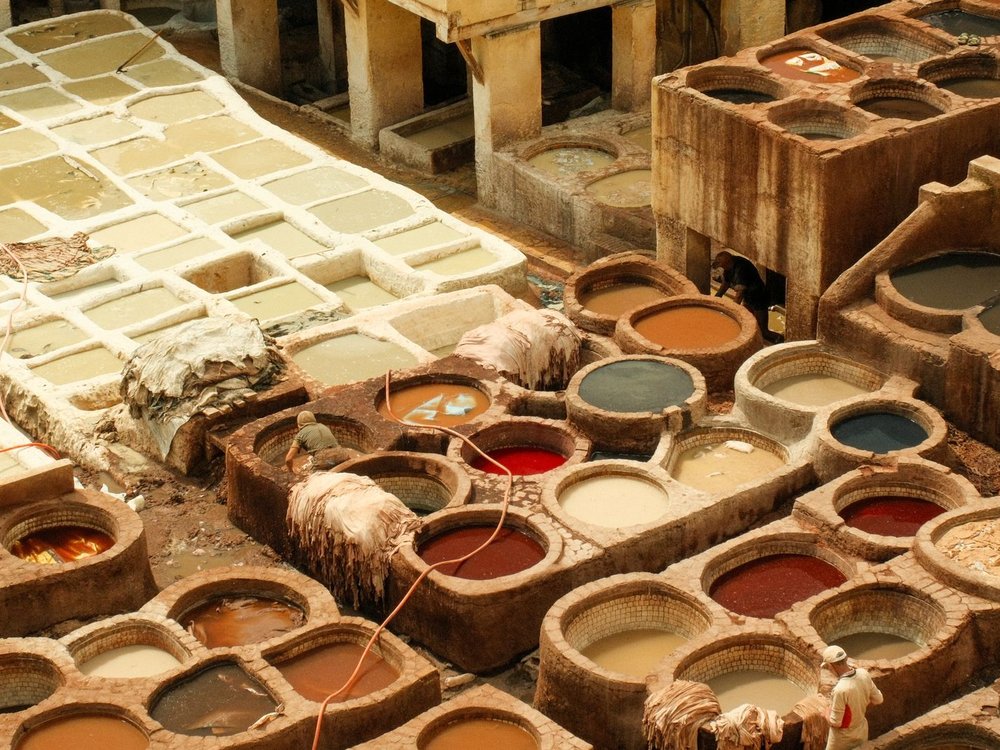
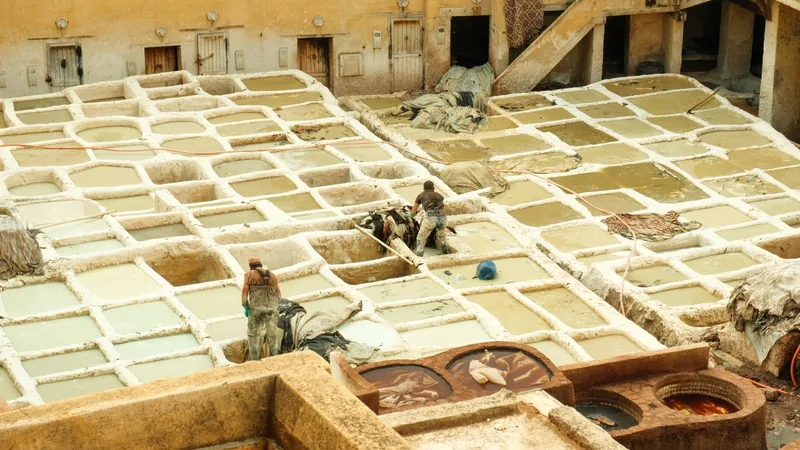
The Fes medina is a UNESCO listed maze of lanes, tanneries and craft workshops. Walk in through Bab Boujloud and give it a few days.
2
A night in the Sahara
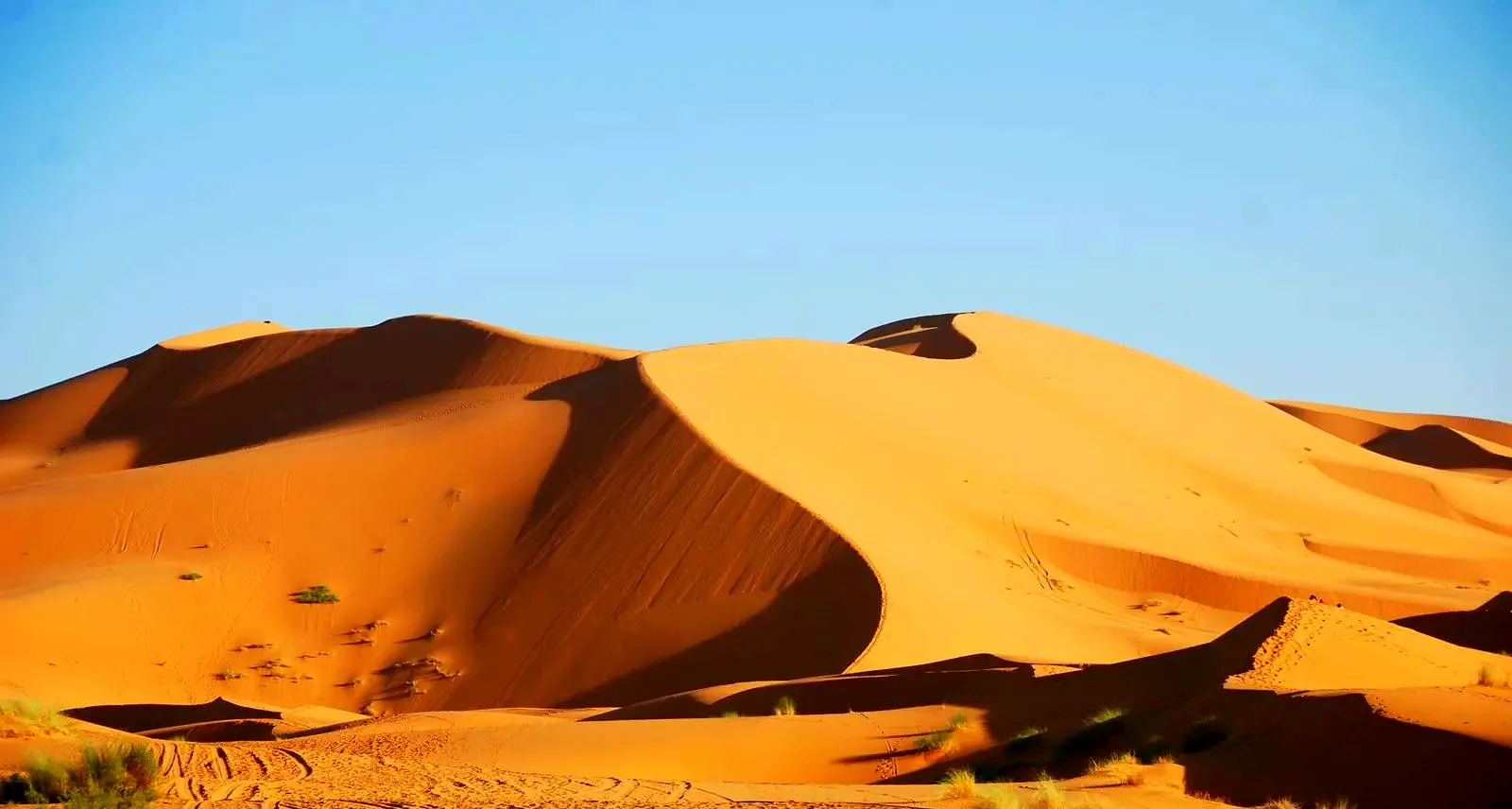
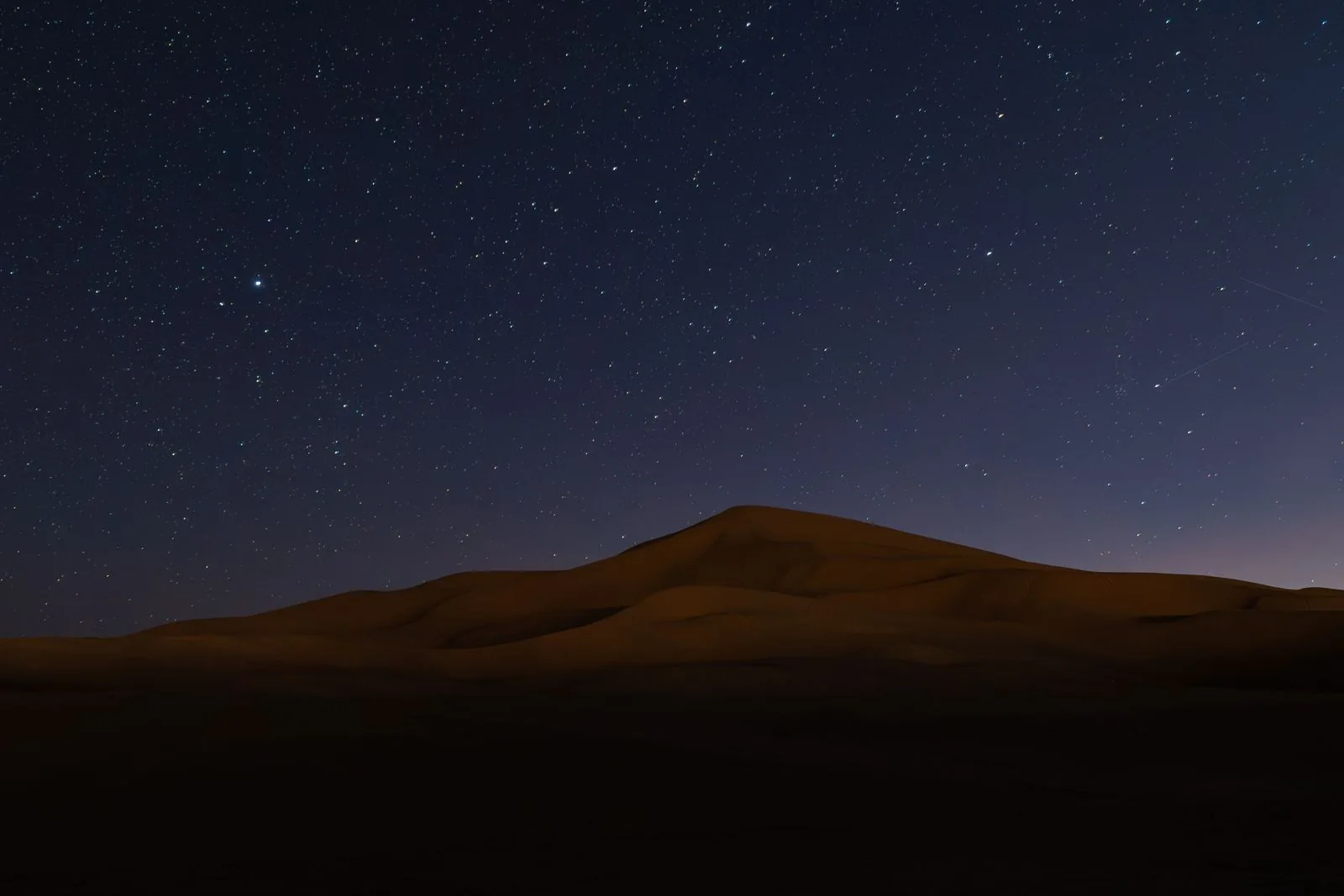
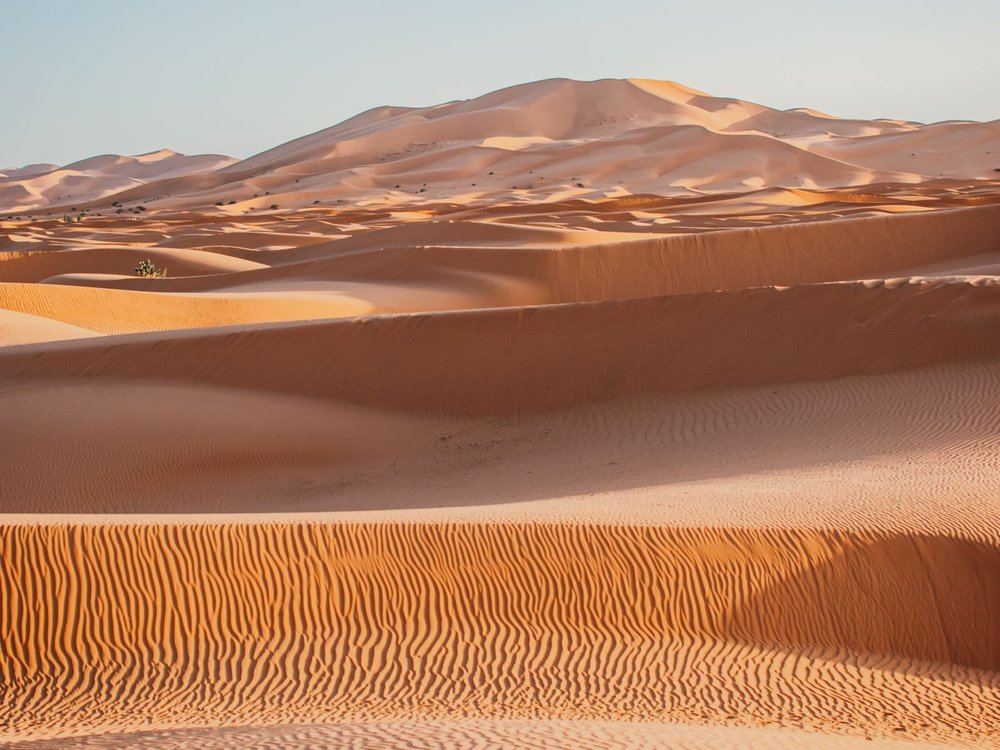
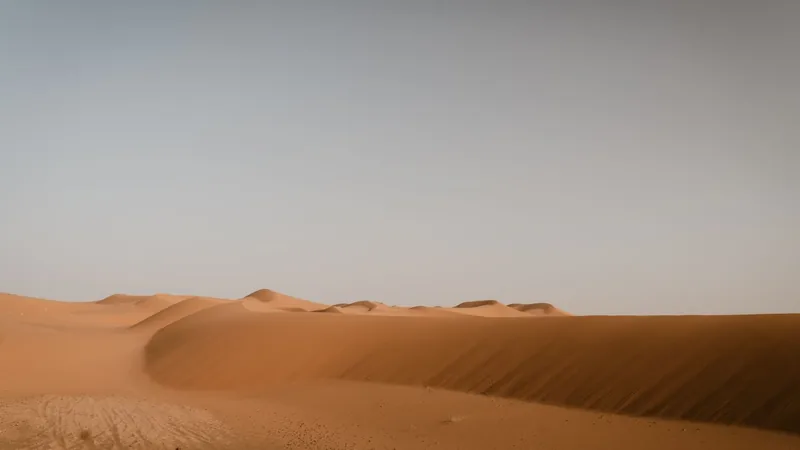
At Merzouga, a camel caravan carries you into the Erg Chebbi dunes for a night in a desert bivouac.
3
The blue town in the mountains
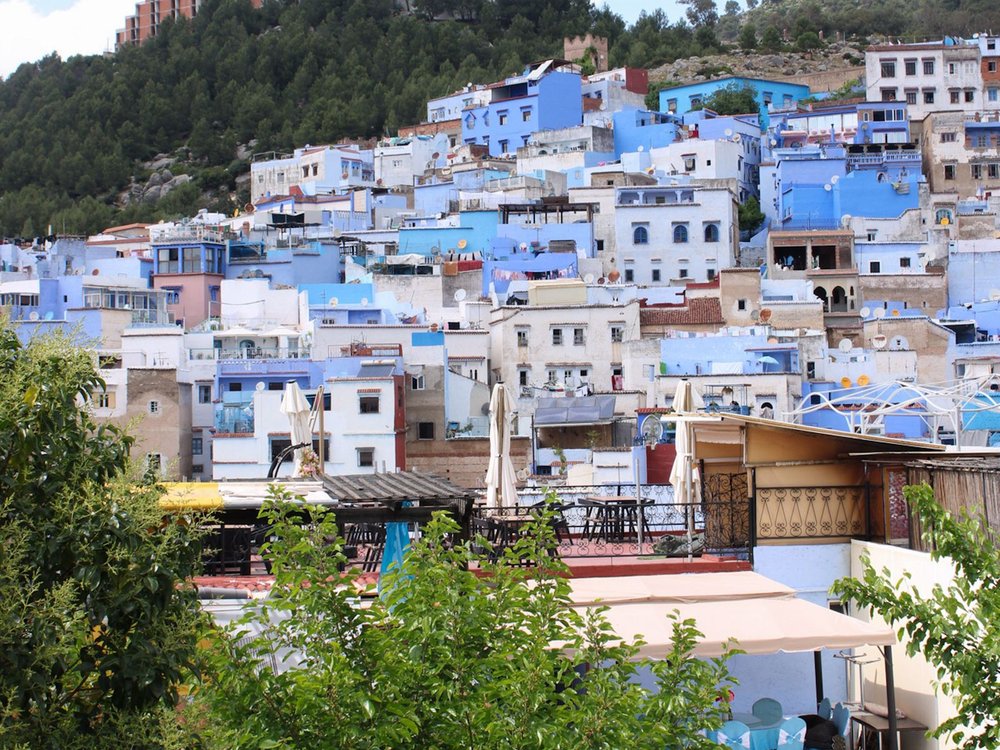
Chefchaouen's blue rinsed houses tumble down a Rif mountainside, with hiking paths and the Akchour waterfalls close by.
4
A mosque on the ocean
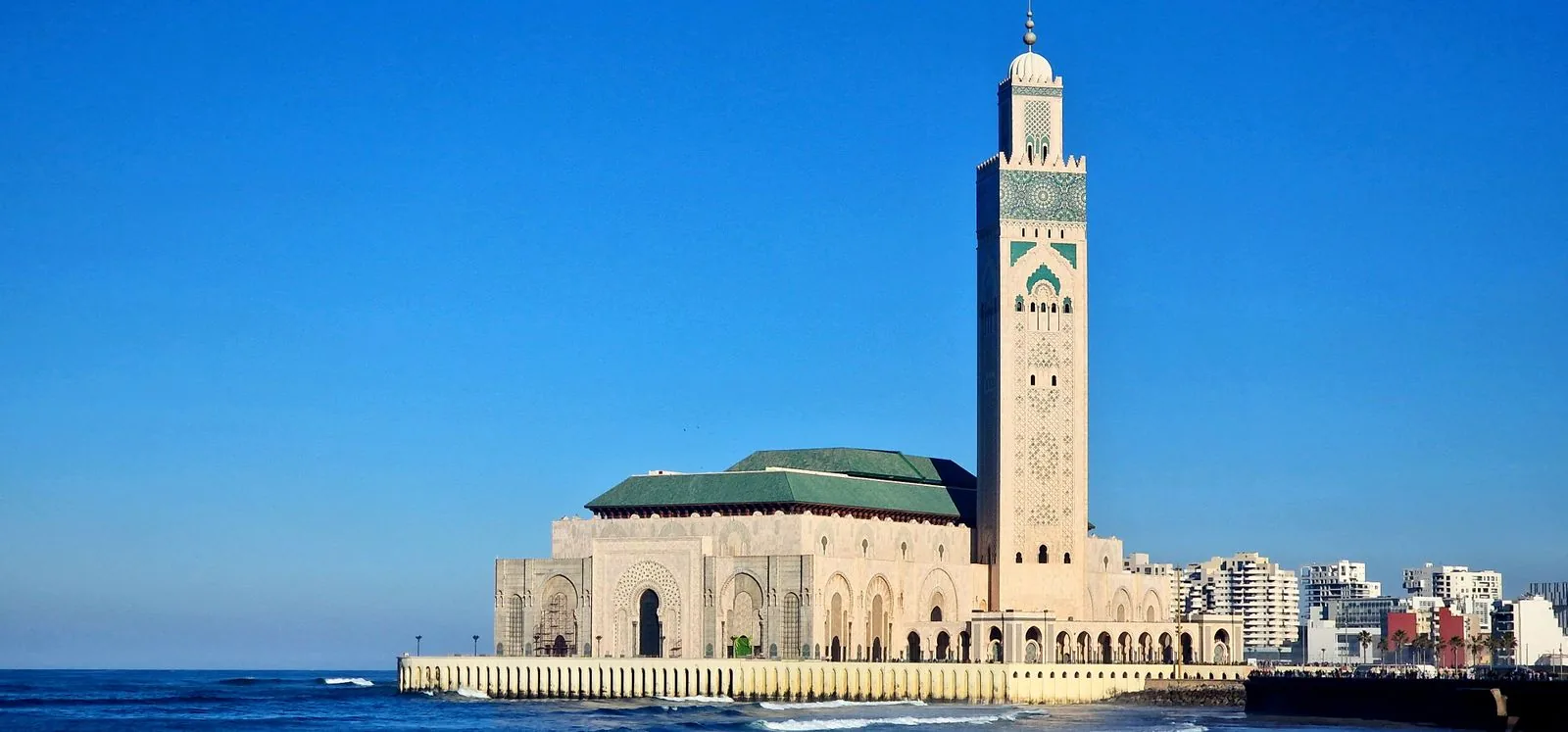
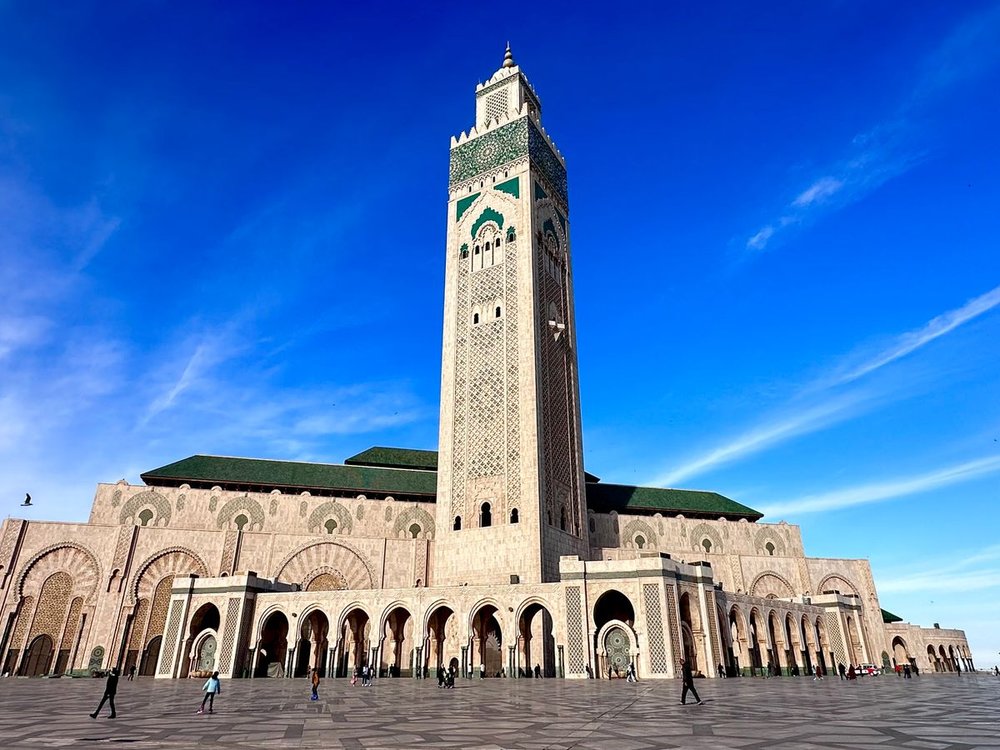
Casablanca's Hassan II Mosque is built on the water at the edge of the Atlantic, and the Art Deco city center is made for a slow walk.
5
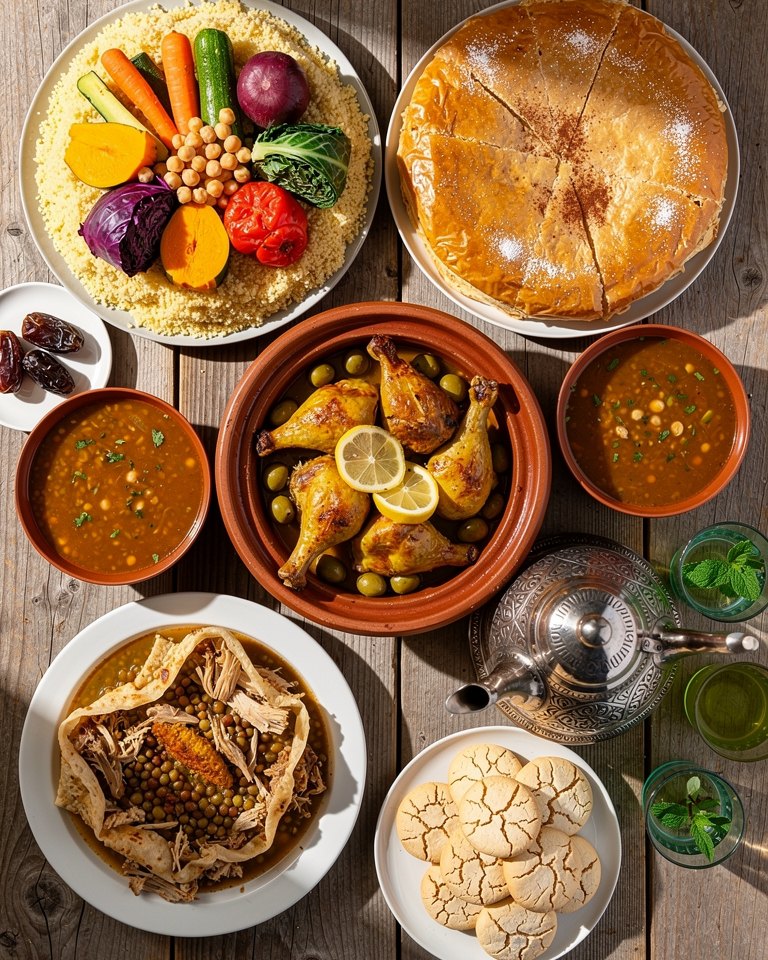
Tagines, couscous and mint tea
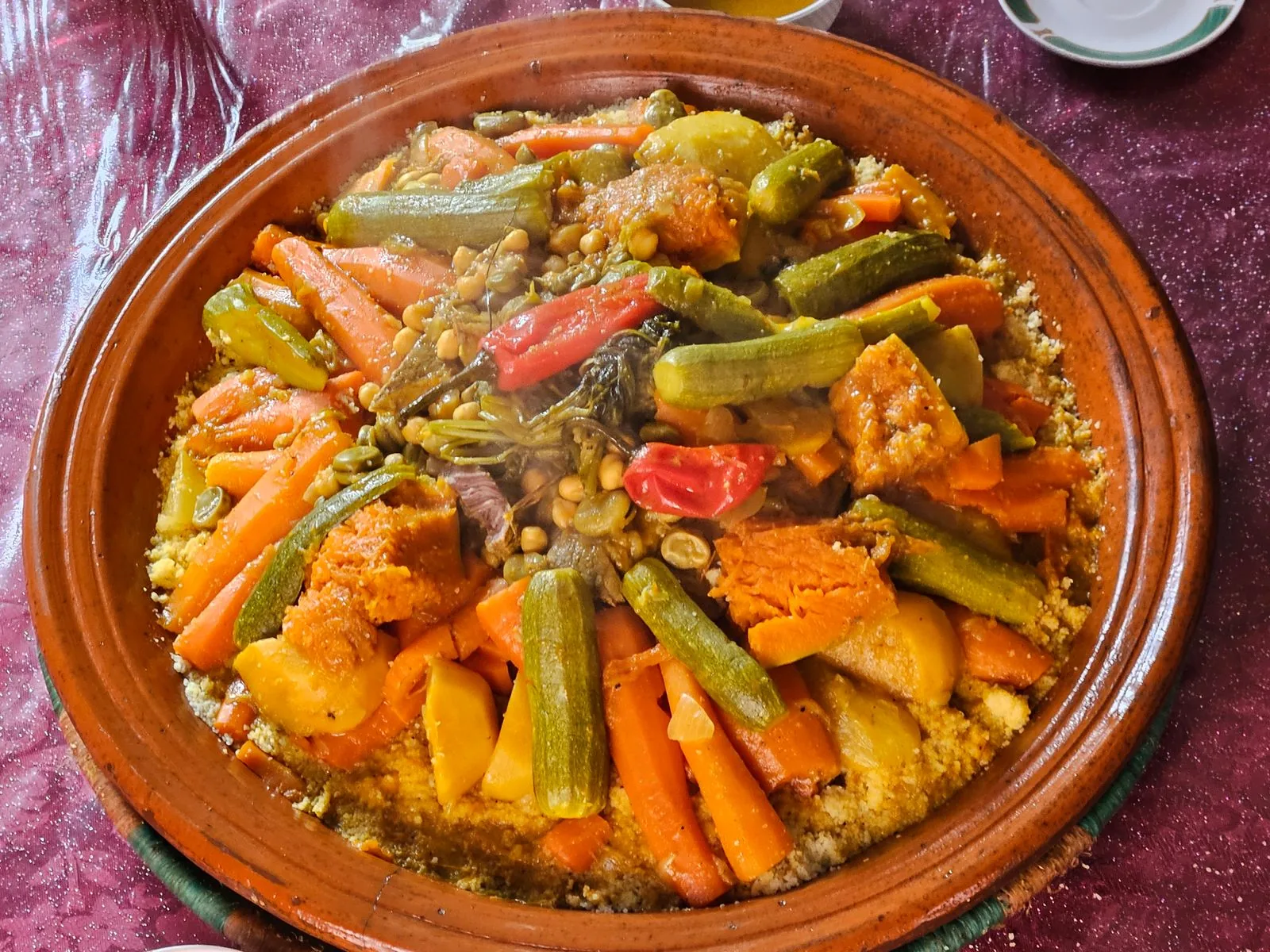
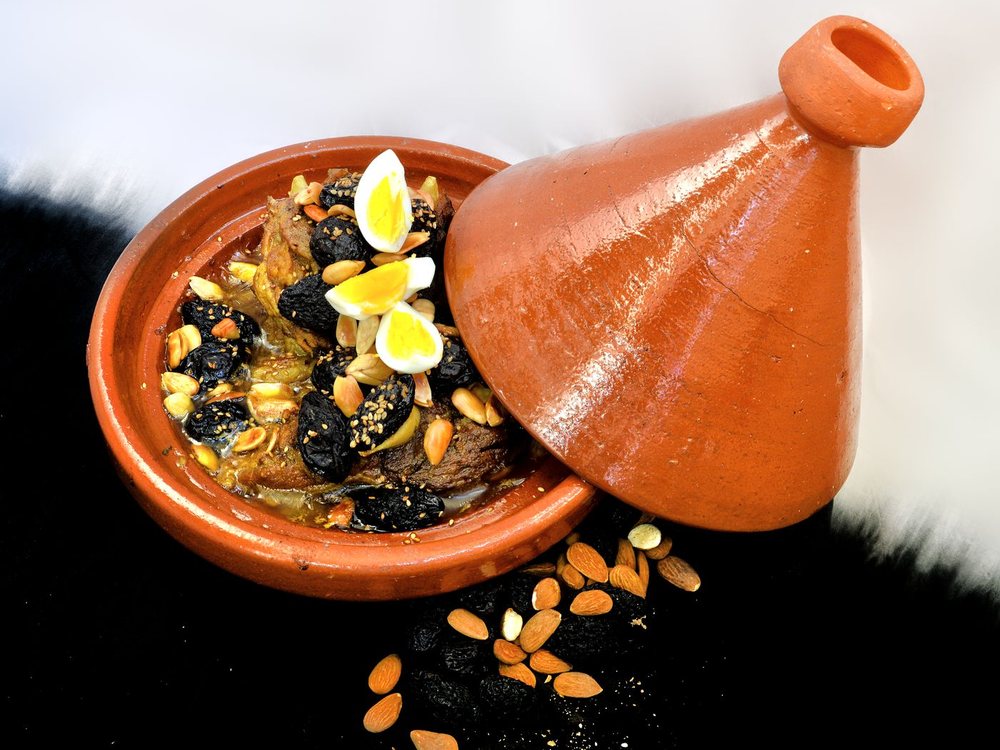
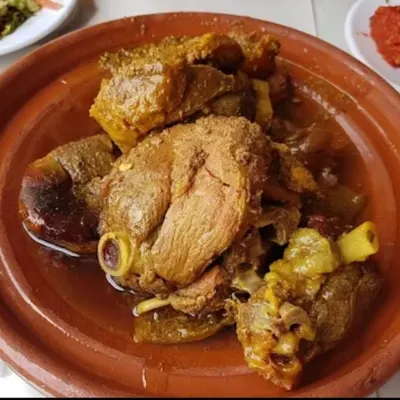
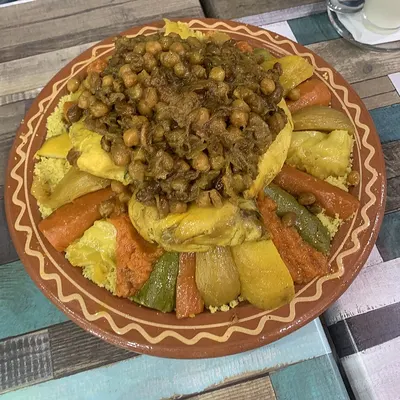
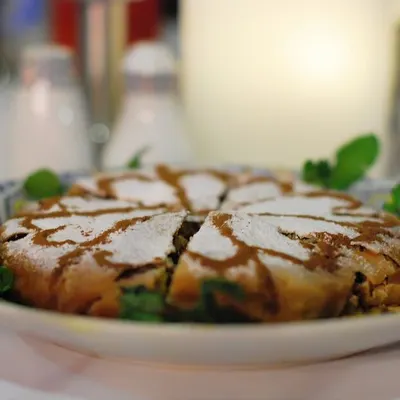
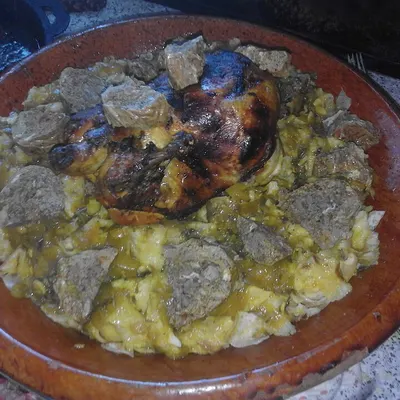
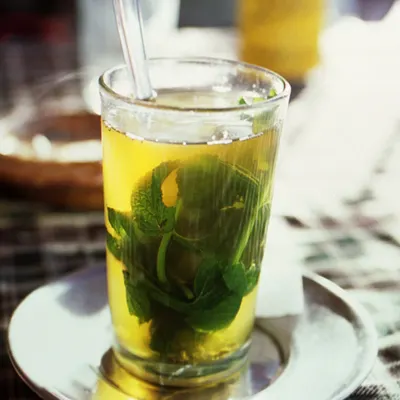
Slow cooked tagines, Friday couscous, sweet and savory pastilla and mint tea poured from high make every meal an event.
Worth booking ahead
The good ones sell out while you are still deciding. Book these before you fly, and keep your days for wandering.
Fes and day trips
Fes medina guided tour
Bab Boujloud, the tanneries and the Quaraouiyin Mosque with a local guide.
Five short notes from me: the 3 things I sort out ahead of every flight, the tiny details nobody tells you, and your vote on where I go next 🌍
A bit of history
Rome in Morocco
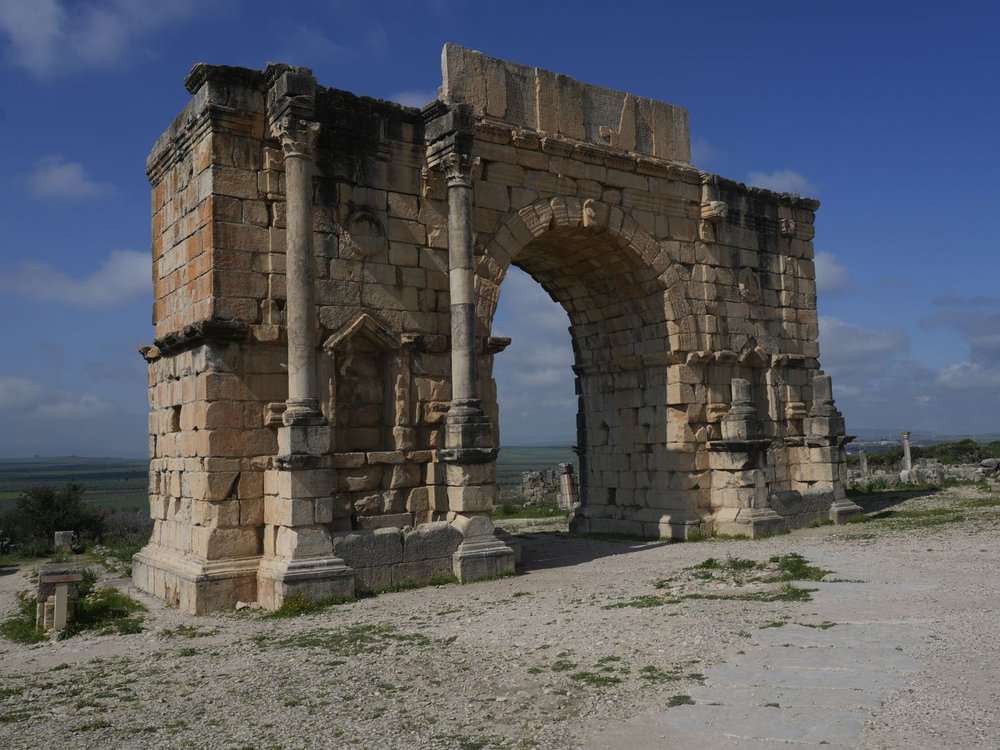
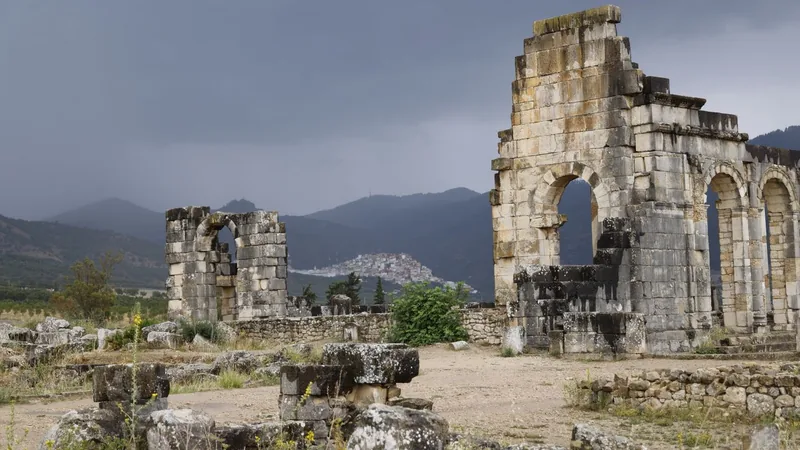
Volubilis, north of Meknes, is the largest Roman archaeological site in Morocco, with a triumphal arch, a capitol and the House of Bacchus.
An imperial capital
Meknes was the imperial capital of Moulay Ismail, whose royal stables, granaries and mausoleum still stand; the historic city is on the UNESCO World Heritage List.
Merinid Rabat
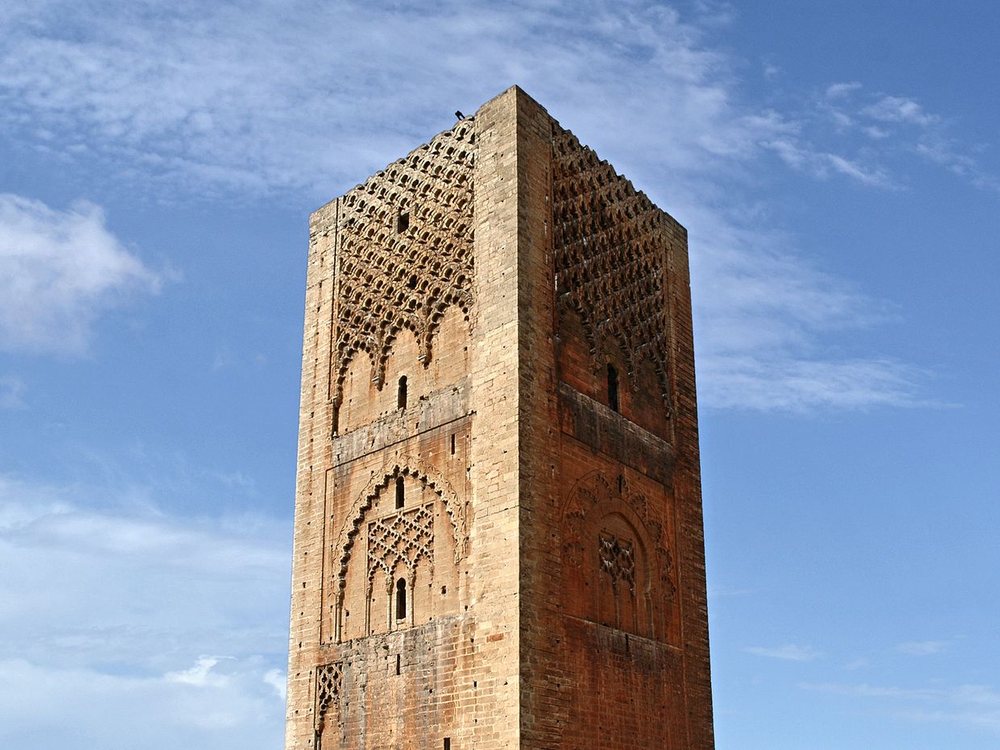
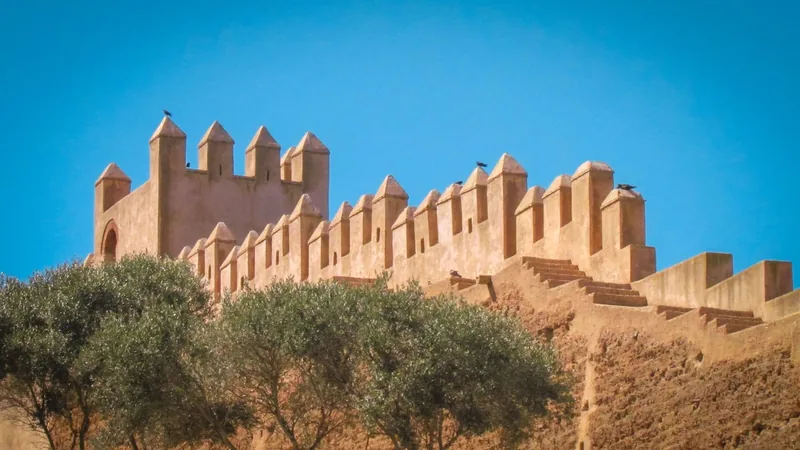
Rabat's Chellah is a necropolis from the Merinid era, near the Hassan Tower and the Kasbah of the Oudayas.
The Hollywood of Africa
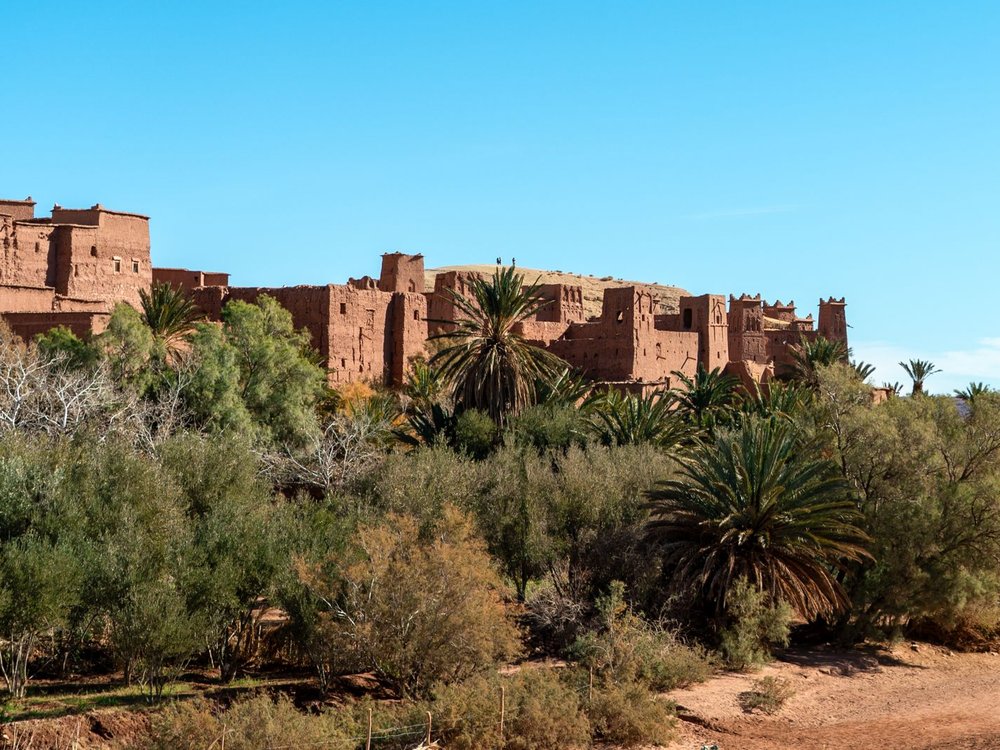
Directors including David Lean and Ridley Scott chose the Ouarzazate region for filming, and the area has its own Cinema Museum.
Where to stay
The areas worth basing yourself in, each with its own stay search, and every hotel on one map.
Tip: finish booking on the website, not in the hotel's app, so it counts as booked through me.
Morocco works best with a few bases. These are the places this planner suggests, with how to reach each one and one honest heads up. Everything here is researched for you from official and tourism board sources.
Medina city
Fes and its medina
The Fes medina is recognized by UNESCO, and Fes el Bali is the old district to wander. Must sees include the Quaraouiyin Mosque, the leather tanneries, the Merinid Tombs, the Nejjarine Museum and the Jnan Sbil garden.
Near: Bab Boujloud, the main gate into the medina, the tanneries, Meknes about 1 hour away, and Volubilis about 1 hour 30 minutes away.
Getting around: Enter the medina through Bab Boujloud and explore on foot; allow about 3 days.
Heads up: Summer is very hot; March to May and September to November are the best months.
Meknes was Moulay Ismail's imperial capital, and its medina is on the UNESCO World Heritage List. Bab Mansour is a masterpiece of Hispano Moorish art, and Volubilis, the largest Roman archaeological site in Morocco, is about 30 minutes north.
Near: Bab Mansour on El Hedime Square, the royal stables and granaries, Moulay Ismail's mausoleum, Volubilis and Moulay Idriss.
Getting around: About 63 km from Fes, roughly an hour by road.
Heads up: Allow about 2 days for Meknes and the sites around it.
Chefchaouen's blue rinsed houses climb a mountainside in the Rif. The Kasbah in the old quarter has lush gardens and a small museum, and hiking paths lead into the mountains.
Near: The Kasbah, the Akchour waterfalls about 45 minutes away, and Talassemtane National Park.
Getting around: About 194 km from Fes (about 3 hours 30 minutes) and about 2 hours from Tangier by road.
Heads up: Mountain roads are slow, so do not drive them after dark.
Casablanca's Hassan II Mosque stands on the water, and the city center has Art Deco buildings worth a walk. Rabat, about an hour away, has the Hassan Tower, the Kasbah of the Oudayas, the Mausoleum of Mohammed V and the Merinid necropolis of Chellah.
Near: The Hassan II Mosque, the Ain Diab Corniche, the Habous Quarter, and in Rabat the Kasbah of the Oudayas and Hassan Tower.
Getting around: Trams run in Casablanca, Rabat and Salé, and trains link the two cities.
Heads up: Winter can be rainy; April to June and September to October are the best months.
US passport No visa needed for trips up to 90 days, just bring a passport with a blank page (6 months left is safest) and your return ticket. Check the official page before you book. Official page. Checked 13 Nov 2026.
US citizens do not need a visa for visits of less than 90 days. You need a valid passport with at least one blank page. If you stay past 90 days without an extension from the police, you must see a judge before you leave. Check the official pages before booking. Not a US passport? Check your country's rules: Morocco's Accès Maroc portal for e-Visas and travel authorizations.
Money
The currency is the Moroccan dirham (MAD). ATMs are widespread, and Visa and Mastercard work in most hotels and some restaurants and shops. Exchange offices ask for your passport; keep your exchange receipts, since you need them to change dirhams back to dollars.
Safety
The US State Department advises increased caution in Morocco because of terrorism. Pickpocketing, purse snatching, aggressive panhandling and harassment of women are the most common problems. Avoid demonstrations and the areas around soccer stadiums on match days.
Roads and weather
Driving at night is risky because of poor lighting, and roads through the Rif and Atlas mountains are steep and narrow. From November to March, flash floods can wash out rural roads, so a guided tour or the train is the easier choice.
Time and language
Morocco is on GMT+1, and on GMT during Ramadan. Arabic and Amazigh are the official languages, French is understood almost everywhere, and Spanish is common in the north and south.
When to go
Spring and autumn: March to May and September to November suit Fes, Meknes and the Ouarzazate region, with mild days. Summer there is very hot.
Desert season: The best time for the Sahara dunes is October to April. Summer is extremely hot, and winter nights in the desert are cold, so pack layers.
The coast and festivals: Casablanca and Tangier are at their best from April to June and in September and October; winter can be rainy. Fes holds the Festival of World Sacred Music in early May.
Plugs and power
Plug CPlug E
Power is 220 V, 50 Hz. Bring an adapter if your plugs are from the US or the UK. Plugs from the EU usually fit. US gear that only runs on 110 to 120 V, like some hair tools, needs a converter here. Check your chargers and devices say 100 to 240 V before you plug in.
Getting around
Trains link Marrakech to Oujda and most main cities, and they have a good safety record. Petit taxis are color coded by city: red in Casablanca, blue in Rabat and Tangier. Avoid city buses, and use petit taxis at night. Apps such as Careem and inDrive operate in Morocco, but there have been reports of taxi drivers harassing ride app drivers and passengers, so take care around airports and hotels.
Mohammed V International Airport is linked to central Casablanca by train, about 45 minutes, leaving about once an hour. From Casablanca, the Al Boraq high speed train reaches Tangier in 2 hours 10 minutes, with stops at Rabat and Kenitra. Book trains ahead on the ONCF site.
CMN Mohammed V International Airport: 45 minutes.
Book a pickup or rent a car
Book a pickup
Book a driver who meets you at arrivals at Mohammed V International Airport, at a fixed price agreed before you land.
You drive: compare rental companies and prices for your dates.
The search box loads here.
Good to know
The local rules and habits worth knowing before you land.
Carry your passport; police may detain you for questioning without it.
Keep currency exchange receipts so you can change dirhams back before you leave.
Do not photograph palaces, government buildings or other sensitive sites.
Proselytizing is prohibited.
Avoid soccer stadium areas on match days and any demonstrations.
Proselytizing is prohibited, photographing palaces, government buildings and other sensitive sites can lead to problems with the authorities, drones can be held by customs, and staying past 90 days without an extension means seeing a judge before you can leave.
The questions people ask most, answered from this page.
Do US citizens need a visa for Morocco?
US citizens do not need a visa for visits of less than 90 days. You need a valid passport with at least one blank page. If you stay past 90 days without an extension from the police, you must see a judge before you leave. Check the official pages before booking.
How do I get from the airport to the city in Morocco?
Mohammed V International Airport is linked to central Casablanca by train, about 45 minutes, leaving about once an hour. From Casablanca, the Al Boraq high speed train reaches Tangier in 2 hours 10 minutes, with stops at Rabat and Kenitra. Book trains ahead on the ONCF site.
How do I get around Morocco?
Trains link Marrakech to Oujda and most main cities, and they have a good safety record. Petit taxis are color coded by city: red in Casablanca, blue in Rabat and Tangier. Avoid city buses, and use petit taxis at night.
What currency does Morocco use?
The currency is the Moroccan dirham (MAD). ATMs are widespread, and Visa and Mastercard work in most hotels and some restaurants and shops. Exchange offices ask for your passport; keep your exchange receipts, since you need them to change dirhams back to dollars.
Photo credits
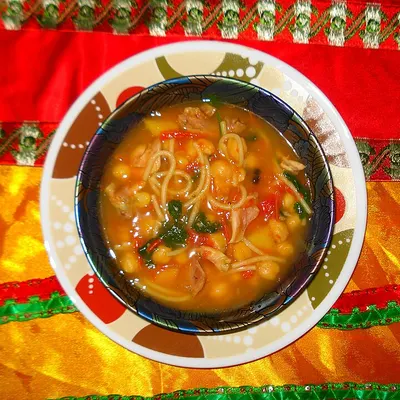
Tagine: Kim sosita, CC BY-SA 4.0, via Wikimedia Commons. Couscous: Laurhim, CC BY-SA 4.0, via Wikimedia Commons. Pastilla: kochtopf, CC BY-SA 2.0, via Wikimedia Commons. R'fissa: Alae.fahssy, CC BY-SA 4.0, via Wikimedia Commons. Mint tea and sweets: unknown, CC BY-SA 3.0, via Wikimedia Commons.
Checked 13 Nov 2026: entry links, plugs, airport times, ride apps and the facts on this page. Prices and rules show their own As of date.
Researched for you from official and trusted sources.
Affiliate links: some links on this page (flights, tours, city passes, stays, transfers, rental cars, luggage storage, eSIMs and flight compensation) are affiliate links. If you book through them, I earn a small commission at no extra cost to you.
Photos
Real photos from Pexels, used under the license shown, by the photographers credited below. The table of dishes in the food section is an illustration made for this page, not a photo of a real meal.
Tall golden sand dunes of Erg Chebbi near Merzouga under a clear blue sky. Photo: Laura The Explaura / Pexels.
Blue and white houses of Chefchaouen spilling down a green Rif mountainside. Photo: SONNIE WING / Pexels.
Rooftops of the Fes medina with a stone minaret and a green tiled roof under a blue sky. Photo: Moussa Idrissi / Pexels.
The Hassan II Mosque and its tall minaret rising above Atlantic waves in Casablanca. Photo: Yevgeny Popov / Pexels.
Sources
Researched for you from official and trusted sources. Rules, prices and times change, so check the official page before you book.
Filming your own trips? My free guide to AI editing shows how my automated AI editor turns a folder of my clips into a finished reel. Send me the free guide.
 Luisa's Atlas
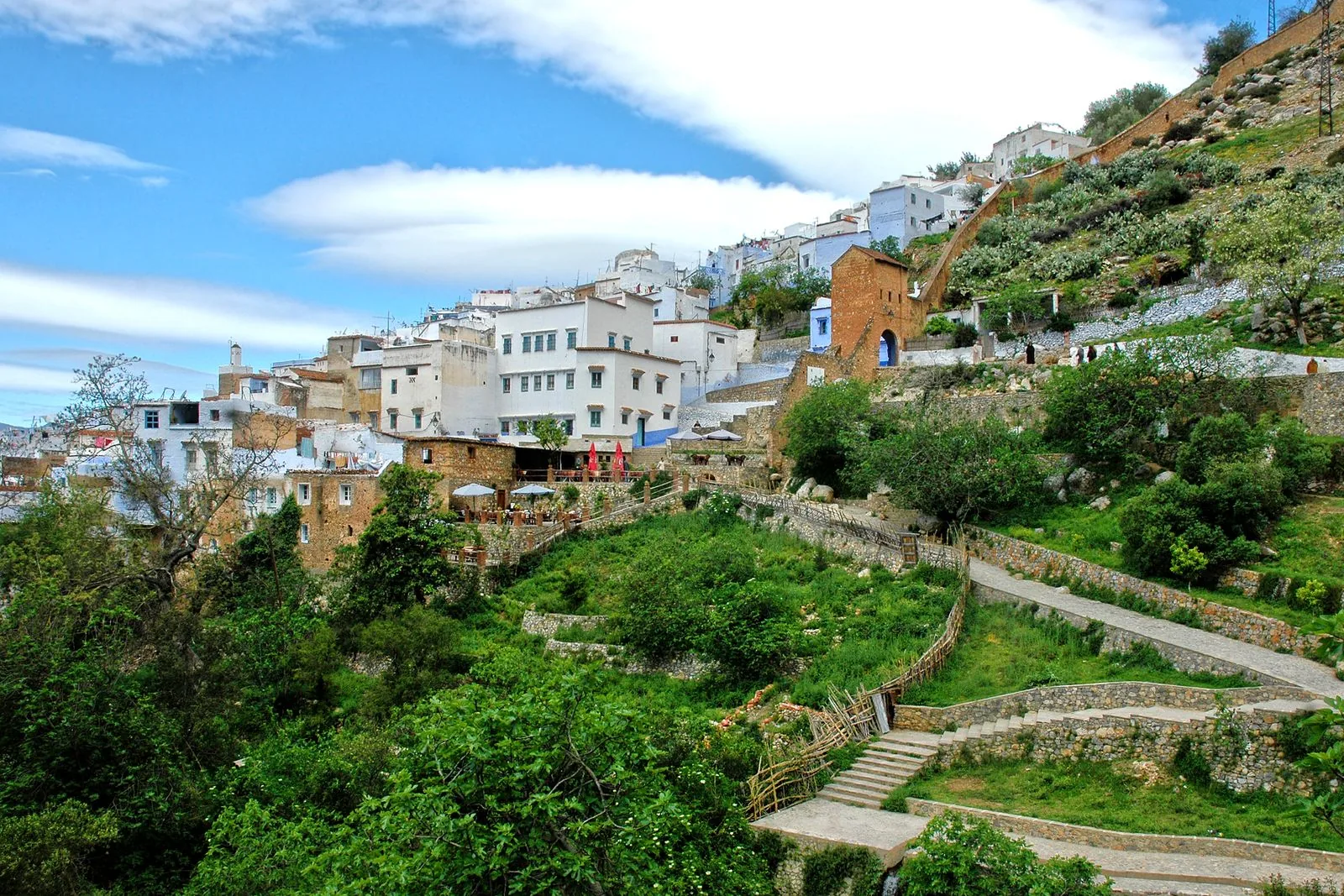

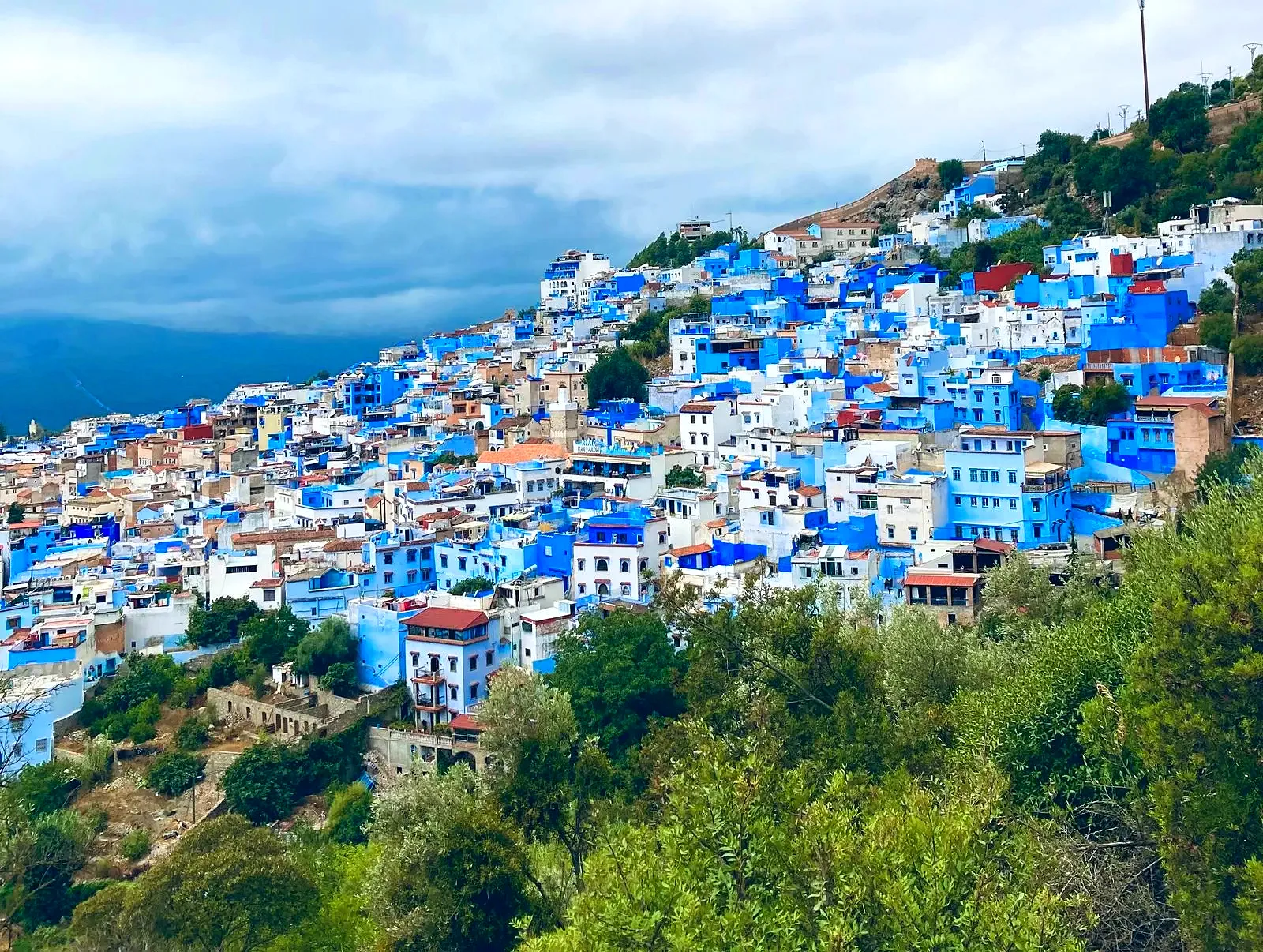 Blue and white houses of Chefchaouen spilling down a green Rif mountainside. Photo: SONNIE WING / Pexels.
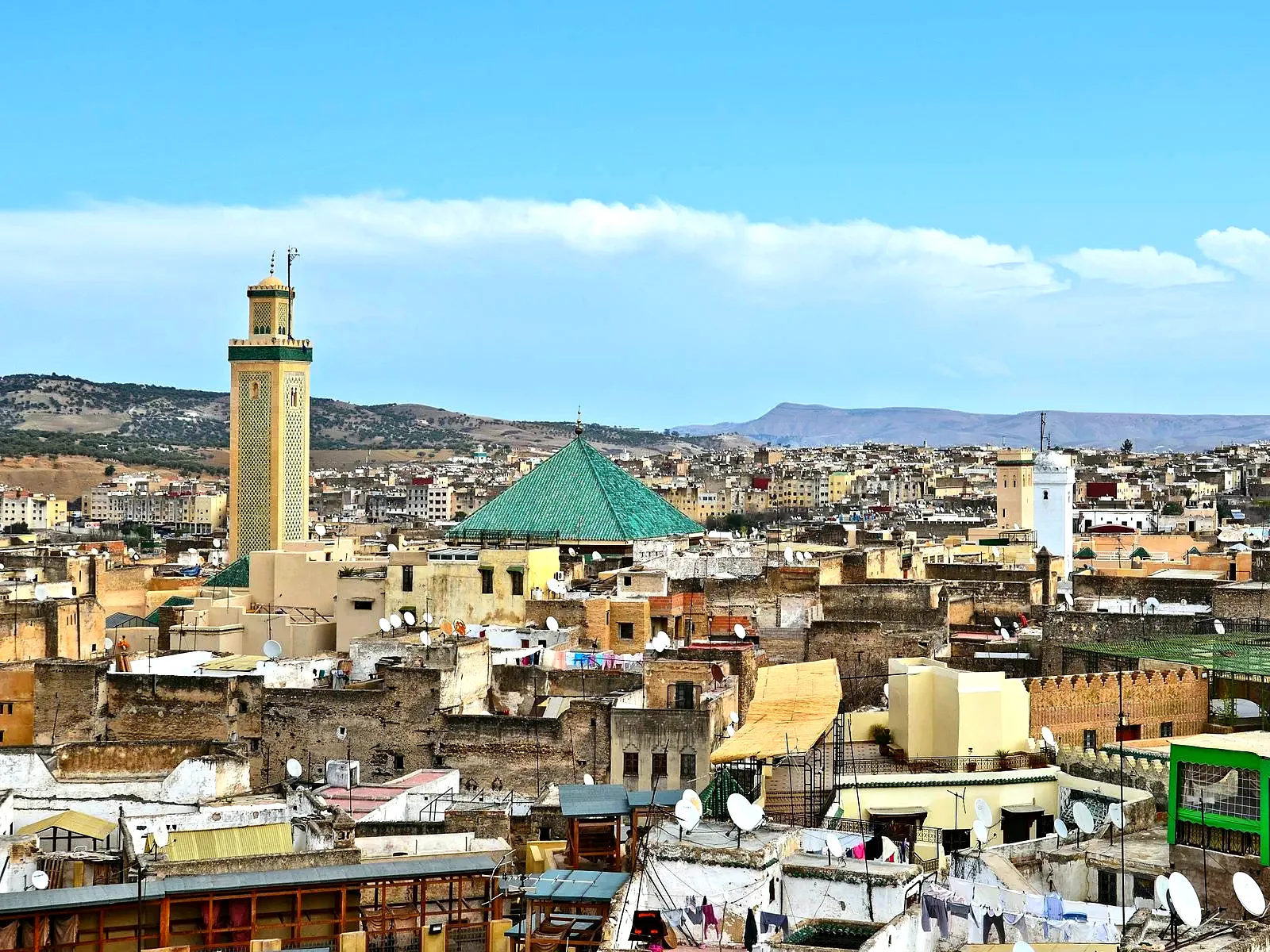 Rooftops of the Fes medina with a stone minaret and a green tiled roof under a blue sky. Photo: Moussa Idrissi / Pexels.
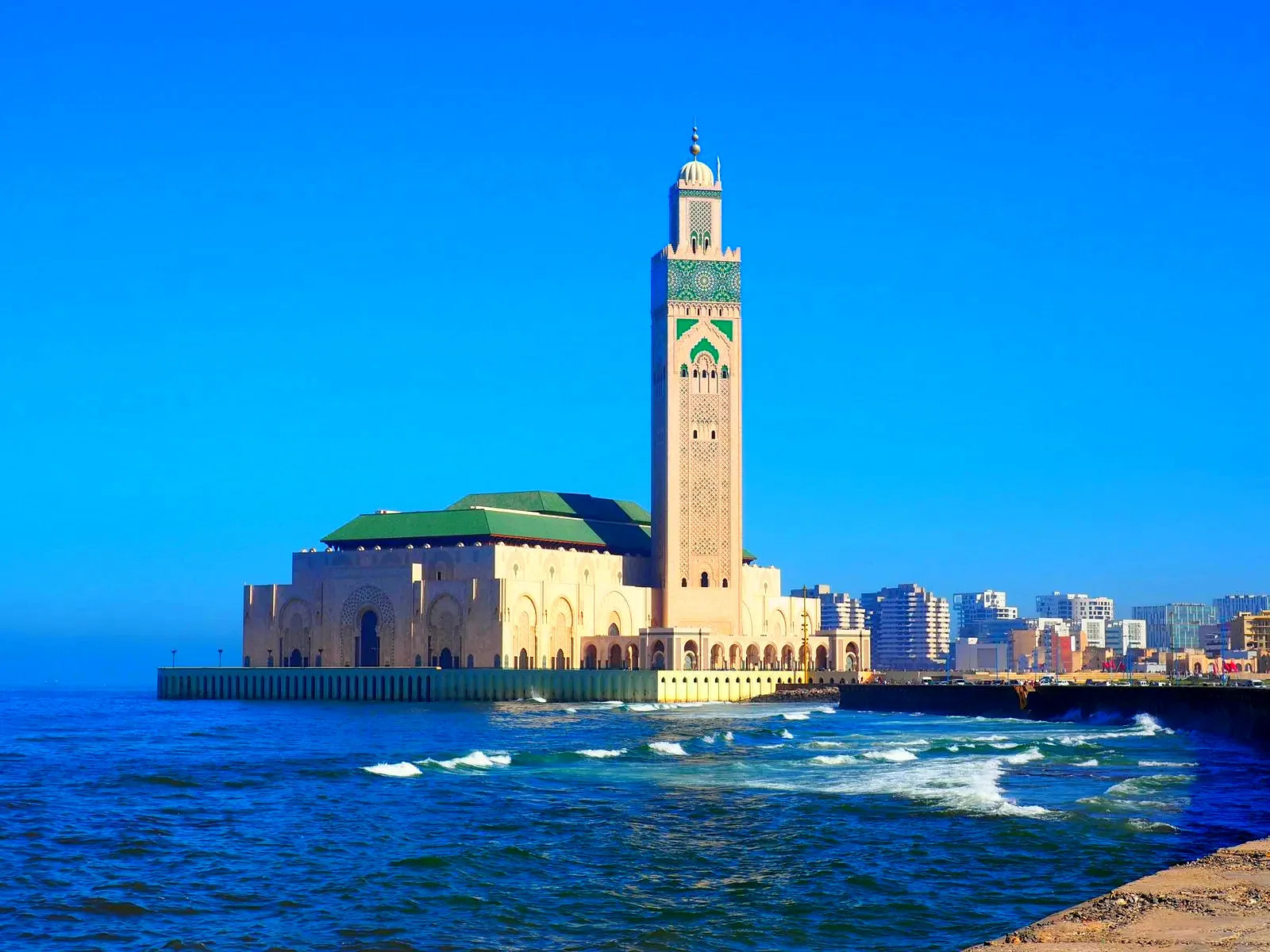 The Hassan II Mosque and its tall minaret rising above Atlantic waves in Casablanca. Photo: Yevgeny Popov / Pexels.