Five places to start in Tunisia: Tunis, Carthage and Sidi Bou Said, Sousse with El Jem and Kairouan, Djerba, and the oases and dunes of Tozeur and Douz. Entry rules, getting around, what to book early and what to eat.
Everything for Tunisia on one page: what to know before you leave, the tours worth booking ahead, an eSIM and where to stay and eat, so you land with a plan, not 37 open tabs.
Some links earn me a small commission at no extra cost to you.
My free appLanding with no signal? Take this whole planner offline in my free iPhone app.Download on the App Store
Where in the worldTunisia
Why Tunisia is amazing
1
Ancient Carthage by the sea
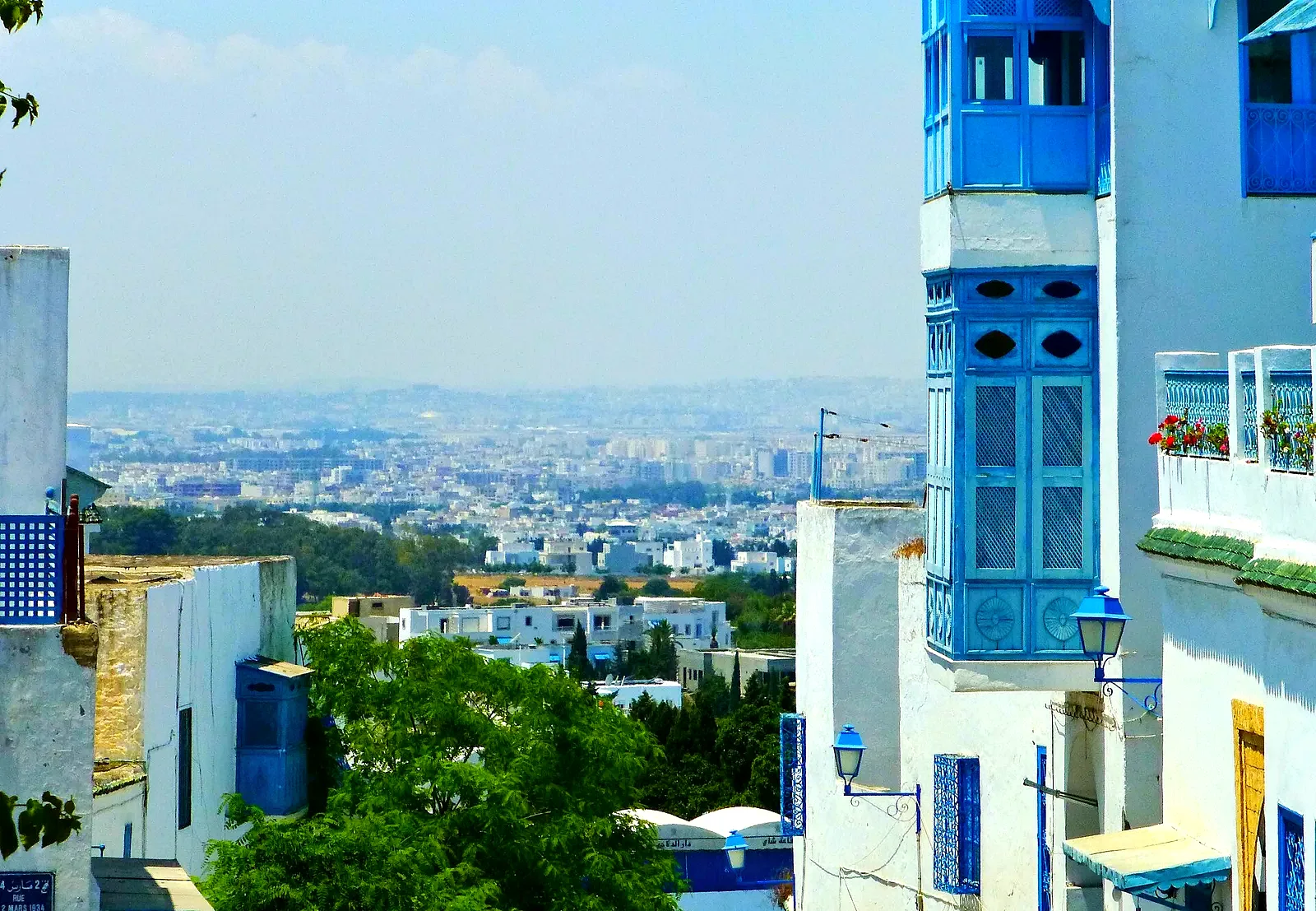
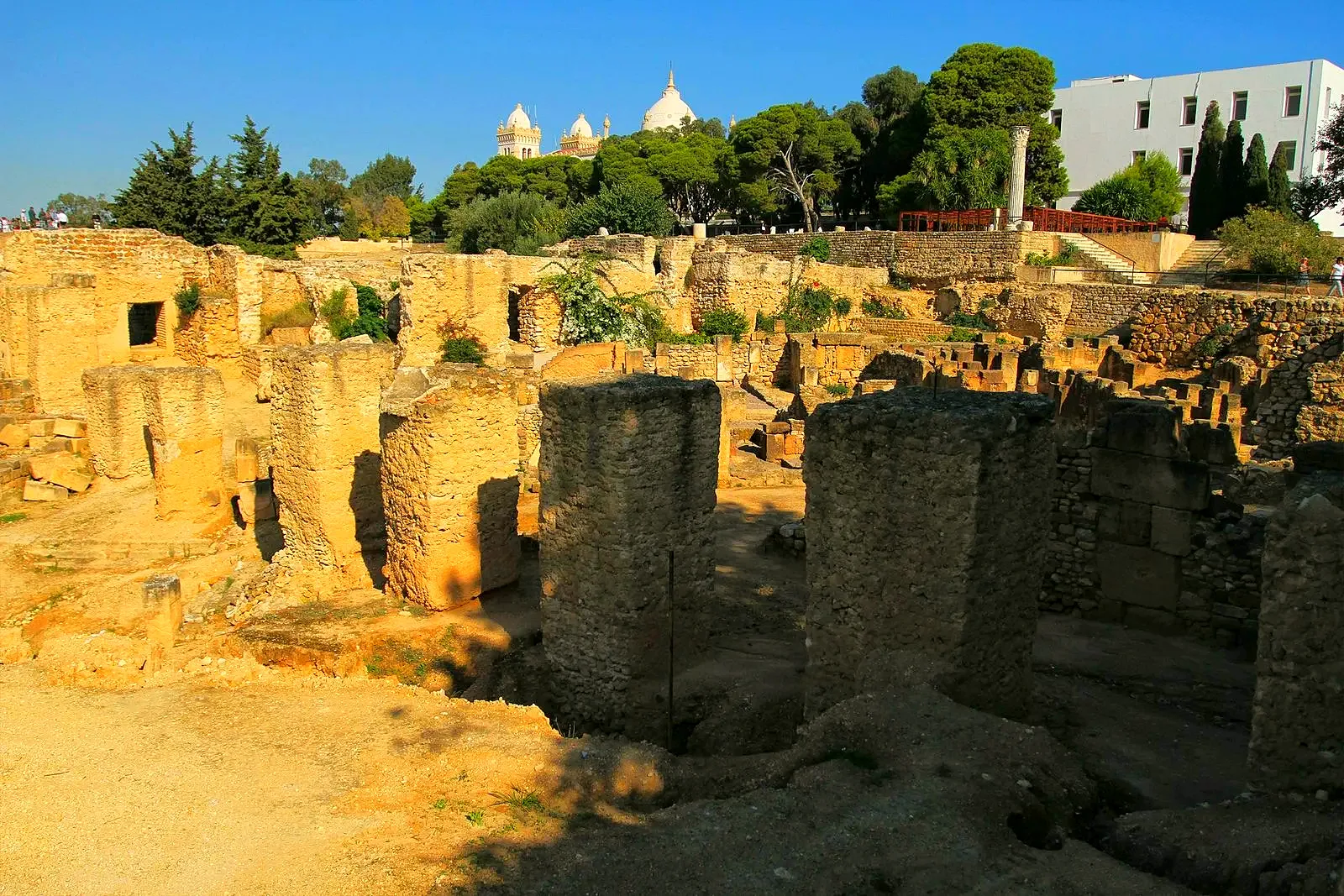
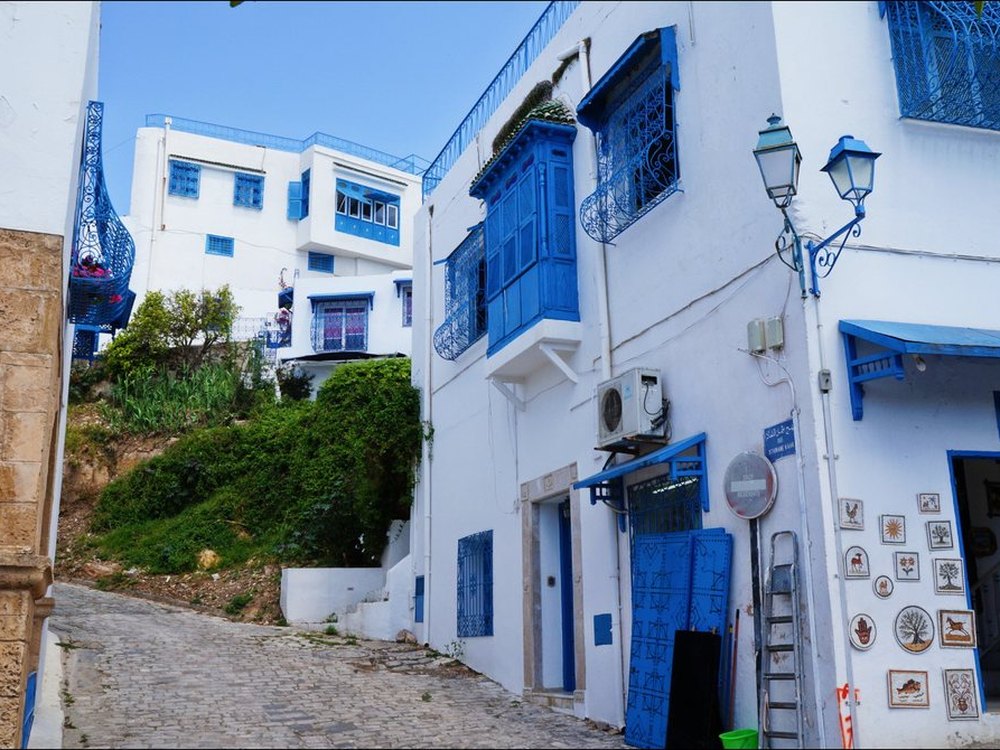
Pair the ruins of Carthage, a UNESCO site, with Sidi Bou Said, the clifftop village next door. In Tunis, the old medina has a great mosque from the 9th century.
2
Into the Sahara
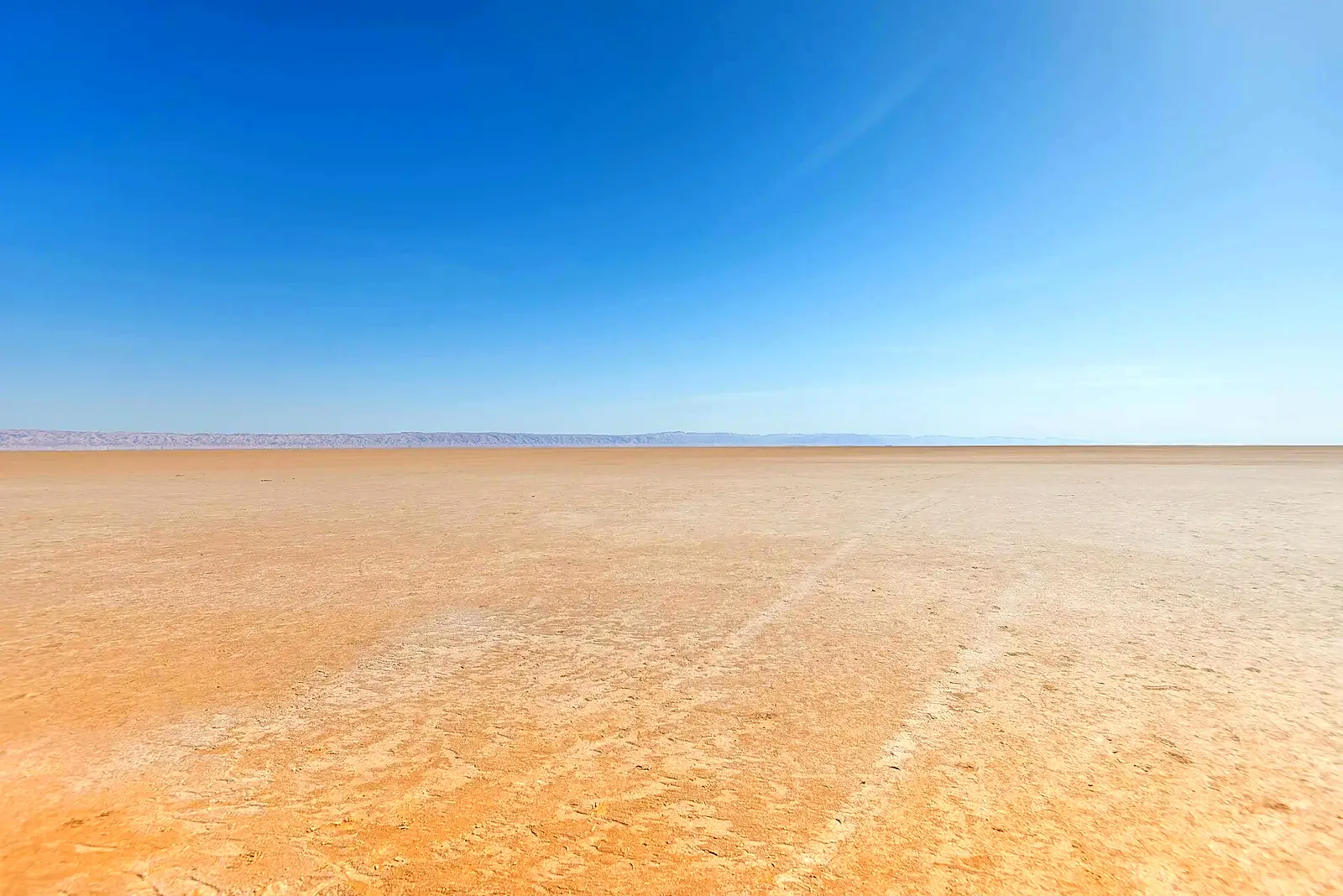
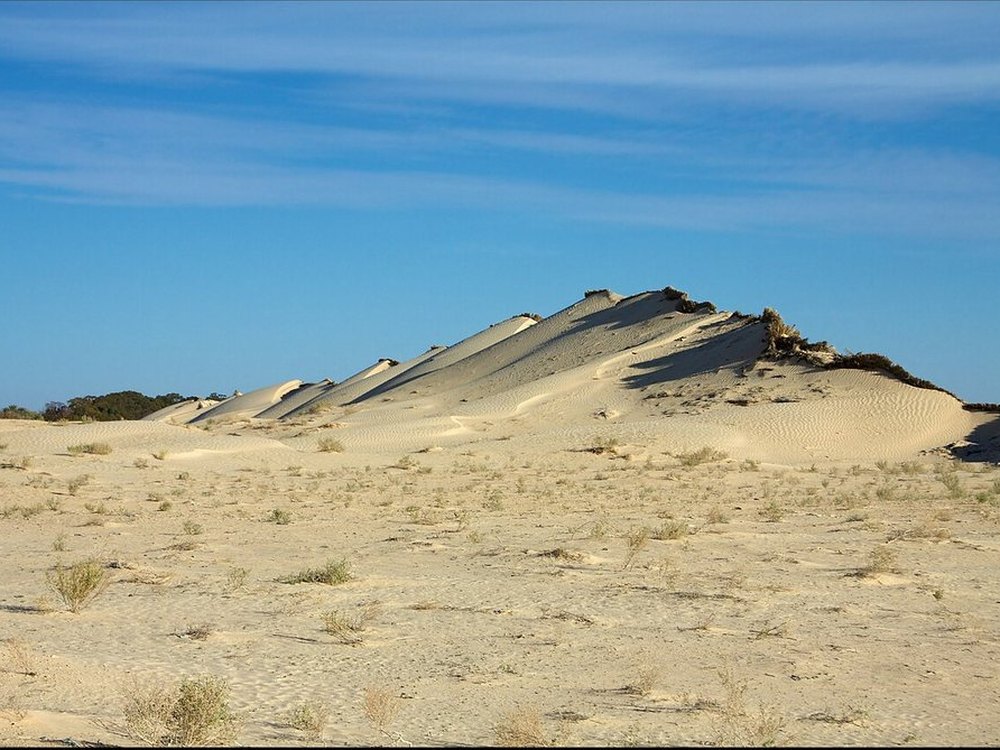
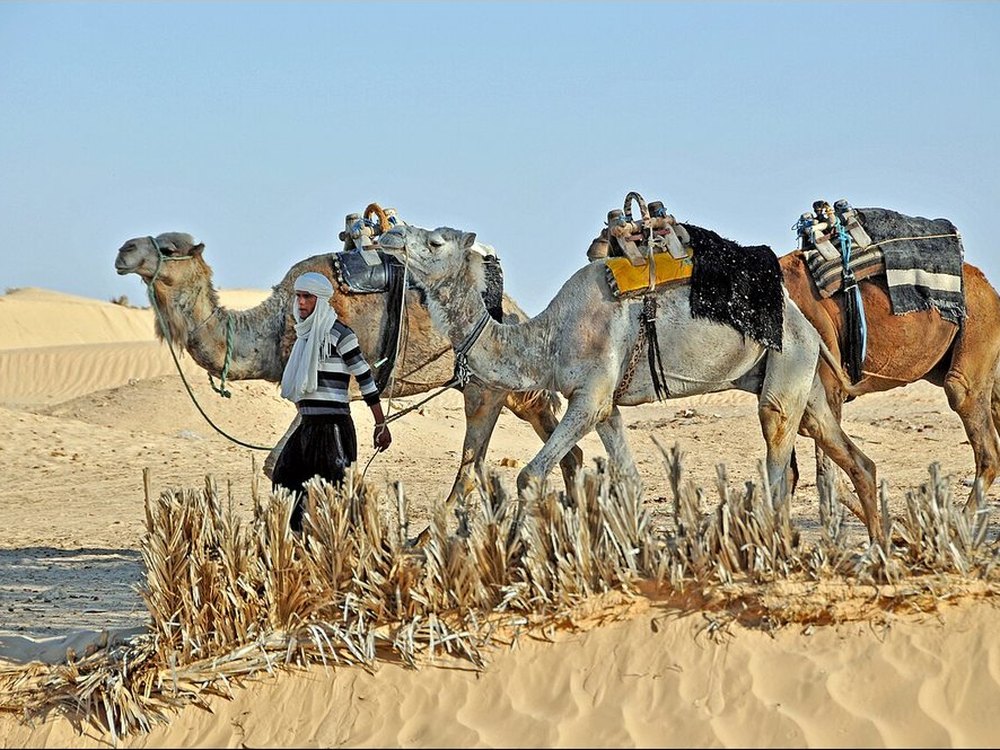
Douz is the gentlest way into the sand desert, with dunes, palm groves and desert camps, and Chott el Jerid, the Sahara's biggest salt pan, shimmers with mirages in summer.
3
A Roman amphitheater
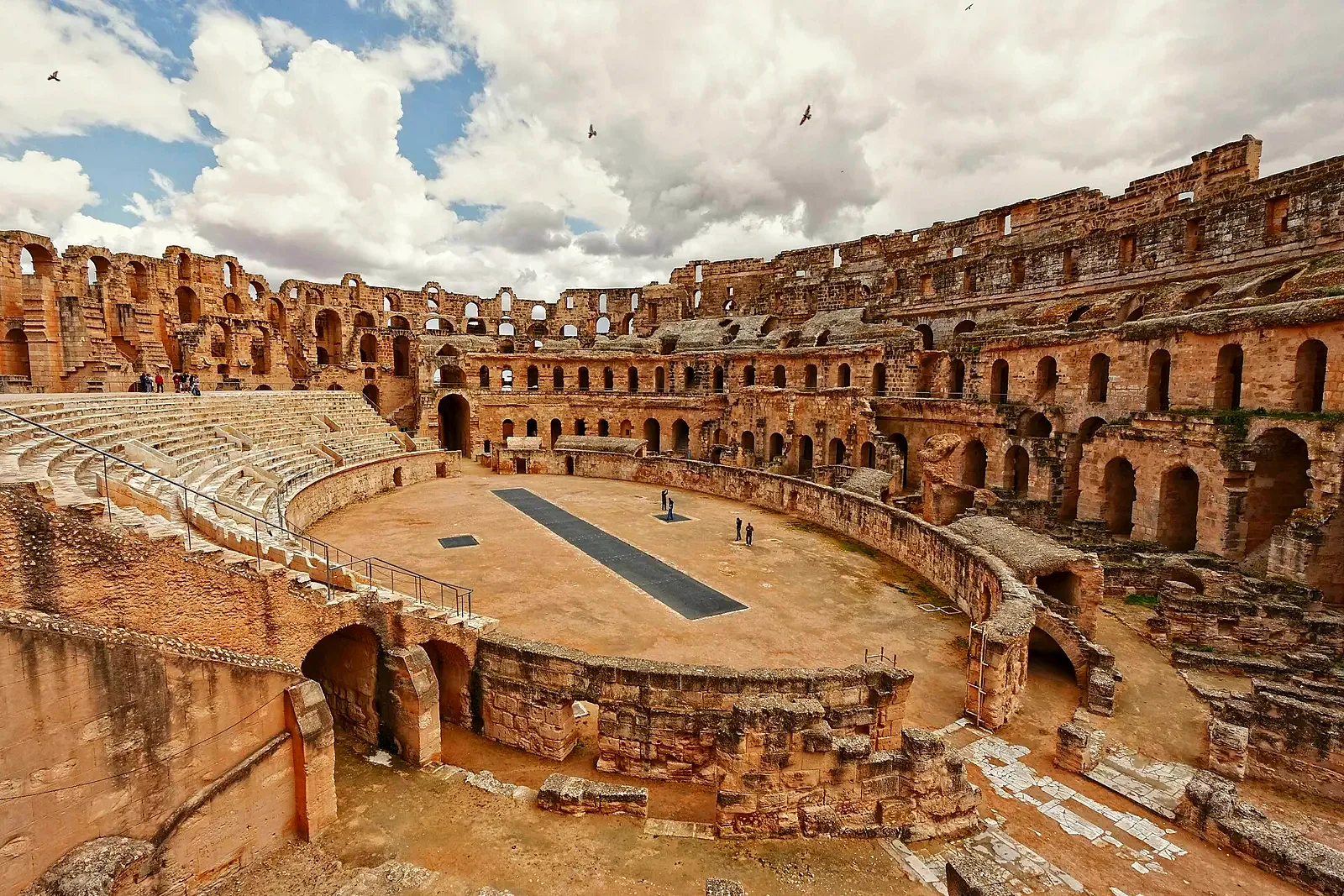
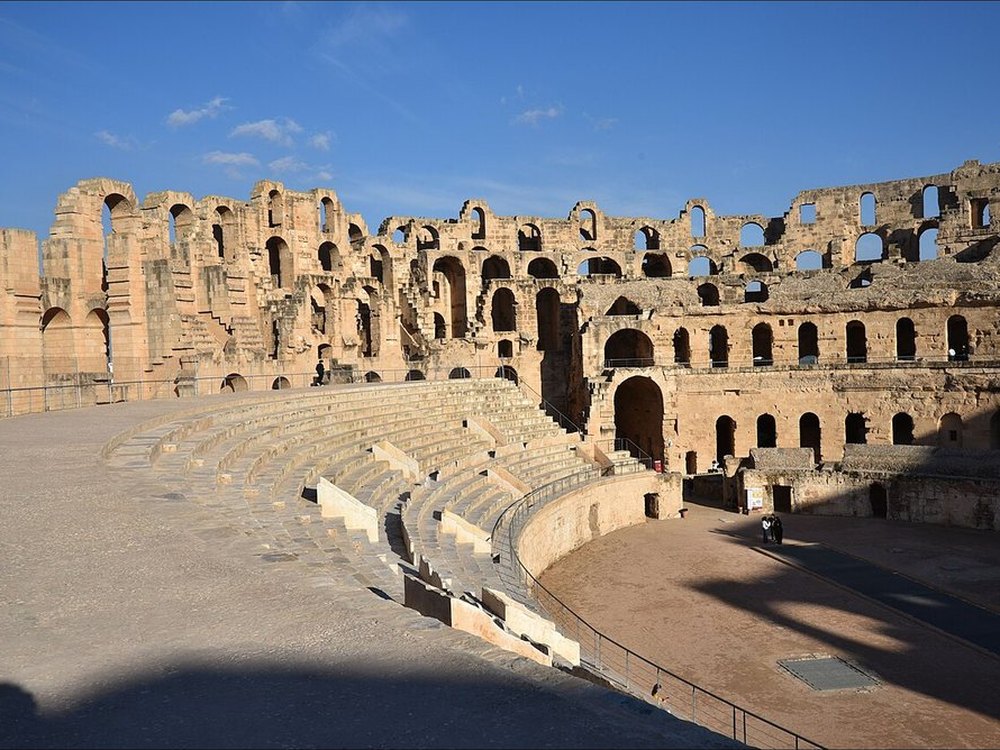
The Roman amphitheater at El Jem is an easy day trip from Sousse, whose UNESCO listed medina climbs a hill facing the sea.
4
Star Wars in the desert
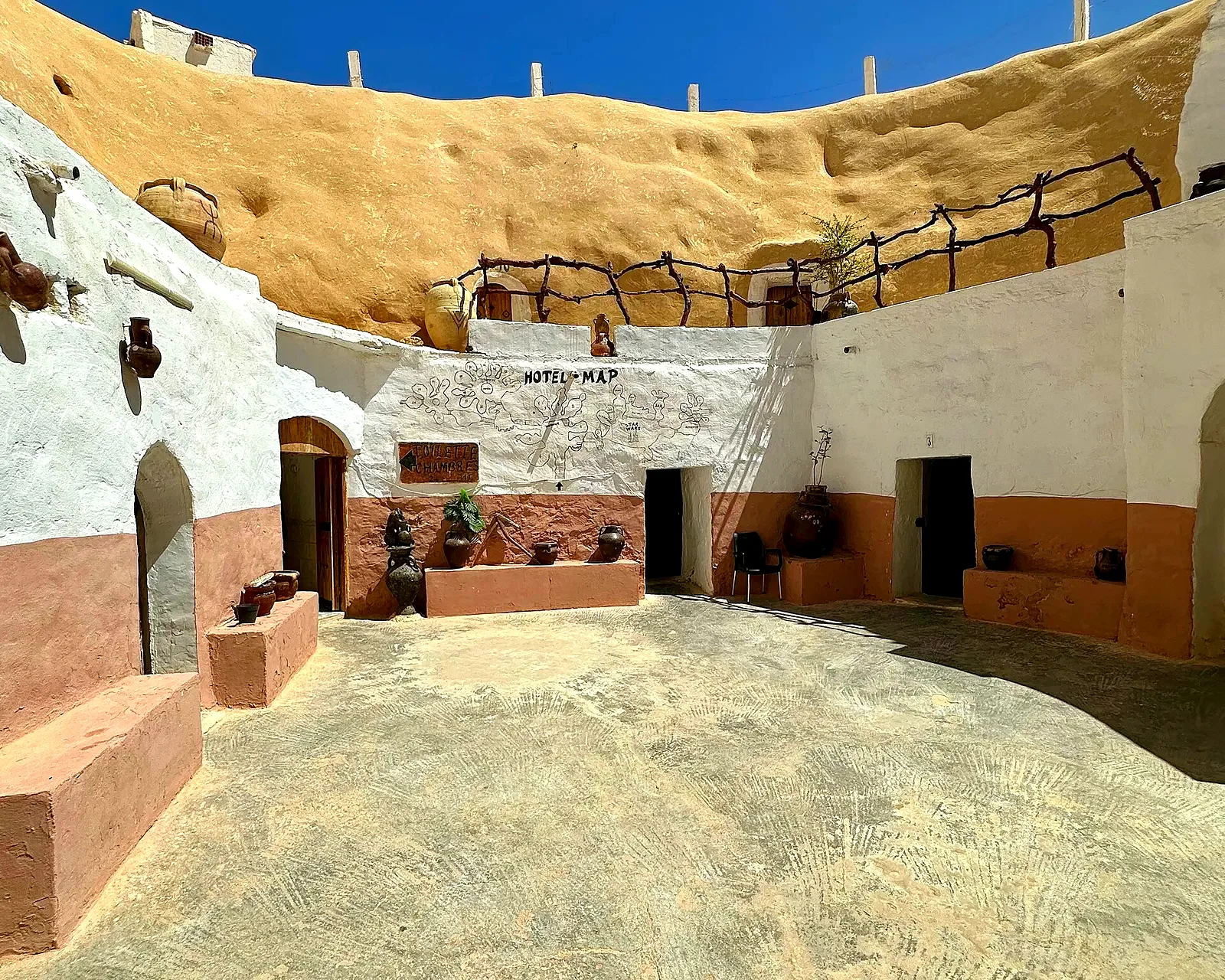
In Matmata, the Hotel Sidi Driss, built like a traditional underground Berber home, played Luke Skywalker's home in the first Star Wars film. You can still stay there.
5
Brik and couscous
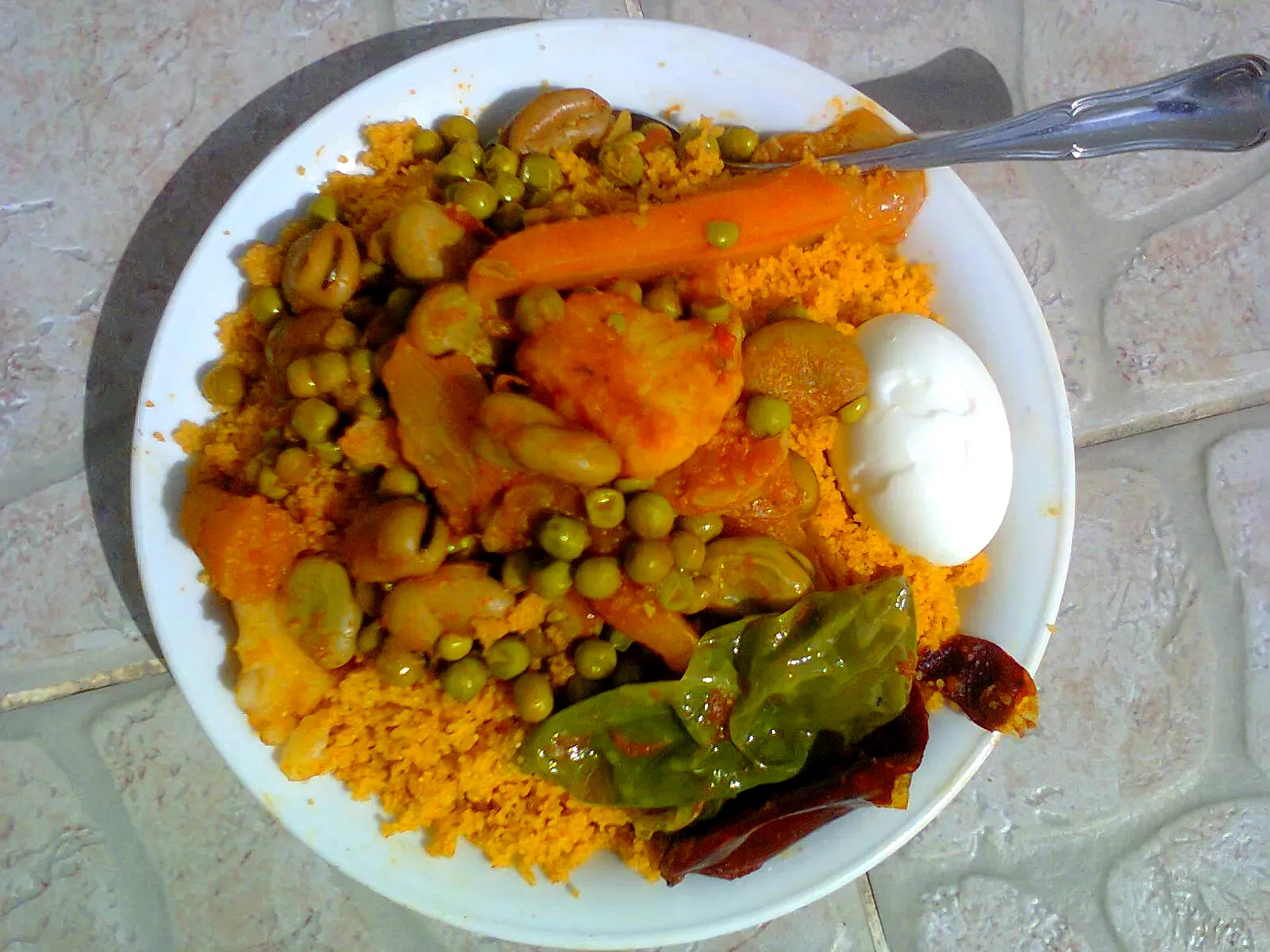
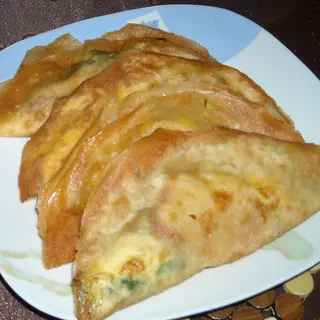
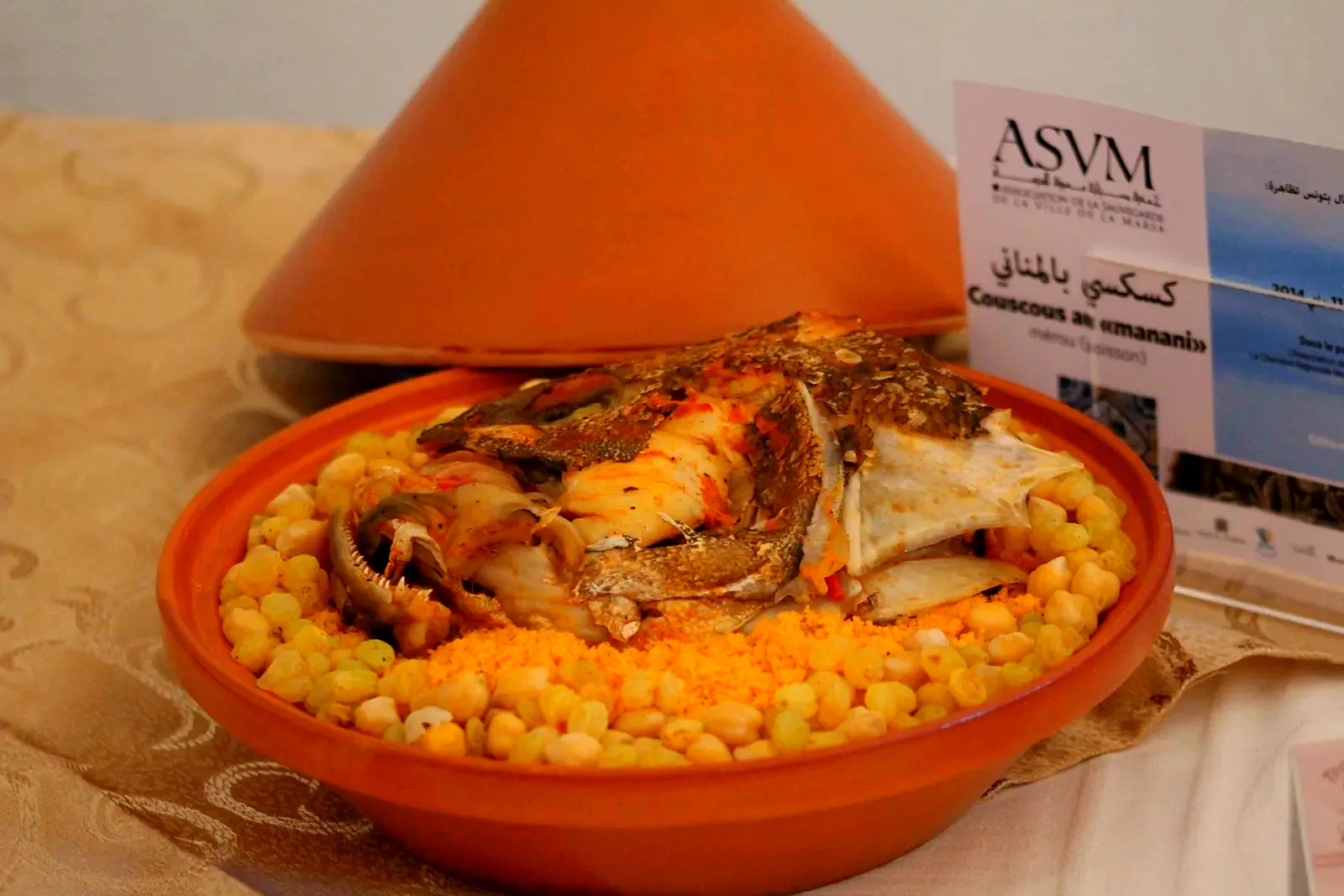
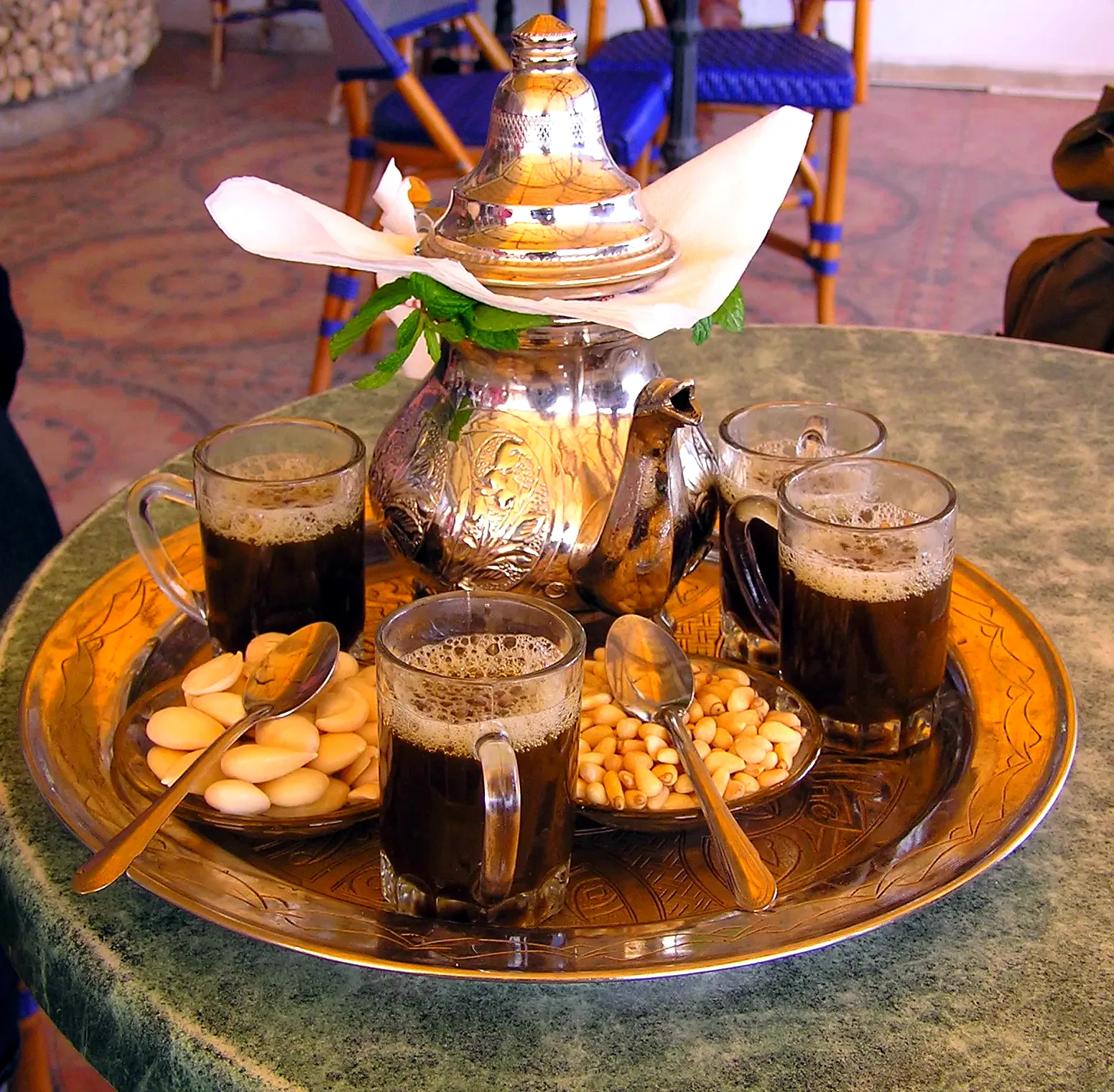
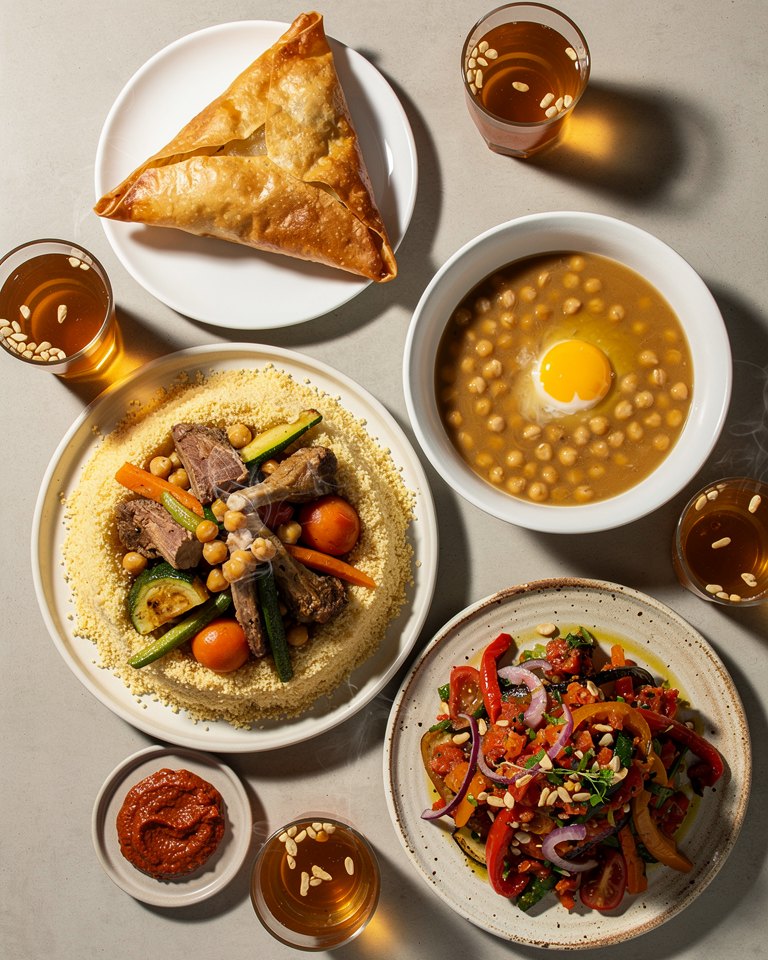
Try brik, a crisp golden pastry with an egg inside, couscous with lamb or fish, and mint tea with pine nuts after dessert.
Worth booking ahead
The good ones sell out while you are still deciding. Book these before you fly, and keep your days for wandering.
Five short notes from me: the 3 things I sort out ahead of every flight, the tiny details nobody tells you, and your vote on where I go next 🌍
A bit of history
An early end to slavery, 1846
Ahmad Bey, who ruled Tunisia from 1837, abolished slavery in 1846. He also set out to modernize the state, building a new army and new schools.
The Jasmine Revolution, 2011
After 28 days of street protests, Tunisians ousted their longtime ruler in January 2011. The movement led to free elections and is often called the only successful uprising of the Arab Spring.
The Bardo, since 1888
The Bardo opened on May 7, 1888 as the Alaoui Museum, in a 19th century palace of the beys. It took the name Bardo National Museum in March 1956.
Independence Day
Tunisia's national day is March 20, marking independence in 1956.
Where to stay
The areas worth basing yourself in, each with its own stay search, and every hotel on one map.
Tip: finish booking on the website, not in the hotel's app, so it counts as booked through me.
Tunisia works best with a few bases. These are the places this planner suggests, with how to reach each one and one honest heads up. Everything here is researched for you from official and tourism board sources.
City
Tunis
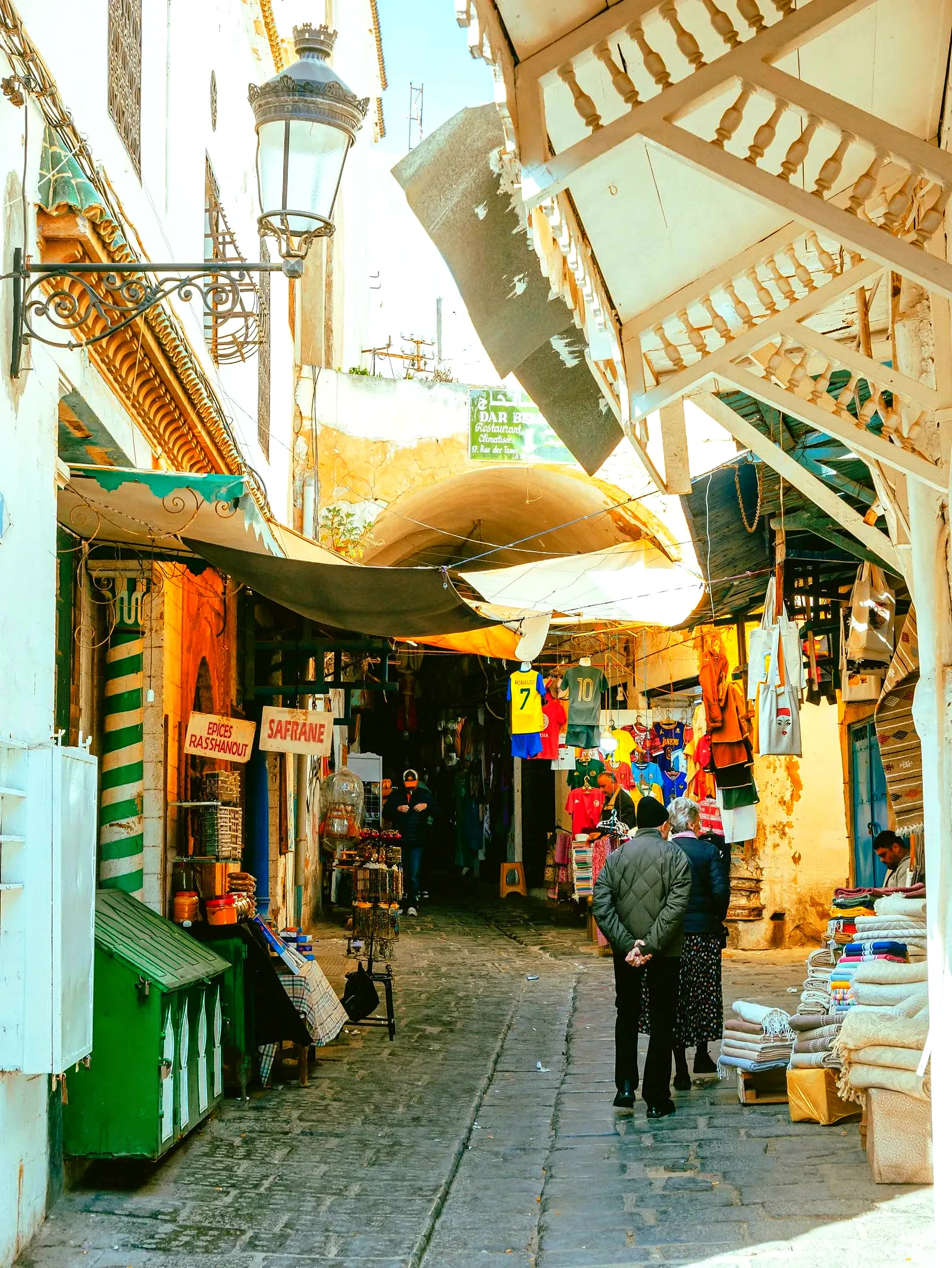
The Medina of Tunis has been on the UNESCO list since 1979. Highlights include the 9th century Zitouna Great Mosque and many Ottoman era monuments, with Art Nouveau and Art Deco buildings around the edge of the old town.
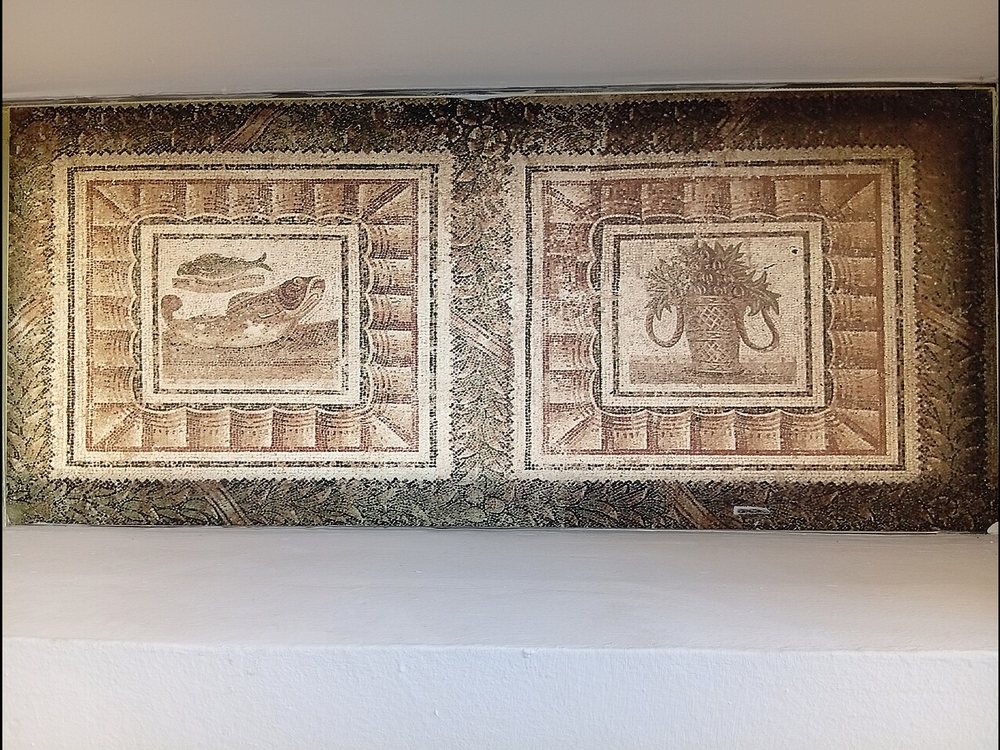
Near: The medina with the Hammouda Pacha mosque, the Slimaniya madrasa and the mausoleum of Princess Aziza Othmana. The Bardo National Museum, a 19th century palace holding the country's best known mosaics.
Getting around: Bus 35 from the airport ends near the TGM station at Tunis Marine. The light metro covers the city, and yellow taxis run on the meter.
Heads up: The Bardo closes on Mondays, and a ticket for non residents costs 13 dinars. Demonstrations are most common on Saturdays and in January, including on Avenue Habib Bourguiba, so steer clear of crowds.
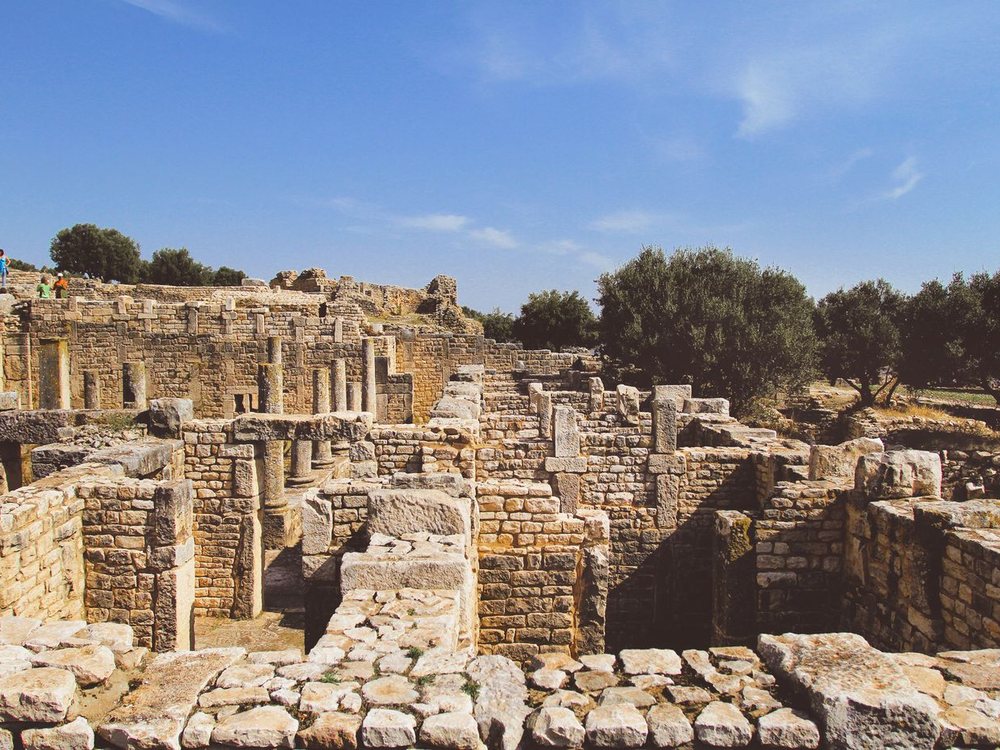
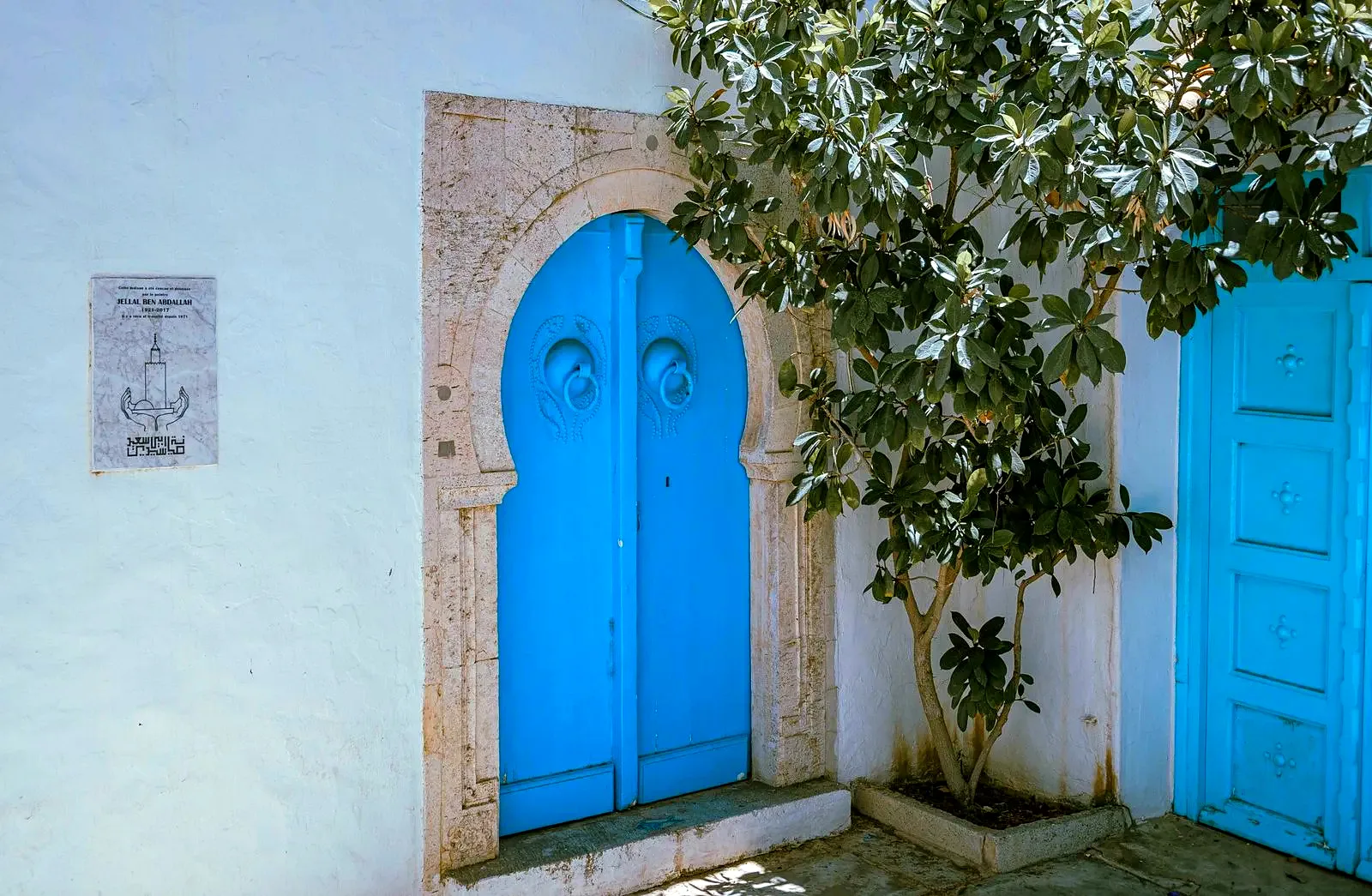
Carthage, a UNESCO site since 1979, was founded by Phoenicians according to legend and rebuilt by Rome as the capital of its Africa province. Sidi Bou Said is the clifftop village next door, where the Musiqât festival plays at the Baron d'Erlanger palace.
Near: The Punic ports and the Magon and Hannibal quarters, the Antonine Baths whose great hall stood 30 meters high, the Carthage Museum, and Sidi Bou Said's white and blue lanes above the sea.
Getting around: The TGM suburban line runs from Tunis Marine along the coast toward La Marsa.
Heads up: The Carthage Museum charges 12 dinars for non residents and also sells a grouped ticket. The Punic remains are fragile and scattered, so a guide helps.
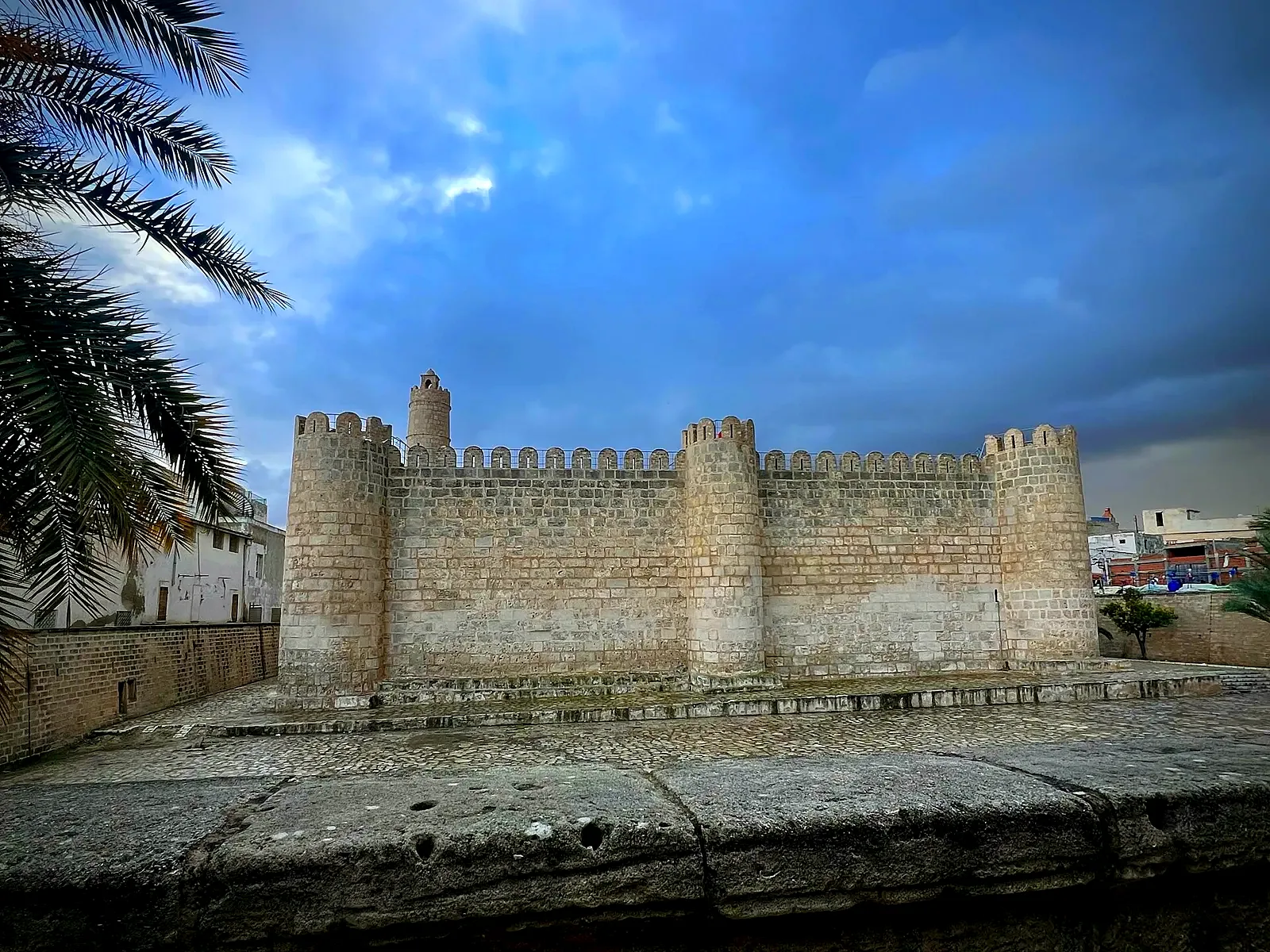
The Medina of Sousse (UNESCO, 1988) climbs a hill facing the sea, with its ribat, Great Mosque and kasbah. From here, the El Jem amphitheater and the holy city of Kairouan, also on the UNESCO list, make day trips.
Near: The Sousse Archaeology Museum in the kasbah, with the second largest mosaic collection in Tunisia. The El Jem amphitheater, built about 238 to 250 AD. The Great Mosque of Kairouan, where non Muslims may enter the courtyard and look into the prayer hall.
Getting around: SNCFT main line trains run from Tunis to Sousse. The Metro du Sahel links Sousse with Monastir, Mahdia and Monastir Habib Bourguiba airport. Enfidha Hammamet is the other nearby international airport.
Heads up: The Sousse museum closes on Mondays (10 dinars for non residents). El Jem charges 12 dinars for non residents and opens 7:30 a.m. to 5 p.m. in winter and 7 a.m. to 6:30 p.m. in summer.
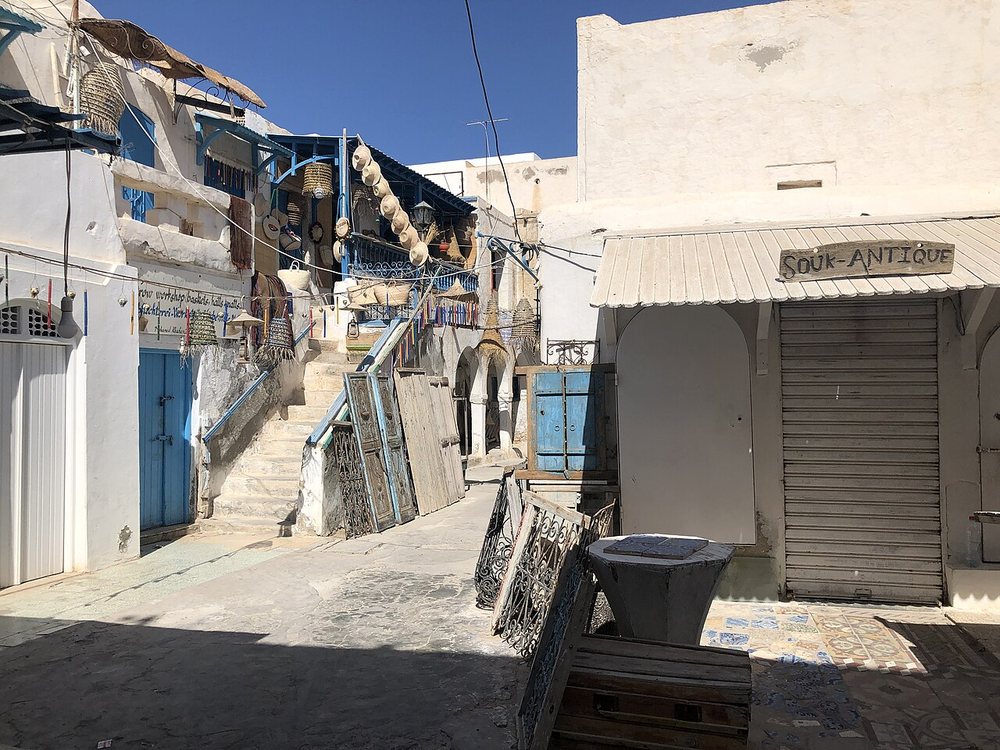
Djerba was added to the UNESCO list in 2023 for its island settlement pattern. There is a resort coast in the north and a quiet interior where you can stay in a menzel, an old country manor, or a fondouk, a former merchants' inn.
Near: Houmt Souk and its Museum of Traditional Heritage, covering costumes, jewelry, fishing and pottery. Beaches such as Sidi Jemour, and kitesurfing in the fall.
Getting around: Djerba has an international airport. Houmt Souk, in the north of the island, is the main town.
Heads up: The Djerba heritage museum closes on Fridays. In October 2026 US citizens were told to avoid Djerba around October 7, so check current US Embassy alerts before you go.
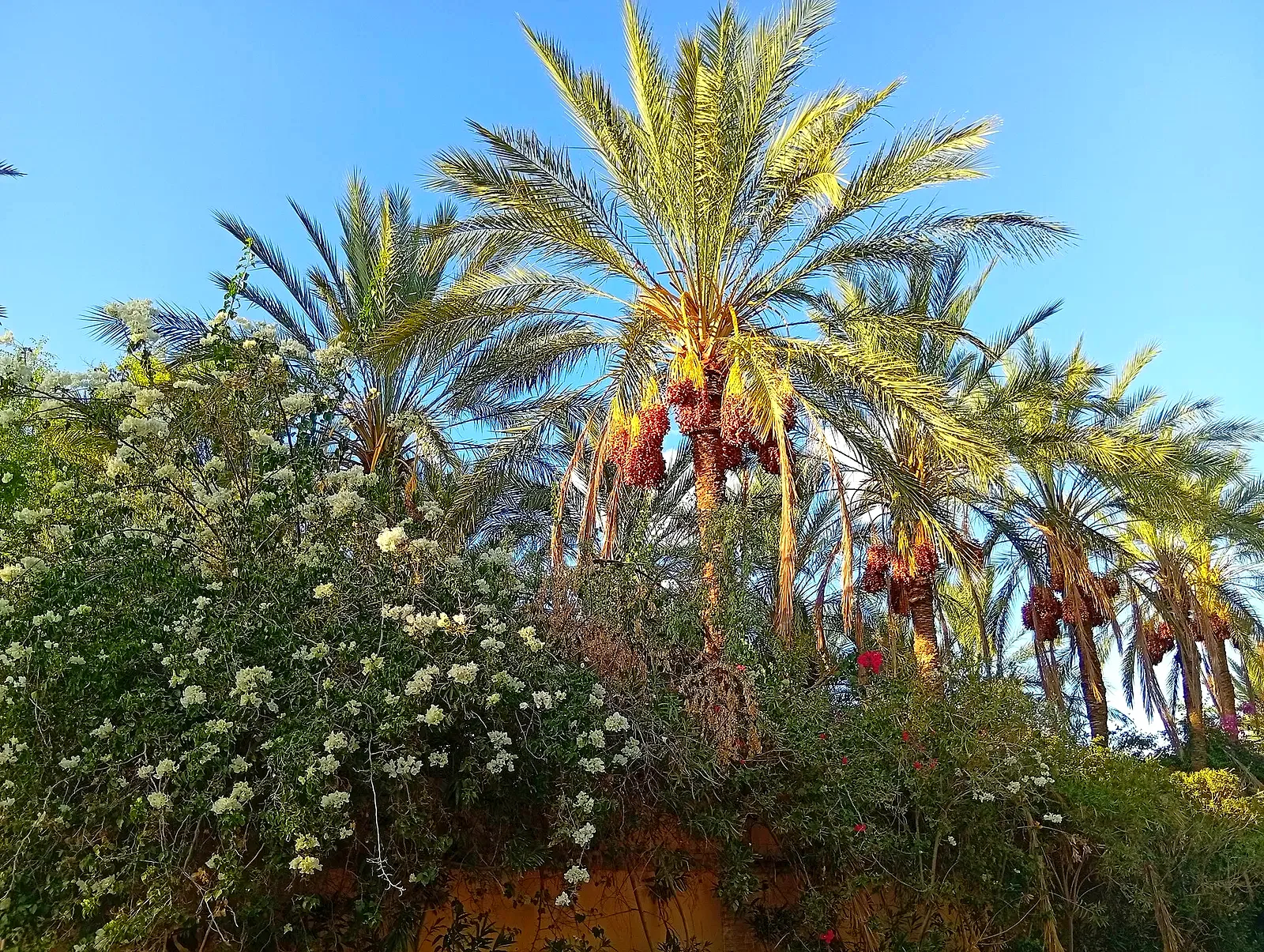
Tozeur sits beside an oasis of several hundred thousand palms, with old quarters of patterned yellow brick. Douz is the gentlest way into the sand desert, with dunes, palm groves, a weekly market and desert camps.
Near: The Chott el Jerid salt flat between the two towns, the Chebika oasis, the Sufi town of Nefta, and the Lézard Rouge, a restored early 20th century beylical train that SNCFT runs through the Selja gorges from Métlaoui.
Getting around: Tozeur has an airport and is the end of the SNCFT line from Tunis via Sousse, Sfax and Gafsa. Most dune trips leave from Douz.
Heads up: Avoid travel within 16 km of the Algerian border. The mountain oases of Tamerza and Midès lie close to it, so check the US travel advisory before booking an excursion there. Summer heat in the deep south can pass 40°C (104°F).
At the Great Mosque of Kairouan, non Muslims may enter the courtyard, look into the prayer hall and climb the minaret.
Ramadan
During Ramadan, heritage sites and museums switch to shorter Ramadan hours, and Tunis public transportation runs a Ramadan timetable. Check hours on the day.
Language
Arabic is the official language and French is widely spoken. Most signs are in Arabic and French, and many locals speak good English.
Where and what to eat
Come hungry.
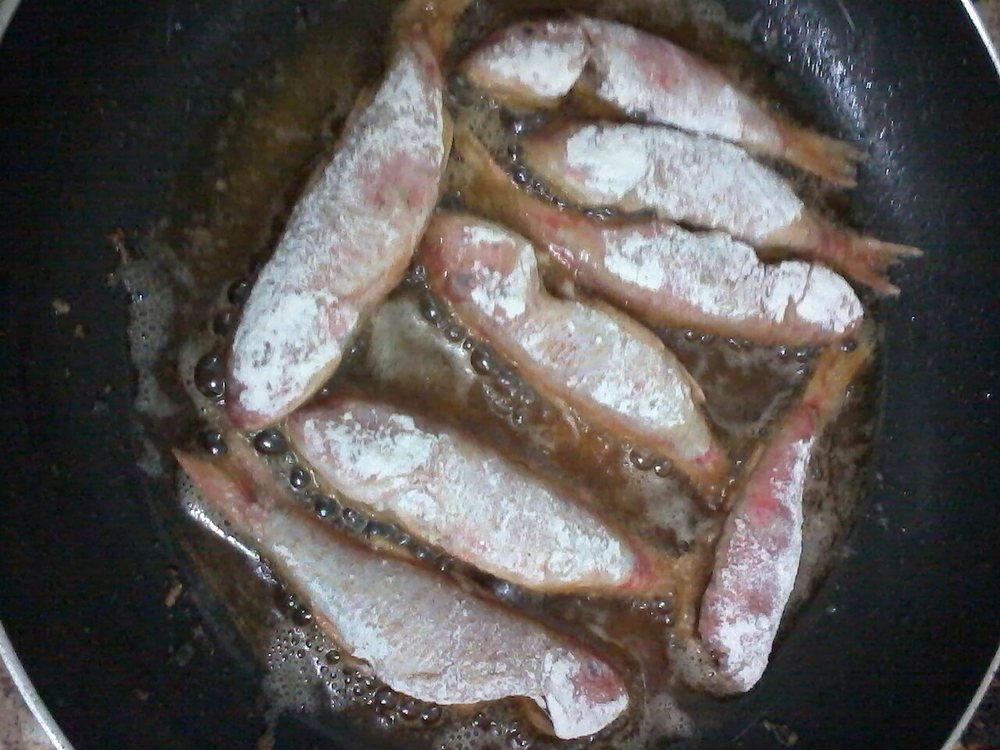
BrikA crisp, golden pastry with an egg inside, sold as a snack in the medina souks.
CouscousSteamed semolina with lamb or fish, a classic. UNESCO listed the know how of couscous for Tunisia and its neighbors in 2020.
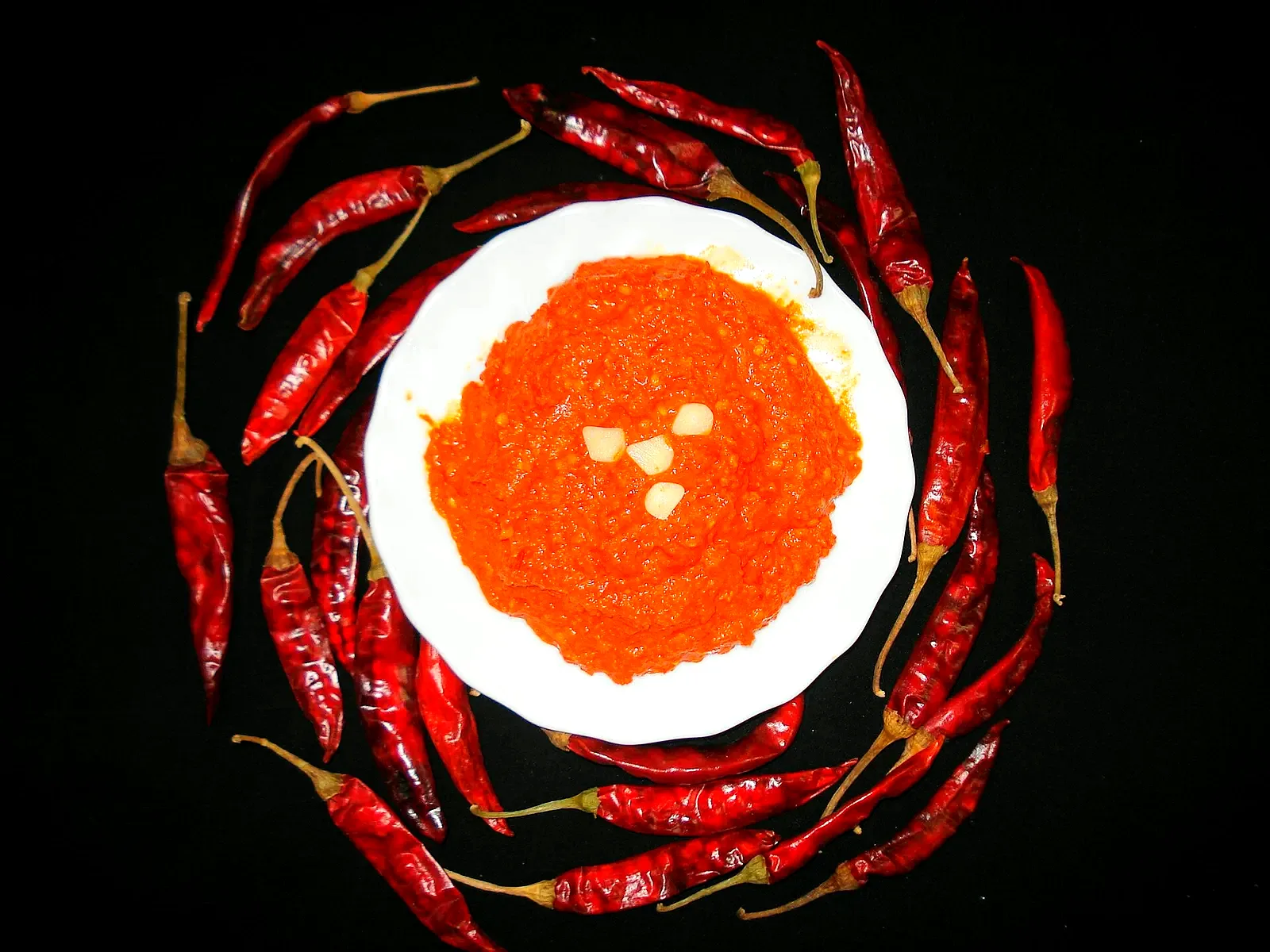
HarissaA chili pepper paste with garlic, coriander and salt, made at home after drying peppers in the sun. UNESCO listed it in 2022.
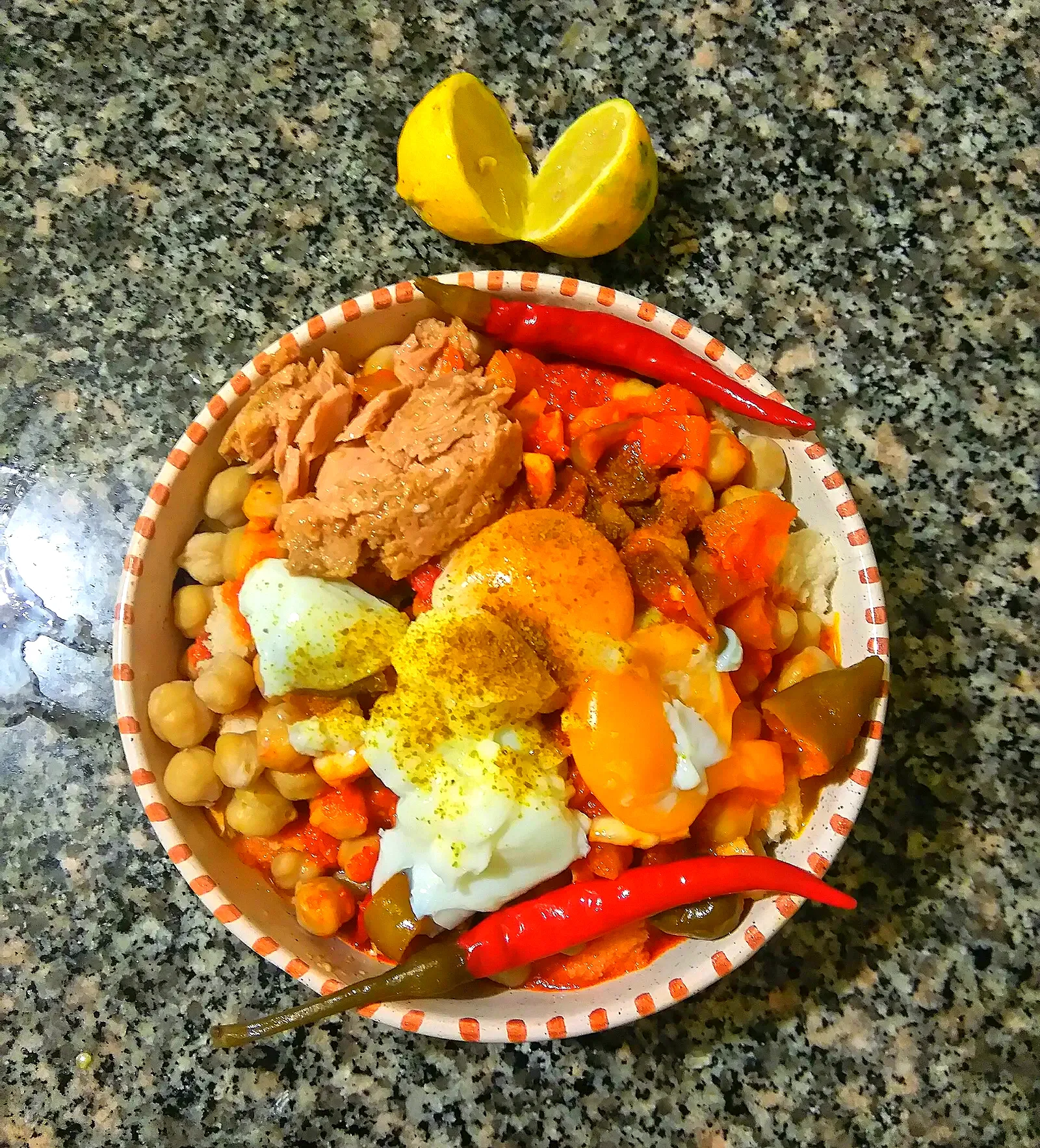
LablabiA spicy chickpea soup, a popular snack in the souks.
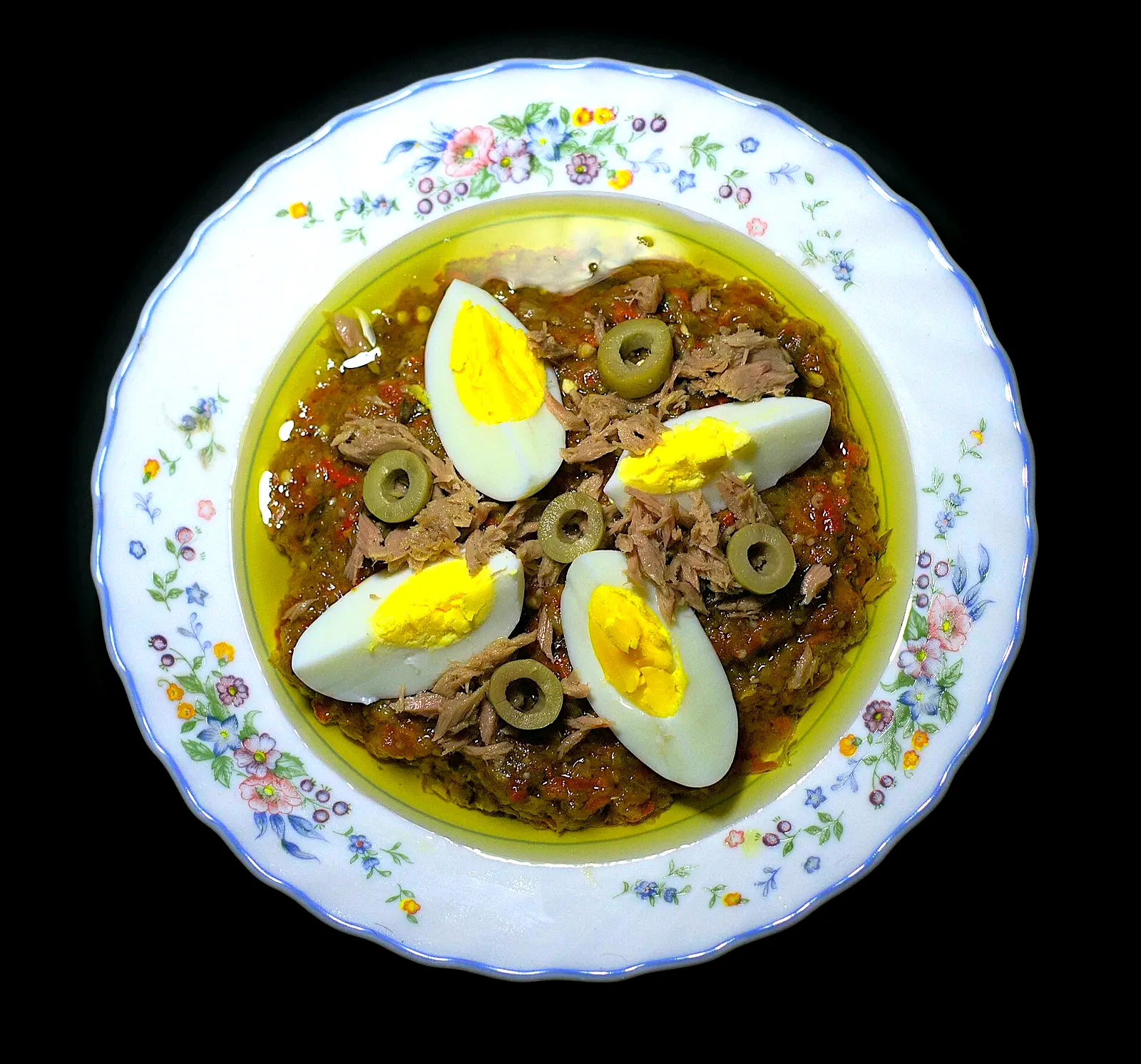
Salade mechouia and kabkabouMechouia is grilled and chopped tomatoes and peppers. Kabkabou is fish stewed with olives and preserved lemon.
Mint tea with pine nutsHave it after dessert, with bouza, a pistachio cream, or pastries scented with rose water.
Say it like a local
23 everyday phrases in French, with how to say them. Tap a speaker to hear one.
HelloAslemaas LEH mah
HelloBonjourbohn ZHOOR
Peace be upon youAssalamu alaikumas sah LAH moo ah LAY koom
Thank youShukranSHOO krahn
Thank youMercimehr SEE
PleaseS'il vous plaîtseel voo PLEH
Show all 23 phrasesShow fewer phrases
YesOuiwee
NoNonnohn
The bill, pleaseL'addition, s'il vous plaîtlah dee SYOHN, seel voo PLEH
GoodbyeAu revoiroh ruh VWAHR
Excuse meExcusez-moiehk skew zay MWAH
SorryDésoléday zoh LAY
How are you?Comment allez-vous ?koh mahn tah lay VOO
Fine, thank youBien, mercibyehn mehr SEE
How much is it?Combien ça coûte ?kohm BYEHN sah KOOT
US passport No visa needed for US citizens for stays up to 90 days, just a valid passport. Check the official page before you book. Official page. Checked 13 Nov 2026.
A valid passport is required, and US passport holders do not need a visa for stays up to 90 days. Longer stays need a residence permit, and dual US and Tunisian citizens are expected to enter and exit on their Tunisian passport. Check the official page before booking. Not a US passport? Check your country's rules: Tunisia's National Tourist Office: entry formalities.
Getting around
Tunis has a light metro and the TGM suburban train from Tunis Marine to La Marsa. A one section TGM ticket costs 0.500 dinar in second class and 0.900 dinar in first. SNCFT main line trains link Tunis with Sousse, Monastir, Mahdia, Sfax, Gabès and Tozeur, and shared louage taxis carry five passengers between towns.
Money and tipping
The currency is the Tunisian dinar, split into 1,000 millimes, and it can be neither imported nor exported. Use ATMs or exchange at banks and hotels. Tipping about 10 percent is generally expected in restaurants, in cash.
Safety basics
Watch for petty crime in tourist areas. The US State Department advises against walking or driving at night outside Tunis or the main resorts, and against travel within 16 km of the Algerian border (except Tabarka and Ain Draham) or the Libyan border, or to several mountain areas. Read the full advisory linked below.
Emergencies and health
Call the tourist police at 197 and medical emergencies at 190. Hospitals often want cash up front, so get insurance that covers medical evacuation.
When to go
Climate in short: Tunisia has a Mediterranean north and coast, a semi arid interior and an arid south. Average temperatures run from about 11°C (52°F) in December to about 29°C (85°F) in July, with peaks above 40°C (104°F) possible in the deep south in summer.
Spring: Spring is when Tunisia is at its greenest, good for archaeological sites among wildflowers and the route from Sidi Bou Said to Kairouan. The festival season starts with Jazz à Carthage.
Fall and winter: Fall still means swimming, and it is the best season to explore the Tunisian Sahara. Winter is mild and dry in the south, a good time for medinas and museums, and the Gulf of Gabès around Djerba hosts large flocks of migrating wading birds.
Closures to plan around: The Bardo Museum and the Sousse Archaeology Museum close on Mondays, and the Djerba heritage museum in Houmt Souk closes on Fridays. Heritage sites run shorter hours during Ramadan.
Plugs and power
Plug CPlug E
Power is 230 V, 50 Hz. Bring an adapter if your plugs are from the US or the UK. Plugs from the EU usually fit. US gear that only runs on 110 to 120 V, like some hair tools, needs a converter here. Check your chargers and devices say 100 to 240 V before you plug in.
Bus line 35 was restored in March 2026 between Tunis Carthage airport and Tunis Marine, with the airport stop opposite the taxi rank at arrivals. A ticket costs 1 dinar, and about 30 buses run a day, from 5:30 a.m. to 8:45 p.m. After that, take an official yellow taxi and ask for the meter.
TUN Tunis Carthage International Airport: about 8 km (5 mi) to central Tunis.
Book a pickup or rent a car
Book a pickup
Book a driver who meets you at arrivals at Tunis Carthage International Airport, at a fixed price agreed before you land.
You drive: compare rental companies and prices for your dates.
The search box loads here.
Good to know
The local rules and habits worth knowing before you land.
The Tunisian dinar can be neither imported nor exported, so change only what you need.
It is against Tunisian law to photograph police, military and government buildings, and you may be questioned if you don't have your passport with you.
Bringing in any drone, even a small personal one, is prohibited without prior government authority.
Riding a Tunis bus, metro or TGM without a valid, stamped ticket carries a 20 dinar fine paid on the spot, or 25 dinars paid later.
Tip about 10 percent in restaurants and leave it in cash so the waiter gets it.
The questions people ask most, answered from this page.
Do US citizens need a visa for Tunisia?
A valid passport is required, and US passport holders do not need a visa for stays up to 90 days. Longer stays need a residence permit, and dual US and Tunisian citizens are expected to enter and exit on their Tunisian passport. Check the official page before booking.
How do I get from the airport to the city in Tunisia?
Bus line 35 was restored in March 2026 between Tunis Carthage airport and Tunis Marine, with the airport stop opposite the taxi rank at arrivals. A ticket costs 1 dinar, and about 30 buses run a day, from 5:30 a.m. to 8:45 p.m. After that, take an official yellow taxi and ask for the meter.
How do I get around Tunisia?
Tunis has a light metro and the TGM suburban train from Tunis Marine to La Marsa. A one section TGM ticket costs 0.500 dinar in second class and 0.900 dinar in first. SNCFT main line trains link Tunis with Sousse, Monastir, Mahdia, Sfax, Gabès and Tozeur, and shared louage taxis carry five passengers between towns.
Photo credits
The flat, sandy surface of the Chott el Jerid salt lake stretching to distant hills under a clear blue sky: Benmahjoub mohamed, CC BY-SA 4.0, via Wikimedia Commons. The stone arena and tiered arches of the Roman amphitheater at El Jem under a cloudy sky: Agnieszka Wolska, CC BY-SA 3.0, via Wikimedia Commons. The sunken courtyard of the Hotel Sidi Driss in Matmata, a traditional underground Berber home with whitewashed walls: Lohen11, CC BY 4.0, via Wikimedia Commons. A plate of Tunisian couscous with vegetables, peas, a green pepper and a boiled egg: Meriem Mach, CC BY-SA 4.0, via Wikimedia Commons. The pale stone walls, round towers and lookout tower of the ribat in the Medina of Sousse, with a palm in front: Sharon Hahn Darlin, CC BY 2.0, via Wikimedia Commons. Brik: Souad Anane Lesina, CC BY-SA 3.0, via Wikimedia Commons. Couscous: Wajih Khalfallah, CC BY-SA 4.0, via Wikimedia Commons. Lablabi: Habib M'henni, CC BY-SA 4.0, via Wikimedia Commons. Salade mechouia and kabkabou: Habib M'henni, CC BY-SA 4.0, via Wikimedia Commons. Mint tea with pine nuts: sky#walker, CC BY-SA 2.0, via Wikimedia Commons.
Checked 11 Nov 2026: entry links, plugs, airport times, ride apps and the facts on this page. Prices and rules show their own As of date.
Researched for you from official and trusted sources.
Affiliate links: some links on this page (flights, tours, city passes, stays, transfers, rental cars, luggage storage, eSIMs and flight compensation) are affiliate links. If you book through them, I earn a small commission at no extra cost to you.
Photos
Real photos from Pexels and Wikimedia Commons, used under the license shown, by the photographers credited below. The table of dishes in the food section is an illustration made for this page, not a photo of a real meal.
White houses with blue wooden balconies and lanterns on a sloping street in Sidi Bou Said, with the Tunis area spread out below. Photo: Mietek Ł, CC BY-SA 3.0, via Wikimedia Commons.
The stone arena and tiered arches of the Roman amphitheater at El Jem under a cloudy sky. Photo: Agnieszka Wolska, CC BY-SA 3.0, via Wikimedia Commons.
The pale stone walls, round towers and lookout tower of the ribat in the Medina of Sousse, with a palm in front. Photo: Sharon Hahn Darlin, CC BY 2.0, via Wikimedia Commons.
The flat, sandy surface of the Chott el Jerid salt lake stretching to distant hills under a clear blue sky. Photo: Benmahjoub mohamed, CC BY-SA 4.0, via Wikimedia Commons.
Sources
Researched for you from official and trusted sources. Rules, prices and times change, so check the official page before you book.
I researched this page for you, so you can plan well. The places I have filmed have their own trip planners.
Filming your own trips? My free guide to AI editing shows how my automated AI editor turns a folder of my clips into a finished reel. Send me the free guide.
 Luisa's Atlas