Six places to start in New Zealand: Auckland, Rotorua, Waitomo, Tongariro National Park, Wellington and the ferry south, and Milford Sound in Fiordland. Entry rules, getting around, what to book early and what to eat.
Everything for New Zealand on one page: what to know before you leave, the tours worth booking ahead, the ride apps, an eSIM and where to stay and eat, so you land with a plan, not 37 open tabs.
Some links earn me a small commission at no extra cost to you.
My free appLanding with no signal? Take this whole planner offline in my free iPhone app.Download on the App Store
Where in the worldNew Zealand
Why New Zealand is amazing
1
Fiordland's waterfalls and peaks
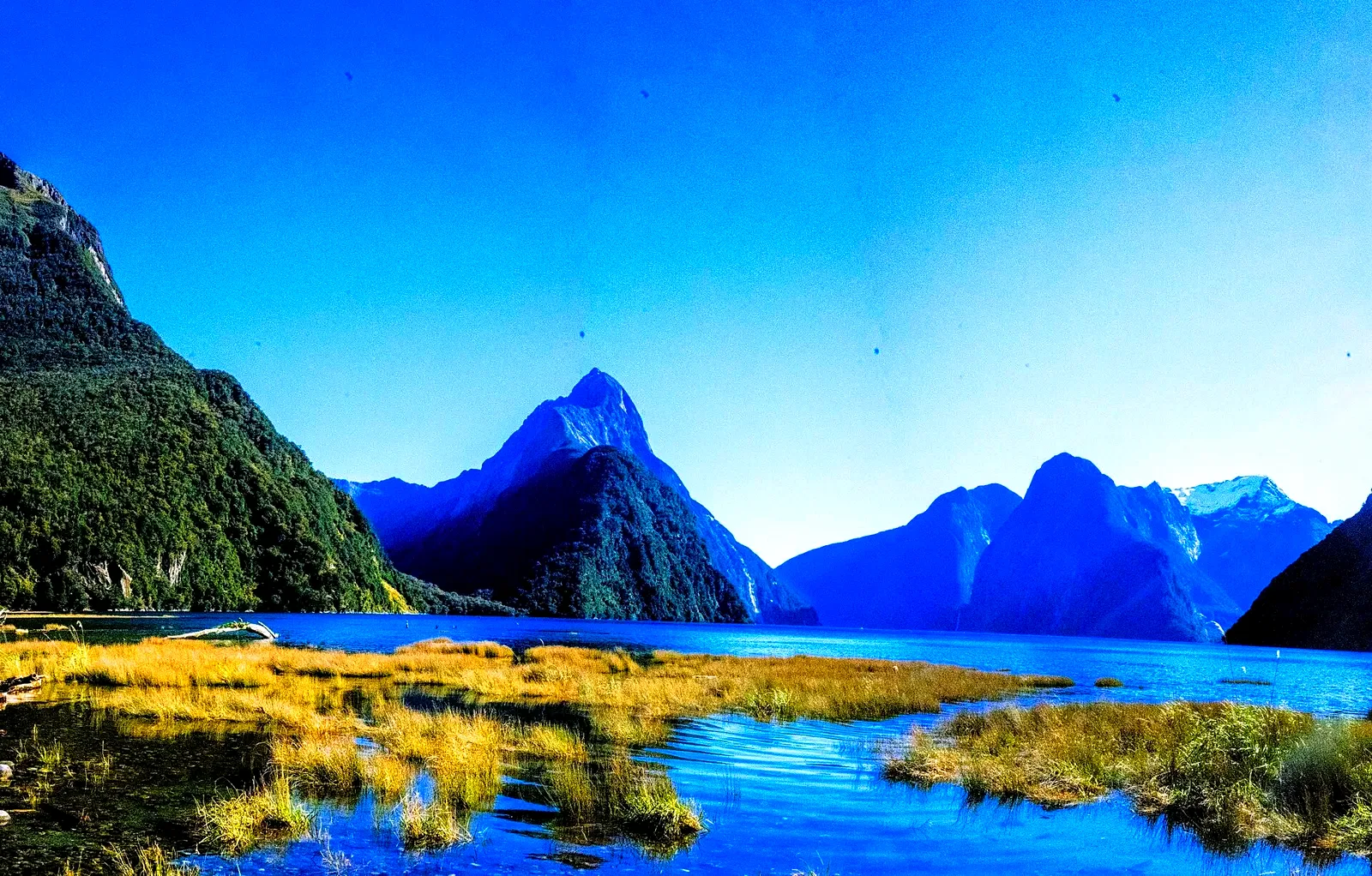
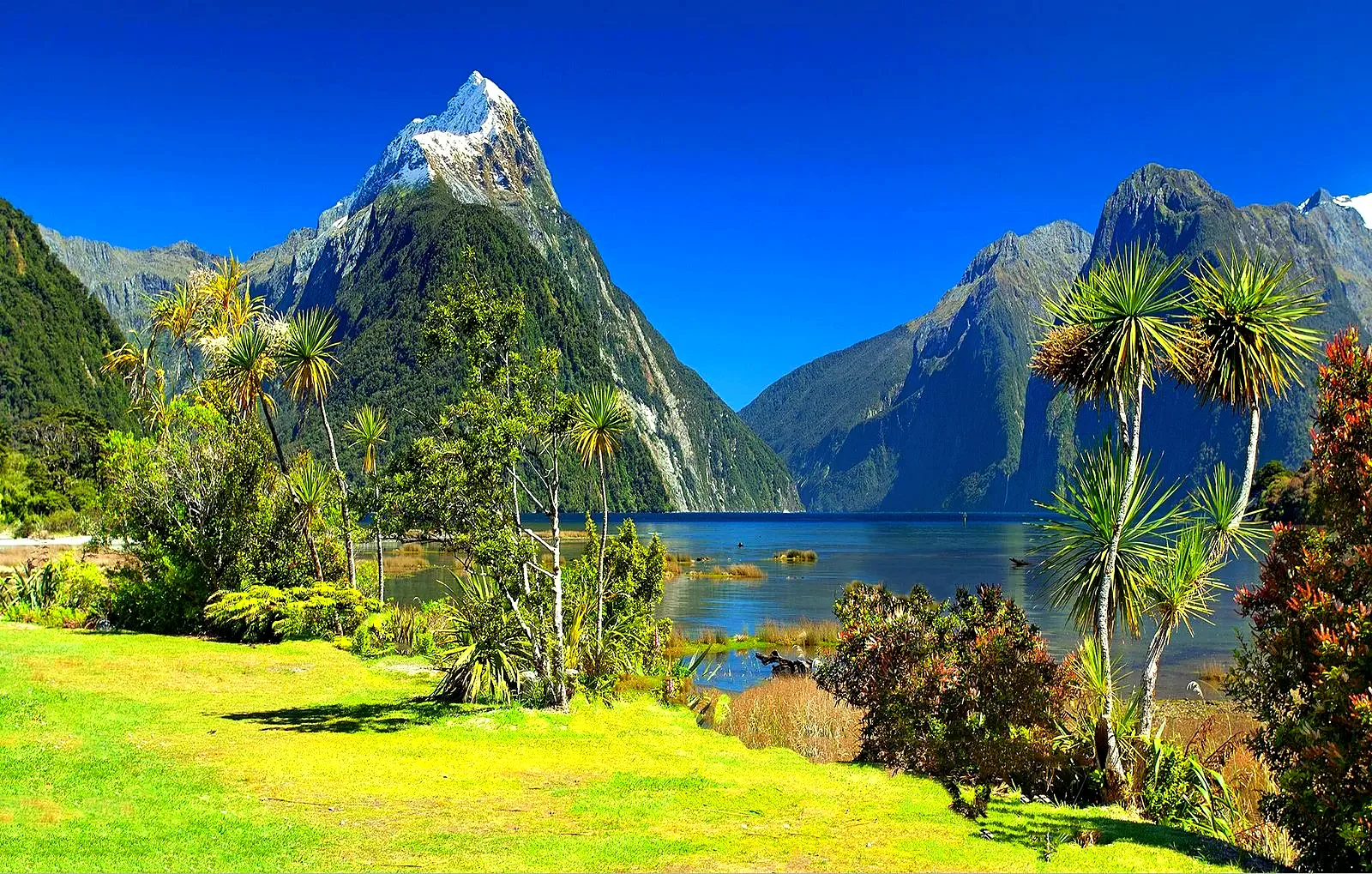
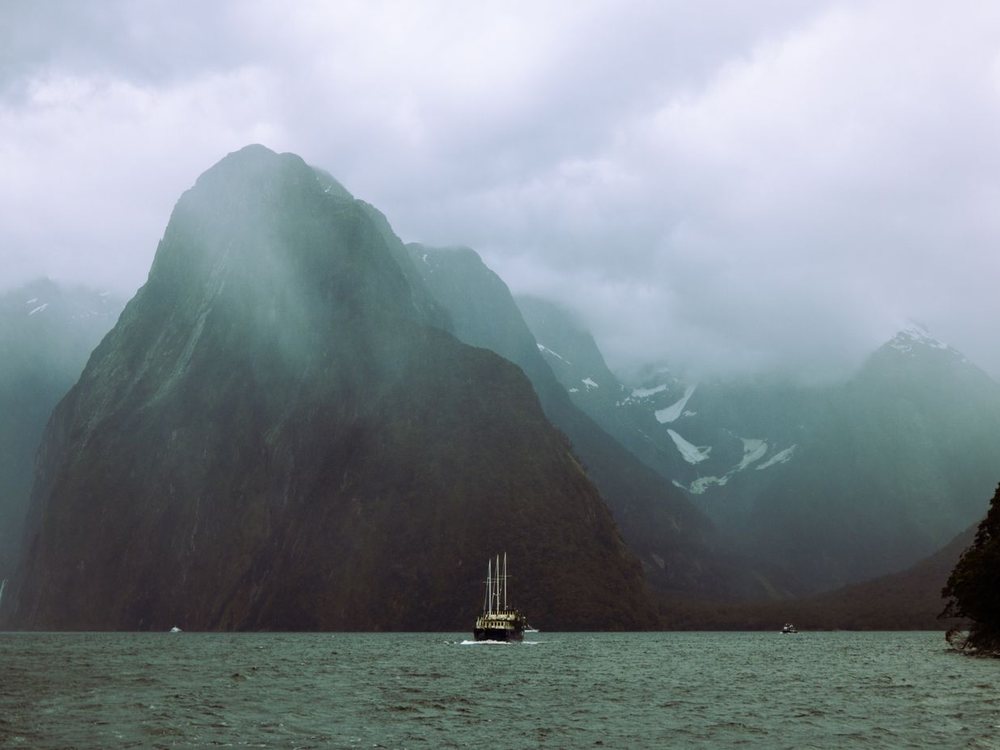
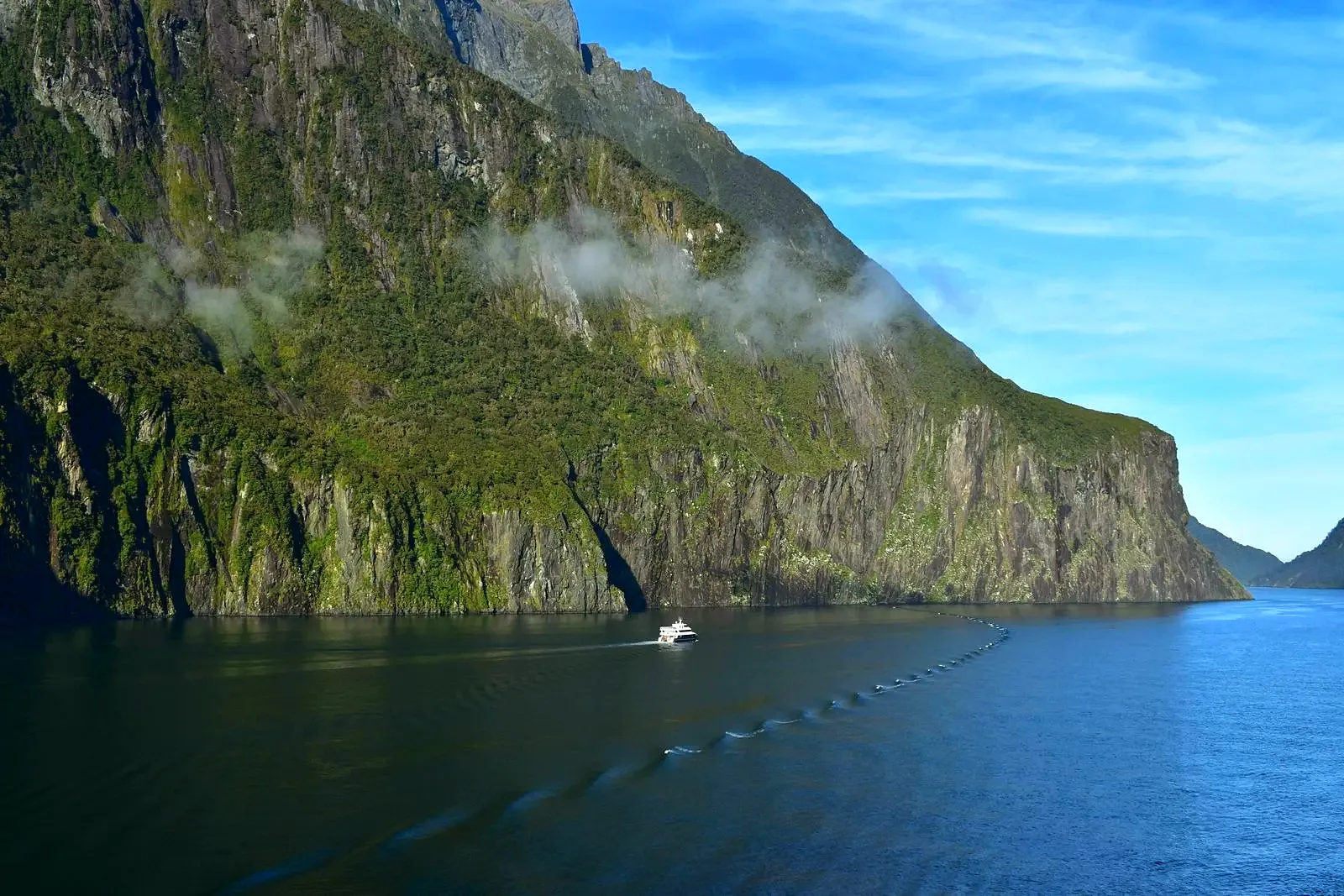
At Milford Sound, glacier carved cliffs drop straight into the water and waterfalls pour from every ledge. Rain makes them even more spectacular, so a wet day can be the best one.
2
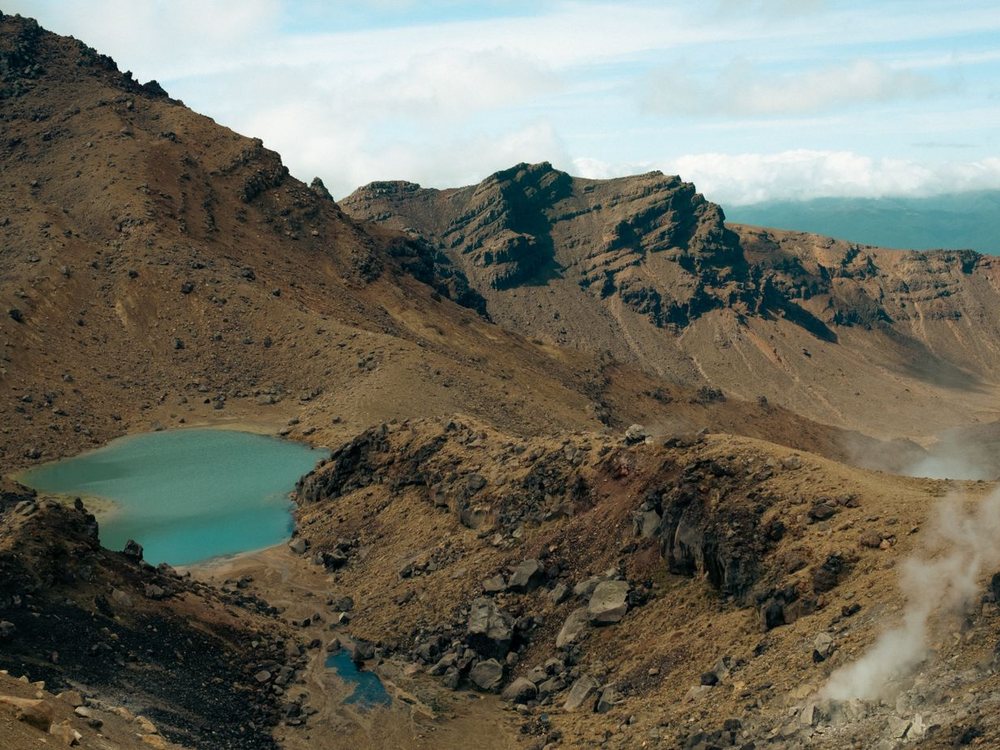
A walk over a volcano
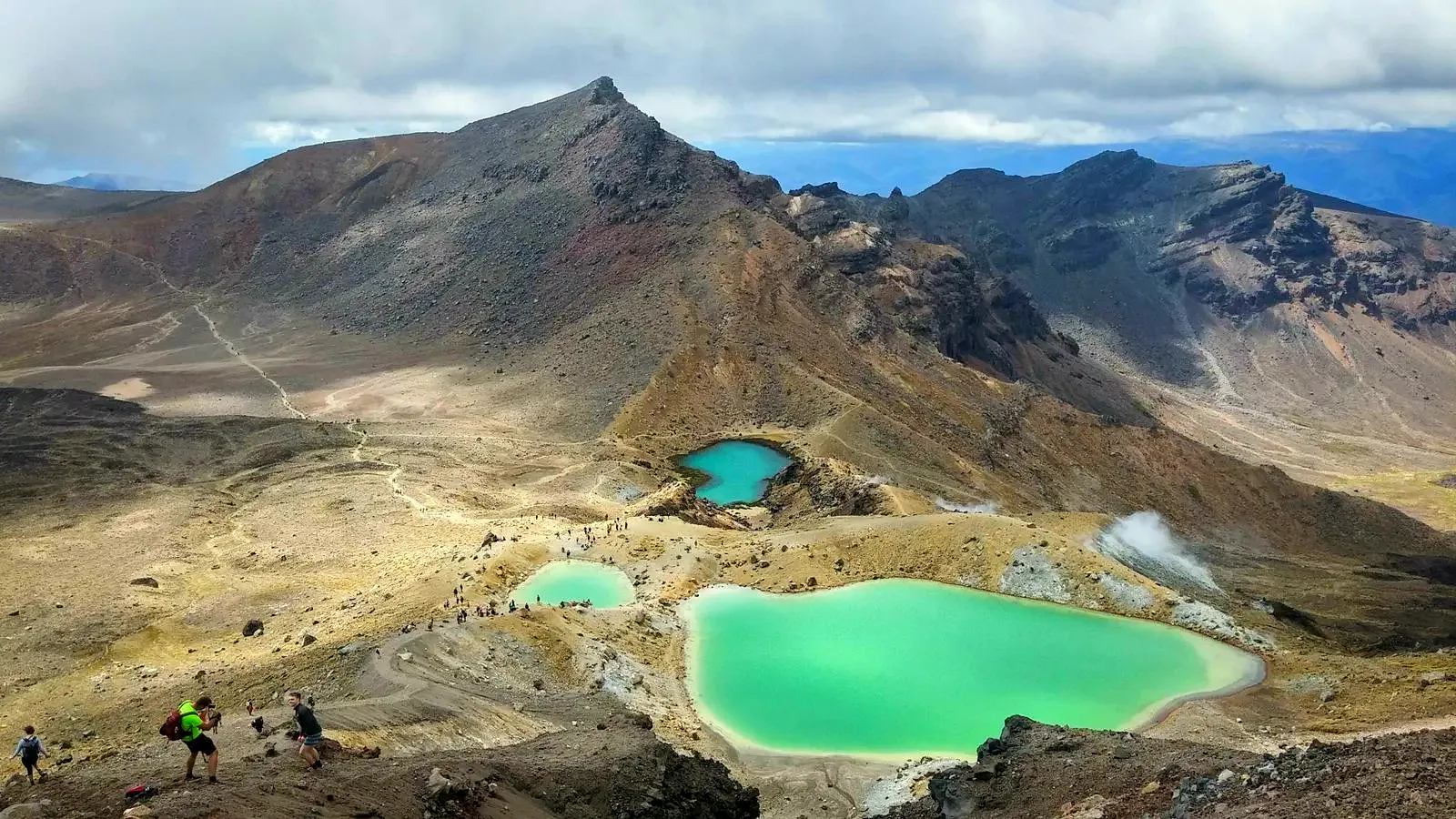
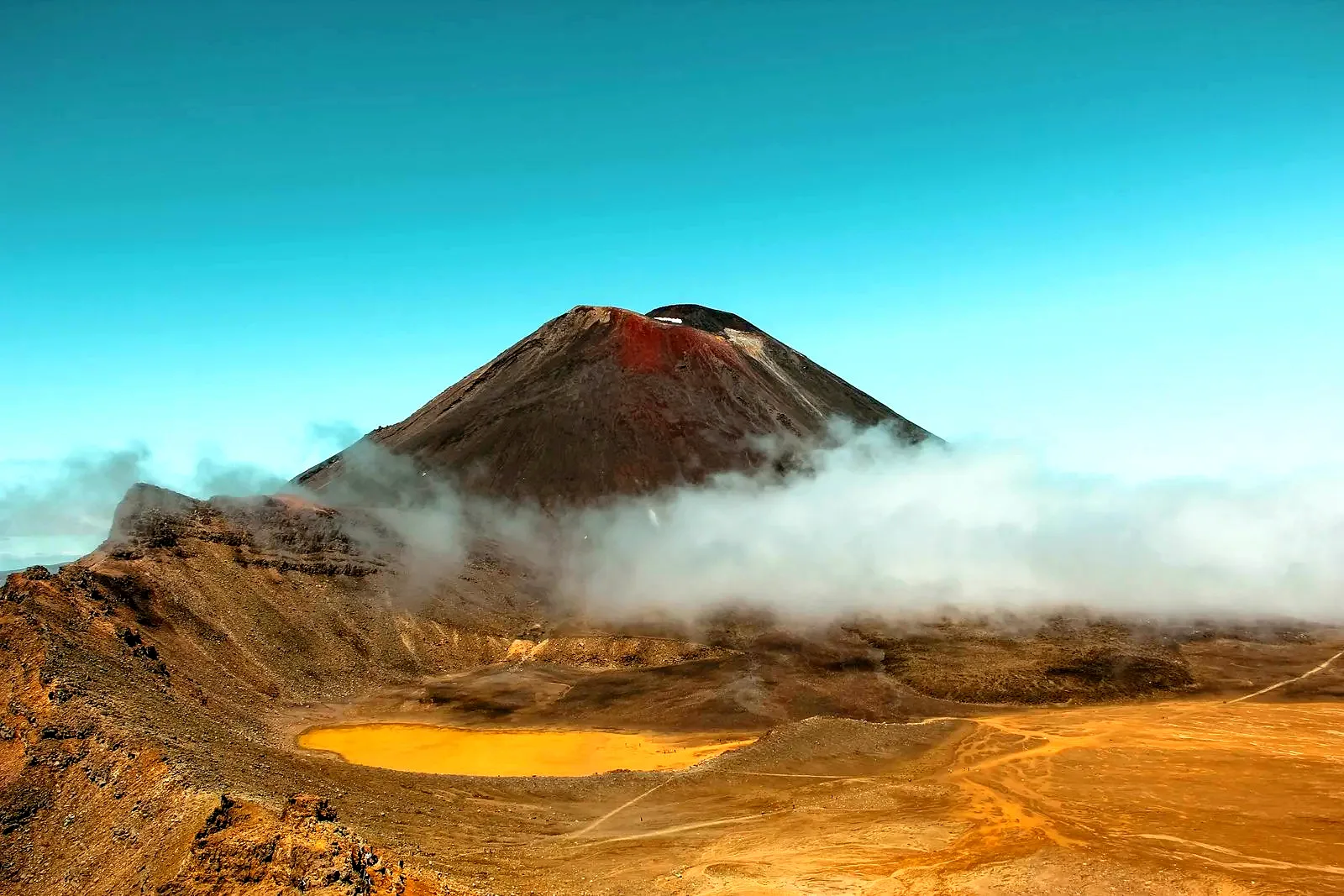
Tongariro is New Zealand's oldest national park and a dual World Heritage area. The famous Alpine Crossing climbs past volcanic craters and glowing green Emerald Lakes.
3
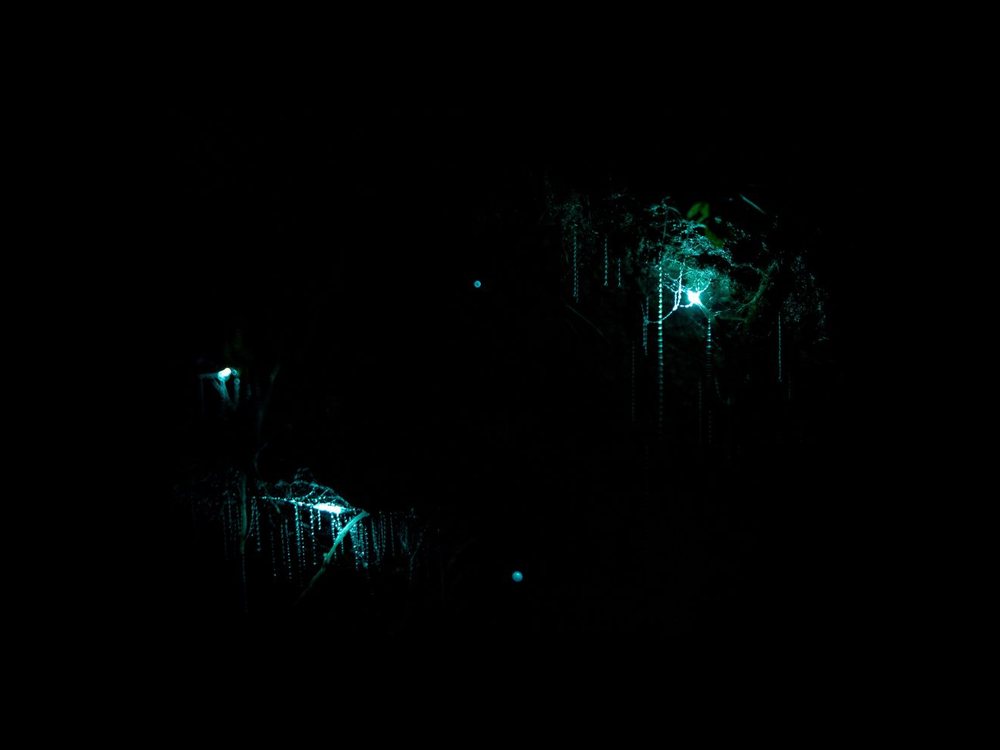
Stars of the underground
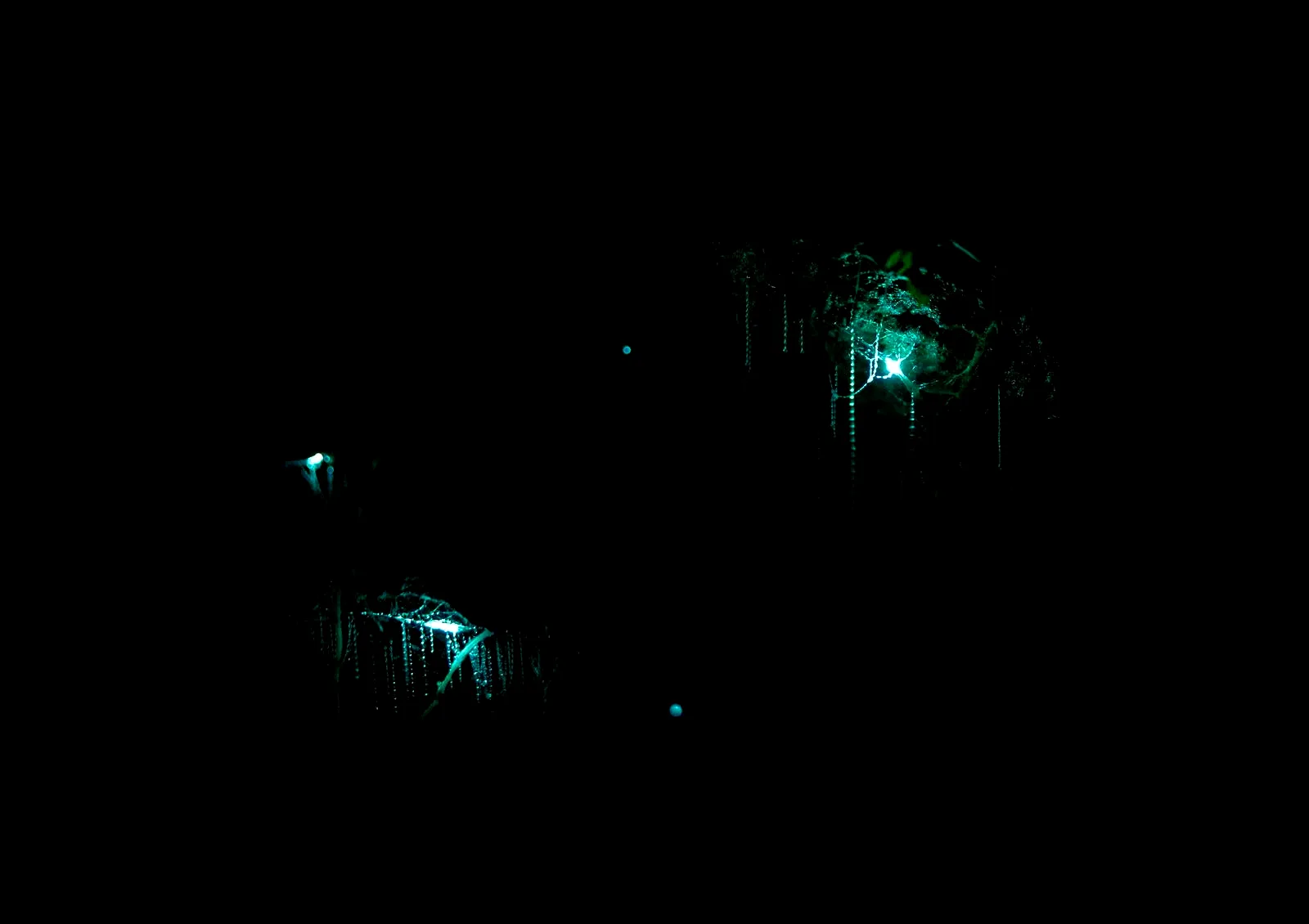
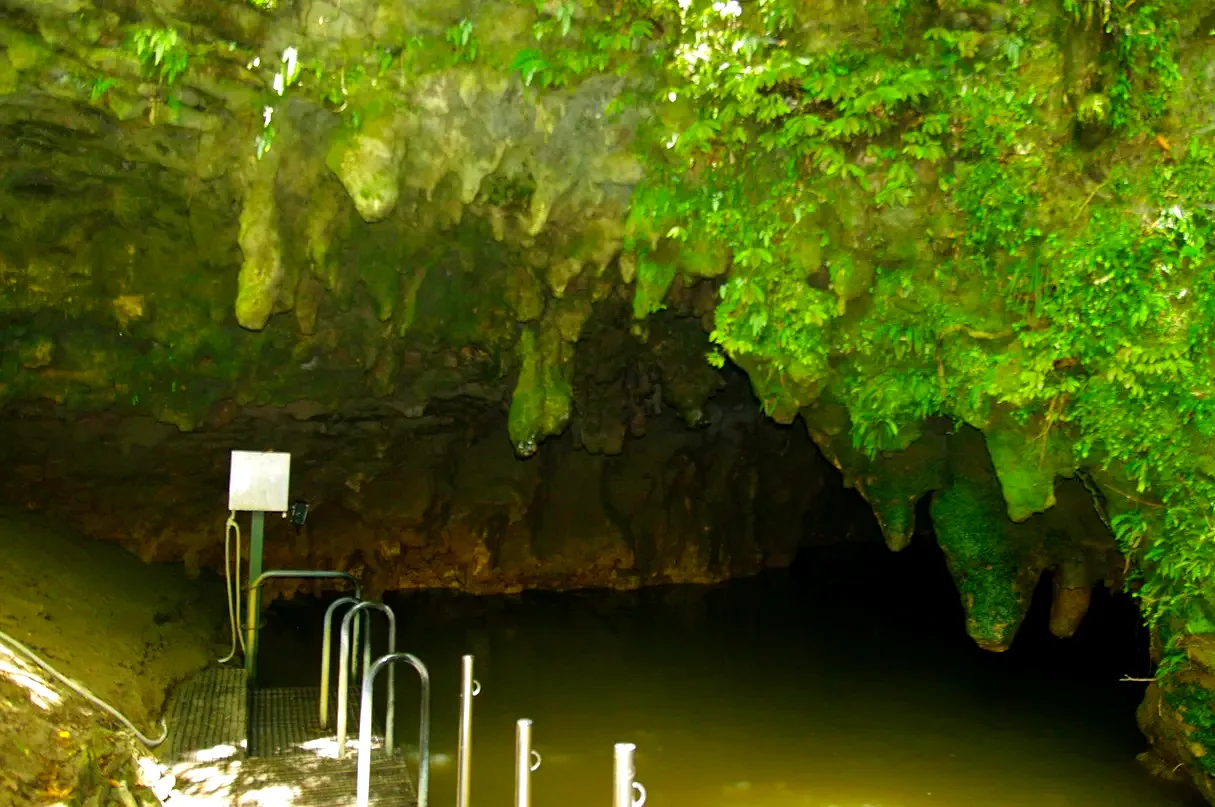
In Waitomo's caves, thousands of glowworms light the ceiling like a night sky. You can float on a quiet underground river, or squeeze into a black water rafting adventure.
4
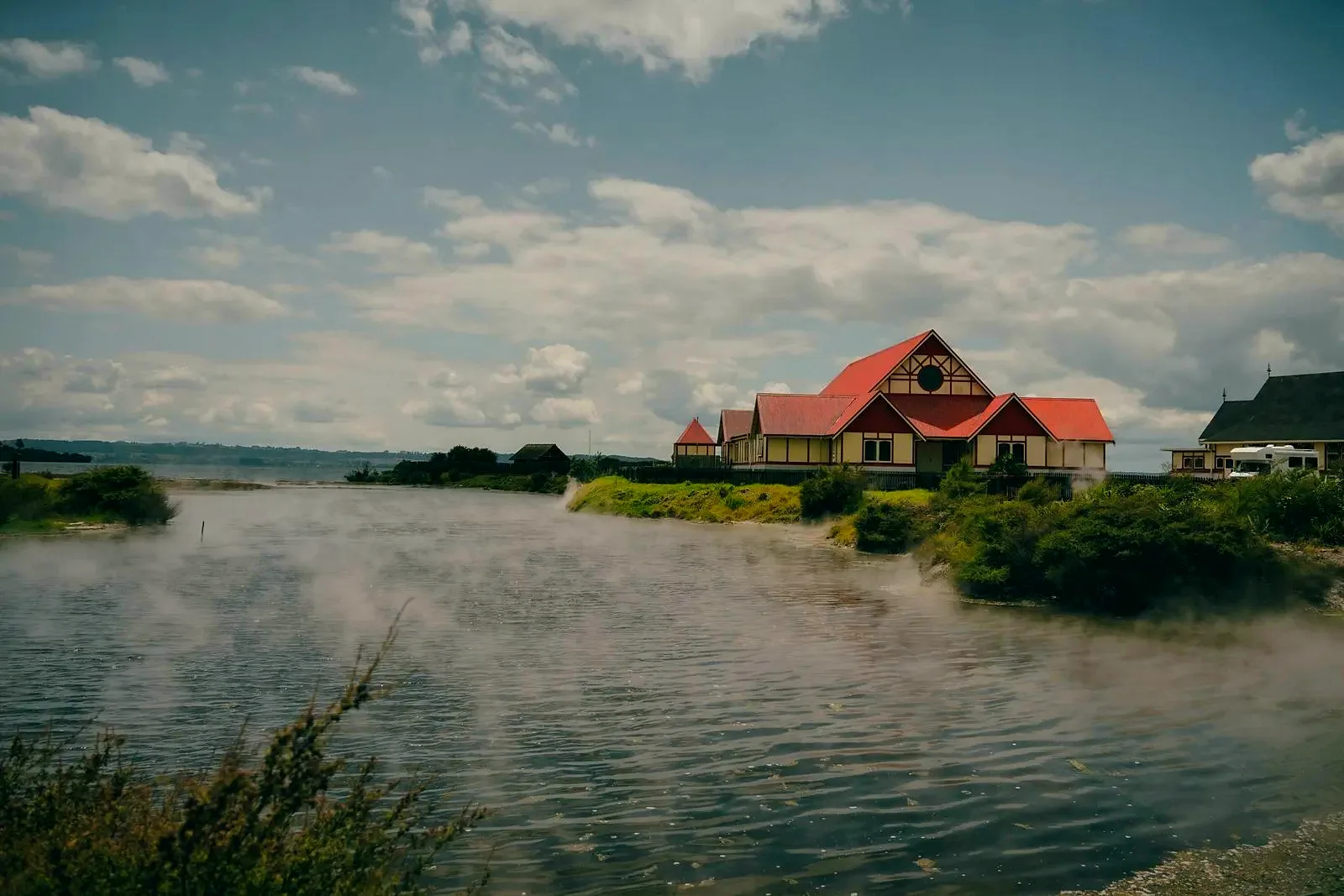
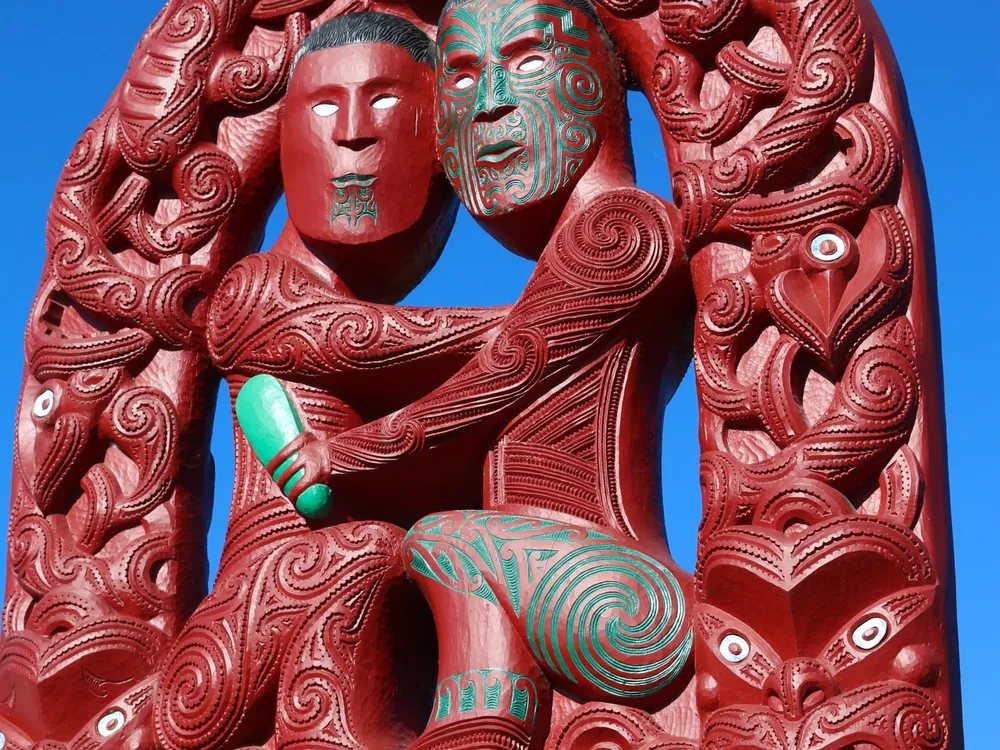
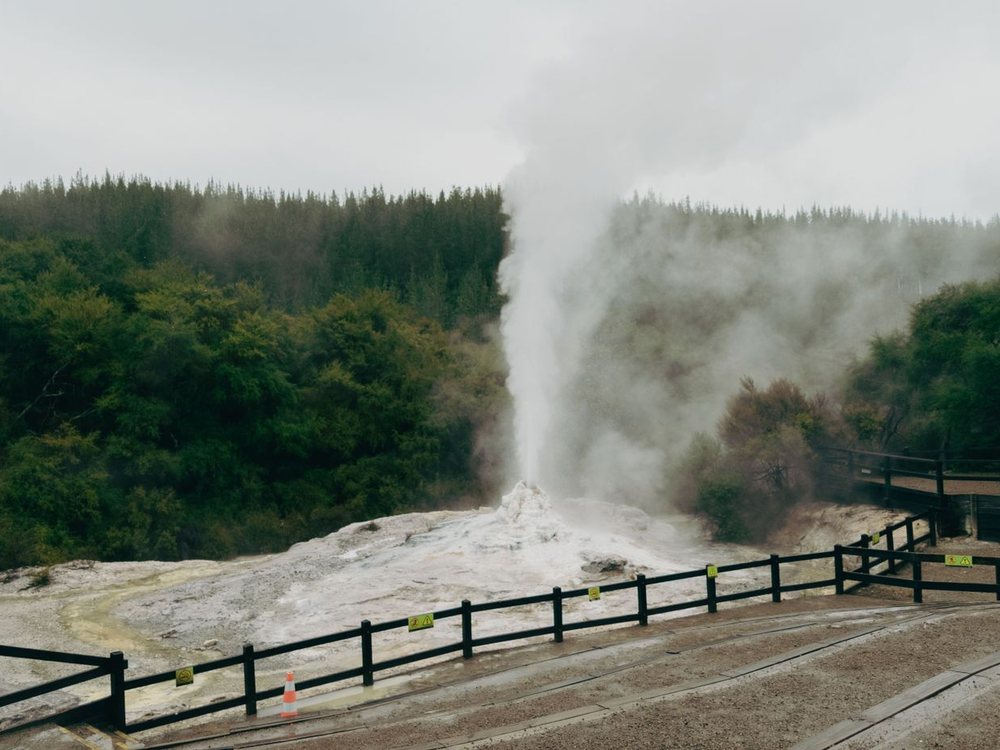
Steam, geysers and Maori culture
Rotorua's hot springs and geysers have drawn visitors for over a hundred years. It is also a place to learn about Maori culture and taste a hangi cooked with natural earth heat.
5
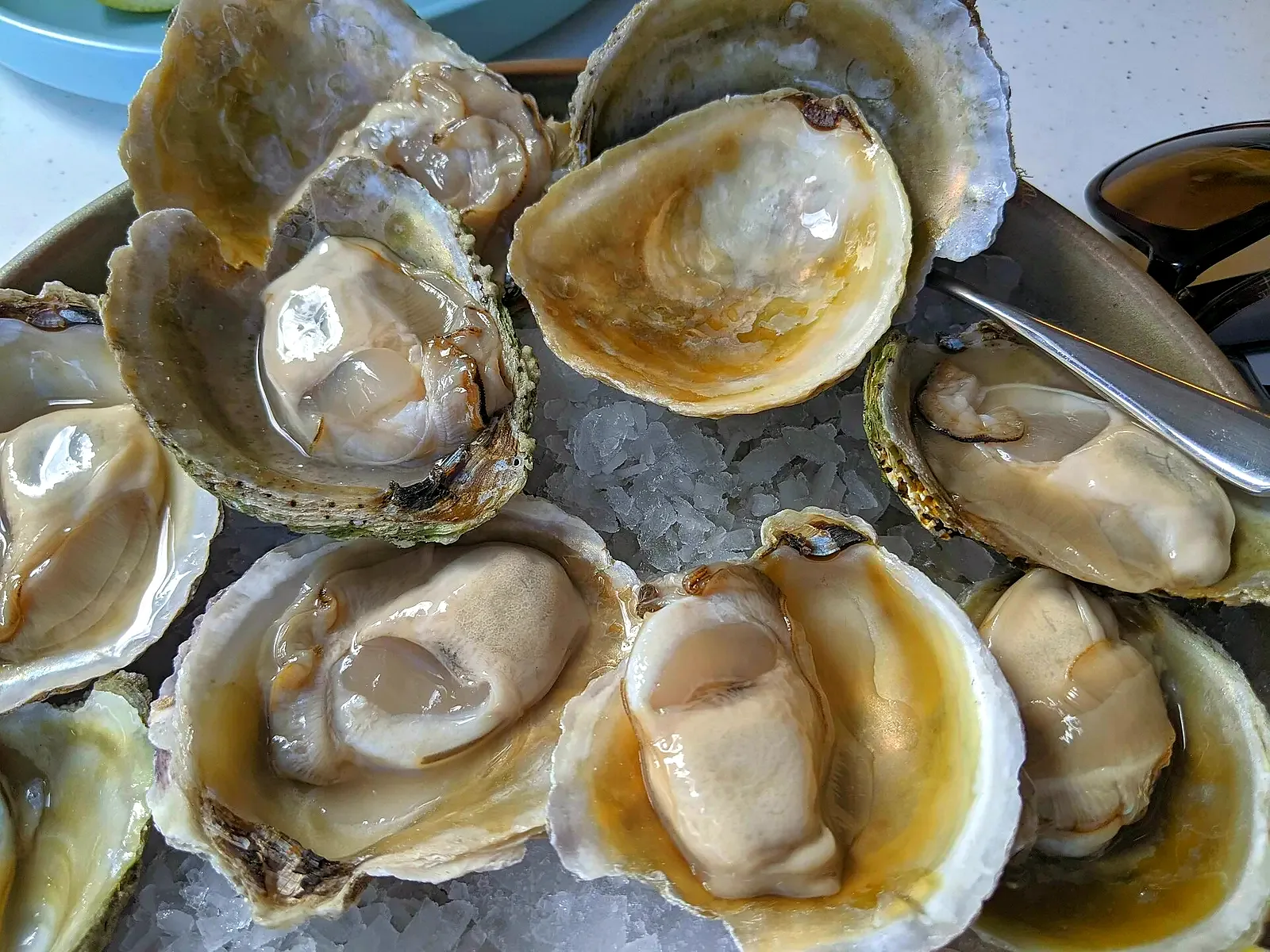
Seafood fresh from the sea
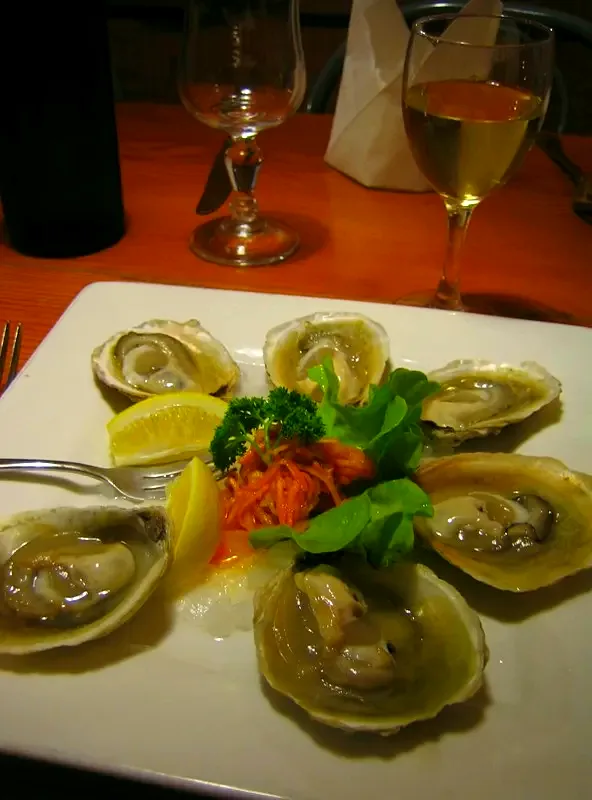
No spot in New Zealand is more than 130 km from the coast, so seafood is fresh and plentiful. Try Bluff oysters in season from March to August.
Worth booking ahead
The good ones sell out while you are still deciding. Book these before you fly, and keep your days for wandering.
Five short notes from me: the 3 things I sort out ahead of every flight, the tiny details nobody tells you, and your vote on where I go next 🌍
A bit of history
Aotearoa, the long white cloud
Aotearoa is the Maori name for New Zealand and is often translated as land of the long white cloud.
Mount Tarawera erupts in 1886
The eruption of Mt. Tarawera near Rotorua in 1886 killed 153 people.
A road to Milford Sound in 1954
Overland access to Milford Sound was very limited until the Homer Tunnel opened in 1954.
First to give women the vote
On 19 September 1893, after a campaign led by Kate Sheppard, New Zealand became the first country where all women could vote in parliamentary elections. They voted for the first time that November.
Where to stay
The areas worth basing yourself in, each with its own stay search, and every hotel on one map.
Tip: finish booking on the website, not in the hotel's app, so it counts as booked through me.
New Zealand works best with a few bases. These are the places this planner suggests, with how to reach each one and one honest heads up. Everything here is researched for you from official and tourism board sources.
Gateway city
Auckland
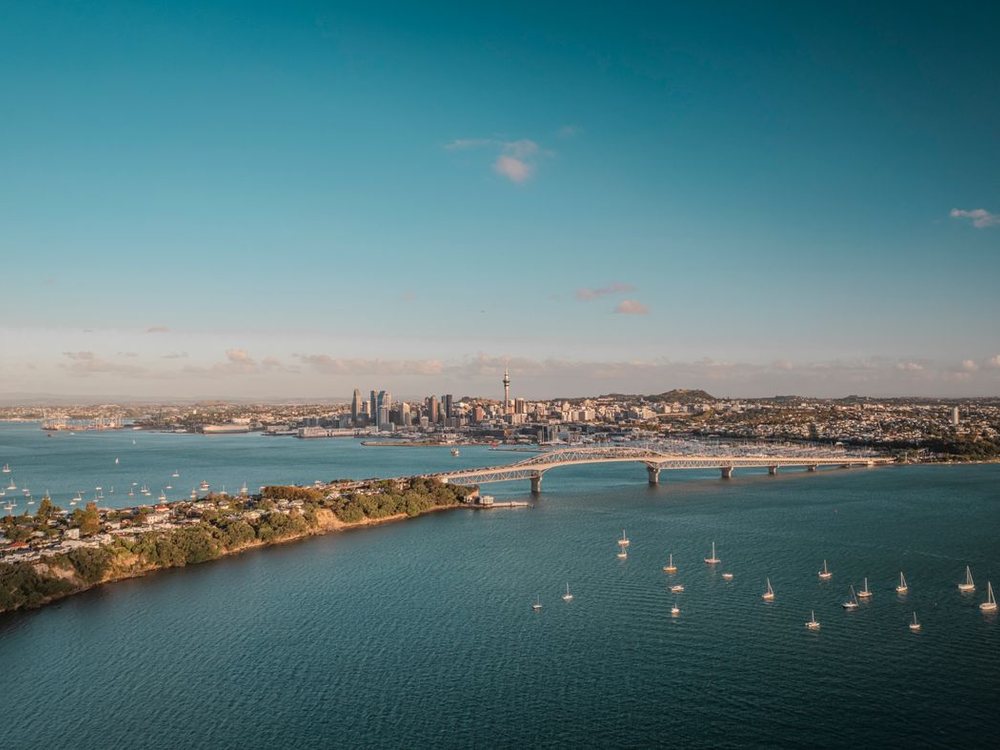
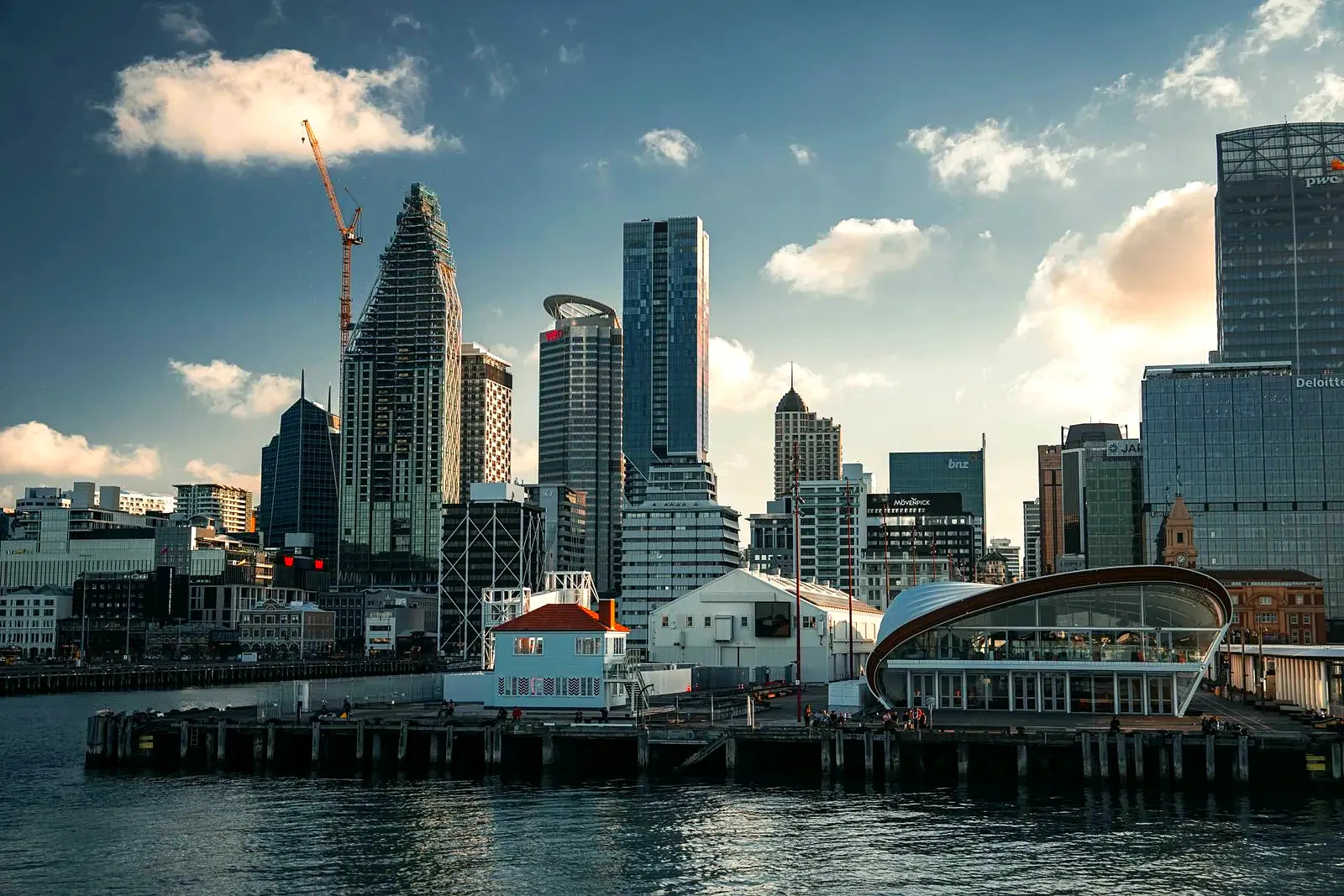
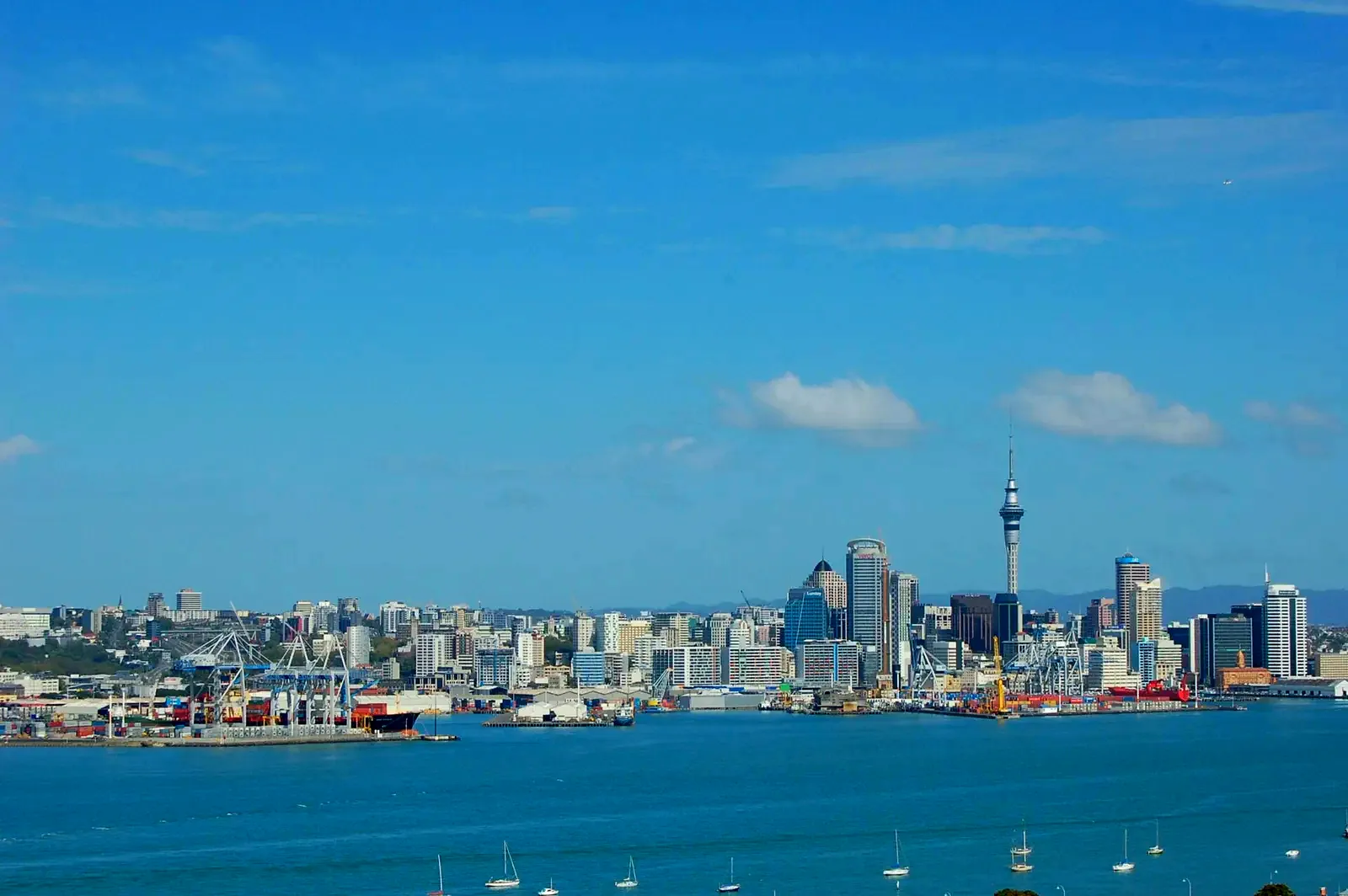
Auckland is where most international flights land. The 328 m Sky Tower dominates the skyline, and ferries run from the city center to the Hauraki Gulf islands, including Waiheke with its wineries and beaches.
Near: The Sky Tower, the waterfront, harbor ferries and Waiheke Island.
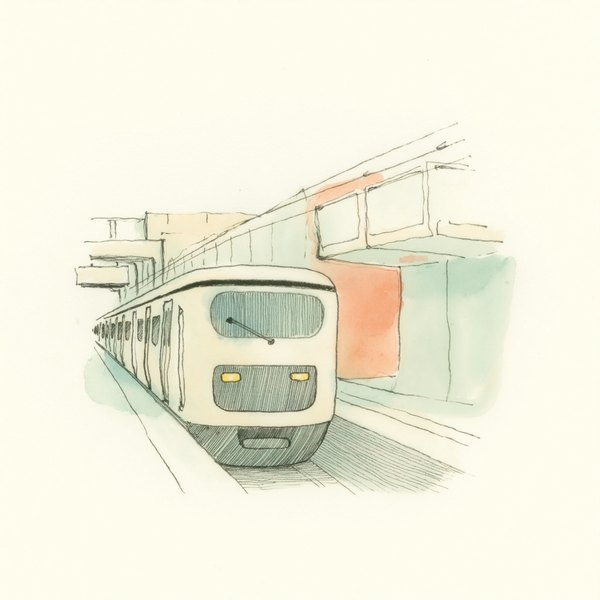
Getting around: AT HOP or a contactless card works on buses, trains and ferries, and Uber and Bolt run in most of the city.
Heads up: Cash is not accepted on buses and trains, so carry a card.
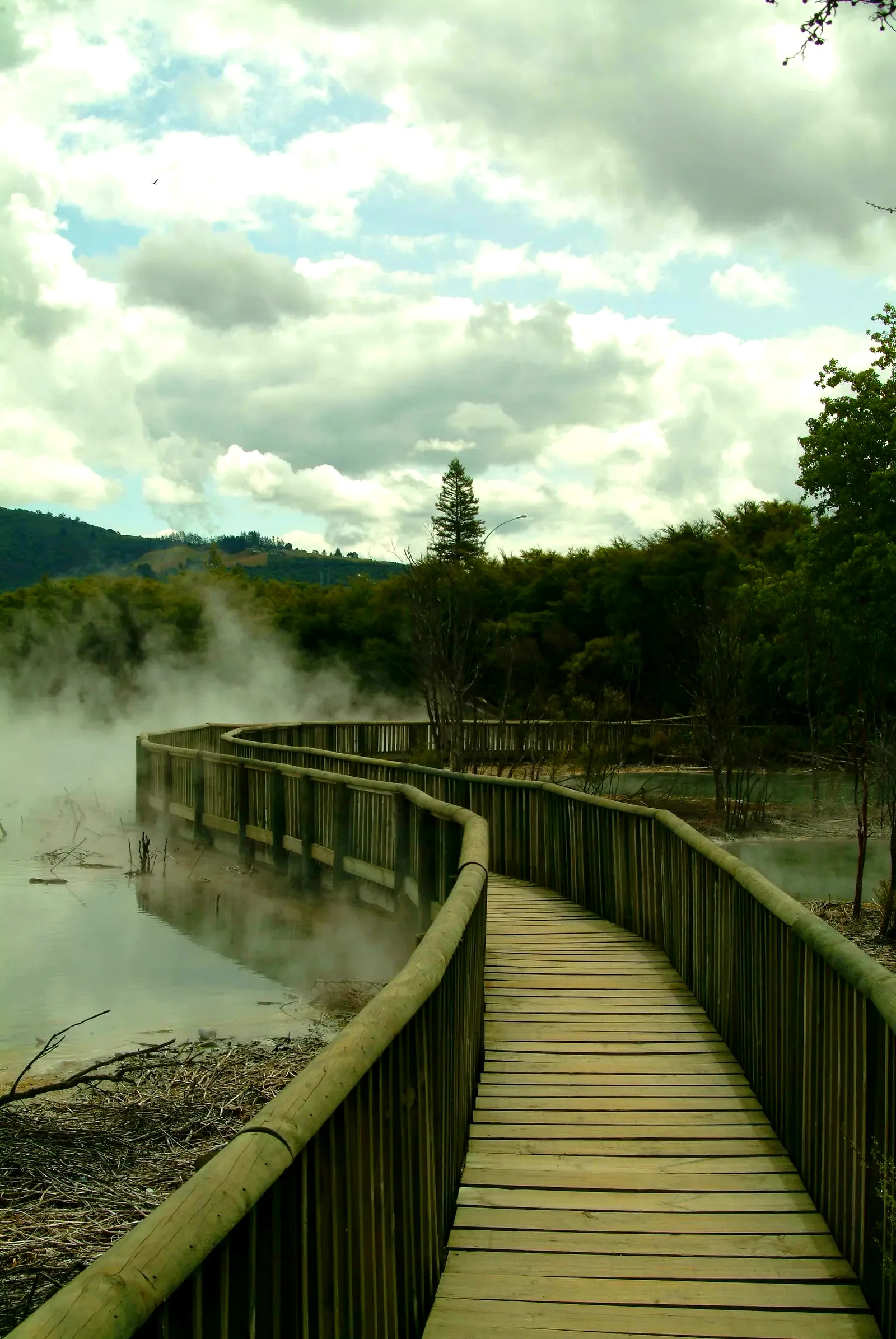
Rotorua means two lakes in Maori. Its hot springs and geysers have drawn visitors for over a hundred years, and Maori culture is stronger here than in many other places. Te Puia and Whakarewarewa have bubbling mud and geysers.
Near: Te Puia and Whakarewarewa, Sulphur Bay walkway, the lakes and Okere Falls.
Getting around: Reached by road from Auckland and other North Island cities.
Heads up: Stay on the paths near sulphur vents and hot springs, since the warning signs are serious.
The glowworm studded Waitomo caves are a world renowned New Zealand destination. You can float on an underground river, walk the limestone formations of Ruakuri Cave or visit the delicate Aranui Cave.
Near: Waitomo Glowworm Caves, Ruakuri Cave, Aranui Cave and black water rafting.
Getting around: Drive from Auckland or Rotorua, or join a day tour.
Heads up: Book the cave tours ahead, since prices start around NZD 122 for Ruakuri Cave and NZD 199 for black water rafting, so check before you go.
Tongariro is New Zealand's oldest national park and a dual World Heritage area, recognized for Maori cultural and spiritual associations and for its volcanic features. The Tongariro Alpine Crossing leads past the Emerald Lakes.
Near: Whakapapa Village, the visitor center and the Alpine Crossing track.
Getting around: It is a 4 to 5 hour drive from both Auckland and Wellington, and daily national buses serve the area.
Heads up: There are avalanche and volcano risks, and bookings are recommended for the Alpine Crossing.
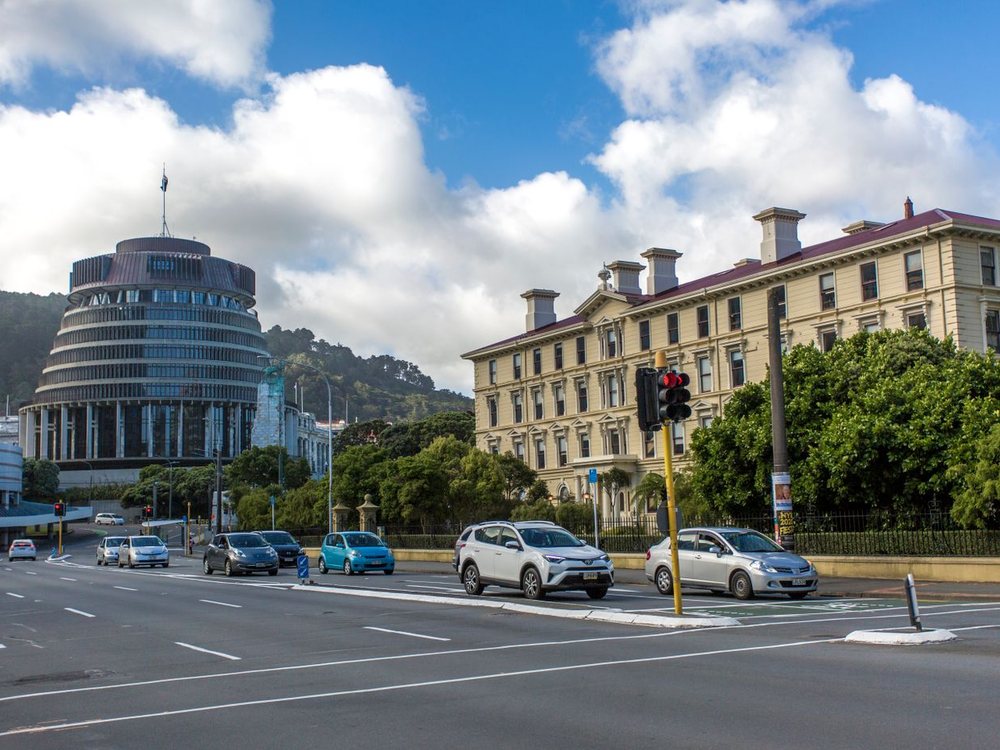
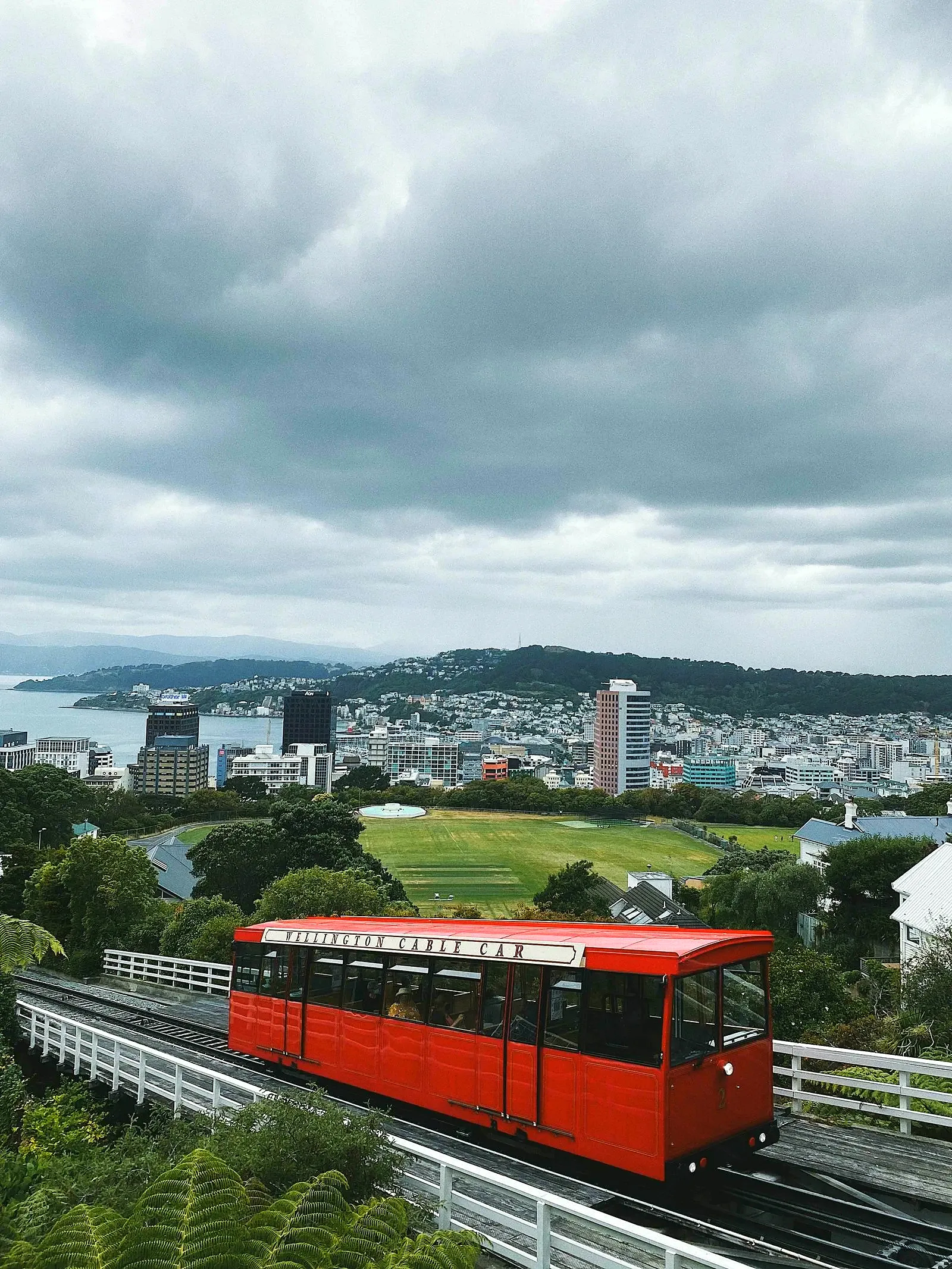
Wellington is the capital, with a lively waterfront, the Museum of New Zealand Te Papa Tongarewa and the Kelburn cable car. It is also the North Island end of the Interislander ferry.
Near: Te Papa, the waterfront, Oriental Bay and the cable car from Lambton Quay.
Getting around: The airport bus, Metlink route 2, runs to the center for about NZD 4. The Interislander to Picton takes 3.5 hours.
Heads up: Cook Strait can be windy, so ferry sailings sometimes change with the weather.
Milford Sound, or Piopiotahi, is a glacier carved fiord with mountains, sheer cliffs, waterfalls and marine life. It is one of New Zealand's best known scenic attractions, and the road access through the Homer Tunnel opened in 1954.
Near: Mitre Peak, boat cruises, kayaking and the end of the Milford Track.
Getting around: By road or bus tour, by scenic flight, or on foot at the end of the Milford Track.
Heads up: The road can be icy in winter, so people unused to snow and ice may prefer a bus tour.
Kia ora means hello, welcome and thank you, and it is used all over New Zealand.
Koha and respect for tapu places
Koha is a gift or donation, and some signs say entry koha, meaning a coin or what you wish. Tapu places are sacred, and a rahui is a temporary ban, so follow any posted restriction.
No tipping
Tipping is not part of New Zealand culture, and many see it as an Americanism. Give a smile and a thank you instead.
Where and what to eat
Come hungry.
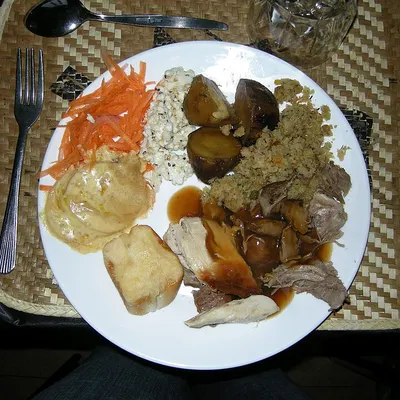
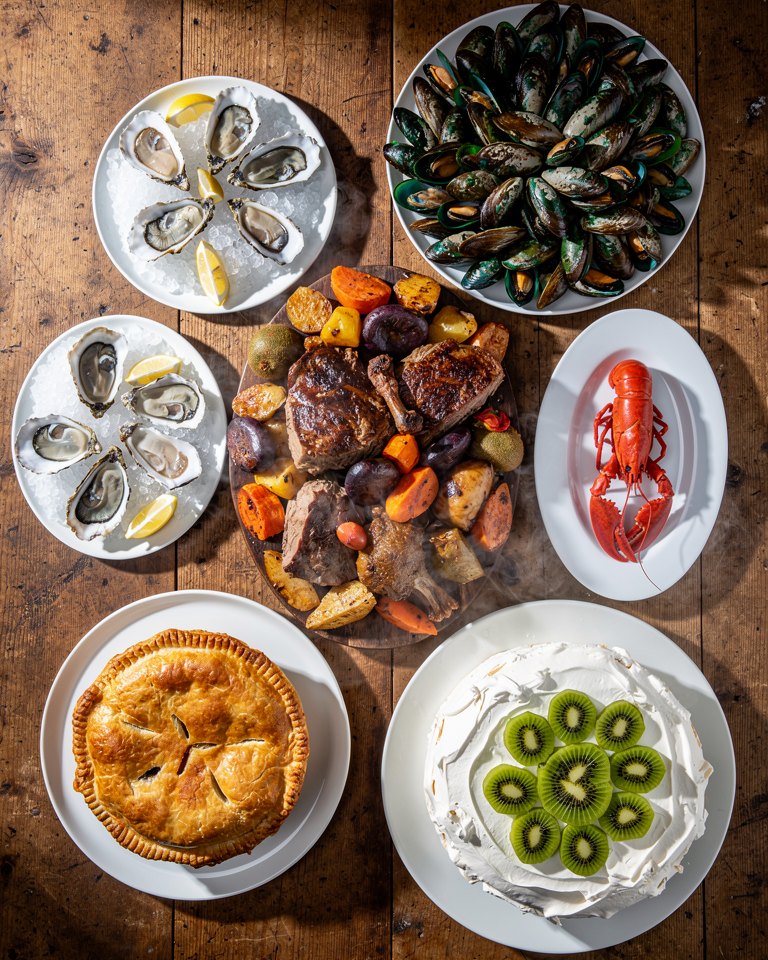
HangiA Maori feast of meat, seafood and vegetables steam cooked in an earth oven. In Rotorua, natural geothermal heat can do the cooking.
Bluff oystersDredge oysters with the richest beds in Foveaux Strait, harvested from March to August.
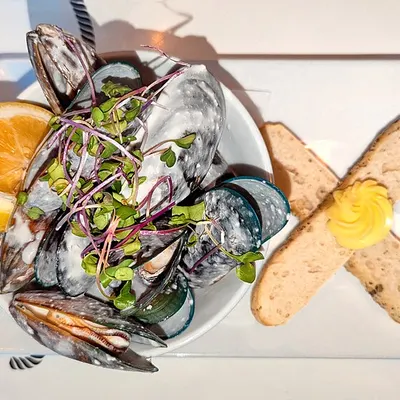
Fresh seafood, kaimoanaNo place in the country is more than 130 km from the sea, so fish and shellfish are fresh and varied.
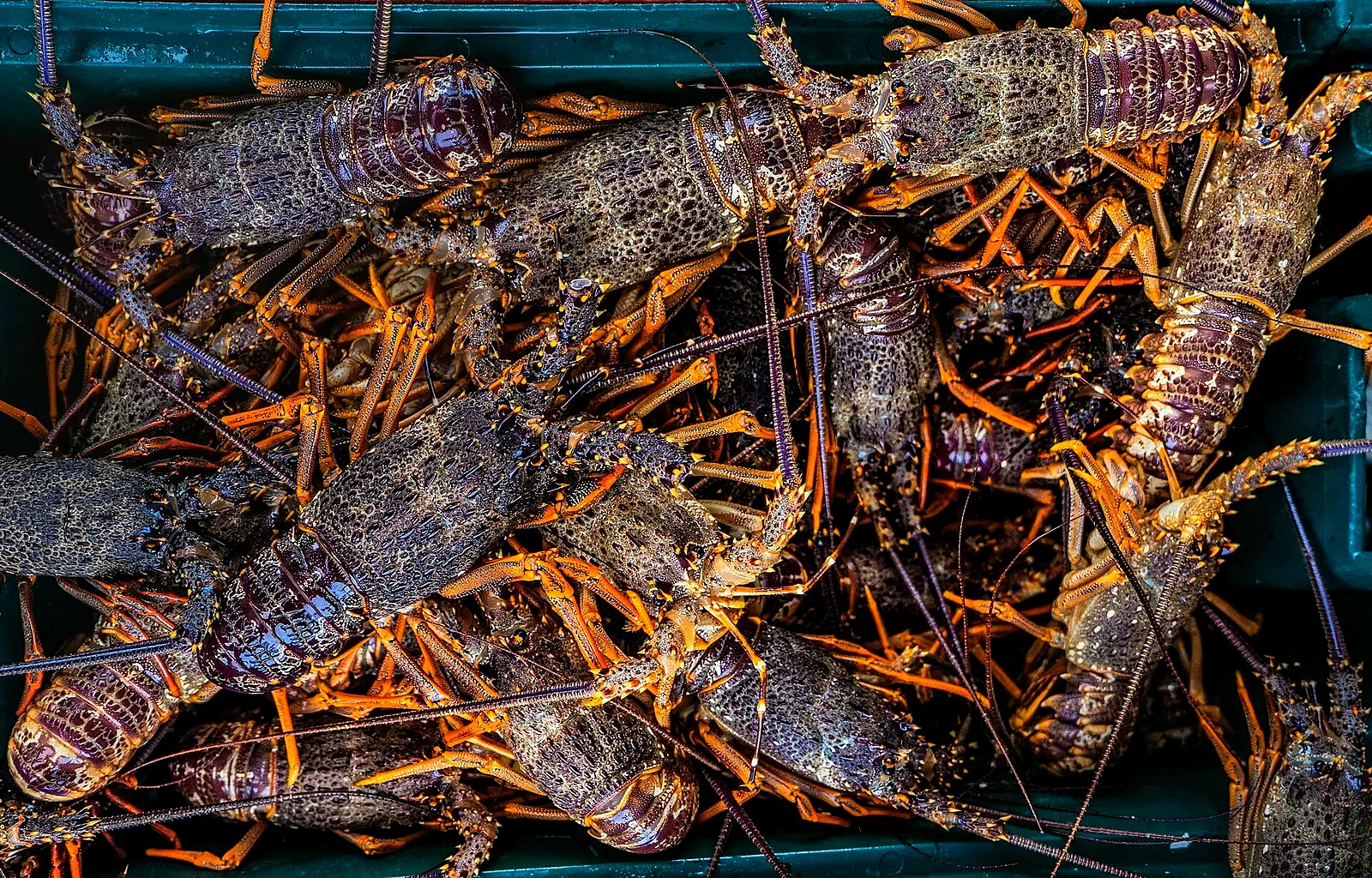
CrayfishSpiny rock lobster, caught all around the country and especially associated with the town of Kaikoura, whose name means eat crayfish.
Pavlova with kiwifruitA meringue dessert often topped with strawberry, kiwifruit and passionfruit. In New Zealand the fruit is always called kiwifruit, because kiwi is the bird.
Savory piesMeat pies, such as mince, steak and cheese, or bacon and egg, are the classic New Zealand snack.
Say it like a local
20 everyday phrases in Maori, with how to say them. Tap a speaker to hear one.
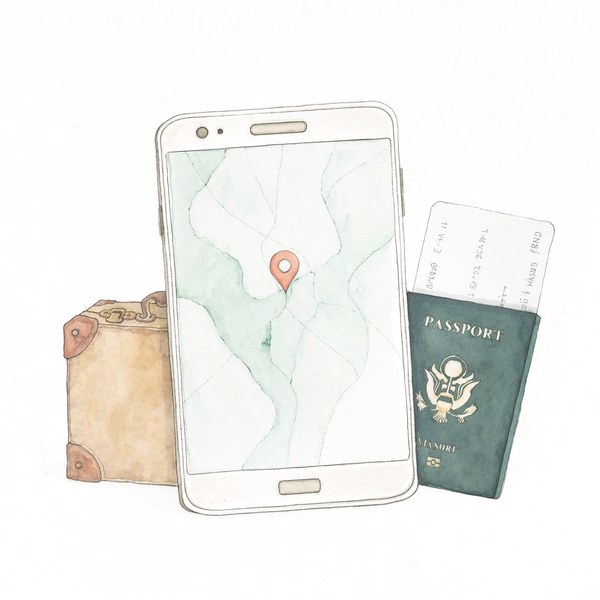
US passport You need an NZeTA before you fly, from NZD 17 plus the visitor levy (the app is cheapest), and it covers visits of up to 3 months for 2 years. Check the official page before you book. Official page. Checked 13 Nov 2026.
US citizens traveling to or transiting New Zealand under the visa waiver need a New Zealand Electronic Travel Authority (NZeTA). It can take up to 72 hours, so apply well ahead, and it stays valid for multiple visits for up to two years. An International Visitor Conservation and Tourism Levy is paid when you apply. Check the official immigration page before booking. Not a US passport? Check your country's rules: Immigration New Zealand.
Biosecurity at the border
New Zealand is very strict about pests and diseases. Declare honey, fresh fruit, seeds, plants and anything else that could be a risk, or put it in the amnesty bins at the airport. An undeclared item brings an on the spot fine of NZD 400.
Driving on the left
Traffic keeps left, and driving on the wrong side is a leading cause of serious injury for US tourists. Most roads between cities are narrow two lane roads with sharp curves, and there are only about 100 miles of multi-lane motorways. You cannot turn left on a red light, and you cannot use a phone while driving.
Ferry between the islands
The Interislander sails between Wellington and Picton every day and takes 3.5 hours. Daytime sailings fill up fast on holiday weekends, so book early if you travel then.
Money, tipping and water
The currency is the New Zealand dollar. Tipping is not part of the culture, and a thank you is enough. Tap water is safe to drink in cities, and power outlets are type I at 230 volts.
Safety and weather
The US State Department advises normal precautions. Weather turns quickly in the mountains, so check MetService before hikes. Avoid Whakaari/White Island, where an eruption in December 2019 killed visitors, and dial 111 for emergencies.
When to go
Seasons: Seasons are the opposite of the north: summer runs December to February and winter June to August. The country has about 10 climate regions, and the west of the South Island gets much more rain than the east.
Fiordland and rain: Milford Sound gets around 6,400 mm of rain a year. Rain gear is a must, and the waterfalls are at their fullest on a rainy day.
Mountain hikes: Tongariro National Park has avalanche and volcano hazards, so check the weather and conditions first. Bookings are recommended for the Tongariro Alpine Crossing, and the Milford Track allows only 40 independent walkers to start each day, so reserve it far ahead.
Oyster season: Bluff oysters are harvested from March to August, with the richest beds in Foveaux Strait.
Plugs and power
Plug I
Power is 230 V, 50 Hz. Bring an adapter if your plugs are from the US or the UK or the EU. US gear that only runs on 110 to 120 V, like some hair tools, needs a converter here. Check your chargers and devices say 100 to 240 V before you plug in.
Getting around Auckland
AT HOP covers buses, trains and ferries, and a contactless card or phone wallet pays the same fare. Cash is not accepted on buses and trains. Fares started at NZD 2.80 for one zone, with a weekly cap of NZD 50. Uber and Bolt ride sharing run in most of Auckland, and taxis at the airport accept credit cards. Check the apps in other cities before you go.
Airport shuttles and taxis run to central Auckland, and the shuttle was listed at NZD 35, so check before you go. On public transport, a bus from the international terminal links to a train at Puhinui, and the trip takes 60 to 90 minutes with waiting.
AKL Auckland Airport: 60 to 90 by public transport minutes.
Book a pickup or rent a car
Book a pickup
Book a driver who meets you at arrivals at Auckland Airport, at a fixed price agreed before you land.
This is a place where a car makes the trip. Compare rental companies.
The search box loads here.
Good to know
The local rules and habits worth knowing before you land.
Tipping is not part of the culture and can even be frowned upon, so a thank you does the job.
Declare biosecurity risk goods at the border, or face an on the spot fine of NZD 400.
Customs may ask to look at your phone or laptop, and not cooperating can bring a fine up to NZD 5,000.
Respect any tapu (sacred) or rahui (temporary ban) sign at a place.
Stay at least two meters (about 6 feet) back from a crosswalk in use if you drive.
Undeclared biosecurity risk items bring an on the spot fine of NZD 400, and you cannot use a phone while driving. Driving under the influence can land you in jail, and the blood alcohol limit is lower than in most US states.
The questions people ask most, answered from this page.
Do US citizens need a visa for New Zealand?
US citizens traveling to or transiting New Zealand under the visa waiver need a New Zealand Electronic Travel Authority (NZeTA). It can take up to 72 hours, so apply well ahead, and it stays valid for multiple visits for up to two years. An International Visitor Conservation and Tourism Levy is paid when you apply. Check the official immigration page before booking.
How do I get from the airport to the city in New Zealand?
Airport shuttles and taxis run to central Auckland, and the shuttle was listed at NZD 35, so check before you go. On public transport, a bus from the international terminal links to a train at Puhinui, and the trip takes 60 to 90 minutes with waiting.
How do I get around New Zealand?
AT HOP covers buses, trains and ferries, and a contactless card or phone wallet pays the same fare. Cash is not accepted on buses and trains. Fares started at NZD 2.80 for one zone, with a weekly cap of NZD 50.
What currency does New Zealand use?
The currency is the New Zealand dollar. Tipping is not part of the culture, and a thank you is enough. Tap water is safe to drink in cities, and power outlets are type I at 230 volts.
Photo credits
Freshly opened Bluff oysters on ice: George Pollard, CC BY-SA 4.0, via Wikimedia Commons. Ferns and limestone at the water exit of a Waitomo cave: Bgabel, CC BY-SA 3.0, via Wikimedia Commons. Hangi: einalem, CC BY-SA 2.0, via Wikimedia Commons. Bluff oysters: mari, CC BY 2.0, via Wikimedia Commons. Crayfish: Roady / Destination Kaikōura, CC BY 4.0, via Wikimedia Commons. Savory pies: Finbar.concaig, CC BY-SA 4.0, via Wikimedia Commons.
Checked 12 Nov 2026: entry links, plugs, airport times, ride apps and the facts on this page. Prices and rules show their own As of date.
Researched for you from official and trusted sources.
Affiliate links: some links on this page (flights, tours, city passes, stays, transfers, rental cars, luggage storage, eSIMs and flight compensation) are affiliate links. If you book through them, I earn a small commission at no extra cost to you.
Photos
Real photos from Pexels and Wikimedia Commons, used under the license shown, by the photographers credited below. The table of dishes in the food section is an illustration made for this page, not a photo of a real meal.
Mitre Peak rising above the still water of Milford Sound. Photo: Marian Predescu, CC0, via Wikimedia Commons.
Auckland skyline with the Sky Tower across the harbor. Photo: Thomas Roessler, CC BY-SA 3.0, via Wikimedia Commons.
Bright green Emerald Lakes among brown volcanic slopes in Tongariro National Park. Photo: Marcus Holland-Moritz, CC BY-SA 2.0, via Wikimedia Commons.
Turquoise Lake Tekapo with purple lupins and snowy mountains behind. Photo: Krzysztof Golik, CC BY-SA 4.0, via Wikimedia Commons.
Sources
Researched for you from official and trusted sources. Rules, prices and times change, so check the official page before you book.
I researched this page for you, so you can plan well. The places I have filmed have their own trip planners.
Filming your own trips? My free guide to AI editing shows how my automated AI editor turns a folder of my clips into a finished reel. Send me the free guide.
 Luisa's Atlas


 Auckland skyline with the Sky Tower across the harbor. Photo: Thomas Roessler, CC BY-SA 3.0, via Wikimedia Commons.
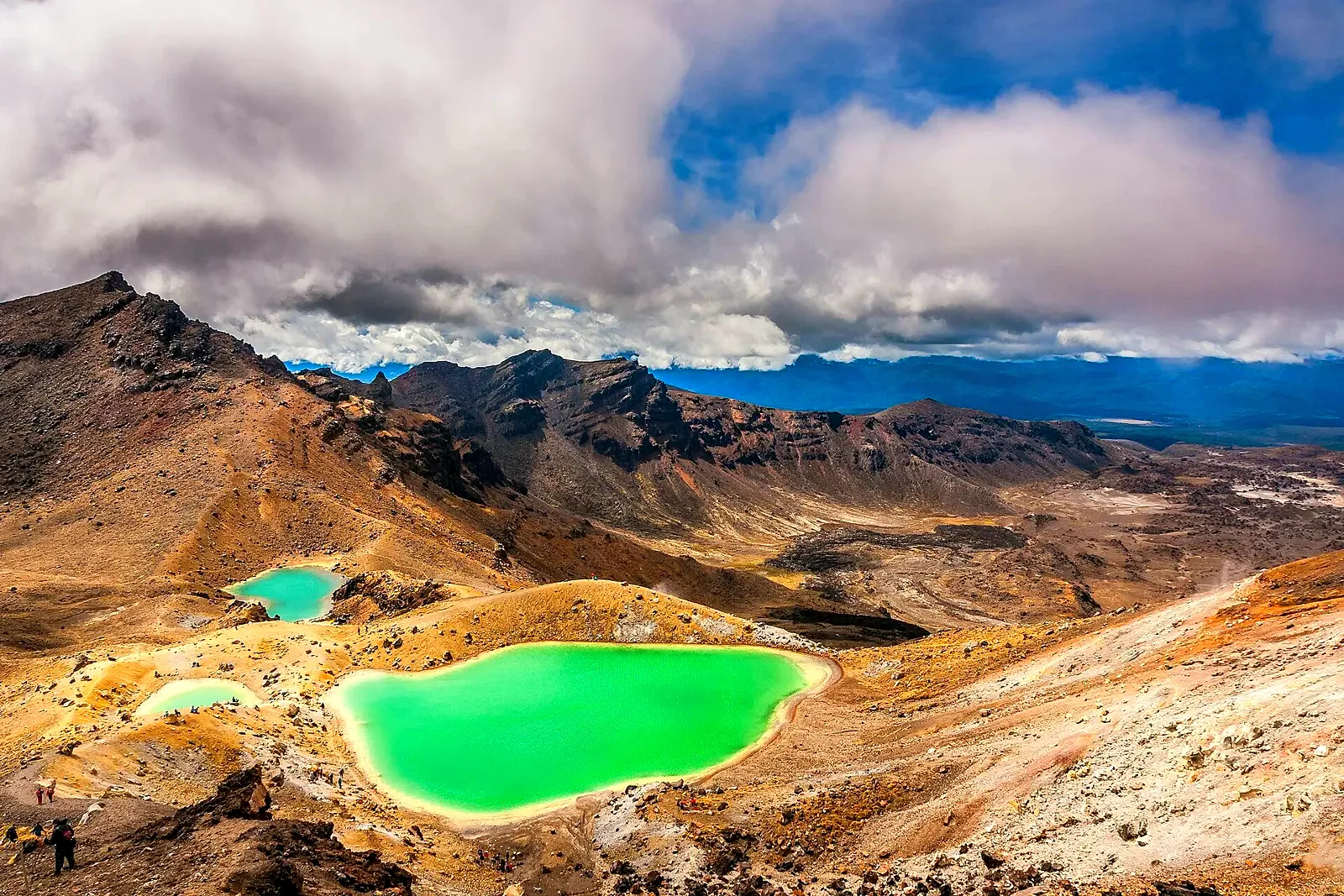 Bright green Emerald Lakes among brown volcanic slopes in Tongariro National Park. Photo: Marcus Holland-Moritz, CC BY-SA 2.0, via Wikimedia Commons.
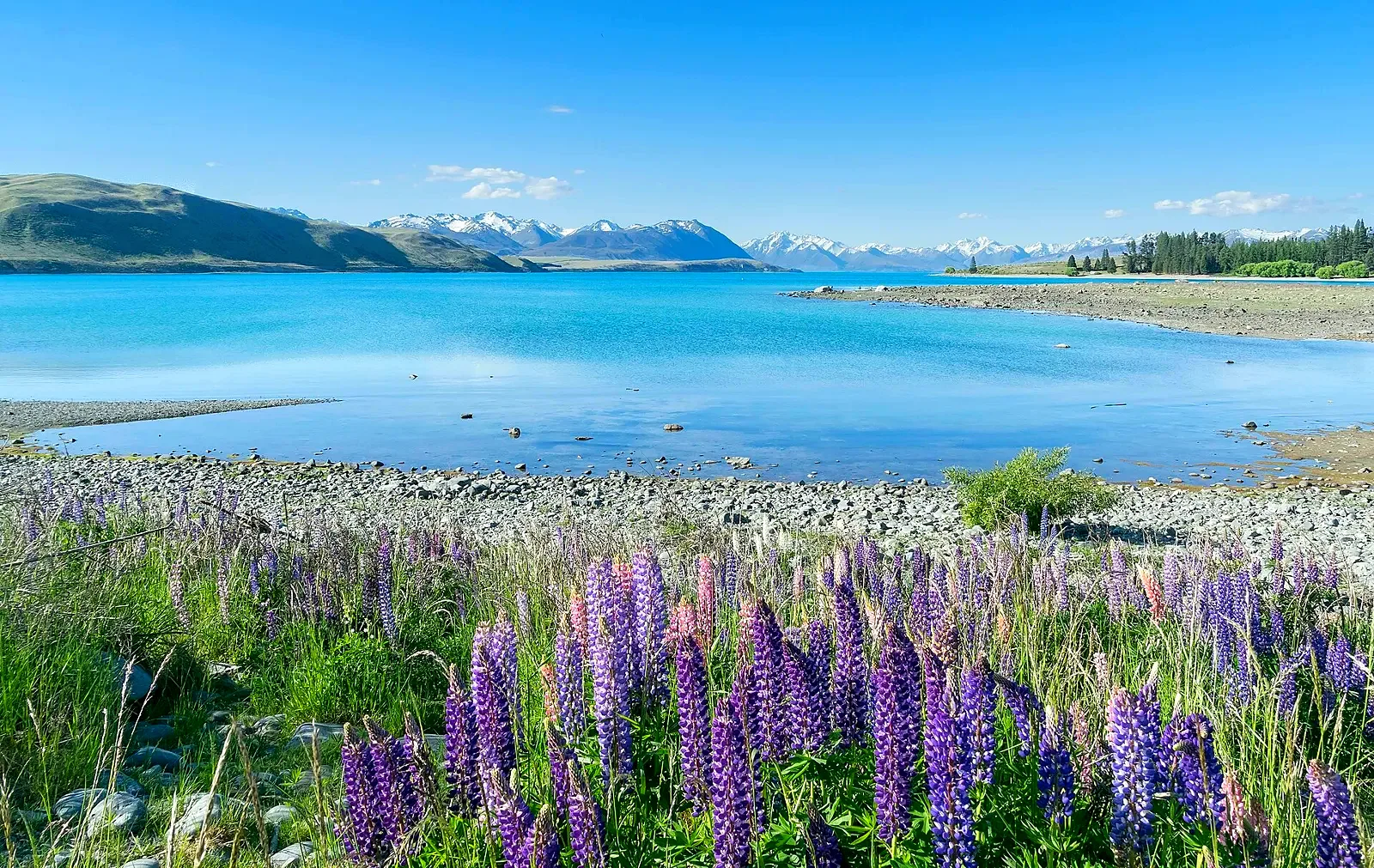 Turquoise Lake Tekapo with purple lupins and snowy mountains behind. Photo: Krzysztof Golik, CC BY-SA 4.0, via Wikimedia Commons.