Four places to start in the Solomon Islands: Honiara and the WWII sites of Guadalcanal, Gizo and Kennedy Island, Marovo Lagoon, and Auki on Malaita. Entry rules, flights and boats between islands, cash, customs and what to eat.
Everything for Solomon Islands on one page: what to know before you leave, the tours worth booking ahead, an eSIM and where to stay and eat, so you land with a plan, not 37 open tabs.
Some links earn me a small commission at no extra cost to you.
My free appLanding with no signal? Take this whole planner offline in my free iPhone app.Download on the App Store
Where in the worldSolomon Islands
Why Solomon Islands is amazing
1
Reefs built from history
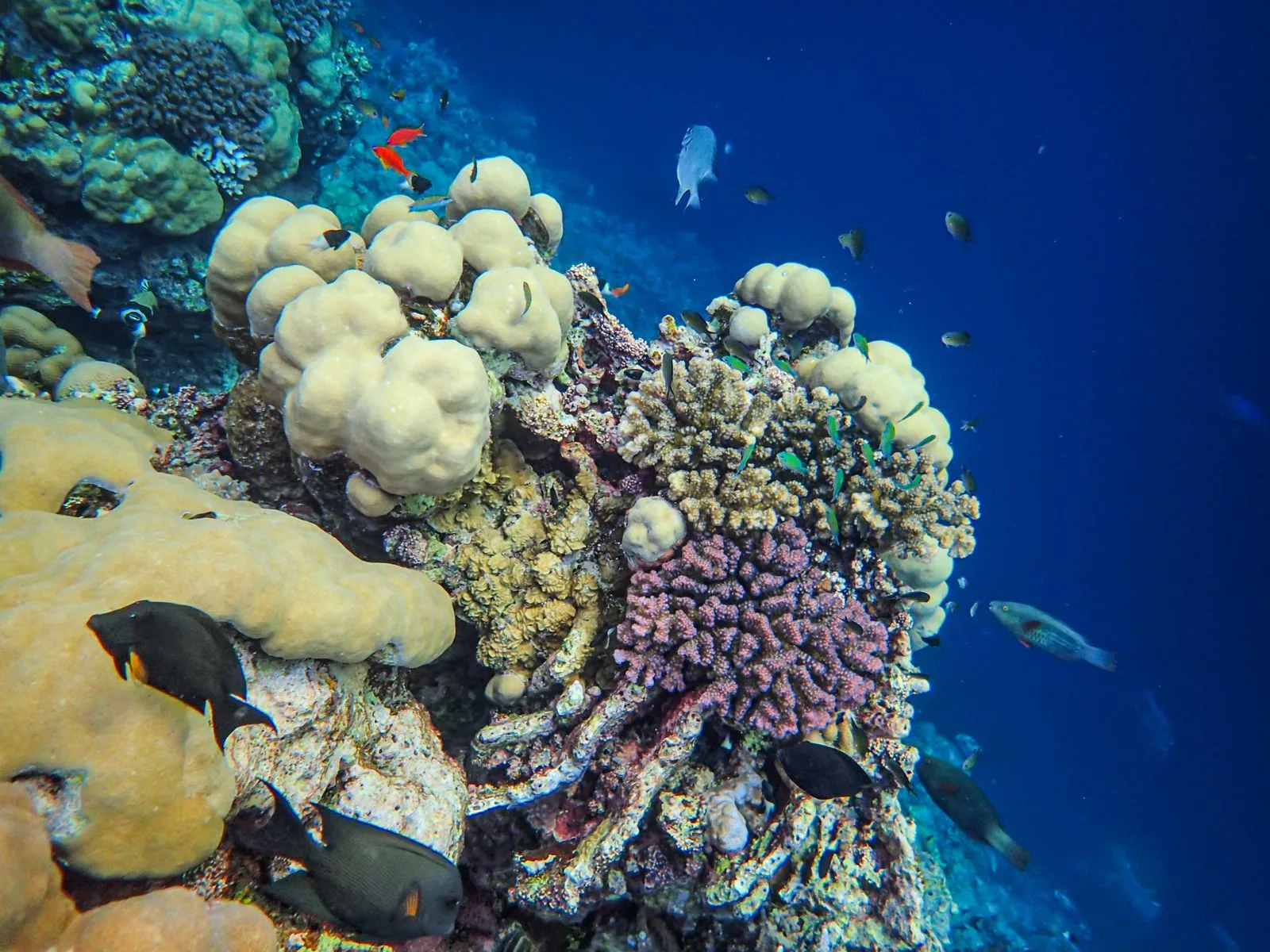
The Western Province is one of the world's top dive areas, where World War II ships and aircraft have become reefs shared with turtles, sharks and dugongs.
2
Lagoons with no crowds
Marovo Lagoon is a vast, quiet lagoon proposed for World Heritage status, with villages where life still runs much as it did a century ago.
3
Guadalcanal's war story
Local guides lead you to Skyline Ridge, the peace memorials and jungle wreckage on Guadalcanal, where some of World War II's fiercest fighting took place.
4
Islands built by hand
Around Auki on Malaita, people live on man made islands, and shell money is still part of traditional life.
5
Sixty three languages
About 63 languages are spoken across the islands, and Pijin ties them together; a simple halo and tanggio go a long way.
Worth booking ahead
The good ones sell out while you are still deciding. Book these before you fly, and keep your days for wandering.
Honiara and Guadalcanal
Guadalcanal WWII battlefield tour
Skyline Ridge, the peace memorials and jungle wreckage with a local guide.
Five short notes from me: the 3 things I sort out ahead of every flight, the tiny details nobody tells you, and your vote on where I go next 🌍
A bit of history
Henderson Field
Honiara's international airport was once Henderson Field, and the islands saw fierce fighting in World War II.
Iron Bottom Sound
The waters off Guadalcanal, known as Iron Bottom Sound, hold dozens of World War II wrecks.
The old capital
Tulagi, in Central Province, was the colonial capital of the Solomon Islands.
A World Heritage lake
Rennell is a World Heritage site, and its Lake Tegano is the largest inland lake in the South Pacific.
Where to stay
The areas worth basing yourself in, each with its own stay search, and every hotel on one map.
Tip: finish booking on the website, not in the hotel's app, so it counts as booked through me.
Solomon Islands works best with a few bases. These are the places this planner suggests, with how to reach each one and one honest heads up. Everything here is researched for you from official and tourism board sources.
Capital and WWII sites
Honiara and Guadalcanal
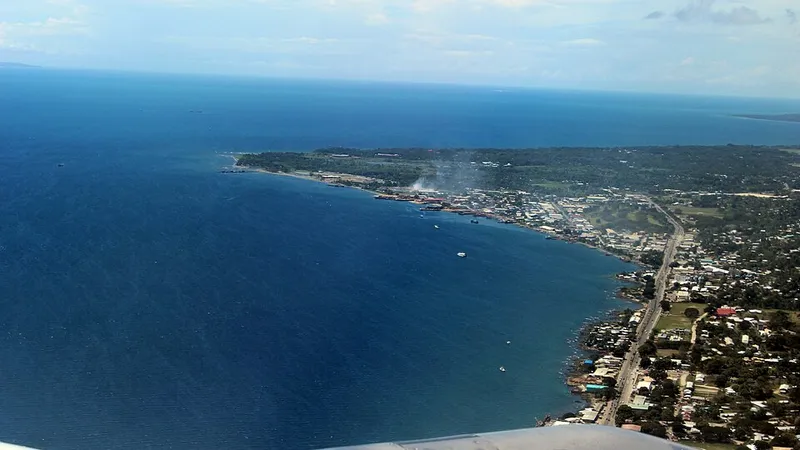
Honiara is the capital and the gateway to Guadalcanal, scene of fierce fighting in World War II. Local guides lead tours to a WWII museum, the American memorial at Skyline Ridge and the Japanese Solomons Peace memorial, and Iron Bottom Sound holds dozens of wrecks.
Near: Skyline Ridge, the National Art Gallery, Matanikau cascade and Tenaru Falls, which need a local guide.
Getting around: Taxis are widely available and generally safe; agree the fare first. Rental cars are available for touring Guadalcanal.
Heads up: Honiara has the most crime in the country, and Hell's Point and the ridges behind the city are high risk for old ordnance.
Gizo is the capital of the Western Province, the heart of some of the world's top diving, with dugongs, turtles, sharks and World War II ships and aircraft turned into reefs. Kennedy Island is about 10 minutes away by speedboat.
Near: Kennedy Island, dive and snorkel sites, and the wider Western Province.
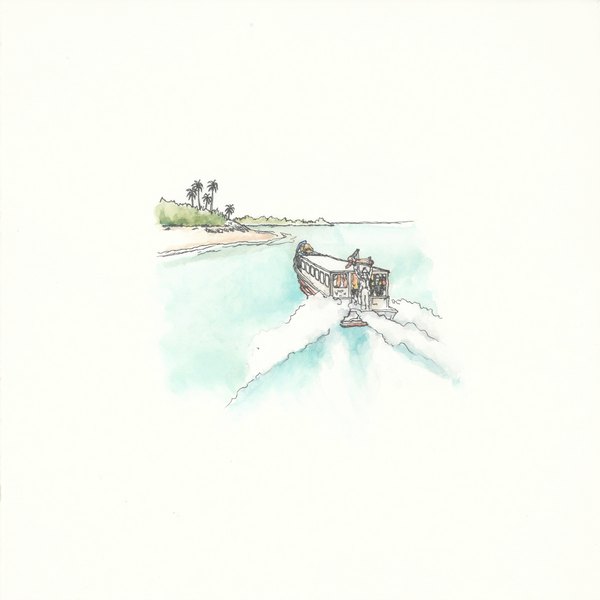
Getting around: Fly with Solomon Airlines or take the passenger boat from Honiara via Marovo.
Heads up: The New Georgia islands are listed as high risk for unexploded ordnance, so dive and hike only with licensed local operators.
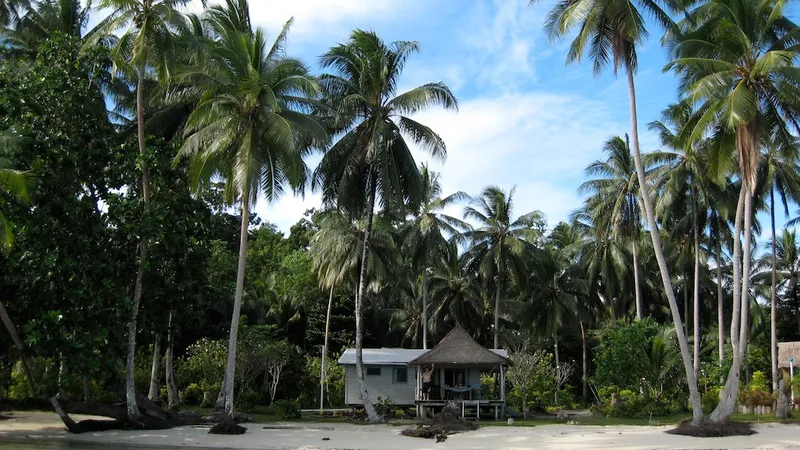
Marovo Lagoon is a massive lagoon in the Western Province and a proposed World Heritage site, with village life much as it was a hundred years ago on the outer islands.
Near: Village stays, snorkeling and diving, and carving and craft villages.
Getting around: On the boat route between Honiara and Gizo; lodges usually arrange the last boat transfer.
Heads up: Villages have no electricity, running water or shops, and ordnance risk applies here too, so stay with a local host or guide.
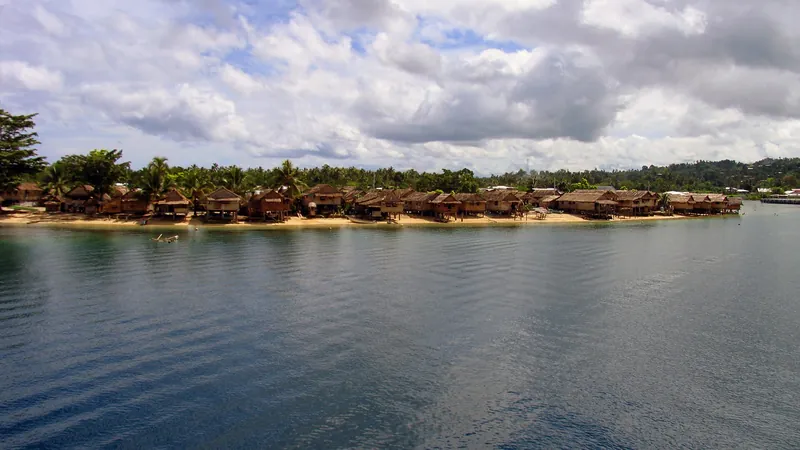
Auki is the capital of Malaita Province, known for the man made islands in and near the town. Shell money and other traditional currencies are still part of island life.
Near: The artificial islands around Auki and Langa Langa Lagoon.
Getting around: Regular passenger boats run between Honiara and Auki.
Heads up: Ask before you go ashore or onto a beach; land and reefs are owned under custom.
Kastom, from the English word custom, means traditional ways of doing things, and it is central to village life. Customs vary by province, so ask your host.
Wantok
Wantok means one talk: the duty people feel toward those who share their language, clan or village.
Many languages
About 63 languages are spoken. English is official, and Pijin is the everyday common language.
Where and what to eat
Come hungry.
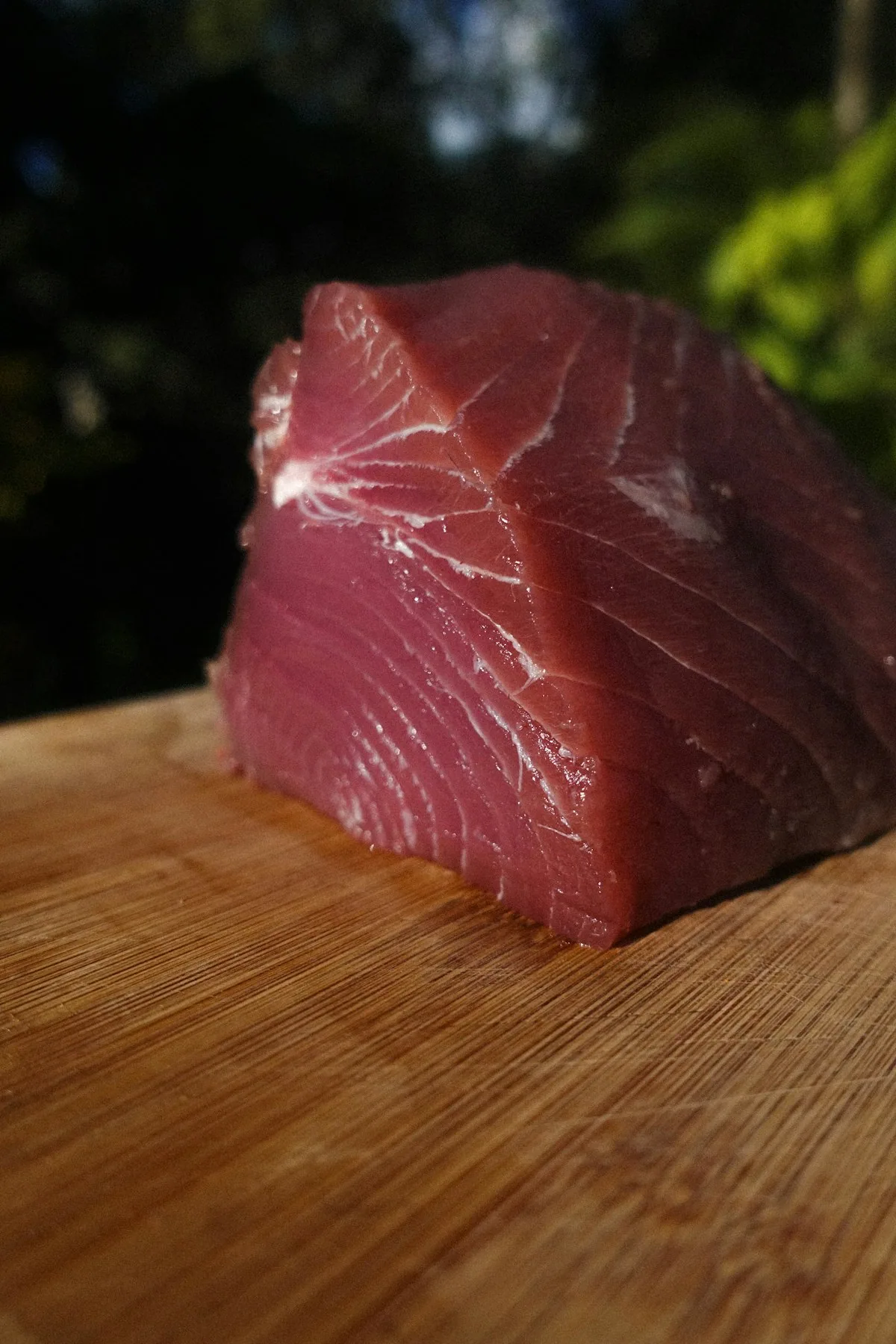
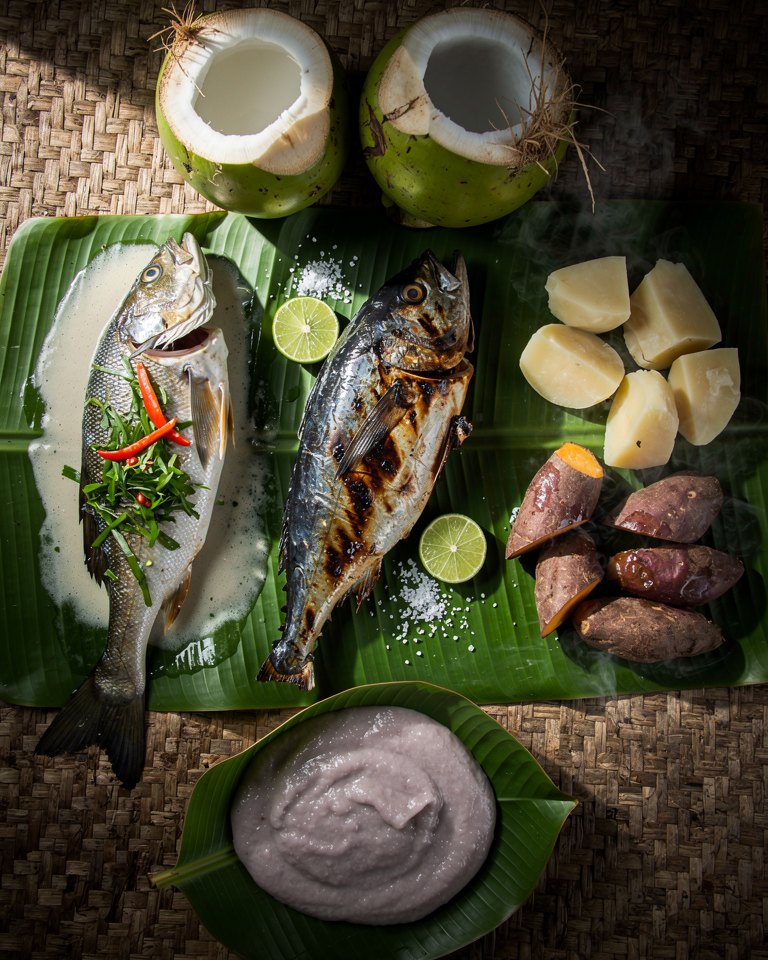
Fresh tunaTuna caught in local waters, often served with chilies and rice or pasta.
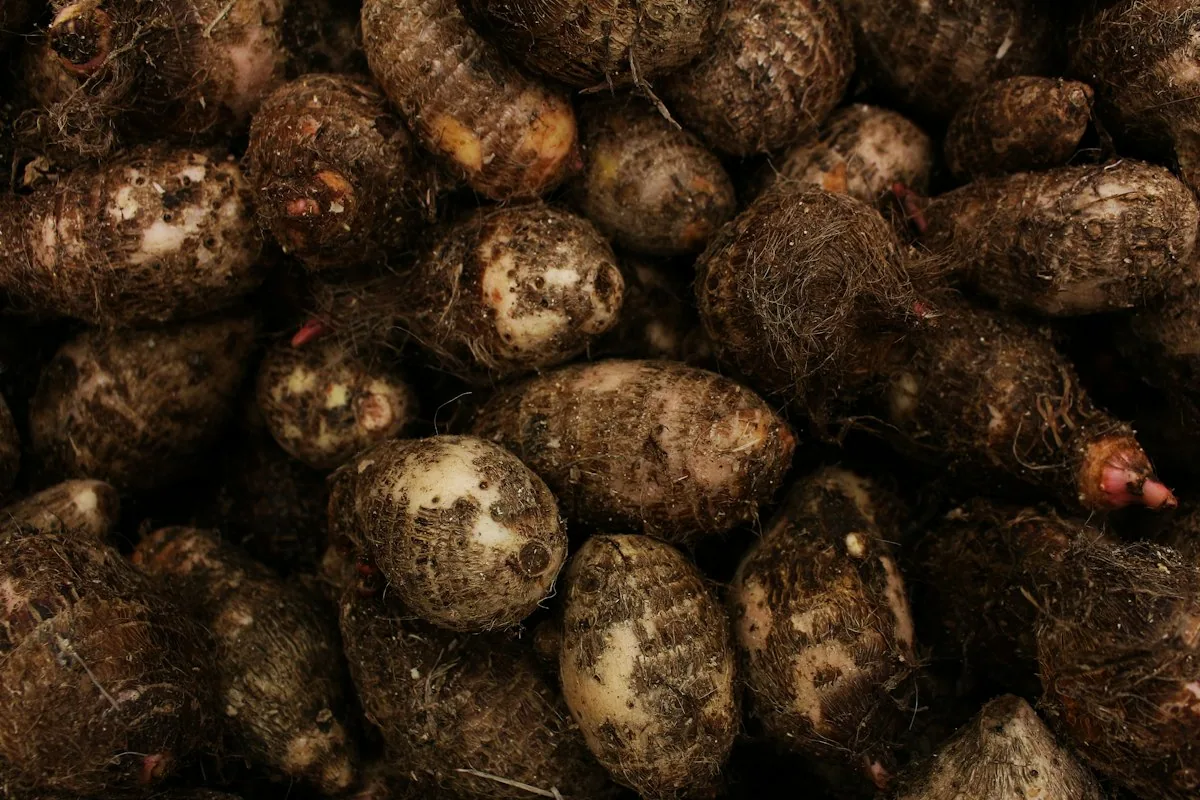
Taro and sweet potatoThe staple roots on most island tables, alongside cassava.
Reef fish and coconutFish, chicken or pork with coconut, part of everyday village meals.
PoiFermented taro, a Pacific islands dish.
SolbrewThe local beer, brewed near Honiara.
Say it like a local
8 everyday phrases in Pijin, with how to say them.
HelloHaloHAH loh
Thank youTanggiotahng GEE oh
PleasePlisPLEES
GoodbyeGutbaeGOOT bye
SorryMi soremee SOH reh
Where is the bathroom?Wea na toilet?WEH ah nah TOY let
Show all 8 phrasesShow fewer phrases
Do you speak English?Iu save inglis?YOO SAH veh ING lis
I don't understandMi no savemee noh SAH veh
Pijin is the everyday language across the islands; English is official.
Find your flight
Search flights to Solomon Islands and compare prices before you book.
US passport No visa to arrange: you get a 30 day visitor permit on arrival in Honiara, with a passport that has 6 months left and a ticket out. Check the official page before you book. Official page. Checked 13 Nov 2026.
US citizens get a 30 day visitor permit on arrival at Honiara International Airport, and total time in the country cannot pass 90 days in any 12 months. You need a passport valid for at least six months, an onward or return ticket and proof of enough funds. Check the official pages before booking. Not a US passport? Check your country's rules: Solomon Islands Immigration Division, visiting visas.
Safety and old ordnance
The US State Department advises increased caution because of health risks, unexploded World War II ordnance, crime and civil unrest. High risk areas for ordnance include Hell's Point and the ridges behind Honiara, the New Georgia islands, the Russell Islands and Tulagi, so stay on used paths and go with local guides. Honiara has more petty crime, break-ins and robbery than elsewhere; avoid poorly lit areas and political gatherings.
Flights and boats
Solomon Airlines flies to 20 domestic destinations from Honiara, with a 16 kg luggage limit. Passenger boats run from Honiara to Auki on Malaita and to Gizo via Marovo. Minibus rides in central Honiara cost SBD 3.
Cash first
The Solomon Islands is a cash economy, and only major hotels take international cards. ATMs are in Honiara but few in the provinces, so carry enough cash and a backup way to get money.
Health
Malaria and dengue are widespread, and clinics outside Honiara have limited medicine and equipment. Bring insect repellent and buy insurance that covers medical evacuation.
Dress and photos
Beachwear is fine at resorts, but cover your thighs to the knee in town and in villages. Ask permission before photographing people or places.
When to go
Cooler months: June to August is the cooler period, with temperatures around 27 °C most of the year.
Wetter months: From November to April, northwest winds bring more frequent rain and occasional squalls or cyclones, so build slack into boat and flight plans.
Plugs and power
Plug IPlug G
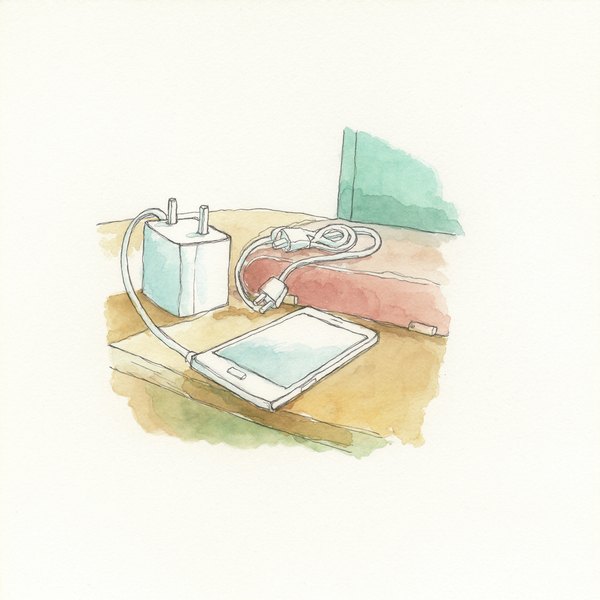
Power is 220 V, 50 Hz. Bring an adapter if your plugs are from the US or the EU. Plugs from the UK usually fit. US gear that only runs on 110 to 120 V, like some hair tools, needs a converter here. Check your chargers and devices say 100 to 240 V before you plug in.
Honiara International Airport, once Henderson Field, is about 12 km east of the city. Minibuses and taxis run into town, and car hire desks are in the terminal. Taxis often have no meter, so agree the fare first; about SBD 10 per kilometer is fair (check before you go).
HIR Honiara International Airport: about 12 km (7 mi) to central Honiara.
Book a pickup or rent a car
Book a pickup
Book a driver who meets you at arrivals at Honiara International Airport, at a fixed price agreed before you land.
You drive: compare rental companies and prices for your dates.
The search box loads here.
Good to know
The local rules and habits worth knowing before you land.
Carry cash; cards work only at major hotels.
Ask permission before entering a village, landing on an island or using a beach or reef; a custom fee may be expected.
Never touch or take war relics; old ordnance still turns up.
Cover thighs to the knee in town and in villages.
Agree taxi fares before you get in.
Customs strictly controls firearms, pornography and some prescription drugs, and going onto customary land, reefs or sacred sites without permission can bring a compensation claim under local custom.
The questions people ask most, answered from this page.
Do US citizens need a visa for Solomon Islands?
US citizens get a 30 day visitor permit on arrival at Honiara International Airport, and total time in the country cannot pass 90 days in any 12 months. You need a passport valid for at least six months, an onward or return ticket and proof of enough funds. Check the official pages before booking.
How do I get from the airport to the city in Solomon Islands?
Honiara International Airport, once Henderson Field, is about 12 km east of the city. Minibuses and taxis run into town, and car hire desks are in the terminal. Taxis often have no meter, so agree the fare first; about SBD 10 per kilometer is fair (check before you go).
Photo credits
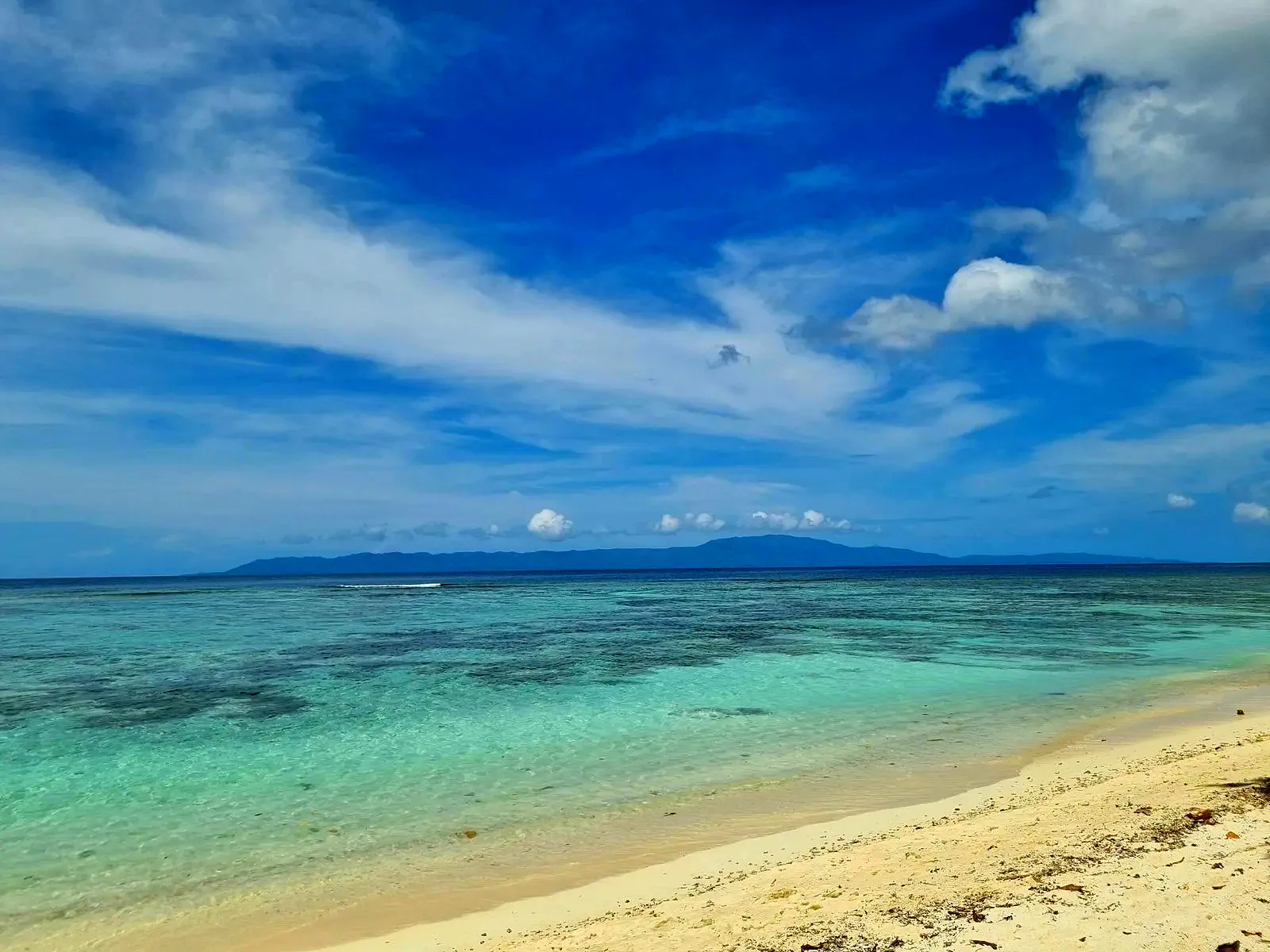
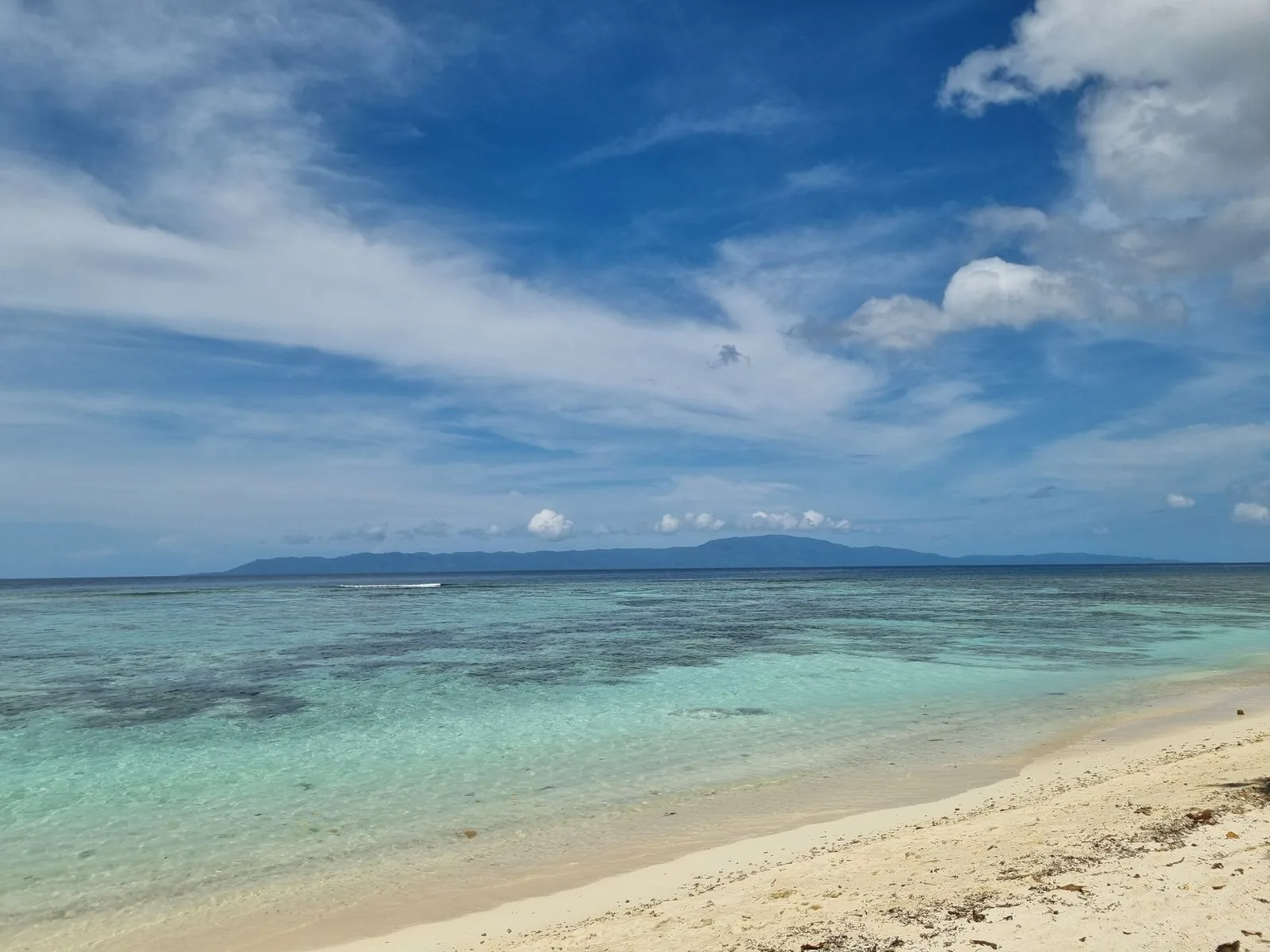
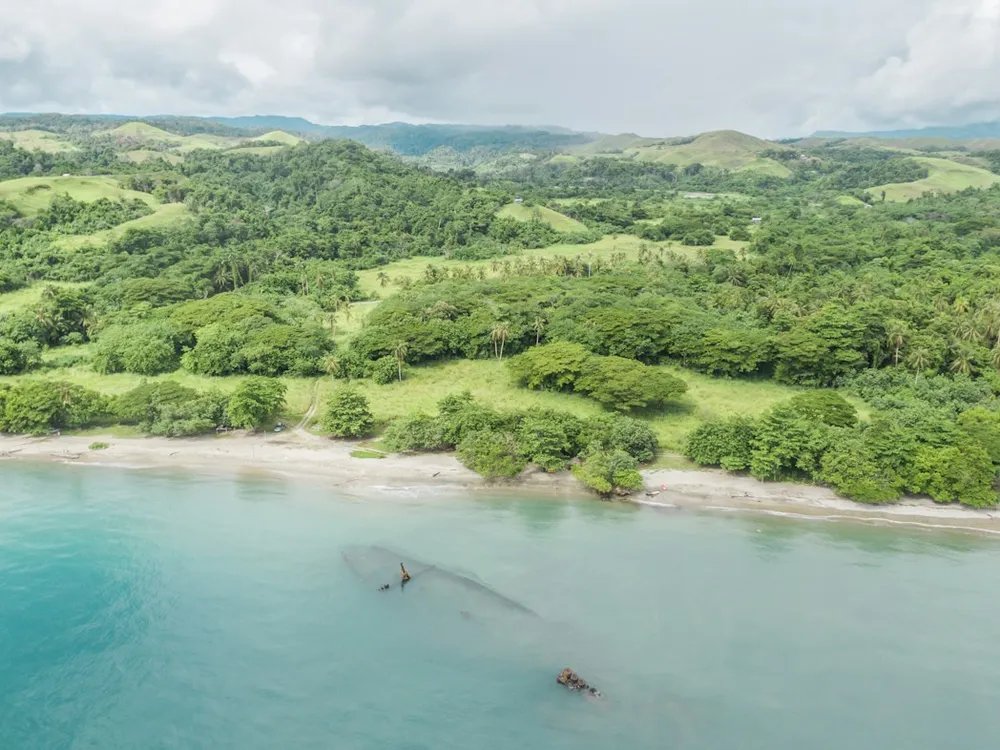
Honiara and Guadalcanal: Jenny Scott from Adelaide, Australia, CC BY 2.0, via Wikimedia Commons. Marovo Lagoon: Xplore Dive from Mooloolaba, Australia, CC BY 2.0, via Wikimedia Commons. Auki and Malaita: Department of Foreign Affairs and Trade, CC BY 2.0, via Wikimedia Commons.
Checked 12 Nov 2026: entry links, plugs, airport times, ride apps and the facts on this page. Prices and rules show their own As of date.
Researched for you from official and trusted sources.
Affiliate links: some links on this page (flights, tours, city passes, stays, transfers, rental cars, luggage storage, eSIMs and flight compensation) are affiliate links. If you book through them, I earn a small commission at no extra cost to you.
Photos
Real photos from Pexels, used under the license shown, by the photographers credited below. The table of dishes in the food section is an illustration made for this page, not a photo of a real meal.
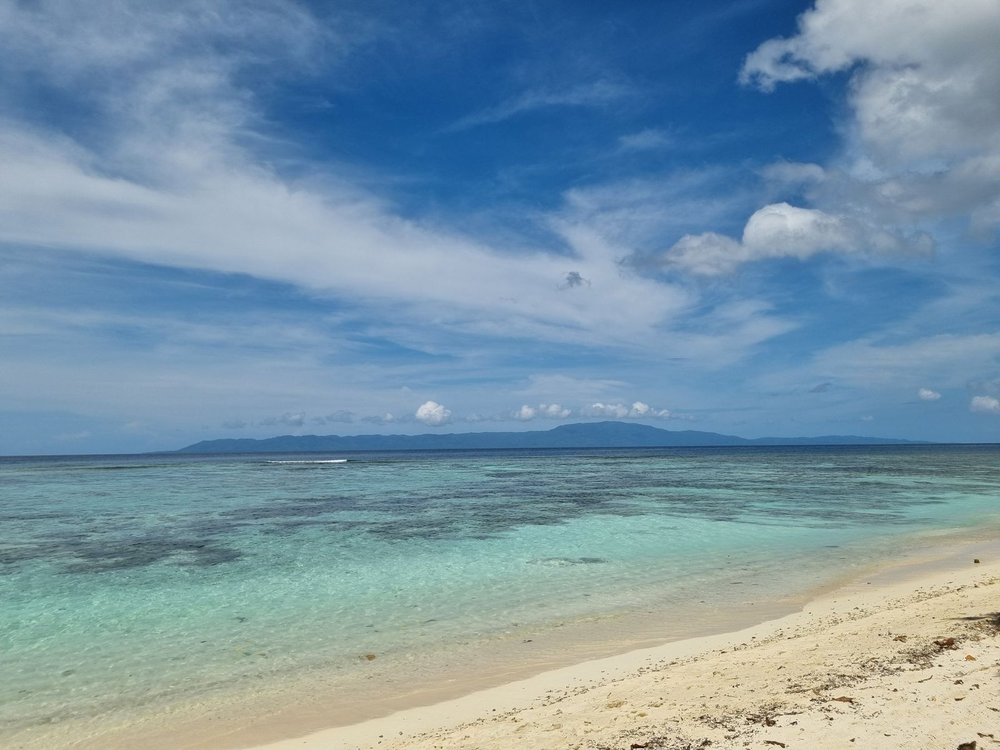
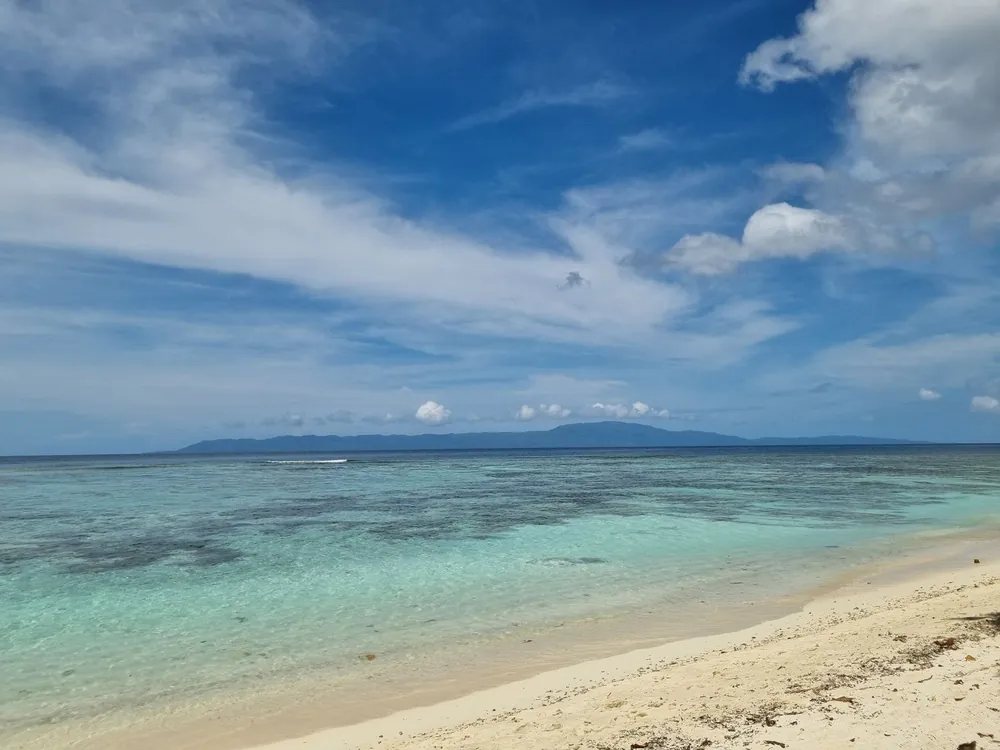
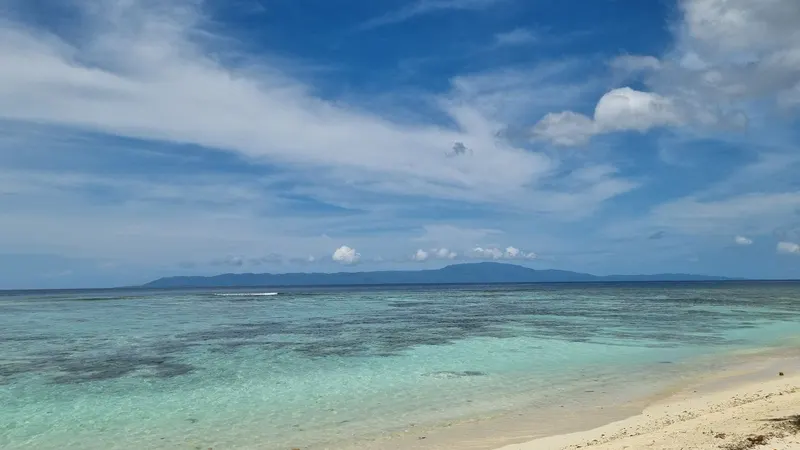
A white sand beach and clear shallow reef water at Gizo under a wide blue sky. Photo: Joel Maena / Pexels.
Aerial view of turquoise lagoon water beside a forested island in the Western Province. Photo: Simeon Pitukolo / Pexels.
Aerial view of dense rainforest meeting a calm green lagoon in the Western Province. Photo: Simeon Pitukolo / Pexels.
Sources
Researched for you from official and trusted sources. Rules, prices and times change, so check the official page before you book.
I researched this page for you, so you can plan well. The places I have filmed have their own trip planners.
Filming your own trips? My free guide to AI editing shows how my automated AI editor turns a folder of my clips into a finished reel. Send me the free guide.
 Luisa's Atlas
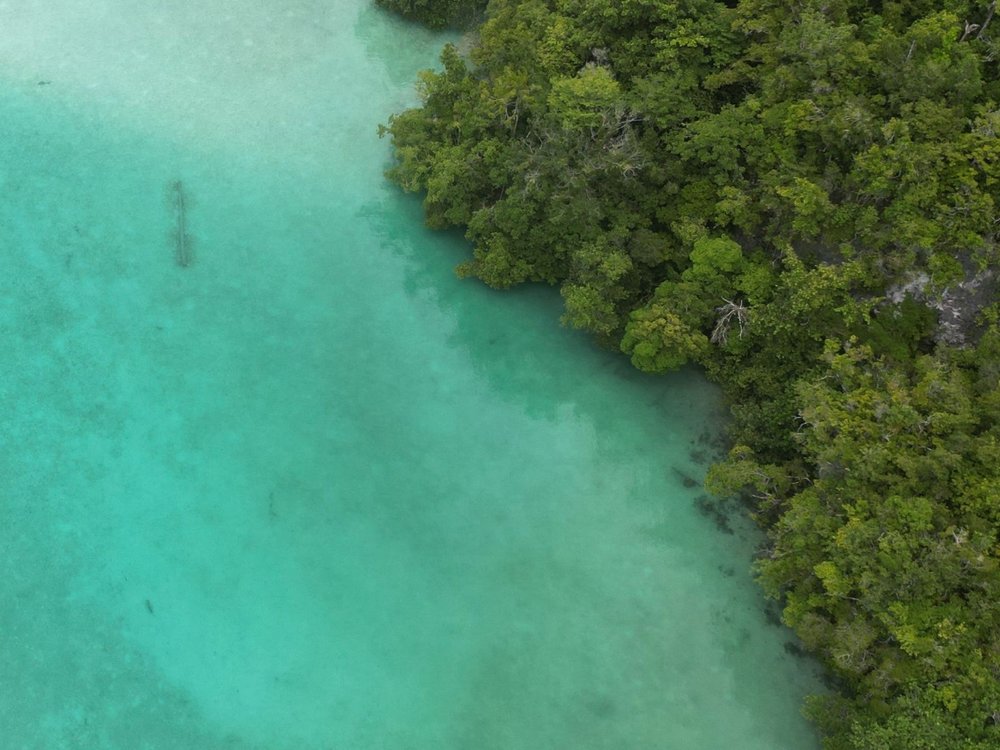
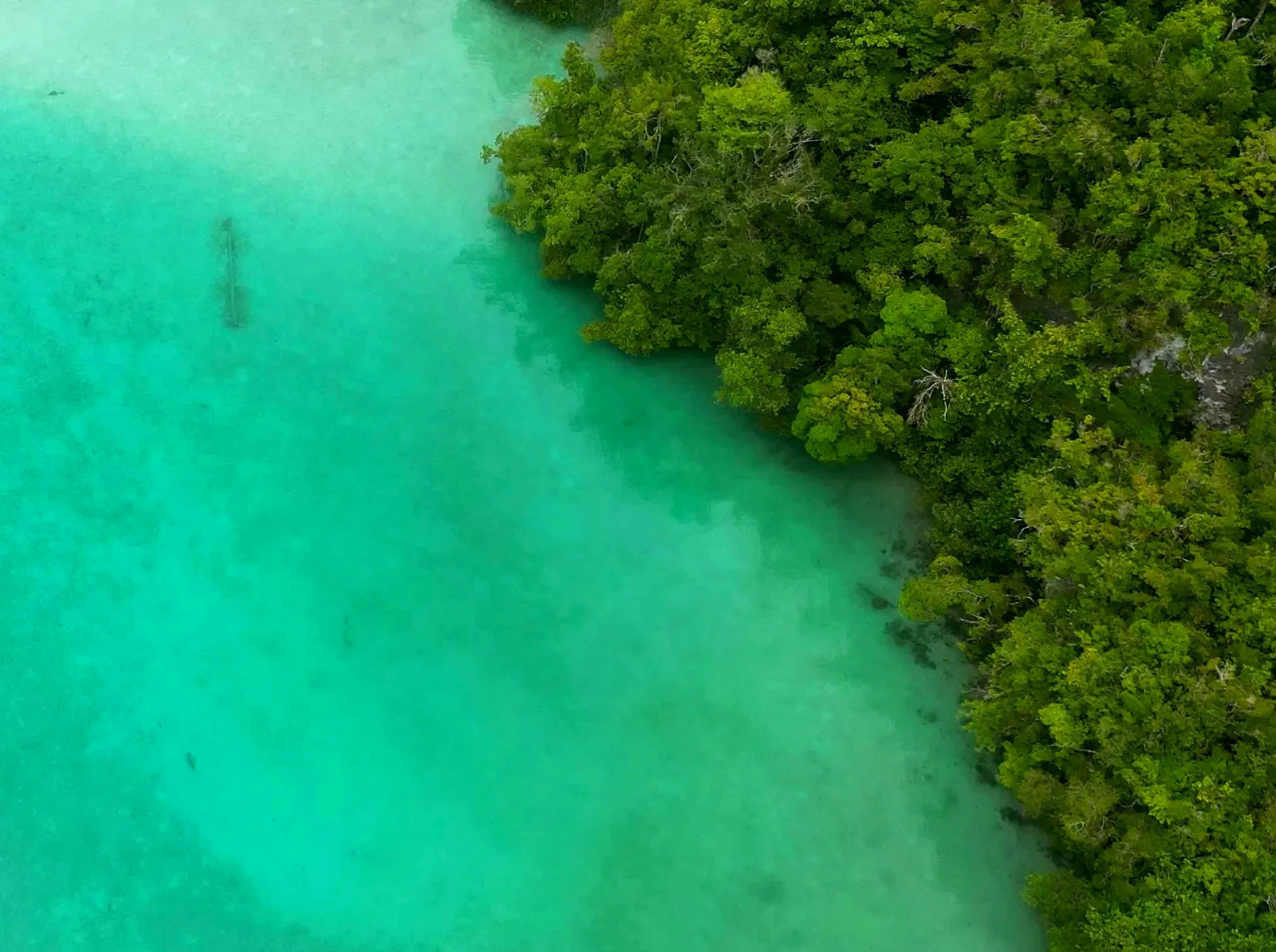 Aerial view of turquoise lagoon water beside a forested island in the Western Province. Photo: Simeon Pitukolo / Pexels.
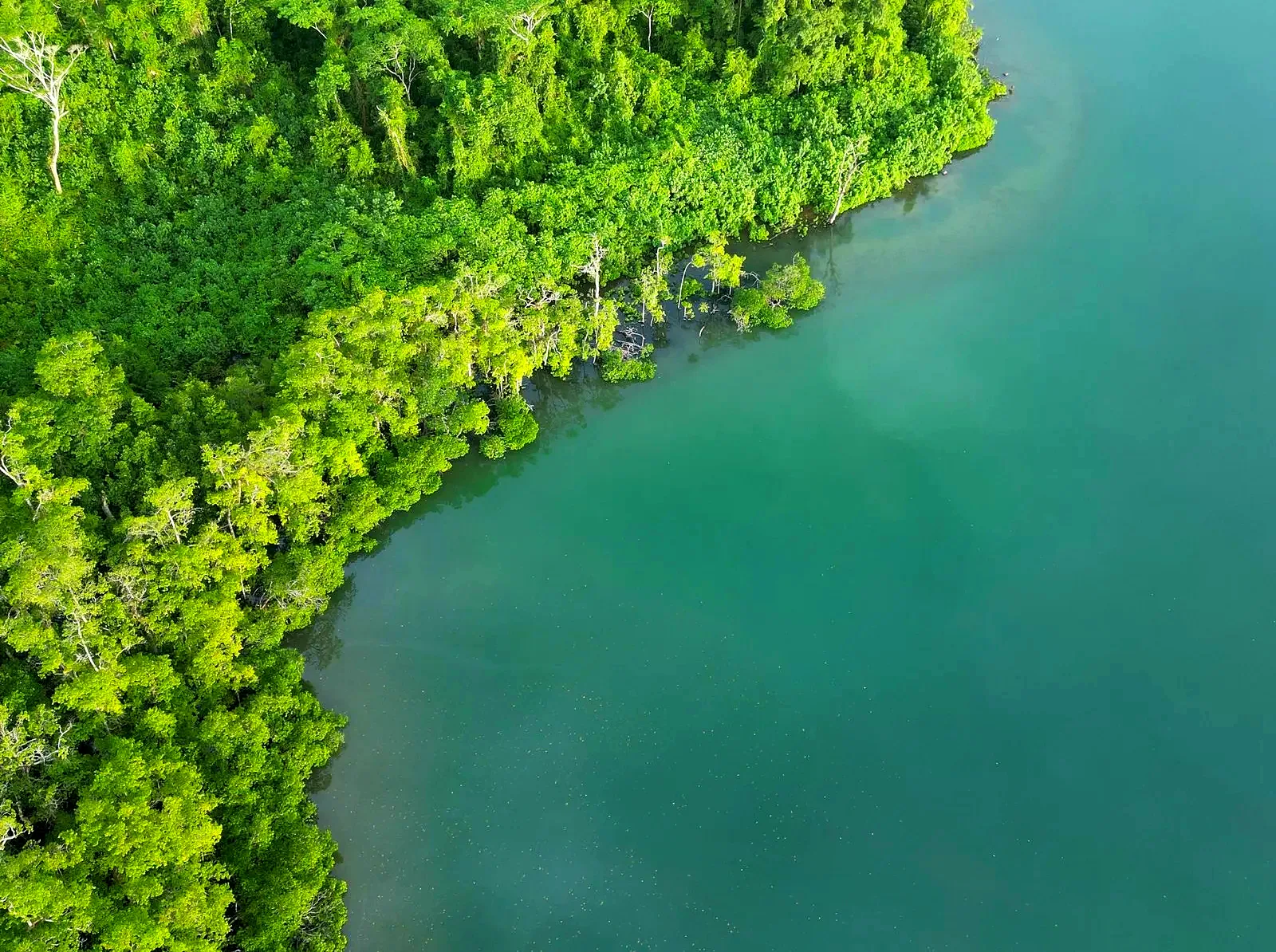 Aerial view of dense rainforest meeting a calm green lagoon in the Western Province. Photo: Simeon Pitukolo / Pexels.