Four places to start in Australia: Sydney, Melbourne, Cairns for the Great Barrier Reef, and Uluru in the central desert. Entry and customs rules, airport trains, driving, seasons, what to book early and what to eat.
Everything for Australia on one page: what to know before you leave, the tours worth booking ahead, the ride apps, an eSIM and where to stay and eat, so you land with a plan, not 37 open tabs.
Some links earn me a small commission at no extra cost to you.
My free appLanding with no signal? Take this whole planner offline in my free iPhone app.Download on the App Store
Where in the worldAustralia
Why Australia is amazing
1
Wildlife found nowhere else
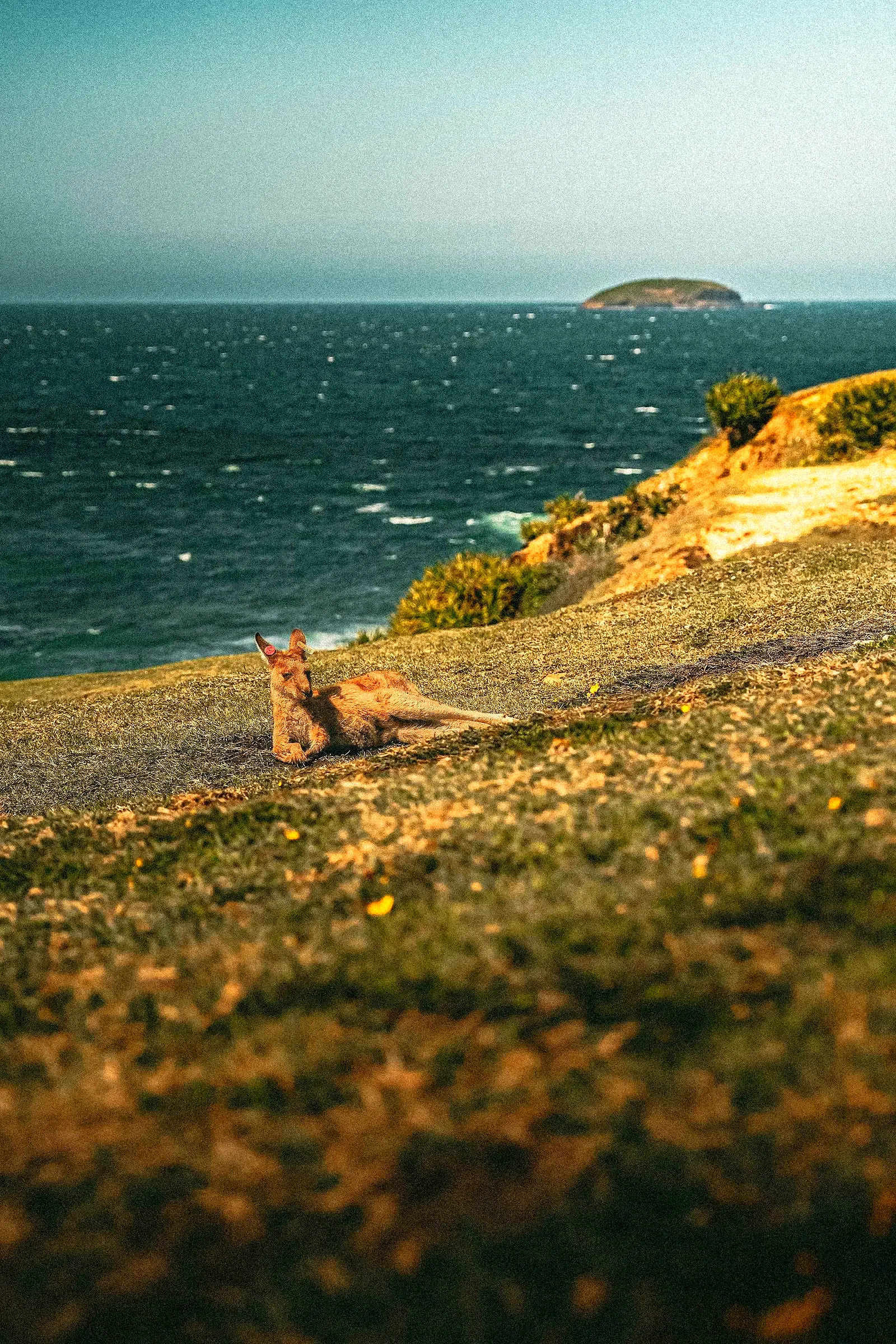
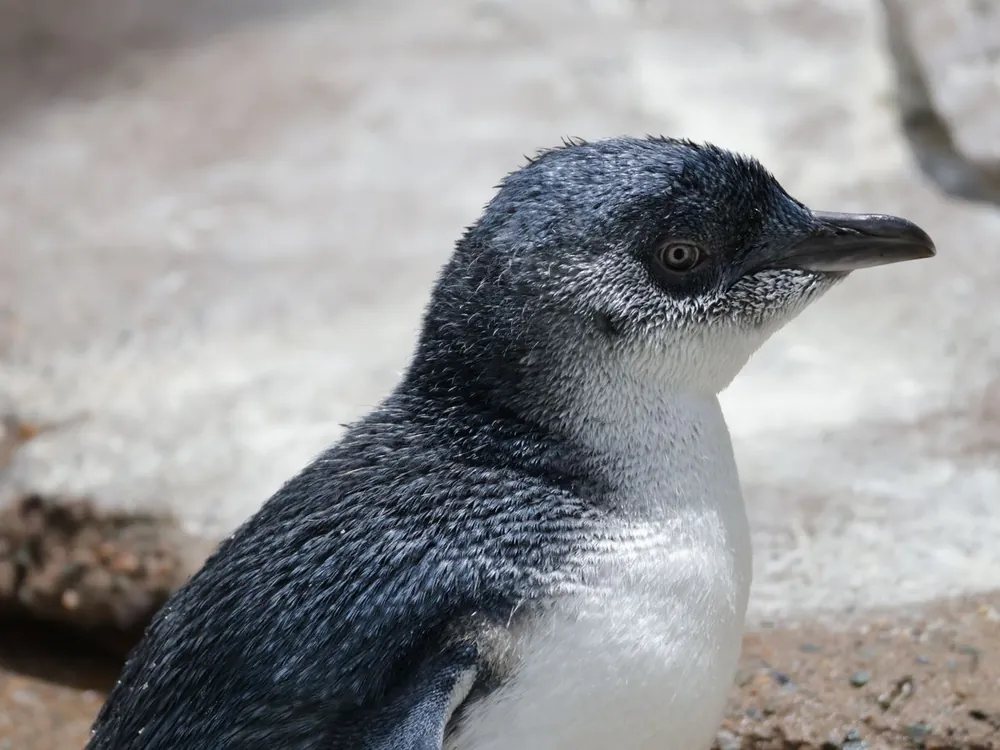
Australia is the only place to see a platypus in the wild, and Kangaroo Island has so many kangaroos that rental cars may not be driven at dawn and dusk.
2
The world's largest reef
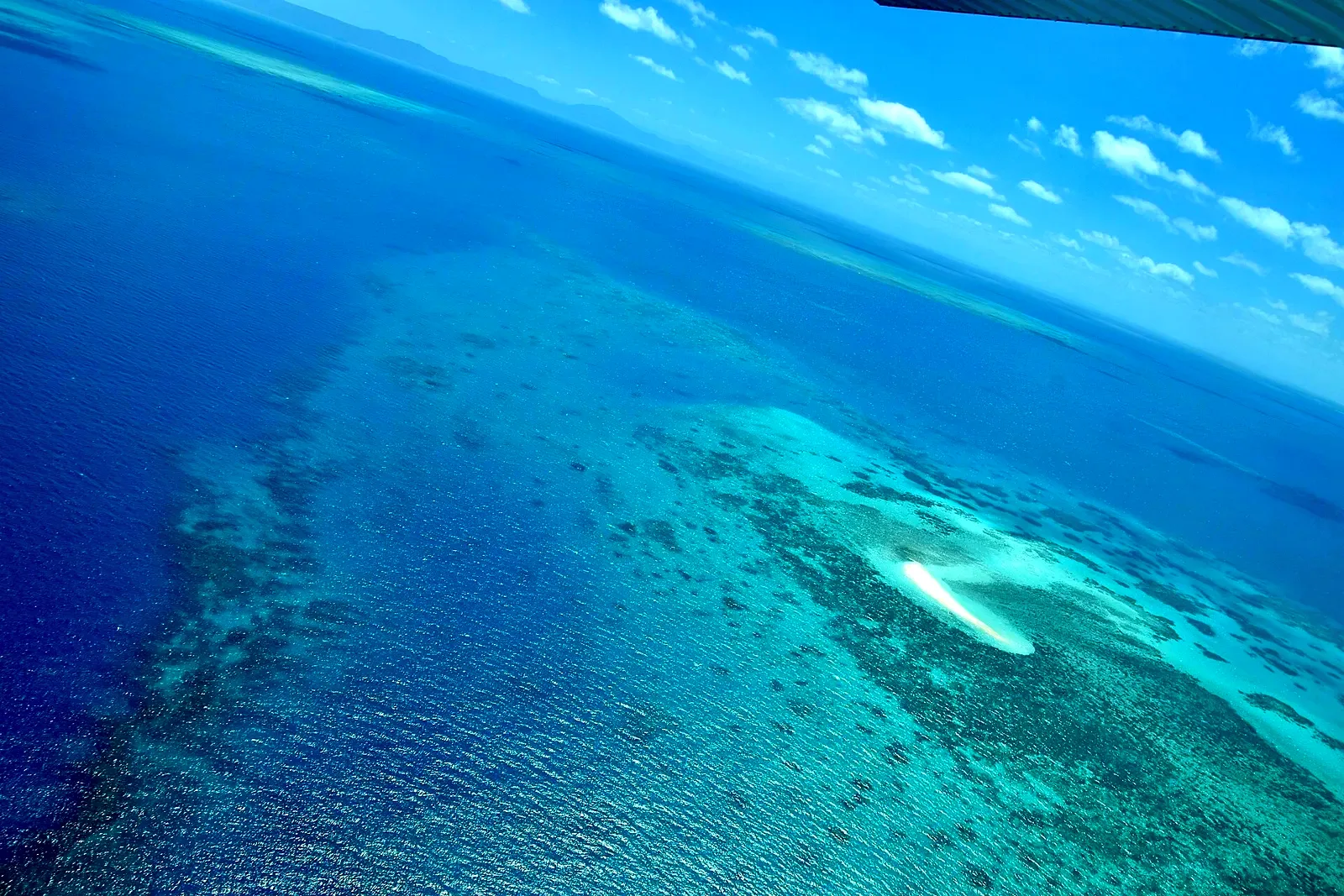
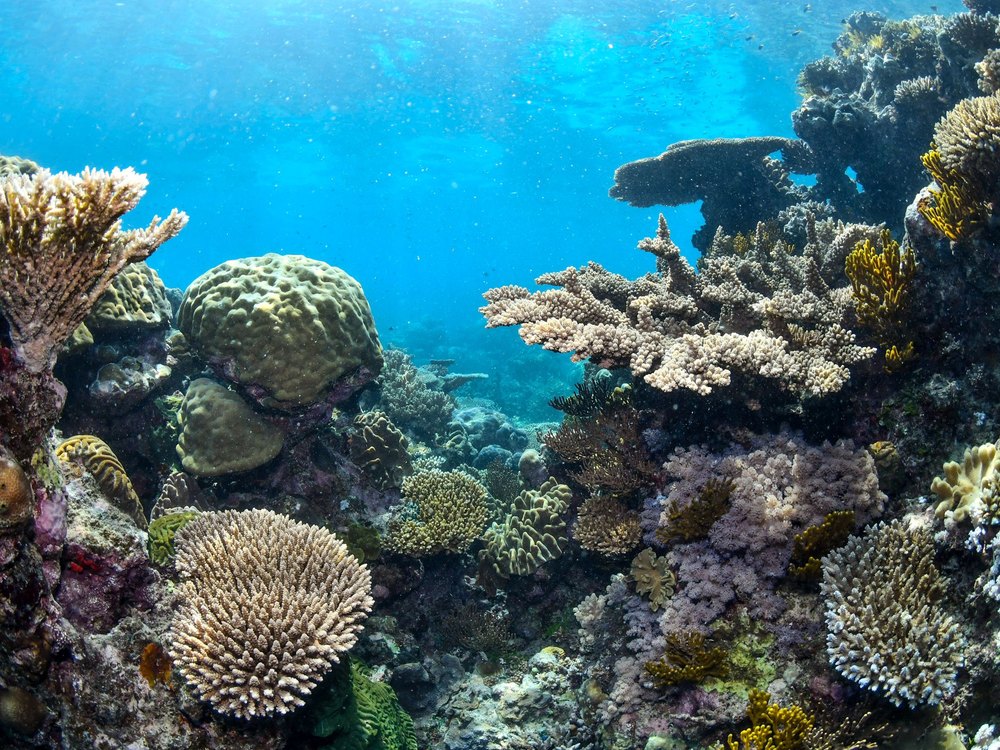
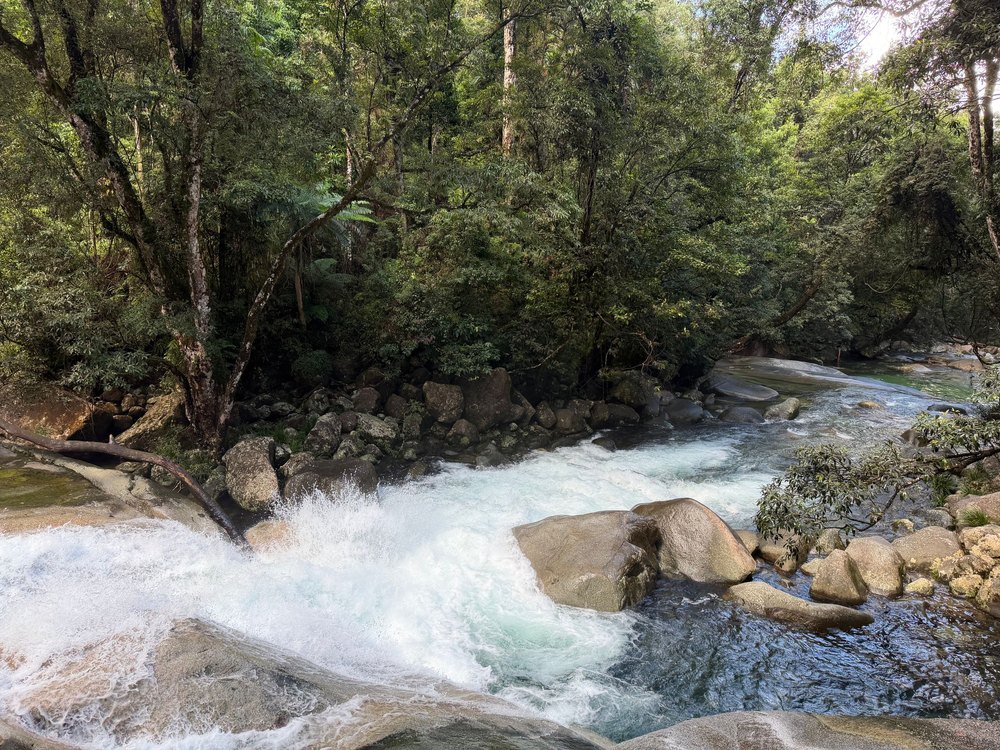
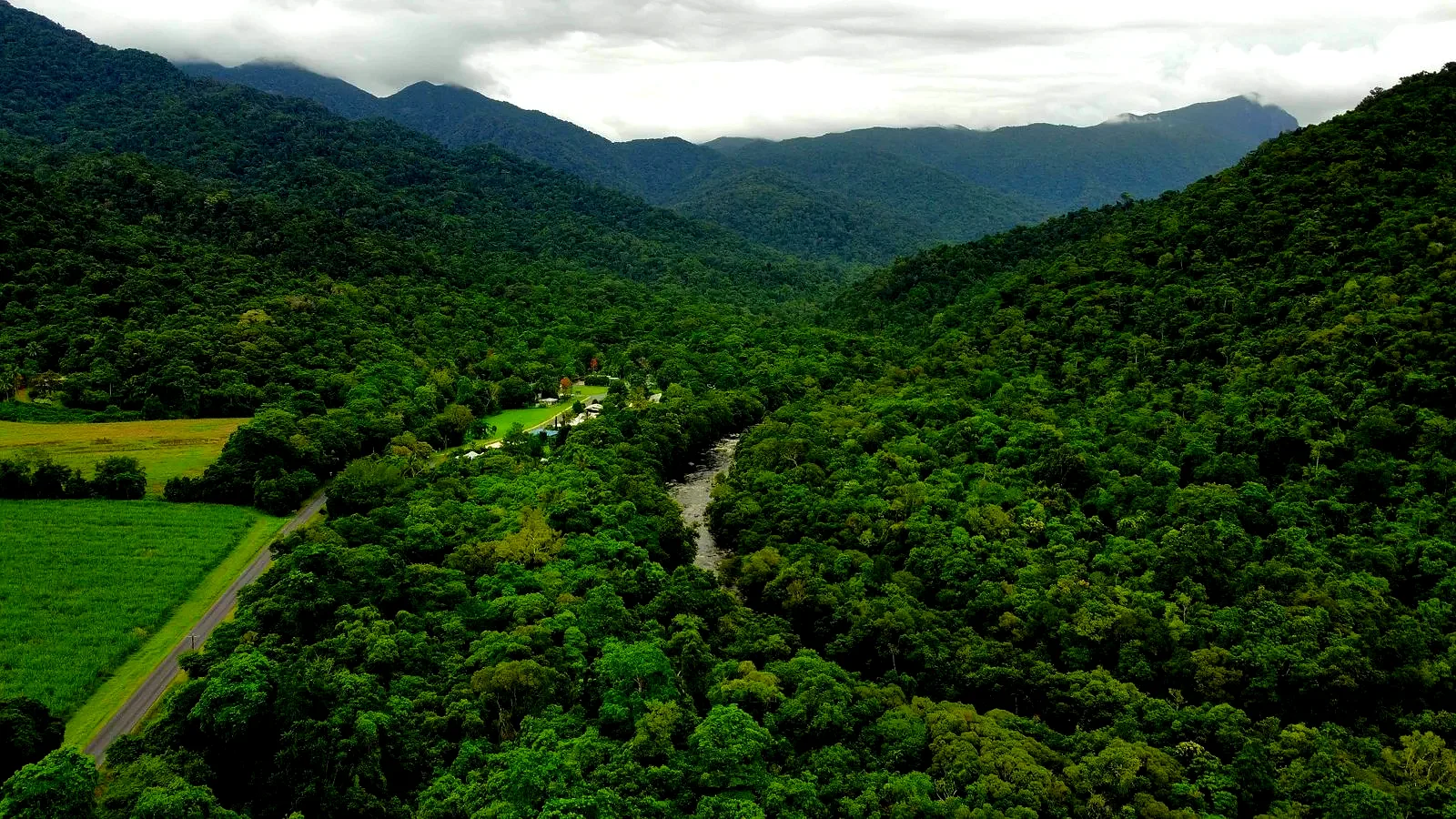
From Cairns you can head out to the Great Barrier Reef, the world's largest reef system, with about 1,600 species of fish. The Daintree Rainforest is right next door.
3
Sydney on the water
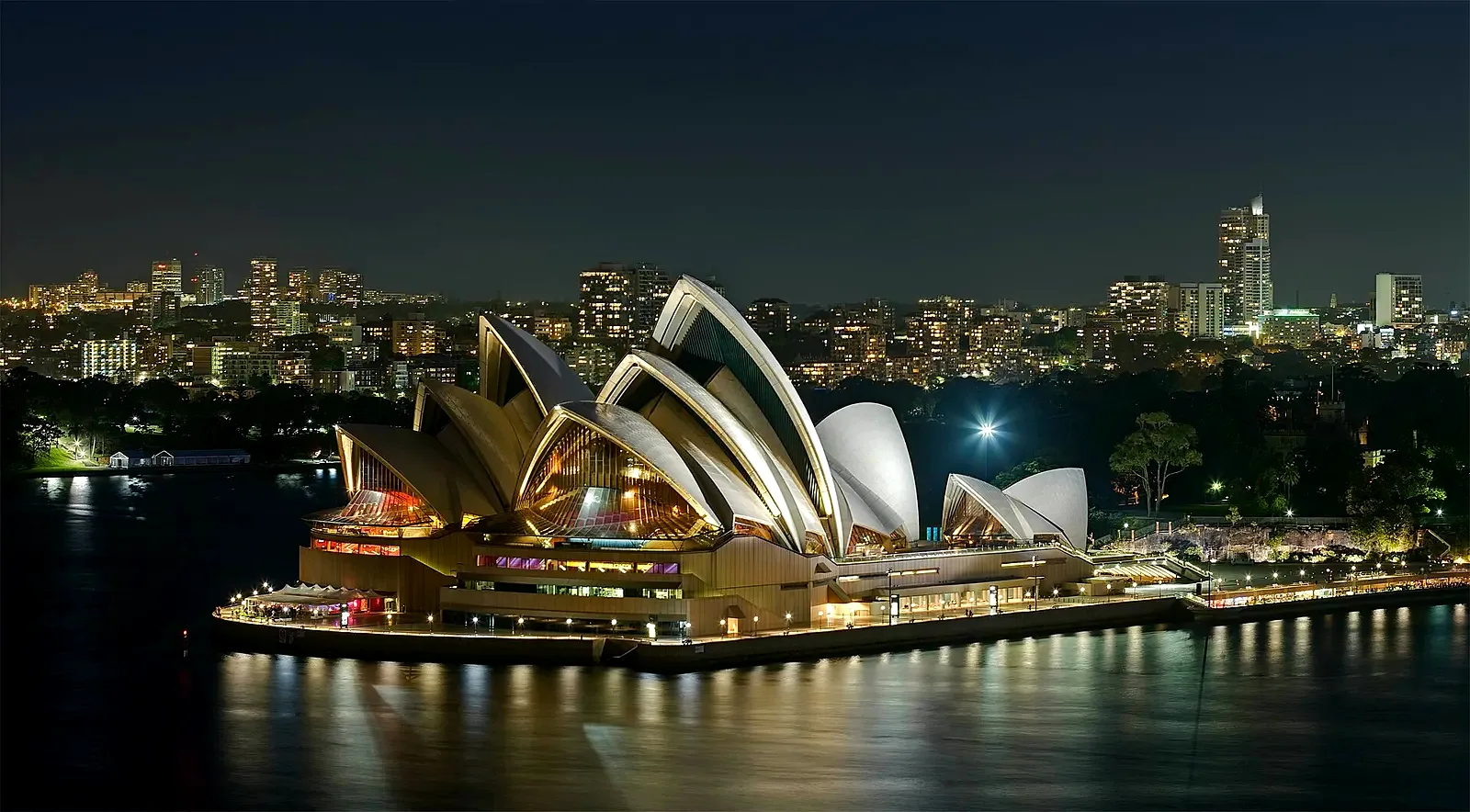
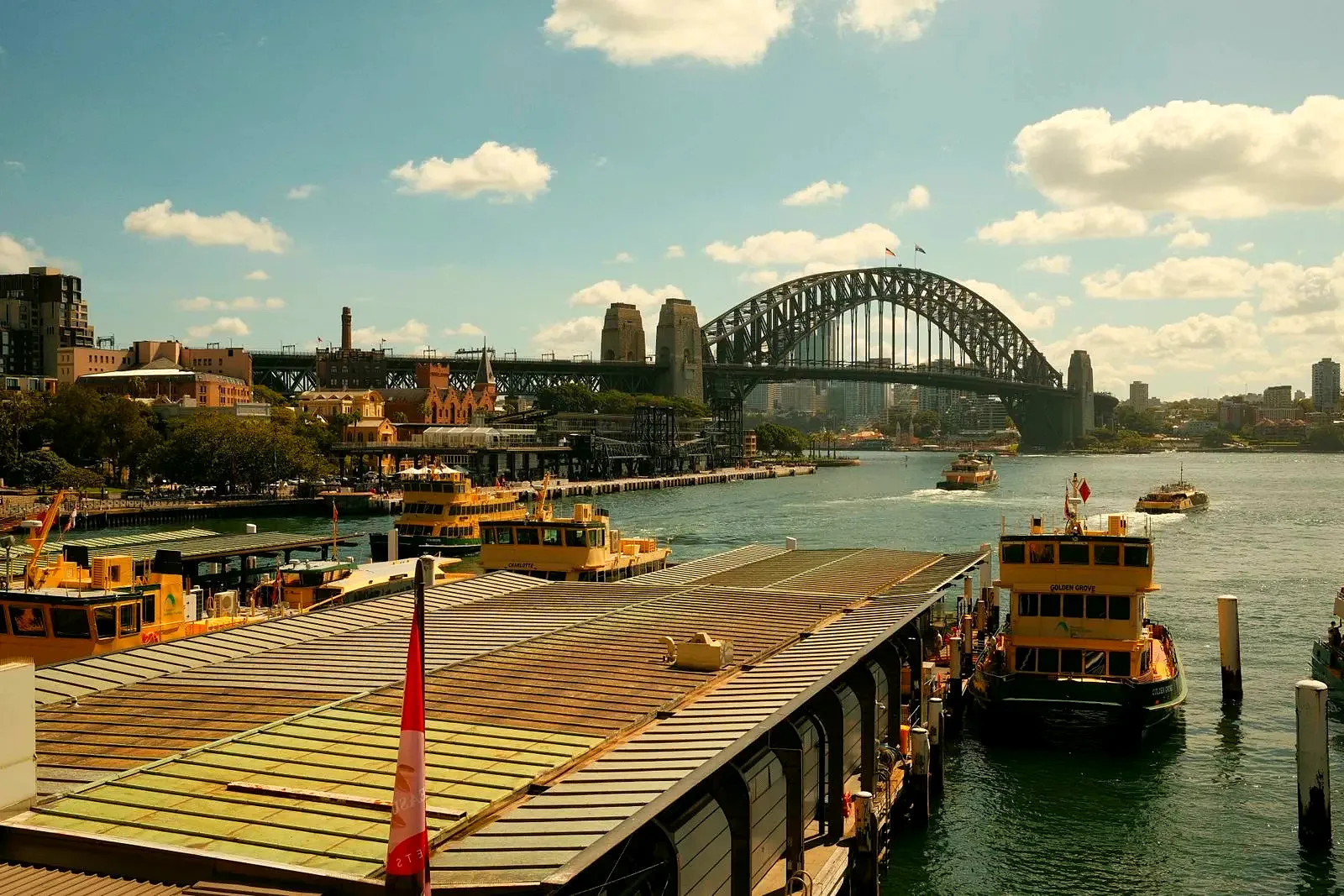
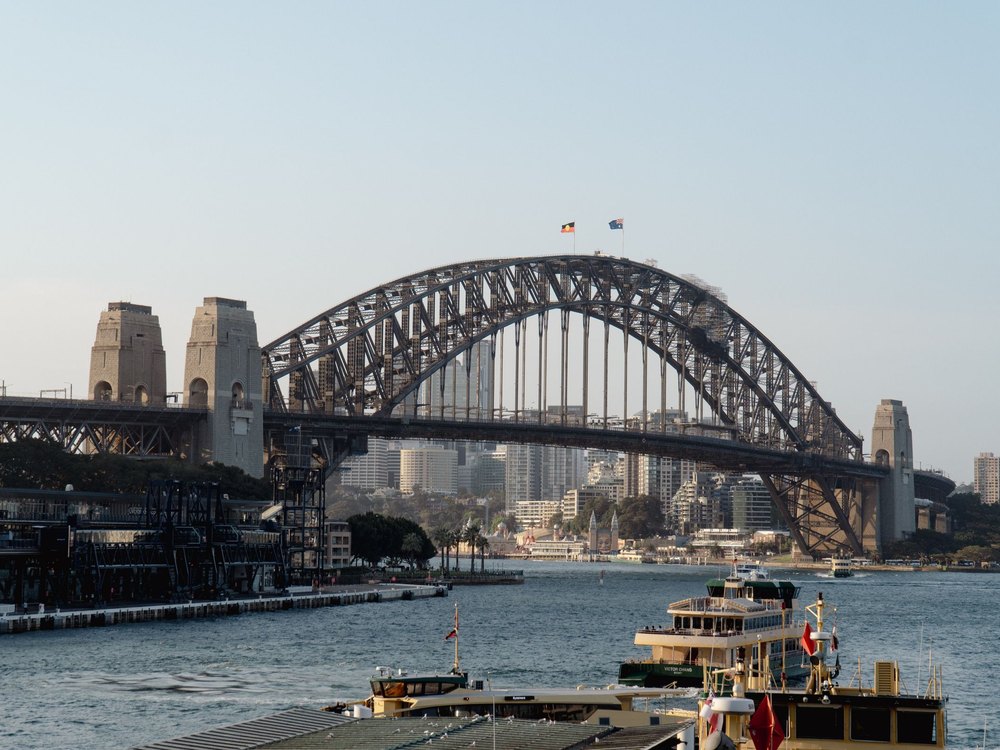
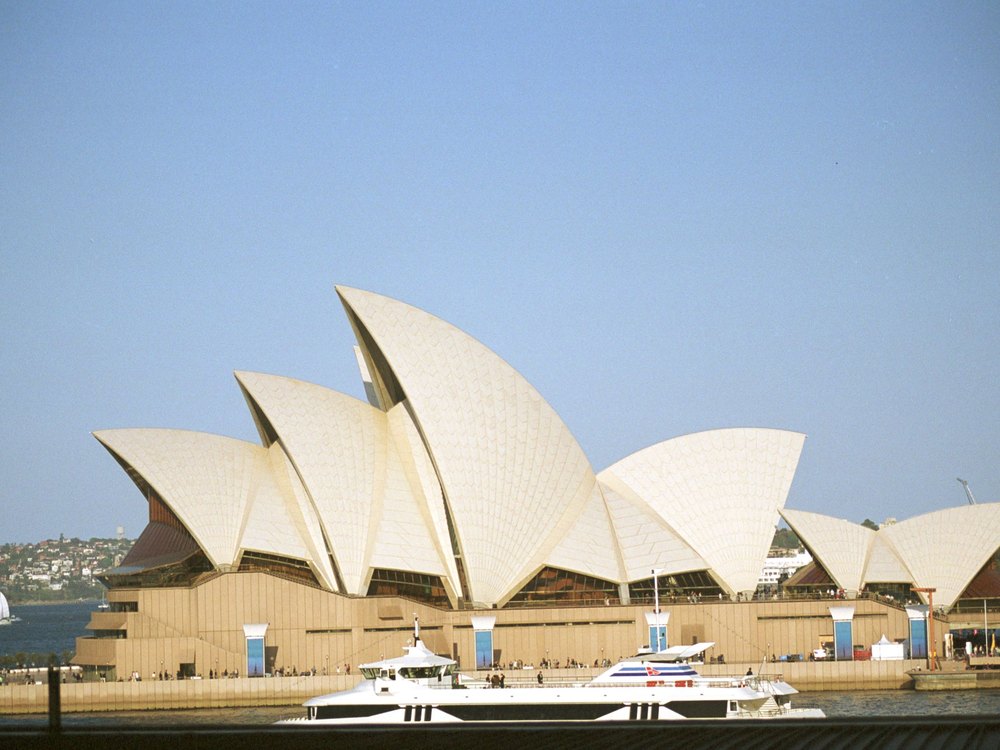
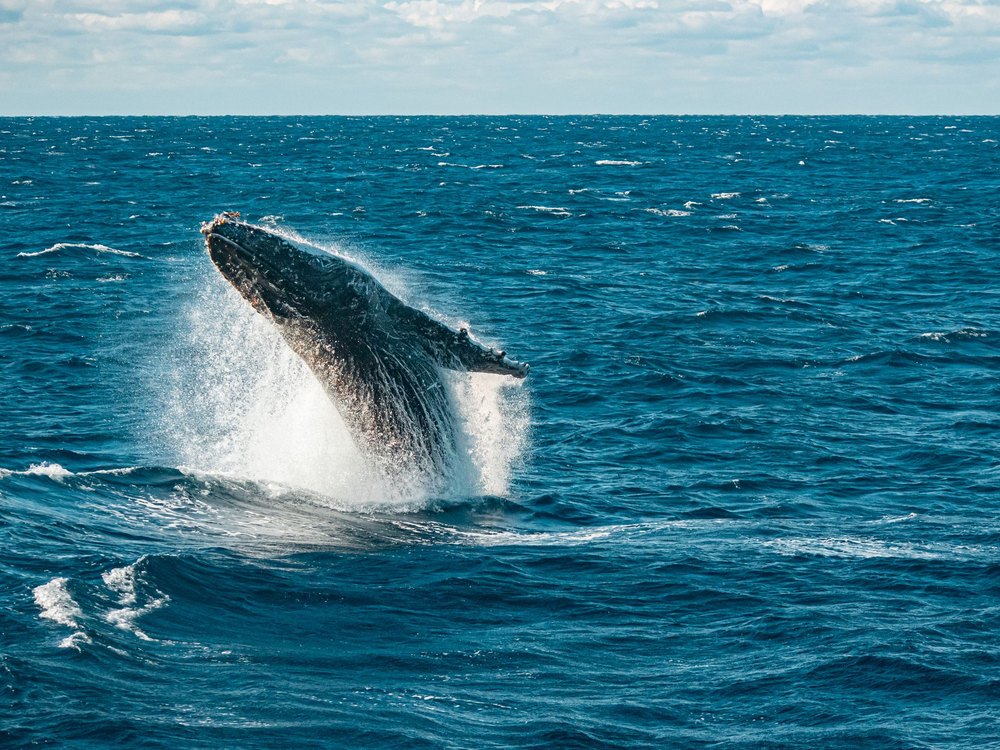
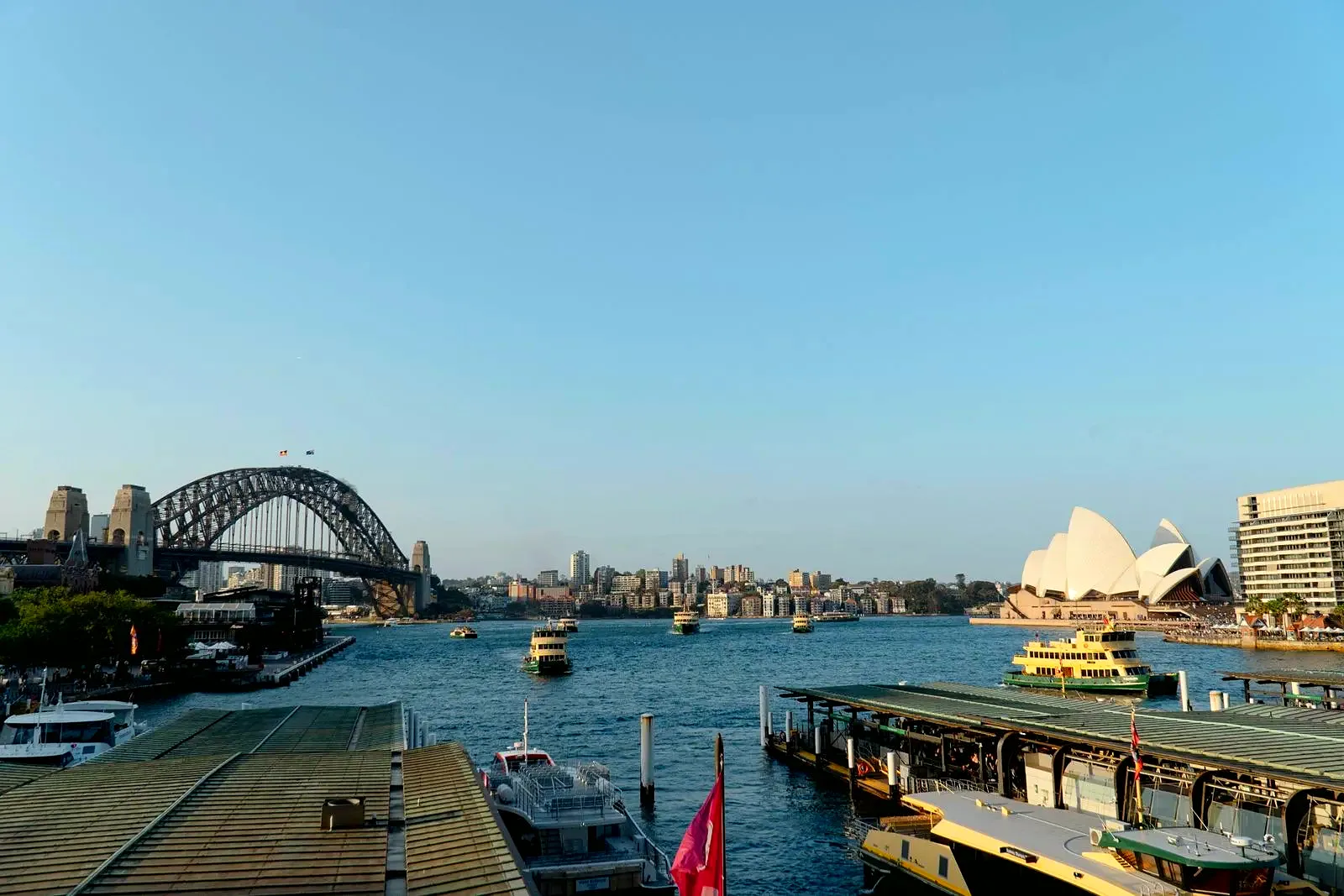
Ride a ferry from Circular Quay across the harbor, past the Opera House and the Harbour Bridge. From late June to mid July, you can spot whales from the Bondi headland.
4
Coffee and laneways
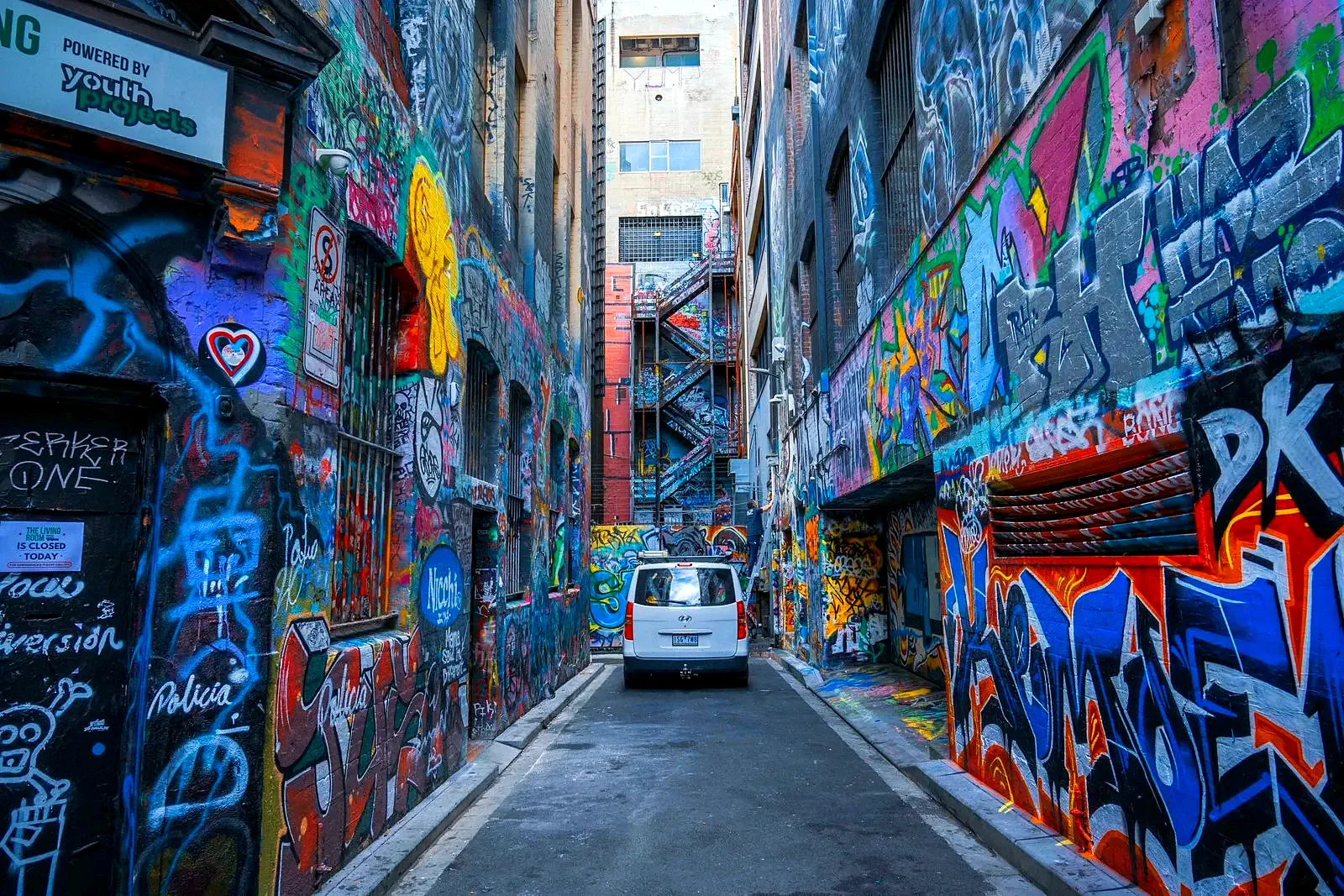
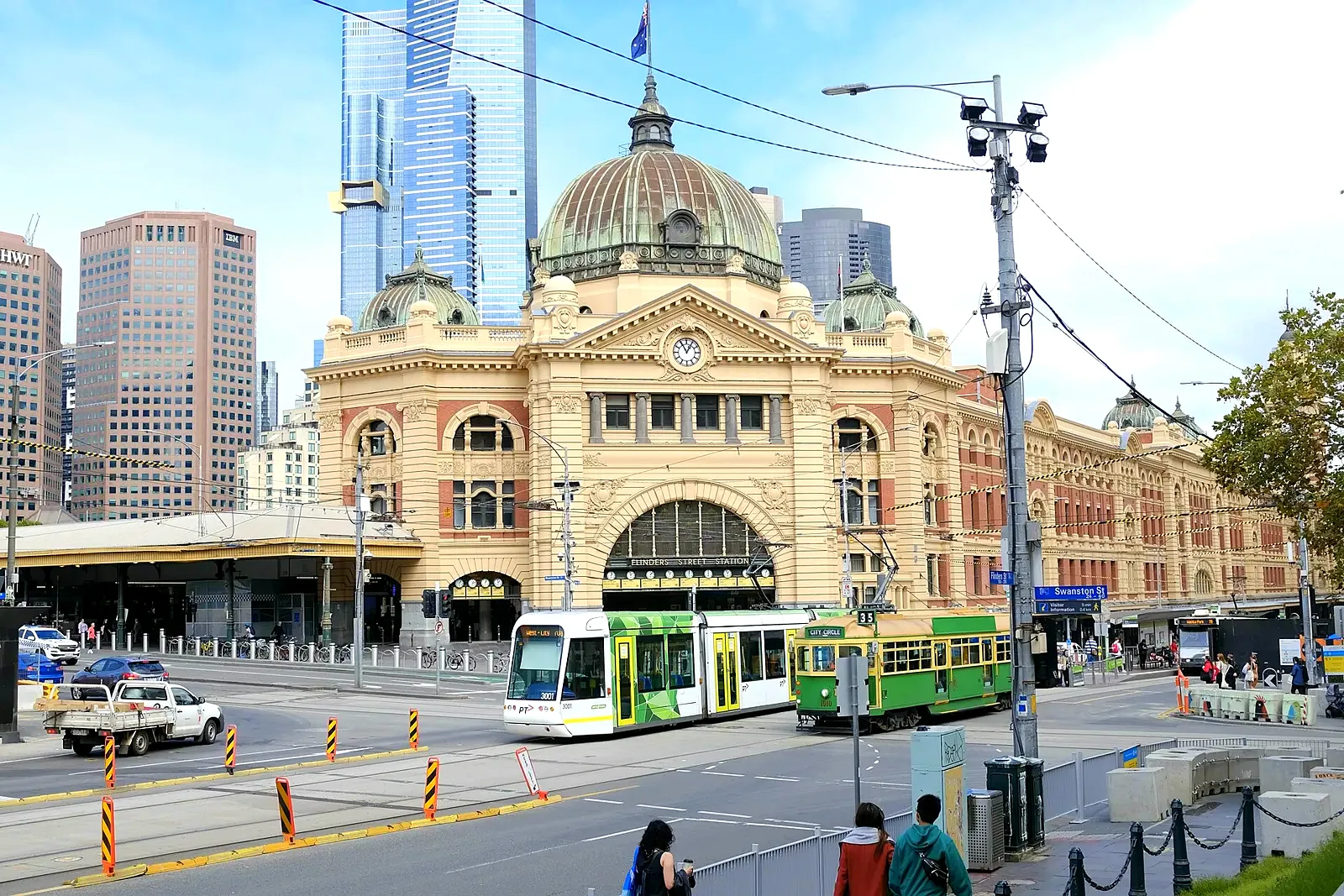
Melbourne is called the coffee capital of Australia, so order a flat white and wander laneways like Hosier Lane, covered in street art.
5
Uluru and its people
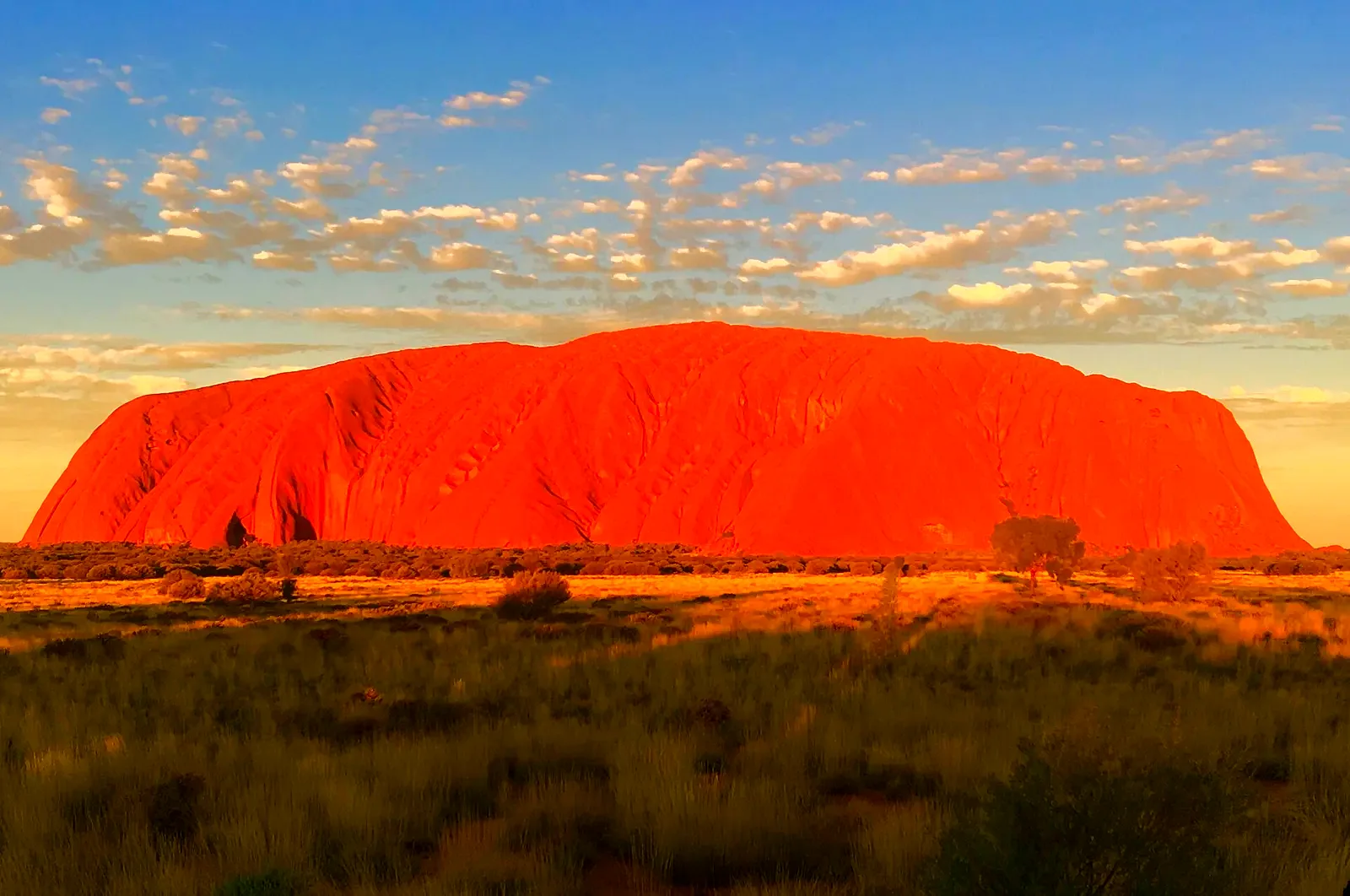
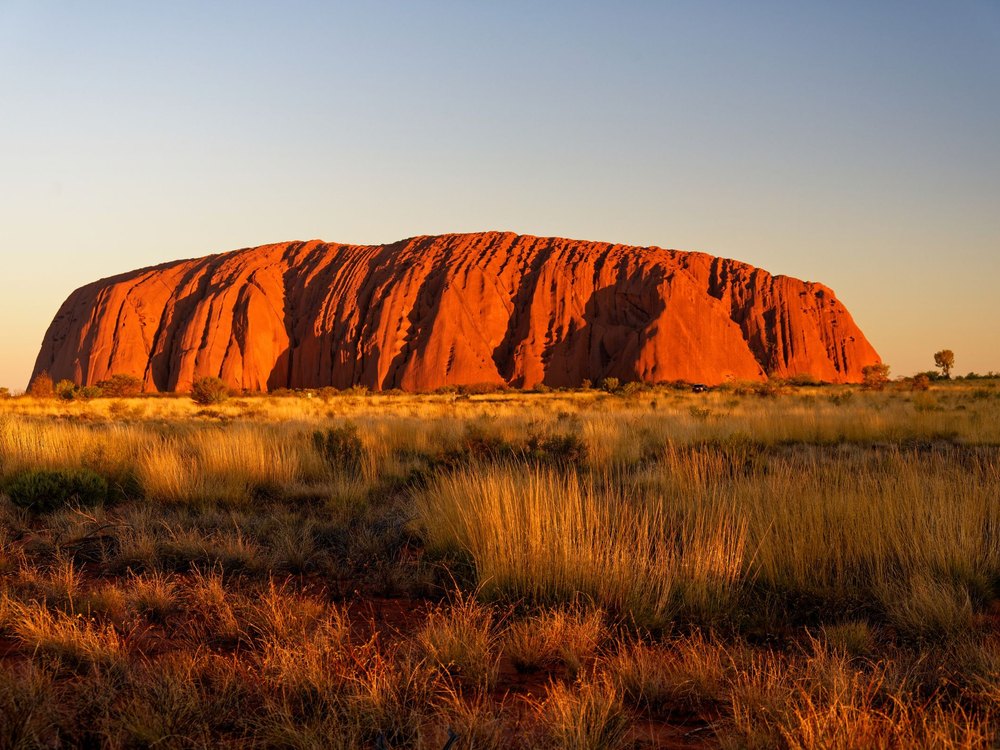
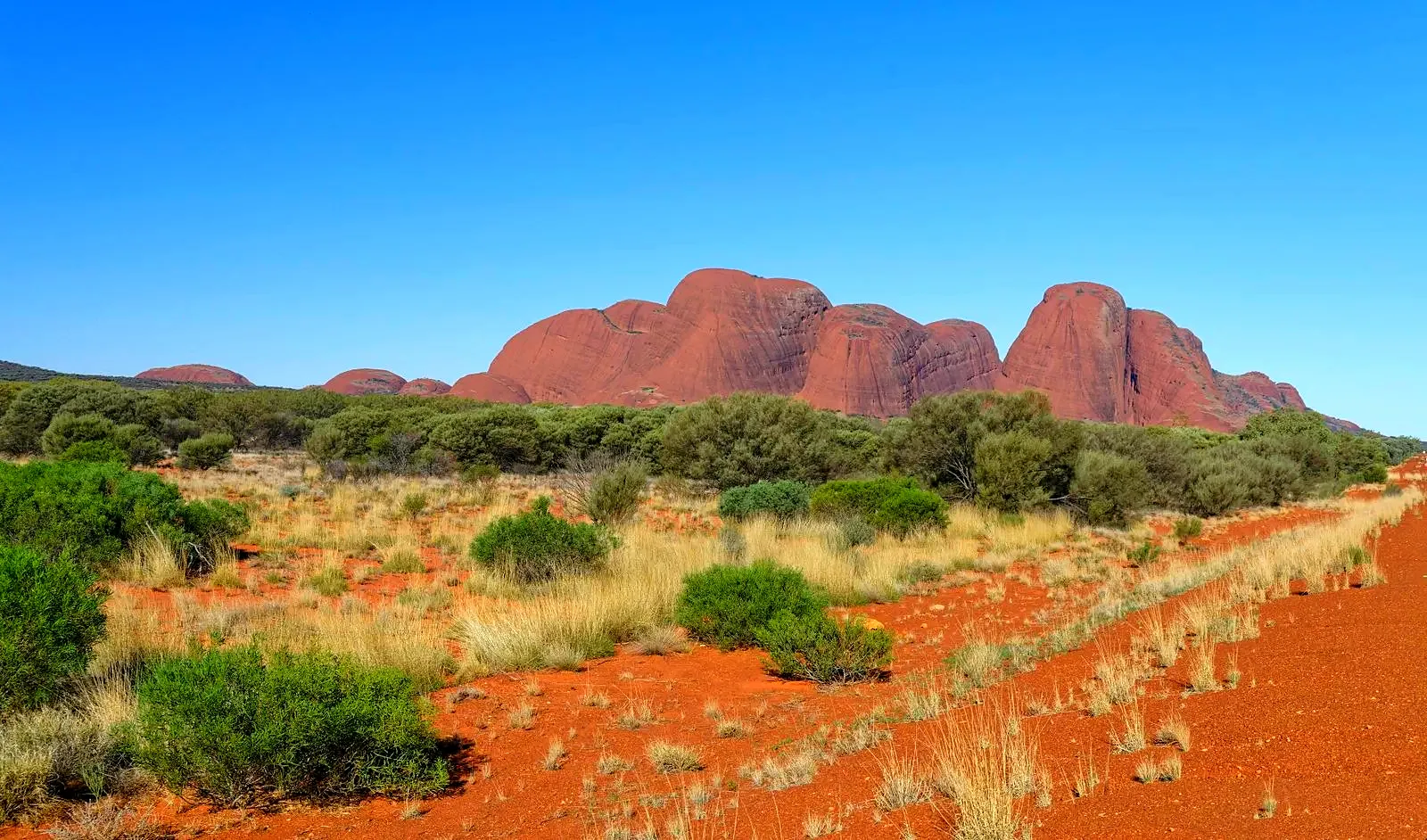
Uluru and Kata Tjuta are a UNESCO World Heritage landscape owned by the Anangu people, who have lived here for over 30,000 years. Their cultural center is the place to learn from them.
Worth booking ahead
The good ones sell out while you are still deciding. Book these before you fly, and keep your days for wandering.
Sydney
Sydney Harbour Bridge climb
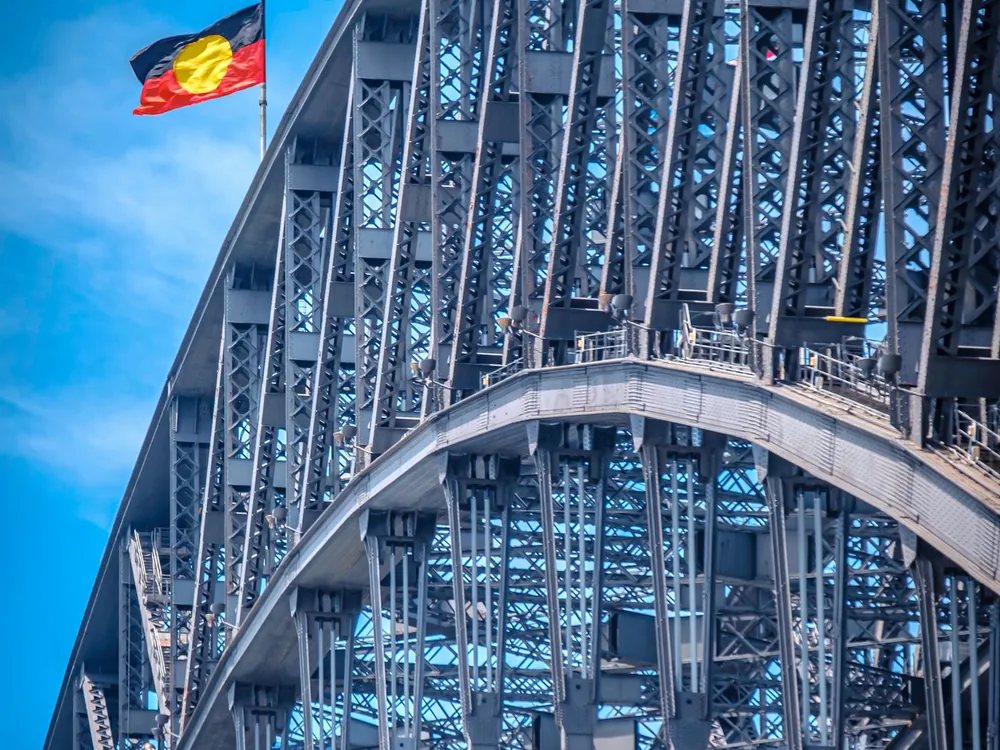
BridgeClimb Sydney is the climb in The Rocks. The Pylon Lookout is the option without a climb.
Five short notes from me: the 3 things I sort out ahead of every flight, the tiny details nobody tells you, and your vote on where I go next 🌍
A bit of history
More than 65,000 years of custodianship
Tourism Australia's Acknowledgement of Country recognizes First Nations custodianship of culture and Country for over 65,000 years. When British colonization began in 1788, there were between 350 and 750 distinct social groupings and a similar number of languages.
The Rocks, 1788
Destination NSW calls The Rocks the birthplace of modern Sydney. European settlers arrived in 1788, and convicts were the first to set up house and shop there.
Pubs from the 1820s
Some of Sydney's oldest pubs are still in The Rocks. The Fortune of War dates to 1828, Lord Nelson Brewery to 1831 and The Hero of Waterloo to 1845.
Federation, 1901
In 1901 the separate British colonies federated into the Commonwealth of Australia, and each colony became a state. New Zealand chose to stay out.
Where to stay
The areas worth basing yourself in, each with its own stay search, and every hotel on one map.
Tip: finish booking on the website, not in the hotel's app, so it counts as booked through me.
Australia works best with a few bases. These are the places this planner suggests, with how to reach each one and one honest heads up. Everything here is researched for you from official and tourism board sources.
Harbour city
Sydney
Where most visitors start. The Opera House and Harbour Bridge are the world famous icons, and ferries from Circular Quay run across the harbor. The Rocks is where European settlement began in 1788.
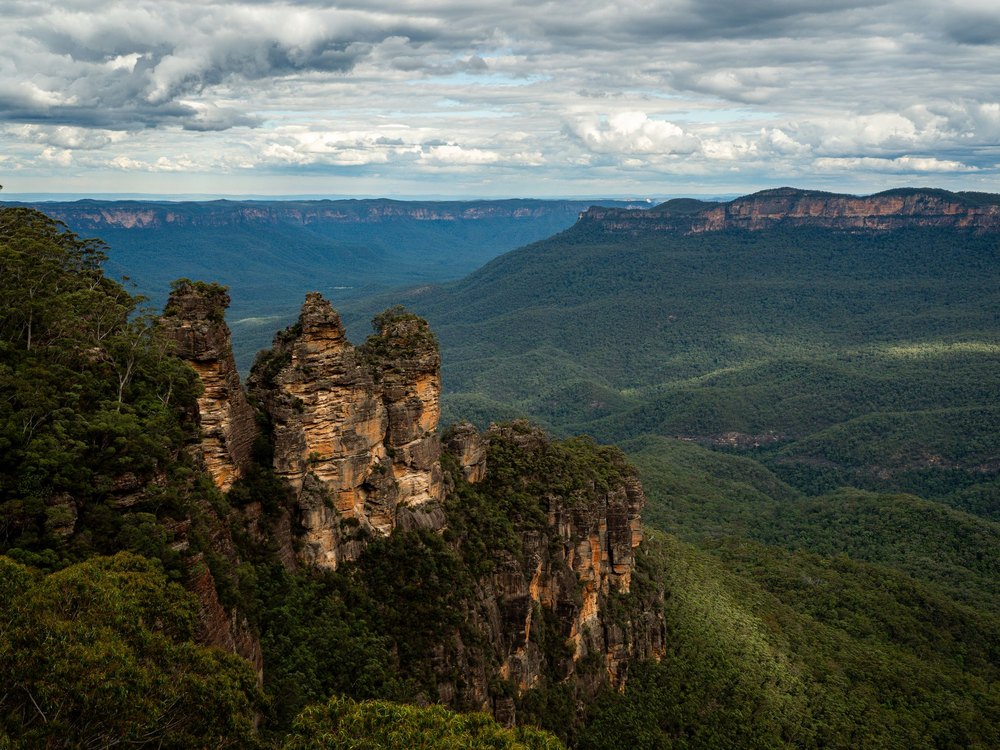
Near: Sydney Opera House and Circular Quay, The Rocks with its weekend markets, the Harbour Bridge (BridgeClimb or the Pylon Lookout), Bondi Beach, Taronga Zoo, Manly, Watsons Bay and Cockatoo Island, a UNESCO convict site. The Blue Mountains are a World Heritage day trip.
Getting around: The airport is 9 km from the city, with the T8 train and taxi ranks outside each terminal. Public transport reaches most top attractions, and ferries leave Circular Quay for Taronga Zoo, Manly, Watsons Bay, Cockatoo Island and Darling Harbour.
Heads up: The airport station access fee sits on top of the train fare and is outside the normal Opal caps. Whale watching is possible May to November.
Tourism Australia calls Melbourne the coffee capital of Australia. It is known for laneways such as Hosier Lane, street art, and a free City Circle tram with historical commentary.
Near: Hosier Lane and the laneways, the City Circle tram, and day trips to the Great Ocean Road, Phillip Island (little penguins), the Yarra Valley and the Dandenong Ranges.
Getting around: Melbourne Airport is 22 km from the city. Avalon Airport is 55 km away and also takes international and domestic flights.
Heads up: Tourism Australia says the weather can be unpredictable, so pack layers and an umbrella.
Cairns is the Tropical North Queensland base for the reef, the Daintree Rainforest and Aboriginal tours. Tourism Australia calls the Great Barrier Reef the world's largest reef system and says it has about 1,600 species of fish.
Near: Reef dive and snorkel trips, the Daintree Rainforest, Port Douglas, Cape Tribulation, and islands such as Lizard Island and Hamilton Island.
Getting around: Cairns Airport is 5.5 km from town, with pre-booked transfers, taxis and car hire available.
Heads up: May to October is the best time for swimming and underwater visibility. From November to April, stingers mean a wetsuit is needed, and some tropical areas can close in the wet.
A UNESCO World Heritage landscape in the Northern Territory, owned by the Anangu people. Tourism Australia says the Anangu have lived here for over 30,000 years and that visitors can learn from Anangu people at the cultural center.
Near: Sunrise and sunset viewing platforms, the cultural center, the Valley of the Winds track at Kata Tjuta, and the Field of Light art installation with 50,000 illuminated bulbs.
Getting around: Ayers Rock Airport is 30 km (about 30 minutes) from Uluru. Alice Springs Airport is 337 km away, about 4.5 hours.
Heads up: Best from May to September. Many remote roadhouses close at night and on weekends, and some remote roads are unsealed.
Tourism Australia says protocol dictates that people are welcomed when entering a new country, and a Welcome to Country may be spoken, sung or done with a smoke offering. Each area has its own teachings, so expect differences between regions.
Pubs and a yarn
Tourism Australia describes outback pubs as small, friendly places in regional towns for a cold beer and a yarn, which means a chat, with locals. A relaxed Sunday session, an afternoon drink to end the weekend, is another habit it lists.
Tipping is optional
Hotels and restaurants do not add service charges. Tipping is not usually expected, though about 10% is common at upmarket restaurants for good service.
Where and what to eat
Come hungry.
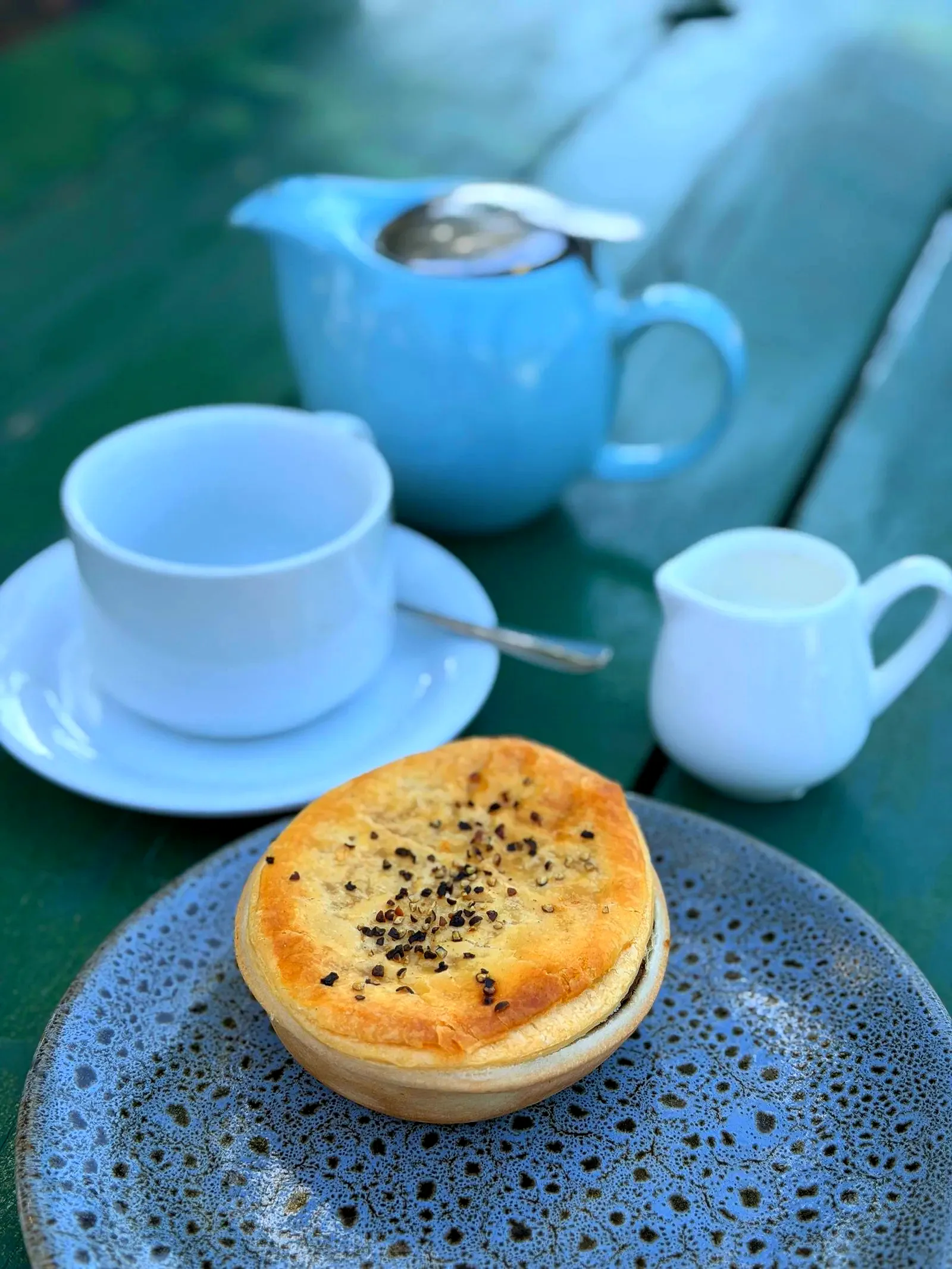
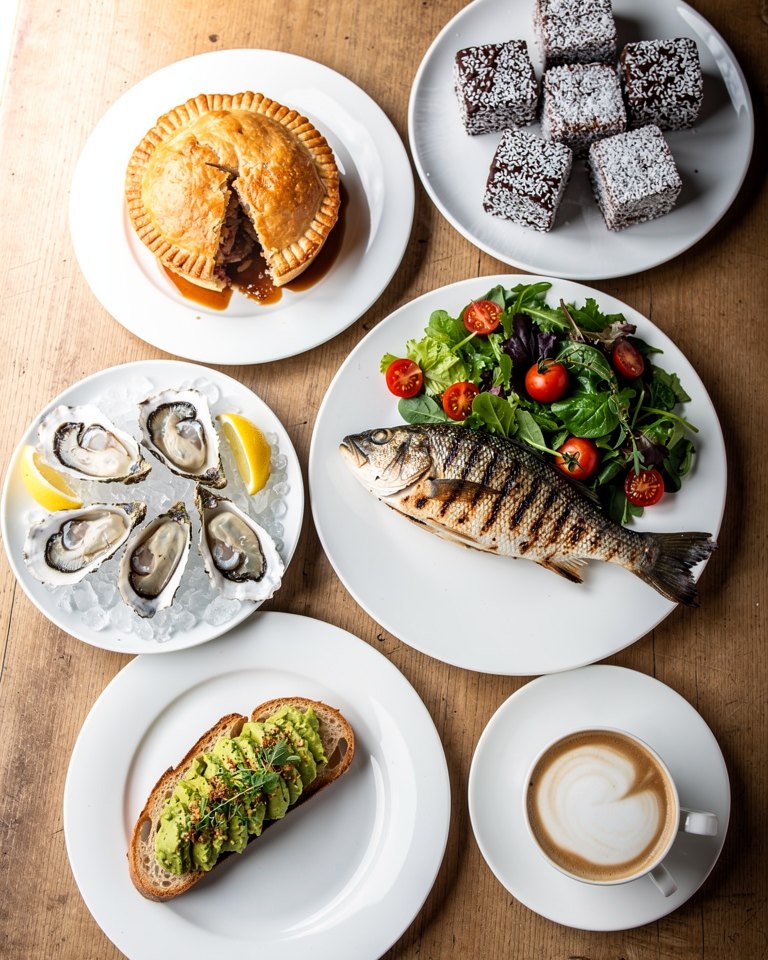
Meat pieFlaky pastry filled with minced or diced meat and rich gravy, traditionally beef. Tourism Australia calls it a working class staple, and bakeries now offer versions such as Moroccan lamb.
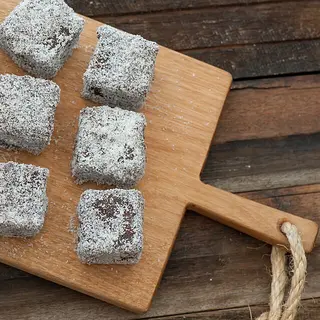
LamingtonA sponge cake square coated in chocolate sauce and desiccated coconut, often plain and sometimes layered with jam and cream. Many people call it Australia's national cake.
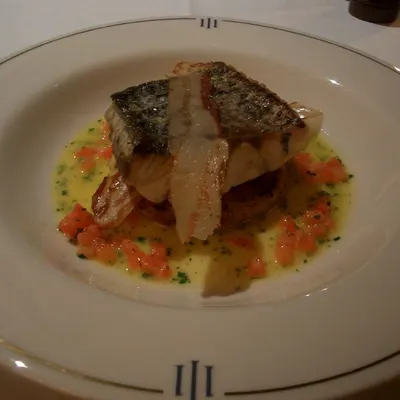
BarramundiA white, firm fleshed fish especially popular in Darwin, where it is often caught in the morning and served by lunch.
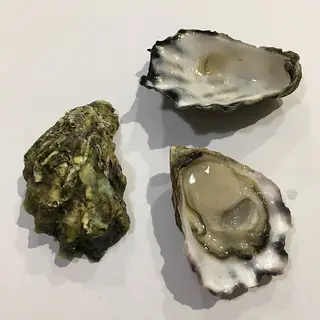
Sydney rock oystersSmall oysters, usually eaten raw with lemon.
Flat whiteA single espresso with steamed milk and a layer of foam. Melbourne is known as the coffee capital of Australia.
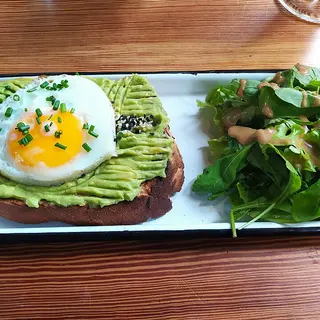
Avocado on toastA brunch staple of smashed avocado on toast, now often served with toppings such as pickled fennel or fried halloumi.
Say it like a local
24 everyday phrases, with how to say them. Tap a speaker to hear one.
HelloG'dayguh DAY
HelloWarranewar RANG
HelloNarrmNARR m
HelloWominjeka
How are you?How ya going?how yuh GOH in
Fine, thanksGood thanks, mateGOOD THANKS, MAYT
Show all 24 phrasesShow fewer phrases
Thank youThanks, or cheersTHANKS, CHEERZ
PleasePleasePLEEZ
Excuse meExcuse meex KYOOZ mee
SorrySorrySOR ee
GoodbyeSee yaSEE yuh
How much does it cost?How much is it?how MUCH iz it
One coffee, pleaseCan I grab a flat white, please?kan eye GRAB uh flat WYTE, PLEEZ
The bill, pleaseCan we get the bill, please?kan wee get thuh BILL, PLEEZ
Where is the bathroom?Where's the toilet?wairz thuh TOY let
A table for two, pleaseTable for two, pleaseTAY bul for TOO, PLEEZ
I would like this oneI'll have this one, thanksile HAV this wun, THANKS
Can you help me?Could you give me a hand?kood yoo GIV mee uh HAND
I don't understandSorry, say that again?SOR ee, SAY that uh GEN
Cooler boxEskyES kee
Gas stationServoSER voh
Flip flopsThongsTHONGZ
CandyLolliesLOL eez
Pickup truckUteYOOT
Find your flight
Search flights to Australia and compare prices before you book.
US passport You need an Australian ETA before you fly, applied for in the official Australian ETA app for AUD 20, and it lets you stay up to 3 months each visit. Check the official page before you book. Official page. Checked 13 Nov 2026.
Everyone except Australian citizens needs a visa, and New Zealand passport holders can apply on arrival. US passports are on the Home Affairs list for the Electronic Travel Authority (subclass 601). It is applied for only in the Australian ETA app, costs a AUD20 service charge, and allows stays of up to 3 months at a time. Home Affairs advises not to book travel until the ETA is granted. Not a US passport? Check your country's rules: Visa finder (Australian Department of Home Affairs).
Customs and biosecurity
Every arriving passenger fills in an Incoming Passenger Card, usually handed out on the plane. Declare all food, plant and animal items, including seeds, nuts, shells and sports gear or shoes with soil on them. Failing to declare can mean seized items, fines or even prison, but you are not penalized for declaring something that turns out not to be allowed. Declare cash of AUD10,000 or more.
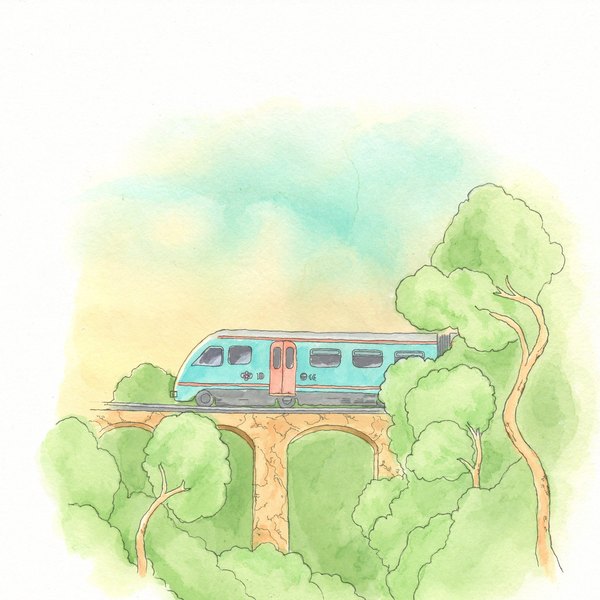
Trains, trams and ferries
In Sydney you can tap on and off with a contactless credit or debit card, no setup needed. Transport for NSW gives 30% off metro, train, bus and light rail fares on Fridays, weekends, public holidays and off peak Monday to Thursday. Ferry fares depend on the distance between your tap on and tap off. In Melbourne the City Circle tram is free, per Tourism Australia.
Driving
Australians drive on the left. A foreign license in English is valid for up to 3 months, and a license not in English needs an International Driving Permit. Urban limits are generally 50 km/h and most other roads are 100 km/h. Speed cameras are common and fines go to your rental company. Avoid driving at night in country areas, because kangaroos are hard to see.
Money and tipping
The currency is the Australian dollar (AUD). Hotels and restaurants do not add service charges, so tipping is optional, and about 10% is common at upmarket restaurants for good service.
Sun, surf and emergencies
Dial 000 for emergency services, or 112 from a mobile phone. UV is high all year and strongest from December to February, so use SPF 30 or higher, a hat and sunglasses, and take extra care between 10 a.m. and 3 p.m. Swim between the red and yellow flags at patrolled beaches, and never alone, at night or after drinking.
When to go
The seasons are flipped: Australia is in the southern hemisphere. Summer runs December to February, autumn March to May, winter June to August and spring September to November. Tourism Australia lists spring for flowers in Sydney, Canberra and Perth, and summer for the southern regions such as Tasmania.
The tropical north: The wet season runs November to April and is very hot and humid, with monsoon rain and possible cyclones, and many Kakadu areas may close for flood risk. The dry season, May to October, brings clear skies and is when Tropical North Queensland is most popular. The ocean is generally free of marine stingers in the dry season, and a wetsuit is needed for stingers in the wet.
Uluru and the central desert: Tourism Australia says the best time for Uluru and Kata Tjuta is May to September, with temperatures of about 20 to 30 degrees C (68 to 86 degrees F). The wet season there runs October to April.
Busy periods: Tourism Australia's Sydney and Melbourne guides both list November to February as high season and June to August as low season. The Great Barrier Reef guide lists June to August as its high season.
Plugs and power
Plug I
Power is 220 to 240 V, 50 Hz. Bring an adapter if your plugs are from the US or the UK or the EU. US gear that only runs on 110 to 120 V, like some hair tools, needs a converter here. Check your chargers and devices say 100 to 240 V before you plug in.
Getting around: taxi apps
Uber works at Sydney Airport: UberX pickup at T1 International is Rank C, T3 Domestic is kerbside, and T2 uses the Priority Pick-up Zone, per the airport. Each terminal has a taxi rank, and taxis cannot pick up away from a rank.
Sydney Airport is 9 km from the city. The T8 train runs every day from 5 a.m. to midnight, and its stations are under the terminals. On top of the fare, an airport station access fee of $18.61 for adults applies when you pay with Opal or a contactless card, per Transport for NSW. A flat fare trial for taxis from the airport ranks to the CBD area started November 3, 2025 at $60 for a standard taxi.
SYD Sydney Airport: about 8 km (5 mi) to the Sydney CBD, 13 to 20 minutes.
Book a pickup or rent a car
Book a pickup
Book a driver who meets you at arrivals at Sydney Airport, at a fixed price agreed before you land.
The questions people ask most, answered from this page.
Do US citizens need a visa for Australia?
Everyone except Australian citizens needs a visa, and New Zealand passport holders can apply on arrival. US passports are on the Home Affairs list for the Electronic Travel Authority (subclass 601). It is applied for only in the Australian ETA app, costs a AUD20 service charge, and allows stays of up to 3 months at a time. Home Affairs advises not to book travel until the ETA is granted.
How do I get from the airport to the city in Australia?
Sydney Airport is 9 km from the city. The T8 train runs every day from 5 a.m. to midnight, and its stations are under the terminals. On top of the fare, an airport station access fee of $18.61 for adults applies when you pay with Opal or a contactless card, per Transport for NSW. A flat fare trial for taxis from the airport ranks to the CBD area started November 3, 2025 at $60 for a standard taxi.
Photo credits
Aerial view of the Great Barrier Reef with turquoise reef patches and a small white sand cay in deep blue water: Ank Kumar, CC BY-SA 4.0, via Wikimedia Commons. Uluru glowing deep orange at sunset above green desert scrub under a blue sky with scattered clouds: Brett Stanley, CC BY-SA 4.0, via Wikimedia Commons. Flinders Street Station in Melbourne with its yellow facade and green copper dome, a white tram and a green heritage tram passing in front: Gracchus250, CC BY-SA 4.0, via Wikimedia Commons. Lamington: jules, CC BY 2.0, via Wikimedia Commons. Barramundi: Alpha from Melbourne, Australia, CC BY-SA 2.0, via Wikimedia Commons. Sydney rock oysters: Pelagic, CC BY-SA 4.0, via Wikimedia Commons. Flat white: GeorgeMichaelFarewell, CC BY-SA 4.0, via Wikimedia Commons. Avocado on toast: Pequeño mar, CC BY-SA 4.0, via Wikimedia Commons.
Checked 11 Nov 2026: entry links, plugs, airport times, ride apps and the facts on this page. Prices and rules show their own As of date.
Researched for you from official and trusted sources.
Affiliate links: some links on this page (flights, tours, city passes, stays, transfers, rental cars, luggage storage, eSIMs and flight compensation) are affiliate links. If you book through them, I earn a small commission at no extra cost to you.
Photos
Real photos from Pexels and Wikimedia Commons, used under the license shown, by the photographers credited below. The table of dishes in the food section is an illustration made for this page, not a photo of a real meal.
The Sydney Opera House lit up at night on the harbour, with white shells glowing against dark water and city lights behind. Photo: Diliff, CC BY-SA 3.0, via Wikimedia Commons.
Flinders Street Station in Melbourne with its yellow facade and green copper dome, a white tram and a green heritage tram passing in front. Photo: Gracchus250, CC BY-SA 4.0, via Wikimedia Commons.
Aerial view of the Great Barrier Reef with turquoise reef patches and a small white sand cay in deep blue water. Photo: Ank Kumar, CC BY-SA 4.0, via Wikimedia Commons.
Uluru glowing deep orange at sunset above green desert scrub under a blue sky with scattered clouds. Photo: Brett Stanley, CC BY-SA 4.0, via Wikimedia Commons.
Sources
Researched for you from official and trusted sources. Rules, prices and times change, so check the official page before you book.
I researched this page for you, so you can plan well. The places I have filmed have their own trip planners.
Filming your own trips? My free guide to AI editing shows how my automated AI editor turns a folder of my clips into a finished reel. Send me the free guide.
 Luisa's Atlas