Four places to start in Palau: Koror, the Rock Islands Southern Lagoon, the big island of Babeldaob and Peleliu. Entry rules, the Palau Pledge, permits for the Rock Islands, taxis and what to eat.
Everything for Palau on one page: what to know before you leave, the tours worth booking ahead, the ride apps, an eSIM and where to stay and eat, so you land with a plan, not 37 open tabs.
Say it like a local
Hello and welcome: Alii (ah LEE). Thank you: Mesulang (meh soo LAHNG). English is widely spoken.
Some links earn me a small commission at no extra cost to you.
My free appLanding with no signal? Take this whole planner offline in my free iPhone app.Download on the App Store
Where in the worldPalau
Why Palau is amazing
1
Islands like green mushrooms
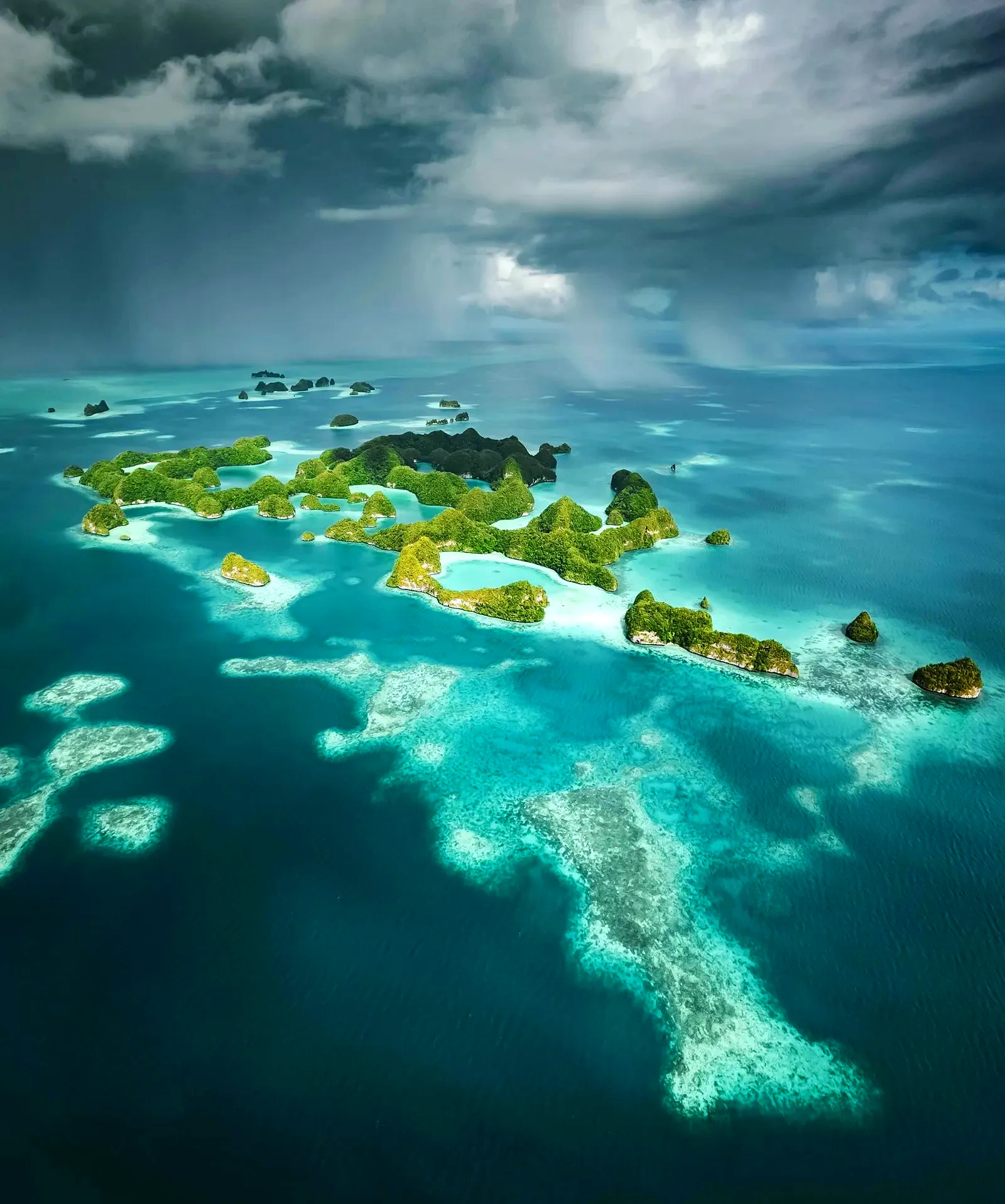
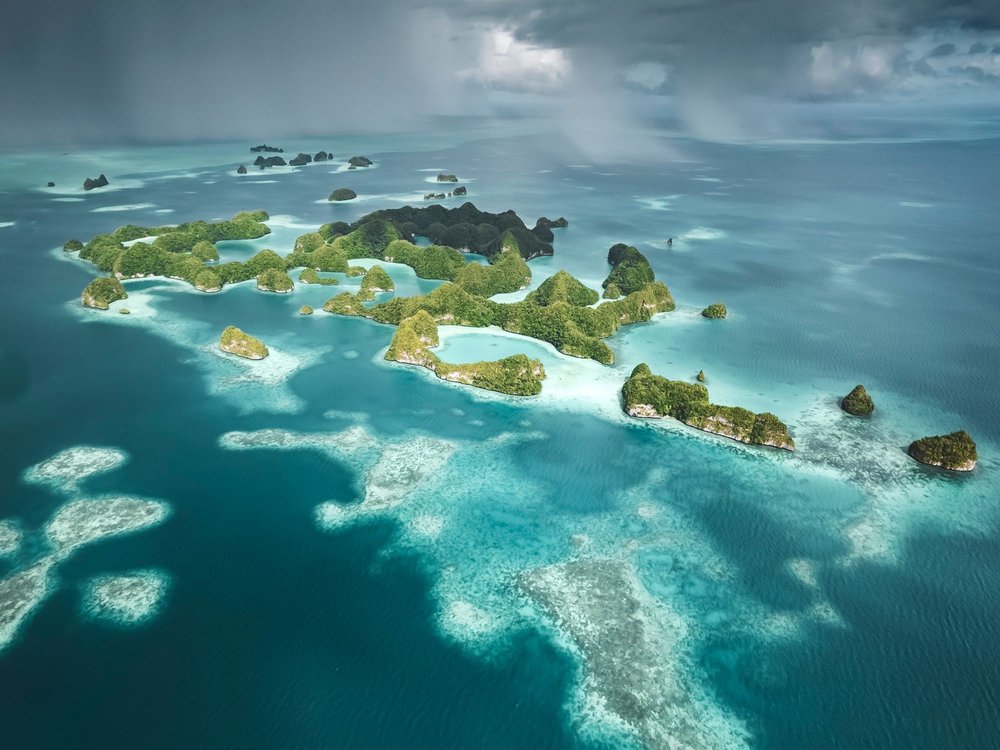
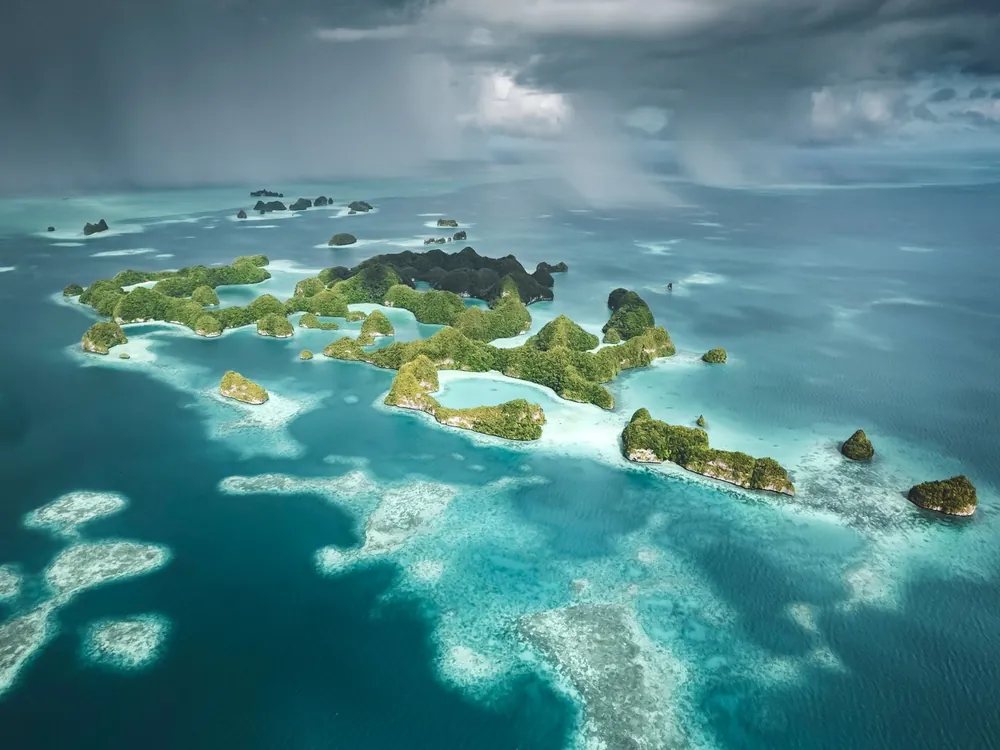
Palau's southern lagoon holds more than 400 limestone Rock Islands, round and green above turquoise water. Seen from a boat or a small plane, they look almost too perfect to be real.
2
Swim with gentle jellyfish
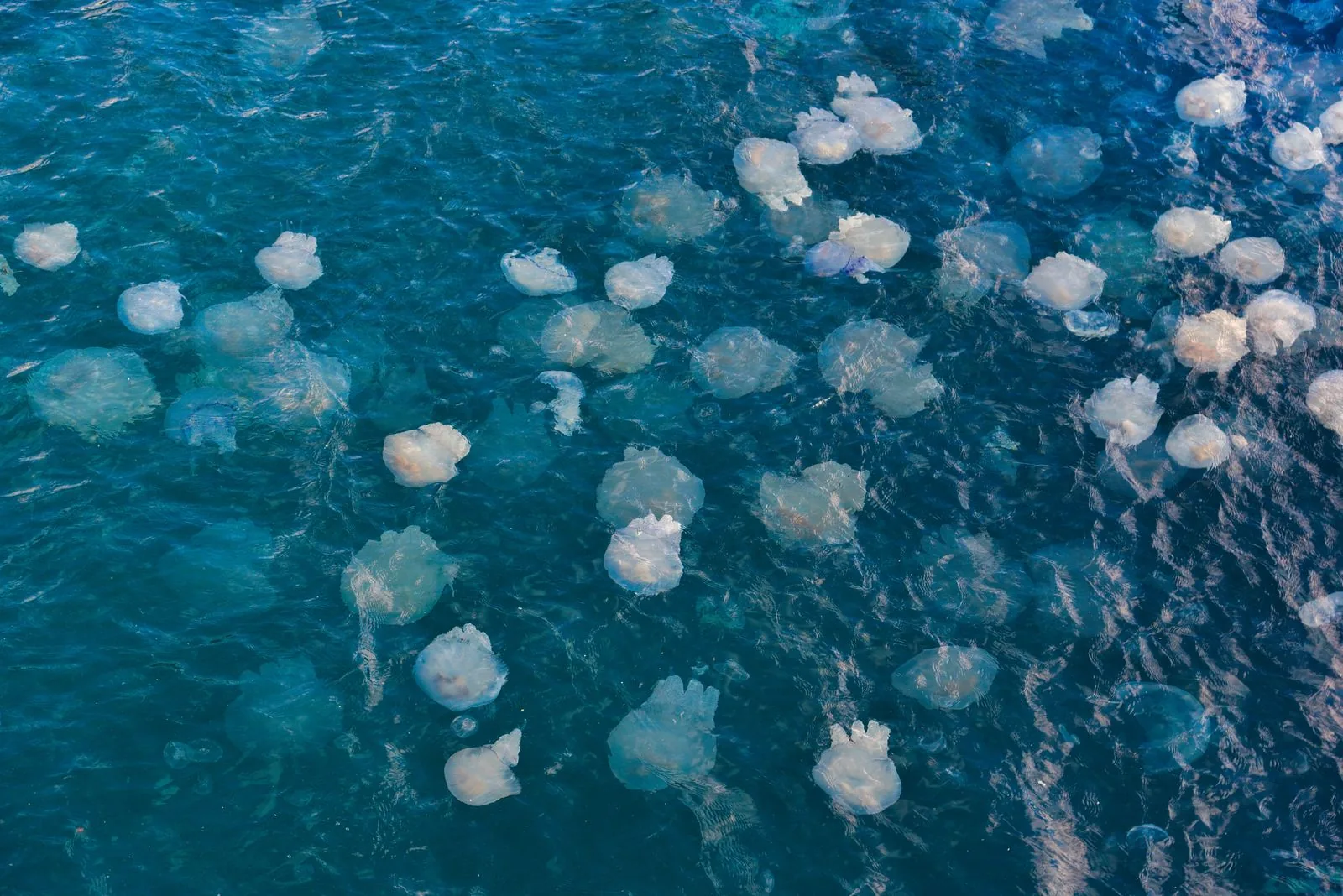
In Jellyfish Lake, hidden inside one of the Rock Islands, you can snorkel among translucent golden jellyfish that do not sting. It feels like floating through a dream.
3
Some of the world's best diving
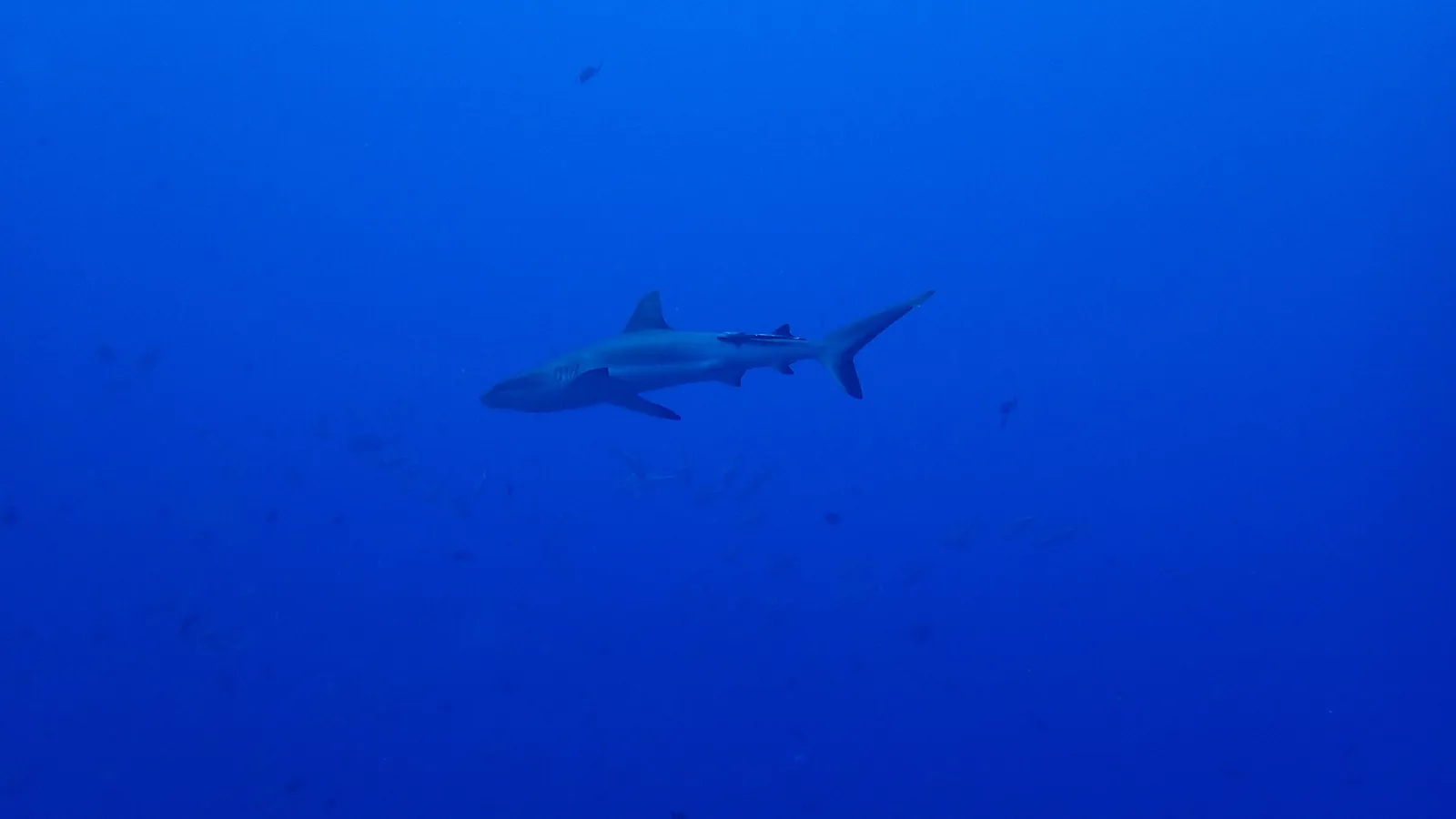
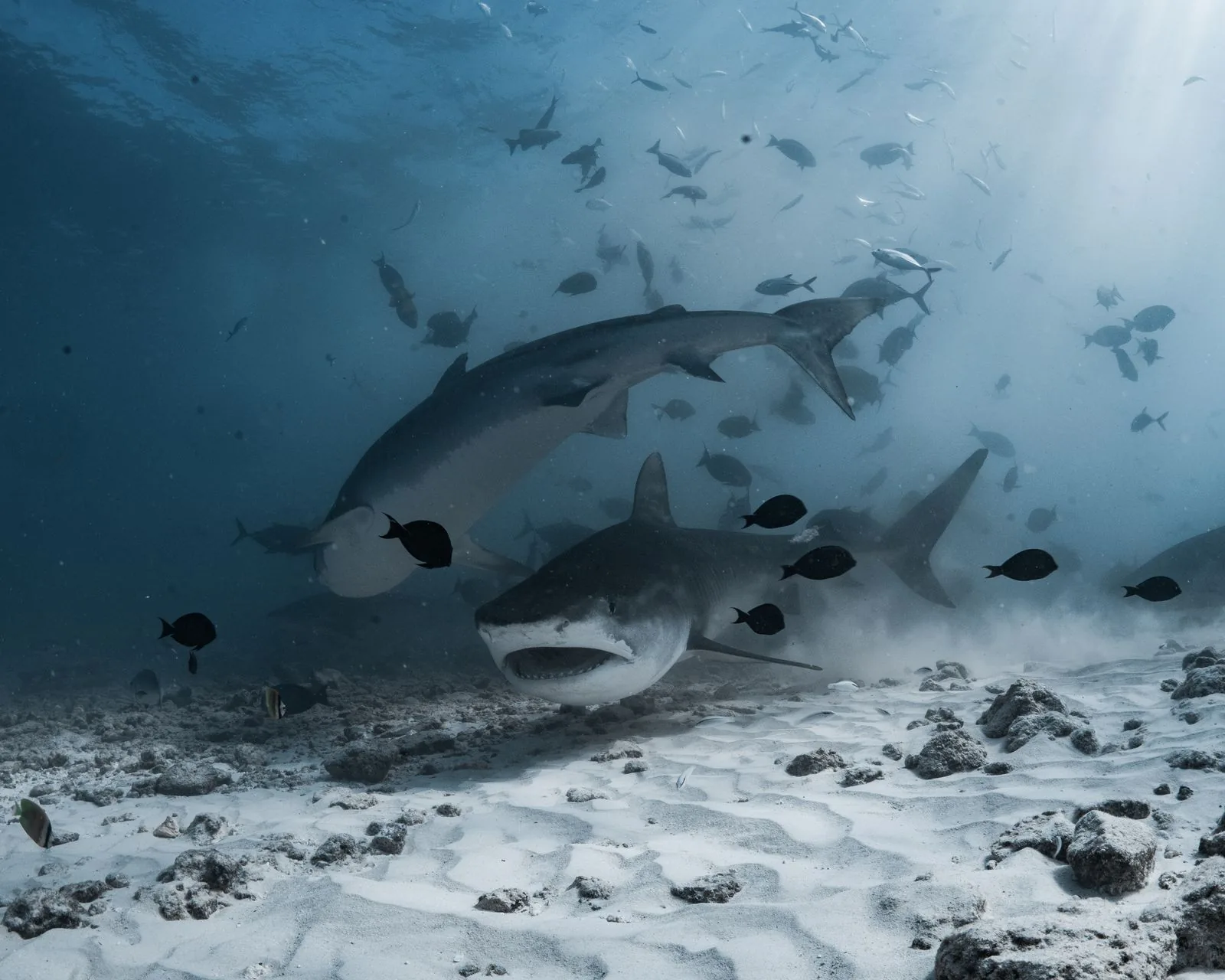
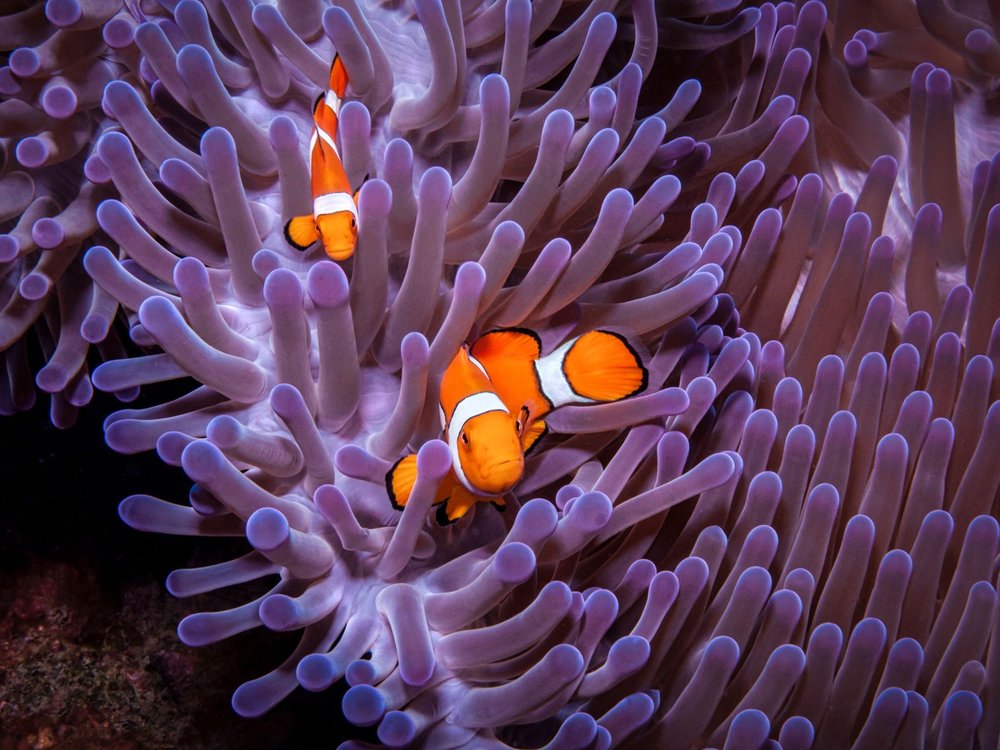
Palau has more than 50 named dive sites, around 400 kinds of hard coral and at least 1,450 species of reef fish, with water at 82°F all year.
4
A country that protects its sea
Palau made the world's first shark sanctuary in 2009, and every visitor signs a pledge in their passport to care for the islands. You can feel how much the ocean matters here.
5
Taro, fish and coconut
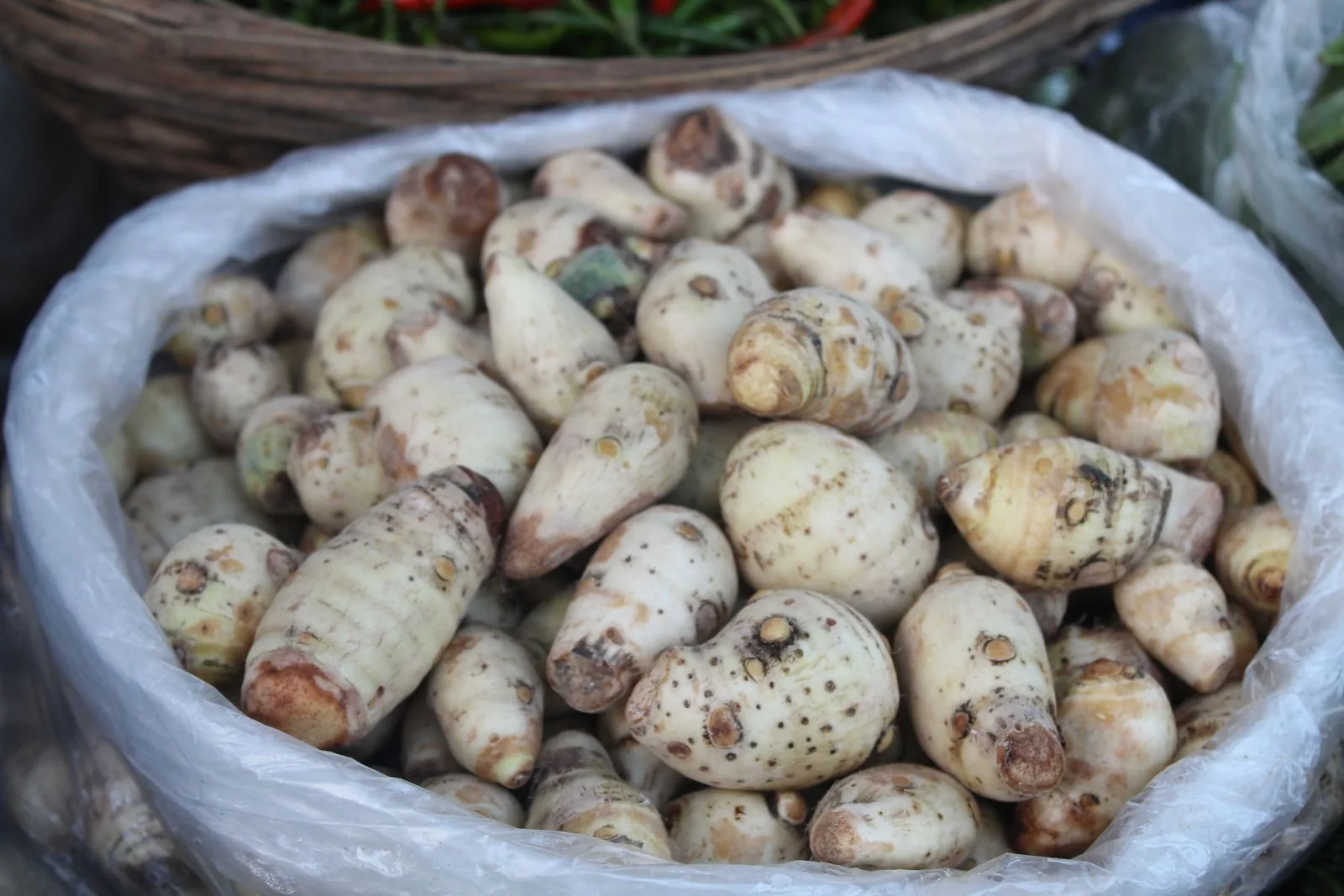
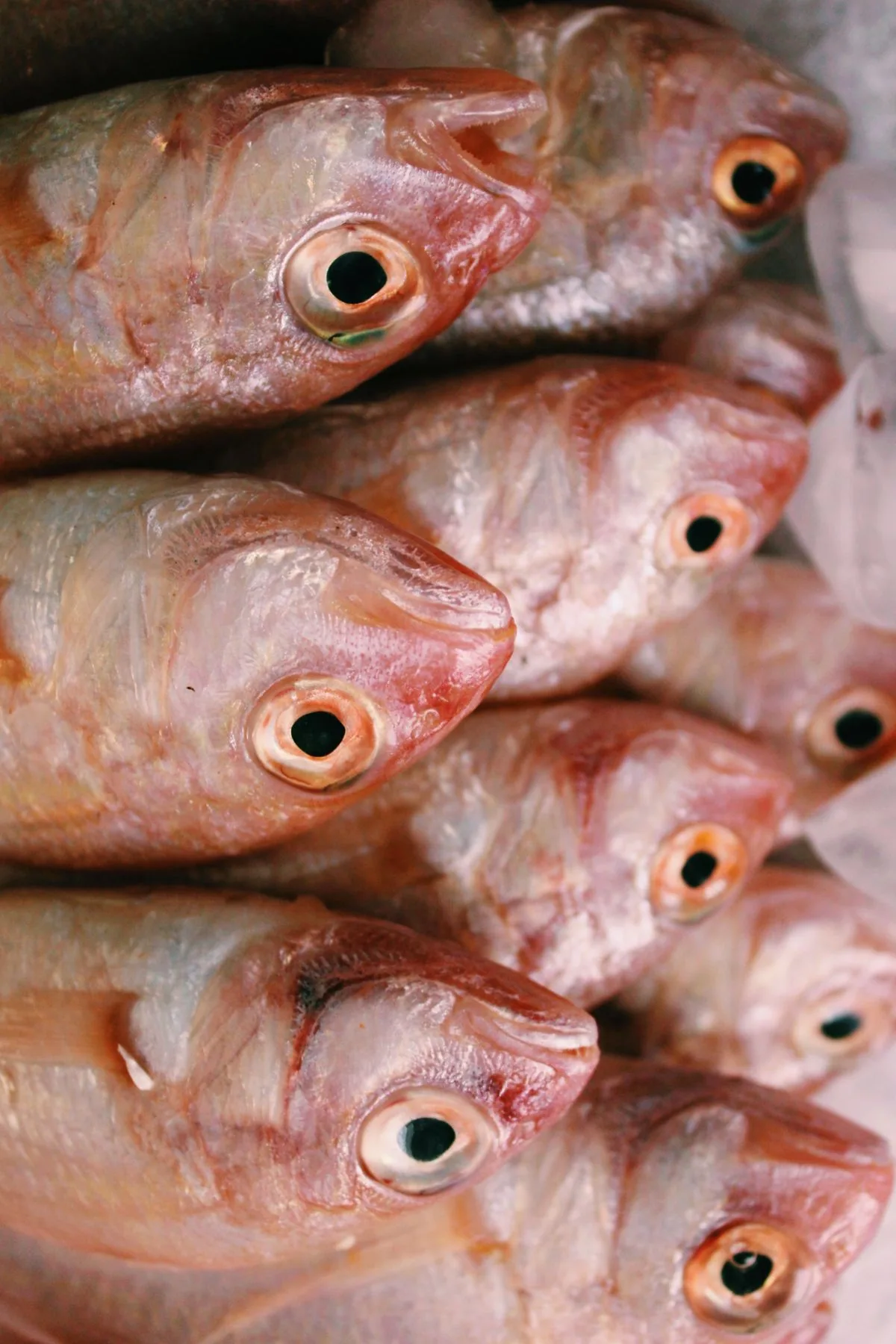
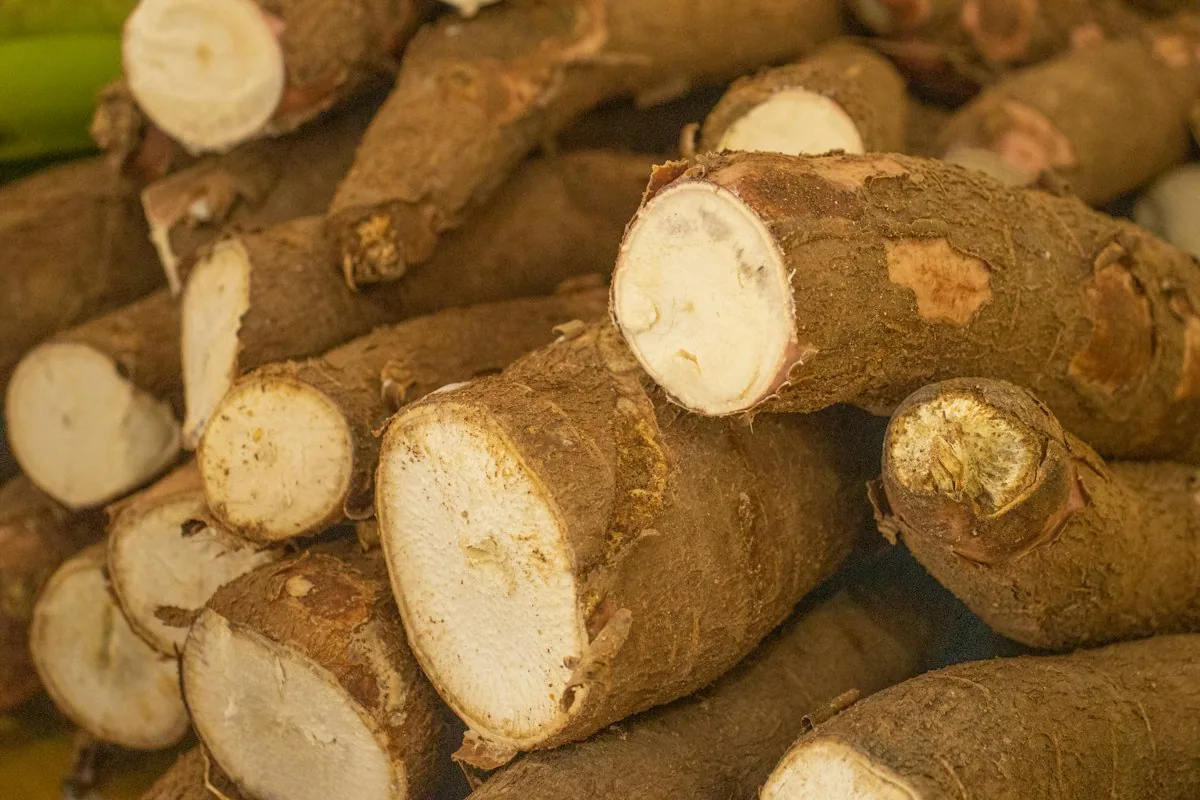
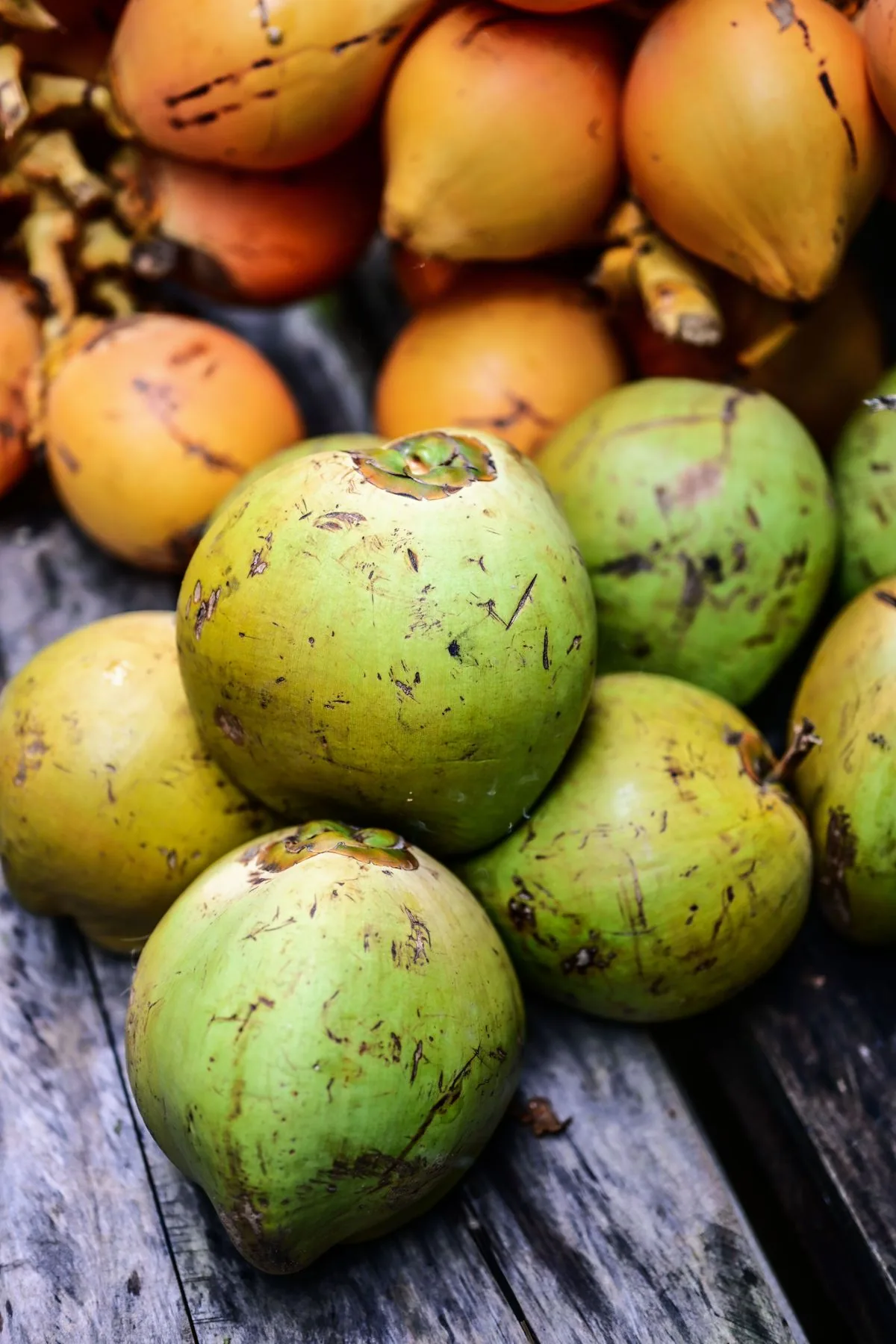
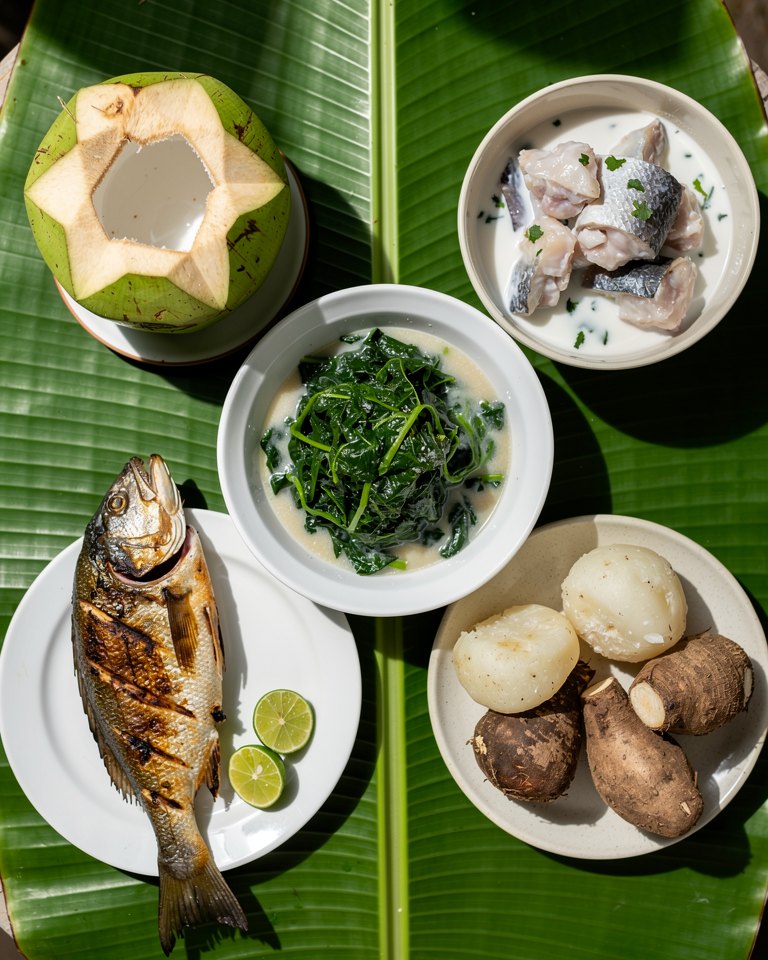
Palauan meals start from the land and sea: demok taro leaf soup, pounded taro called belsiich, fish soup and fresh reef fish, with a cold coconut on the side.
Worth booking ahead
The good ones sell out while you are still deciding. Book these before you fly, and keep your days for wandering.
Koror
Scuba diving in Palau
Reef walls, drift dives and wrecks with experienced local guides; book with a dive shop in Koror.
Five short notes from me: the 3 things I sort out ahead of every flight, the tiny details nobody tells you, and your vote on where I go next 🌍
A bit of history
Independence in 1994
After decades as a UN trust territory under US administration, Palau became an independent nation in 1994 and still uses the US dollar.
The Battle of Peleliu
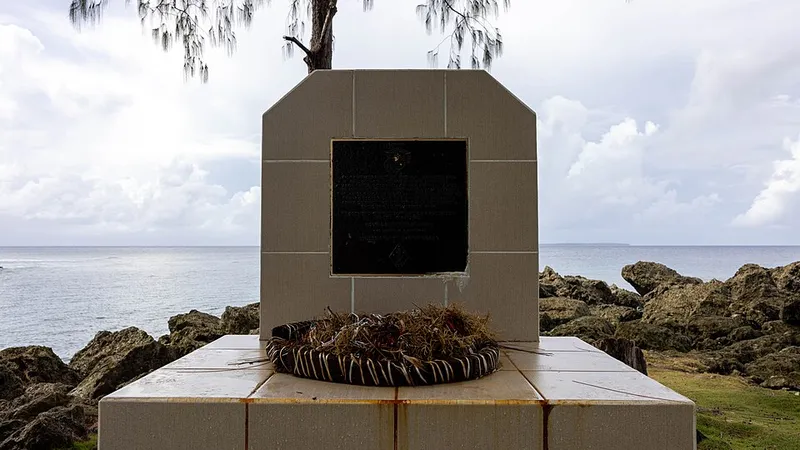
In 1944 Peleliu saw one of the hardest battles of World War II, lasting nearly three months; caves and relics still mark Bloody Nose Ridge.
The world's first shark sanctuary
Palau declared the world's first shark sanctuary in 2009, and in 2015 it signed the Palau National Marine Sanctuary Act to protect its waters.
A pledge in your passport
In 2017 Palau became the first country to change its arrival rules for the environment: every visitor signs the Palau Pledge stamped in their passport.
Where to stay
The areas worth basing yourself in, each with its own stay search, and every hotel on one map.
Tip: finish booking on the website, not in the hotel's app, so it counts as booked through me.
Palau works best with a few bases. These are the places this planner suggests, with how to reach each one and one honest heads up. Everything here is researched for you from official and tourism board sources.
Hub
Koror
Palau's main town, where most hotels, restaurants and dive and tour operators are based. Boats to the Rock Islands leave from here, and the Belau National Museum and Etpison Museum tell Palau's story.
Near: The Rock Islands, Belau National Museum, Etpison Museum, the Palau Aquarium and Long Beach style sandbars in the lagoon.
Getting around: Taxi from the airport, $30 to $40 per car before 10 PM; drivers and hotel pickups in town.
Heads up: Traditional leaders may set a curfew from midnight to 5 AM in Koror.
More than 400 green, mushroom shaped limestone islands in a lagoon sheltered by reefs, a World Heritage site. Day boats stop at Jellyfish Lake, snorkel reefs and white sand islands for lunch.
Near: Jellyfish Lake (Ongeim l'Tketau), Ngermeaus Island, Shark City, Clam City and Rainbow Reef.
Getting around: By boat on a guided day tour from Koror; tour operators sell the Koror State permits.
Heads up: You need a Koror State Rock Islands permit and a separate permit for Jellyfish Lake.
Palau's largest island, ringed by a sealed road up to Ngarchelong at the northern tip. Come for the Badrulchau stone monoliths, Ngardmau waterfall and the old Bai meeting house in Airai.
Near: Badrulchau stone monoliths, Ngardmau waterfall, the Airai Bai and Ngermecheluch Pier in Melekeok.
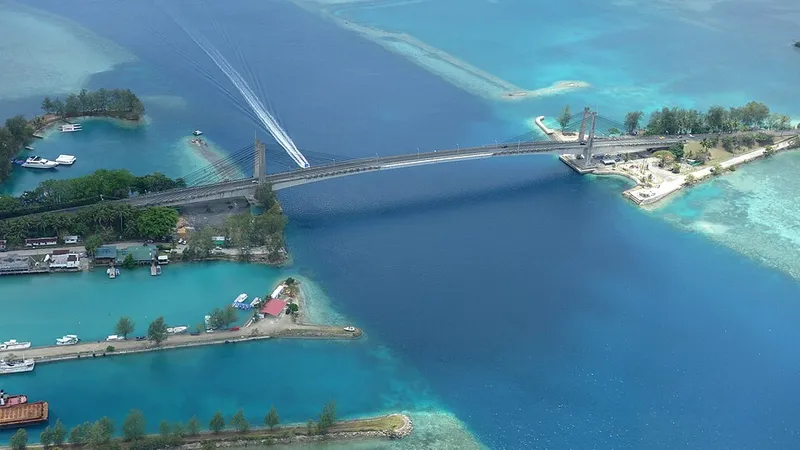
Getting around: Rental car or a driver for the day from Koror over the Japan Palau Friendship Bridge.
Heads up: It is a long day by road; a driver to Ngardmau or Badrulchau is priced per trip, so agree it first.
A quiet island about an hour and fifteen minutes by boat from Koror, site of one of the hardest battles of World War II. Bloody Nose Ridge, caves and relics remain as a memorial.
Near: Bloody Nose Ridge, World War II relics and memorials, quiet beaches.
Getting around: Boat tour or scheduled ferry from Koror, or a small plane.
Heads up: Services are limited, so most visitors go with a guided day tour.
Palauan villages are matrilineal. A council of chiefs guides each village, and a parallel council of women oversees land, money and the choice of leaders.
The Bai
Clan chiefs meet in the Bai, a meeting house built without nails. Only a few original ones remain, and the Airai Bai is the oldest.
Respect the reef
Take only photos, keep off the coral and follow your guide; the Palau Pledge asks visitors to tread lightly and respect local customs.
Where and what to eat
Come hungry.
Fresh fishReef fish, tuna and skipjack are central to Palauan meals.
Tapioca and taroRoot crops grown on the islands, boiled or baked as everyday staples.
Fresh coconutDrink it straight from the shell; coconut also goes into many local dishes.
DemokTaro leaf soup, often called Palau's national soup.
BelsiichPounded taro, served among local delicacies at feasts.
BeldaklA local fish soup.
Find your flight
Search flights to Palau and compare prices before you book.
US passport No visa for US citizens, just fill in the online Palau Entry Form in the 72 hours before you land and bring a passport with 6 months left. Check the official page before you book. Official page. Checked 13 Nov 2026.
US citizens do not need a visa to visit Palau. Your passport needs at least six months of validity, and every traveler fills in the online Palau Entry Form within 72 hours before arrival and shows its QR code at the airport. Check the official page before booking. Not a US passport? Check your country's rules: Republic of Palau, Ministry of Justice (immigration).
The $100 environmental fee
Every visitor pays the $100 Pristine Paradise Environmental Fee, and airlines include it in the ticket price. On arrival you sign the Palau Pledge, a promise stamped in your passport to protect the islands and respect local customs.
Money and tipping
Palau uses the US dollar. Visa, JCB and Mastercard are widely accepted, but carry some cash. Tipping is optional and appreciated.
Health and water
The US State Department advises normal precautions in Palau, and crime is relatively low. Tap water is not safe to drink in many areas, so ask for bottled water. Belau National Hospital in Koror has the country's hyperbaric chamber for diving emergencies.
When to go
Warm all year: The average temperature is 82°F (27°C) all year, and the water stays around 82°F too. Diving visibility is good in every season.
Rain and typhoons: Rain can fall in any month and comes more often from July to October, with plenty of sunshine in between. Palau sits outside the main typhoon zone, so typhoons are rare.
Plugs and power
Plug APlug B
Power is 120 V, 60 Hz. Bring an adapter if your plugs are from the UK or the EU. Plugs from the US usually fit. UK and EU gear that only runs on 220 to 240 V needs a converter here. Check your chargers and devices say 100 to 240 V before you plug in.
Getting around
There is no Uber or Lyft. Licensed drivers are not metered: fares are fixed by zone and charged per vehicle, so ask to see the rate sheet. Koror has a small weekday bus, about $1 a ride. Cars drive on the right and the national speed limit is 25 mph. Licensed taxi drivers charge fixed zone fares per vehicle, and hotels, restaurants and tour operators will call one for you.
Palau International Airport is in Airai on Babeldaob, and most hotels and tour operators are in Koror across the Japan Palau Friendship Bridge. Standard taxi fares from the airport to Koror are $30 to $40 per car before 10 PM; check before you go.
ROR Palau International Airport: licensed taxi, $30 to $40 per car before 10 PM, or a hotel pickup.
Book a pickup or rent a car
Book a pickup
Book a driver who meets you at arrivals at Palau International Airport, at a fixed price agreed before you land.
You drive: compare rental companies and prices for your dates.
The search box loads here.
Good to know
The local rules and habits worth knowing before you land.
Only reef safe sunscreen is allowed: mineral formulas with zinc oxide or titanium dioxide.
E-cigarettes and vaping are banned: import, sale and use are illegal.
Fill in the Palau Entry Form within 72 hours of arrival.
Declare cash of $10,000 or more on arrival or departure.
Taxi fares are per vehicle, not per person.
Vaping and e-cigarettes are illegal, reef toxic sunscreen is banned, and visiting the Rock Islands or Jellyfish Lake without a Koror State permit can bring a fine.
The questions people ask most, answered from this page.
Do US citizens need a visa for Palau?
US citizens do not need a visa to visit Palau. Your passport needs at least six months of validity, and every traveler fills in the online Palau Entry Form within 72 hours before arrival and shows its QR code at the airport. Check the official page before booking.
How do I get from the airport to the city in Palau?
Palau International Airport is in Airai on Babeldaob, and most hotels and tour operators are in Koror across the Japan Palau Friendship Bridge. Standard taxi fares from the airport to Koror are $30 to $40 per car before 10 PM; check before you go.
How do I get around Palau?
There is no Uber or Lyft. Licensed drivers are not metered: fares are fixed by zone and charged per vehicle, so ask to see the rate sheet. Koror has a small weekday bus, about $1 a ride. Cars drive on the right and the national speed limit is 25 mph.
What currency does Palau use?
Palau uses the US dollar. Visa, JCB and Mastercard are widely accepted, but carry some cash. Tipping is optional and appreciated.
Photo credits
Some of the world's best diving: jeff~, CC BY 2.0, via Wikimedia Commons. Babeldaob: Luka Peternel, CC BY-SA 4.0, via Wikimedia Commons.
Checked 13 Nov 2026: entry links, plugs, airport times, ride apps and the facts on this page. Prices and rules show their own As of date.
Researched for you from official and trusted sources.
Affiliate links: some links on this page (flights, tours, city passes, stays, transfers, rental cars, luggage storage, eSIMs and flight compensation) are affiliate links. If you book through them, I earn a small commission at no extra cost to you.
Photos
Real photos from Pexels, used under the license shown, by the photographers credited below. The table of dishes in the food section is an illustration made for this page, not a photo of a real meal.
Green limestone islands scattered across a turquoise lagoon under storm clouds in Palau. Photo: Florian Kriechbaumer / Pexels.
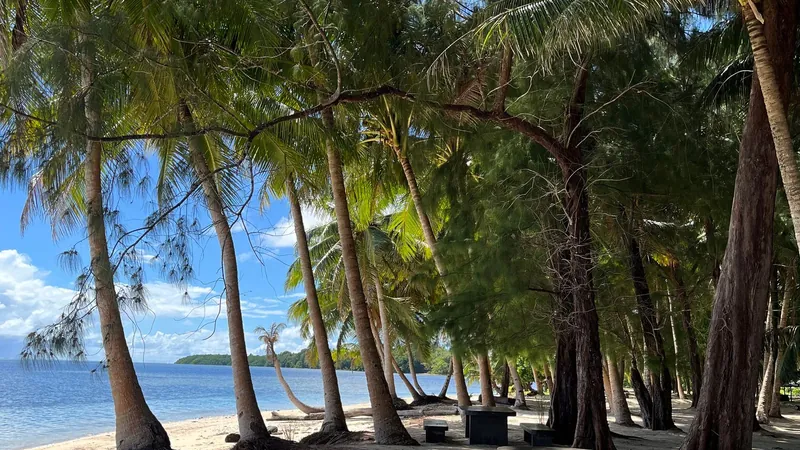
A palm tree leaning over a white sand beach and clear shallow water in Koror. Photo: Juliana Santos / Pexels.
Two orange clownfish in a purple sea anemone on a reef in Palau. Photo: MaLia Evans / Pexels.
Sources
Researched for you from official and trusted sources. Rules, prices and times change, so check the official page before you book.
I researched this page for you, so you can plan well. The places I have filmed have their own trip planners.
Filming your own trips? My free guide to AI editing shows how my automated AI editor turns a folder of my clips into a finished reel. Send me the free guide.
 Luisa's Atlas
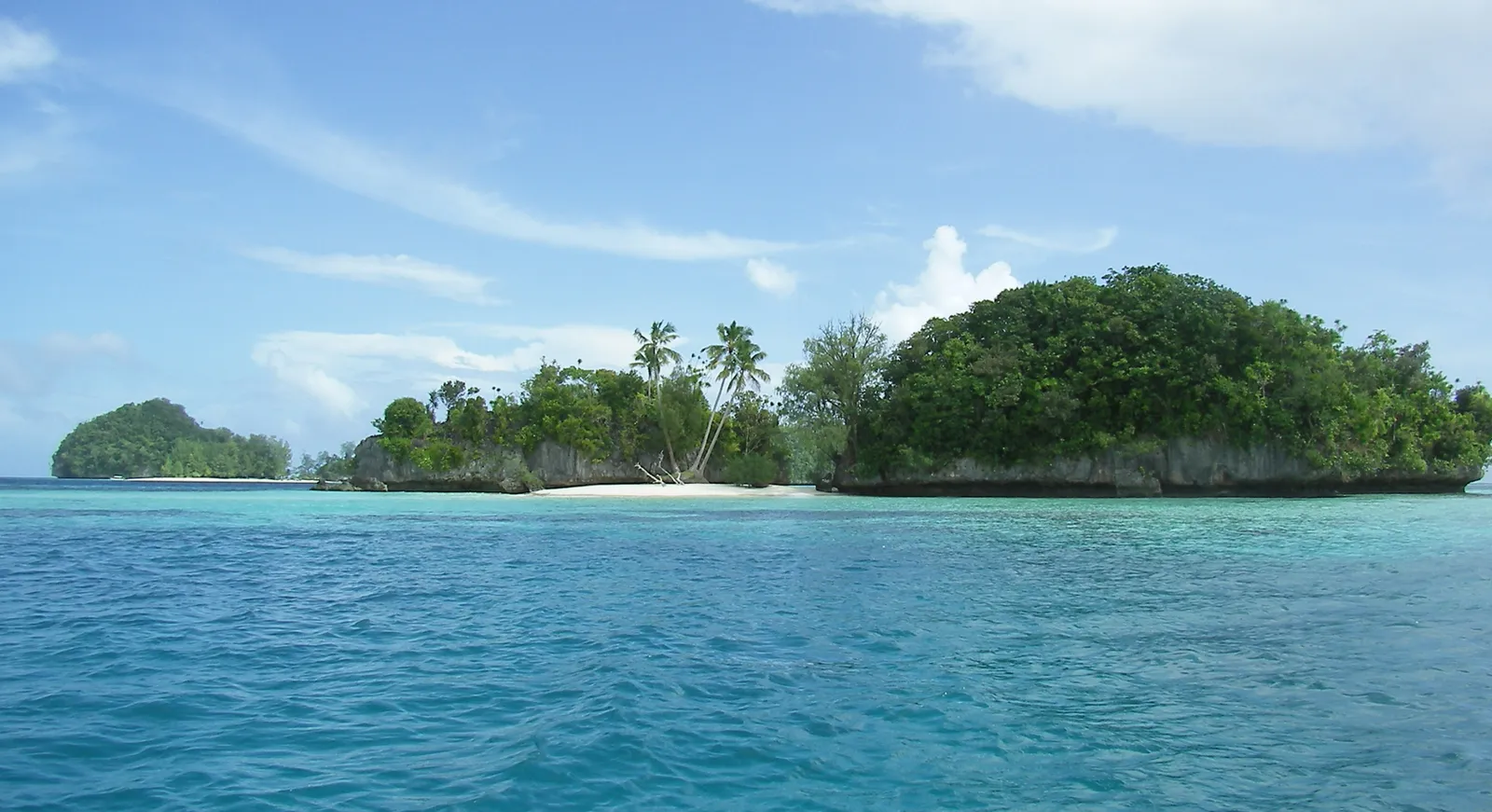
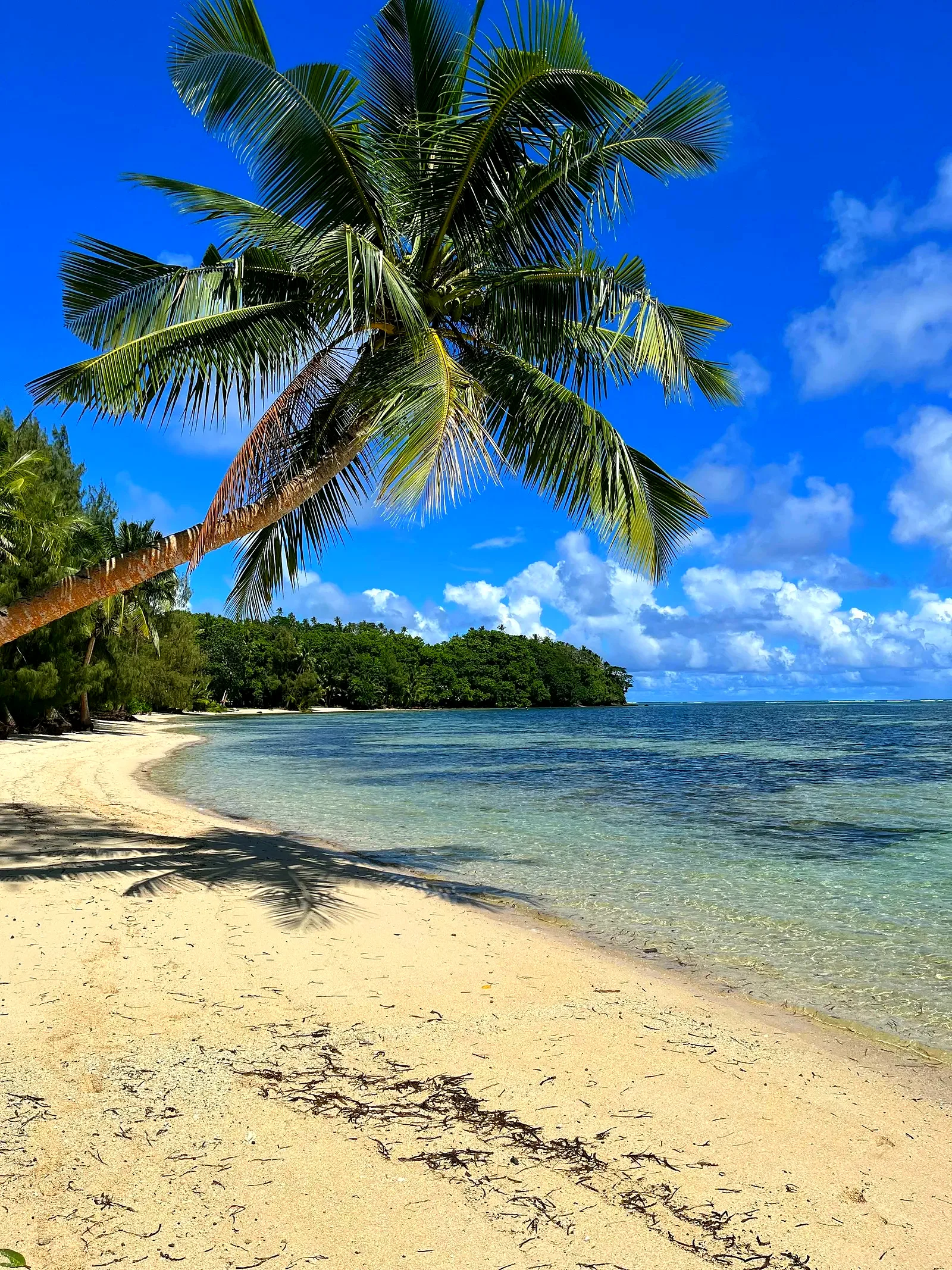 A palm tree leaning over a white sand beach and clear shallow water in Koror. Photo: Juliana Santos / Pexels.
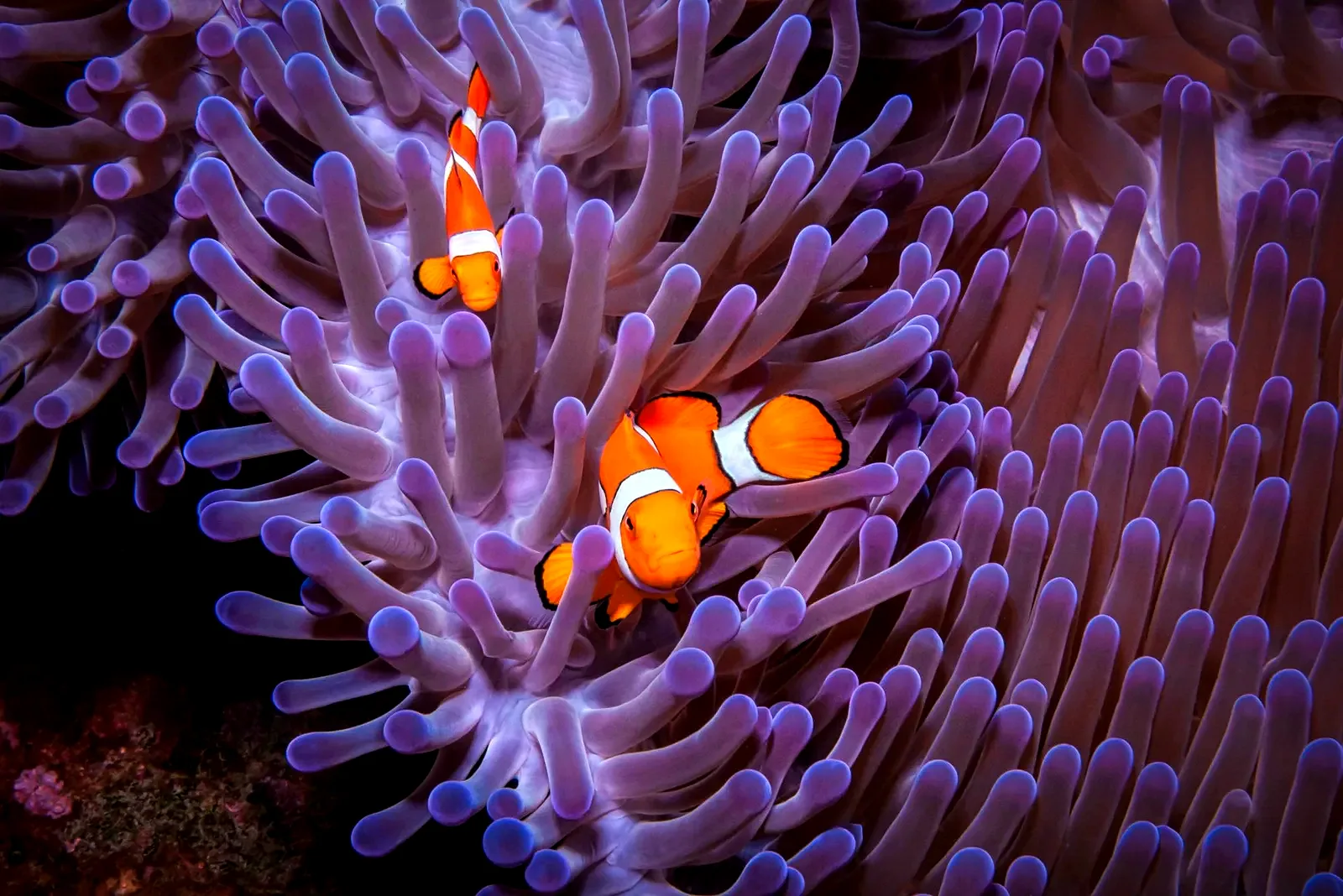 Two orange clownfish in a purple sea anemone on a reef in Palau. Photo: MaLia Evans / Pexels.